Lens-Artist Challenge #195: Colorful Expressions

Color! It motivates, depresses, and makes us happy. Marketing companies know the effect color can have on our emotions. Just look how it’s used in print and television ads. Bright colors are usually used to get us to buy—now. More subdued colors are used to relax us and encourage us to come in for that spa treatment. How do you react to these subliminal motivators?

Better yet, how does color affect your photography? How we photograph is reflective of how color motivates us. I like bright bold colors, red being my favorite. In fact, as I write this post, I’m wearing a red blouse. I shy away from pastels, and you’ll never see me wear a soft pink! But, back to photography. My personal preferences are carried forth in what I choose to photograph.

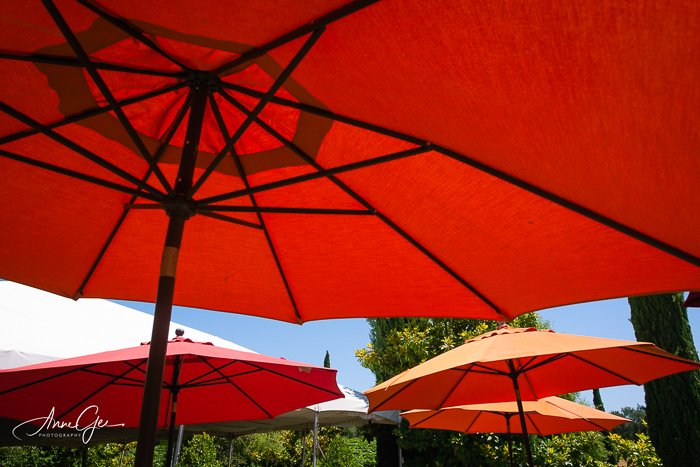
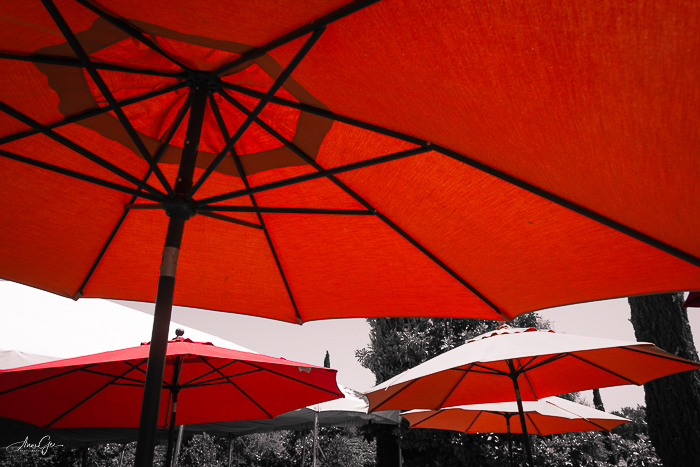
If I see red, I’m going to photograph it. These umbrellas are an example. The umbrellas take up most of the image with a large splash of color. It draws attention and, for me, is exciting.

The canopy below is a much smaller representation of red, but it still caught my eye. It is small and in the background. Even though it’s small, it’s bright enough to pull you into the frame.

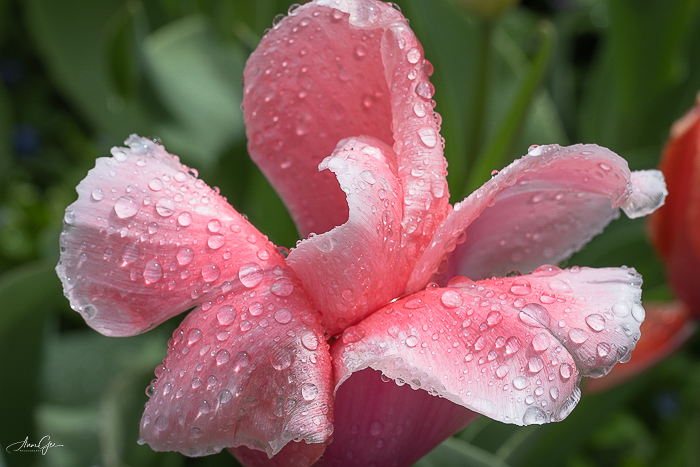
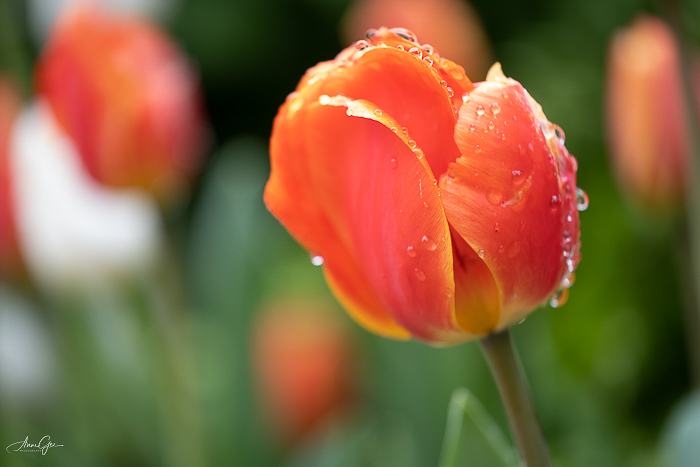
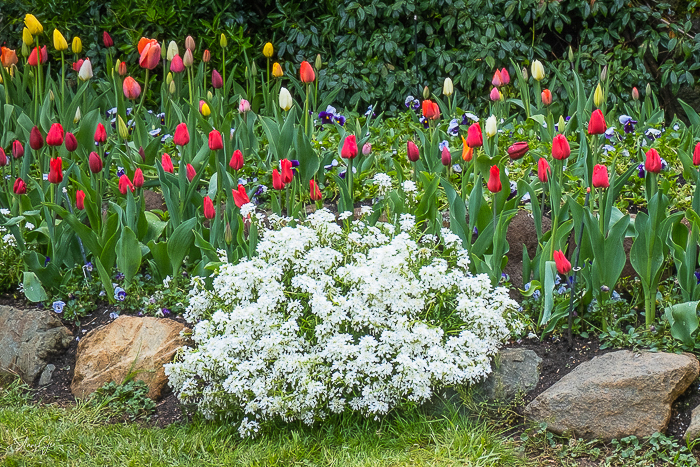
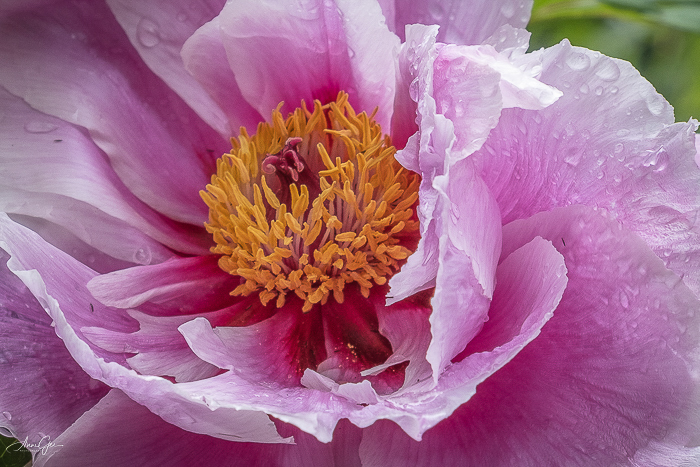
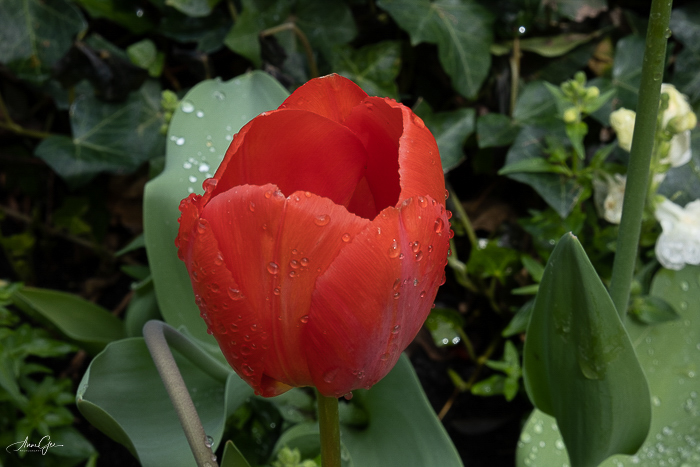
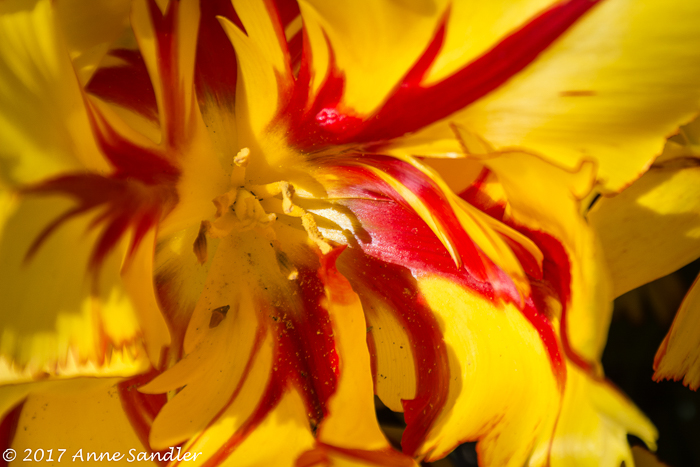
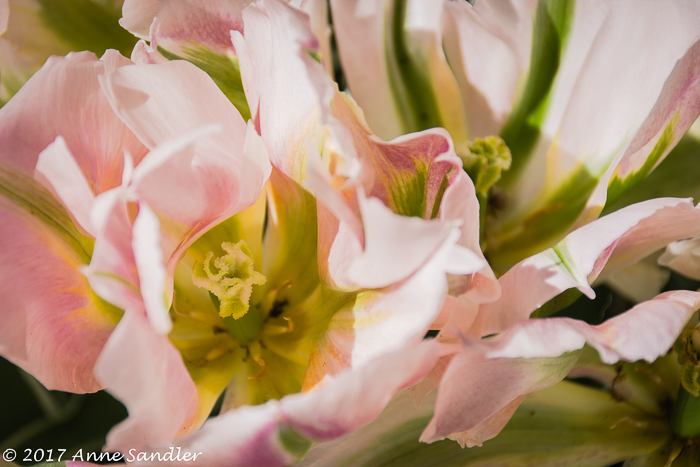
A photographed color can be soft and light, creating a sense of calm. Or, it can be bright, demanding our attention. These two flowers are an example of this. The soft pick versus the bright yellow and red. Which suits your mood? I know I said I’m not drawn to pink, but flowers are the exception.

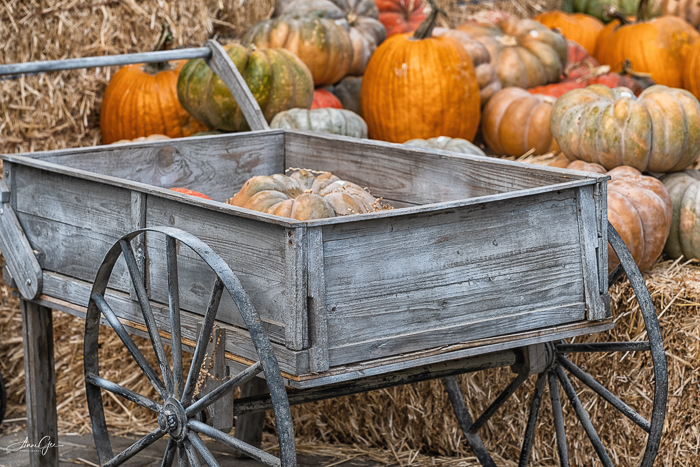
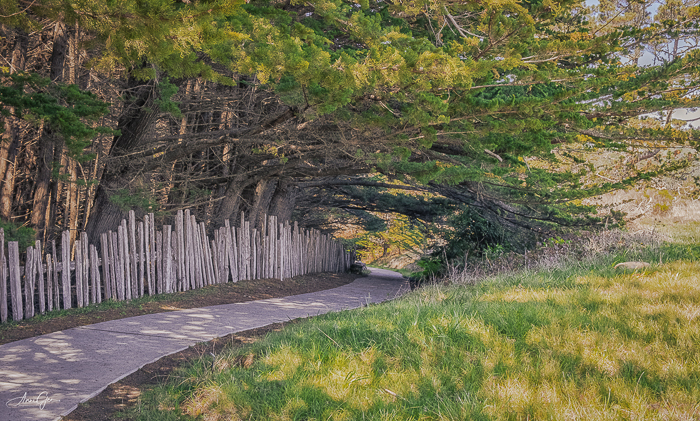
Color can also fill the frame, be solid, or lead us through the frame. The orange pumpkin dominates, leaving me feel excited and wanting to bake pumpkin bread. While the soft yellow on the ground and trees accents the branches and glides us along the pathway, having me feel at peace.

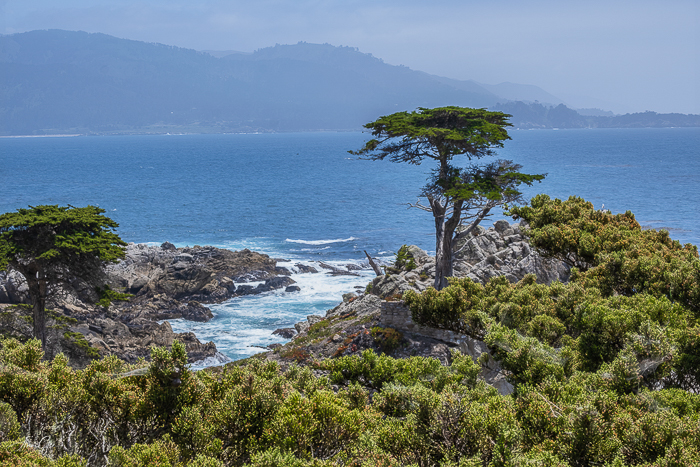
Mother nature often paints her landscapes in duotone so the subject can stand out as does this cypress tree against the blue ocean. I could sit a long time watching the waves crash onto the shore, creating a calmness within me.

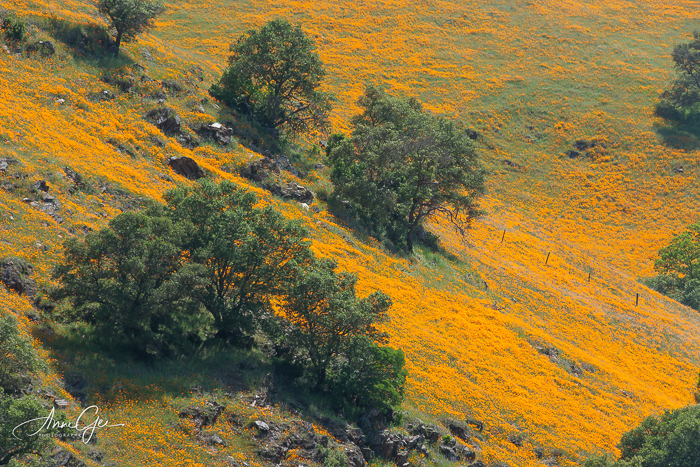
Or She paints a beautiful expansive vision of color as these poppies drape the hillside. This wild poppy field left me in awe of nature’s work.

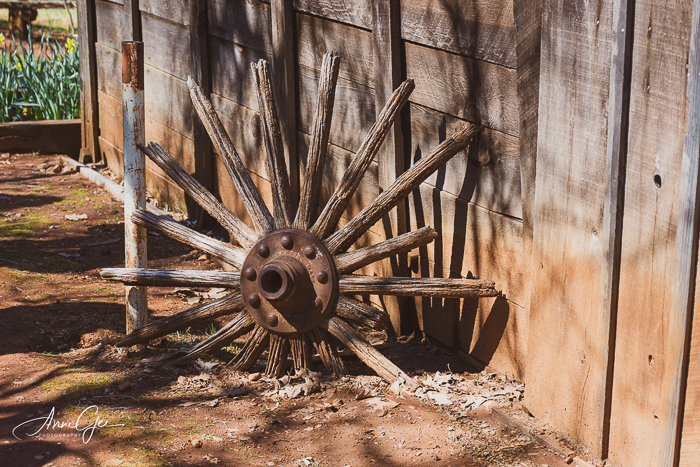
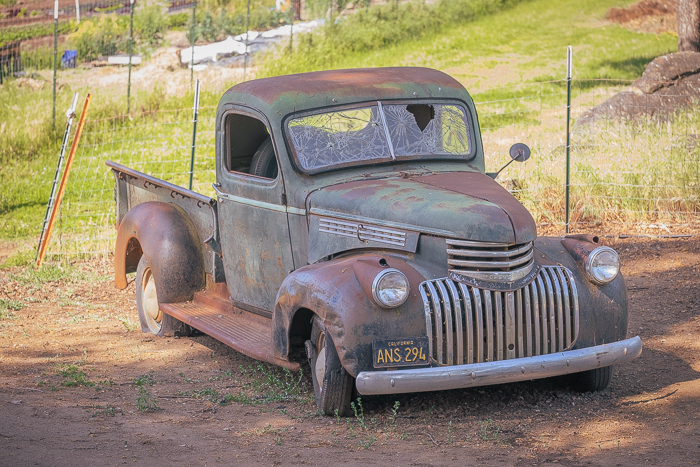
I’m also drawn to rust which has a texture of its own, creating its own colorful patina. I can just feel the age of this wheel and admire its beautiful colors.

Before I close this challenge, I had a bit of color fun by processing selective color. This is the first time I’ve done this. Remember this photo, all that’s left in color are the red umbrellas. If you haven’t processed selective color, give it a try. It is fun!

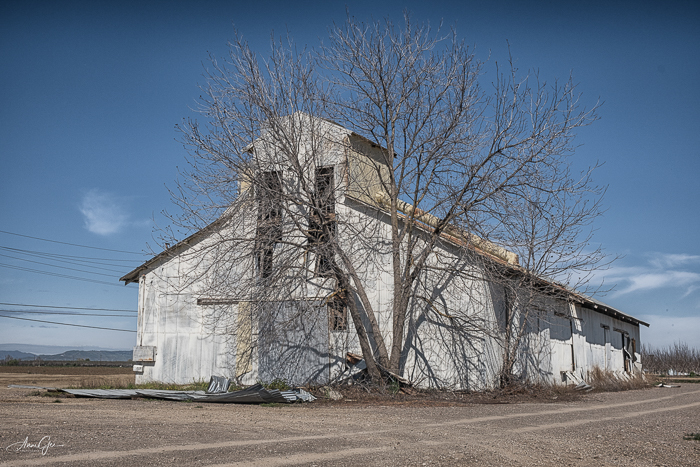
And then there’s the rare “what is that!”  Sometimes color surprises us. Wouldn’t you stop to take a picture of an old pink barn. Yes, even I did!

This week, show us how color affects your photography. What emotions does it bring to the surface? Which ones are you particularly drawn to? When you create your colorful expression, remember to link to this post and use the Lens-Artists tag.

Thank you, Sofia, for last week’s challenge that explained what bokeh is and how we use it as we photograph. We enjoyed seeing all your beautiful responses. Our guest host John RH, of John’s Space, will be presenting next week’s challenge. Be sure to visit his site.

If you would like to participate weekly in our Lens-Artists Challenge, just click this link and join us: https://photobyjohnbo.wordpress.com/about-lens-artists/

Decision: The Nesting Tree

To buy or not to buy! To use or not to use! That’s my dilemma!! I’ll start at the beginning. For wildlife photography, I’ve been using an old, used prime F/4 300 mm lens on my Nikon D7100. It’s a bit heavy, hard for me to hold steady and the Nikon is not that good in low light. I finally decided to buy a used Fuji 100 – 400 mm lens for, of course, my Fuji XT3. It worked great and was easy for me to hold steady, but the barrel was tight when I zoomed. It’s in the return process. Question: should I get another one? Or just keep using the Nikon set up?

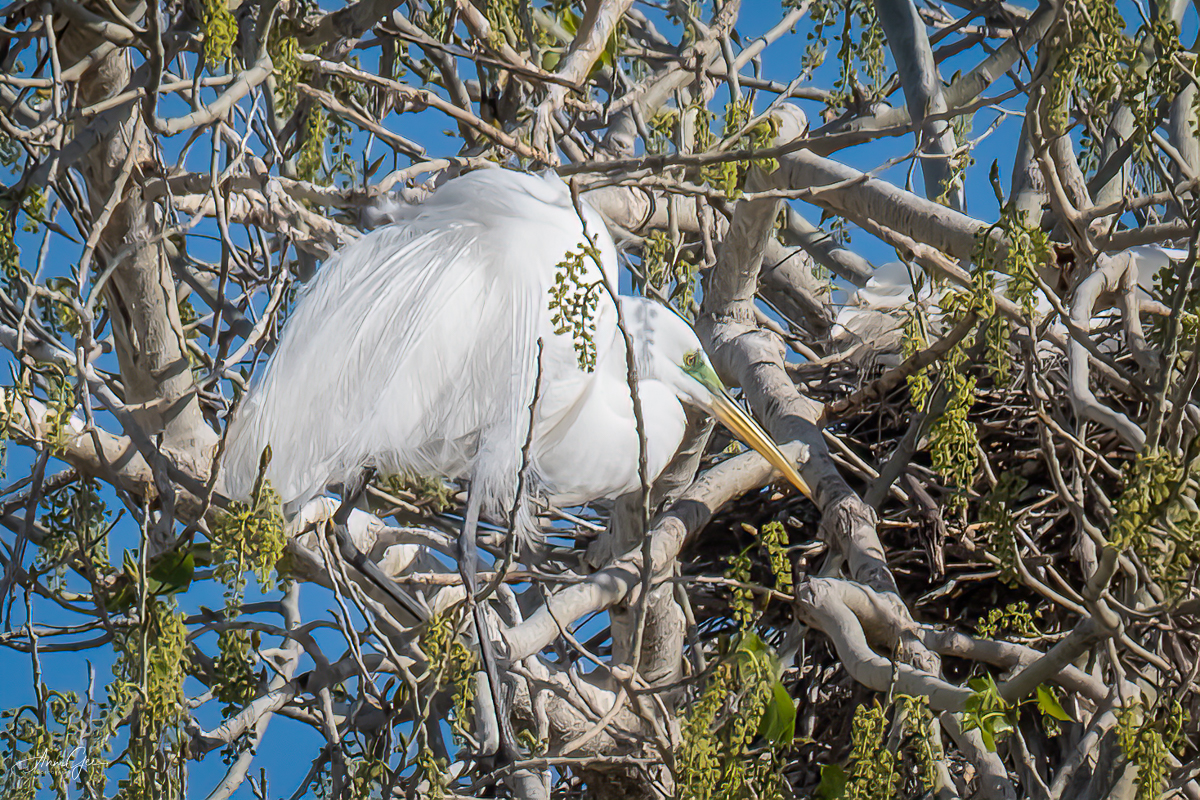
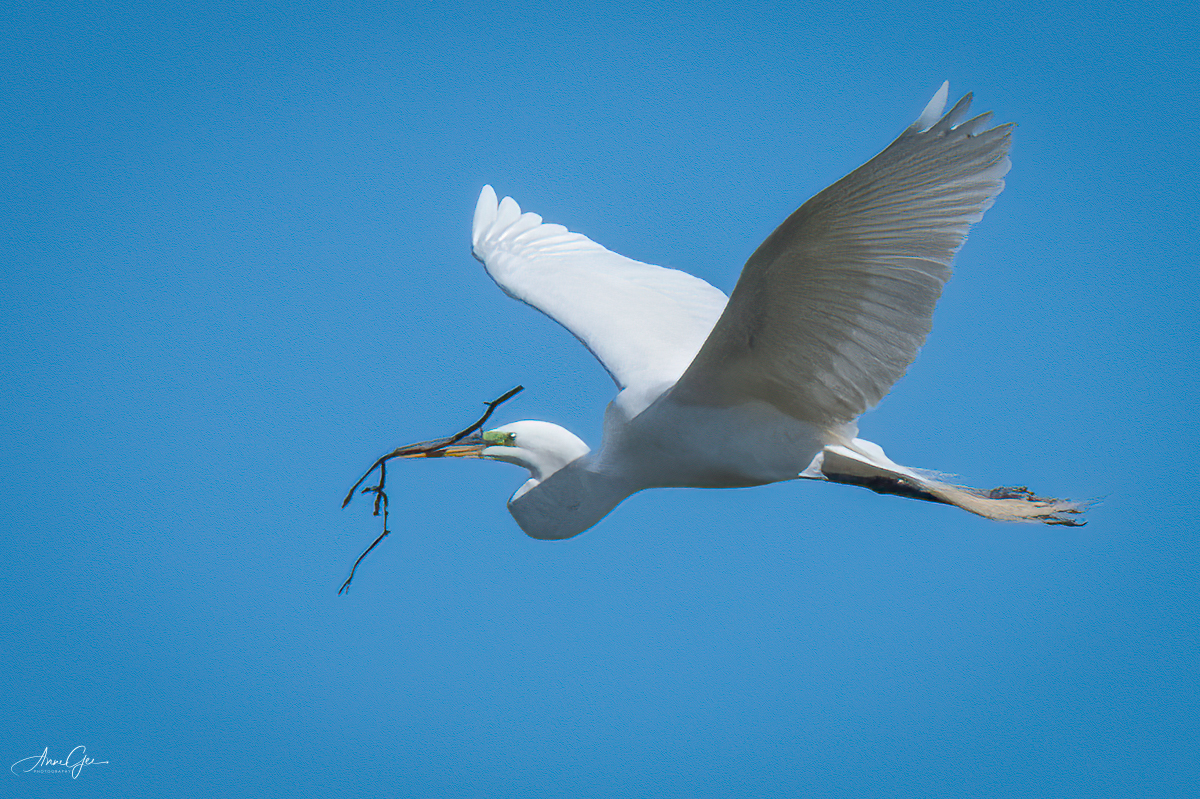
Here are some images from the Fuji set up taken at what I call the nesting tree in nearby Lincoln.

Great Egrets and Great Blue Herons nest each year in these trees. It’s a treat to sit and watch the activity. They fly off and bring back food and nesting materials to the nest. These next pictures were taken with the Nikon set up. Since I photographed mostly egrets on my previous visit, I was trying to photograph more of the herons. The trees are not close and I had to do a lot of cropping with these pictures for both set ups.

Do you see much difference? Both sets were processed in Lightroom and Topaz Sharpener AI. There is the handling ease, but that comes with about a $1,500. cost for a good used lens. I don’t think I need a new one because I don’t do that much wildlife photography.

So that’s my decision and dilemma! What do you think I should do?

Oh, if you want to see amazing Great Blue Heron Photography visit Babsje’s blog for wonderful stories and images. She is totally dedicated to the herons.

Lens-Artists Challenge#192: Earth Story

In her challenge this week, Amy wants us to think about our earth. It impacts our daily lives: the water we drink, the oceans that provide us enjoyment, the soil that brings us food, the trees the help us breathe. We rely so much on our earth.

I was raised mostly in the Bronx, New York, in a mostly concrete jungle. Yes, there were trees and parks, but I was never taught to appreciate nature. It wasn’t until I had kids that I began that appreciation. Our vacations were camping get-a-ways. We took the boys to every National Park and many State Parks–from the ocean to the mountains and even the desert. Unfortunately the pictures I took then were with a point and shoot camera, and mostly of the boys. I do have them in albums for my own joy.

Photography gave me the opportunity to not only enjoy our earth, but also record it. Let’s begin with my local Sacramento County area. We are lucky to have many creeks around the valley like our neighborhood Dry Creek.

Mather Lake is a nearby treasure for photographers and fishermen (and women). I go there to photograph swans, but on this day I found a pelican and cormorants.

We are a couple of hours away from the coast, giving us a wonderful day trip. Heading west, the Marin Headlands is a great spot for water sports, fun and photography.

North of us is Table Mountain which was formed from ancient lava (basalt) flows. It is very rocky and in Spring, it is loaded with wildflowers. It’s called Table (mountain) because of it’s mostly flat surface.

We go east every Fall to find the beautiful orange and gold color of Autumn.

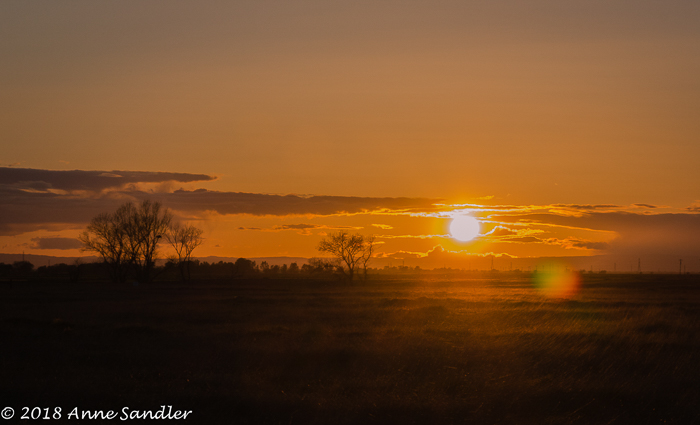
I’ll end this post with nature’s way of painting her earth with golden light–a sunset. This one, taken in nearby Yolo County, is setting on a field of earth giving sunflowers.

Thank you Amy for having us remember to cherish our earth and take care of it. Would we survive without it? Please remember to link to Amy’s post and use the Lens-Artists tag.

We totally enjoyed your all your curvy responses to Patti’s challenge. Next week, get ready to celebrate because John will host LAPC #194. For his challenge, be thinking about what is special to you regarding birthdays or anniversaries.

 If you would like to participate weekly in our Lens-Artists Challenge, we have easy to follow instructions. Just click this link and join us: https://photobyjohnbo.wordpress.com/about-lens-artists/

Lens-Artists Challenge #191: Curves

While I don’t enjoy driving on curvy roads, I do like photographing these roads that meander and bring our vision into a photograph. This week Ann-Christine is asking us to post images of curves. I look for curves in most of my compositions.

I’ve chosen to sort through my 2020 archives. I love trees and the way the trunk bends, branches bend and leaves hang.

Effie Yeaw

At Mare Island I saw all types of curves.

Next we have three different types of curves: A different kind of cucumber, a sculpture wheel and a hillside of poppies that curves on the horizon.

Near Jackson, California

And a beautiful curvy road near Sugar Pine Reservoir.

My exception from 2020 images is this one taken recently at the Manetti Shrem Museum of Art. This museum’s architecture is amazing with curves and lines. You’ll be seeing more in coming posts.

There are curves, man made and nature made, all around us. Thank you Ann-Christine for helping us become aware of the softness around us. When you post your curves please link to Ann-Christine’s post and tag Lens-Artists so we can find you in the reader. Amy will be presenting next week’s challenge.

 If you would like to participate weekly in our Lens-Artists Challenge, we have easy to follow instructions. Just click this link and join us: https://photobyjohnbo.wordpress.com/about-lens-artists/

Oh no, birds again: Yolo Bypass Wildlife area

Let’s hope you see more birds once I get my new Fuji 100 – 400 mm lens. To do most wildlife photography, I’ve been using my Nikon D7100 and an old metal F/4 300 mm prime lens. It was almost impossible for me to hold until Ray made me a short monopod that helps hold the camera and lens steady. The other problem is the Nikon itself. It’s not very good in low light. So photographing in cloudy and overcast days was difficult.

So, I finally decided to try the Fuji lens which I hope is lighter. It’s coming tomorrow. Meanwhile, Laura and I recently went to our local wildlife area in Yolo County, just across from Old Sacramento. The Yolo Bypass is a favorite for local photographers.

I was lucky to get a series of a great egret hunting for what ended up being a cricket, beetle or some other bug.

There were also some other birds.

And then two cormorants.

Get ready and fly.

I’m not sure what bird this is but….

And here are some landscapes taken with my Fuji.

Now, I’m anxious to test out my new lens, but we will have to wait!

Lens-Artist Challenge #190: Close and Closer

I’m happiest when I have my macro lens on my camera. Yes, I love macro and close up photography. But Patti is correct in this week’s challenge of getting close and closer. Getting close to the subject changes the story slightly. My images are cropped sections of a larger area, but I believe the feeling is the same.

To begin, we visited the Manetti Shrem Museum, an art museum on the U. C. Davis campus. More than what’s inside, I love the exterior. All the lines and angles. They can also be found inside. The first image shows some of the exterior as seen from the hall in the museum. The second photo is cropped in to show more of the detail in the metal. The shadows also add design to the image.

The second set shows a winter scene at Donner Lake. Photographed from the roadside, the long, curved driveway invites the viewer toward the home. I drastically cropped in the image to show the window and its reflection which creates a design of its own. I’m glad we can crop in a photo and respect the owner’s property.

Next we have a path at Fort Ross on the California Coast. Uncropped it shows a winding path leading through a tree umbrella. Cropped, the focus is on the detail of the trees.

Last we have an old farm building. This was taken at one of the Yolo Art and Ag Project farm visits. In the landscape a photographer is taking a picture of the same building. In the close up, I focused on the window. Processing it in black and white added a more realistic quality to the age of the building. Do you think the photographer was doing the same thing?

Thank you Patti for showing us how getting closer can change the look, feel and story of an image. And thank you Tina for encouraging us to find our oddest ends last week. Next week, Ann-Christine will lead our challenge. Please remember to link to Patti’s post and tag Lens-Artists so we can find your post in the WordPress Reader.

 If you would like to participate weekly in our Lens-Artists Challenge, we have easy to follow instructions. Just click this link and join us: https://photobyjohnbo.wordpress.com/about-lens-artists/
Almond blossoms and rust: Winters California

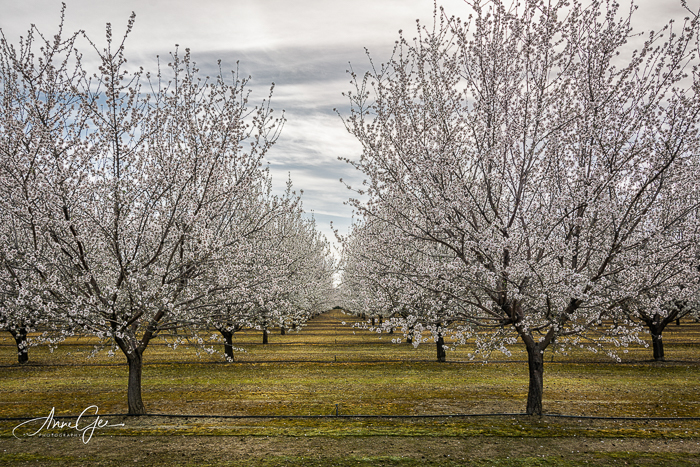
Mother nature is fickle. Wind, rain and all sorts of weather can ruin crops and cause financial distress for the growers. It can also cause disappointment for photographers. Last year a BIG wind storm blew almond blossoms off trees, rendering them bare. It was a tough year for the growers. This year, I got sick the week we were to take advantage of a Yolo Art and Ag visit to an almond orchard. We went the next week knowing we couldn’t get on the property, but thought we could photograph from the road. However the blossoms were almost gone. What a difference a week can make!

I tried photographing through the fence. This is what I saw.

But we did see a field of old, rusted equipment. Now, I do love rust and its texture, photographing close up.

Not rusted, but if you like lines and angles, power line towers rule.

Always looking for something to photograph, we found these on the way to Winters for lunch.

After lunch, we walked about the town.

Will 2023 be the year we photograph almond blossoms? I hope so. If not rust will never disappoint!

Lens-Artists Challenge #189: Odds and Ends

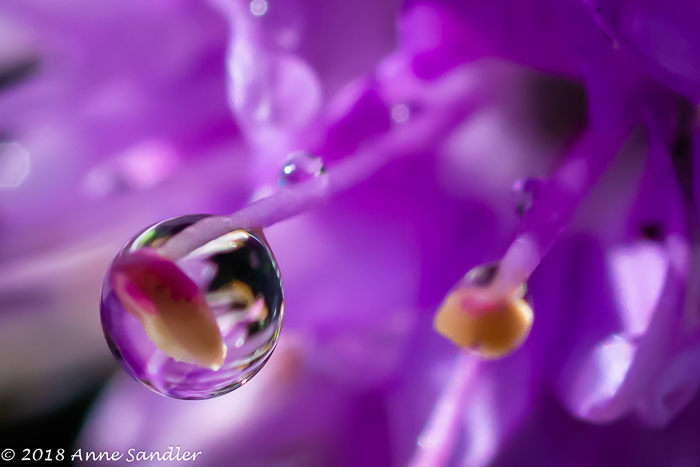
This challenge is a challenge for me because I don’t typically keep photos that don’t make it into my blog posts. Maybe I’m too good of a housekeeper! But, I do have one, only because I did a post, forgetting that I hadn’t finished editing. So for Tina’s challenge this week, here is a macro image of an orchid from Green Acres Nursery.

And I did find this one of a flamingo’s rear that I don’t think made it into a Sacramento Zoo post. Let’s just call it “art!”

And here are some true odds and ends I did find in my archives. First the lumber jack from the LumberJacks restaurant and a metal chicken sculpture nearby. These were taken while out with my friend Marlene. We were looking for a metal horse sculpture. Never found it.

I must include these photos from 2020 just before the pandemic hit because I haven’t been able to get good photographs of almond blossom trees since. In 2021 we had a BIG wind storm before we were supposed to go out to photograph an orchard, and all the blossoms were blown off the trees. This year we were one week too late.

I’ll end with an iris from my garden. The plant bloomed one year in 2020 and never again!

Thanks Tina, from now on I’ll leave some Odds and Ends as I process.

Thank you all for participating in Karina’s (Murtagh’s Meadows) Special Places challenge last week. It was interesting to visit your special places. Next week Patti will host the challenge.

If you would like to participate weekly in our Lens-Artists Challenge, we have easy to follow instructions. Just click this link and join us: https://photobyjohnbo.wordpress.com/about-lens-artists/

In search of red buds: U.C. Davis Arboretum

Sometimes the spirit is more willing than Mother Nature wants to give us. Recently Laura and I went to the U.C. Davis Arboretum, in Davis, to photograph the red buds and the wildlife it attracts. Yes, our spirits were willing to take the images, but there were hardly any red buds and birds. We did find some.

I’m guessing there might be more now. But we did find some nice scenery. I had my 55 – 200 mm lens on my Fujifilm XT3 so I did a lot of stepping back for some of these landscape shots.

We did come across a group of cormorants sitting on the shore of the creek. I focused on this one.

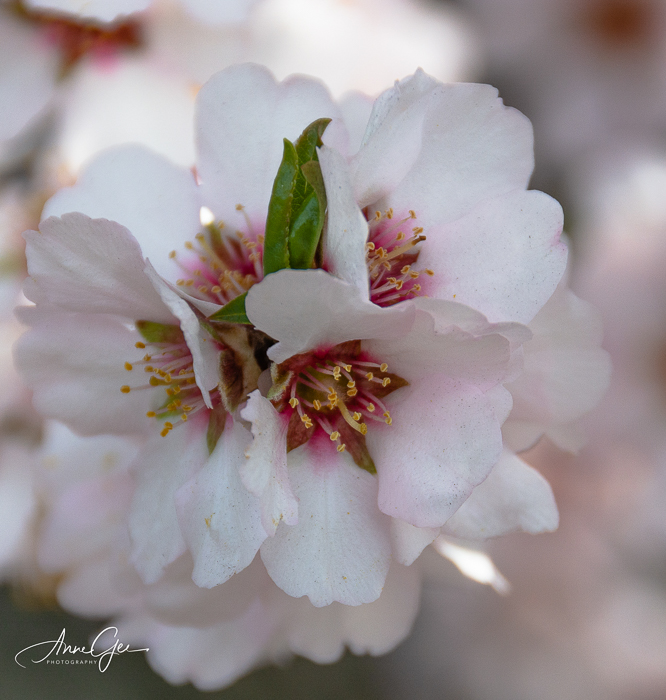
And, I couldn’t resist photographing flowers and more in close up.

When I needed to rest, Laura went further while I sat on a bench and people (and dog) watched.

So, our red bud search gave us a beautiful walk and a lot of photo opportunities even if we didn’t see many red buds on the trees.

Lens-Artists Challenge #187: Water

Just think about the photographs you’ve reviewed lately. I bet a lot of them include either a foreground or background of water. Water enhances our photos, adding impact. Photographing it is also fun and sometimes a challenge.  My dear friend Jean, who passed away recently, loved to photograph anything water. In fact, many outings were diverted because she saw a sign saying there was a lake or other water nearby. This was taken on one of Jean’s detours.

The San Francisco Bay near Port Costa.

Water is featured in many landscapes.  This ocean picture was taken in Pacific Grove.

This Folsom Lake image was taken before the drought hit last year. The sailboat is the focus, and the water gives it location.

Bridges usually go over water and in Sacramento County we have many that help us get to the other side of the rivers. I took this one recently of the Rainbow Bridge, a Folsom landmark, and the American river. Reflections in the water add a certain dynamic.

Water can also be the focus of our pictures. Waterfalls, from the great Niagara Falls (the American and Bridal Veil falls), to the small falls at our local Dry Creek are focus points. At Dry Creek, I was handholding the camera and trying to show water as silky by slowing down the shutter speed. I’ve yet to master that because I don’t often carry my tripod! One day I will get up early, plant myself at the ocean, put on my neutral density filter and photograph beautiful waves as they hit the rocky shoreline.

Here’s another handheld close-up image of water coming out of a pipe. This just shows that water of any kind can be fun to shoot. Next is a macro image of a water drop on a leaf. I had a lot of fun taking that one. Finally, the last of this trio shows simple drops of water on lotus pads.

Oh, the last bit of water I’ve had fun with is the snow. Fortunately, here in Sacramento we don’t live with the snow, but we can visit it. Here’s an image of a home in Blue Canyon one hour up the interstate. The second image is of icicles (And their reflection in a window) on a cabin at Donner Lake which is 1 ½ hours away.

I’ll end my show and tell here, but what water fun have you had? Please show us your water fun and tell us about it. Go through your archives and retrieve some memories or find new liquid delights to photograph this week. We’re anxious to see your images. Please remember to use the Lens-Artists tag and to link to this post.

Thank you for participating in Sophia’s challenge of “Low Light” last week. Next week we are pleased to have Karina of Murtagh’s Meadow as our guest host. I wonder what she has in store for us.

If you would like to participate weekly in our Lens-Artists Challenge, we have easy to follow instructions. Just click this link and join us:

https://photobyjohnbo.wordpress.com/about-lens-artists/