Lens Artists Challenge #401: Master Your Photography

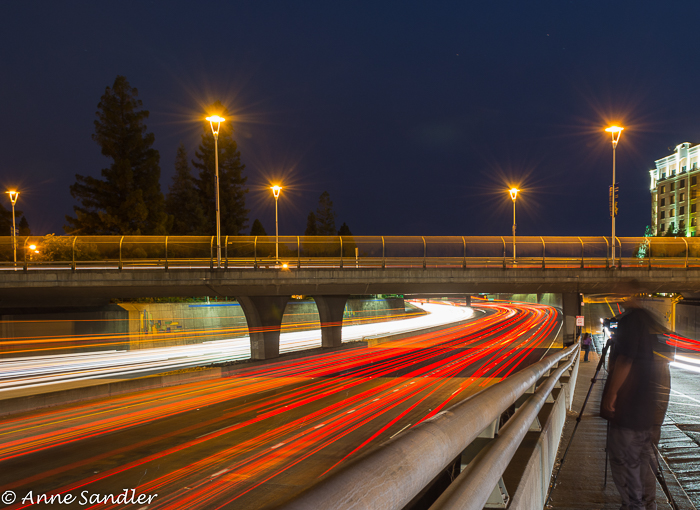
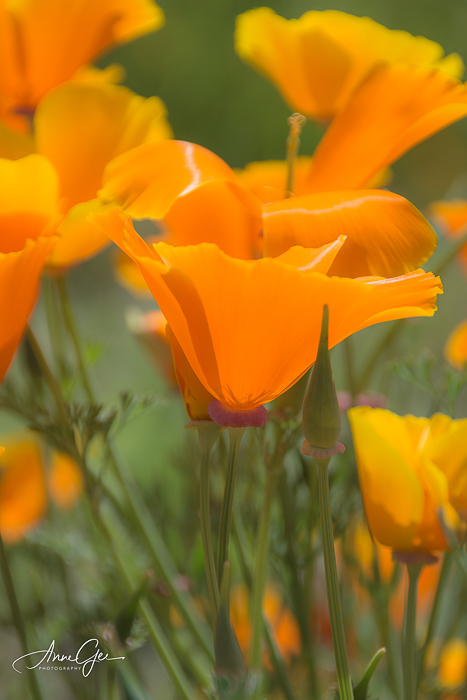
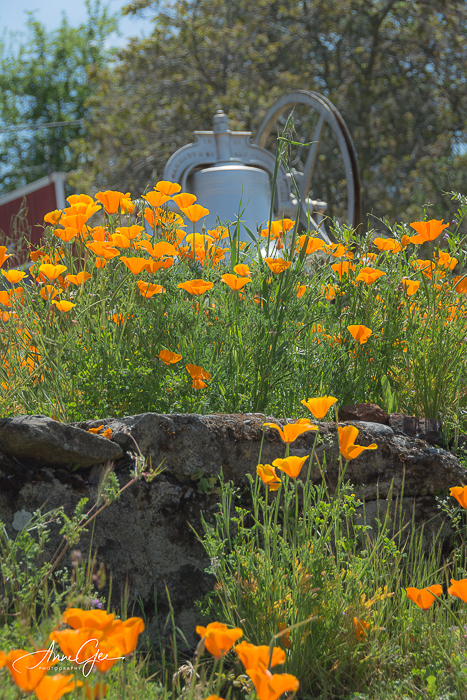
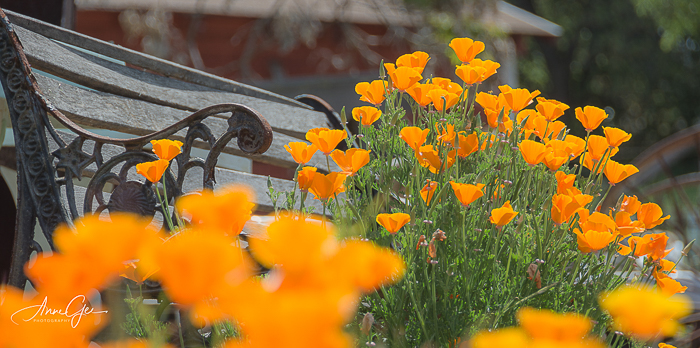
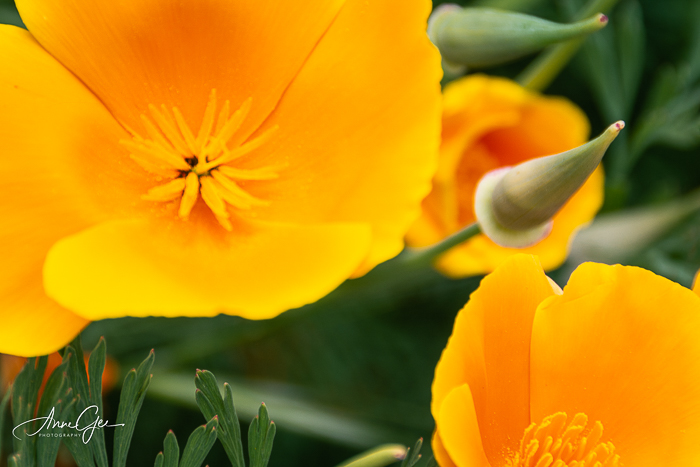
Have you ever looked at a photo or painting and wondered where the focus is? This week, Patti has us concentrating on our subject–the focus of our image. She’s showing us five ways to lead your viewer to the focal point and the reason, you snapped the shutter. I’ve chosen selective focus, negative space and leading line to demonstrate how I help lead my viewers to what caught my eye in the first place.

Leading Lines

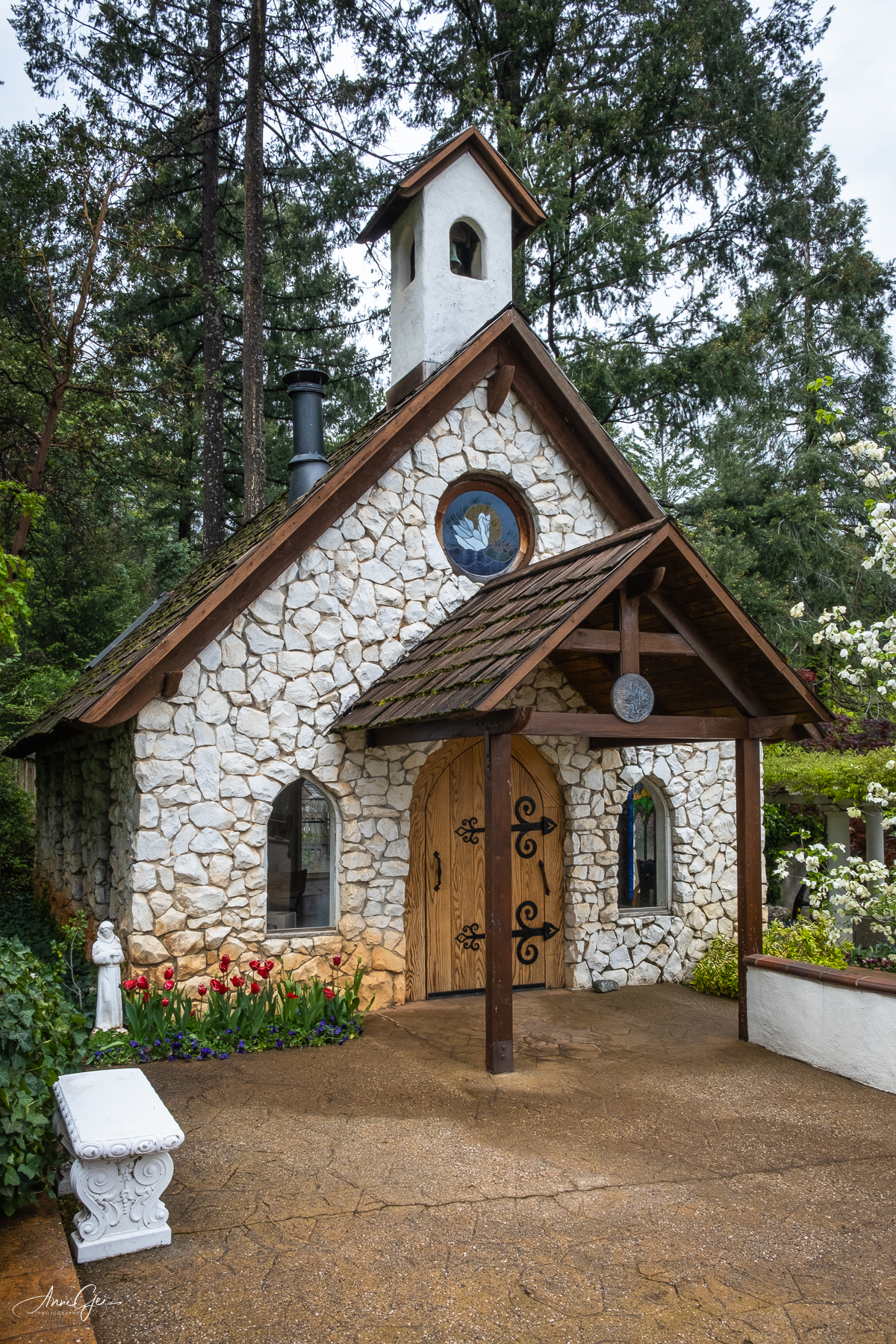
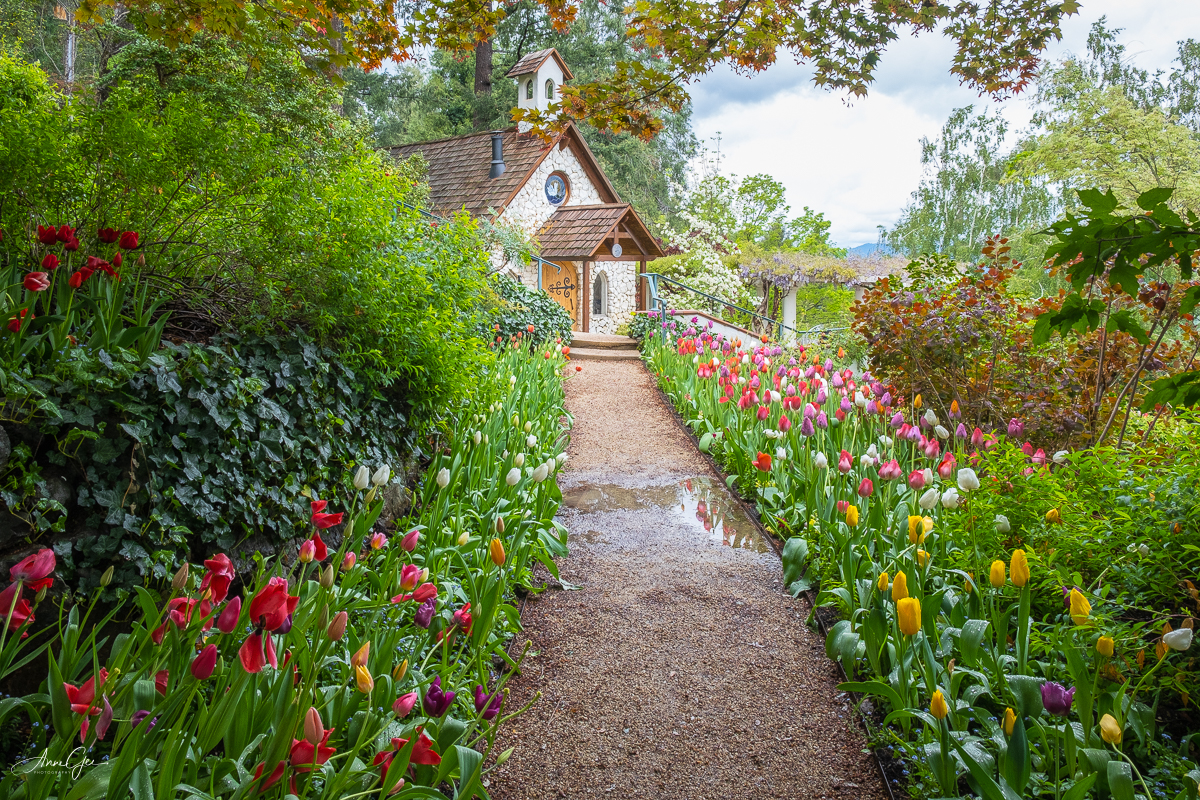
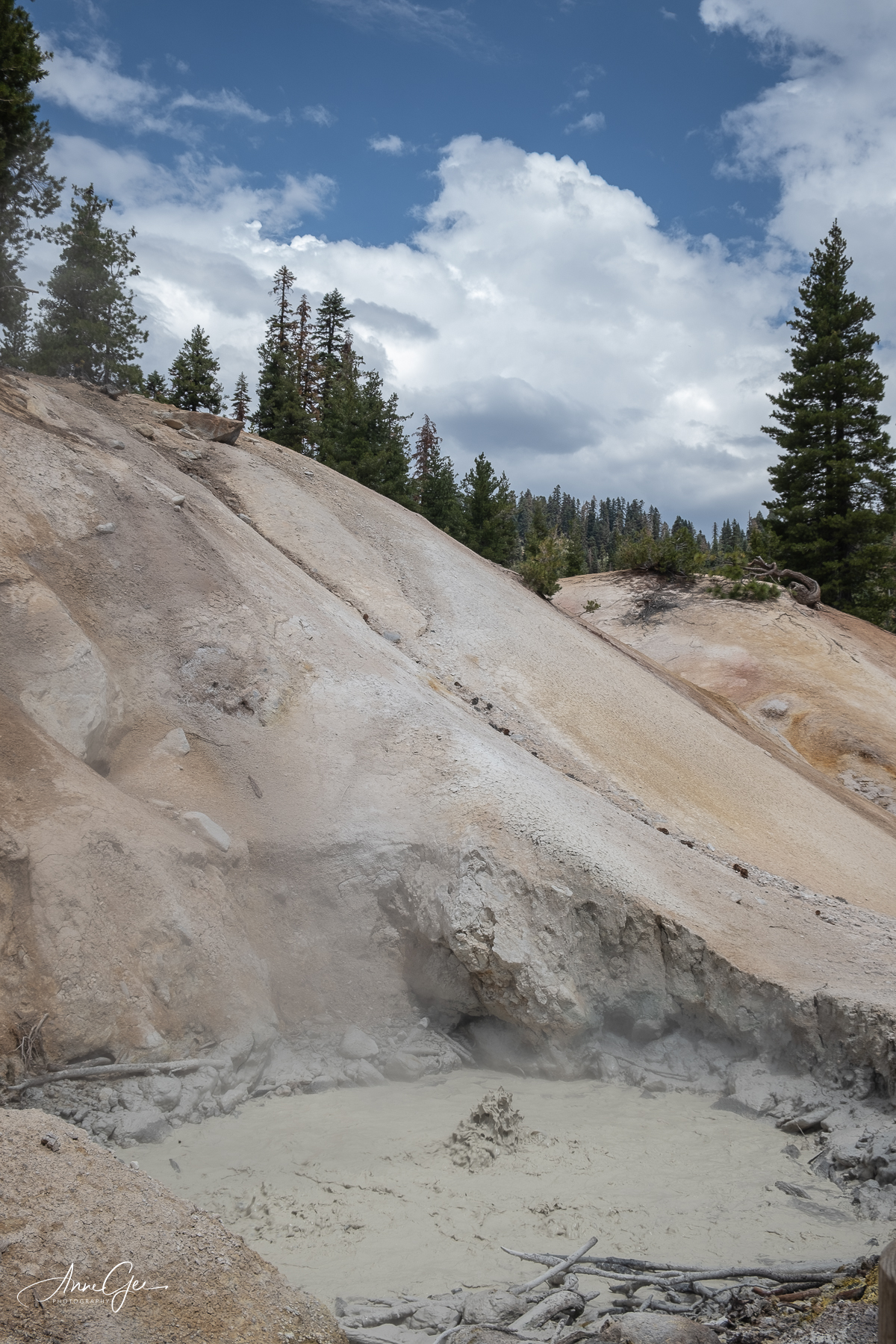
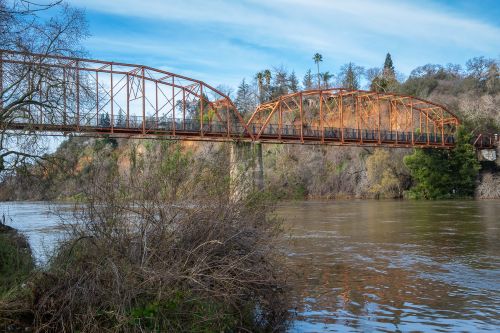
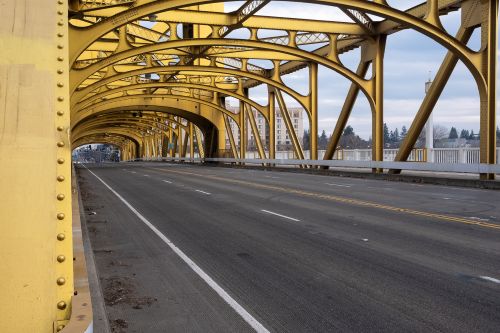
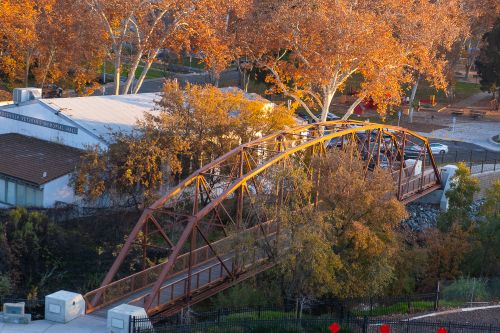
I love to use leading lines. They don’t have to be straight as in my photos. Think of a curved road leading to a structure or horizon line. The architects of the Cottage in the California State Empire Mine State Historic Park and the Sundial Bridge made use of the leading line theory. Oh, the bridge does have a working sundial at the end.

Negative Space

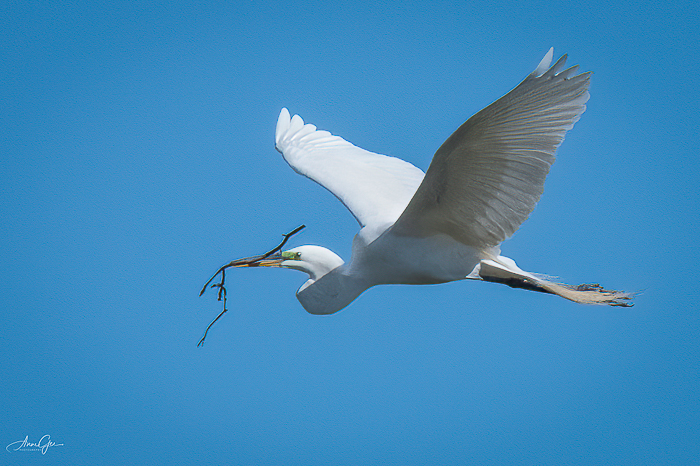
Negative space does spotlight your subject. Most of my examples involve wildlife. Capturing a great blue heron in flight is no easy task with a 300 mm lens, so I’m happy when I can capture one. An eagle sitting on a branch is a bit easier and so majestic. The sky provides beautiful negative space, especially when there’s no clouds!

Selective Focus

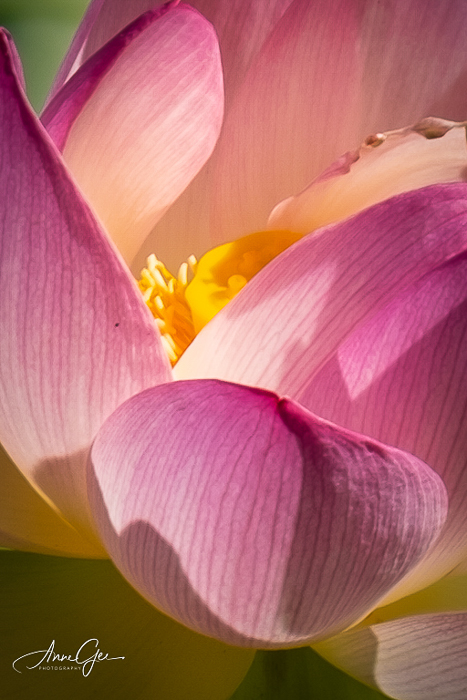
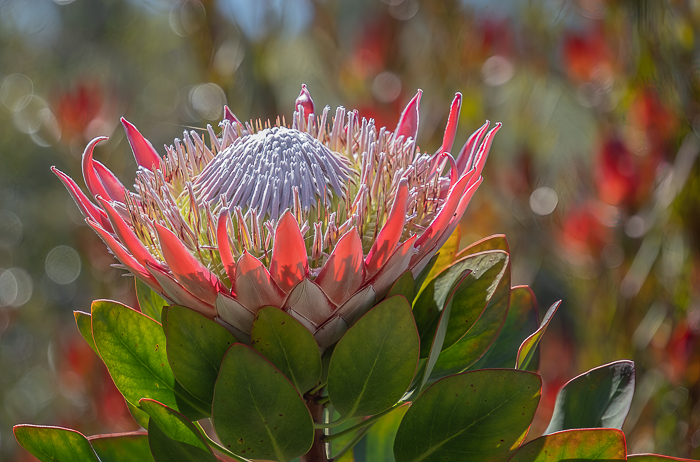
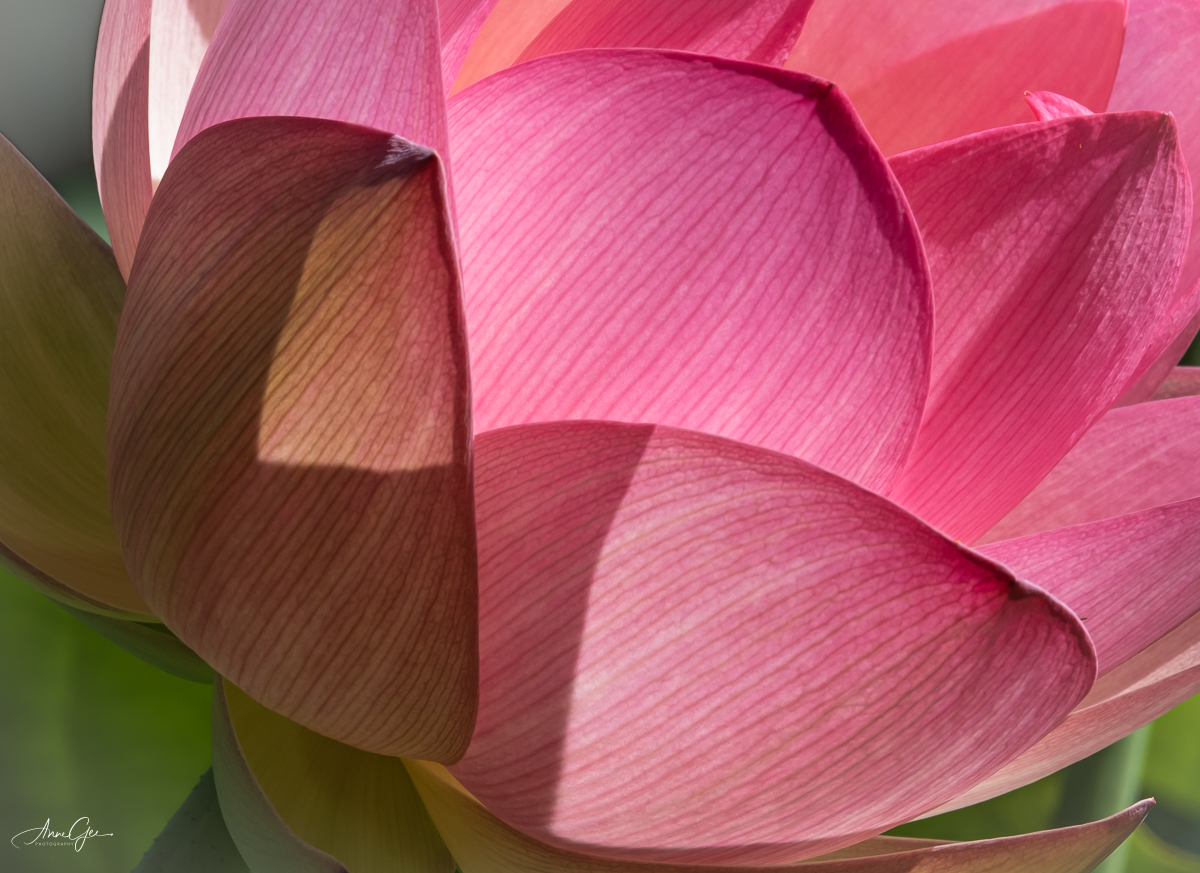
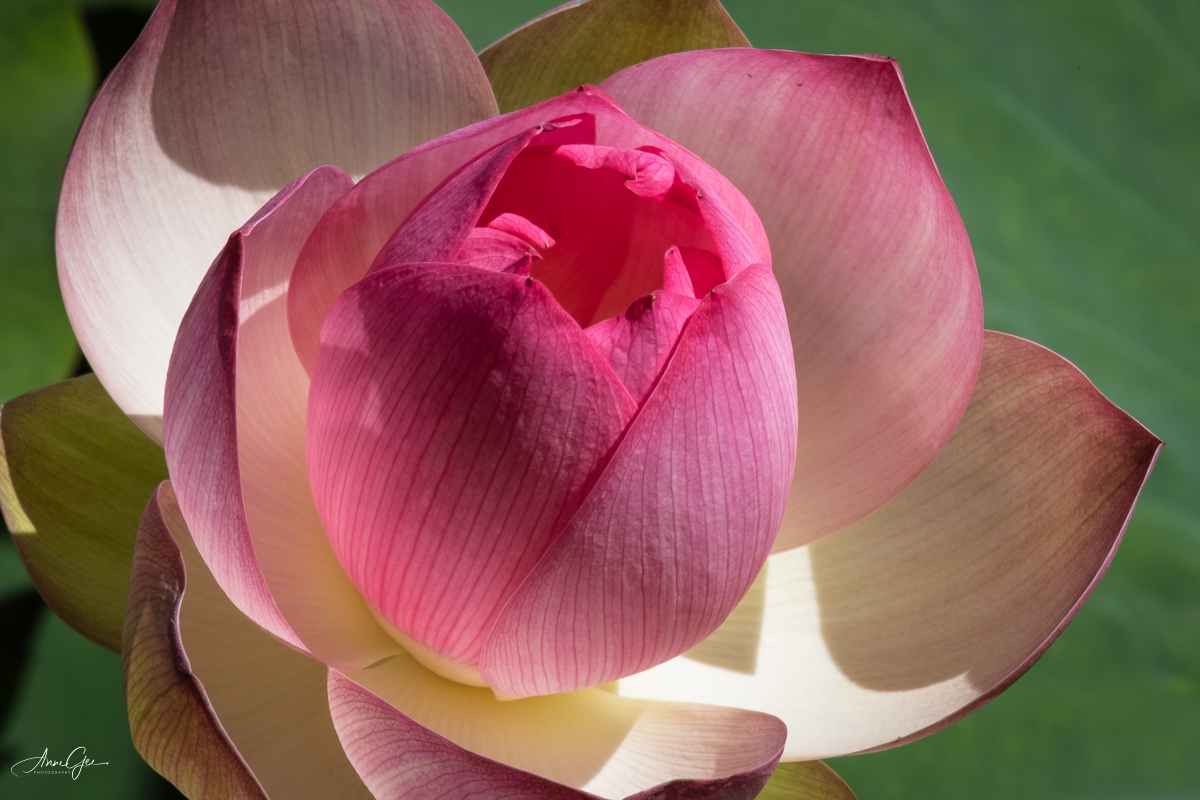
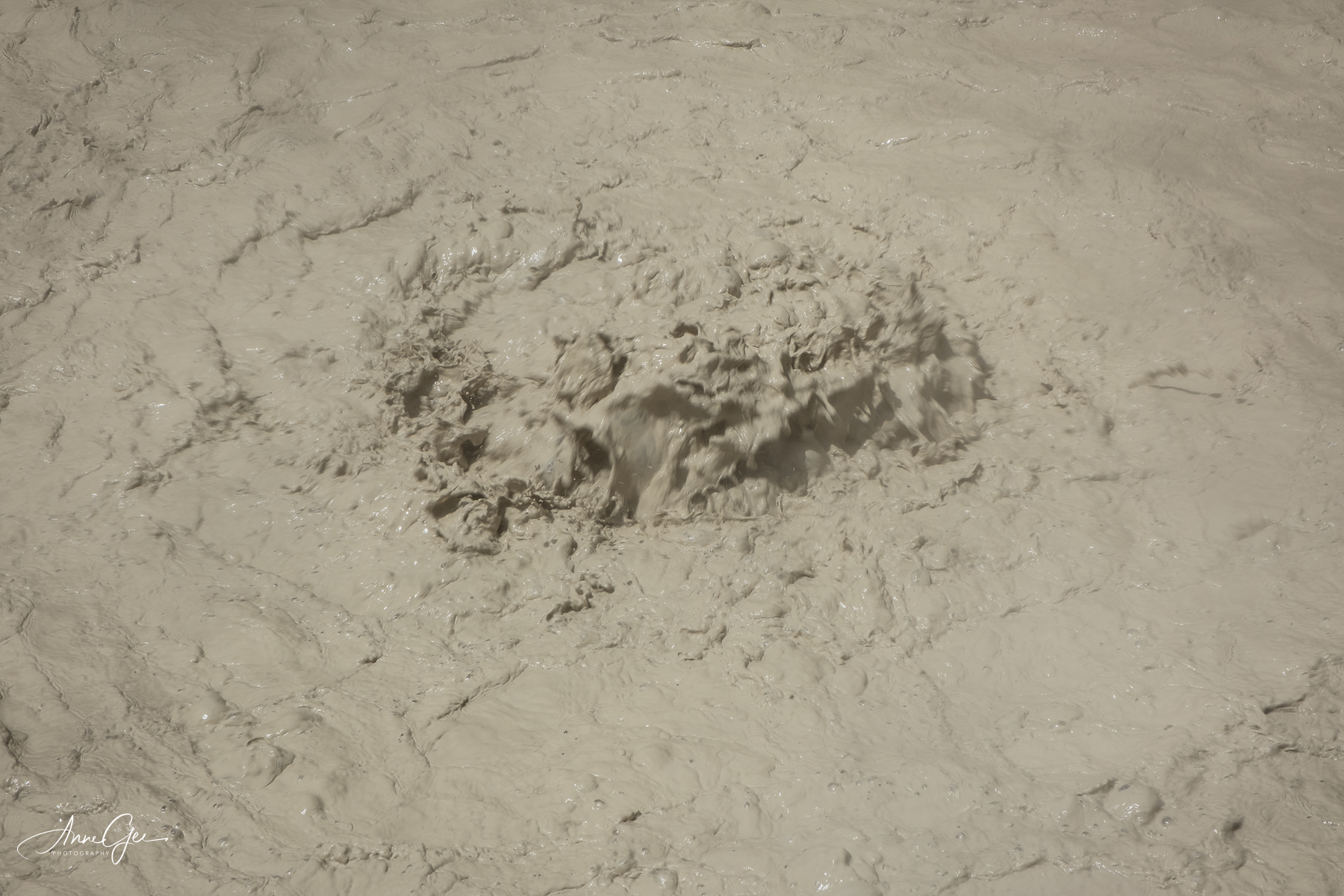
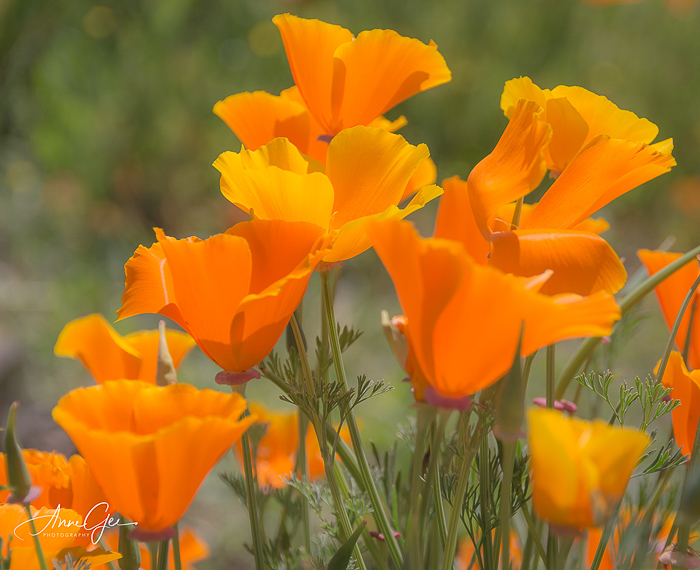
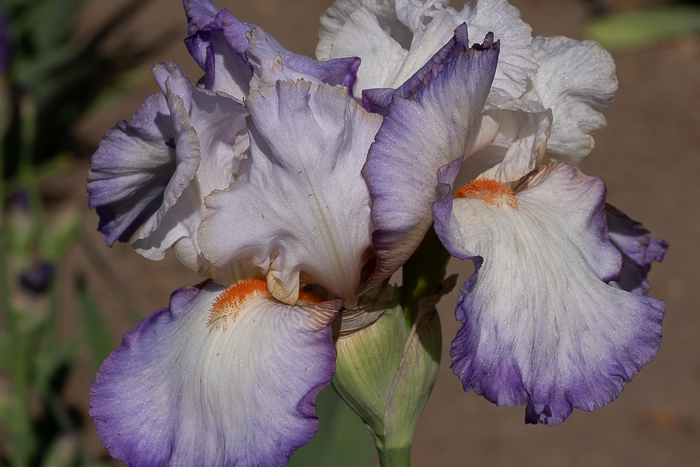
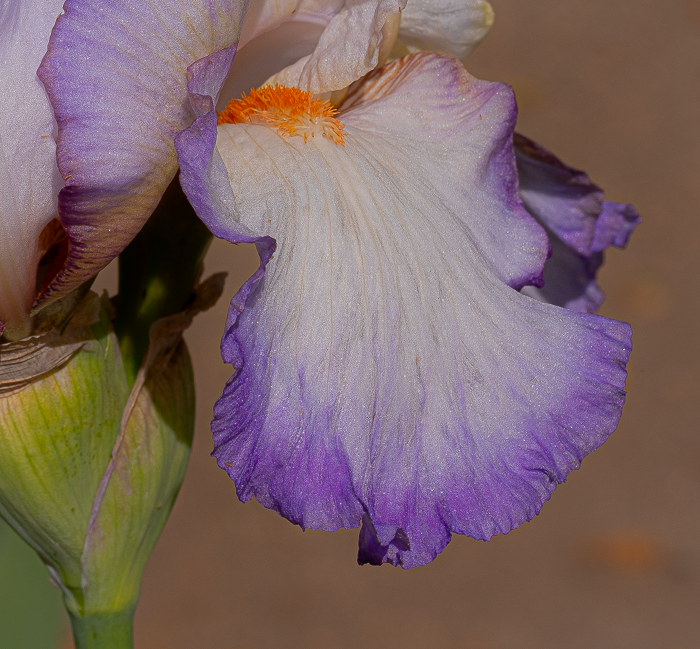
Since I enjoy photographing macros so much, selective focus is a favorite of mine. Using a macro lens to photograph the edges of leaves and their texture is fun. So is going through a farmers’ market where you can zoom in to find vegetables that also have texture.

This was so much fun. Next time I take my camera out for a walk, I’m going to try other types of selective focus. Thanks Patti! When you post your response, please remember to link to her original post and use the Lens-Artists tag. Last week Tina encouraged us to experiment with the Rule of Three. I could tell from your responses you enjoyed creating your posts. Remember to stay healthy and be resilient!

Lens Artists Challenge #400: The Rule of Three

When you are about to take a photo, do you think of yourself as a designer of your photographic masterpiece? This week, Tina introduces us to a designers stand by, The Rule of Three. Having worked with a graphic designer for 20 years, I learned quickly about odd numbers adding flow and interest to a piece.

I use this rule when I compose an image in camera. Like these three trees.

This doesn’t happen on a conscious level, but instinctively. It happens at the zoo when there’s more than one animal to photograph. Or when on an outing and photographing wildlife.

Oh my, I even caught the Rule in a building reflection showing three other buildings.

Someone understood this rule when they placed these shells on a pier. They really bring your attention the the texture of the wood.

These three sculptures, “The last Conversation,” are part of five (two not pictured) by  Juan Muñoz, taken at the Smithsonian in Washington, D.C. Whether it’s the three I took or the entire sculpture of 5, the sculptor understood the Rule of Three or having an odd number.

Now, I hope Tina doesn’t mind me cheating a bit. I’m claiming the Rule because I’m treating the sculpture as one and my photo buddies as the other two.

The more you think of the Rule, the more instinctive it will become. Thanks Tina for introducing us to this important guide. When you post your reply, please remember to link to her original post and use the Lens-Artists tag. We had a great time last week with Egidio’s challenge of being stuck in place. Patti will be challenging us next week. So stay tuned. Whether you’re stuck in place or wandering remember be a little odd in your photo composition.

Stay healthy and be resilient!

Lens Artists Challenge #399: Stuck in Place

When I’m carrying my camera, I never feel like I’m stuck in one place. There is so much to photograph–even though you’re truly not interested in the subject. Egidio challenges us to find photographic opportunities in a small area. Today, being Memorial Day here in the U. S., I dug through my archives to find the California Vietnam Veterans Memorial ~ Capitol Park in Sacramento

This is of special significance to me since my husband served in the Army during the Vietnam war. It took a long time for this Nation to honor our Vietnam Vets. I didn’t have to take many steps to photograph these sculptures, but it was like I was walking miles.

It was a long year of waiting, watching the war on television and talking with my husband, Richard, who was caring a radio on his back through the jungle and wounded twice. Thank heavens for Ham Radio Operators around the world. Richard returned home, but not without emotional scars.

So, while you are celebrating with friends and family today, take a moment to remember those who didn’t make it home or made it home with physical and emotional injuries.

I’m sure Egidio didn’t mean for this challenge to be a somber one, but I didn’t mean for this post to be so difficult. You just never know what will happen when you start typing. Next week Tina will take us in another direction with a new challenge. Thanks to Ritva for last week’s colorful challenge.

Take care everyone, stay safe and be resilient.

Lens Artists Challenge # :Choose a Color

When you’re drawn to color like I am, you can make serious shopping mistakes with impulse buys! This week Ritva’s post is all about color, its meaning and its importance. I love red, and when I see red, I automatically try to figure out where I can use the item. More than not, I don’t need it. The older I get, the more level headed I am and can leave the item behind.

When we were young marrieds, my husband drag raced a red Pontiac with cheater slick tires. It became my car. I cannot tell you how many police followed me on the freeway until they realized I was a woman. Then they left me alone. Here’s a somewhat red car with a beautiful reflection.

I guess I like deep colors like red because my skin is pale and pastels just make me look like a ghost. I went to our new friend AI to find out what red symbolizes:

  • Passion: Red often represents strong emotions like love and desire.
  • Danger: It is commonly used to signal warning or alertness.
  • Energy: Red is associated with vitality and enthusiasm.
  • Power: The color conveys strength and authority.
  • Courage: Red symbolizes bravery and determination.
  • Action: It encourages movement and urgency in various contexts.

Is that me? I’m not sure. I’m passionate about photography. But, I don’t go looking for danger. I used to have a lot of energy. I’ve never been power hungry. I do have courage. In an emergency, I do take action.

Let’s look at some more images. If I have a choice, I’ll sit under a red umbrella. I think I should have bought those cups, but I restrained myself. Japanese gardens always include red. While red is a stimulating color, this bridge calms me down. Just walking across it creates serenity.

You know I love flowers. I could have filled this post with flowers, but we are limited. Here are two: a tulip and rose.

Now that Ritva has me in a red mood, I just might go shopping. One more red blouse or a red doodad won’t hurt. But I really don’t need them. What to do?? Maybe I need to end this post and busy myself with some other color. I do like blue, purple, and green!

Talking about color, your textures last week showed beautiful colors of rust, wood and florals. Thank you for participating. When you post your colors, please link to Ritva’s original post and use the Lens-Artist tag. Next week Egidio will challenge us, so look for his post. In the meantime, stay safe and be resilient.
Lens Artist Challenge #397: Texture

How do we make our two-dimensional medium feel like three-dimensions? We know using leading lines help bring viewers into the image. For instance, a country road that narrows in the middle and disappears in the top of the frame gives the viewer the feeling of depth.

Texture, however, gives us the visual quality of a surface — how rough, smooth, gritty, or soft it appears in a two-dimensional image. For instance, it lets us imagine how rough a mountain would feel. When you look at this image, you can almost feel the roughness, coarseness and sharp edges.

Wood on an old weathered barn, invites us to become enveloped in textures and colors. You can see the danger of getting a splinter and almost feel the rough texture of the old wood. Have you hugged a tree lately? Doesn’t this old tree look inviting. It’s the texture creating that invitation. And, add the symbiotic relationship of lichen making its home on a tree we can feel and see two types of textures.

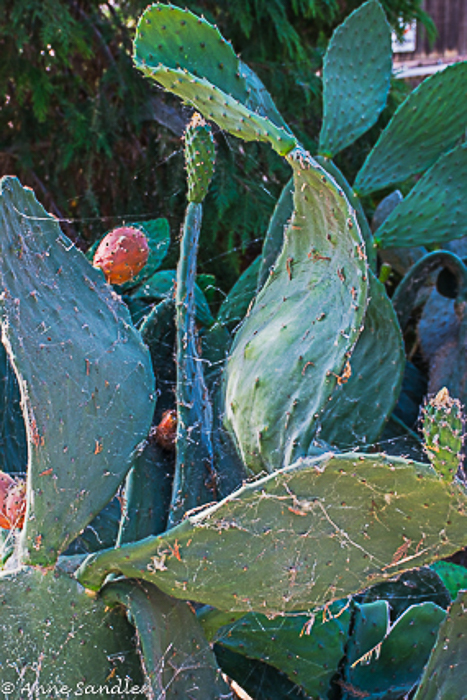
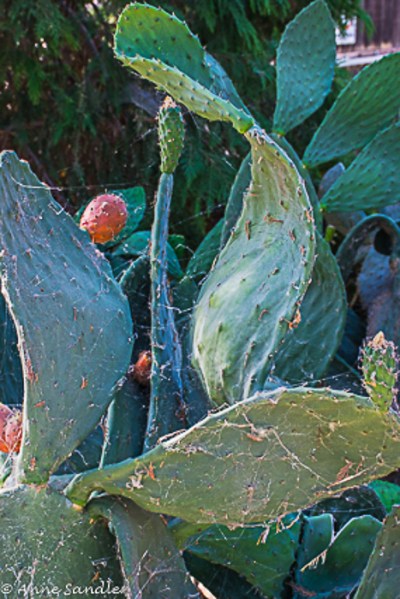
Leaves also have different textures. The spiny cactus would certainly prick your hand if you grabbed it. But the leathered leaf would feel smooth to your touch. Just looking at each picture, I pick touching the leathered leaf. I can feel its thick, smooth and veiny quality.

Soft textures can be found in the strands of yarn and in the beautiful feathers of a bird. I know what those strands of yarn feel like; but I’ve never held an egret. But seeing those fine feathers spread out on its wing, I can imagine how soft they would feel.

And, last my favorite texture–rust. I don’t have to touch it to feel it’s rough surface and see its brilliant colors. I can almost jump into the rusty texture and strip off years of neglect. Just looking at the picture, I’m absorbed in the story and its history.

Texture helps my two-dimensional examples have a three-dimensional quality. Now it’s your turn. Show us your images where texture plays an integral part. When you share your post, please remember to link it to mine and use the Lens-Artists tag.

Last week we all had fun finding pictures for our quotes or quotes for our pictures1 Thanks Ann-Christine for that amazing challenge! Next week Ritva will be presenting the challenge. In the meantime, stay safe and be resilient!

Lens Artists Challenge #396: Illustrate a Quote

Gosh, I do a lot of confessing in this blog. I don’t usually pay attention to quotes. Yes, I read them, but then quickly file them away. So Ann-Christine’s challenge is a bit of a stretch for me, but a worthwhile experience. As I looked for quotes, I realized how the experiences of obtaining them and how they pertained to my pictures affected me. Let’s see what I found.

How glorious a greeting the sun gives the mountains!-John Muir.

I have witnessed many beautiful sunrises in various venues, but my photo below is a special one–first light at Yosemite Falls. Capturing this scene, during the winter, required getting up while it was dark, finding a place on the bridge, and waiting. As my friend and I waited, more photographers came. It was cold! The wait and frigid temperatures were worth it. Afterward, I remember feeling like I accomplished something amazing. Would I do it again? Only if I was prepared for freezing cold–thermals and two layers on top, and hand and foot warmers in place!

During my quote search, I came upon a few, but perfect, unattributed beauties like this one.

Colors are the smiles of nature.

Nature has many ways of bringing us joy–the forest, waterfalls, rivers, lakes and the ocean. But one stand out are the rainbows with their brilliant colors. I captured this rainbow during a campout in the Sierra Foothills after a short sprinkle of rain.

You know I love to photograph landscapes, and many are to be found in our National Parks. We happened to be at Lassen NP last year. I remember stepping out of our trailer to the smell of pine trees–how wonderful! Lassen is still recovering from a devastating wildfire, but much of her beauty remains.

Landscape photography is the supreme test of the photographer – and often the supreme disappointment. – Ansel Adams
I started with Sunrise, so it’s only fitting that I end with Sunset. These are the two most photogenic times of the day to capture wonderful photos. This was taken early in my photo hobby effort. I guess I knew then when to press the shutter. How often does the setting sun shoot a beam through an open barn door? Unfortunately, I found another perfect, but unattributed, quote.

Sunset: the sun’s fiery kiss goodbye to the day.

I had fun finding quotes that would fit my photographs. It’s an exercise I hope to do again. When you respond, please remember to link to Ann-Christine’s post and use the Lens-Artist tag. Last week we looked back with Beth. I had fun seeing your memories. Next week it’s my turn to present the challenge, so beware and look for my post!!

In the meantime, stay safe and be resilient!

Lens Artists Challenge #395: Looking Back #155, On the Water

Find LAPC post #155! I’ll be honest, it took a while for me to find this particular post as requested by Beth; but, it was fun. I took you all around the San Francisco Bay Area and into the Gold Country–from ocean to river. This time, as we look back, I found some fountains. So let’s take the plunge!

We have a Roseville shopping center called The Fountains, but there is only one fountain. But, it does put on a spectacular show. Here, I caught the water in slow shutter speed, regular and through a crystal ball.

We jump from a fountain to water features. Look at the captions for a brief explanation of each.

Water also shows up in drops. They can be dropping from a faucet or riding on a pond leaf.

There’s also danger at a zoo pond.

Summers can get hot in the Sacramento Valley. Many cities have fun water parks for the kids. This young man is cooling off in a Roseville water feature.

As I’m writing this, we are expecting water to fall from the sky. Yes, rain and more rain. Even with all the rain we’ve received this year, they say our snow pack is below the “breathe easy” level. We shouldn’t have to be careful with water usage here in Northern California, but I’m not sure about Southern California.

That does it for this week. Be sure to link to Beth’s original post and use the Lens-Artists tag when you respond. Did you enjoy the many history lessons from last weeks challenge given by John? I enjoyed them all. Next week Ann-Christine will be leading the challenge. Be sure to look for her post.

Until then, be safe and resilient!

Flower therapy: McKinley Rose Garden

Who could resist the beautiful rose blooms at the McKinley Rose Garden in Midtown Sacramento. It was peak time and just perfect for photography. A couple of weeks ago two of my photo buddies and I went down and this is just some of what I captured through my lens.

Of course, there were more. But I pick my roses carefully. Thank you to the wonderful volunteers who help make mornings like this possible. We photographers appreciate you!

Lens Artists Challenge #394: History Through the Lens

I remember my Mother telling me about the day they took the “horses away.” This flow of memories was triggered when I took her to see a living history event in San Jose many years ago. She told a docent and me about the new fire engine that replaced the horse drawn fire engine in New York City. As she talked, I could see, through her expressions, the wonderful memories she was reliving.

That’s why history is so important, and it’s wonderful that many of our amazing historical places are preserved as either Federal, State or City parks. Thanks John for bringing history to the forefront. Our beautiful Sierra Mountain Foothills is host to an amazing historical park located in Grass Valley–the Empire State Historical Park.
This history began with the discovery of gold which was originally discovered in 1850. The Ophir Hill Mine was sold a couple of times and eventually became the Empire Mining Co. Eventually William Bowers Bourn acquired control of the company. Bourn’s family lived in the “Cottage” on the estate.

Below is the cottage front, back, garages, reflecting pool and some of the grounds. They also had a terraced rose garden and a clubhouse. I was lucky to talk a docent into giving us a Cottage tour while he was there, but no photos.

The mine was sold, but Bourn’s son regained control of the company and soon acquired the North Star Mine and two other mines. Yes, there was a lot of gold in the hills! The mine changed hands again until World War II when gold mines were considered nonessential. Next came the shortage of miners and inflation costs for mining gold. The mine closed in 1956.

In 1975 California State Parks purchased the property, and today we get to visit and enjoy this beautiful property and its history. We leave the beautiful housing area and walk down to the mine. We first see a stamp machine (A stamp mill is a large mechanical device used to crush ore and extract the desired metals from the host material.).

As we enter the main compound, there are buildings now used for administrative purposes.

We are getting closer to the mine! But first let’s visit the blacksmith shop. The docents make tools in this shop, especially when schools visit. The children are delighted when they see the molten hot tool being molded.
Here is the mine. You can look but not walk down the shaft! Would you want to?

Outside the mine, you’ll find an assortment of rusted tools and machinery.

And lastly, these carts that hauled miners and ore down and up the mine shaft. Just imagine the danger the men faced each day.

I love visiting the Empire State Historical Mine. It is so beautiful and rich in history. My Mother may have seen them take the horses away, but she also lived through television’s amazing history. I’ve gone from a manual typewriter, to using a computer and word processing programs to our current computer programs with AI functions. What’s next?

Thanks John, I had fun visiting the past. Please remember to link to John’s original post and use the Lens-Artists tag when you respond. Last week Sofia had us share moments of luck and that was fun also. Those lucky shots also brought back memories. Next week Beth will be presenting the challenge. Until then, be safe and resilient!

Lens Artists Challenge #393: Lucky Shot

You’ve got to be prepared for the unexpected, especially in photography. I’ve missed so many great opportunities because I didn’t have my focus correct, forgot to reset the camera, etc…. But I do have some lucky shots, and since Sofia has requested to see some, here they are. I’m sure I’ve posted many of these before, so I hope you enjoy a rerun.

Now this may not seem lucky to you, but I’ve waited to get a picture of a big black bee. Now how lucky could I get?

Isn’t it wonderful to find love and serenity by the ocean. This lucky couple was enjoying time together in a field of ice plant.

Oh my what an itch! Just my luck to have my camera ready and a goat with need for a long scratch.

Was I lucky to have this clown photo bomb my shot at the Sonora County fair? I think so!

Talk about timing. This mare had just birthed this colt. While I wasn’t quite ready when the colt was trying to stand, they did come out of the bushes in time for me to catch the colt nursing. I did see the mare give birth in the bushes. Sometimes our memories are the best camera.

This was taken at the Sacramento Zoo before the bird flu epidemic and while the flamingos were still outside. I was talking to a docent while this bird was trying to sleep. Out of the corner of my eye, I saw it open one eye. Snap! It’s a good thing I have excellent peripheral vision, I had to do a heavy crop in post.

I’m not a birder, but sometimes I do get lucky and a surprise to boot. I didn’t know I got this hawk in flight until I processed the image. Again–heavy cropping.

Talk about surprise. This was taken at the Living Desert Botanical Gardens and Zoo in Palm Desert. It was a sight to see giraffes come down a hill at the beginning of sundown. I managed to get a picture of this one.

I’ve learned to take the shot, ready or not. Hopefully you’ll get another opportunity quickly when you are more ready. If not, there’s a lot that can be done in post processing. And, you can always press the delete key. Thanks Sofia for helping us to realize that while luck plays an important part in our photo journey, it’s seeing the opportunity that makes the difference. When you reply, please remember to link to Sofia’s original post and use the Lens-Artists tag.

We all learned more about composition thanks to Patti’s challenge last week. I found I was following her suggestions without knowing it! Next week, look for John’s post as he leads the challenge. In the meantime, stay safe and be resilient.