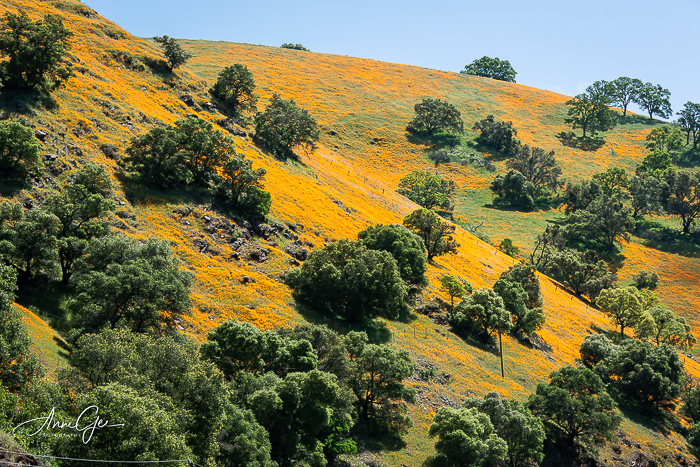
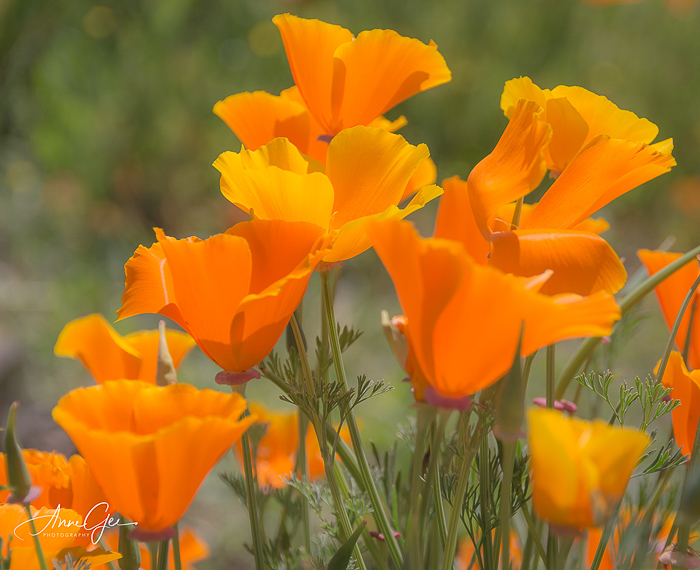
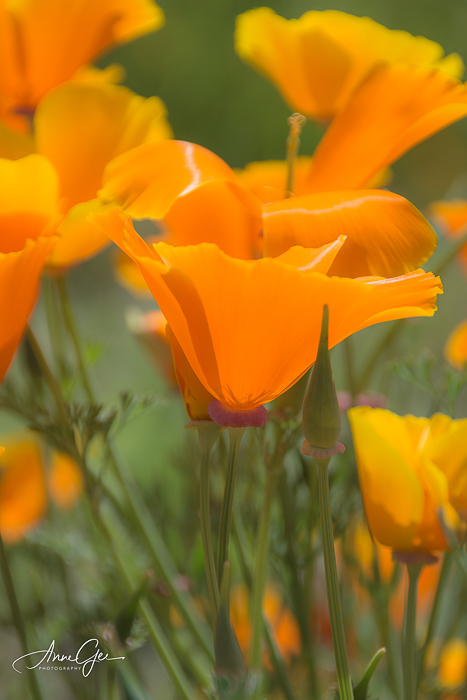
Such a simple word with different meanings for everyone. Typically, harmony is associated with music. However, Ann Christine associates it with color:Harmony is the combination of separate but related parts in a way that uses their similarities to bring unity to a painting, drawing, or other art object.
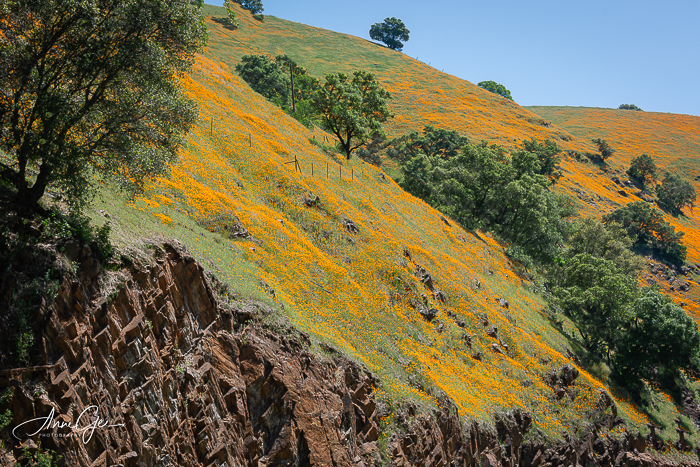
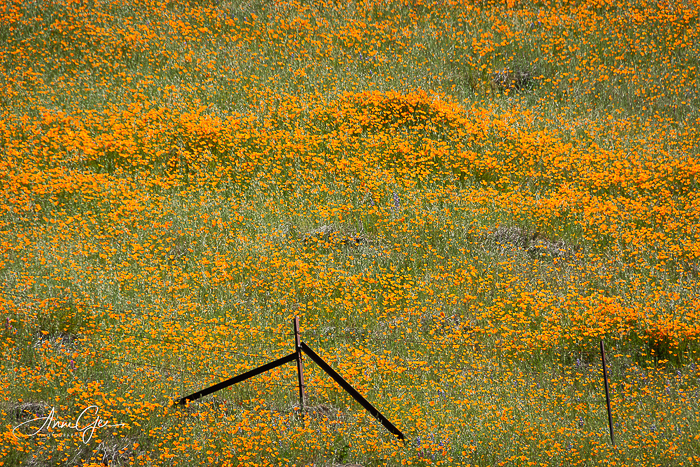
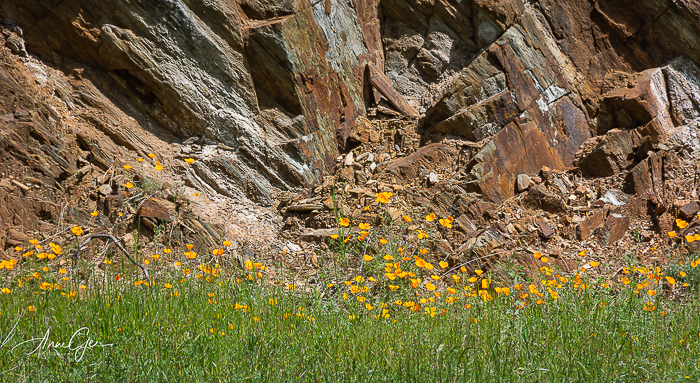
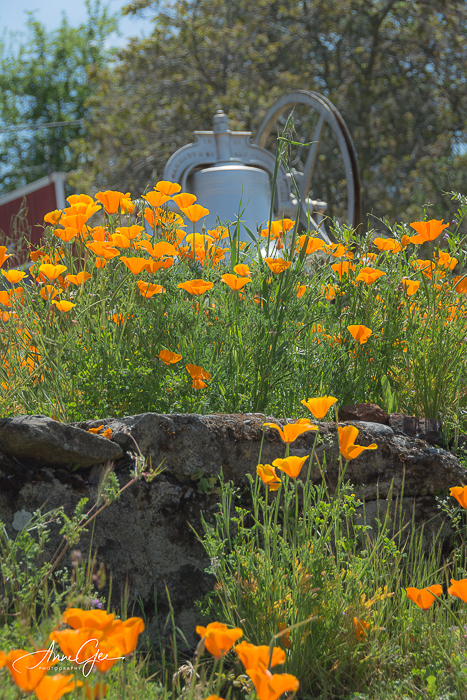
I see harmony in nature, and I find joy in capturing it with my camera. During a photo outing a few years ago, we were driving along on curvy Highway 49 and saw this field of golden poppies–the California State Flower. Oh the harmony of orange and green. Add in the rugged rocks on the hillside, it was just beautiful.
I’ve been on that road many years since, but have not been able to find the same scene. I’m so glad I have these images.
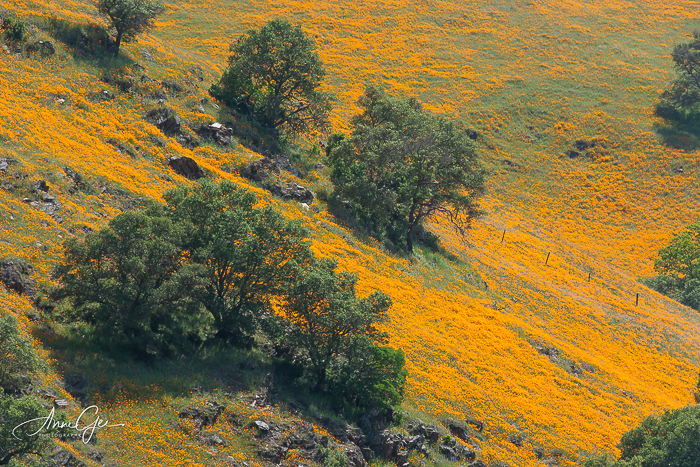
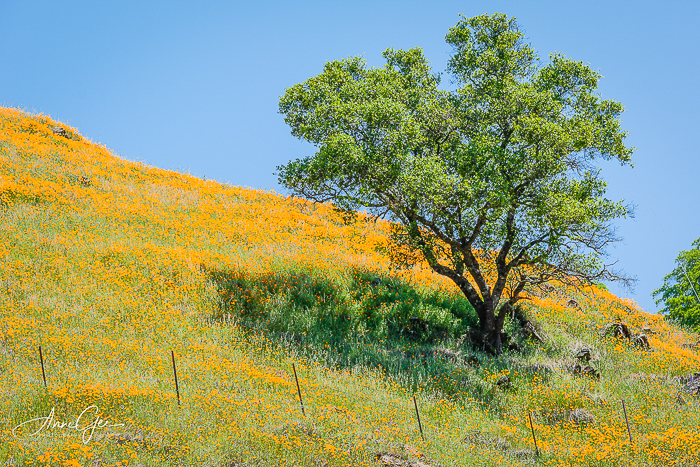
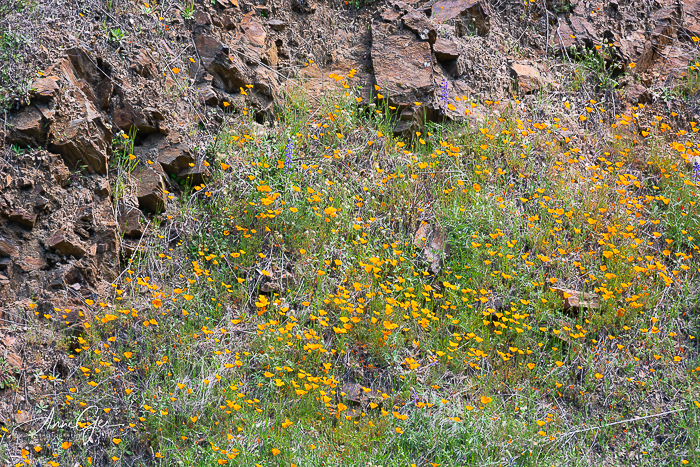
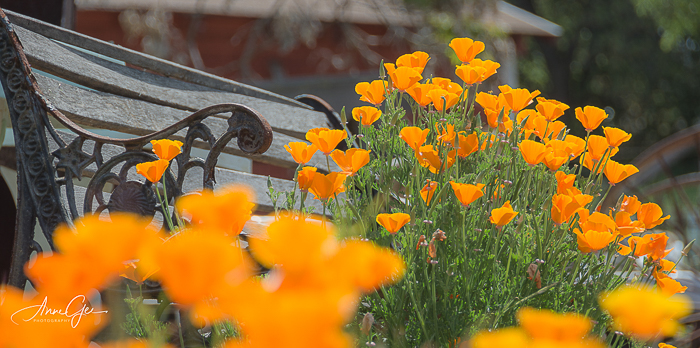
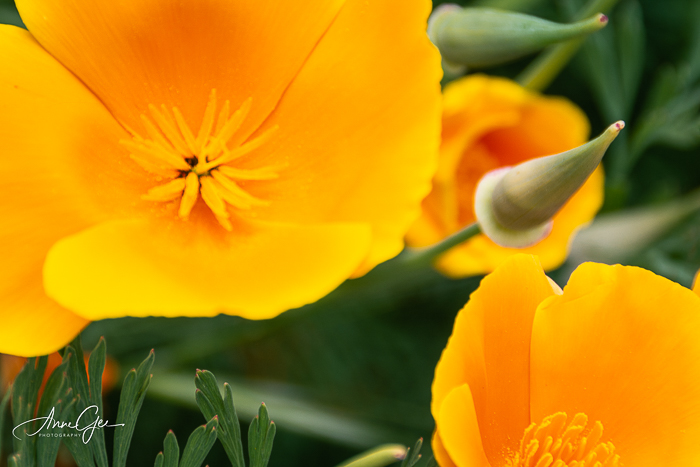
We were heading to a town in Gold Country called Jackson, and on the way back we stopped in another small town, Dry Town, to capture some more poppies.
Here it was the placement of the poppies that created a harmonious scene. Again yellow, green and brown. Just lovely.
So there you have my harmonious joy. Thanks Ann Christine for helping us notice harmony in our lives. When you post your response, please link to her post and use the Lens-Artists tag. Oh the bridges we crossed last week. They were just great. Thanks for all your contributions. I’ll be leading next week’s challenge, so stay tuned. In the meantime stay healthy, safe and be resilient.
I’m late! I’m late! But not for a very important date–for my blog post on Beth’s Challenge of Bridges. I was caught by a bad cold, and this is the first clear headed day I’ve had in almost a week.
I don’t have to look far for bridges because with two major rivers, the American and Sacramento, there are plenty of bridges to choose from.
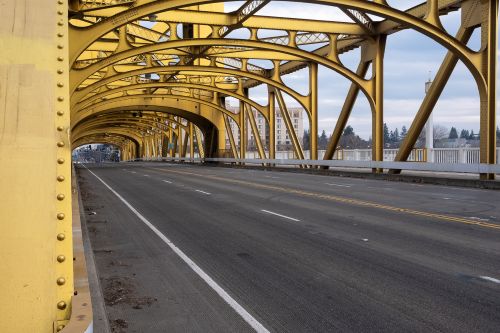
The most famous bridge spanning the Sacramento River is the Tower Bridge linking Sacramento to West Sacramento (which is in Yolo County.)
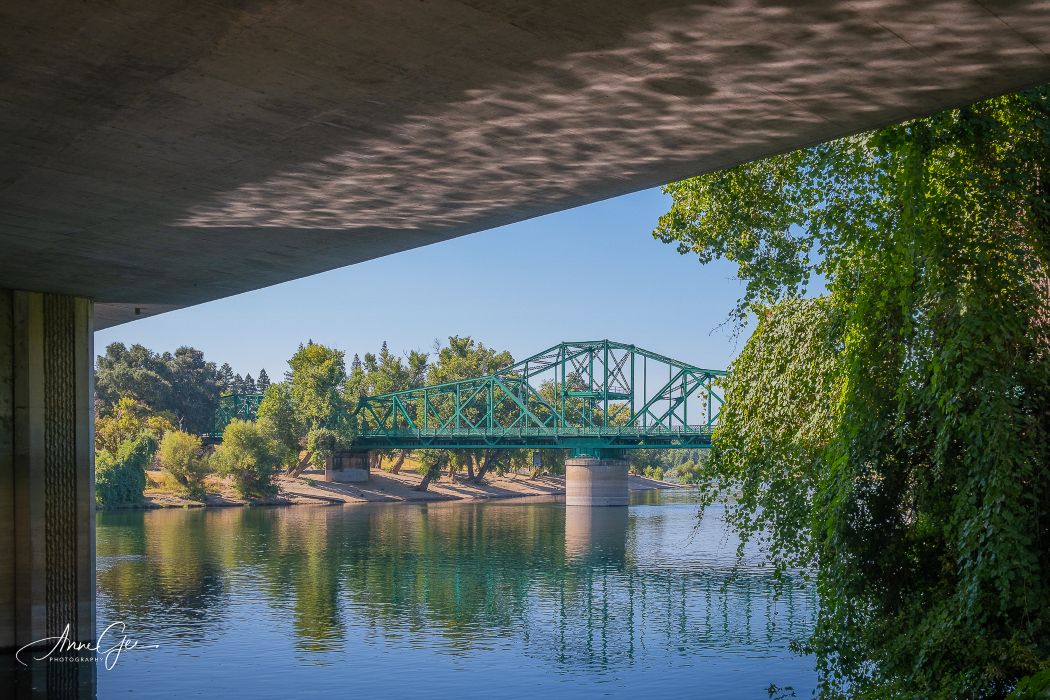
Here’s a view of one bridge framing the I Street bridge.
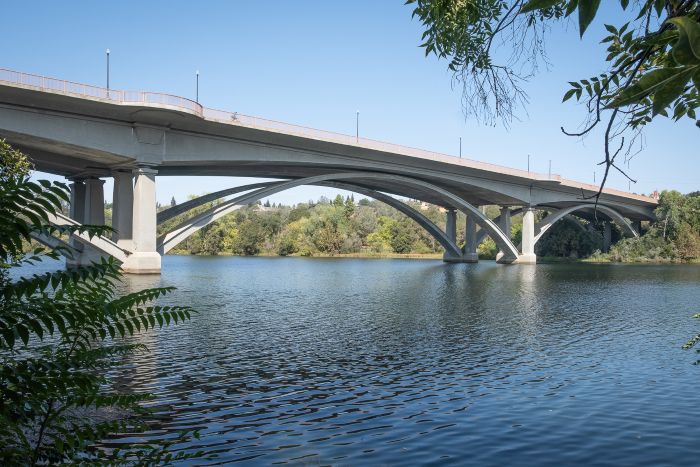
Now on the American River we have another famous bridge–The Rainbow Bridge near Folsom.
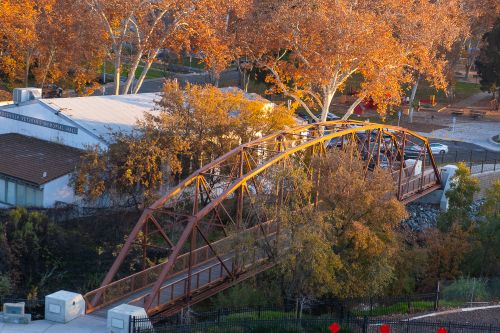
Let’s take a trip to the city of Roseville to see the walking bridge over Linda Creek. It’s a pretty bridge, especially in Autumn.
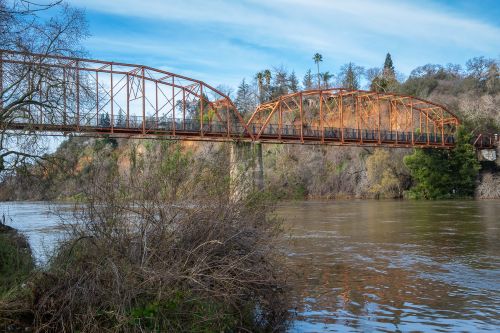
My last bridge is the Fair Oaks Bridge in the town of Fair Oaks.
There are more bridges, but my energy is leaving. Thanks to Beth for initiating a wonderful week of bridges. I’ll have a more robust post next week when Ann Christine leads the challenge. In the meantime try to stay healthy and be resilient.
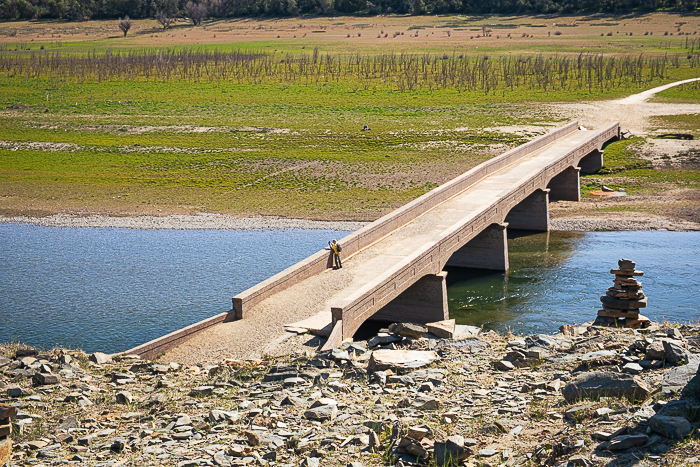
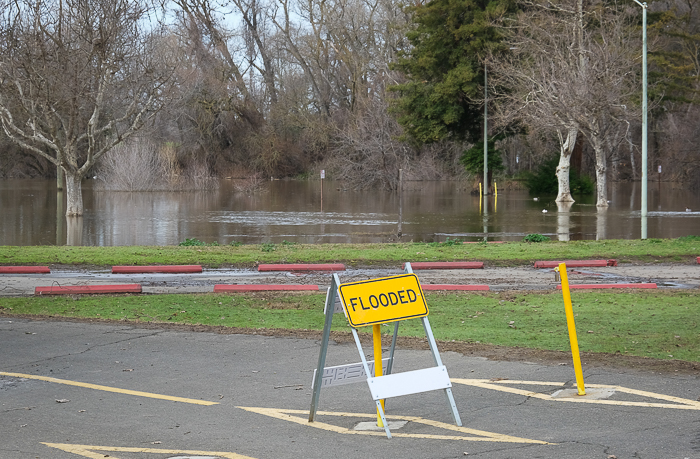
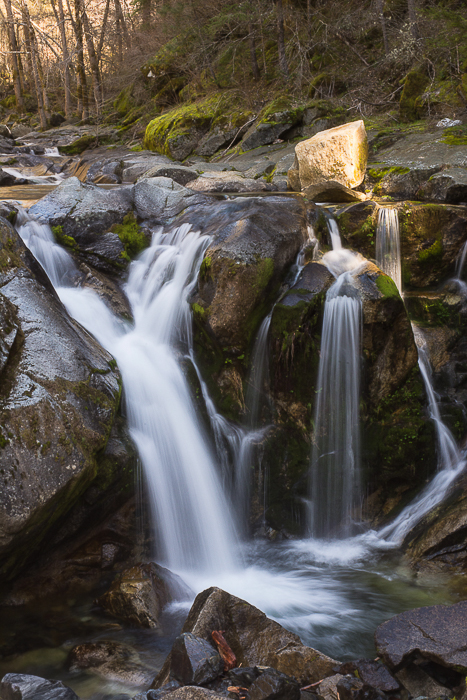
Water! It’s a conundrum here in Northern California. We either have lots of it or not enough. For instance, We have the Salmon Falls Bridge, near Folsom Lake, Now you see it and then you don’t! That’s because the bridge and the town that once flourished as gold-mining boomed is usually submerged under the American River. The bridge only appears during a drought, and our Discovery Park, along the American River, is sometimes flooded during heavy rains.
The Downie River is a tributary of the North Yuba River in Sierra County, California. The river originates from the confluence of the West Branch Downie River and Rattlesnake Creek in the Tahoe National Forest, and flows south to its confluence with the North Yuba at Downieville. Downieville is definitely a tourist town with one cafe which is closed during the non-tourist season! I know from experience.
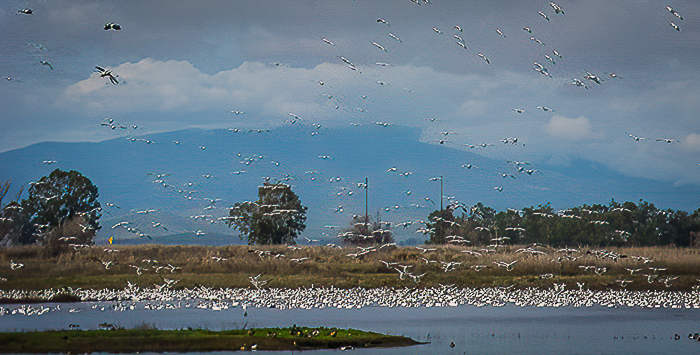
Every California landscape has wetlands. They form where rainfall or runoff accumulates, or where groundwater saturates the topsoil. Many parks, nature preserves, agricultural lands, and private lands have wetlands that are carefully managed for waterfowl and other wildlife. We visit various refuges and parks each year to photograph birds.
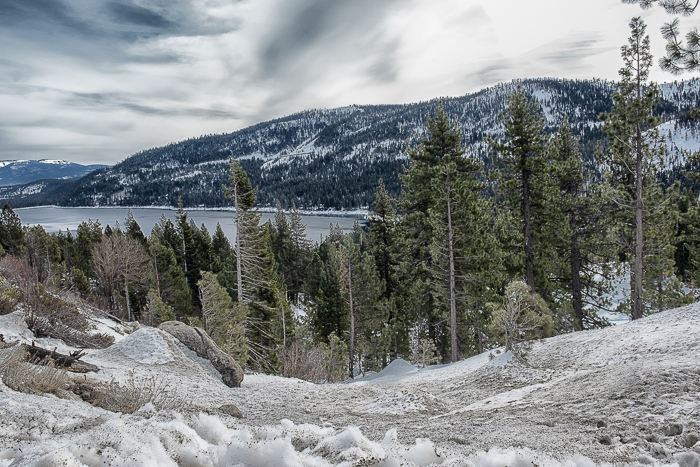
I cannot forget our many lakes. This is Donner Lake, of infamous history. It is a natural freshwater lake formed by glacial activity that created a moraine acting as a natural dam. This picture was taken from Donner Pass during the winter. Donner Lake is at 6,000 ft. elevation and often receives a good amount of snow. California depends on the Sierra snow pack for our water supply.
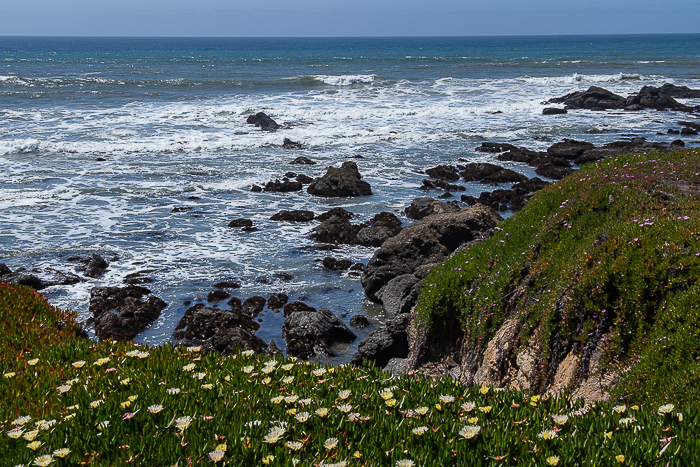
Let’s go west for my final image–the beautiful and rugged Northern California Coast Line. This was taken somewhere between Point Reyes and Half Moon Bay.
These are my six choices for John’s challenging challenge! When you post your response, please link to John’s post and use the Lens-Artists tag.
Last week Sofia’s challenge created puzzle challenges with her “What Is It?” challenge. It was enjoyable fun. Beth will be leading next week’s challenge, so stay tuned. In the meantime, stay safe and be resilient.
Why do you take your camera out, hold it to your eye and press the shutter? I perform this ritual because I enjoy getting out, composing the picture and editing it on the computer. If you journey out once a week, how many thousands of pictures do you think you’ve taken? YIKES, Steve wants us to pick just five favorites. Steve, this is a real challenge! The selected pictures are all from the Sacramento Area except for the first. I’m sure I’ve shown these at one time or another. I hope they are worth a second look.
I’ve gotten it down to five–with difficulty. Here’s the first.
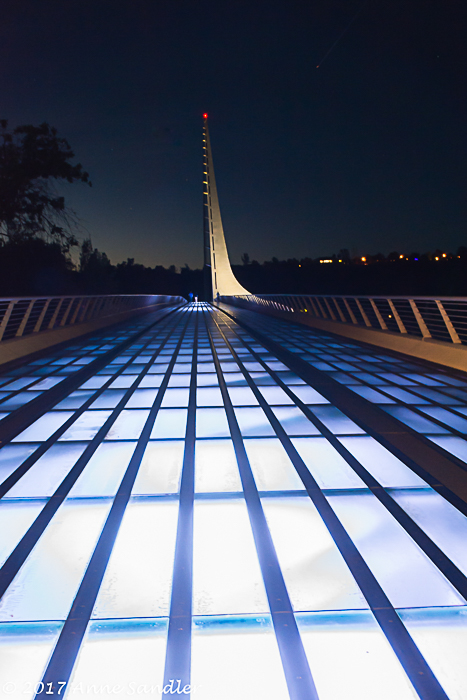
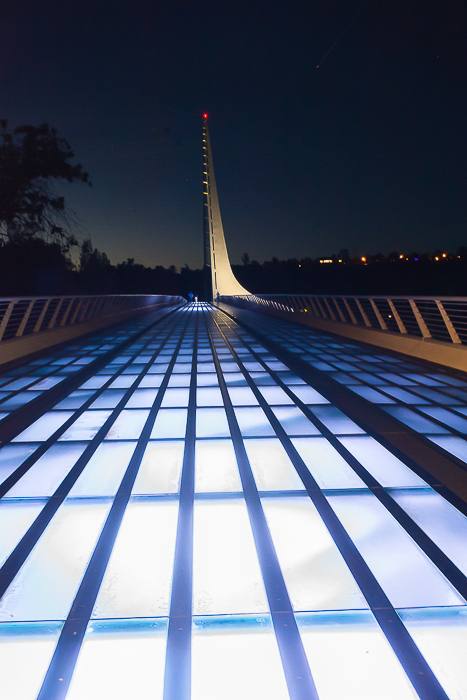
I was at a Toastmasters conference in Redding, California. My goal was to get there one day ahead of time to capture the Sundial Bridge at night. The Sundial Bridge is a cantilever spar cable-stayed bridge for bicycles and pedestrians that spans the Sacramento River in Redding, California, forming a large sundial. The sundial at the end of the bridge is operational. At night it is lit up and is a photographers dream of lines, light and beauty!
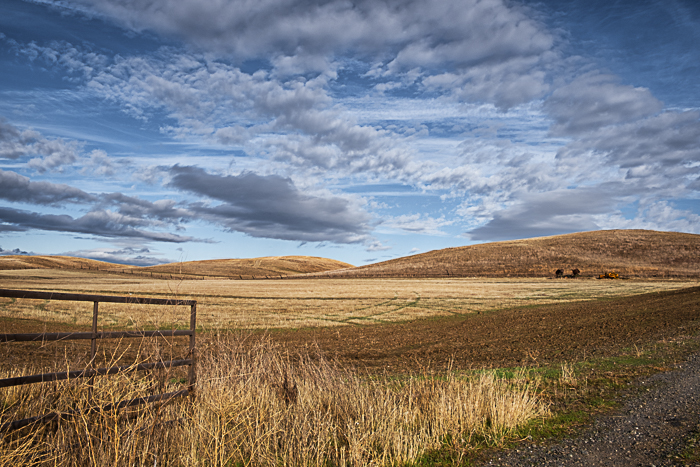
Now let’s roam around Yolo County, just north of Sacramento County. This is our access to the countryside. We enjoy getting lost, finding interesting photo opportunities. I don’t remember where we (my small photo group) were when one of us yelled, “STOP.” Could that have been me? I liked the open fence accenting the road and the golden hillside. The sky was accommodating also. Was this worth turning around for? Could nature be more accommodating?
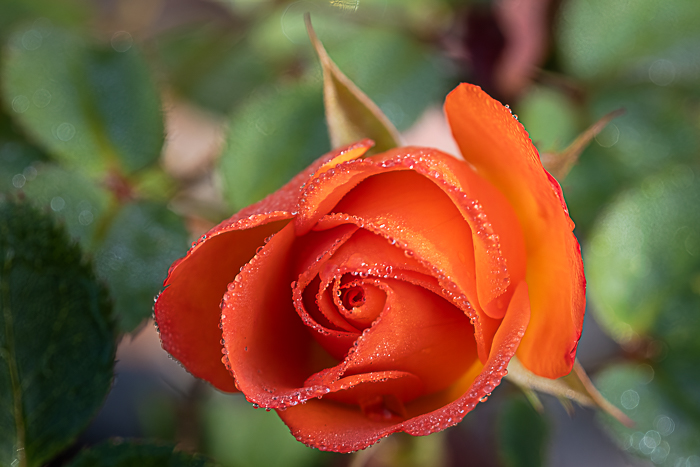
You know how I love to photograph flowers with my macro lens. This was probably taken at one of our local gardens–maybe the McKinley Rose Garden in Sacramento. I liked the water drops on the budding rose and its red-orange color. For me, it symbolizes an emerging beauty. Unfortunately, nature gives us beauty for just a short time. Whenever I see a volunteer in the garden, I always thank them for the gorgeous opportunity they give us.
Now for a little controversy. I come from a journalistic background, and when I see a photojournalism opportunity, I take it. The controversy is does it belong in a photo blog. One of my followers said “It does not.” I think it does given that it is an image of life and all is not rosy (like the above image.) We were walking from Discovery Park to Old Sacramento when I saw this man asleep on the ground. It’s sad but it is a sign of our time. What do I like about it? It tells a real story. What do you think?
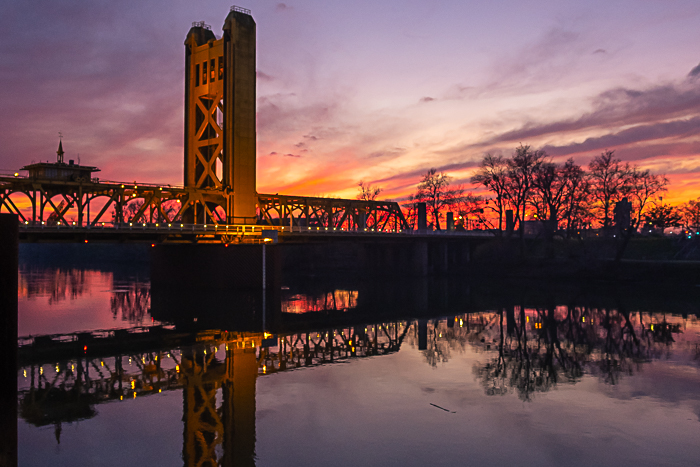
I want to end on a happier note with this sunset image. This was taken at one of our night trips to Old Sacramento. Taken from the Sacramento side, it shows the Tower Bridge and a little of West Sacramento, Yolo County in silhouette. The setting sun was very cooperative with glowing reds, purples and oranges that night. The Sacramento River also cooperated with its glassy reflection.
So these are my five picks. Thanks Steve for sending us through our archives, helping us review wonderful memories. When you respond, please link to this post and Steve’s post. Remember to use the Lens-Artists tag. Last week, Egidio sent us “Over the Top.” What fun, reading all your posts. Ritva will be challenging us next week, so look for her post. In the meantime, stay healthy and be resilient!
There are many ways to look at an adventure. When my kids were young and I got lost while driving somewhere, I would tell them we weren’t lost–we were on an adventure! When something would happen with the truck, camper or trailer when we were on a camping trip, I would tell them that it was all part of the adventure.
Ann-Christine shared her Greenland adventure and wants us to share one of ours. I had two dream adventures I wanted to fulfill: going across the United States in our trailer and sailing through the Panama Canal.
We accomplished the first for our 50th wedding anniversary in 2013. My husband is not a true traveler, but he agreed to the trip. We took the Southern route so we could visit my cousin in Texas. Aside from seeing my cousin before he passed away, Memphis was a highlight. I think I’ve shown you some pictures from that amazing city before.
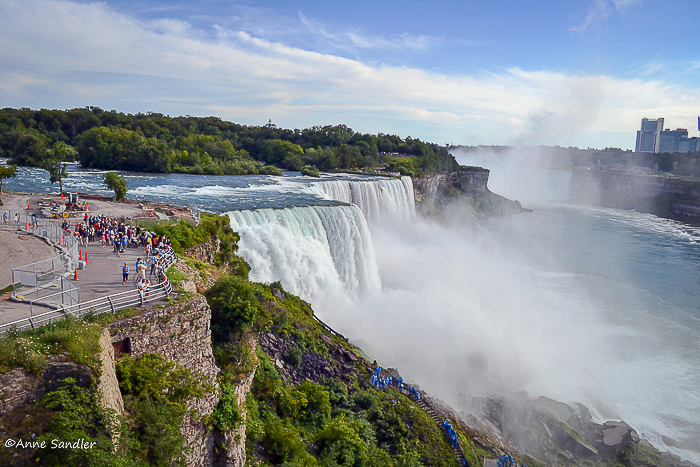
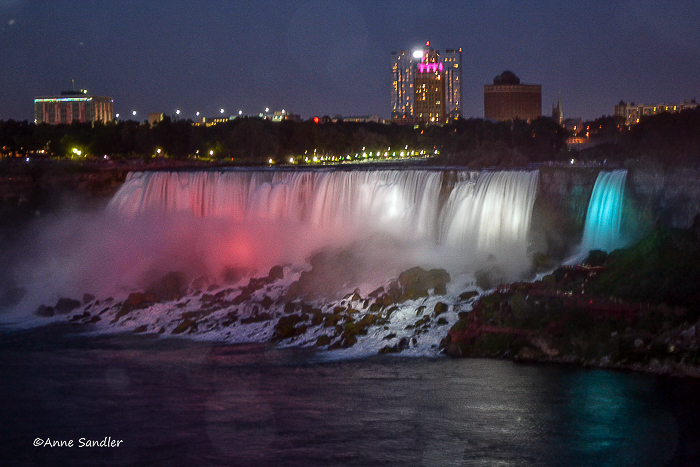
We then visited cousins in New Jersey, Pennsylvania, and Long Island. Finally we got to Niagara Falls–a bucket list item for me. It was amazing. Here are pictures of the American Falls at night from the Canadian side and all three falls–American, Bridal Veil and Horseshoe from the American side.
I was in awe of the amount of water pouring from the three falls. We did all the touristy things, including the Maid of the Mist boat ride that took us under the Horseshoe falls.
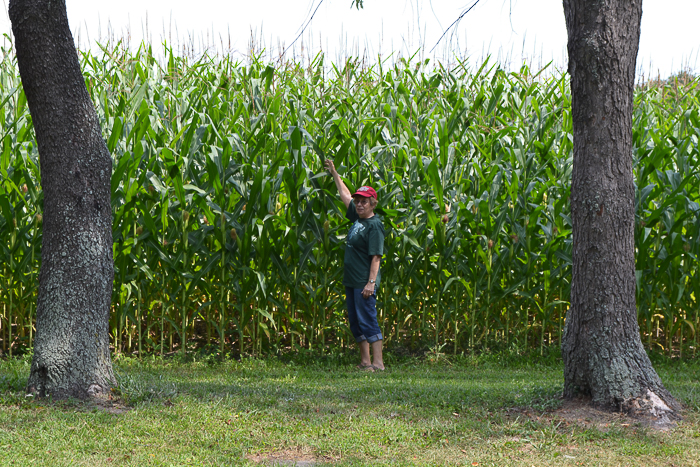
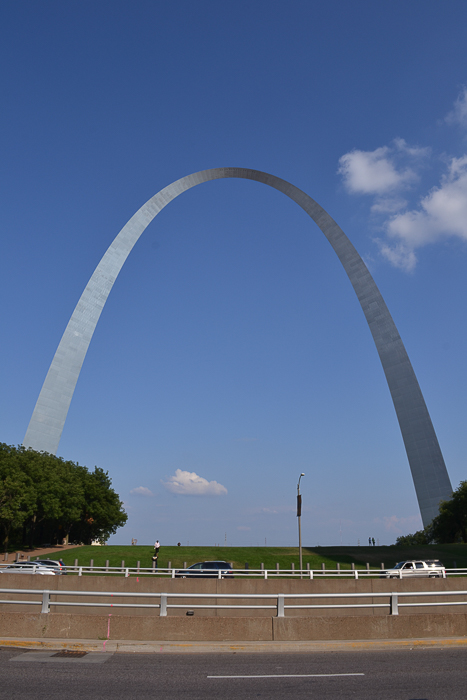
During that trip I discovered that corn can be “as high as an elephant’s eye” and saw the fantastic St. Louis arch.
My other dream adventure was to go through the Panama Canal. Last summer my friend called and asked if I wanted to do a Panama Canal cruise. I didn’t hesitate; I said yes. Richard even wanted to go on this 16-day cruise. It was exciting to go from the Pacific Ocean, through the locks and into the Atlantic Ocean. Here are pictures of a ship in front of us going through a lock and into the lake separating the two sets of locks. The third is our ship leaving the last lock and entering the lake.
At 83, have I gotten too old for another dream adventure? I’m not sure, but if one should come along?????
Now that I’ve shared my adventures, I’m looking forward to seeing yours. When you share yours, please link to my post and Ann-Christine’s post. And remember to use the Lens-Artists tag. I’ll be leading the next challenge, so look for my post next Saturday! In the meantime, stay safe and be resilient.
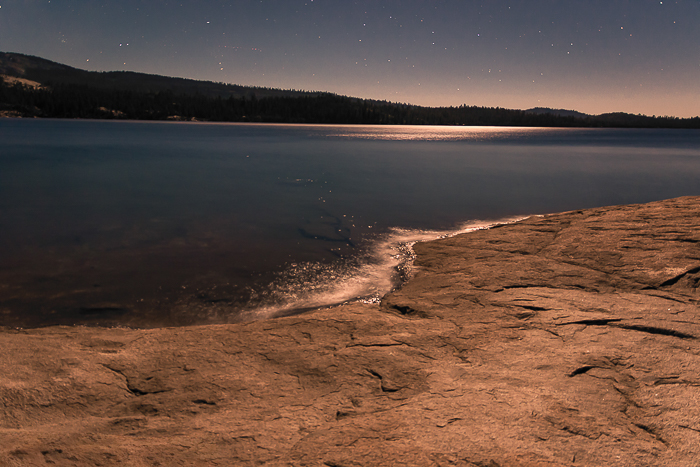
I live in a place that brings me and my camera to many wonderous places–rivers, lakes, mountains and parks. Let’s take a look.
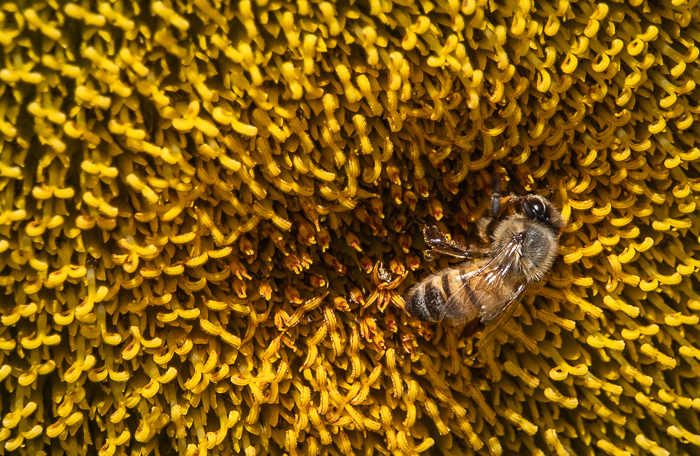
You know how much I love to photograph flowers, especially macros and close ups. Whether in a nursery, garden or sunflower field, I love the challenge macro photography brings. It gives me something else to concentrate on, shoving the world out. I become relaxed and happy.
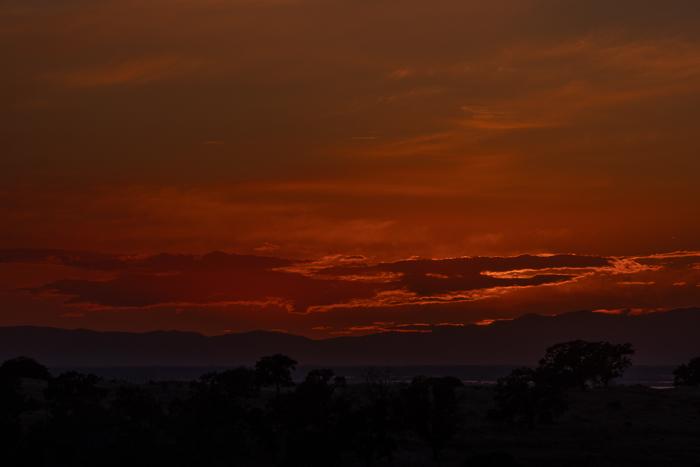
Landscapes are nature’s way of humbling us. Just look at the beauty waiting for us to capture with our cameras–especially sunsets.
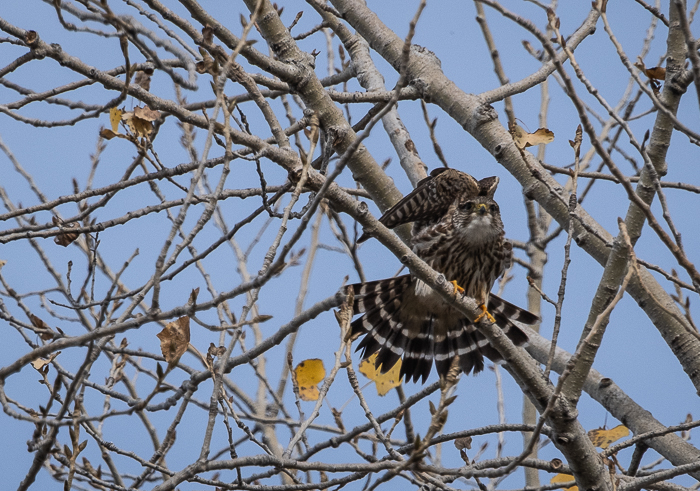
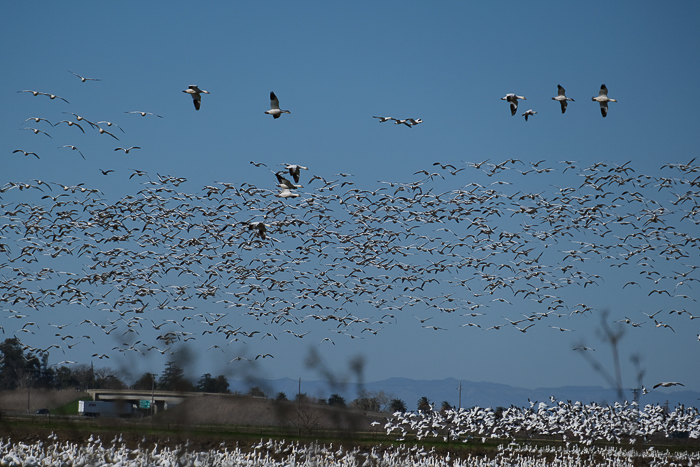
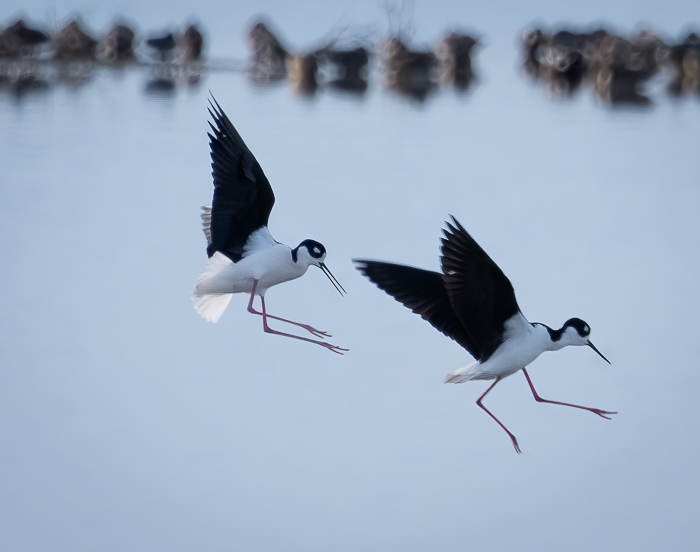
Wildlife especially birds are amazing to watch. They are free to go anywhere and mostly travel with friends. Wouldn’t that be nice?
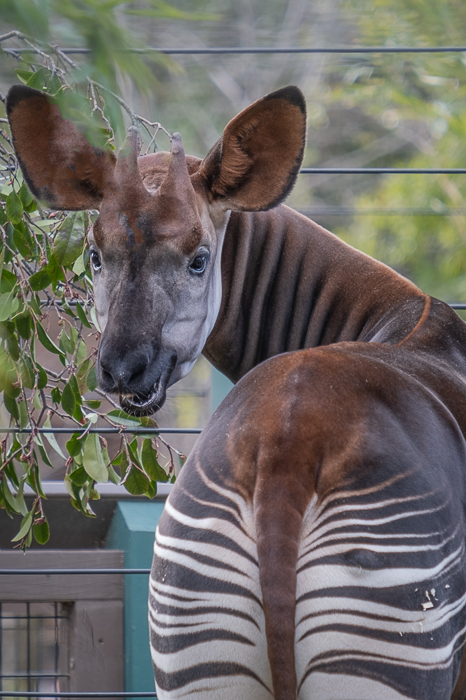
Animals are also wonderous, and zoos invite us to visit many that we normally wouldn’t have the opportunity to see–like this beautiful or handsome Okapi. It’s wondering why I’m pointing that black thing at its rear. Who could resist that beautiful pattern!
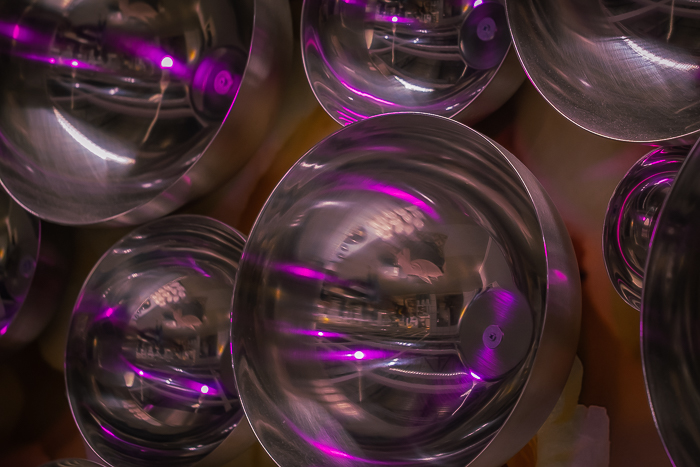
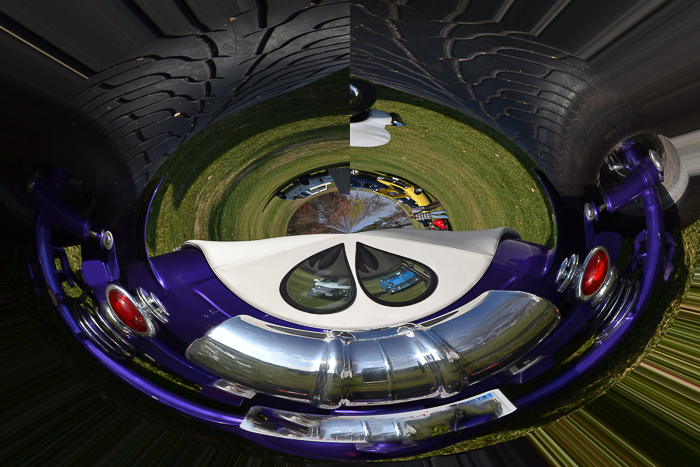
And then there’s the funky or maybe artistic photographs that we take for fun and later wonder why to took them!
These are my moments of wonder. Thanks Sofia for this fun challenge. When you post your response please link to her original post and use the Lens-Artists tag. Last week, Patti had us concentrating on our compositional abilities. I enjoyed seeing your many wonderous compositions. Next week John will be leading the challenge. Until then enjoy good health and be resilient.
Have you ever looked at a photo or painting and wondered where the focus is? This week, Patti has us concentrating on our subject–the focus of our image. She’s showing us five ways to lead your viewer to the focal point and the reason, you snapped the shutter. I’ve chosen selective focus, negative space and leading line to demonstrate how I help lead my viewers to what caught my eye in the first place.
Leading Lines
I love to use leading lines. They don’t have to be straight as in my photos. Think of a curved road leading to a structure or horizon line. The architects of the Cottage in the California State Empire Mine State Historic Park and the Sundial Bridge made use of the leading line theory. Oh, the bridge does have a working sundial at the end.
Negative Space
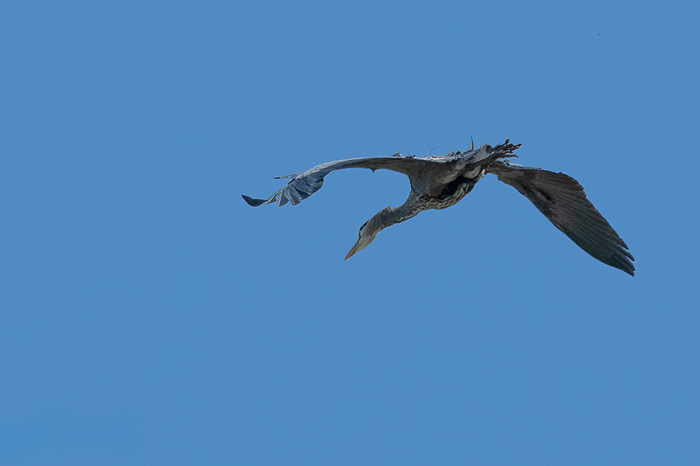
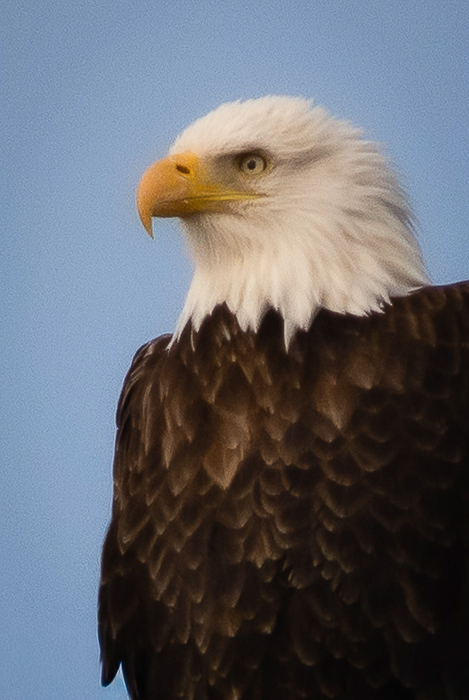
Negative space does spotlight your subject. Most of my examples involve wildlife. Capturing a great blue heron in flight is no easy task with a 300 mm lens, so I’m happy when I can capture one. An eagle sitting on a branch is a bit easier and so majestic. The sky provides beautiful negative space, especially when there’s no clouds!
Selective Focus
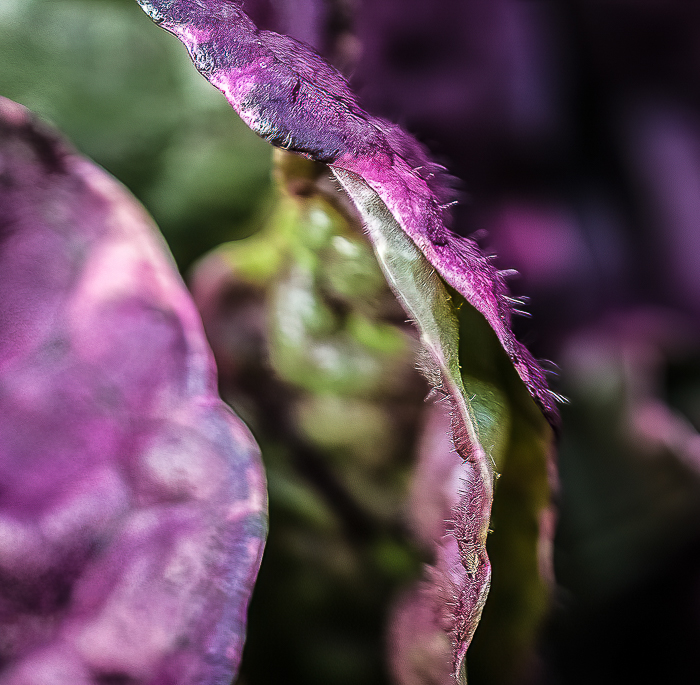
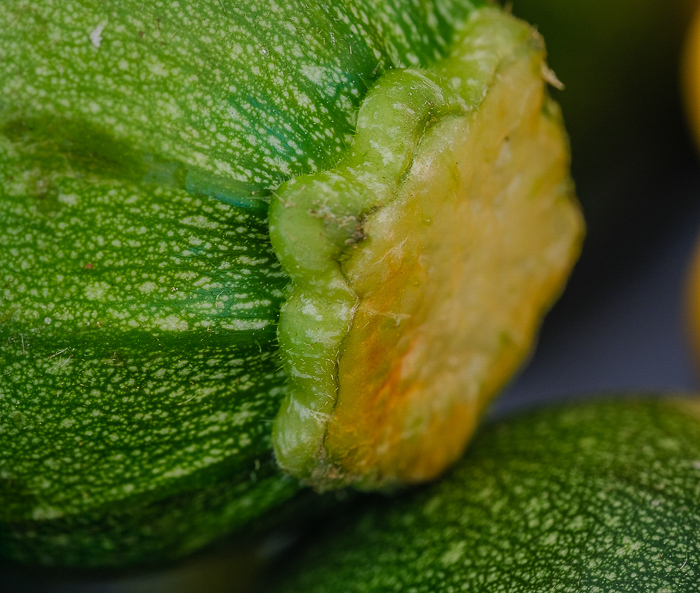
Since I enjoy photographing macros so much, selective focus is a favorite of mine. Using a macro lens to photograph the edges of leaves and their texture is fun. So is going through a farmers’ market where you can zoom in to find vegetables that also have texture.
This was so much fun. Next time I take my camera out for a walk, I’m going to try other types of selective focus. Thanks Patti! When you post your response, please remember to link to her original post and use the Lens-Artists tag. Last week Tina encouraged us to experiment with the Rule of Three. I could tell from your responses you enjoyed creating your posts. Remember to stay healthy and be resilient!
Gosh, I do a lot of confessing in this blog. I don’t usually pay attention to quotes. Yes, I read them, but then quickly file them away. So Ann-Christine’s challenge is a bit of a stretch for me, but a worthwhile experience. As I looked for quotes, I realized how the experiences of obtaining them and how they pertained to my pictures affected me. Let’s see what I found.
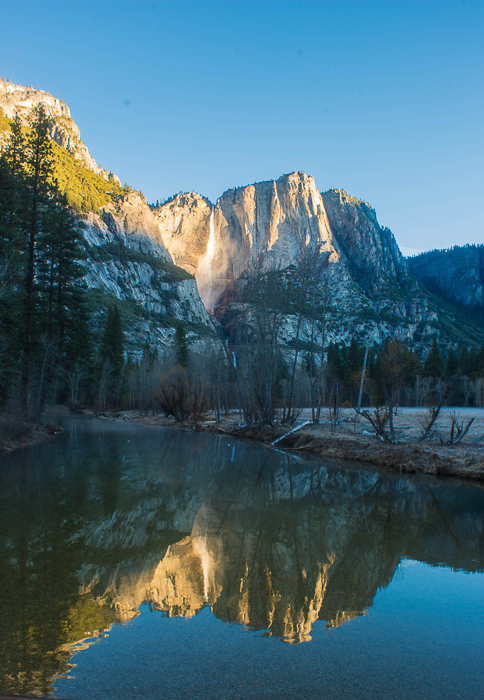
How glorious a greeting the sun gives the mountains!-John Muir.
I have witnessed many beautiful sunrises in various venues, but my photo below is a special one–first light at Yosemite Falls. Capturing this scene, during the winter, required getting up while it was dark, finding a place on the bridge, and waiting. As my friend and I waited, more photographers came. It was cold! The wait and frigid temperatures were worth it. Afterward, I remember feeling like I accomplished something amazing. Would I do it again? Only if I was prepared for freezing cold–thermals and two layers on top, and hand and foot warmers in place!
During my quote search, I came upon a few, but perfect, unattributed beauties like this one.
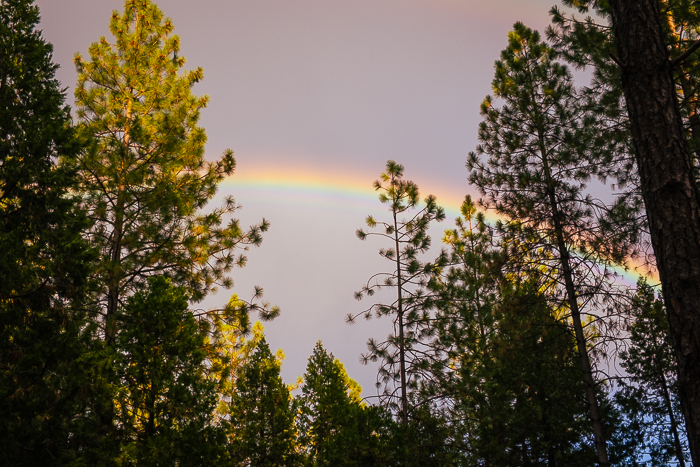
Colorsare the smiles of nature.
Nature has many ways of bringing us joy–the forest, waterfalls, rivers, lakes and the ocean. But one stand out are the rainbows with their brilliant colors. I captured this rainbow during a campout in the Sierra Foothills after a short sprinkle of rain.
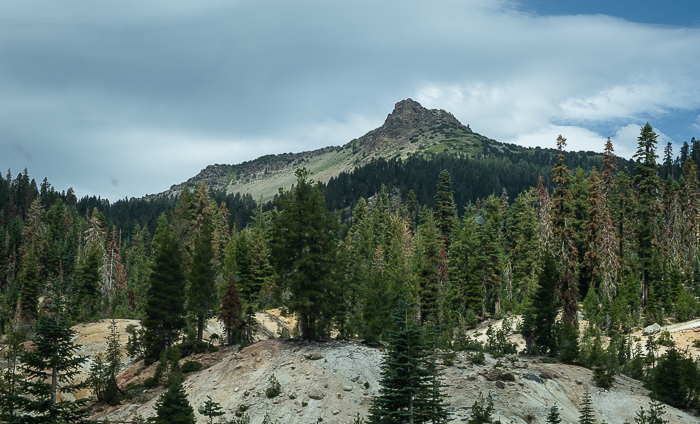
You know I love to photograph landscapes, and many are to be found in our National Parks. We happened to be at Lassen NP last year. I remember stepping out of our trailer to the smell of pine trees–how wonderful! Lassen is still recovering from a devastating wildfire, but much of her beauty remains.
Landscape photography is the supreme test of the photographer – and often the supreme disappointment. – Ansel Adams
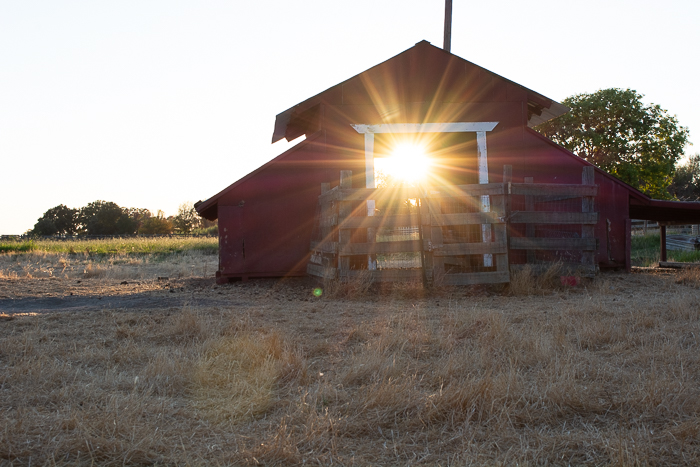
I started with Sunrise, so it’s only fitting that I end with Sunset. These are the two most photogenic times of the day to capture wonderful photos. This was taken early in my photo hobby effort. I guess I knew then when to press the shutter. How often does the setting sun shoot a beam through an open barn door? Unfortunately, I found another perfect, but unattributed, quote.
Sunset: the sun’s fiery kiss goodbye to the day.
I had fun finding quotes that would fit my photographs. It’s an exercise I hope to do again. When you respond, please remember to link to Ann-Christine’s post and use the Lens-Artist tag. Last week we looked back with Beth. I had fun seeing your memories. Next week it’s my turn to present the challenge, so beware and look for my post!!
I remember my Mother telling me about the day they took the “horses away.” This flow of memories was triggered when I took her to see a living history event in San Jose many years ago. She told a docent and me about the new fire engine that replaced the horse drawn fire engine in New York City. As she talked, I could see, through her expressions, the wonderful memories she was reliving.
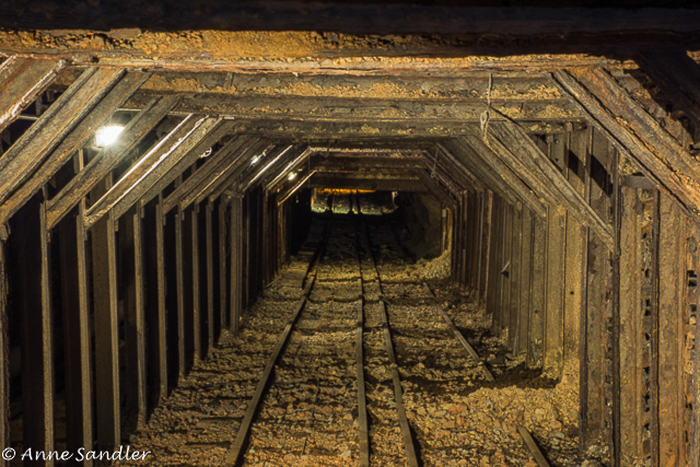
That’s why history is so important, and it’s wonderful that many of our amazing historical places are preserved as either Federal, State or City parks. Thanks John for bringing history to the forefront. Our beautiful Sierra Mountain Foothills is host to an amazing historical park located in Grass Valley–the Empire State Historical Park.
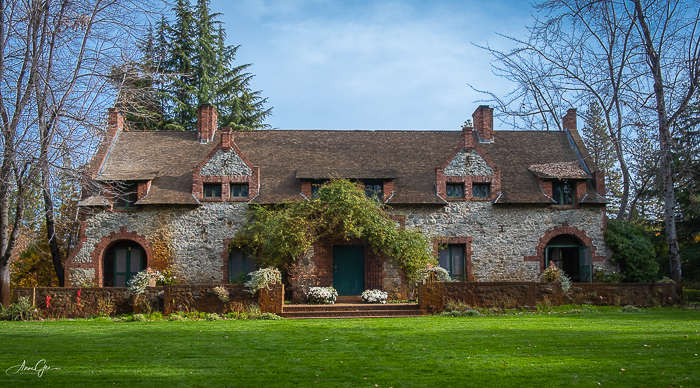
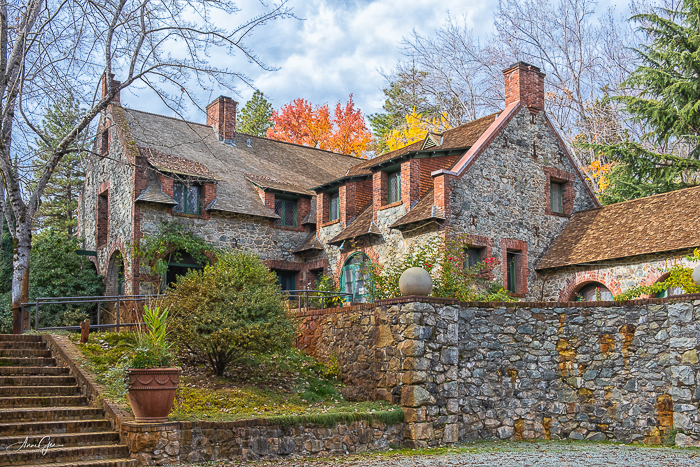
This history began with the discovery of gold which was originally discovered in 1850. The Ophir Hill Mine was sold a couple of times and eventually became the Empire Mining Co. Eventually William Bowers Bourn acquired control of the company. Bourn’s family lived in the “Cottage” on the estate.
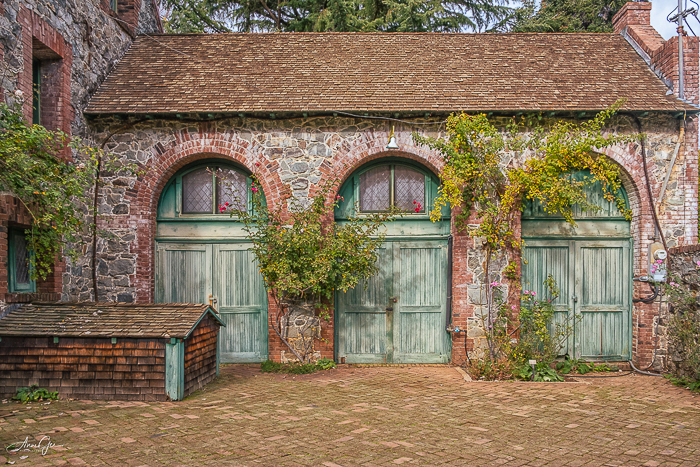
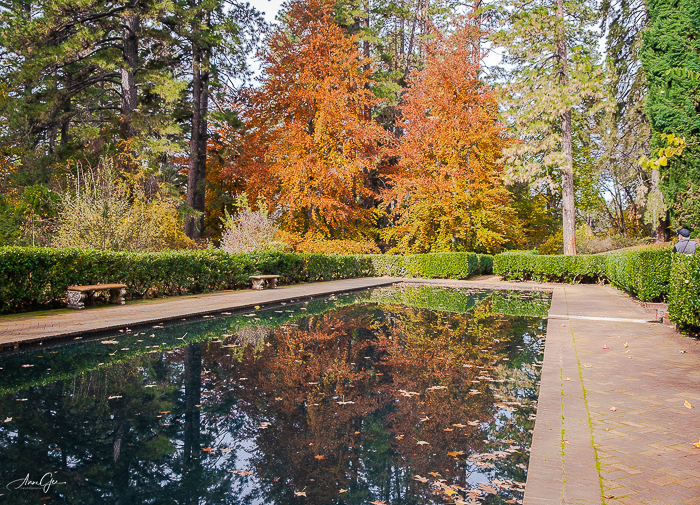
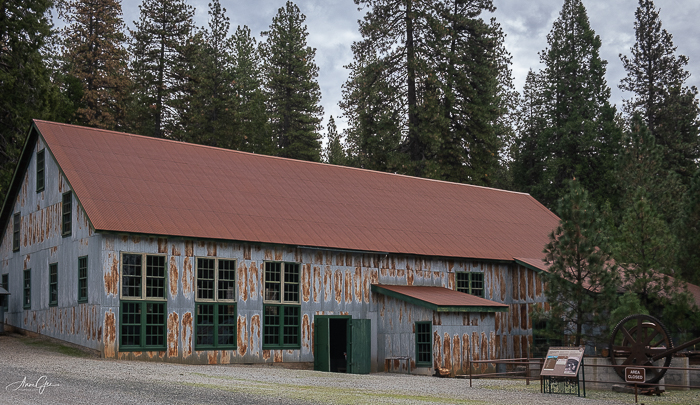
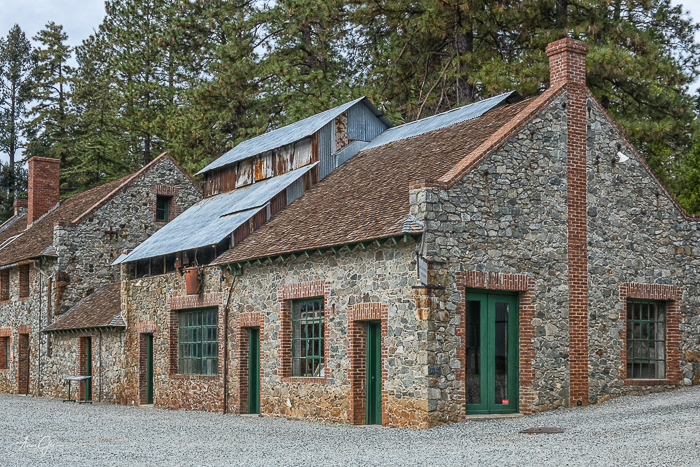
Below is the cottage front, back, garages, reflecting pool and some of the grounds. They also had a terraced rose garden and a clubhouse. I was lucky to talk a docent into giving us a Cottage tour while he was there, but no photos.
The mine was sold, but Bourn’s son regained control of the company and soon acquired the North Star Mine and two other mines. Yes, there was a lot of gold in the hills! The mine changed hands again until World War II when gold mines were considered nonessential. Next came the shortage of miners and inflation costs for mining gold. The mine closed in 1956.
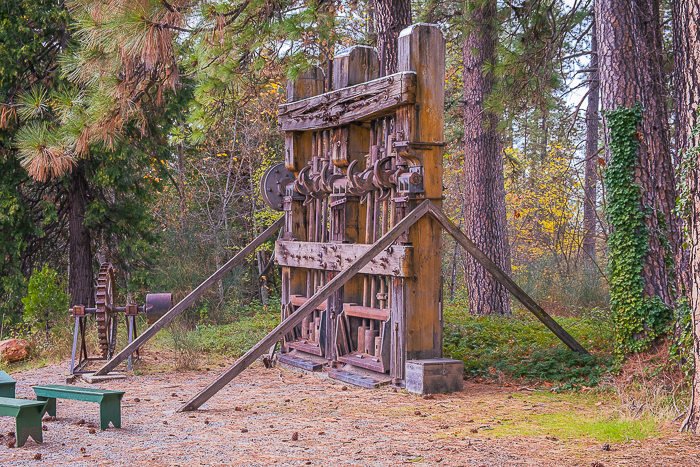
In 1975 California State Parks purchased the property, and today we get to visit and enjoy this beautiful property and its history. We leave the beautiful housing area and walk down to the mine. We first see a stamp machine (A stamp mill is a large mechanical device used to crush ore and extract the desired metals from the host material.).
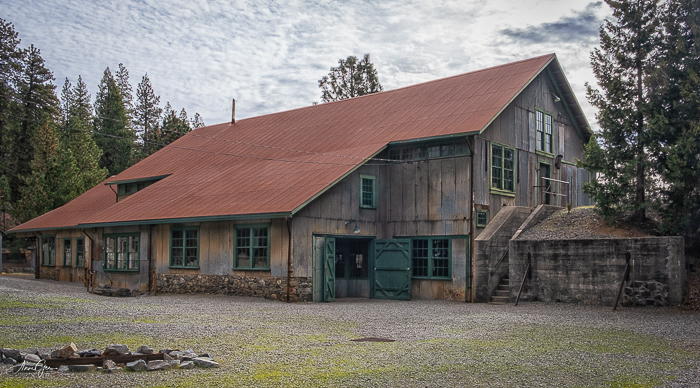
As we enter the main compound, there are buildings now used for administrative purposes.
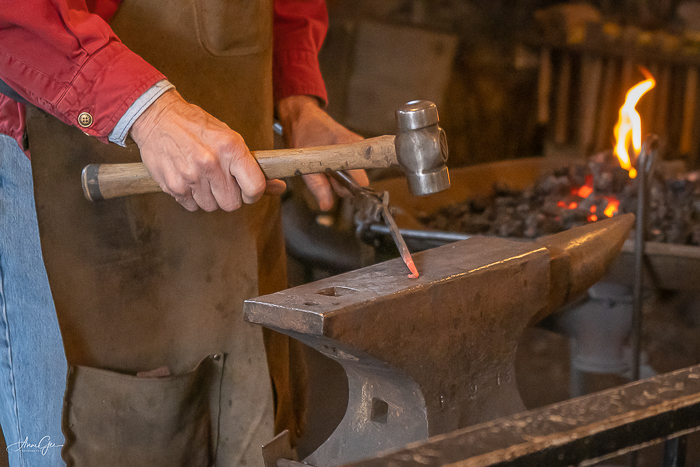
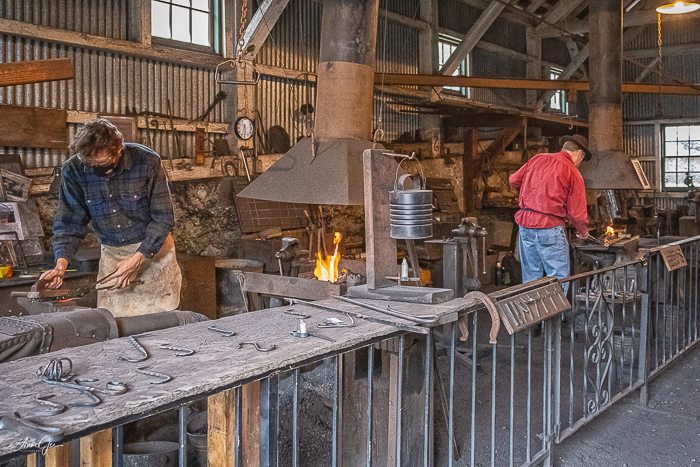
We are getting closer to the mine! But first let’s visit the blacksmith shop. The docents make tools in this shop, especially when schools visit. The children are delighted when they see the molten hot tool being molded.
Here is the mine. You can look but not walk down the shaft! Would you want to?
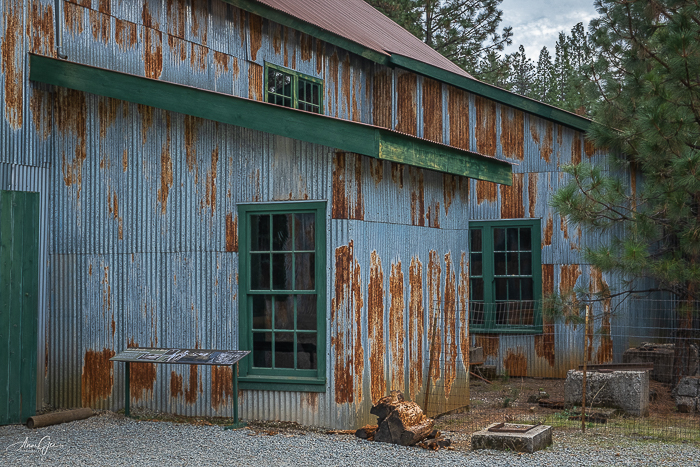
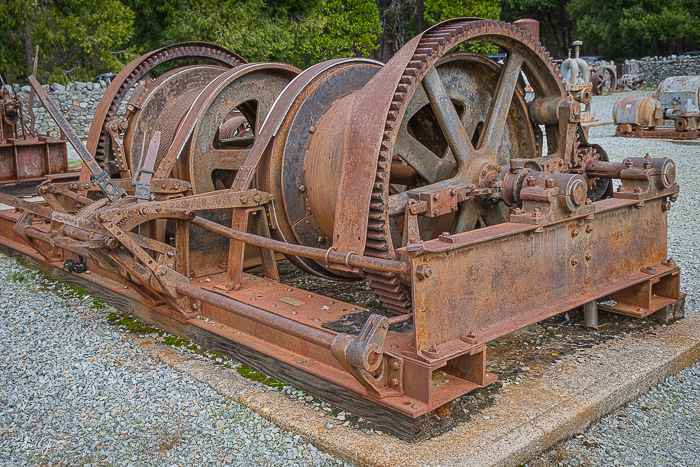
Outside the mine, you’ll find an assortment of rusted tools and machinery.
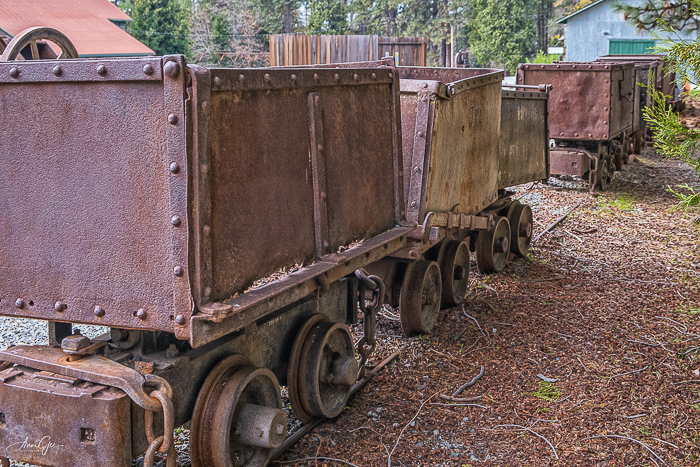
And lastly, these carts that hauled miners and ore down and up the mine shaft. Just imagine the danger the men faced each day.
I love visiting the Empire State Historical Mine. It is so beautiful and rich in history. My Mother may have seen them take the horses away, but she also lived through television’s amazing history. I’ve gone from a manual typewriter, to using a computer and word processing programs to our current computer programs with AI functions. What’s next?
Thanks John, I had fun visiting the past. Please remember to link to John’s original post and use the Lens-Artists tag when you respond. Last week Sofia had us share moments of luck and that was fun also. Those lucky shots also brought back memories. Next week Beth will be presenting the challenge. Until then, be safe and resilient!
It’s amazing how structure can be applied from one type of composition to another. I’m thinking about how we teach new Toastmasters to write a speech, using the sandwich illustration. The top slice of bread is your introduction. the middle is the topic. and the bottom is your closing. Isn’t that sort of what Patti is proposing we do in this challenge. At least that’s what I thought of at first read. If any of you are Toastmasters then you know the phrase, Tell them what you’re going to tell them. Tell them. Tell them what you’ve told them!
Okay, I got off topic! Confession time again. I usually don’t think of this type of composition when I’m photographing. In fact, I don’t think of composition at all. I just move my camera until I have an image I like. With that in mind, here are my examples:
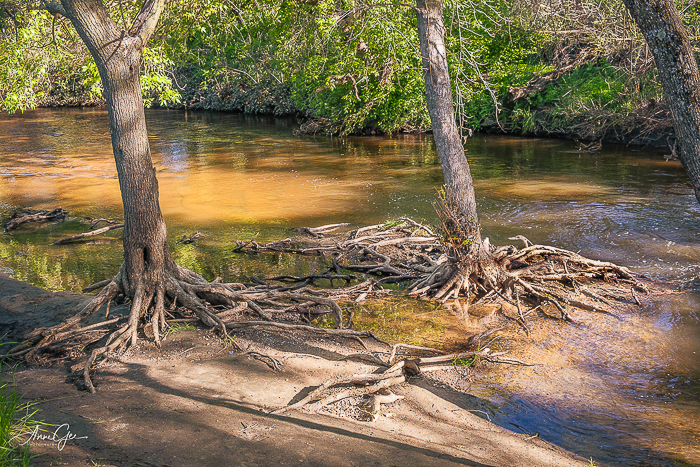
I’m hoping that you can easily see what my subject is. The foreground is the small patch of dirt before the tree roots. The middle, or subject, are the tree roots (because they caught my eye) and the background is the creek and vegetation on the bank. Now I’m thinking that I should have gotten lower and included more of the foreground. What do you think?
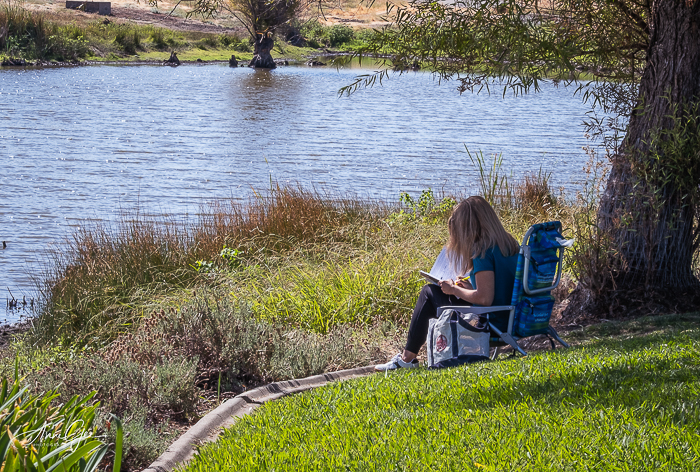
This one is a bit easier–at least for me! The patch of grass is the foreground. The girl is the middle or subject. The pond and other shore is the background. Did I get it right?
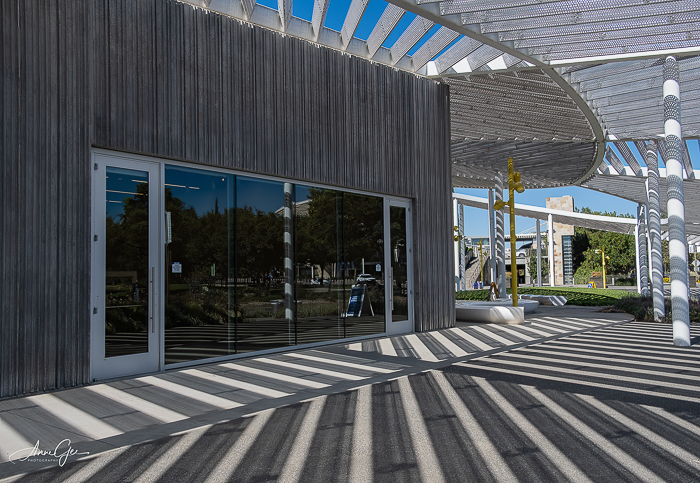
Finally.
The broad shadowed lines are the foreground that leads you into the picture. As the lines change direction, they become the middle, accenting the subject (the building) and lead you around to the continuing structure in the background.
Thanks Patti! You’ve got me thinking about how I compose a picture and why. I never thought in terms of creating a composition, but I guess I’ve been doing that. Now it’s your turn. Please link to Patti’s original challenge and use the Lens-Artists tag when you respond.
Speaking of responses, I totally enjoyed seeing all your cell phone photographs as challenged by Tina. Now I’m ready to use my phone more. Next week Sofia will be presenting the challenge, so look for it! In the meantime, stay safe and be resilient.