Lens Artists Challenge #275: Filling the Frame

Photography rules are guidelines and are sometimes meant to be broken. Also, photography is art, and art is subjective. Why am I saying this? Come down the rabbit hole with me!

In the last two weeks, we’ve learned about symmetry and asymmetry—two basic forms of composition. Now we’re going to delve into another: filling the frame.

When you want your subject to stand out, fill the frame! When you fill the frame with your subject, you eliminate various background distractions. The viewer’s eyes have nowhere to wander. Their attention is where you want it.
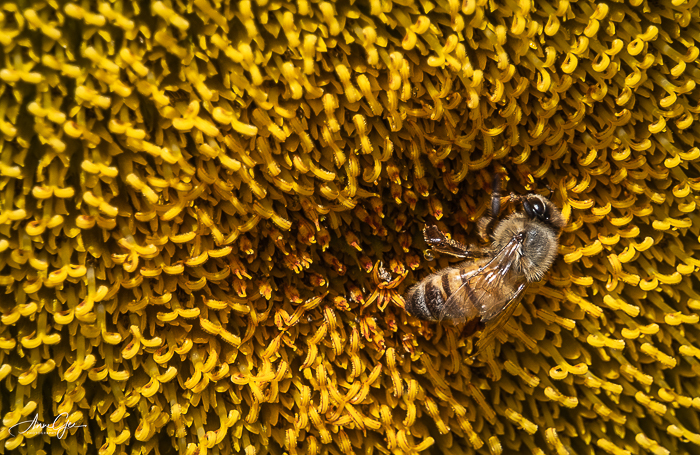
The frame refers to the rectangular scene you see through your camera. When you use this technique, you simply fill your photo’s frame with more of your subject, reducing the amount of background or negative space shown. And it can be filled-in-camera or in post processing. I tend to fill in-camera, sometimes not leaving any room for creative cropping in post. Now, I try to leave a bit more around my subject, so I have more to work with. I did a close crop in post on the sunflower, below, wanting to show the bee in action. By doing this, my sunflower became the background and the bee the subject. Sometimes we just change our minds once we view the image on our monitors.
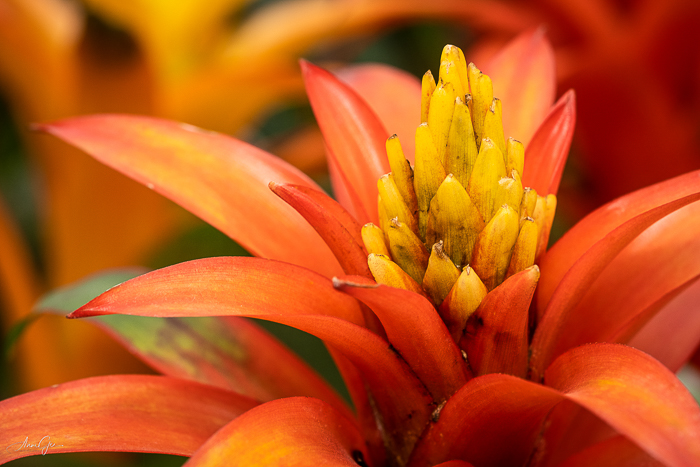
The basic rule for filling the frame is to get close to your subject. This can be achieved by walking up to your subject or using a zoom lens. I’ve done this type of photography with a macro and zoom lens. You can fill the frame totally or leave a bit of negative space to help your subject stand out. Yes, we’re sliding down that rabbit hole now. A bit of nothing helps put the focus on your subject. Remember, photography is subjective, and everyone has an opinion. Some photographers say “no” to negative space and a soft background. But, without the small amount of negative space, how could I have had this flamingo stand out? Having a bokeh background helps this flower stand out and shows its environment.

Okay, that rabbit hole is getting slippery now. What about filling the frame to tell a story? This can be street photography, event photography, or iconic subjects. Below are two pictures. The first is of an entertainer, Tom Rigney, at the Sacramento Music Festival. The second is of the Point Reyes an old boat that has become a photographers’ attraction. Viewers would not interpret their full stories without seeing their environment. But their stories fill the frame and there’s nothing that distracts from them.

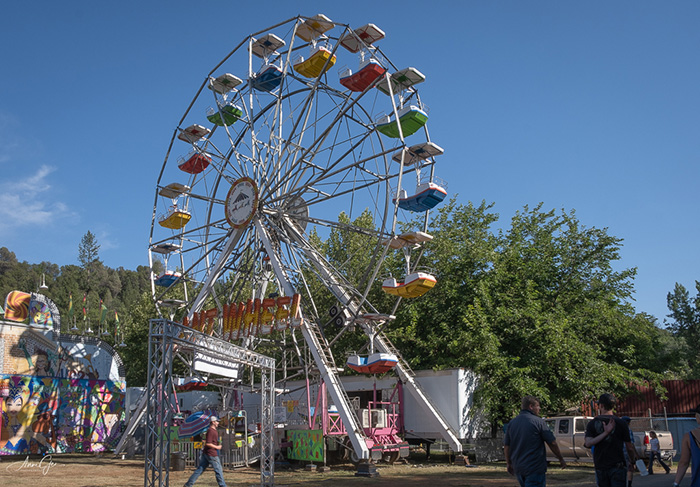
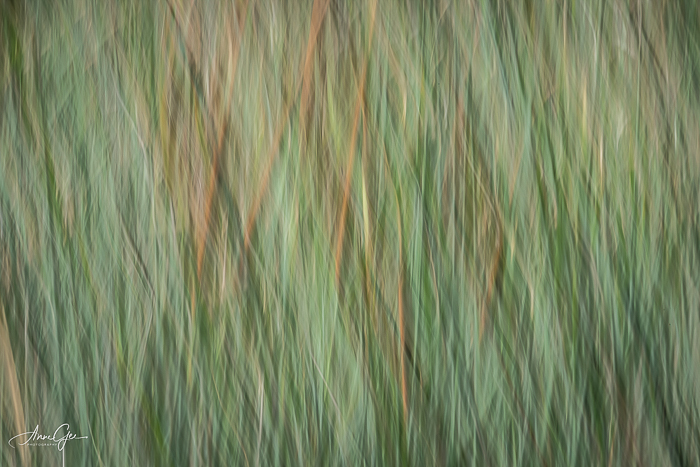
Do you like getting creative? Let’s fill the frame with an abstract! One is of cattails and the other a Ferris wheel. Both were taken with intentional camera movement (ICM).
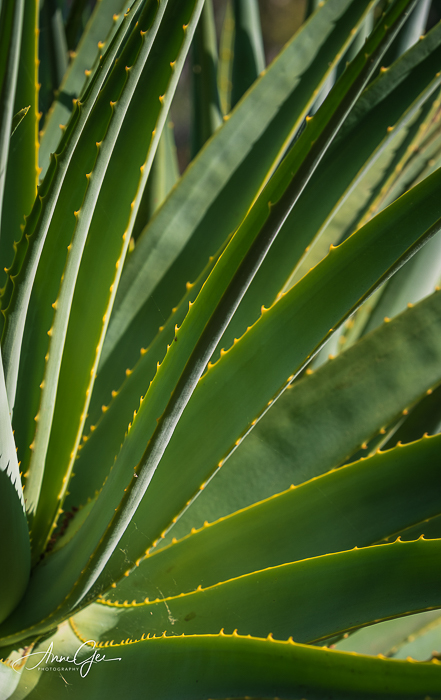
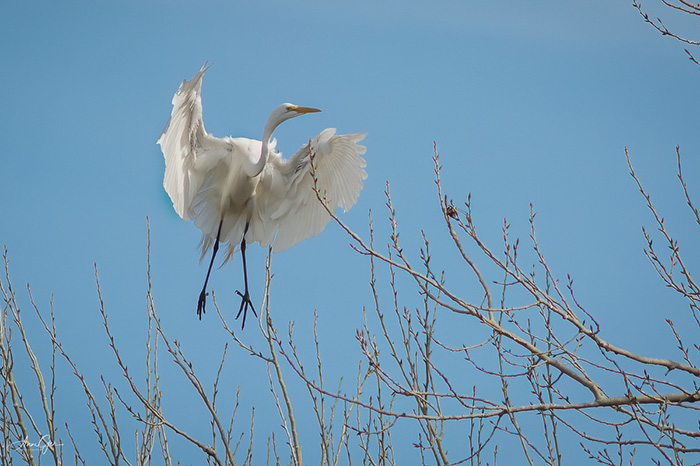
Spilling off the frame. Most of my images in this post extend beyond the frame, meaning their stories continue beyond the confines of the image boundaries.  The lotus and cactus are continued in the viewer’s imagination.

We’ve reached the bottom of my rabbit hole. Let’s climb back out so you can find your images that fill the frame. Remembering that photography is subjective, I’m looking forward to seeing your imaginative and creative responses. Anything goes! When you respond remember to link to this post and use the Lens-Artists tag.

Thank you, Donna, for getting us in the mood with her asymmetry challenge last week. We’ve been having a lot of fun, haven’t we! Next week James of Jazzibee will guest host and present our next challenge. Be sure to look for his post.

If you would like to participate weekly in our Lens-Artists Challenge, click here for more info. 

Lens Artists Challenge #274: Asymmetry

It’s amazing how we can learn about the way we photograph as we take on our weekly challenges. Last week Sofia had us think about how we use symmetry in our photos, and this week Donna has us digging through our files for asymmetrical images. What a learning experience. I realize that while I truly don’t think about it when I compose a picture, I lean towards taking asymmetrical images.

I guess I just like things not so obviously balanced unless I see symmetry demanding to be photographed. For example, when I compose a nature image, it’s usually asymmetrical but somehow balanced. I really don’t compose it thinking about whether it’s symmetrical or asymmetrical.

With event photography, it’s the same. Now I’m wondering why! I guess carnivals are always asymmetrical.

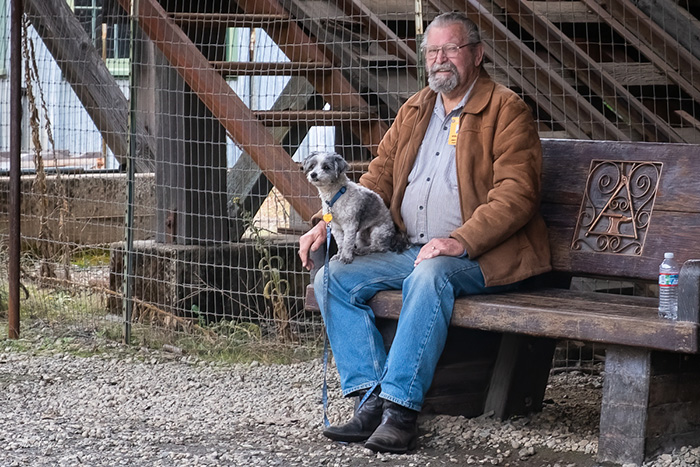
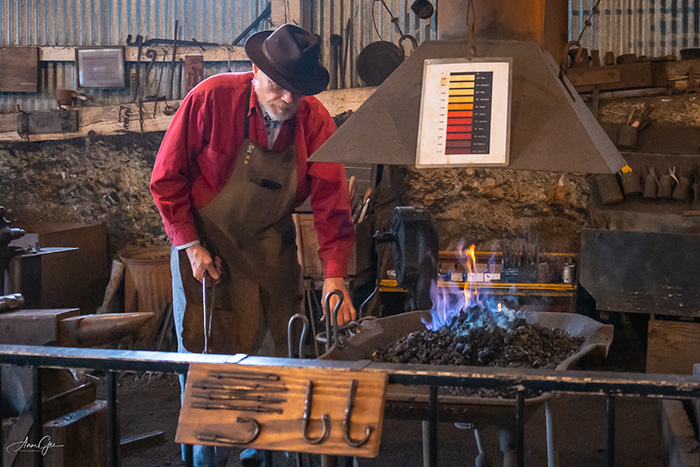
I tend to do the same with environmental portraits. These pictures were taken at the Empire Mine State Historical Park. I offset the man and his dog and the blacksmith. I even offset the close up of the blacksmith.

And did you notice I also posted an odd number of pictures for each segment? What does that say about me? All kidding aside, I truly don’t think too much about how I compose a photo. I just work the camera and lens until I get what I like.
Thank you, Donna, for showing us the other side of symmetry. As you can see from this post, I’ve learned a lot about my photography techniques. And to Sofia for starting us off with symmetry. I enjoyed seeing all your symmetrical images, and they were very creative.

I’ll be leading the challenge next week, so look for my post.

Working Dogs: Sheepdog trials

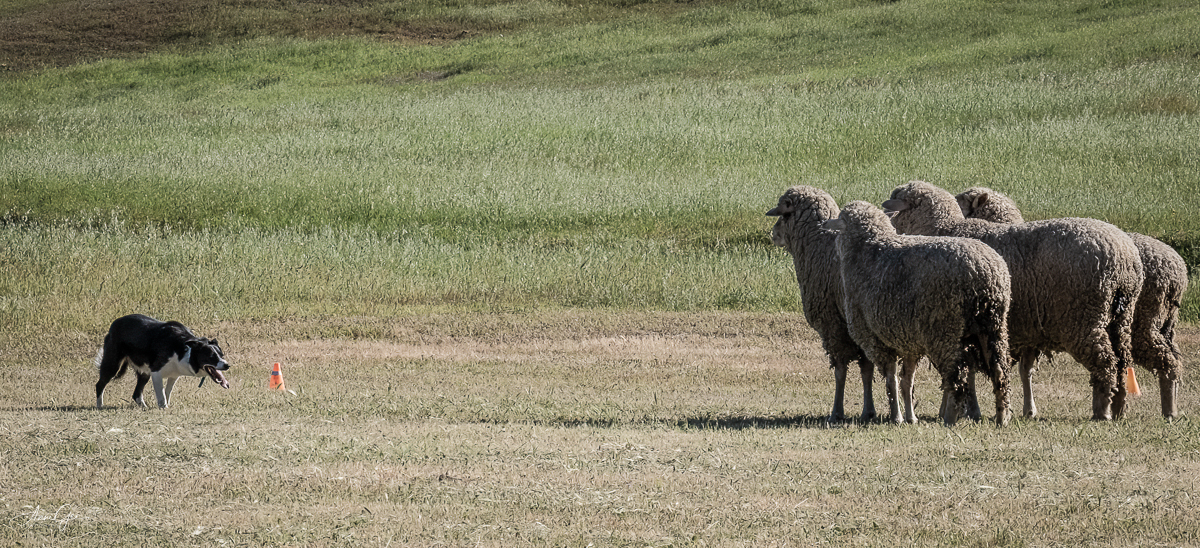
Photography always gives me an opportunity to learn. In March I went to see the sheepdog trials in Zamora at Slaven Ranch. First, I was impressed by a whole bunch of border collies and handlers/owners waiting their turn for a run up the hill.

Over the hill were four sheep waiting to be herded down the hill, through two obstacles on the course and finally into the ring set off by traffic cones. The handler stands on the flat land more or less between the obstacles and ring. I’m hoping you can get somewhat of a picture in your mind. My description is not very good.

As far as photography goes, it was difficult because you had to use a telephoto lens (we were quite a distance away) which made it difficult to get the dogs and sheep into one frame when they came close enough to photograph. I had my lens at 200mm and managed to get a few pictures when they came down the hill.

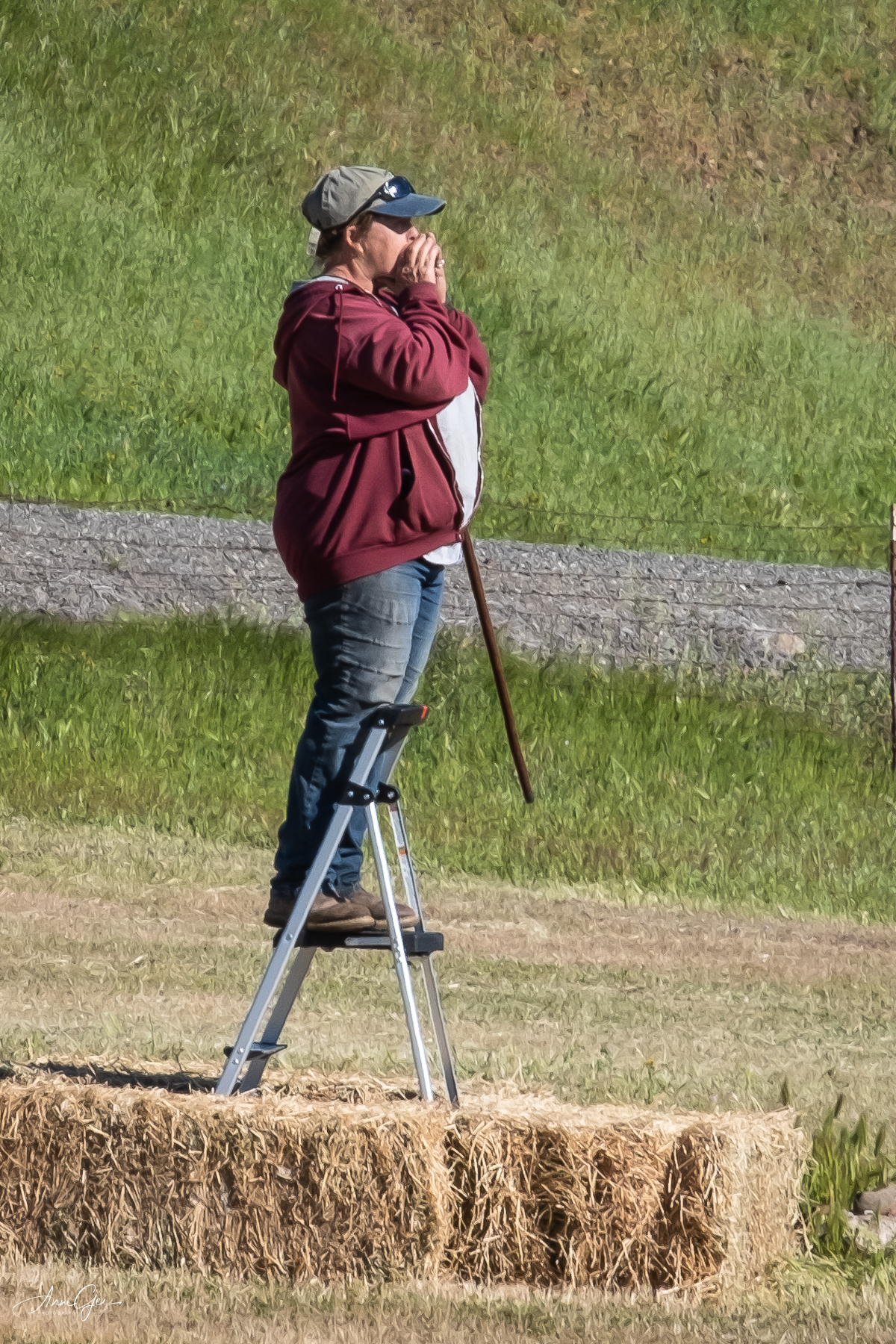
The handlers communicate with their dogs by using a special whistle that we couldn’t hear. And, all this had to be done in a certain time limit. Here are some pictures.

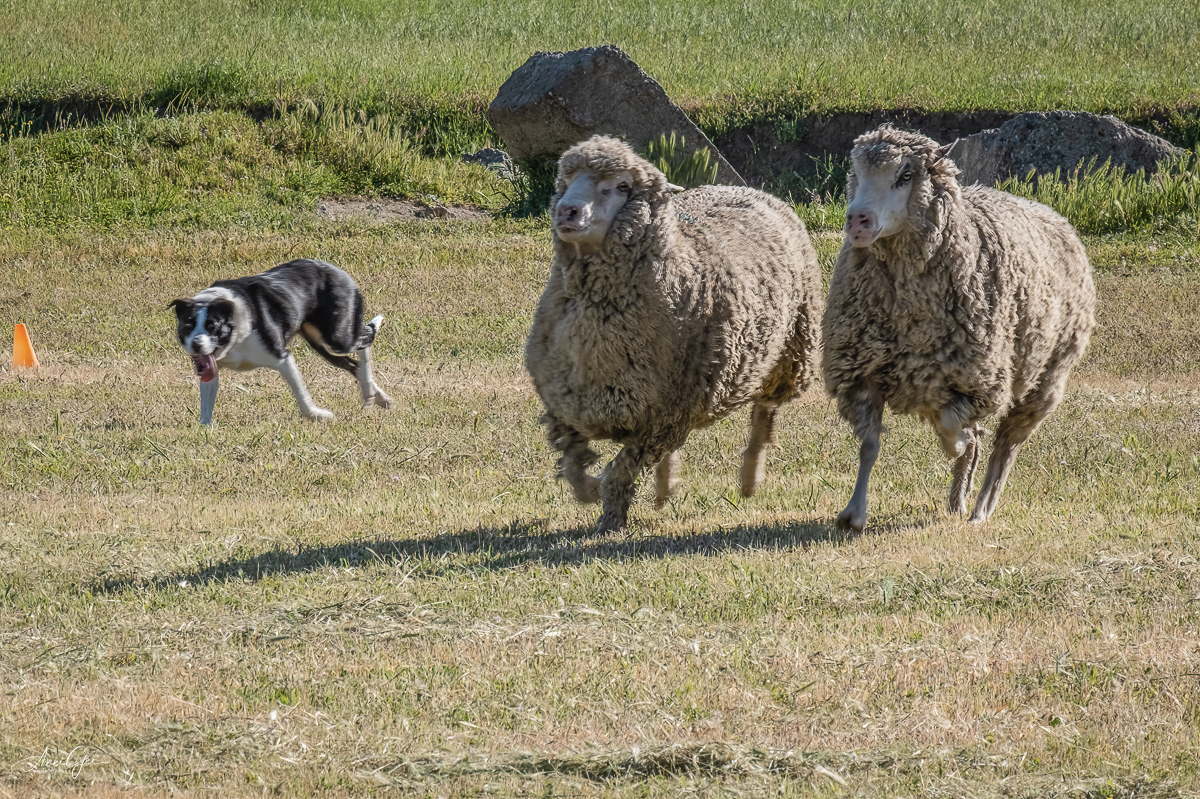
Coming down the hills.

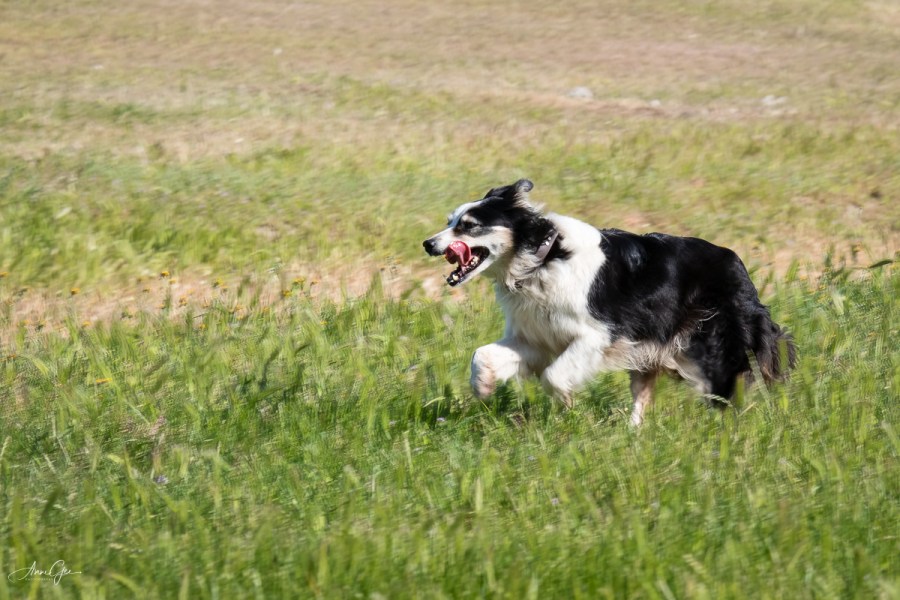
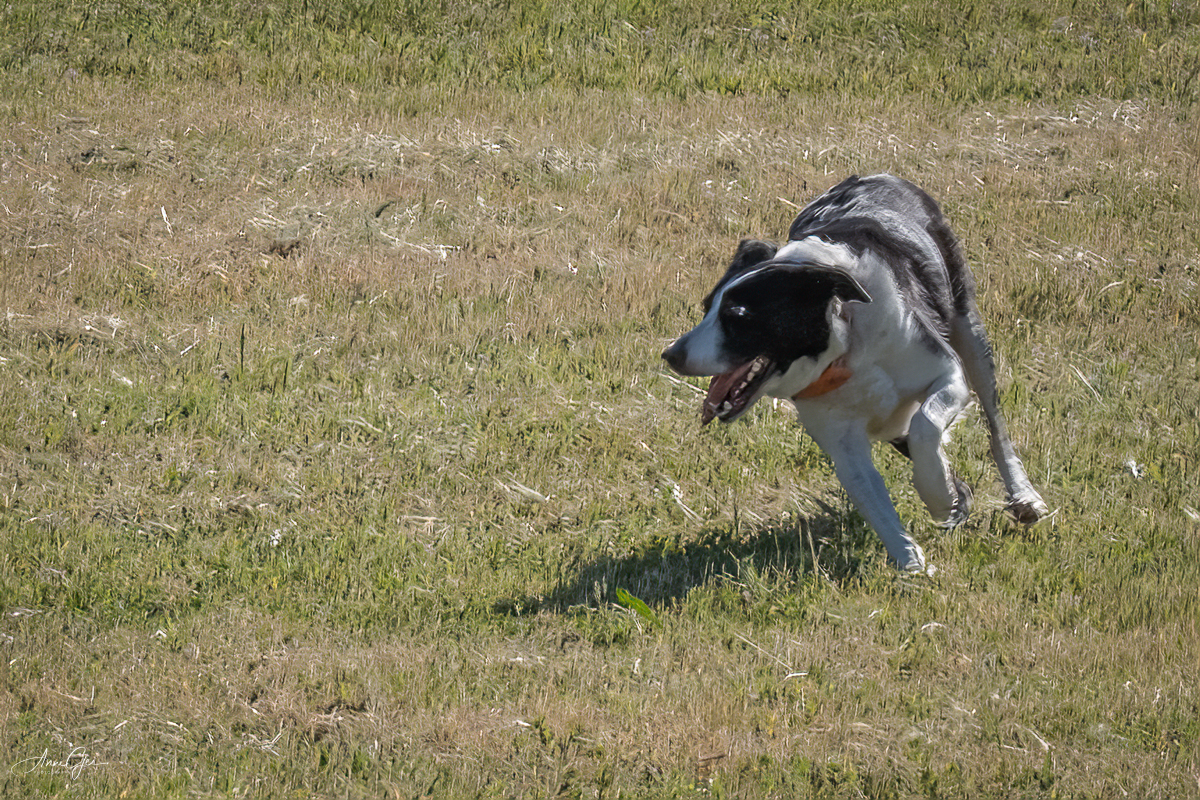
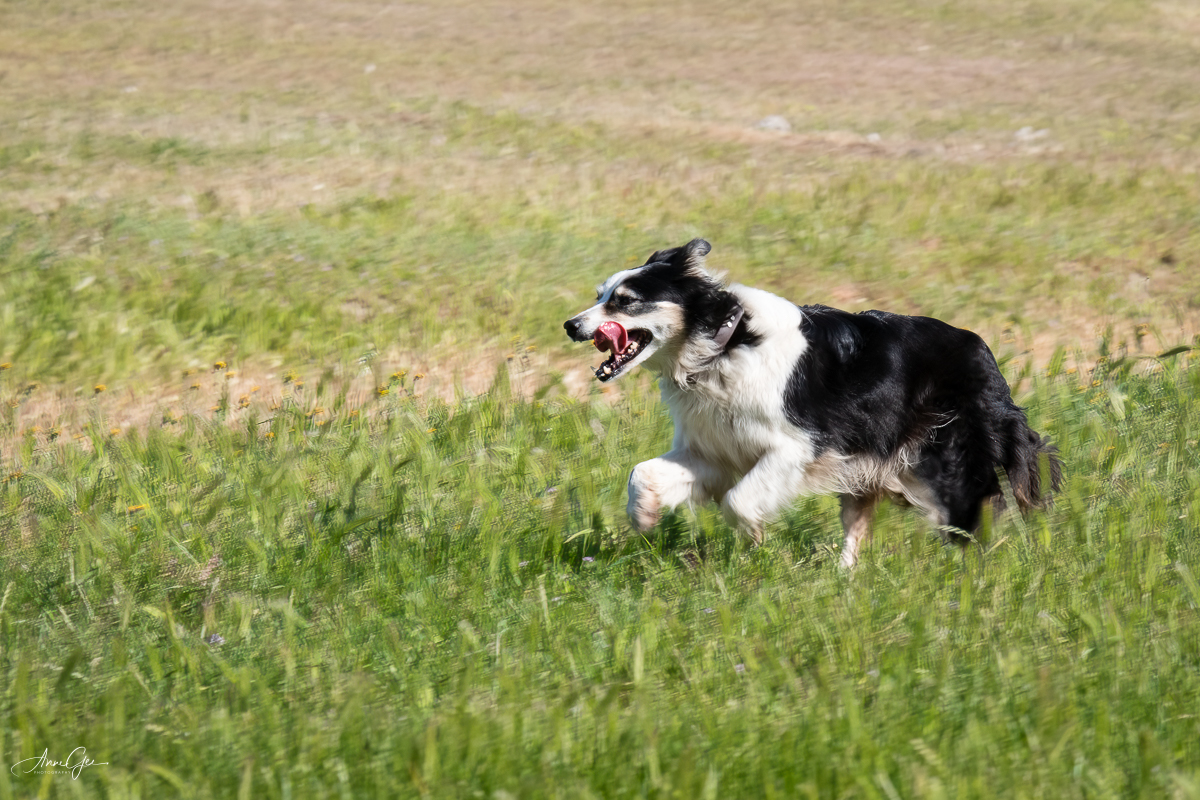
Now for the dogs while herding.

One of the handlers working with a dog.

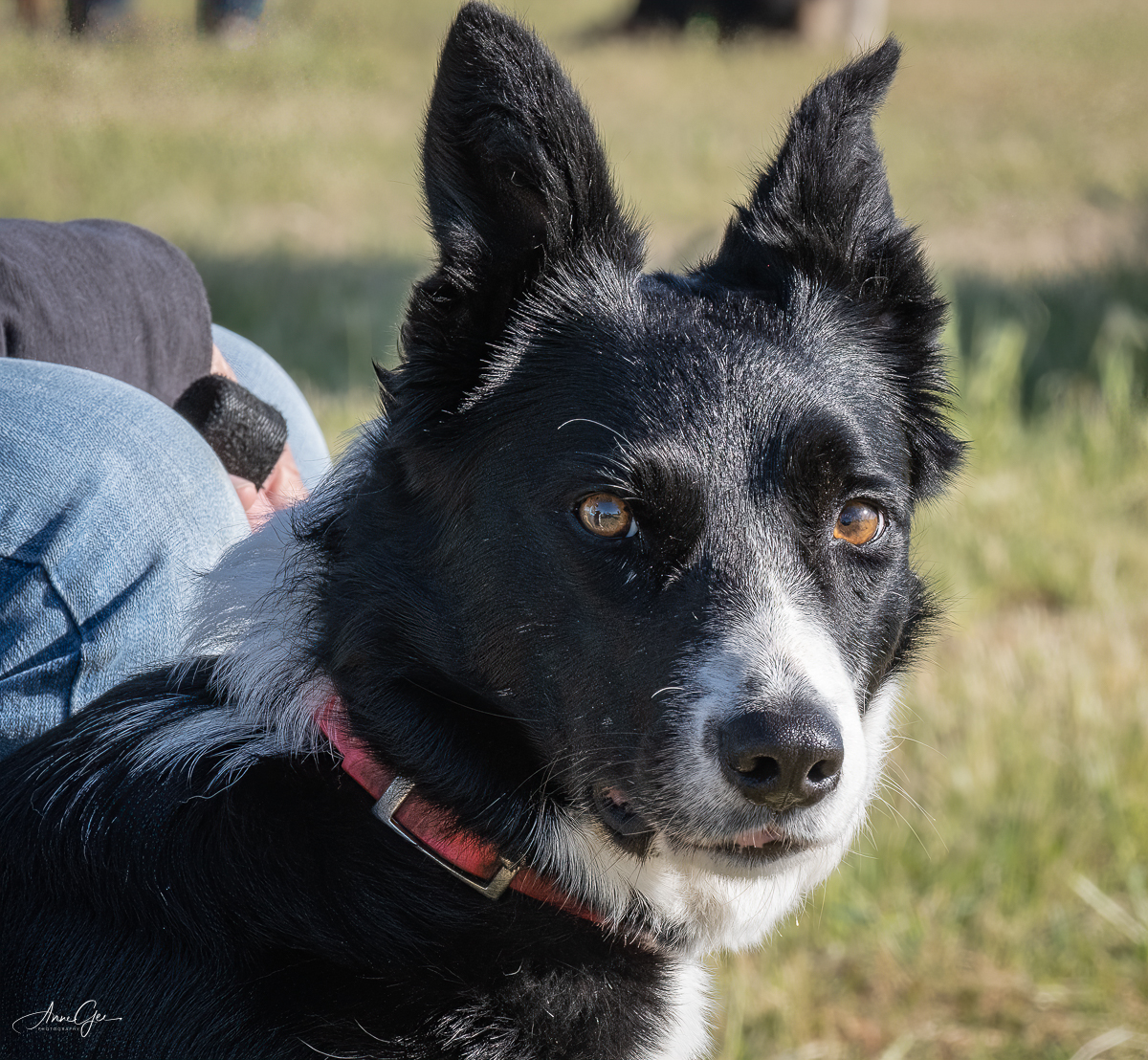
Now for a fun picture. I took a picture of a dog sitting next to me. When processing it, I cropped in close to the eye and found a reflection. Take a look!

It was an amazing few hours watching these border collies and handlers at work. I do appreciate the Yolo Arts and Ag Project and the opportunities it offers us.

Oh, I want to thank those of you who gave me input on my decision on whether to buy a Fujifilm macro lens or keep my current Nikon macro lens. I’ve decided to keep using my Nikon system. The reality is that I do long range wildlife photography just a few times a year. I enjoy it, but enjoy other types of photography more.

To the market we go: Folsom Farmers Market

Summer, it’s the season when local farmer’s markets abound, and I do enjoy taking pictures of the produce and people. But, you never know what you’ll find when you get there. The Folsom farmers market, in Folsom, was more representative of large growers than local. I asked several vendors where their farm was located, and they answered they were representing a large farm based elsewhere. Here are some produce images.

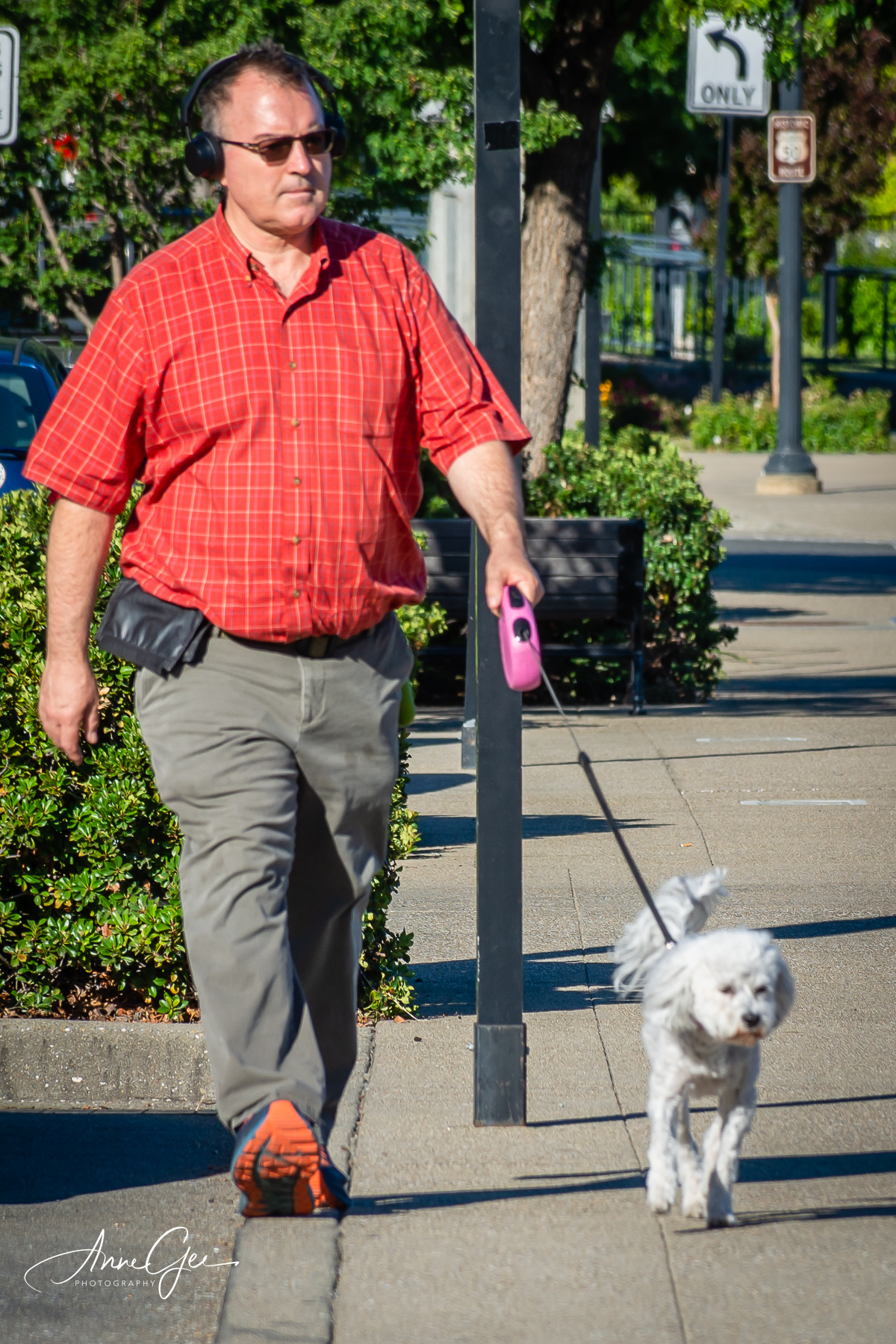
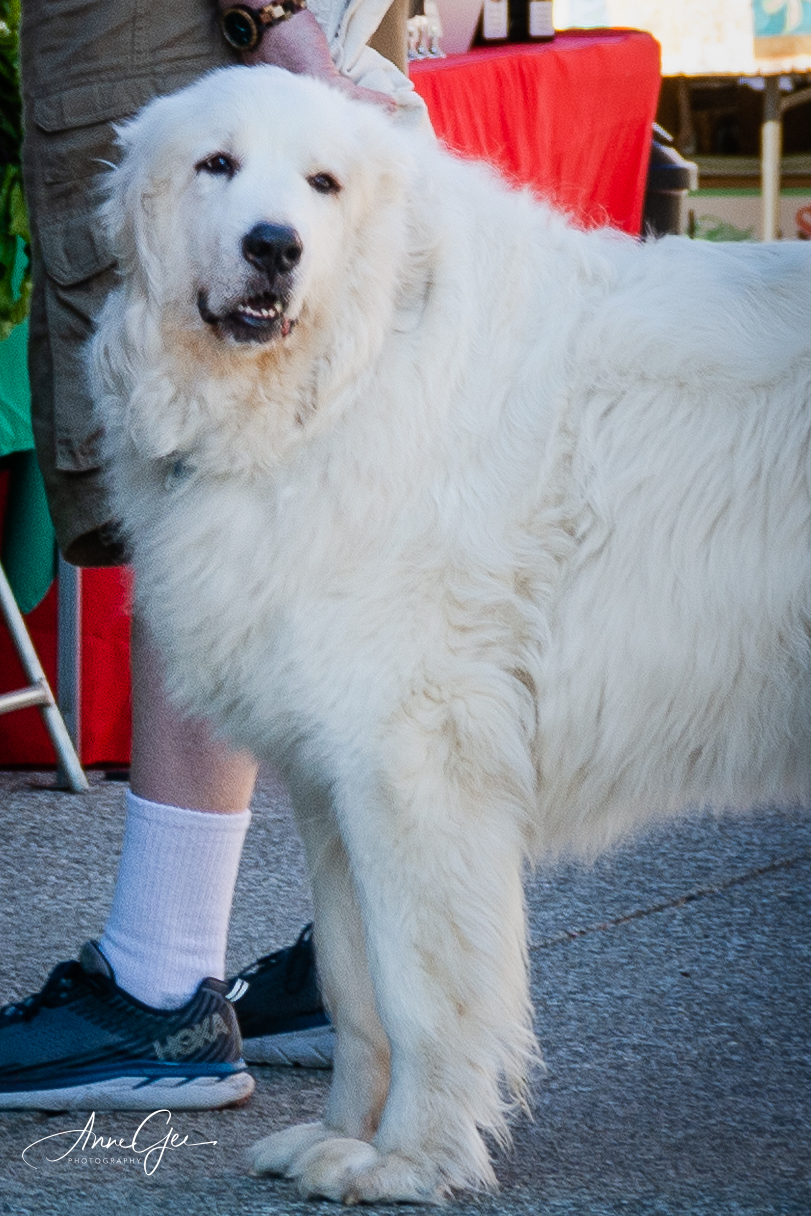
I was probably also not “in the mood!” I find that my attitude and health affect what and how I shoot. Whatever it was, I enjoyed taking photos of the dogs than the produce.

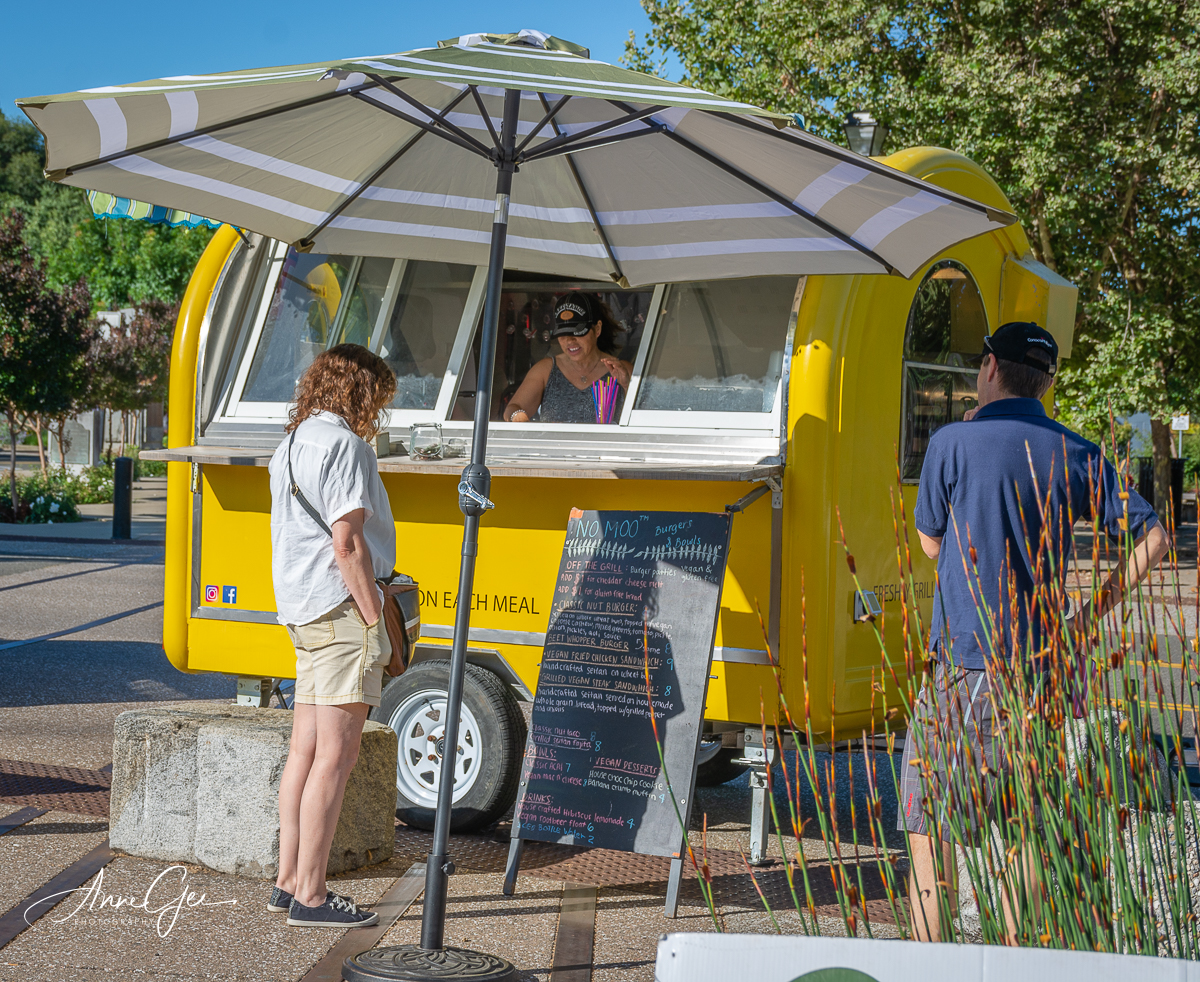
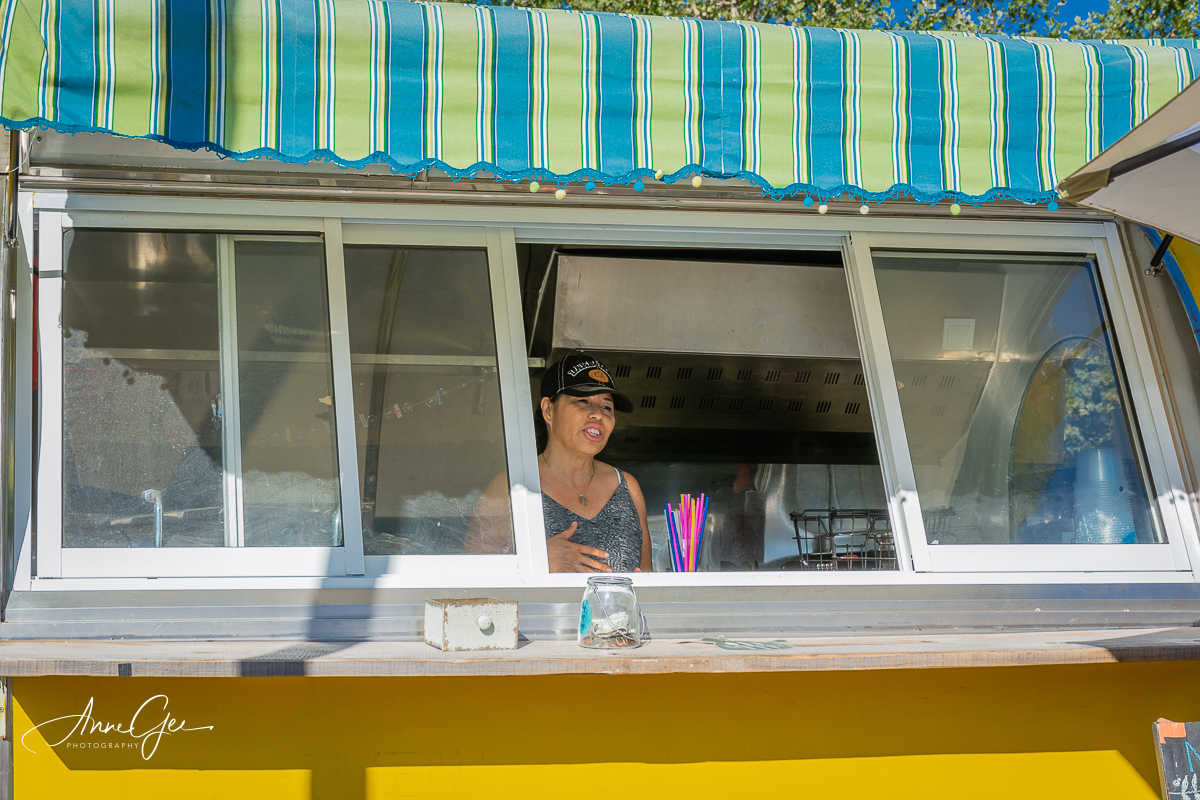
There were a couple of food trucks that I thought were interesting.

But, I truly enjoyed how the light fell on this flag.

So, maybe, it was a good morning shoot after all!

Open and Shut: Daffodil Hill, Volcano, California

We photographers never know when or if Daffodil Hill will open for the public. It all depends on the weather, and you know how fickle Mother Nature can be. Last year it didn’t open at all because of the rains. In years past, the owners had to close early because of rain.

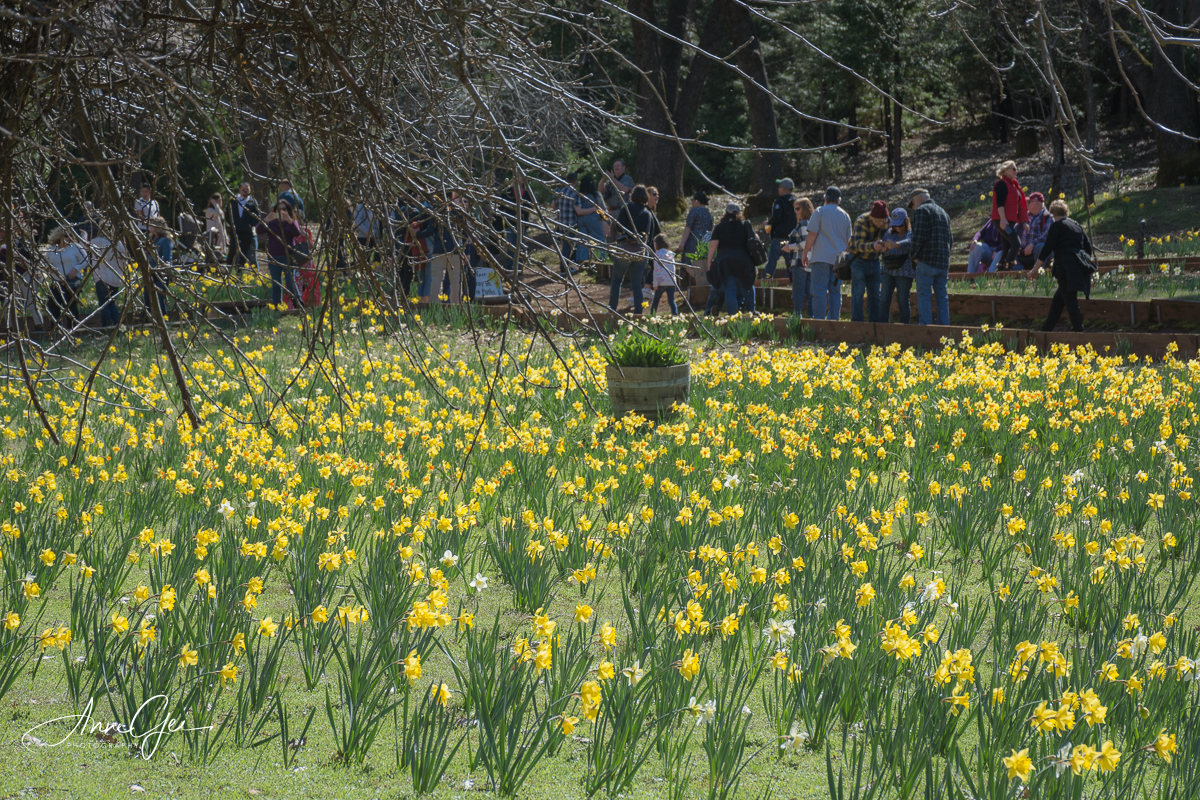
This family attraction is located in the tiny town of Volcano, Amador County. It’s family owned and operated. People can visit without charge, but there are donation boxes and a small gift shop at the front. It’s great for families who picnic in the parking lot, walk the paths that wind through the And, if all goes well, 300,000 flowers fill the hillside when in full bloom.

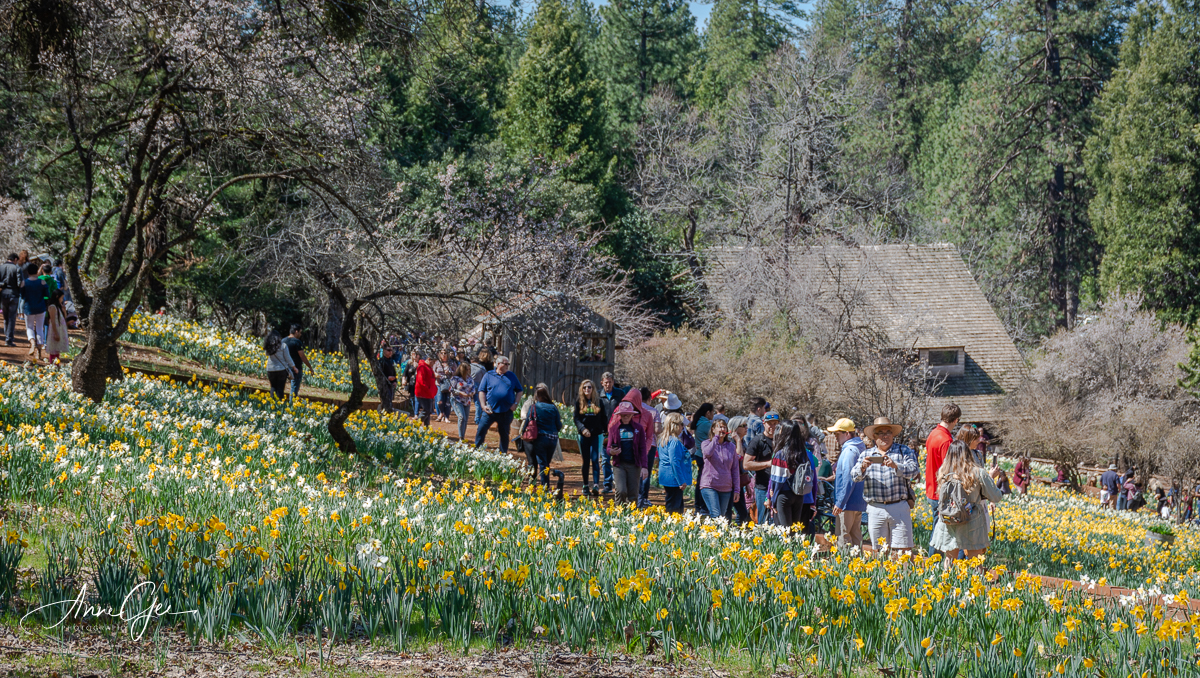
These are personally planted by the family and volunteers help direct traffic into and out of the parking lot. I had been there before and posted about it in a blog. But that visit was during the week, not too crowded and peacocks were showing off in numbers. This time, being the first day and on a Saturday, it was crowded, no peacocks. There seemed to be less flowers too.

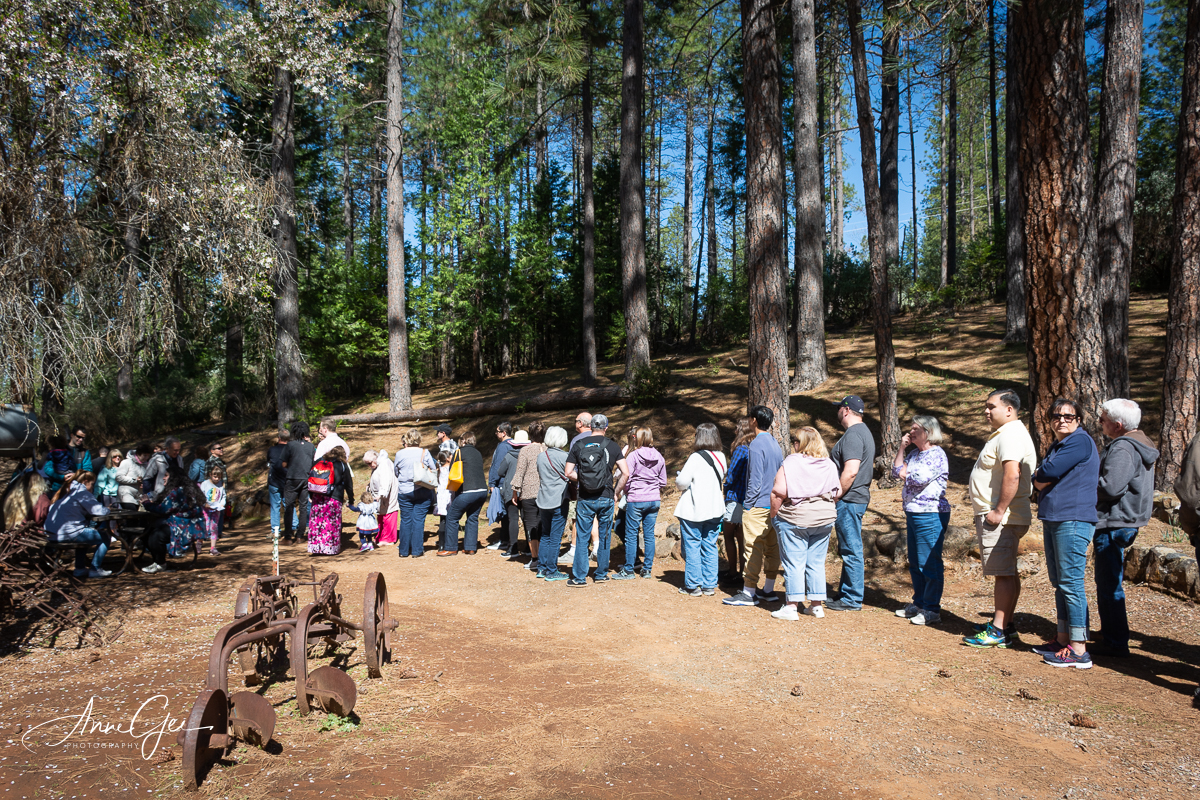
So why did I go on opening day? I didn’t think it would be open very long with rain being predicted. Laura had never been there, and I thought it would be fun to take photos of the crowds. With Marlene riding shotgun and navigating, we began our adventure a little late, sat in traffic while waiting to park, and finally entered after a half hour.

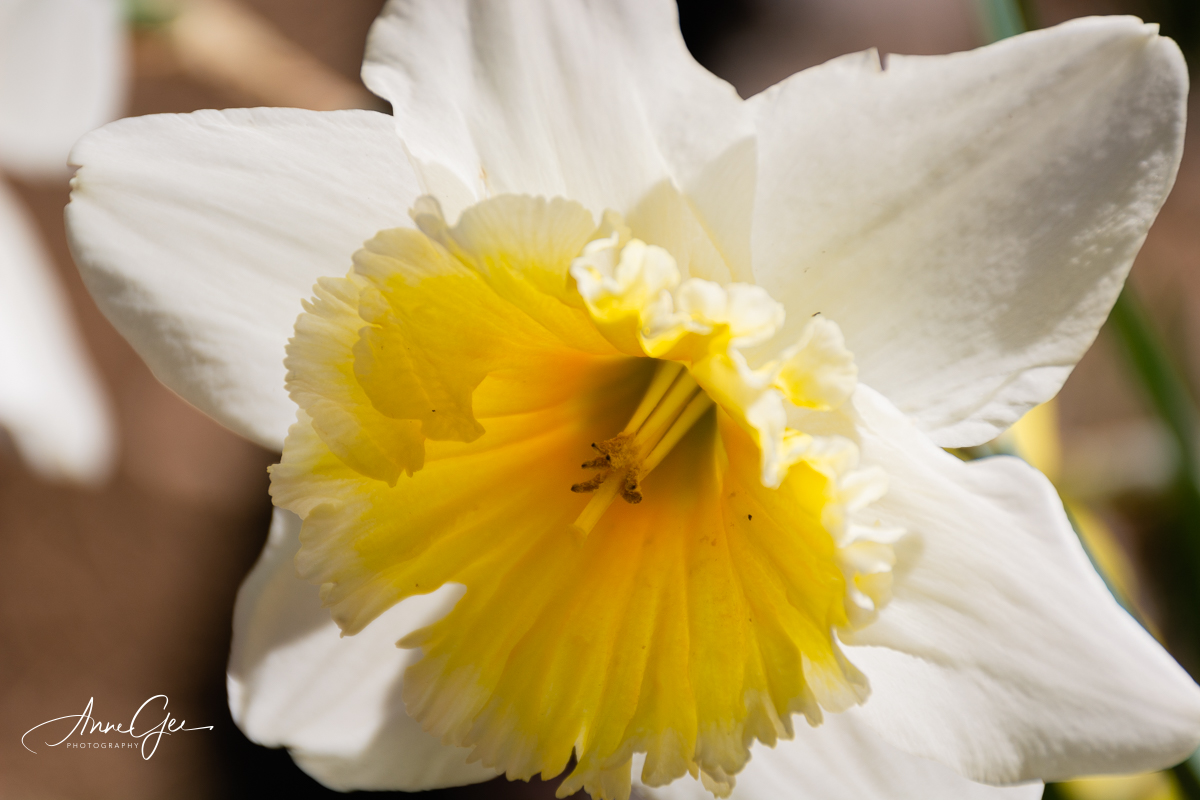
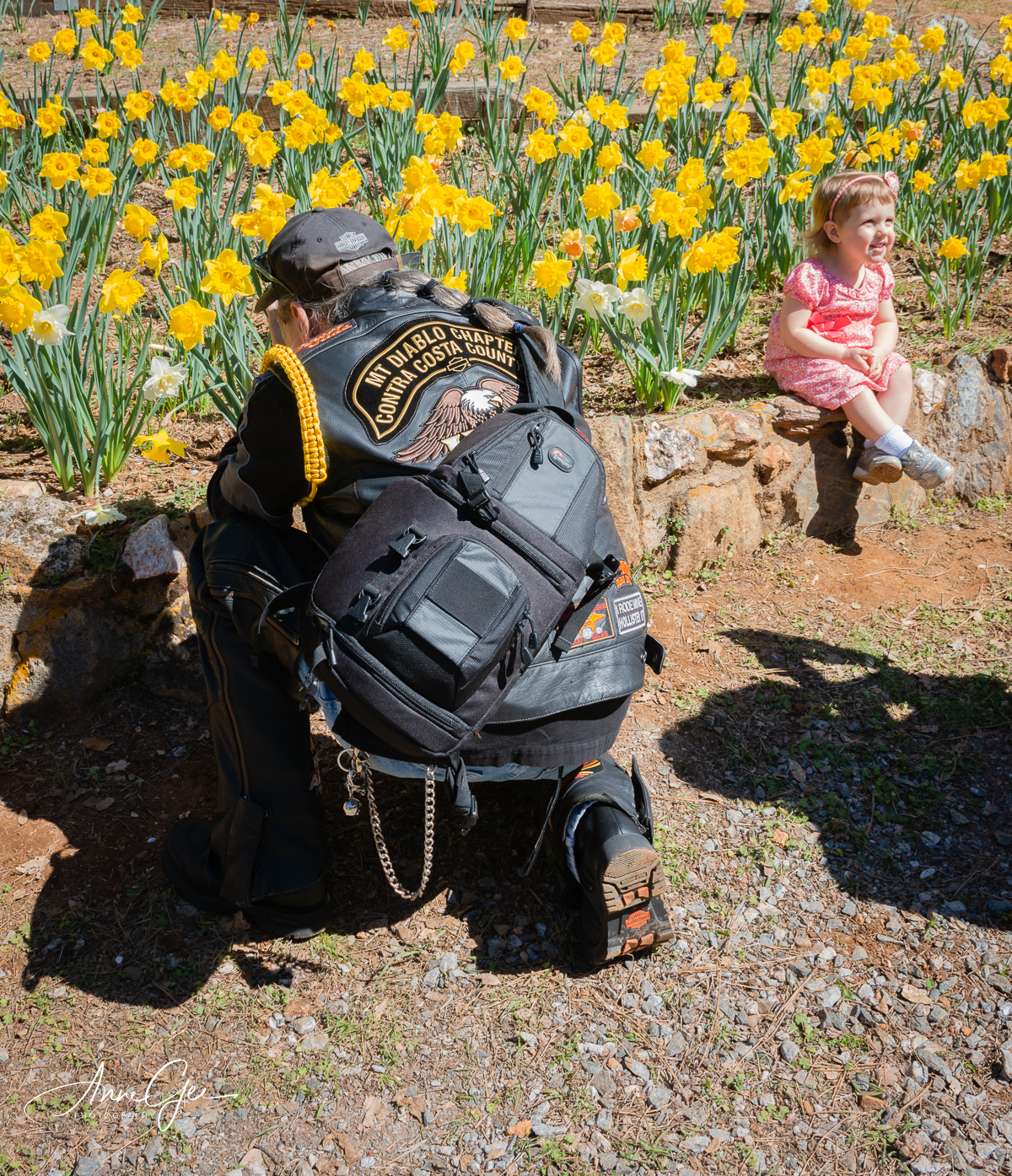
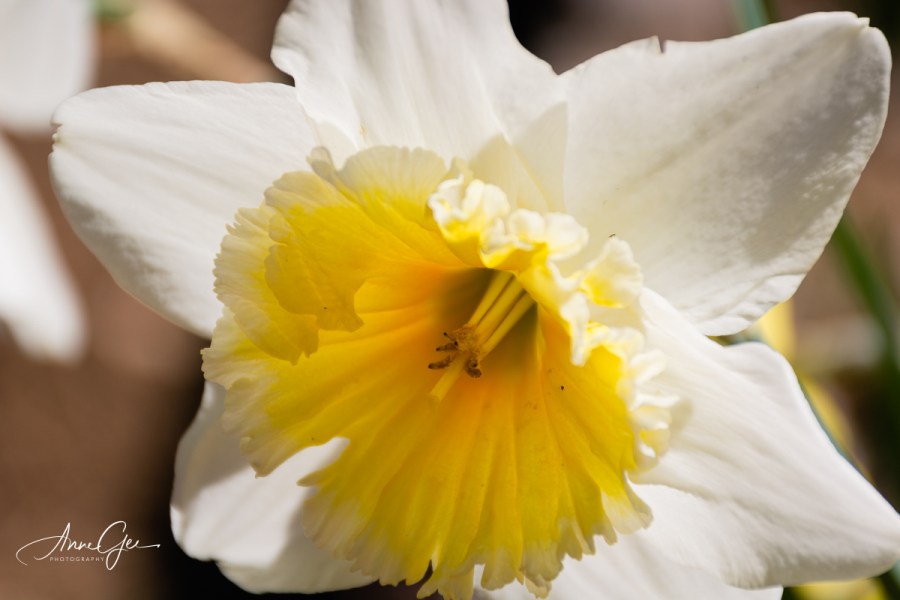
And, I was right!! Daffodil Hill closed for the season. three days after it opened! This venue is truly a labor of love and dedication for the family and volunteers. No captions for the flowers–you know what they are!

Only twice a year: Maple Rock Gardens, Newcastle

It’s some place you’d like to visit often, but this home and popular event venue is only open to the public twice a year. Other times, you need to be at a wedding or some other event to see the beautiful gardens. I’ll admit that at the end of summer, the flowers aren’t blooming and the lavender fields are hiding, but the property is beautiful just the same.

Maple Rock Gardens is a private estate, in Newcastle, and is affiliated with High Hand Nursery in Loomis. Its 30-acres is host to one of the largest garden railroads in Northern California. There are themed gardens, like a Japanese Tea Garden, and a 4-acre farm that supplies flowers to the High Hand Nursery. We spent almost 2 hours walking from one garden into another.

Each garden was decorated with sculptures, plants, small water falls and more. The easiest way to describe it is to show you. I did take a lot of pictures, so this will be a two-part post. Oh, you’ll also notice that I am now using a logo rather than a copyright symbol. Since I’ve made a little money with my photography, doing some real estate shoots, I decided to be more professional.

So, come along with me and visit Maple Rock Gardens.

Feelin’ the spirit: July 4th

It was a parade, it was lunch, it was fun! Every July 4, the residents in our new senior community decorate their golf carts, trucks, cars, and even bikes for the annual July 4 parade. I was invited to ride in my neighbor’s two-seater Miata that she decorated with flags.

I was amazed as we drove around to see how many other residents were lined up on the parade route. All were yelling “Happy fourth of July,” and some were throwing candy into the carts, cars and trucks. We waved and yelled back. I was also trying to take pictures as the car was moving of people moving. Not easy.

After the parade, we had a hot dog lunch, which fortunately was inside. It was a hot day. I had fun, and I’m looking forward to next year when I’ll be decorating something–maybe. My Camry????

I can show you some of the carts and cars, but we are asked not to take pictures of the homes. I did my best, and you’ll get an idea of how this zany senior community celebrates. The last picture is of our honored guest, a World War II veteran who still fits into his uniform.


Normal? Indian Festival and Fair Oaks

e’re pretty much settled in, and hanging pictures. How many pictures can one small house hold? There’s still more stuff to find places for, and the sunroom to fix up, but that will just have to take time. It’s good to be back to normal–my going on photo outings and Richard running up to the observatory. Each day, we take time to hang two pictures or curtains, etc.

And, summer has arrived, so we try to plan our outings for early morning, local venue or inside. I have two outings to show you today. Linda and I went to the Indian Festival, hoping to get pictures of traditional dress and dance of our Native Americans. However when the dances were to begin, we were told we couldn’t take pictures, and the few dances that we were allowed to take pictures of, we couldn’t post anywhere. Oh, what a letdown for a couple of photographers. So, I’ll show you some shots I took of the festival and vendors before the dance started. This was held outside the State Indian Museum.

Now we move on to the small town of Fair Oaks and its chickens. Yes,

it’s known for being inhabited by wild chickens. They are protected, so no roasted chicken for us!

Now, which pictures should I pick to hang today?


The unfinished story: The Clydesdale parade, Fairfield

Right now my life is like an unfinished story. I jump from one activity to another without finishing the first. And so it is with the second part of my visit to the Anheuser-Busch facility in Fairfield, California to see the famous Clydesdale horse team in action. So many things got in the way of my posting this blog, including a two-day Toastmaster conference.

But here I am at the computer ready to show you images of these beautiful horses. I received conflicting information of the horses’ ages. I can tell you that when they can no longer participate in parades, they live on a ranch and enjoy the rest of their natural life.

Another fact that amazed me was the time it took to dress the horses (in their fancy harnesses) and hitch up the team. Once the eight horses were hitched, they did one horse at a time, April (the dalmatian) and the drivers got on board for the ride around the parking lot.

I came home with over 500 shots to go through because I finally decided to use continuous shutter speed. Don’t worry, you don’t have to wade through them, just a few select ones.

Up, up and away: Great Reno Balloon Race

Riding in a hot air balloon is high on my bucket list, but I still haven’t done it. They are so colorful and inviting. I did make it up in a small plane, thanks to my great nephew Daylen. And, twice the balloon ride was within reach, but not taken.

The first opportunity was the Windsor Hot Air Balloon Classic in Windsor. I had just bought my D3100 in 2012, and this festival was my first outing with it. I was truly struggling to learn what this digital camera was all about. All my shots were on auto. Here are two images:

My second opportunity came this past weekend at the Great Reno Balloon Race in Reno, Nevada. I have improved since Windsor and was anxious to shoot on manual/RAW.  However, I wasn’t ready for the differences in the two festivals. At Windsor, some balloons went up in the dark; at Reno, they waited until daylight. At Windsor, the balloons left at different times; at Reno, most left at once–it was a race. So, I wasn’t able to capture shots like those above.

We did get an opportunity to shoot the balloons in the dark, but it was a challenge. They didn’t stay lit for very long. My exposure meter was all over the place. I did the best I could, and I got some good shots.

The other difference: They weren’t offering rides like they did at Windsor. It was a larger event and more people attended. So, I guess I’ll just have to find a hot air balloon ride somewhere. Next year is the year!

Here are some images. No captions necessary.