Monochrome Madness: Textures in Black and White

Black and White allows texture to come to the forefront. It’s amazing how well we can see the texture in an image once we change it to monochrome. To be really effective there must be enough contrast.

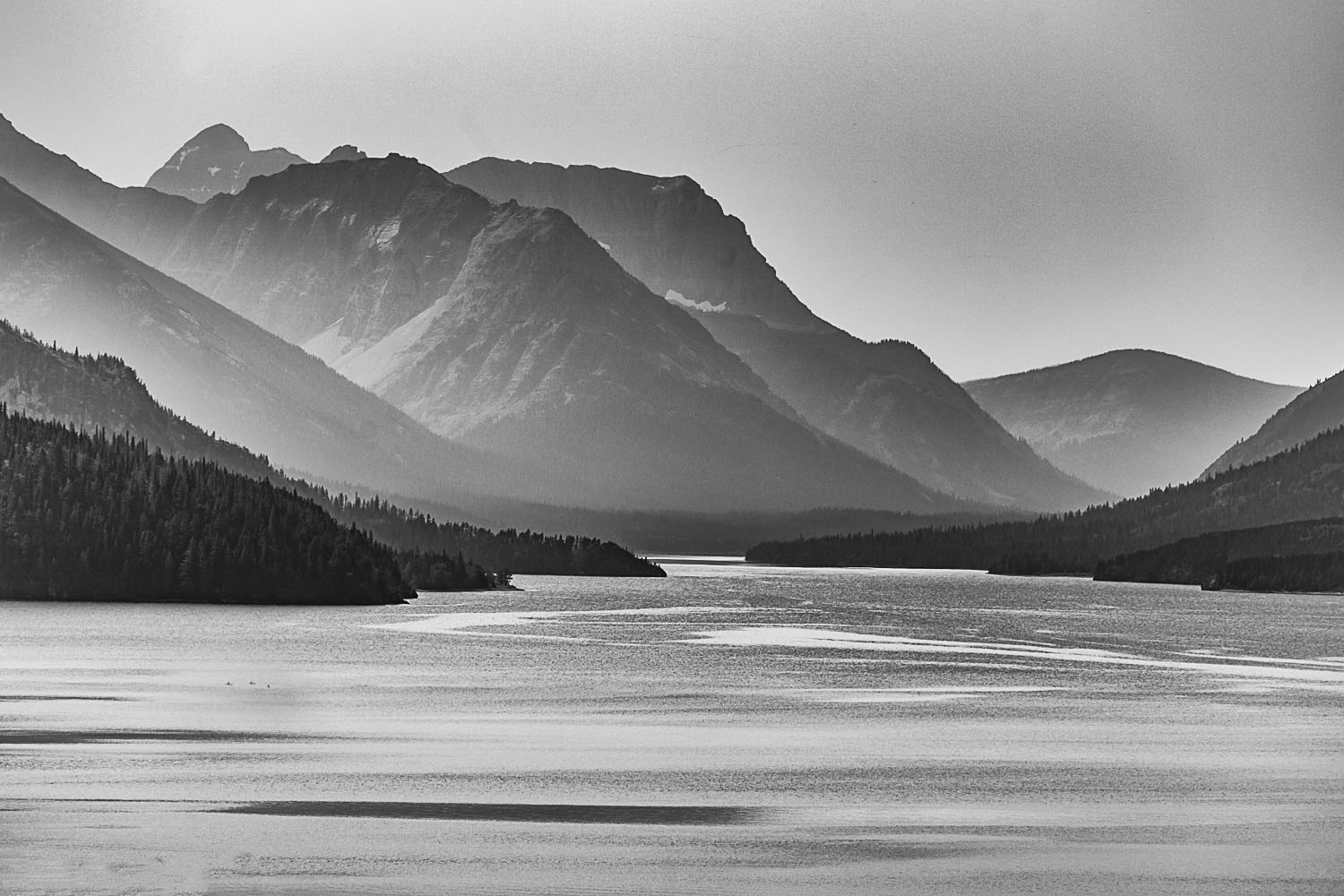
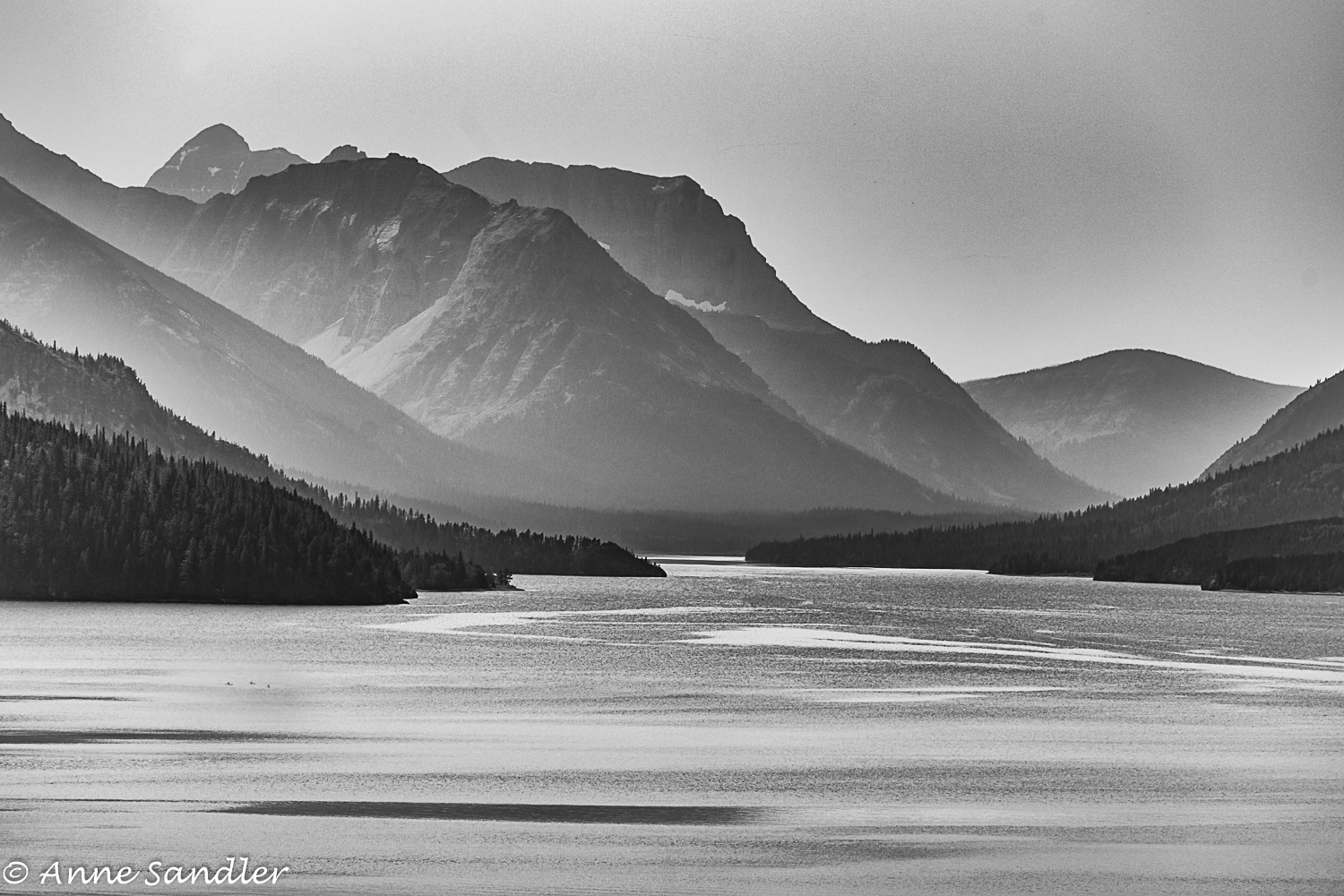
This picture of Lake Waterton in Alberta Canada was a pretty image. However, once I changed it to monochrome (I thought there was enough contrast.) I saw the texture in the mountains and water.

This is submitted for Sarah’s challenge which she created for Leanne’s Monochrome Madness. I hope that linking to each works.

Now off to more on my list! Thanks Sarah and Leanne!

Trip’s end: Portland & St. John’s New Brunswick

It has certainly taken me longer to blog about this trip then the trip itself! So here we are at the end. Two things are true: (1) The port cities look very much alike. (2) You can’t take good photographs from a moving bus with dirty windows.

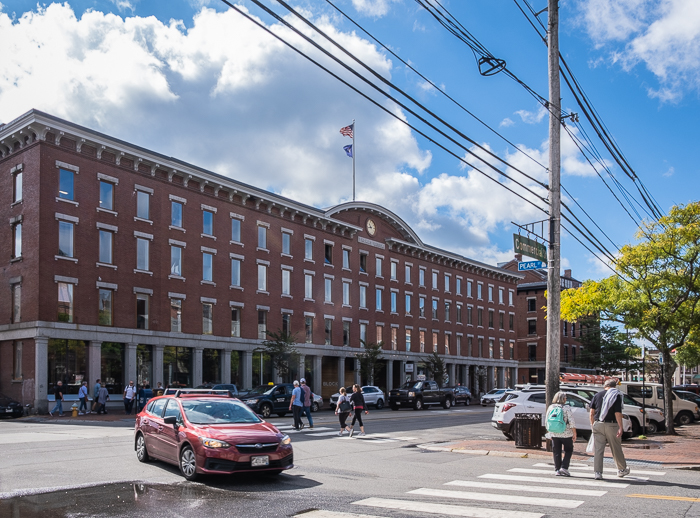
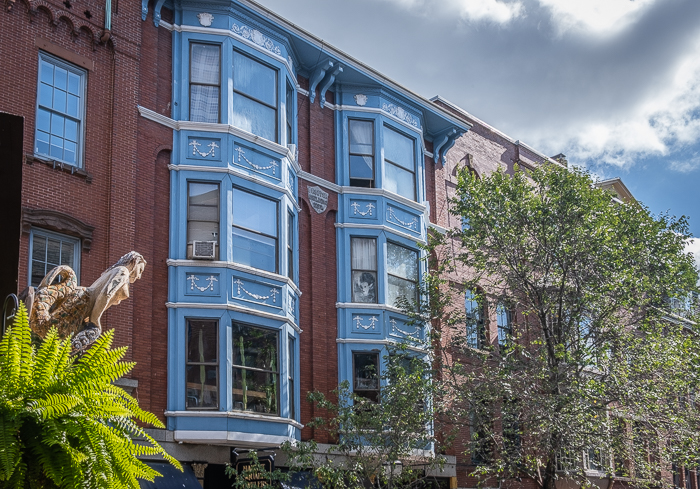
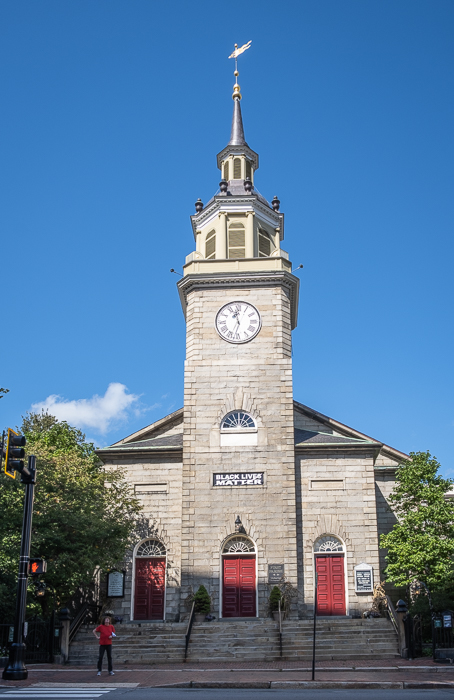
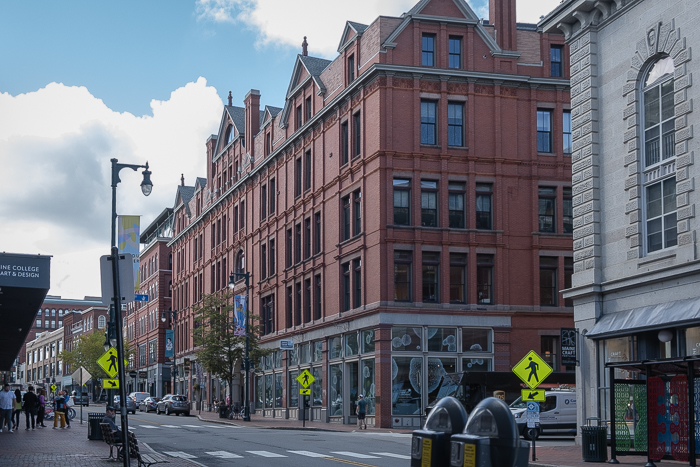
Portland. We walked this city to the point of exhaustion. It was fun, but we should have stopped for a snack or lunch. I loved the old buildings and noticed that the electric wiring was still above ground. I thought this added to the charm of the city. There were a few parks within walking distance. Here are some photos and captions.

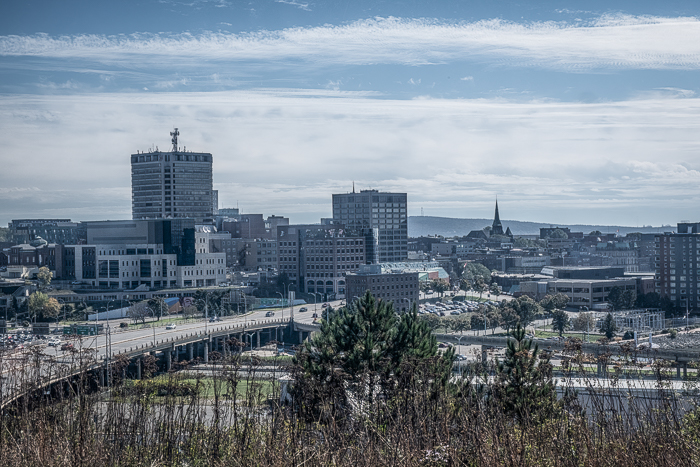
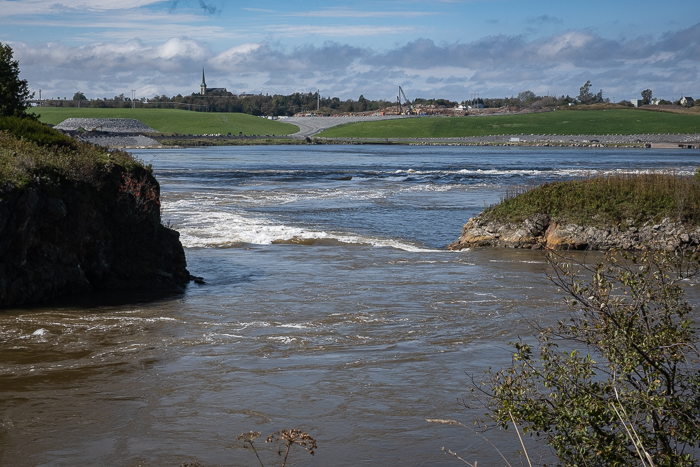
St. John’s New Brunswick. While the “Hop on and Hop Off Busses give a great overall tour, it’s difficult to take pictures. Most places didn’t warrant getting off.

So, this is the end of my trip. I had a great time. I loved the ship’s food and was careful not to eat too much. I would have liked to go further into the cities, but there’s not much you can do in one day and a limited amount of energy. Would I do it again? YES!!

Lens-Artists Challenge #198: Light and Shadow

“In layman’s terms, photography is quite simply the process of capturing light with a camera to create an image.”… PhotographyTalk.com

When you read the above quote, you realize that Patti’s challenge of Light and Shadow goes to the essence of what we do as photographers. We can’t take a picture without light or the absence of it, shadow.

In fact, in black and white photography you absolutely need the contrast between light and shadow. The image below is Waterton Lake in Waterton Lake National Park, Canada. The success of it in black and white relies on the light, shadows and contrast.

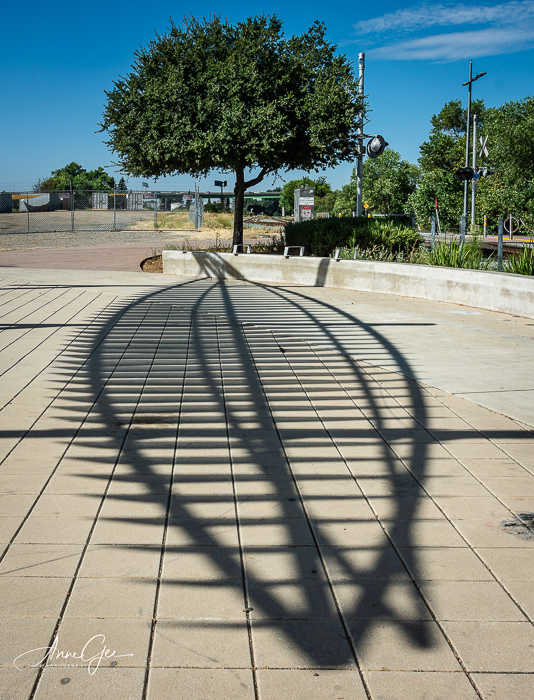
Next we have a sculpture at the River Walk in West Sacramento. On the left see it as it really is, and on the right see the shadow it casts.

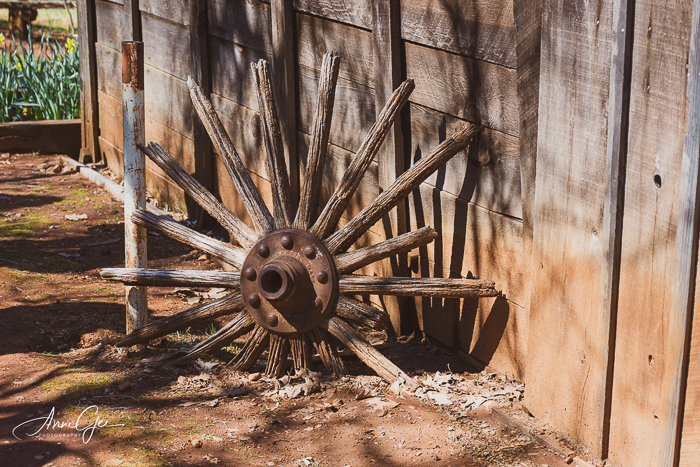
Light can also add character to a subject. The way the light hits this old wheel adds to its texture and age and adds shadows.

This aging sculpture in the Sacramento Historic City Cemetery is back lit. The sun almost adds a halo effect.

Just changing your perspective changes the image. The feeling of this iconic sculpture in Roseville taken in bright sunlight changes when taken from a different side and in the shade.

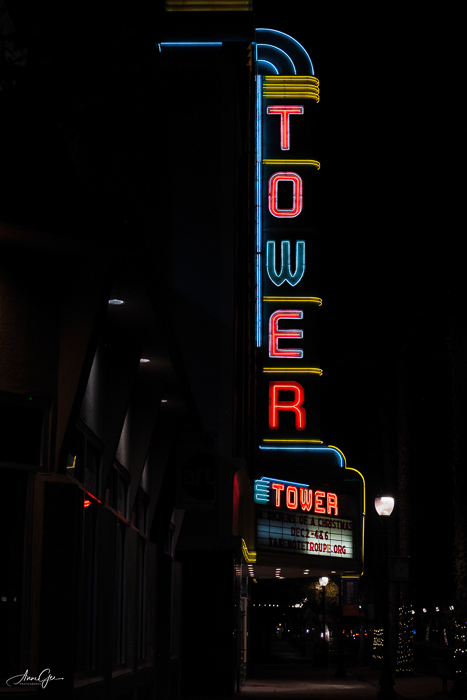
And, finally, what do we do when there is no light? We use artificial light. The Tower theater’s sign is shining bright in neon in Downtown Roseville, and a Christmas display lights up this fake house front, putting the people in shadow.

How we use light and shadow creates our own personal photography style.

Thank you Patti for this fun post and bringing us back to the basics of photography. When you post your reply, remember to link to Patti’s post and tag Lens-Artists. Next week’s challenge will be presented by Ann-Christine through her Leya site. So stay tuned!

 If you would like to participate weekly in our Lens-Artists Challenge, just click this link and join us: https://photobyjohnbo.wordpress.com/about-lens-artists/

On the road again: Waterton Lakes National Park, Canada

It was just a peak at Waterton Lakes National Park, (WLNP) that is at Glacier National Park’s (GNP) most northern end. But, because it’s located in southern Alberta, Canada you need to show a passport at the border. It was a 2 1/2 hour drive, going around the east boundary of GNP since the western border was closed. Well, it was worth it.

Except for just a little fun harassment from the Canadian border guard, it was a great day trip. The park staff was very helpful and showed us two drives we could take and sight-see. We did half of one and the total of the other. We also explored the lovely village near the lake.

But before we did anything, we visited the Prince of Wales Hotel. It stood at the top of a hill. When I saw it, I knew I need to get up there to get some spectacular shots. The hotel itself was fun to shoot. Inside they welcomed everyone, hotel guest or not. And, their staff was from different countries.

Next stop was a village by the lake. I saw a doe walk up to a porch and look at the front door. I quickly picked up my camera and focused it. By the time I was ready, she was already feeding on the flowers in the hanging pot!

After lunch, we drove the route called Akamina Parkway half way because I wanted to drive the entire Red Rock Parkway. This was another mountain drive, much like those in GNP.

Red Rock Parkway showed us a different topography–less trees and more of a prairie. I was curious to go to Red Rock Canyon because of all the red rock canyons we have in the western states. It wasn’t as large but it was beautiful. Families took advantage of the water to wade and get wet.

Again, there were fires. The Park staff said one had just started in Alberta, and everyone was warned to be careful. I’m wondering if this is an unusual or typical summer.

It was a long trip back to our trailer in Columbia Falls, but a totally enjoyable day.


On the road again: Try again, Glacier National Park & Hungry Horse Dam

I admit it, I am tenacious. I don’t give up easily. I mentioned in my last post that we went back into the Park to find Polebridge and Bowman Lake but the road was closed because of fire. So instead, we took a path near Lake McDonald. It was smokey, but not that bad.

After, we stopped in West Glacier and found the Canadian Visitor’s Center. We were going into Canada the next day to visit Waterton Lake National Park and needed to know the best route to take. The gal was very helpful, and, loaded with maps, directions and confidence, we left.

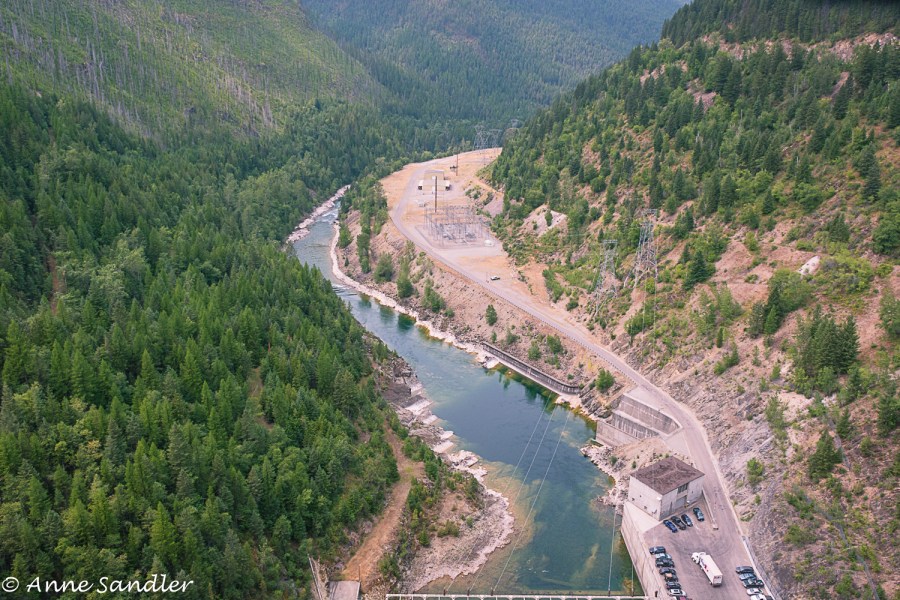
On the way home (the trailer), we decided to drive up to the Hungry Horse Dam and Hungry Horse Lake. It was a worthy trip. There are so many lakes in this area, and they are beautiful. While there, we met a family from Kansas doing a whirlwind road trip. After they left, I realized how lucky we are to be living on the West Coast. In Sacramento, we are 2 hours away from mountain life and beaches. We enjoy visiting several lakes and are surrounded by rivers.

Back to GNP and surrounding area. This trip would be perfect if it wasn’t for the smoke and the haze it creates. When you see the clouds emerging from the dissipating smoke, you realize what a beautiful sky it is. However this trip, we’re not seeing it. I’m hoping that for at least one day, it will clear. I don’t give up!

On the road again: More from the twisty Going To The Sun Road, Glacier National Park

I’ve been in a lot of National Parks throughout the USA. In fact, that’s how we typically plan our vacation–which park do we want to visit and what’s around there. Glacier NP was on the list when we went across country in 2013, but for medical reasons, we didn’t make it.

Now we’re here, 4 years later. And, now I understand what the Ranger meant the first day when she kept mentioning the Going To The Sun Road. There really aren’t many other paved roads! Most other NPs have a bunch of paved roads that can get you around. I’m not complaining, the road is beautiful and can take a whole day to drive. However, we’re trying to figure out how to get to the Canadian Waterton National Park.

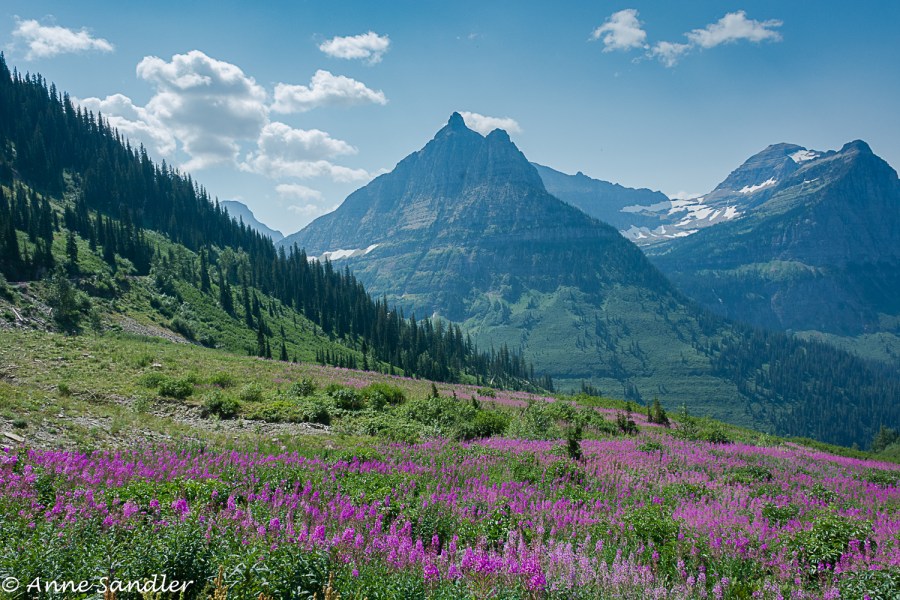
In the meantime, I do have another set from our drive on the Going To The Sun Road. No more grumbling. I’m sure we’ll come up with a solution and find some more roads.

When these were taken, the skies were relatively clear and cloudy. Tuesday, August 8, there were four fires in the Park. We were surrounded by haze as we wandered in and out of the park. You’ll see the fire effects in my next post.