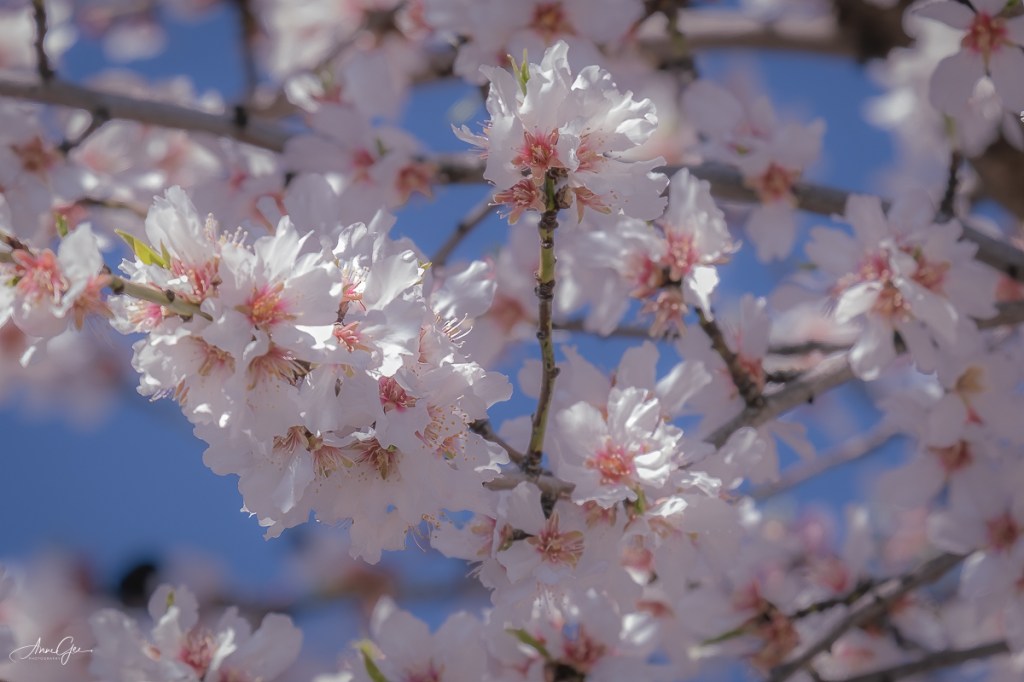
It’s the season for all photographers and “lookie loos” to descend on almond orchards seeking beauty. However, due to a couple of good wind storms, one hard enough to topple trees and take off roofs, the beautiful blossoms are hard to find.
We photographers respect the orchards and do not go into them. We photograph from the roads, using long lenses. When I saw that one farm was opening their orchard (for a small fee) for us to walk through, Ray and I made a plan to go there. We knew it was risky given the winds we had and were still having that day, but we went anyway. This farm was outside of Davis and closer than those in Capay Valley.
It was as we thought. Not only were the blossoms blown off the trees, they were blown off the ground. In years past, fallen blossoms looked like snow. We talked to the orchard owner who said the situation was dire. Not only did she sell tickets for people to come in, but also hired bees from bee keepers to pollenate the blossoms. Cost and revenue loss. Not totally bare, some blossoms held on.
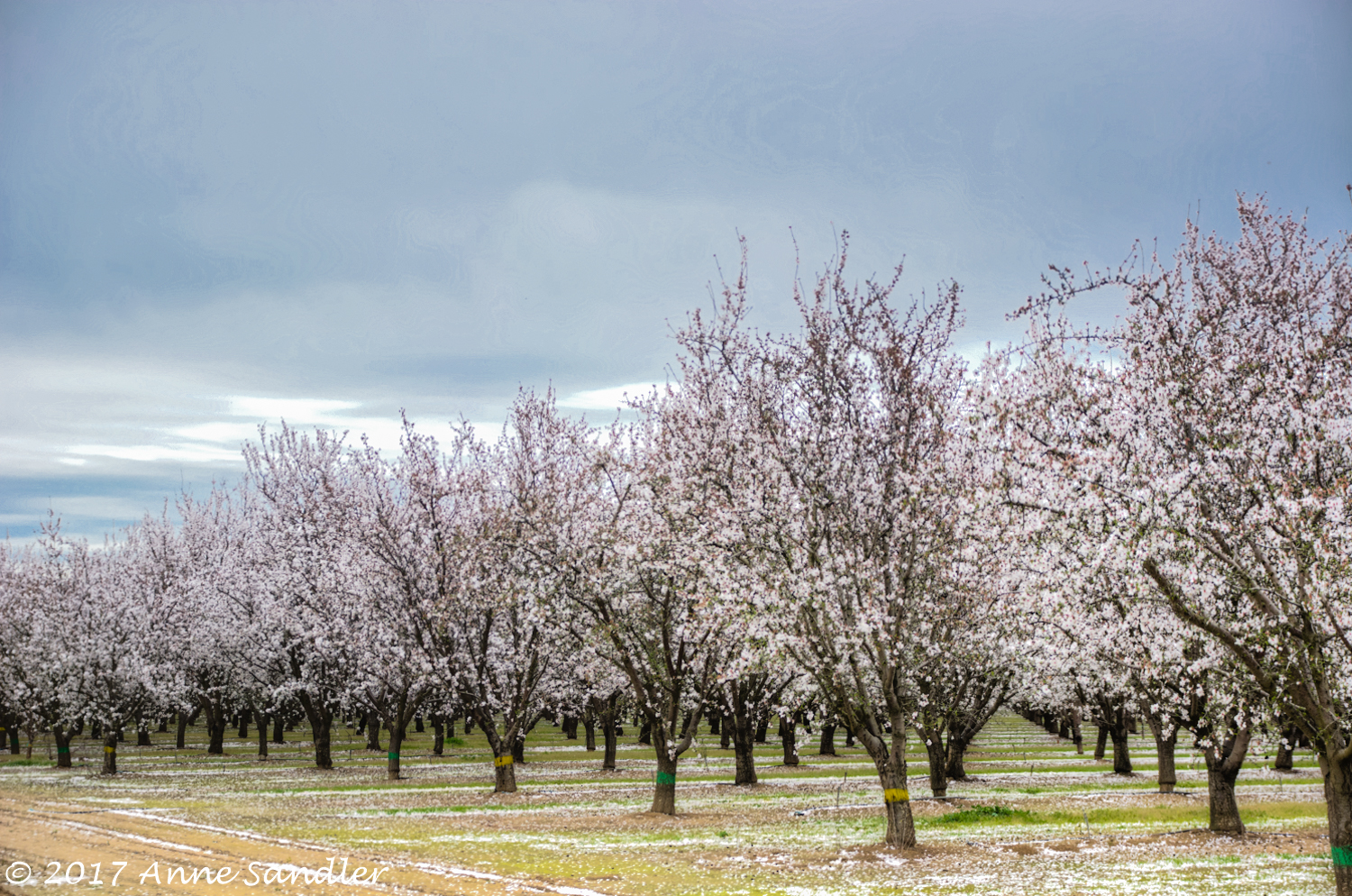
Here’s a picture taken in 2017 to give you some idea at how full the trees can get. Notice the blossoms on the ground.
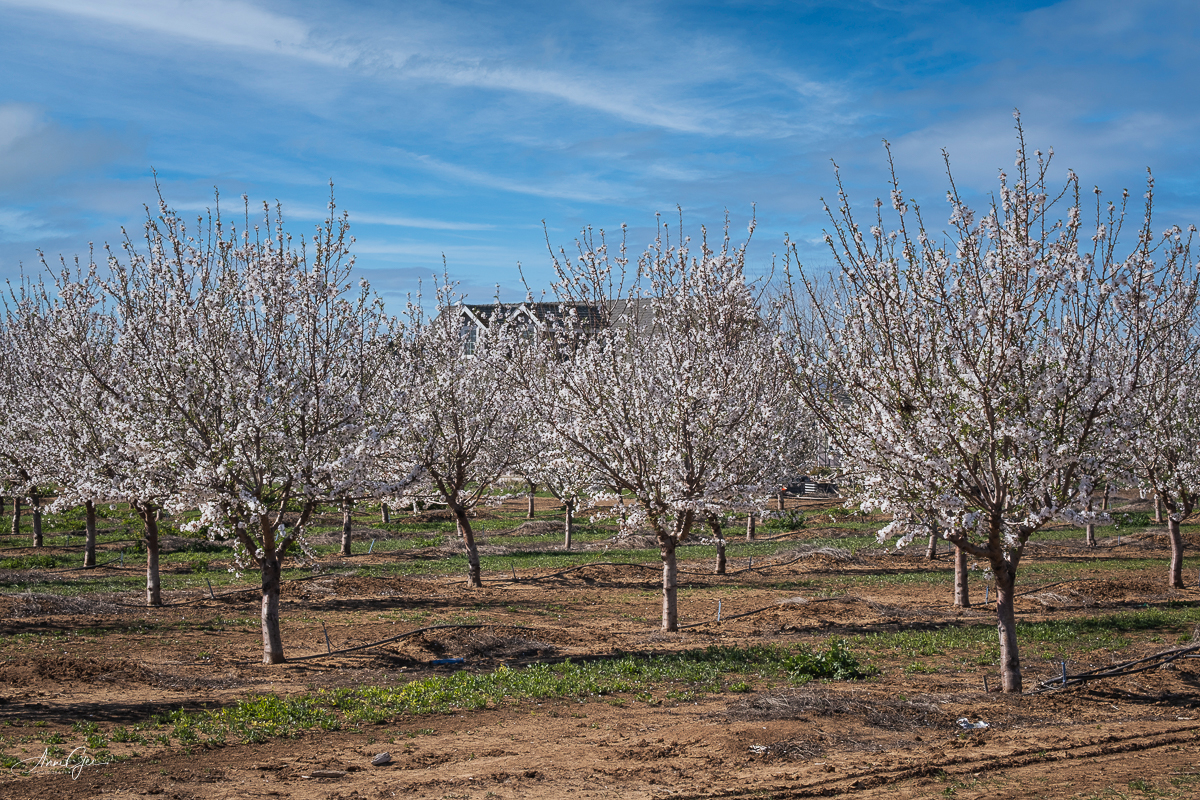
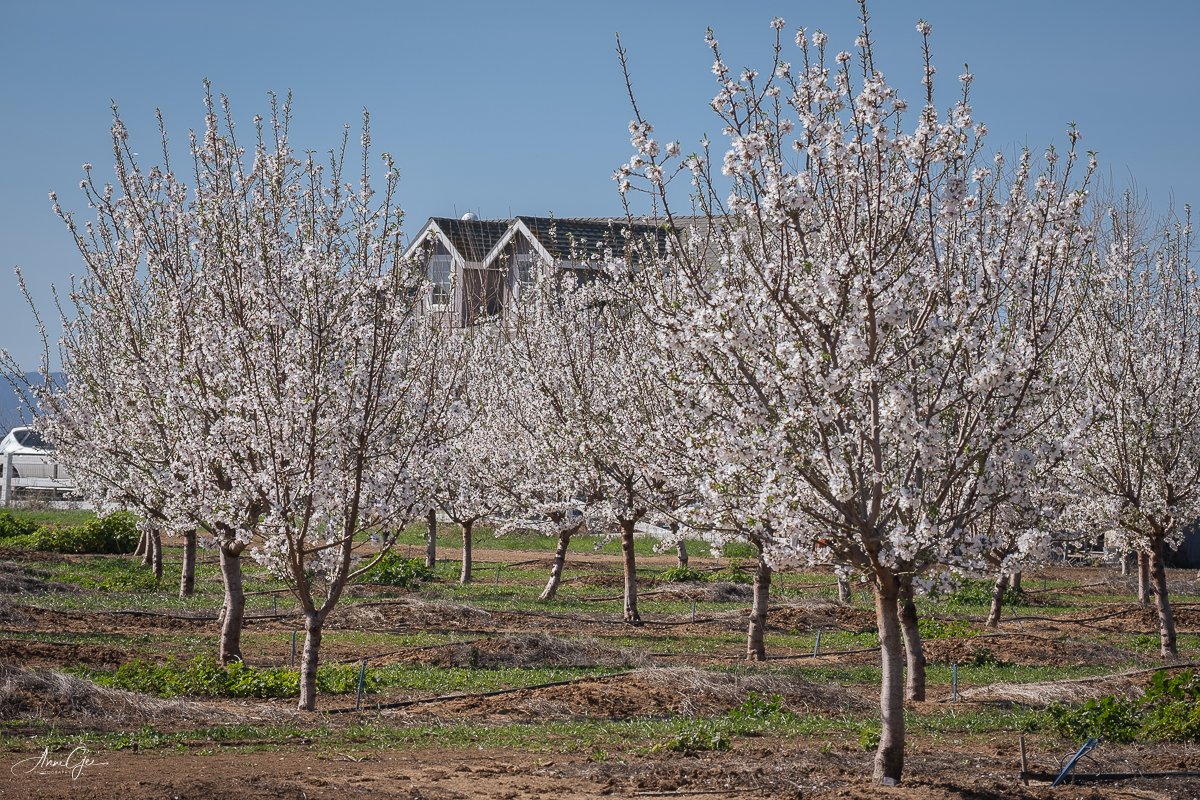
A little further down the road we found a younger orchard, shorter trees, that seemed to withstand the wind better.
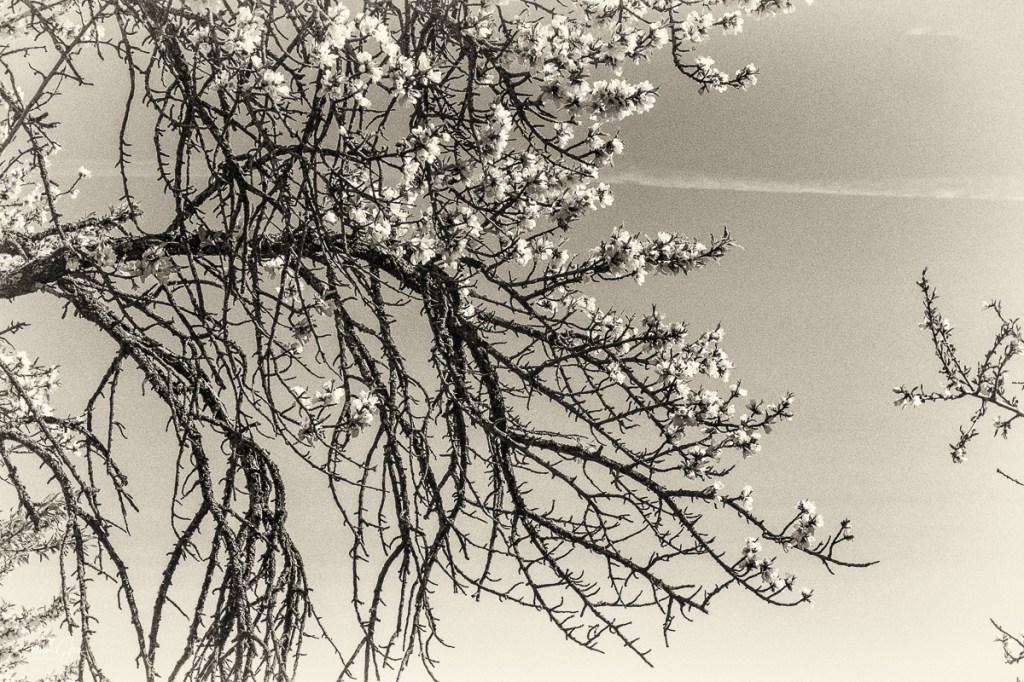
Here are some other almond blossom images taken on this trip.
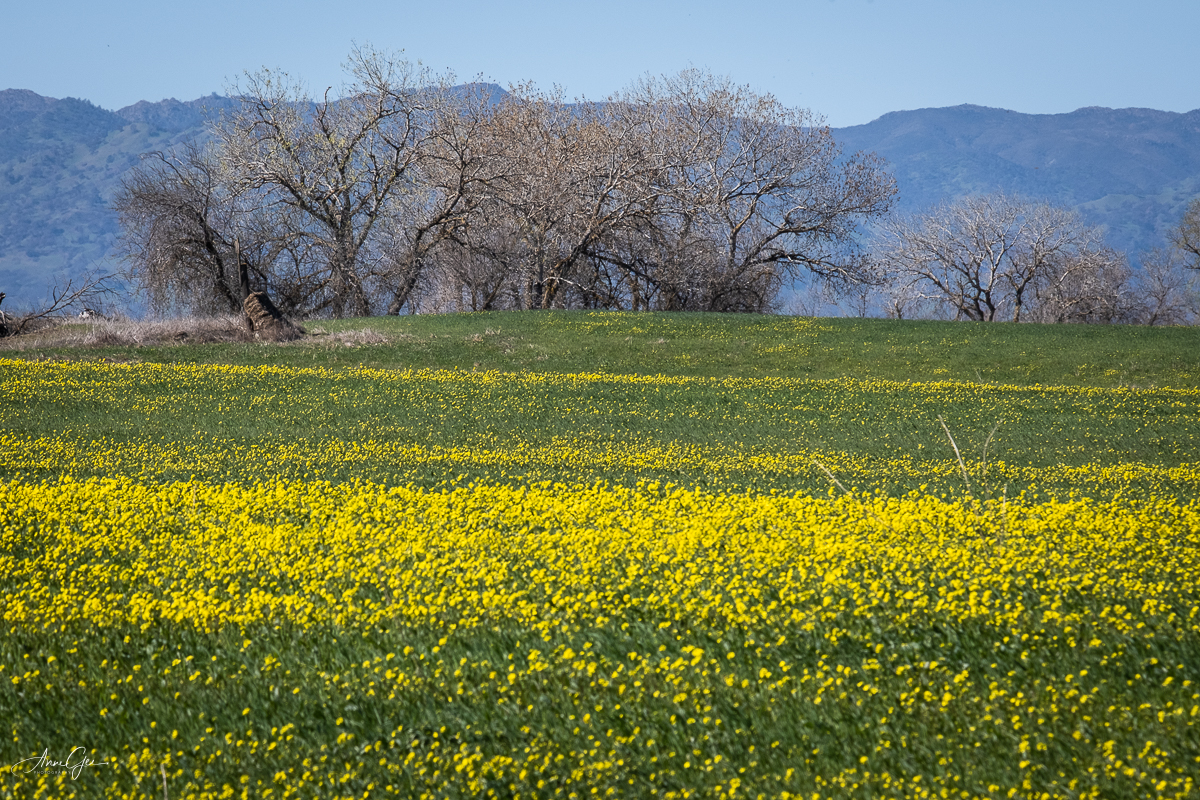
We did find the beginnings of a mustard field.
So where have all the blossoms gone? Mother Nature has control over that! Next year!
Bulletin: most places won’t let customers use their restrooms because of COVID! That’s what Jean and I found out when we left recently to drive out of the Sacramento Valley with our cameras. We were driving to Port Costa, an old little port city in Contra Costa County. I had been there twice before, but that was several years ago. Nothing changed! I decided to take pictures in a way I didn’t before.
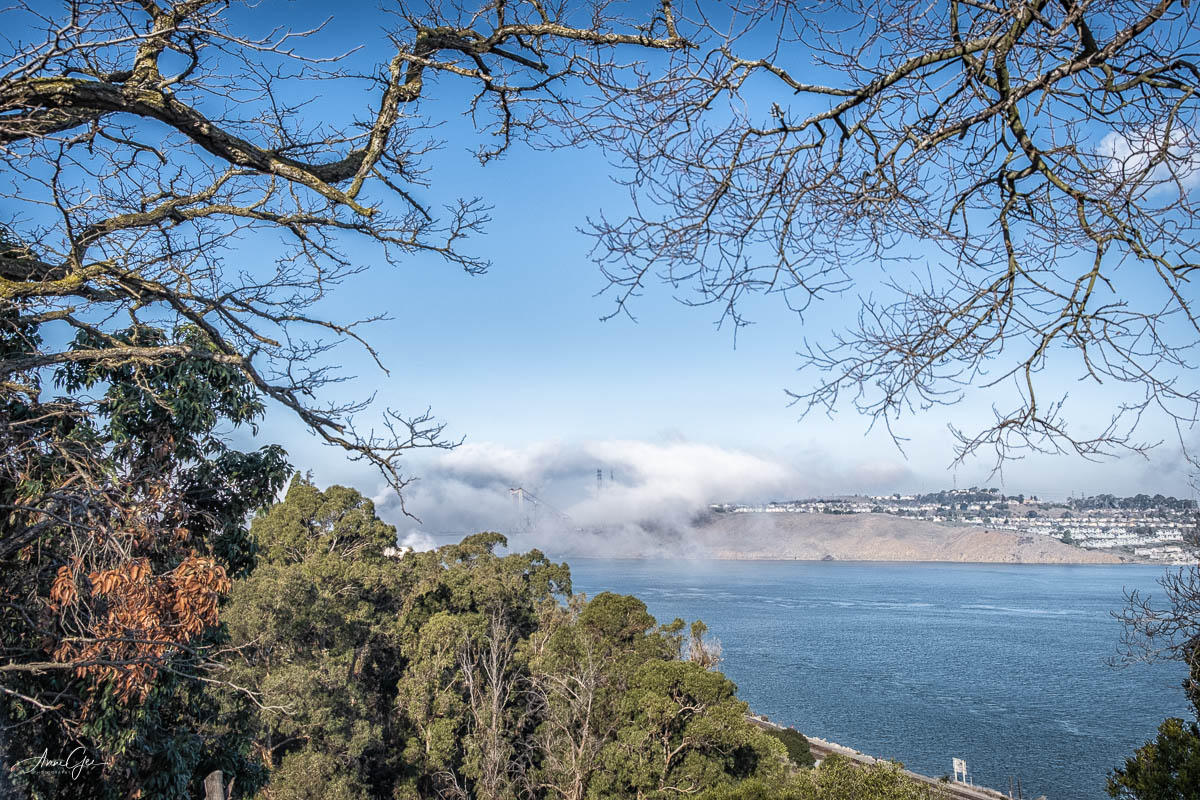
On our way down to the port, we stopped at this viewpoint to take a picture of the Carquinez Bridge while it was being enveloped by approaching fog. A couple of seconds after I took this image, the bridge was totally fogged in.
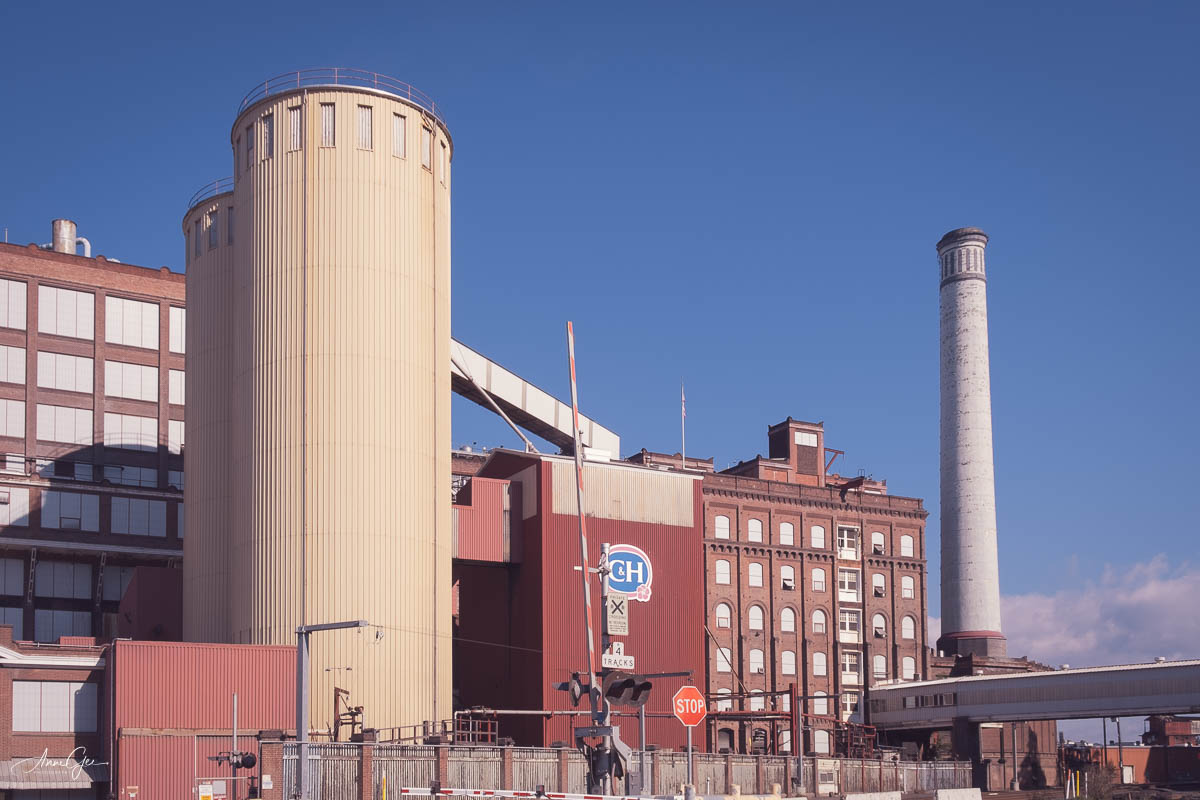
We then made the usual stop at the C&H Sugar refinery. Photographers are not allowed in, but they do let you take pictures at the entrance. You may have seen this view before if you’ve been following this blog for some time.
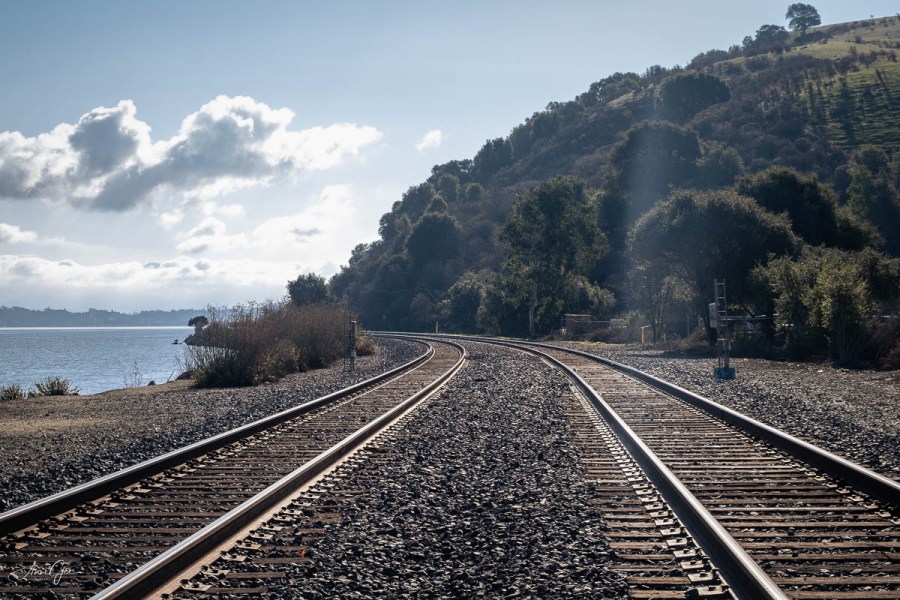
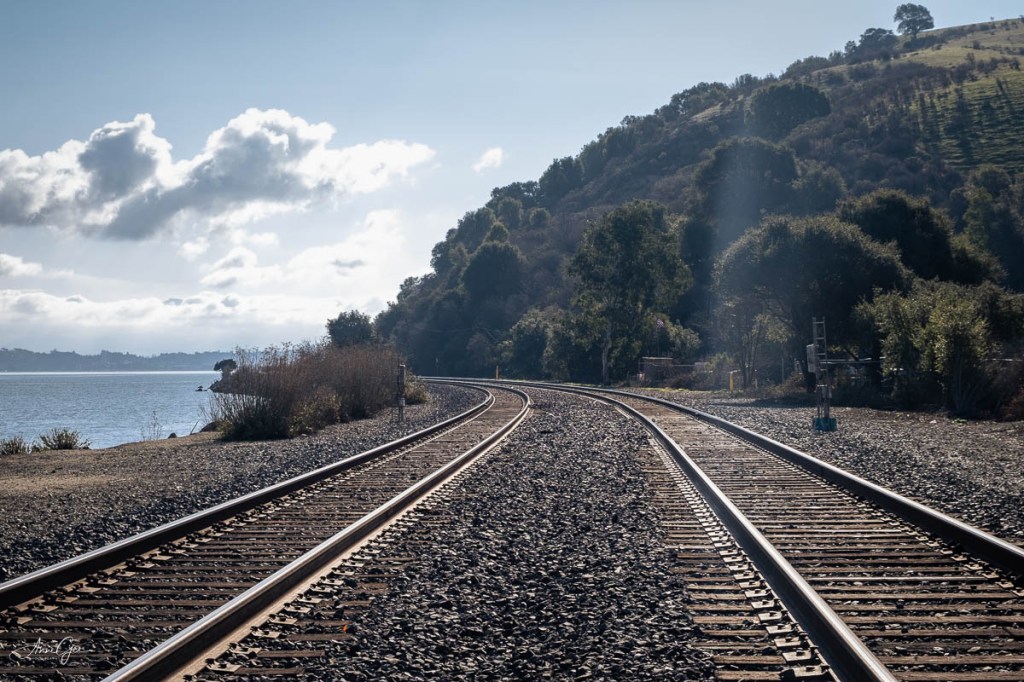
Now for Port Costa itself. The railroad still runs by it.
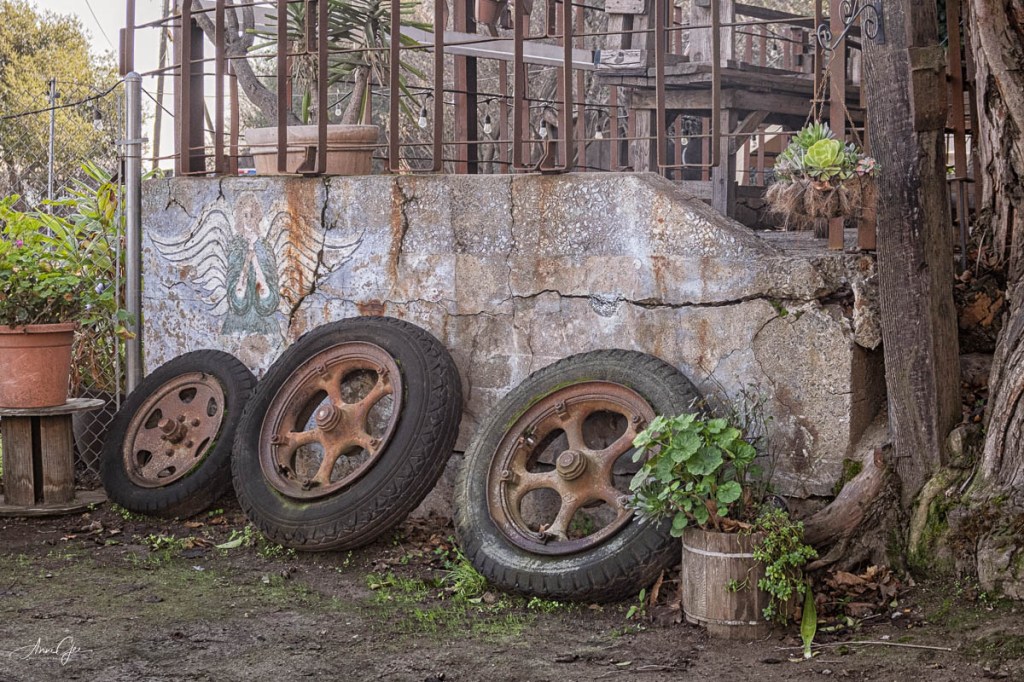
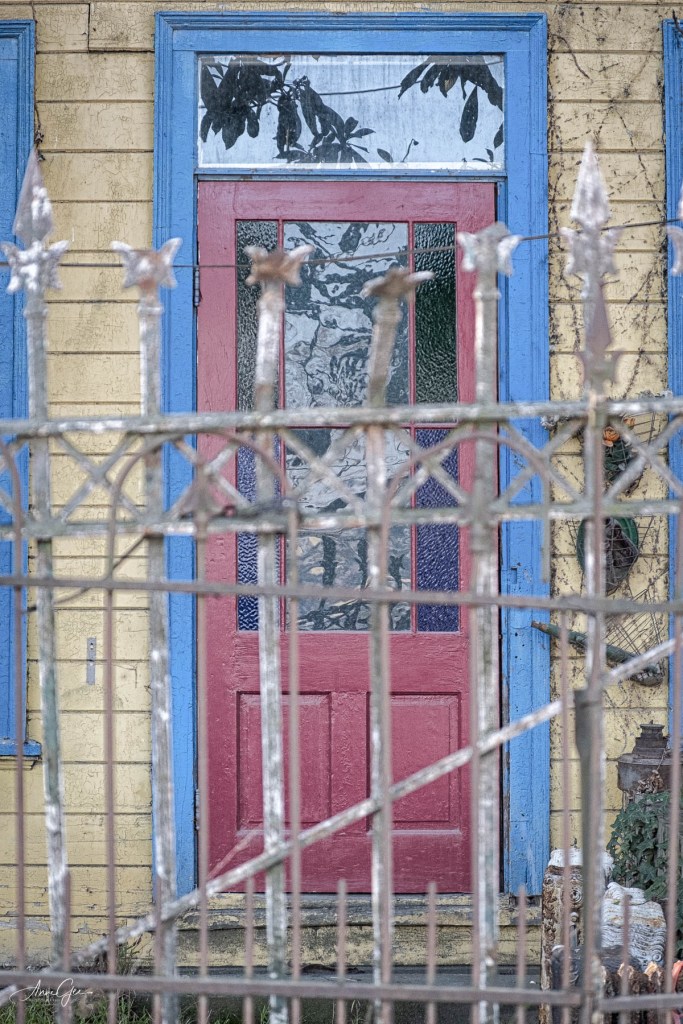
The town is old and the hotel shows it. Homes are overrun with overgrowth.
The shoreline, beyond the railroad tracks is interesting and we saw some kayakers paddle by.
It was just before we left Port Costa that we realized there was not a public restroom to be found. We did find a portable toilet at a small park near a fishing pier. The flush bathroom was closed. It was a good stop in more ways than one!
The Carquines Bridge
The sugar factory in the distance.
The guys said no fish today!
Before heading home, we stopped at Mare Island. I knew that the only public restroom was in the museum which was closed. There was a Navy ship in for repairs. No, we couldn’t go on board! So, after taking our pictures as best we could because it was all fenced off, we headed to a Starbucks in Vallejo.
When we found the Starbucks, we were allowed to buy coffee but not use their restroom! CostCo to the rescue. Fortunately there was one on the way home. All in all, it was a fun day. We did learn, though, not to go too far from home!
I started writing this blog last Wednesday. Then the unthinkable happened. I couldn’t continue after the U.S. Capitol Building was stormed and taken over by an angry, hateful, destructive mob. This resulted in an insurrection against the U. S. Government. Worse, was to see these people on the news wearing t-shirts that spewed out hate and urging killing of more people. (Five died that day.) My heart broke Wednesday. It’s been a week, and I realize that we must go on.
I did write a post for Lens-Artists on Saturday, and that helped. Fortunately, that was written and approved before the insurrection. The response brightened my days, and now I can do this post. So let’s talk about the monopod success!
Richard and I drove up to the Sacramento National Wildlife Refuge a couple of weeks ago. Photo buddy Ray was kind enough to make me a short monopod for my Nikon and 300 mm, F/4 lens in hopes I could handle the weight better. With Richard as driver and spotter, we went forth.
The hand-held mono pod helped me a great deal. The camera didn’t shake when I held it up. It was amazing. Thank you Ray!!
Here are some images I was able to capture:
I’m so proud that I was actually able to spot a lot of these, but having Richard drive freed me to move around in the car. You can’t get out of your car on the one-way route.
Think big! Don’t sweat the small stuff! Did you want to super-size that? In today’s world, we are taught to think BIG. We go for the big SUV, the big sale and the big burger. In photography, we learn to shoot large landscapes with a wide-angle lens.
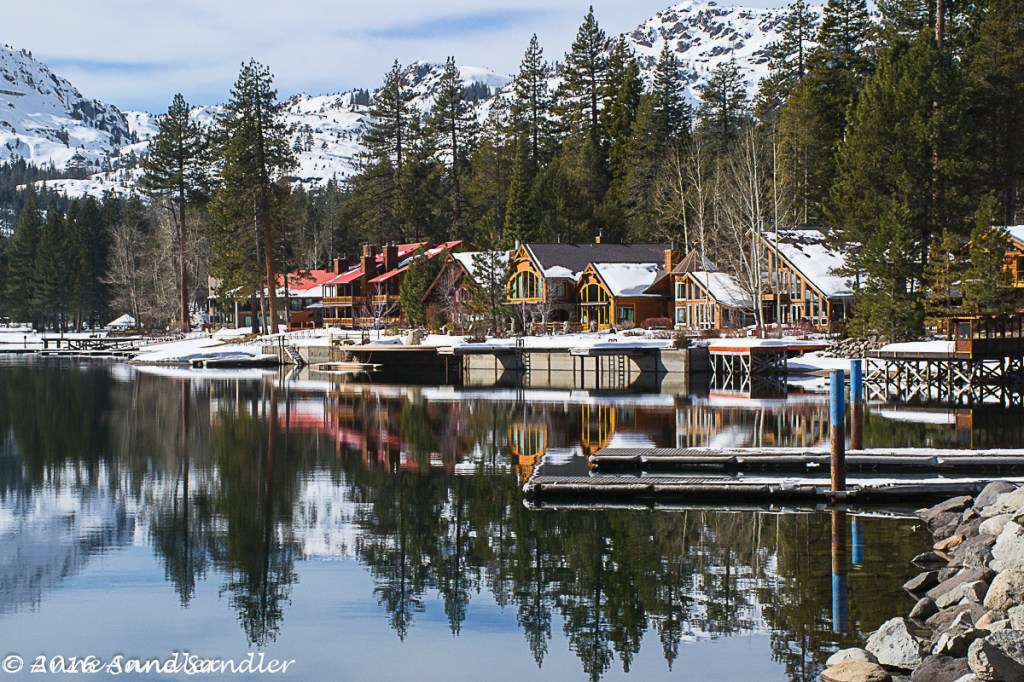
Donner Lake in Winter
But what about thinking small? Let’s talk about macro photography.
What is macro photography? What is micro photography? Are they different from close-up photography? Have I confused you? I’ll give you a hint, two are the same and one is different. Let’s delve into the subject.
Close-up photography takes a subject and zooms in on it. Usually the subject is small, like a plant or an insect, but it could also mean getting close to someone’s eye or face as a subject. The picture is taken with any lens. I’ve taken close-ups with a nifty fifty on a crop sensor camera.
A close-up image taken with an 18-200 mm lens, shot at F/5.6.
Typically, these types of images fill the frame. However, I’ve put flowers or part of flowers off to the side. Shooting with a 200- or 300-mm lens can give you almost macro quality.
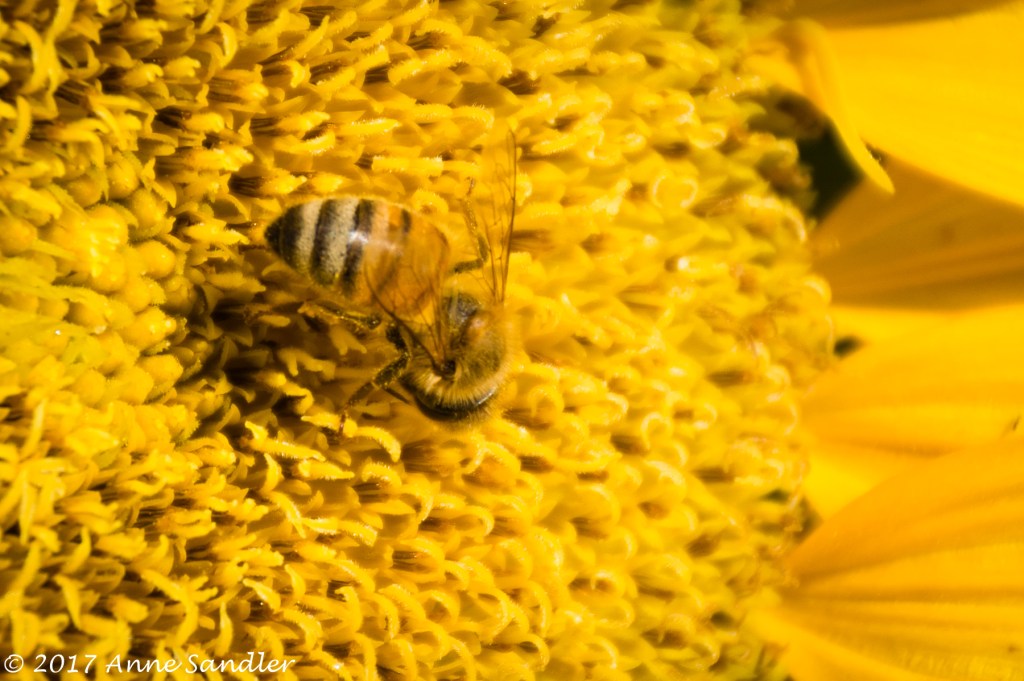
This flower was shot at 200 mm at F/5.6.
Macro photography refers to a picture taken with a dedicated macro lens yielding a magnification ratio of 1:1. Meaning, the image depicted on your camera’s sensor is in its actual size. When printed, the subject appears life-sized. This type of photography is used especially when we shoot something exceedingly small or want to capture an extremely small part of it.
Hint: If you want just part of a subject in focus, use a lower F stop (meaning F/number) to get the entire macro subject in focus, use a higher F stop.
The praying mantis in this image appears life-sized as does the part of the flower it’s feeding on. It was shot with a 105 mm macro lens at F/16.
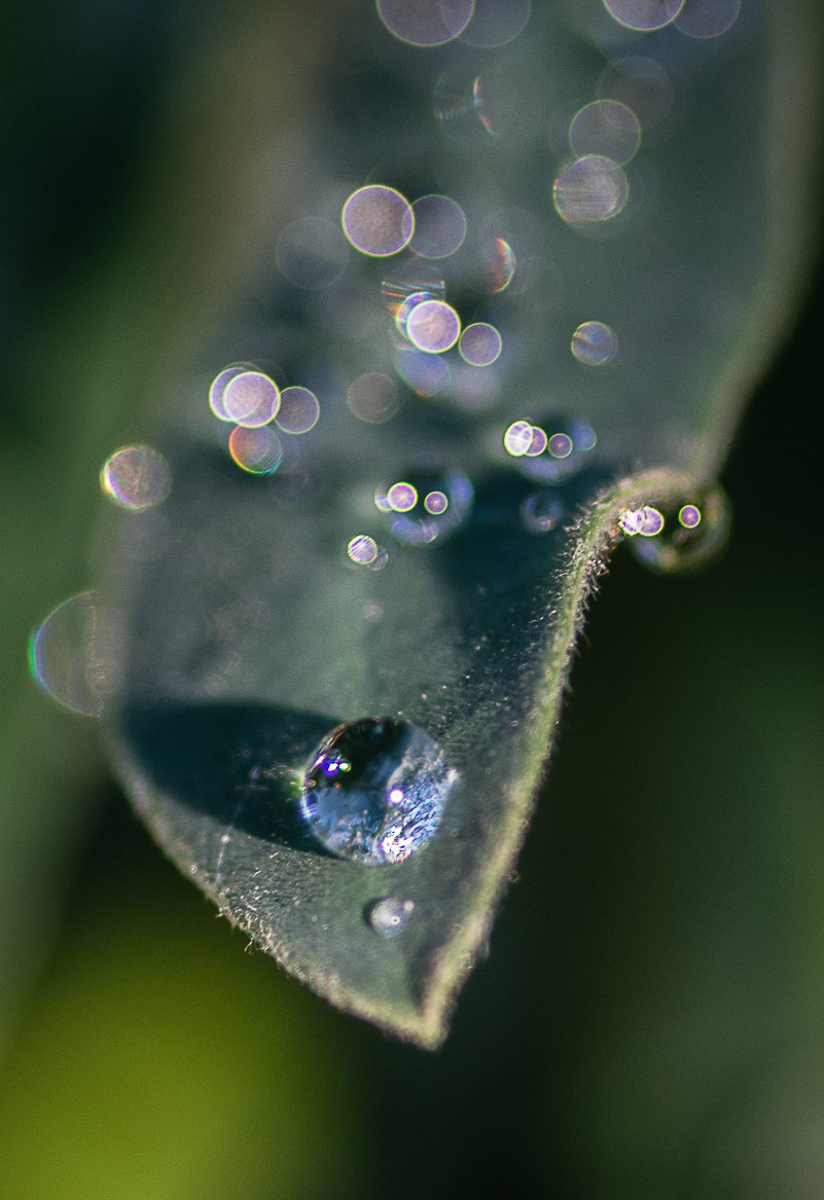
The leaf in this image was shot with the same macro lens, but at F/2.8 creating a more shallow depth of field.
Micro photography is the same as macro photography. Camera manufacturers use the terms interchangeably. You might say that a macro lens takes a picture of a micro subject! I borrowed that last phrase!
One big difference between close-up and macro shooting is breeze. For close-ups you can shoot in a slight breeze because the regular lens isn’t as sensitive as a macro lens. When shooting with a macro lens, any movement in the subject will result in blur. Often, I’ll just take my 55-200 mm lens out when there’s a slight breeze. I can still get nice close-ups.
Oh, yes, everyone says you need a tripod. Confession, I’ve never used one for macro. In fact, I hardly use one at all. However, you will need a steady hand and fast shutter speed.
Now we’ve covered the macro, micro and close-up differences, and you are wanting a macro lens, let’s talk about options. Macro lenses are expensive but there are less expensive alternatives. Extension tubes or reverse ring adaptors to turn your regular lens around are much less expensive options. Personally, I decided against either option and bought a used macro lens for my Nikon D7100. When buying used, be careful. Buy from a store that will let you return it within 90 days if not satisfied. Also purchase one that will give you a 1:1 ratio.
For my Fujifilm camera, I treated myself to a new macro lens, knowing I would use it a lot. It’s a prime 80 mm but still shoots at a 1:1 ratio.
So, which two are the same and the other different? The answer: macro and micro photography are the same and close-up photography is different!
This week’s challenge is to take your camera for a walk around your yard or home and shoot some close-up or macro shots. Too cold, too wet, too busy? Feel free to choose some images from your archives. Be sure to link your response to my original post, and to use the Lens-Artists TAG to help us find you. I’m looking forward to seeing what you come up with.
I love the letter “A” not only because it is the first letter of my name, but it’s also for Apple Hill in Placerville. That’s the first thing that came to my mind when I read Patti’s post that gave us this challenge.
Of course in Apple Hill they grow apples. Imagine that! Each year the Apple Hill Growers Association organizes this event. Growers in the area open their orchards/farms, a certain amount, to the public. They sell pies, cupcakes, jelly or caramel apples, anything apple. I don’t care for pie, but the cupcakes and donuts are delicious. I do bring home a large slice of apple pie for Richard.
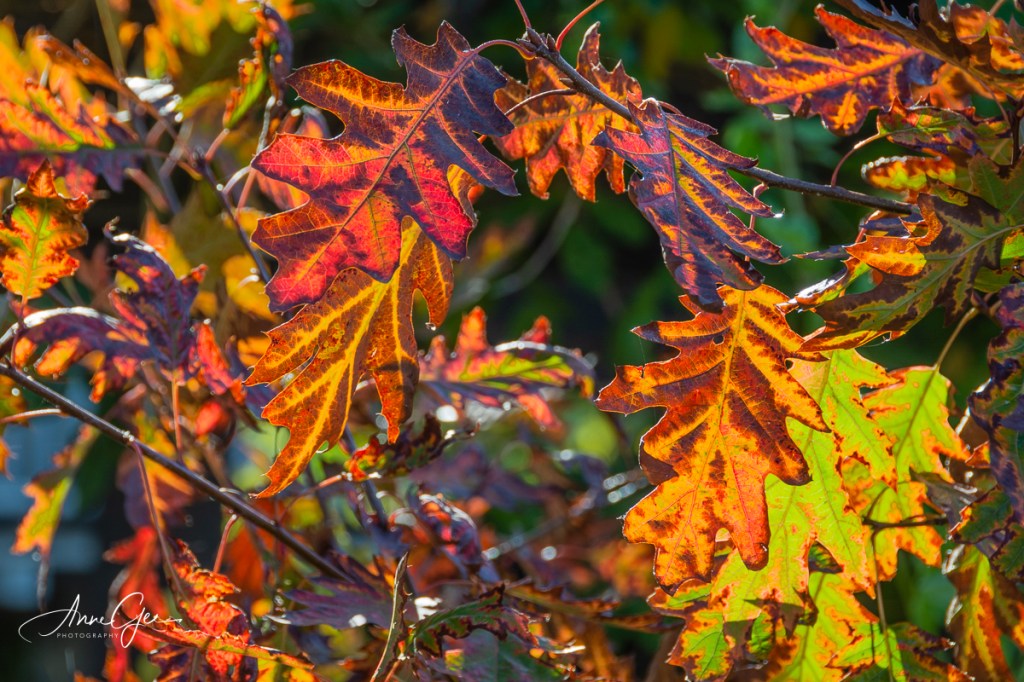
We spend the day driving from place to place, exploring the grounds and buying fruit from the fruit stands. It’s a wonderful photo day. Because of the pandemic, we didn’t go this year. However, I do have images to show you from previous years.
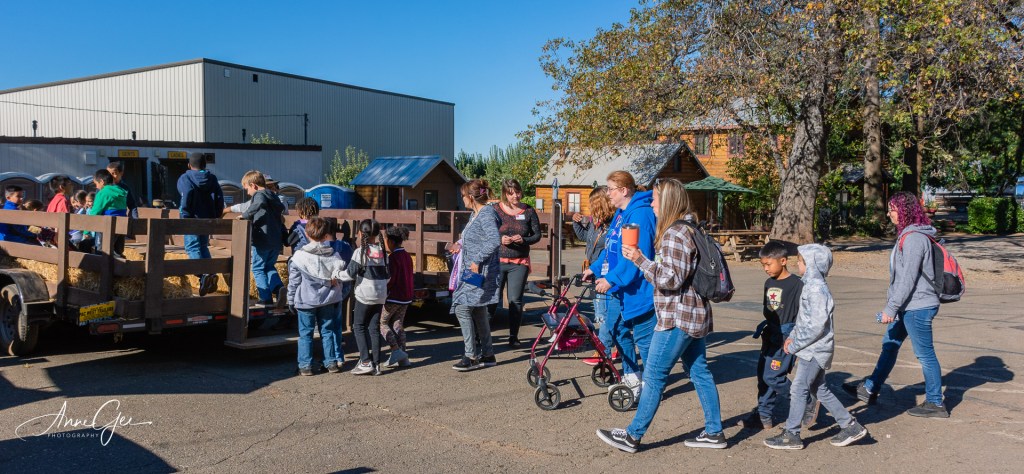
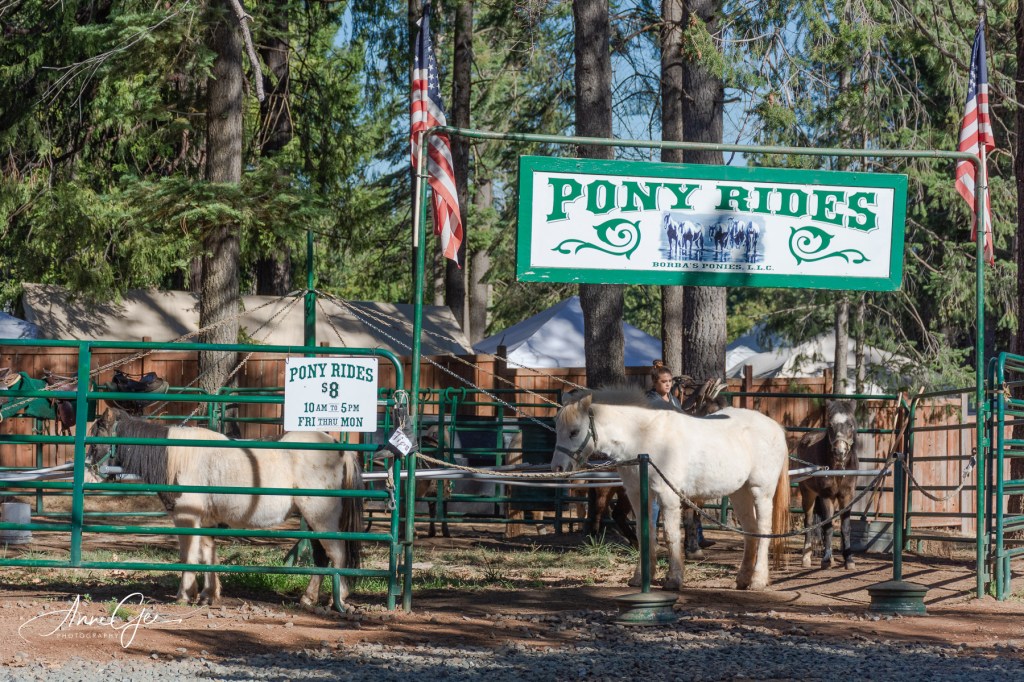
People of all ages come to enjoy the grounds, pony rides and food.
The grounds at some of the orchards are simply beautiful.
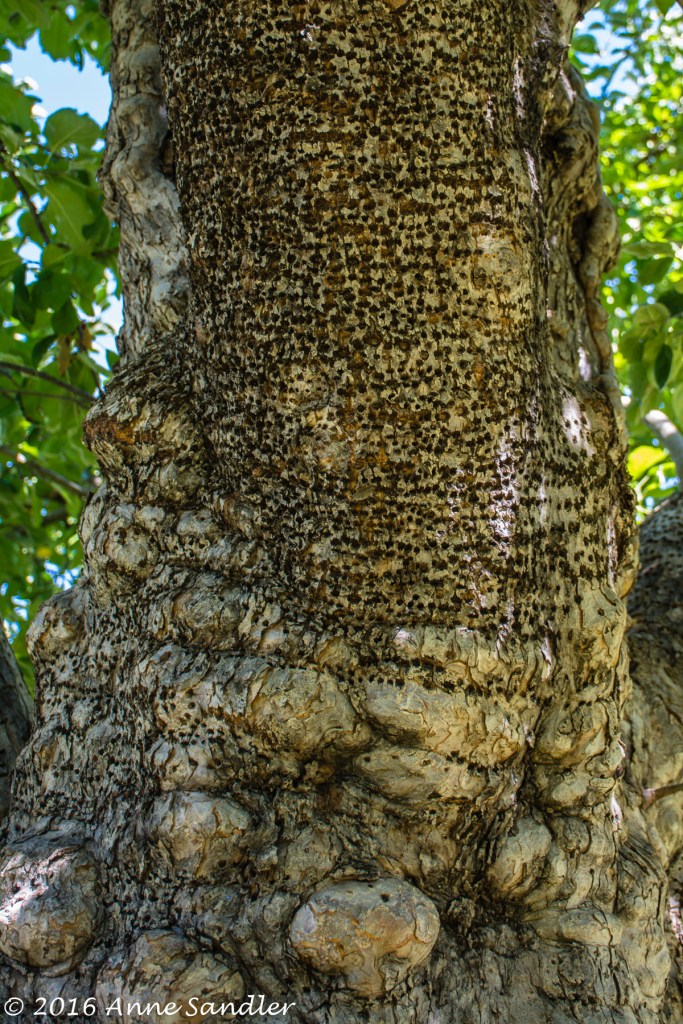
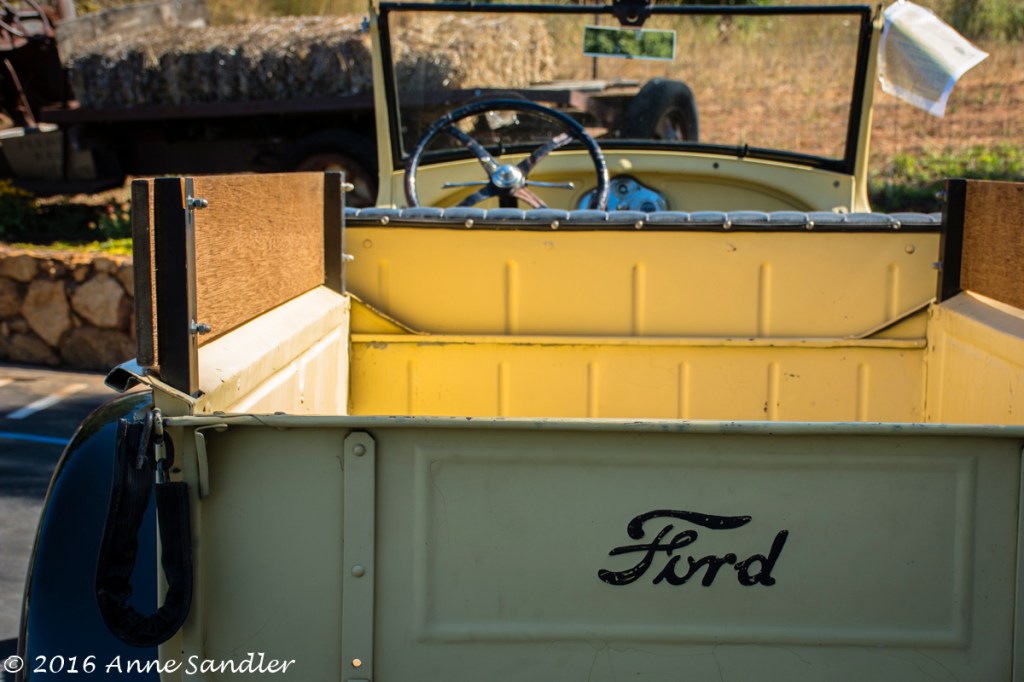
There are also a few old trucks, museum sets, and flowers.
I’m hoping that the pandemic will be over next year. I did miss visiting Apple Hill this year, but didn’t want to risk the crowds. Take care and stay safe everyone!
For me, this challenge is like giving a kid a bunch of toys and saying okay pick one! Which one do you pick? Why do you pick it? So, what subject do I pick? What photos do I pick? Yikes!
This challenge by Tina Schell of Travels and Trifles caused me to think about how my photography progressed through the years. I went back to 2012 when I bought my Nikon D3100. This was a used entry level consumer DSLR. I was closing my business and looking for a hobby and didn’t want to invest a lot into something I might not enjoy.
I took the camera on a Mexican cruise that year and had fun photographing the colored lights aboard the ship.
I was still using my 3100 in 2013 when I made my first visit to a wildlife preserve (Sacramento National Wildlife Refuge). Fortunately this little guy was on the ground and close. My post processing hadn’t reached the Lightroom stage yet.
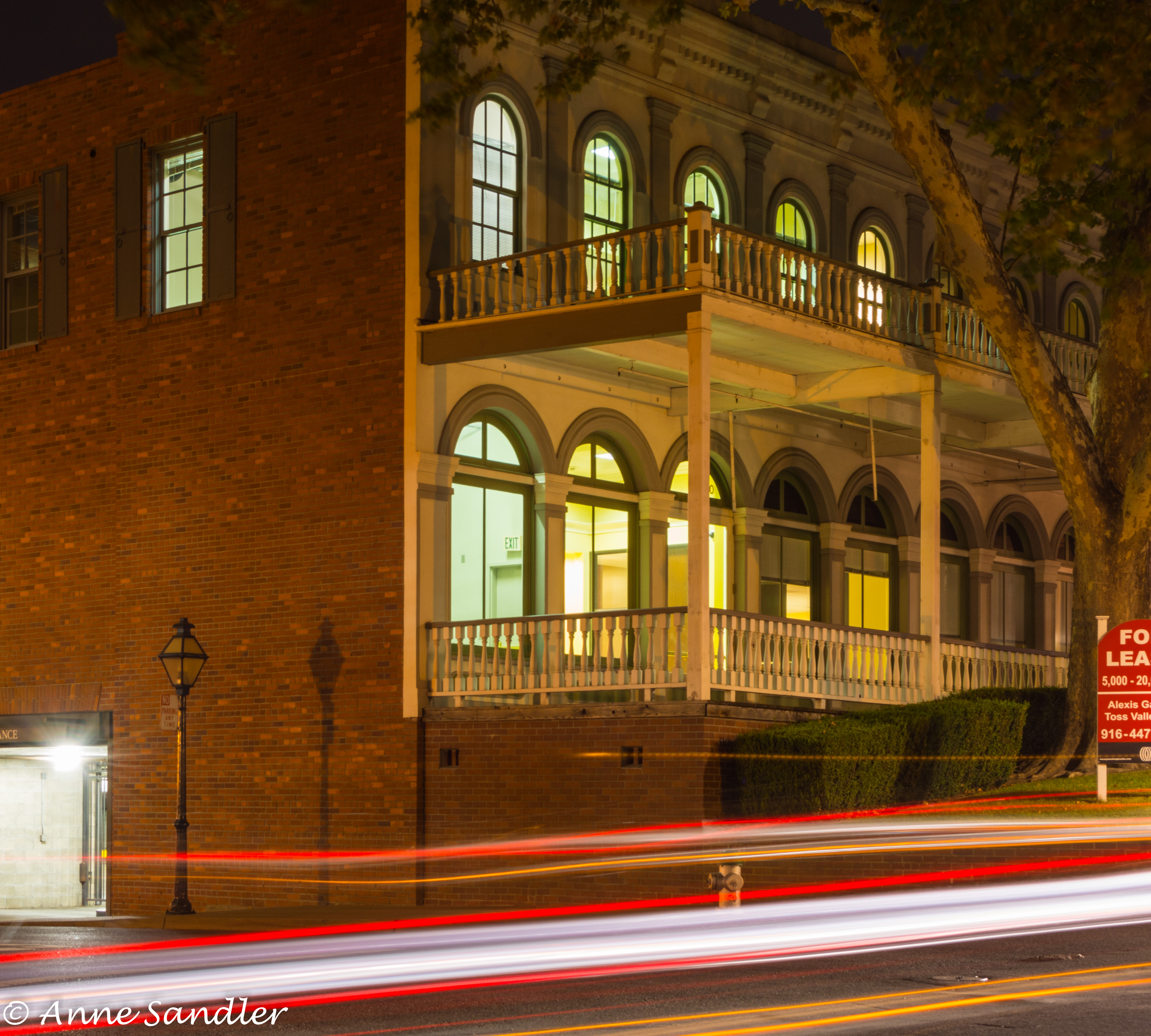
In 2014 I had my first experience shooting light trails. I had upgraded my camera to Nikon’s D7100 which was Nikon’s highest level consumer camera. This was taken in Sacramento. I did have freeway shots, but I wanted to show you something more.
In 2015 I went to Bodie, a State Park and old ghost town, where I experienced my first bout with altitude illness. There I practiced HDR, popular then, on the old structures that were in danger of falling. By then I was processing with Lightroom and Photomatix Pro.
My first shot at the Milky Way came in 2016. I’ve had better success since, but astrophotography has never become a favorite of mine. This is strange because my husband is an astronomer!
Sometimes you take a leap of faith. This picture taken in 2017, provided me with an entry for what I thought was a small town photo contest my friend told me about. This was in Sonora in the Gold Country. Little did I know, the best of Sacramento were also entering. Two of my photos made it to the wall and one made it to the final choice table. My friend had one image make it to the wall. She was delighted to have been chosen among the talented photographers and so was I. This was the one that was so close to being a top winner in 2019. I didn’t enter that contest this year because it was nerve racking, and with COVID my nerves were already under pressure.
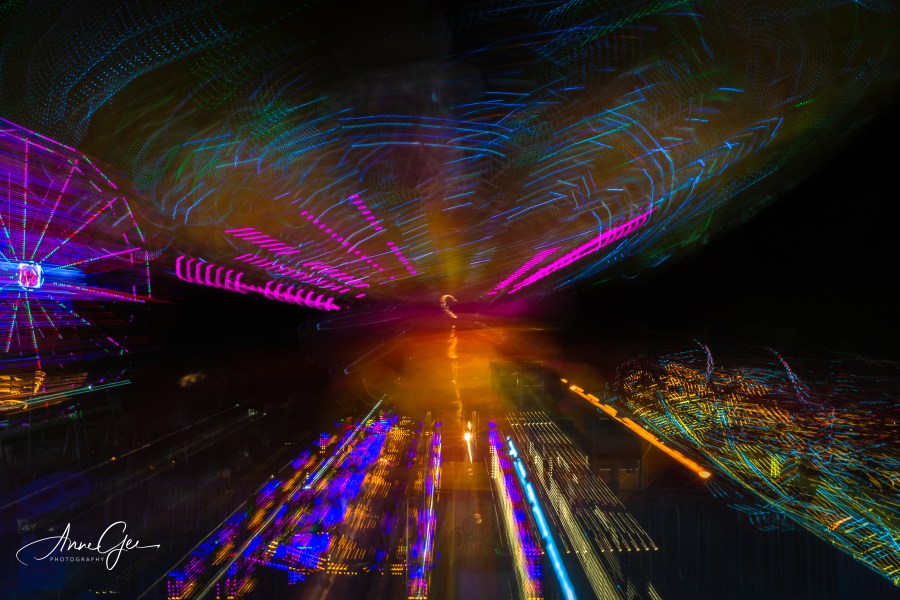
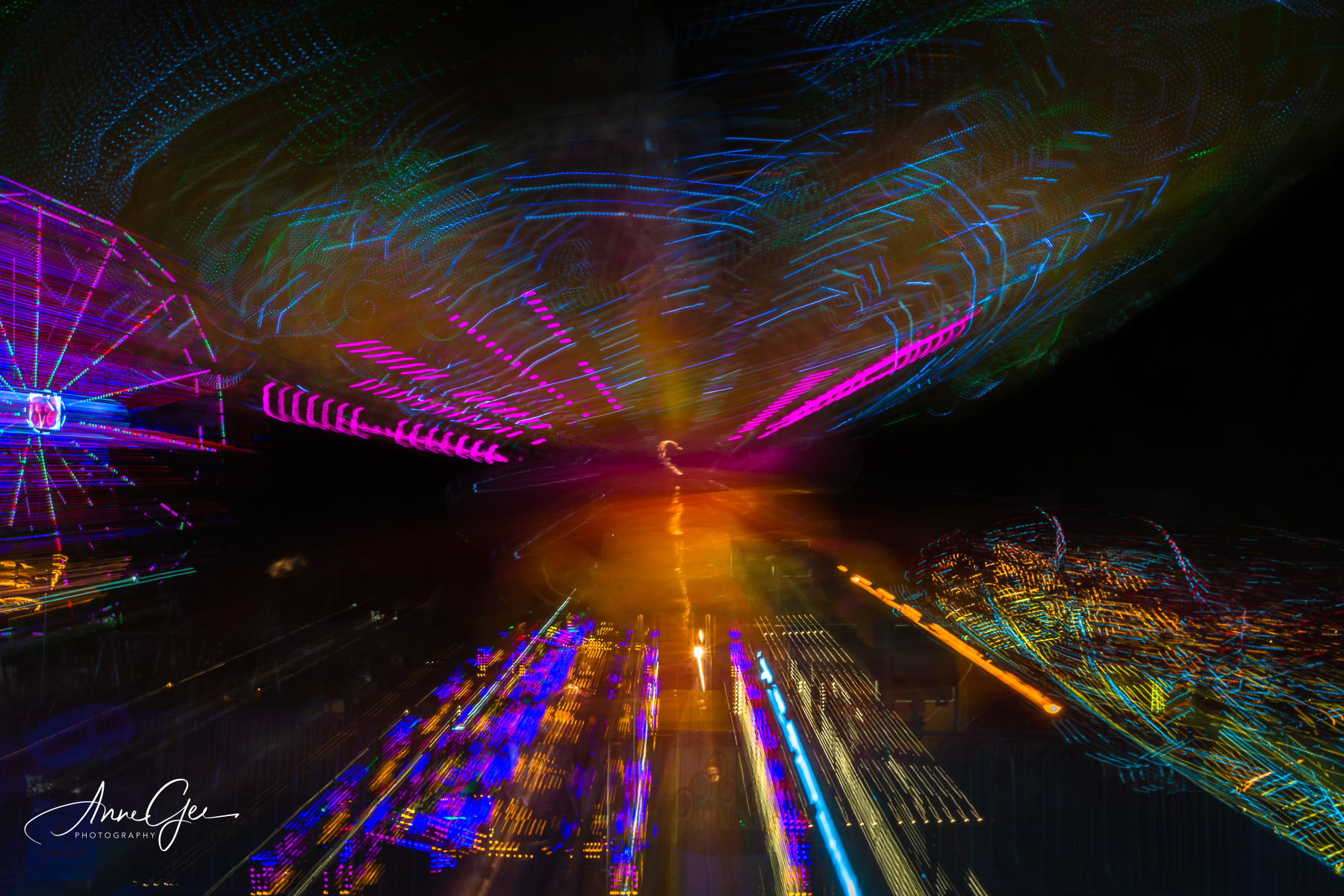
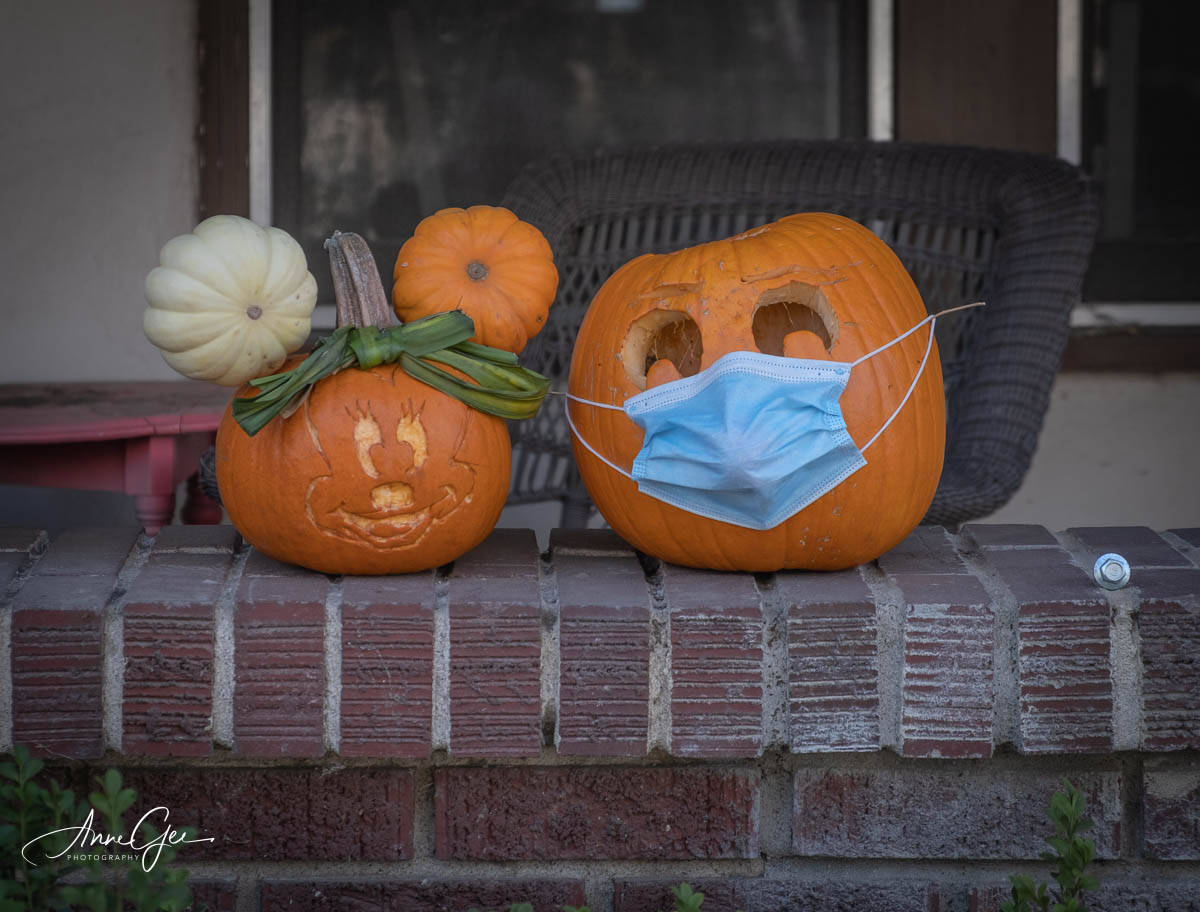
I love slow shutter photography and would go to our local mall when they had small carnivals to practice. I captured this in 2018.
While I’m not a birder, I can’t resist an easy shot. My friend took me to what I call the nesting trees. Egrets and other large birds choose to make their nest in the cluster of trees and put on a show for photographers. By then I got an old-used prime F/4 300 mm. Although heavy, it has clarity. So, here’s my 2019 entry!
And here we are in 2020, the year we thought we’d never experience. Photography is a little more difficult these days, but it still provides the relaxation and mental stimulation it always did. I’m so happy I started back in 2012. This has become my passion. I hope you enjoyed my photographic journey.
We live in the now, and these days we think back to the then. This is Amy’s, “The World is a Book” challenge this week. What is the difference between then and now.
I think our spontaneity is gone. Are we in the purple, red, orange tier? How far would we be going? Would we need to car pool? These are all questions we need to ask ourselves before we deem it okay to do an activity. We used to be able to go out to dinner on the spur of the moment. Now we either take out or cook. Sometimes we can eat out if our location is in the right tier. Even then, we may have to eat outside!
So, Amy wants us to show the difference through our photography of our then and now. For me the big difference is that our photo outings have been with our photo pod and have been close to home. I decided to post images from November 2019 and November 2020.
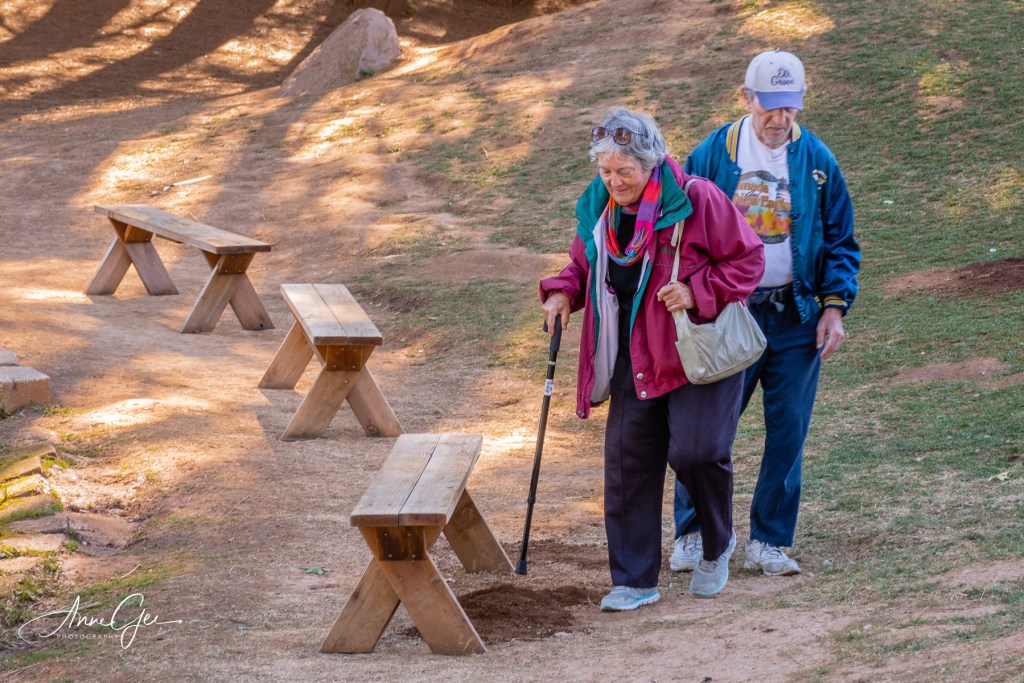
This year has been a little different with outings no more than 30 minutes from home. The longest drive was to Woodland. We also went to U.C. Davis Arboretum and Effie Yeaw. Tomorrow we will be going on another short trip to Lincoln to find some fall color.
U.C. Davis Arboretum, Davis
Effie Yeaw
Woodland Library
I’m looking forward to when we can just get up and go wherever we want. Maybe a 2-hour ride to the ocean! In the meantime:
When I first saw this challenge given by Rusha Sams, my immediate thoughts went to raising children. They are conceived in love, raised with love and then their children are loved. Beyond that, when I was traveling, I wasn’t taking pictures. It’s only in my senior years that I discovered photography as a form of self-expression and a passion.
So, bringing “A Labor Of Love” down to very basic terms, I chose to show an activity that is a labor of love for participants and fans alike. My topic: Hot Air Balloon Festivals.
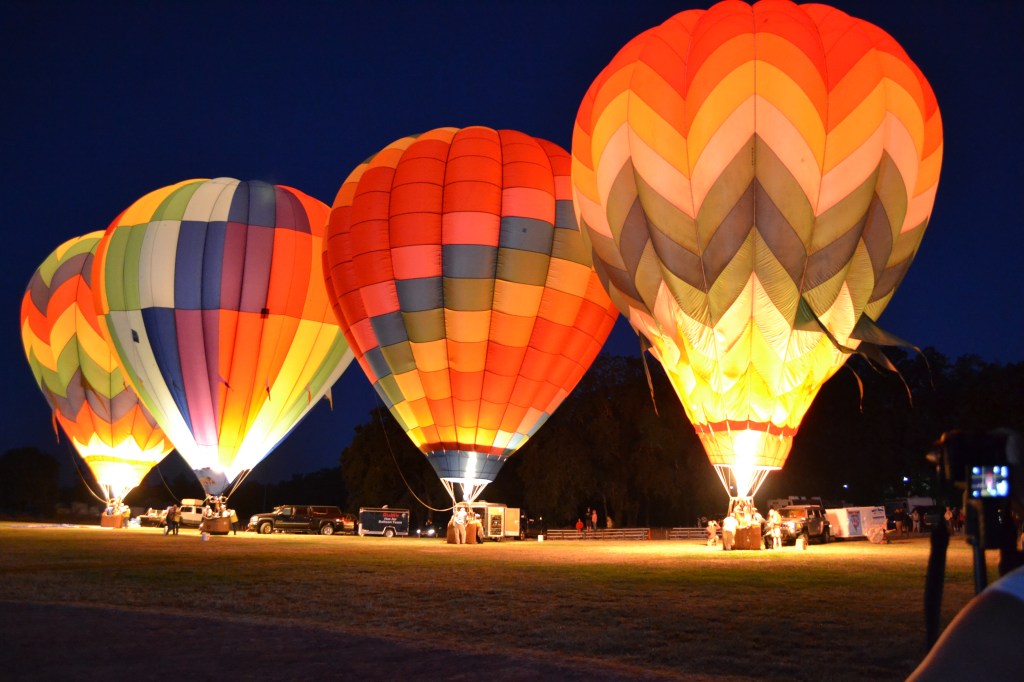
I’ve only been to two Hot Air Balloon Festivals. The first was in September, 2012 when I bought my Nikon D3100. I chose an entry level camera to start because I wasn’t sure about photography. It didn’t take long before I upgraded to the D7100. I heard about the balloon festival in Windsor, California. So, off Richard and I went in our 5th wheel trailer, staying two nights in what they set aside as a campground. I was warned that the show started promptly at 4 a.m., and it did.
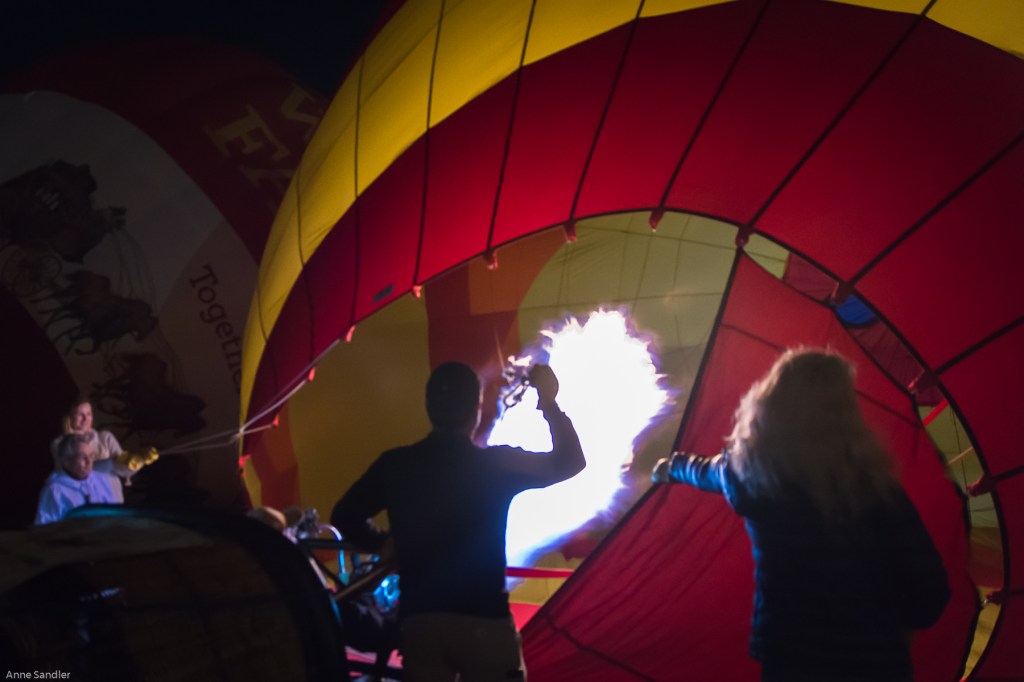
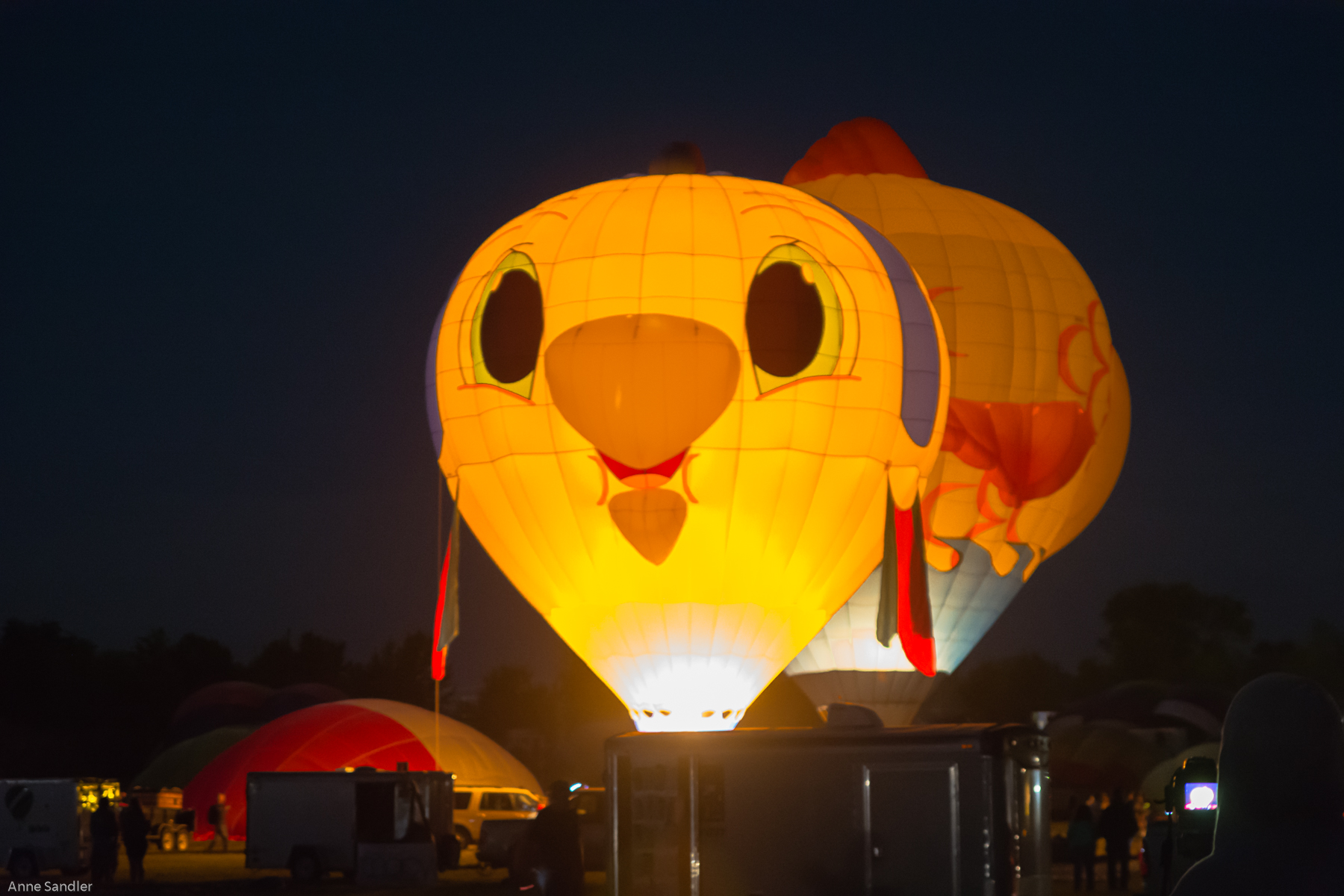
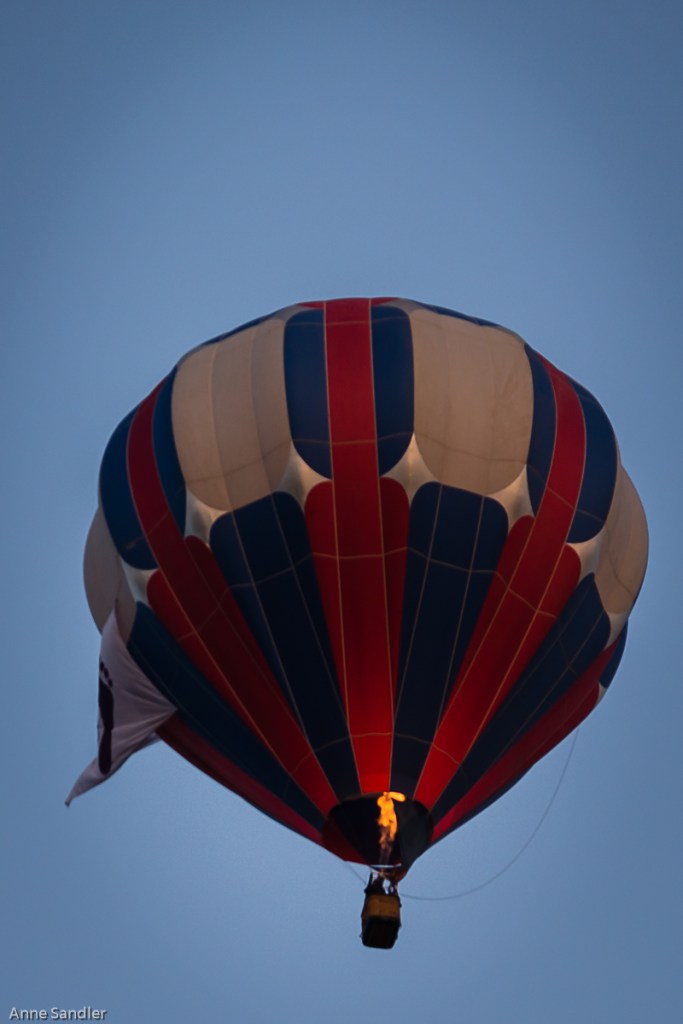
I woke up to the announcer on the loud speaker saying, “Good morning Windsor!” I jumped out of bed, got dressed, grabbed my camera and ran out the door to be greeted by total darkness. Once on the field, I realized I hadn’t set my camera! I saw the green “A,” turned the dial, and ran toward the “Dawn Patrol” that had just set up. The rest is history. I had a great time. I loved the challenge of getting the shots, lying on the ground as the balloons went up in the air, kneeling down to catch a picture of the balloon being blown up. It was an exhilarating morning. Here are a few of my first shots with my camera.
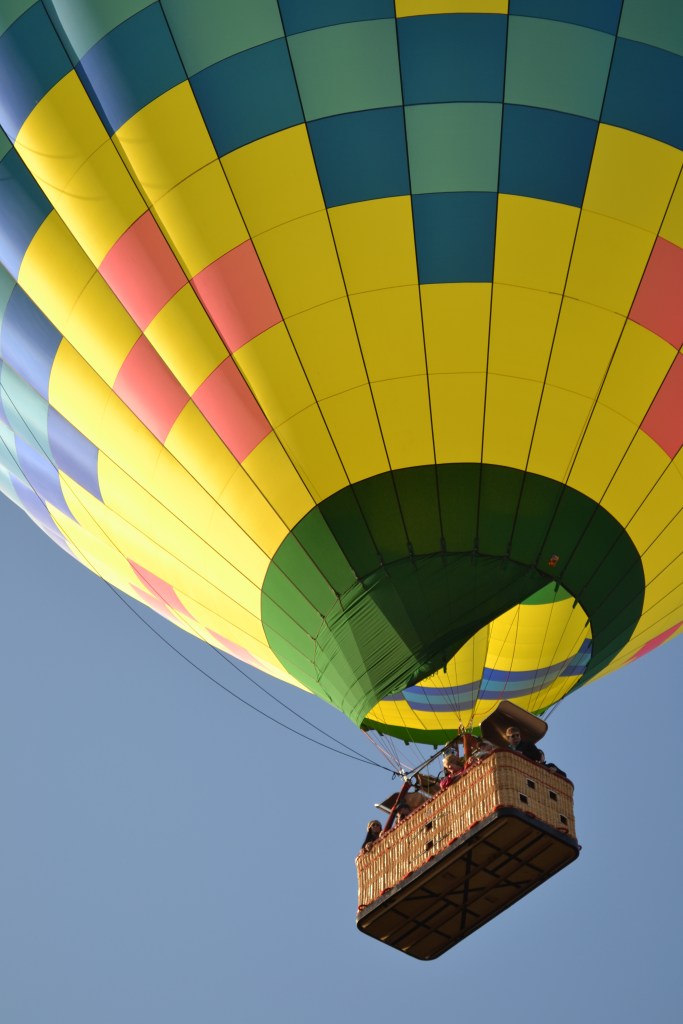
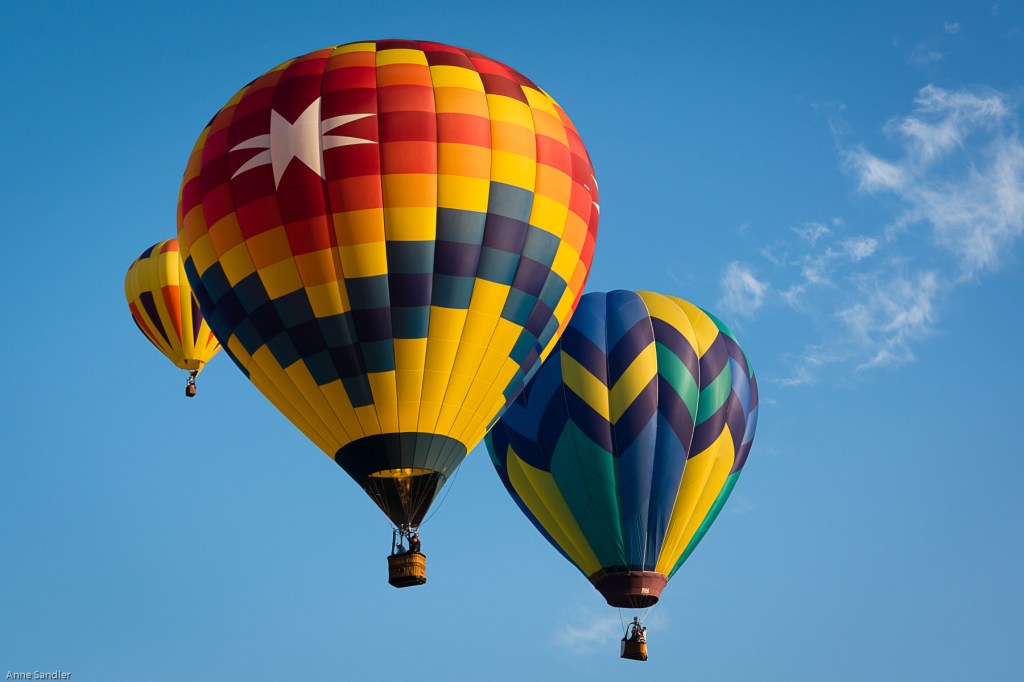
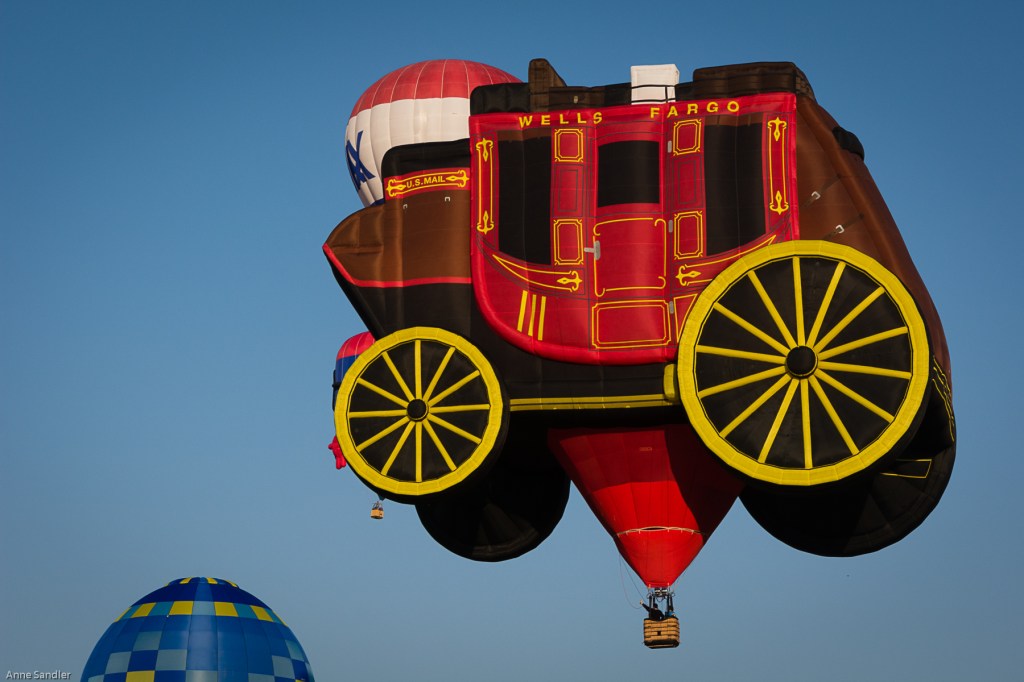
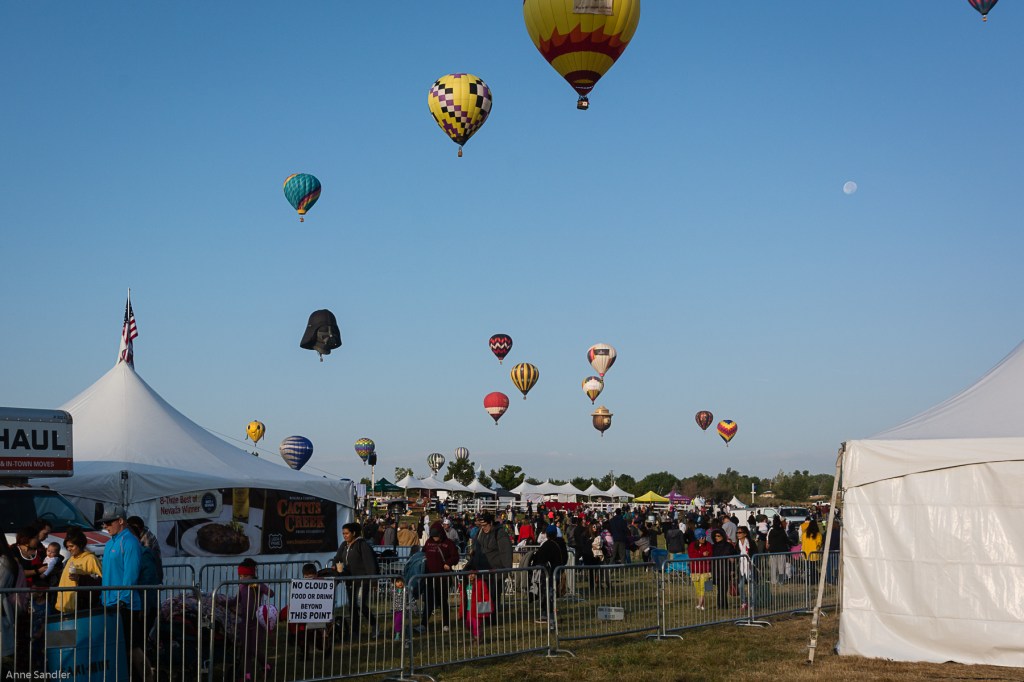
Fast forward to September 2017 when I was shooting with a Nikon D7100 at the Reno Hot Air Balloon Festival, Reno, Nevada.
Linda and I decided to stay one night at a hotel and waking up at 3:30 a.m. rather than waking up at 1 a.m. and driving 2 hours. It was a smart move for two seniors! This was a larger festival and just as much fun.
I saw many of the same balloons in Reno as I did in Windsor. The pilots have such a love for this sport that they travel from festival to festival. Weather is a big factor on whether they can take their balloons up. The second day at Windsor, it was too windy for them to fly.
This was a nice memory to catch up on. Thank you Rusha!
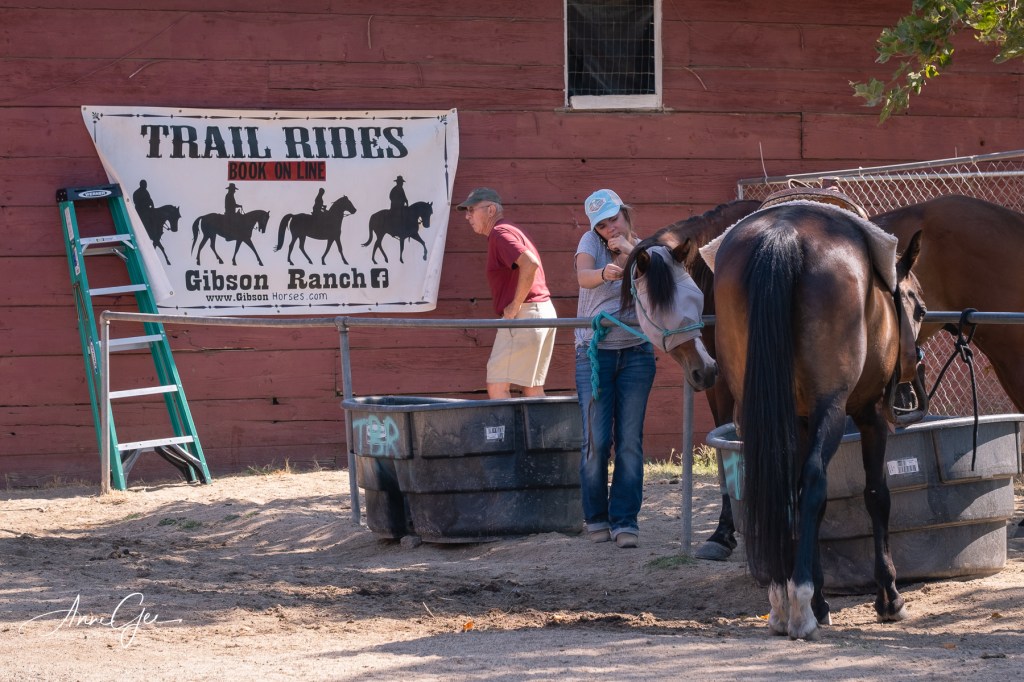
I knew Gibson Ranch Park in Elverta wasn’t the best place for macro shots, but you can use a macro lens for more than just close up photography. Yes? Well, I gave it a try when Marlene, Linda and I went to to the park. I hadn’t been there for a while, and I wanted to practice with my new macro lens for the Fuji camera. It performed well.
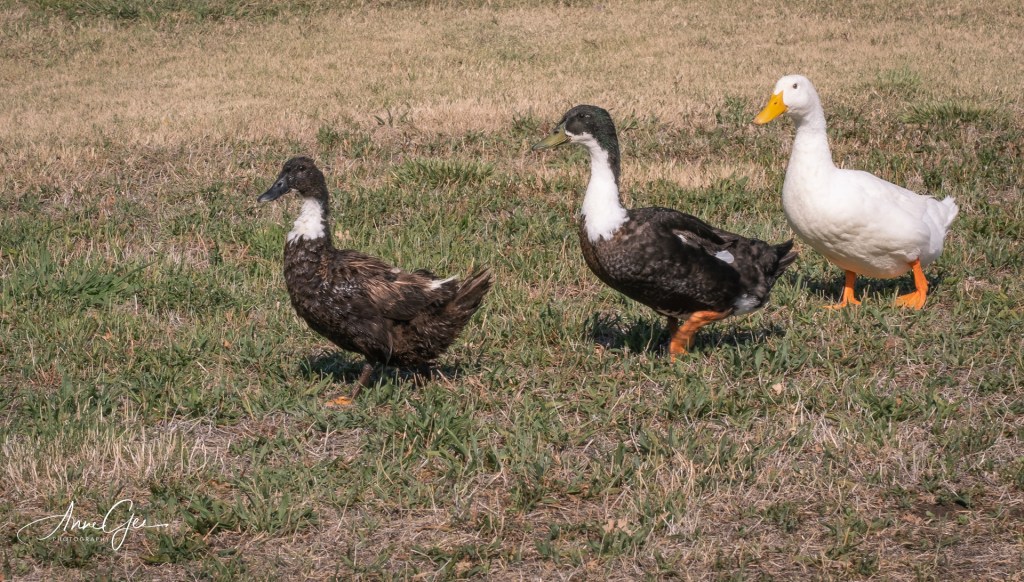
There were the usual amount of ducks at the pond.
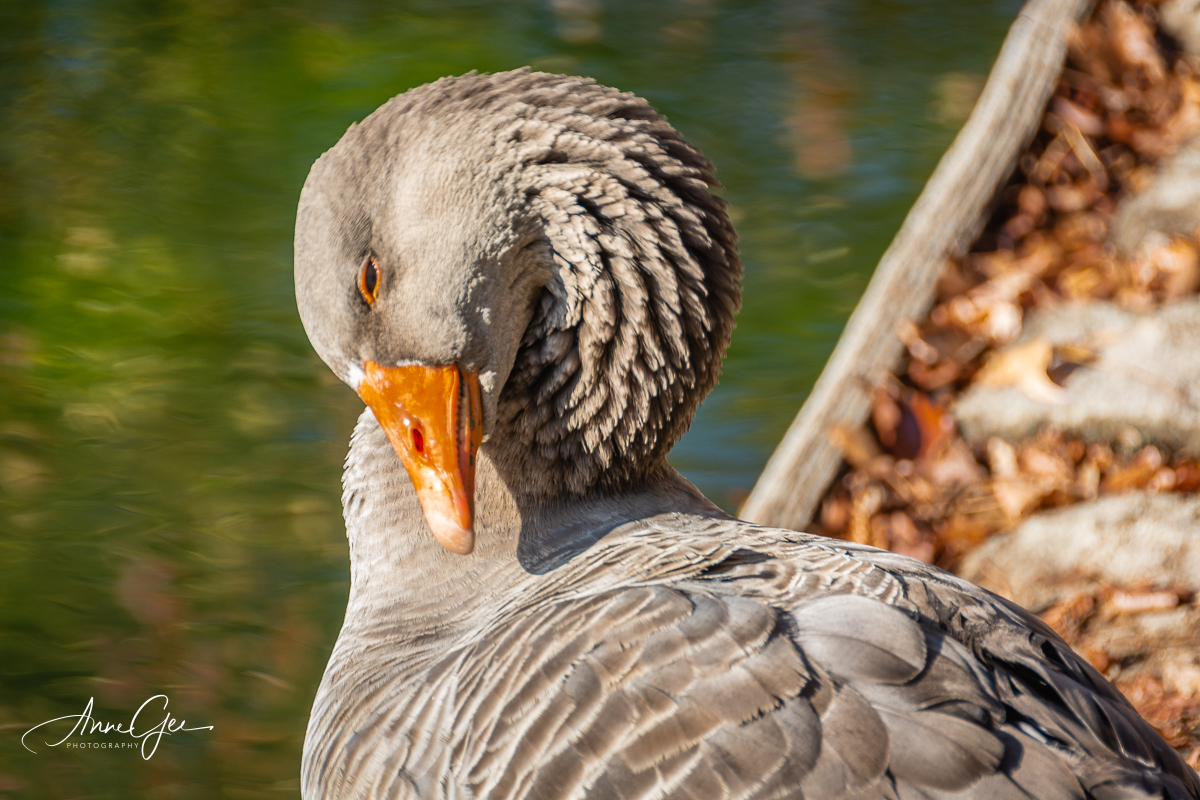
And there were geese!
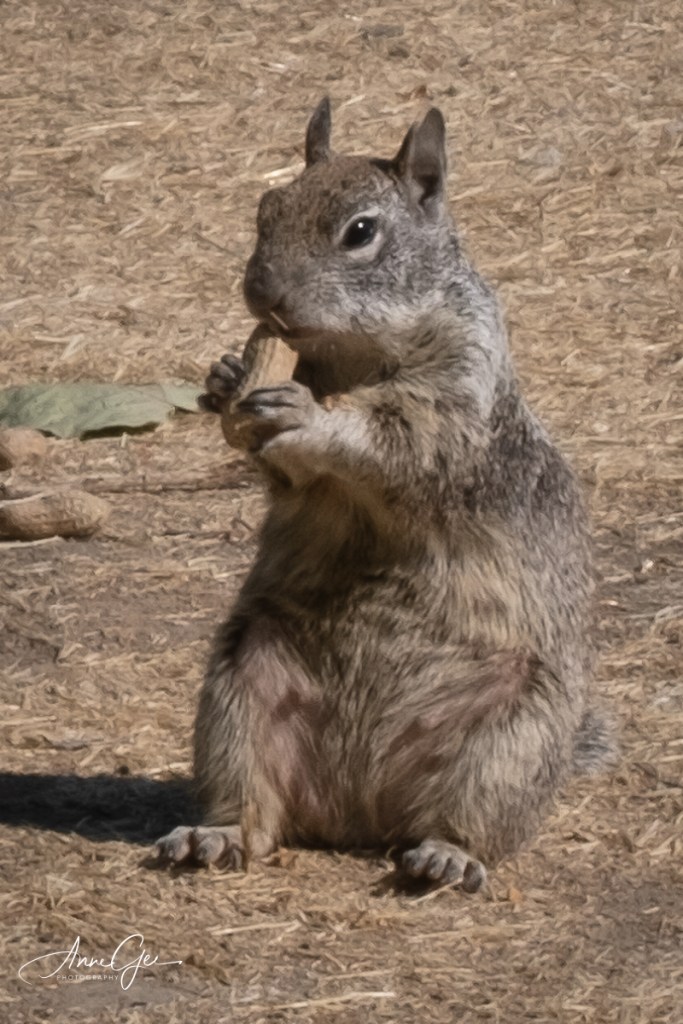
And a squirrel enjoying a peanut tossed by a young boy.
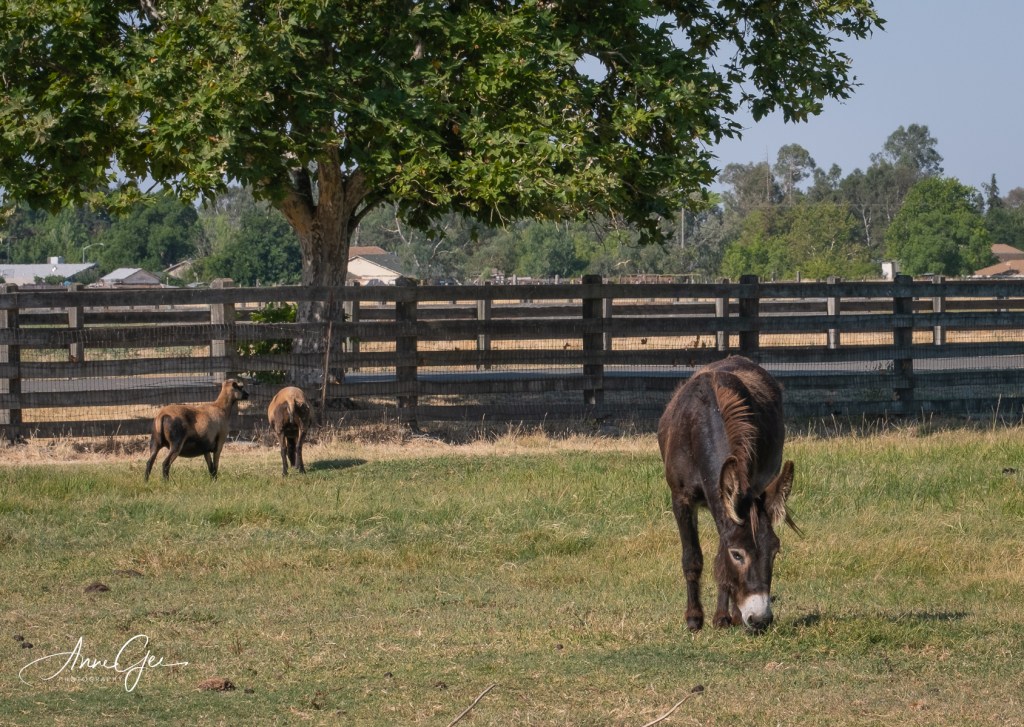
And Gibson Ranch has other animals too.
There are also stables where horses are boarded. In one area, trail rides are offered.
Oh, yes, I did manage to get a couple of close up/macro images too.
Now I have to find some flowers and bugs to practice on!
The photos in this post are not pretty or inviting, but they are realistic. My neighbor, a Camp Fire survivor, invited me and a few of my photo buddies up to the small town of Paradise to document where he used to live. Just imagine not being able to look at photo albums containing images of past generations, your children when they were young, past celebrations. Camp Fire survivors don’t have that privilege. They are lucky to be alive.
Called the deadliest and most destructive fire in California, this fire ignited before 6:30 a.m., November 8, 2018 near Camp Creek Road and Pulga Road in Paradise, Butte County. After extensive investigation, the cause was found to be a faulty transmission wire maintained by Pacific Gas and Electric (PG&E). The two roads out of Paradise into Chico were jammed with residents trying to escape. A typically short ride down the mountain took 4 hours. My neighbor said the car was hot and it looked like they were surrounded by walls of orange. Eighty five people didn’t make it.
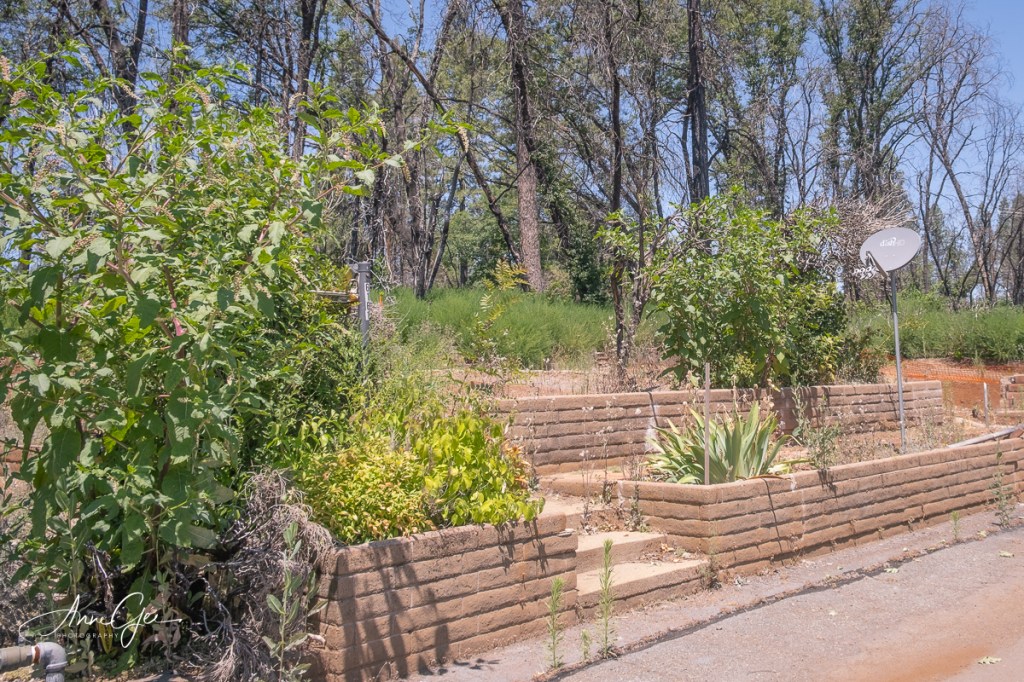
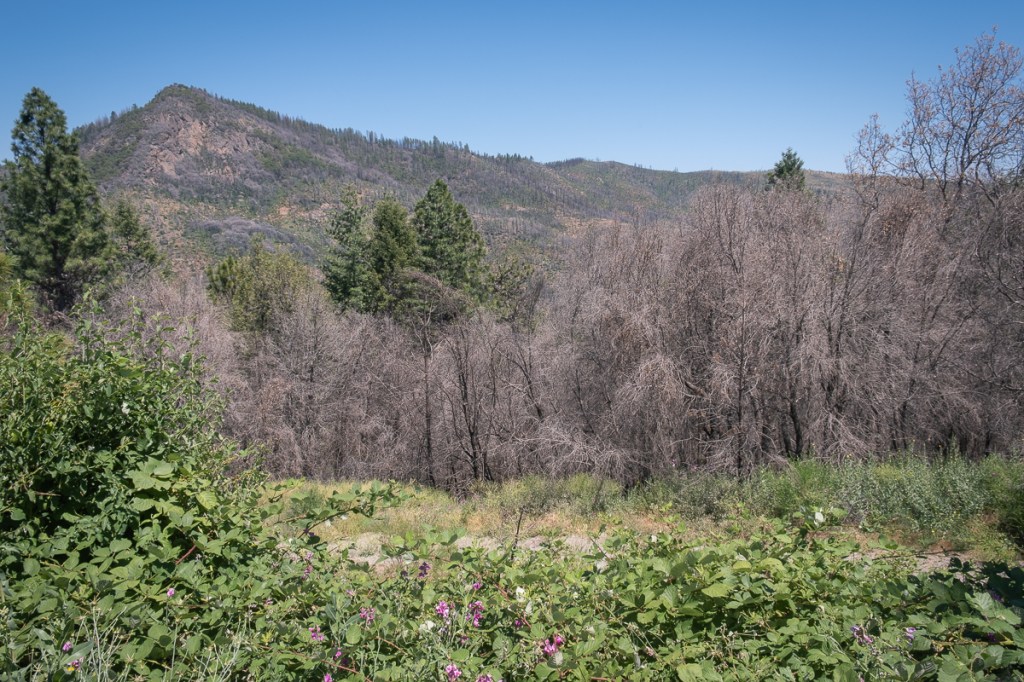
We visited June 30, 2020. By this time all the debris was cleared, the murals painted on wall remnants were gone, but desolation remained. Here’s what we saw. Pictures are captioned.
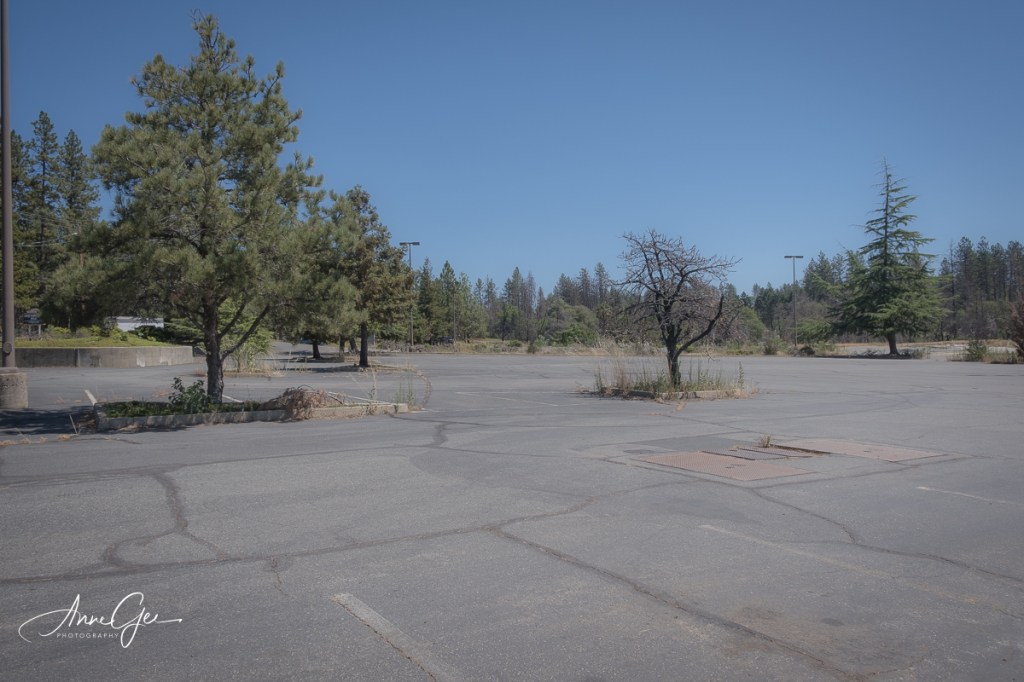
The town shopping center was here.
This sign shows the stores.
Dave lived in a mobile home park. All homes were lost except this trailer.
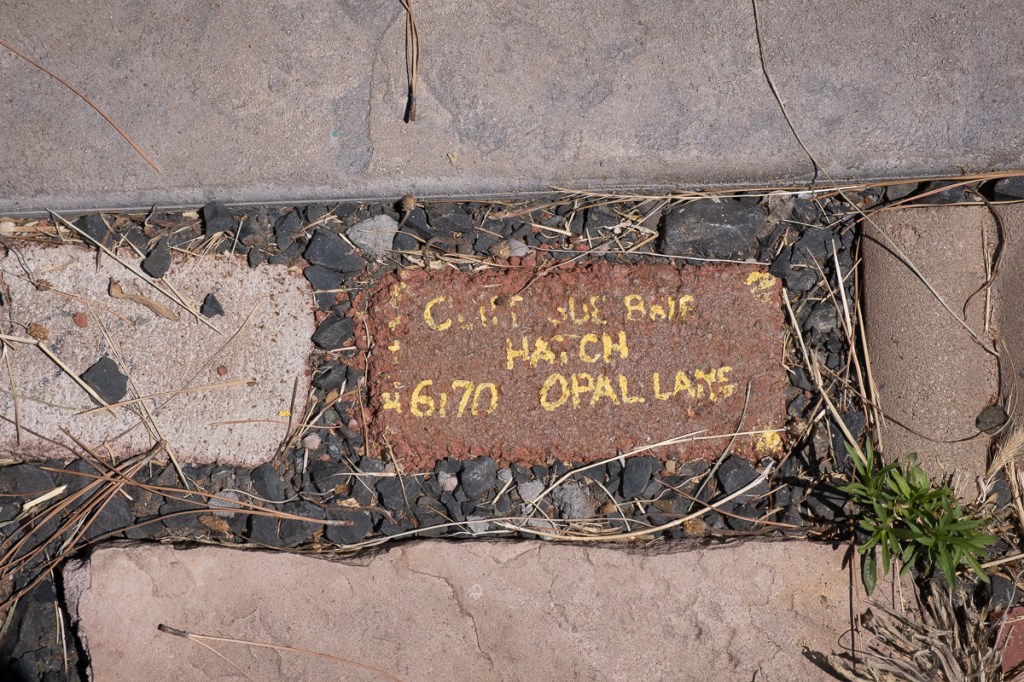
All that’s left of these home sites are the entrance bricks.
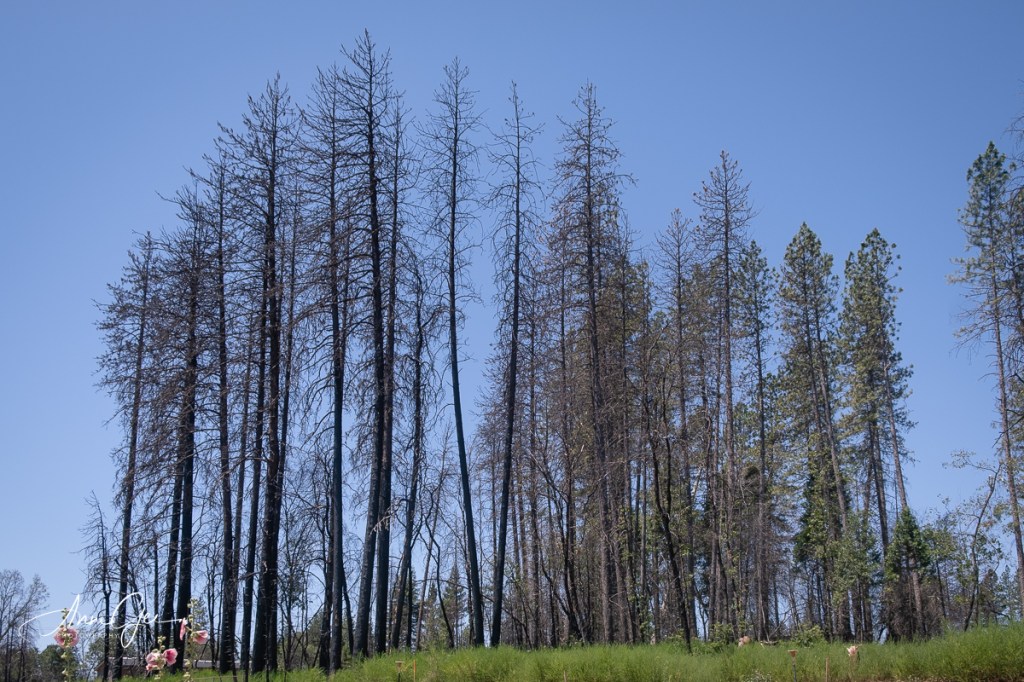
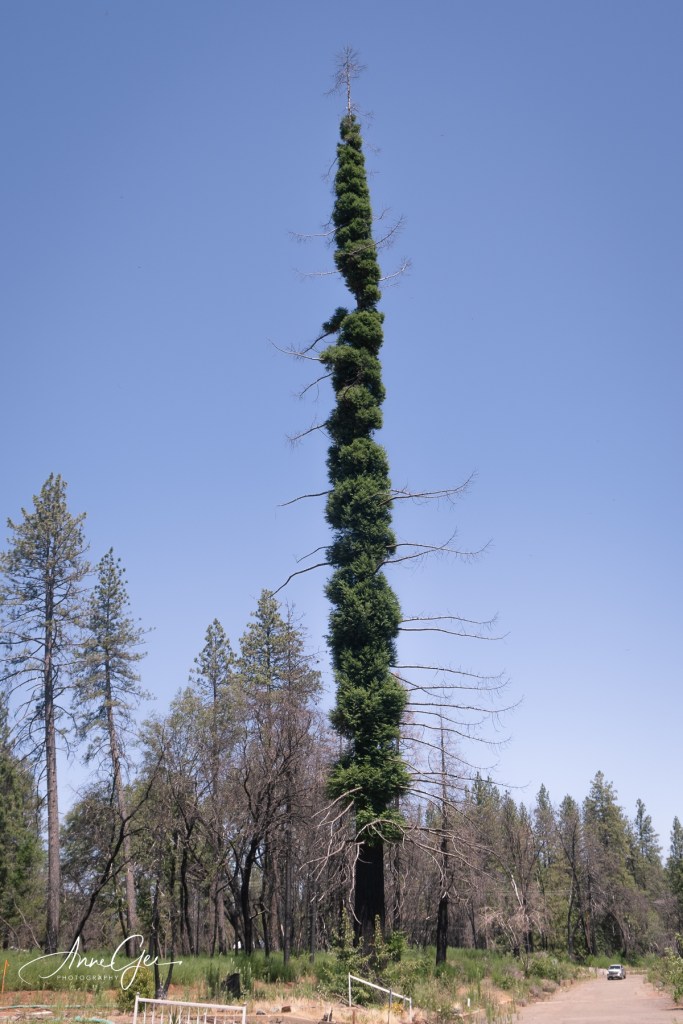
Burned trees.
New life.
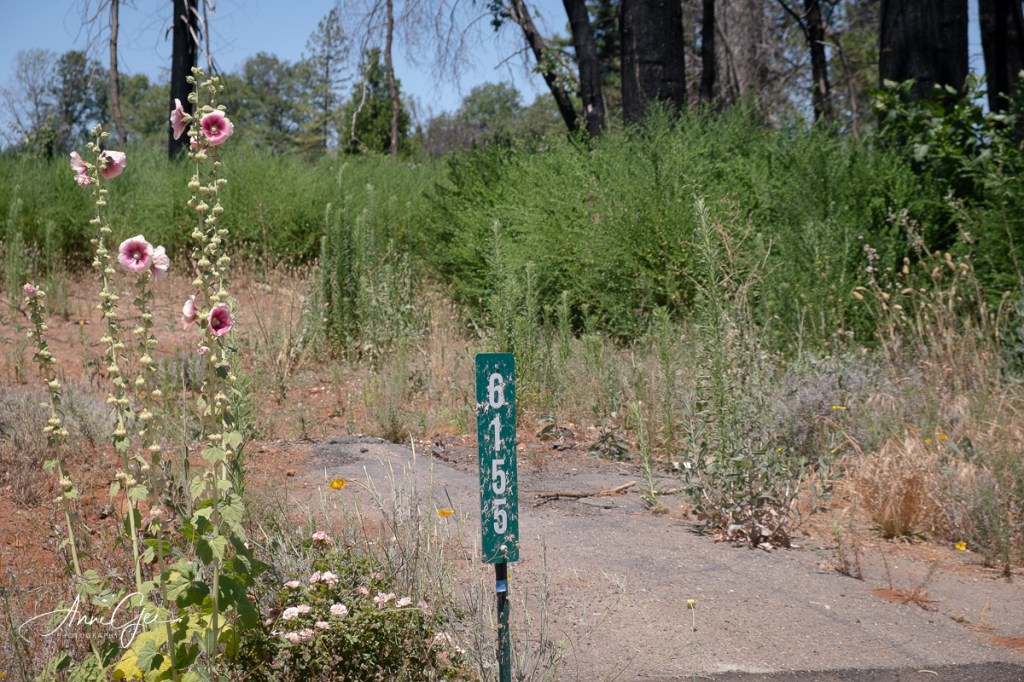
A space number without a home.
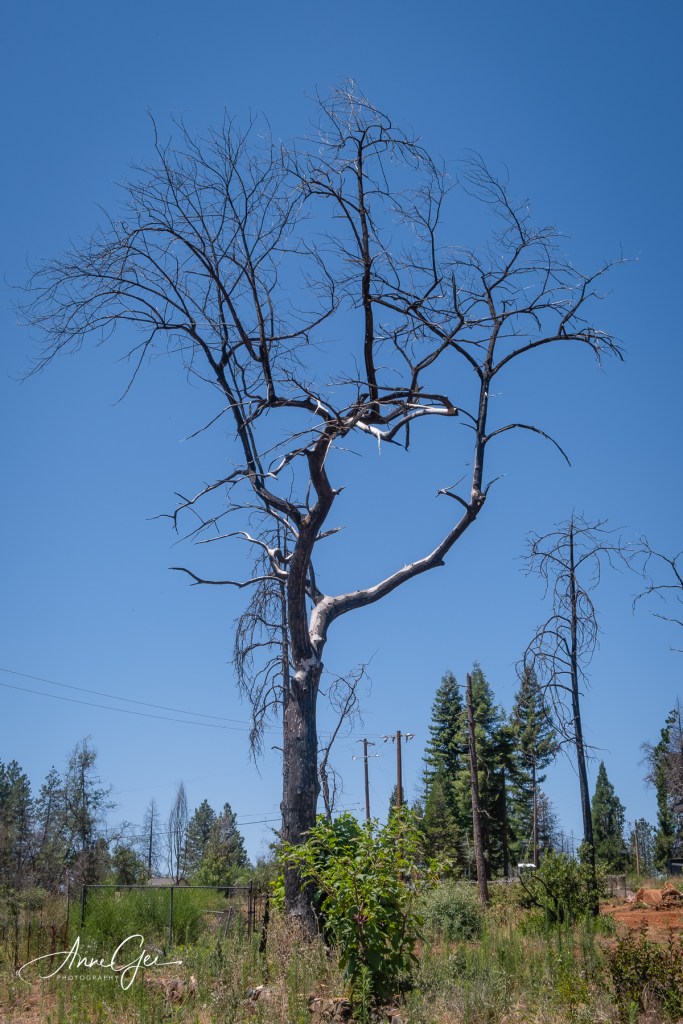
Beauty in death.
It’s amazing how this tree is coming back.
This sign is protecting what used to be a gathering place for residents.
The residents would sit and talk.
And barbecue.
And walk along the path.
Sign of the times.
The church where survivors gathered.
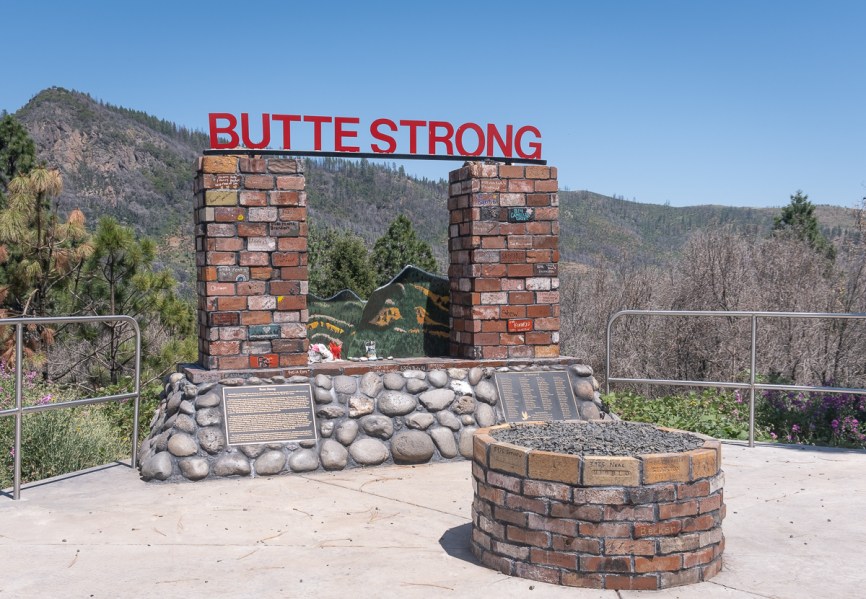
The monument for the dead.
Each family put in a brick in memory of their loved one.
The fire ended after it consumed the row of trees.
Memory bricks.
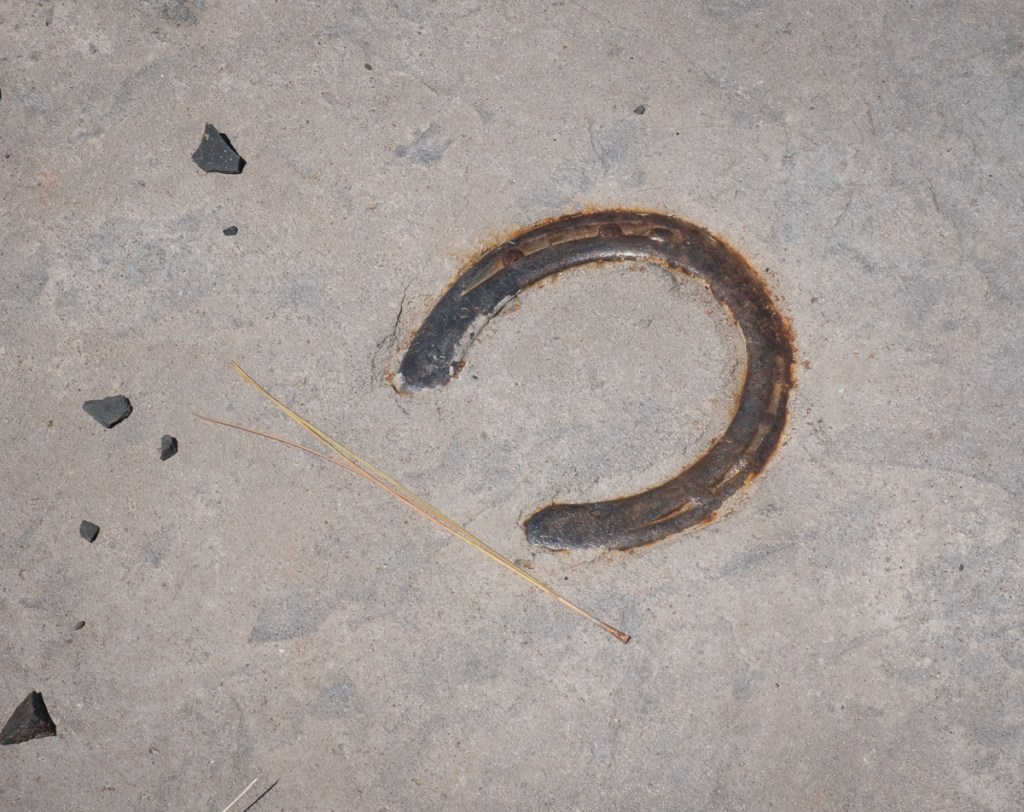
This was to honor the horses lost in the fire.
A plaque to honor those who died.
Another sign of the times.
A memorial plaque in the cemetery.
This was a difficult shoot. I’m posting this because my neighbor said he was so happy we wanted to come up to photograph the place he used to call home.























































 Slow Shutter Speed