Sometimes when a planned outing goes awry, it can work out well anyway. That’s what happened when my photo group decided to walk along the American River starting at Folsom Dam.
Our organizer gave us an address to meet at. Easy? Not when you don’t follow GPS directions. My bad! But when we got there we (Donna and I) arrived at the Miners Ravine Trail parking lot. This was not the shopping center meet point. We had the wrong address. Even with the right address, we got lost. Finally we met our group who was past the patience point. Marlene had brought her dog (almost a year old) who was doing okay with the loud traffic, but would he do well walking across a busy street and along the dam? One member (Jean) was still lost and hadn’t arrived yet.
I told the others to go ahead; I would wait for Jean and maybe follow them. I told Marlene about the Miners Ravine Trail head we found, and she agreed it would be more suitable for her dog. I ran to take a picture of the dam. Jean gave up and went home!
Are you frustrated yet? I was! Marlene and I did one end of the trail before she headed home. I was soon joined by the rest of the group who had walked the American River Trail. We walked the other side of the trail.
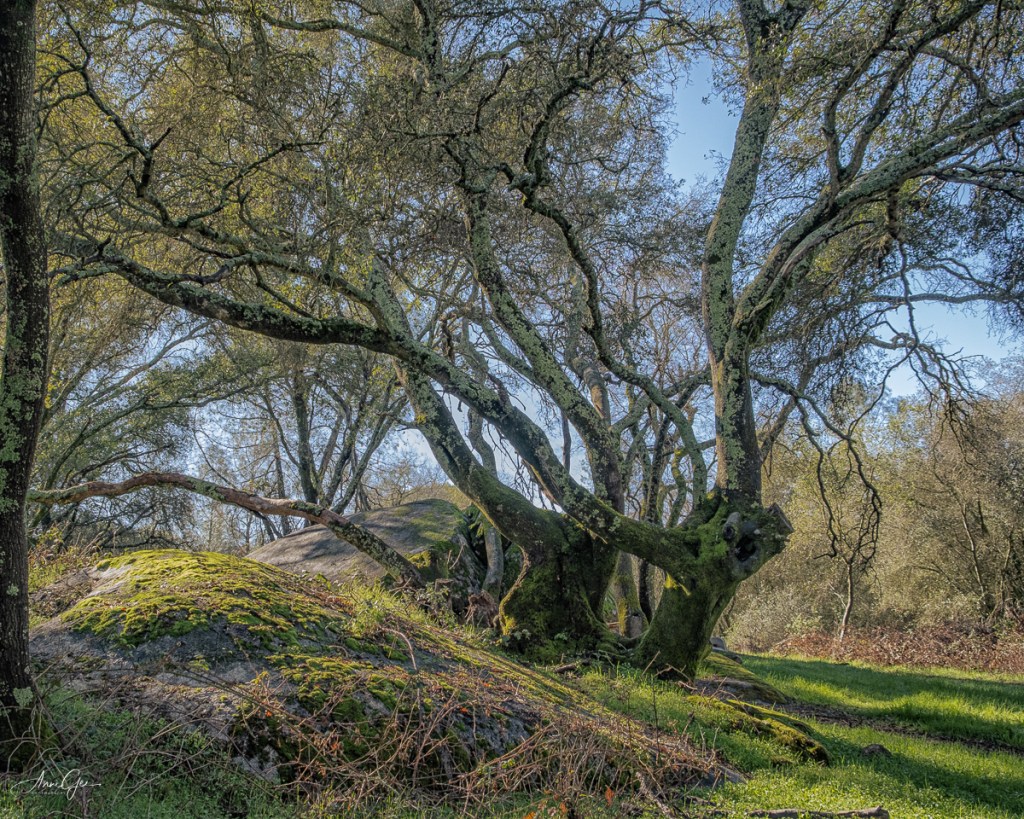
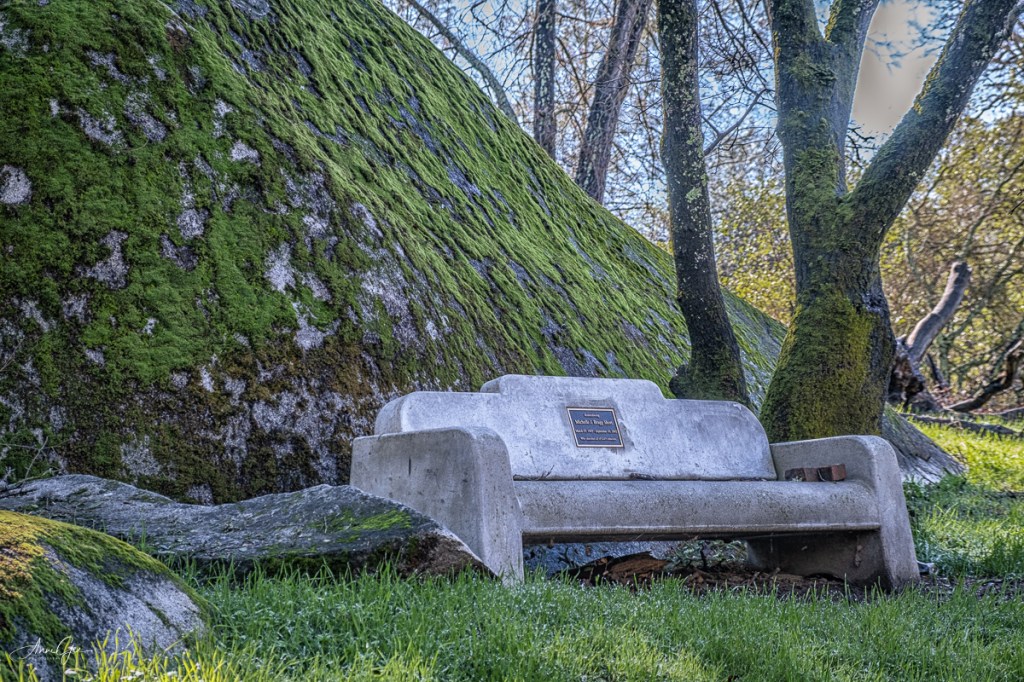
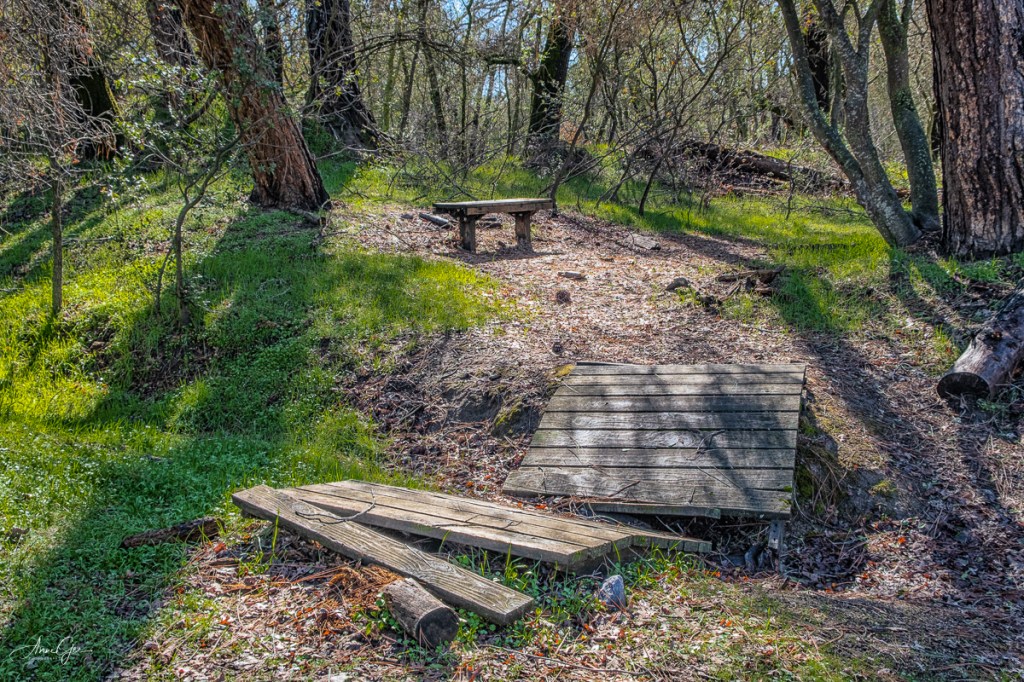
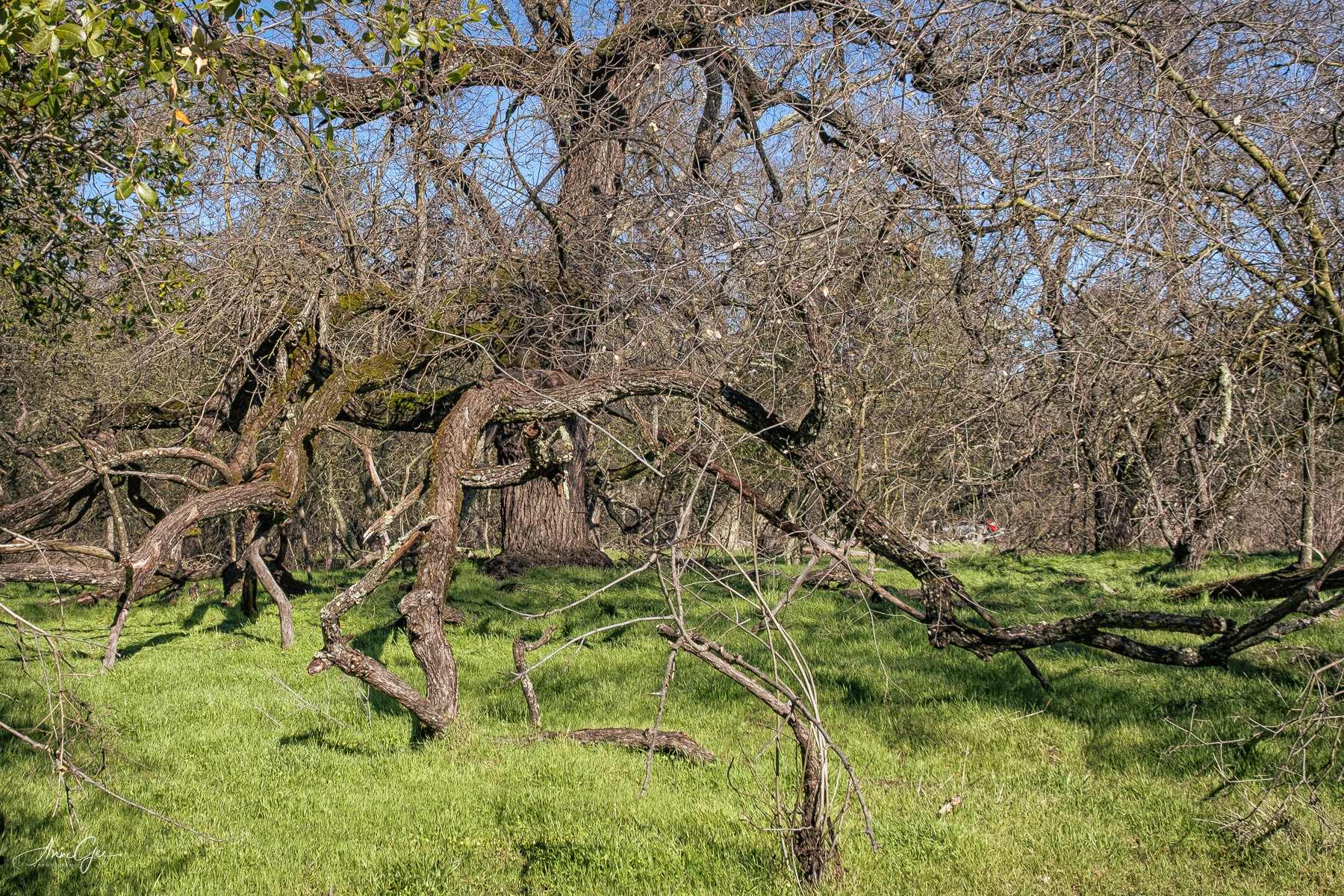
In the end, I had a good time and don’t think I missed anything along the river trail. Here are some images from that walk.
It’s good that I love trees. Without leaves to disguise their structure, they are so expressive. So, all’s well that ends well!
I admit it, I’m lazy. I totally enjoy spending time taking the photo, but not processing it. This week Tina has challenged us to show how we’ve turned our “forgettable” photos into “favorite” images.
Well, here’s another problem. Once I get an outing’s photos into my desktop, I delete the ones I don’t like and just process the ones I do like. So, for this challenge, I’ll show a before and after with how I edit.
Going back to my being lazy, I mostly rely on Lightroom (LR) and presets in NIK and De-noise in Topaz. Photoshop allows me to take out unwanted stuff with the spot healing brush and also replace skies. It might be more that I don’t prioritize learning more.
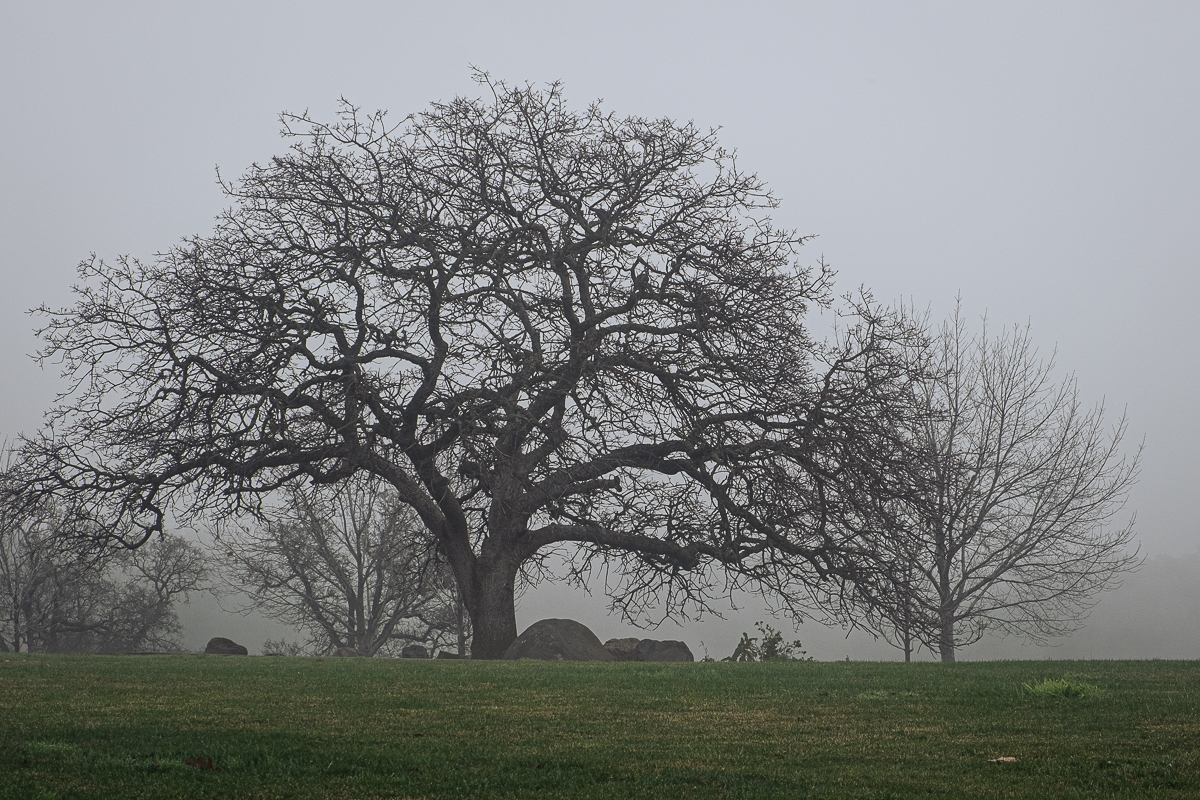
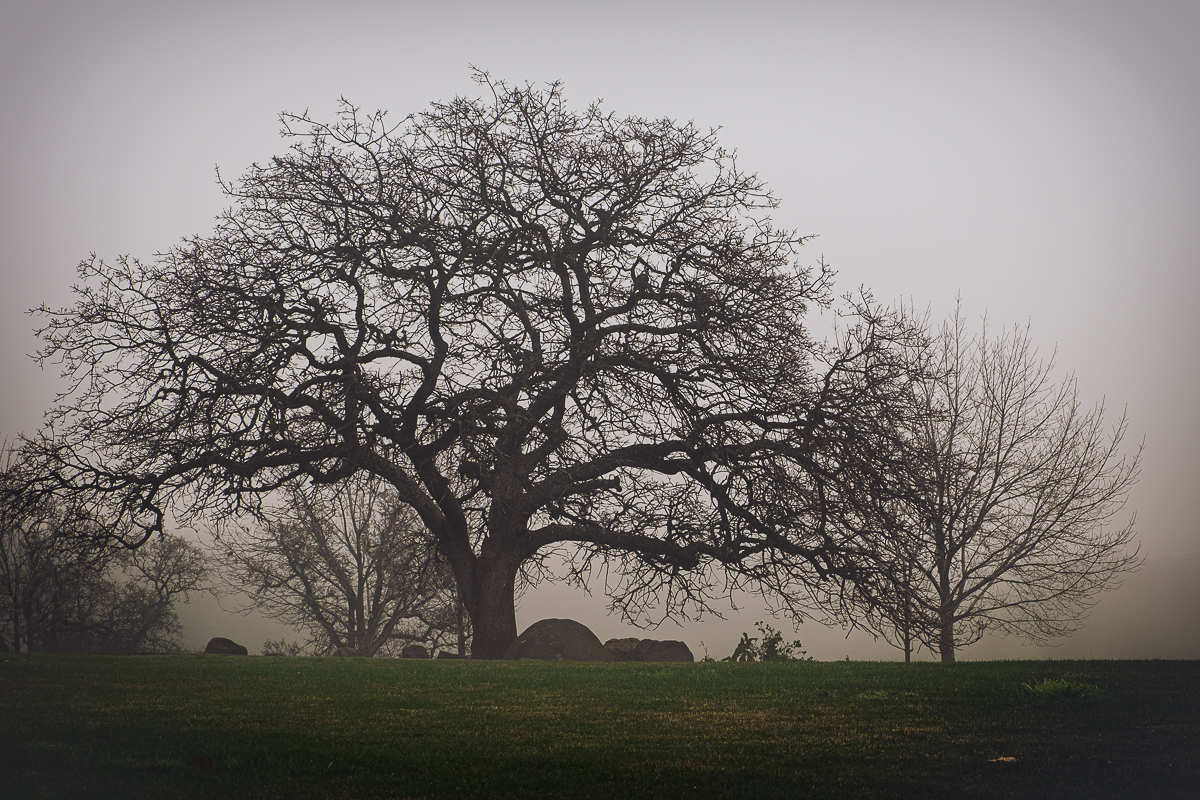
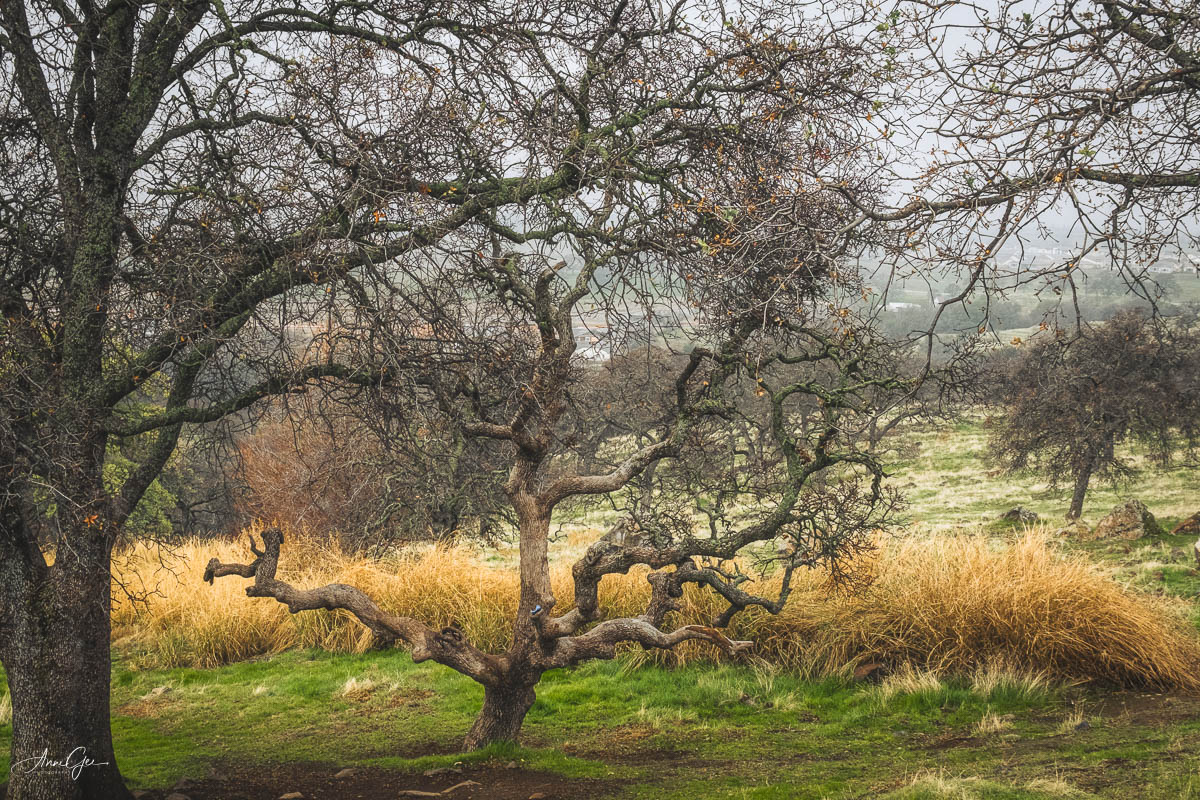
My examples were taken last month. This tree was taken on a very foggy morning at Boulder Ridge Park. I did basic editing in LR, working with the highlights, shadows, whites and black sliders. I then put into NIK Color Efex and used the detail extractor preset to accent the tree. I wanted the tree to stand out more. Before is on the left as you look at your monitor. After is on the right.
This next one is the entrance to Stock Ranch Preserve. Although they are not exactly the same image you can see the difference the my edits in LR and Color Efex accomplished. Here I used LR sliders to enhance the orange on the fence and Color Efex to bring out the details and enhance the sky. Of course, all my images get the crop treatment.
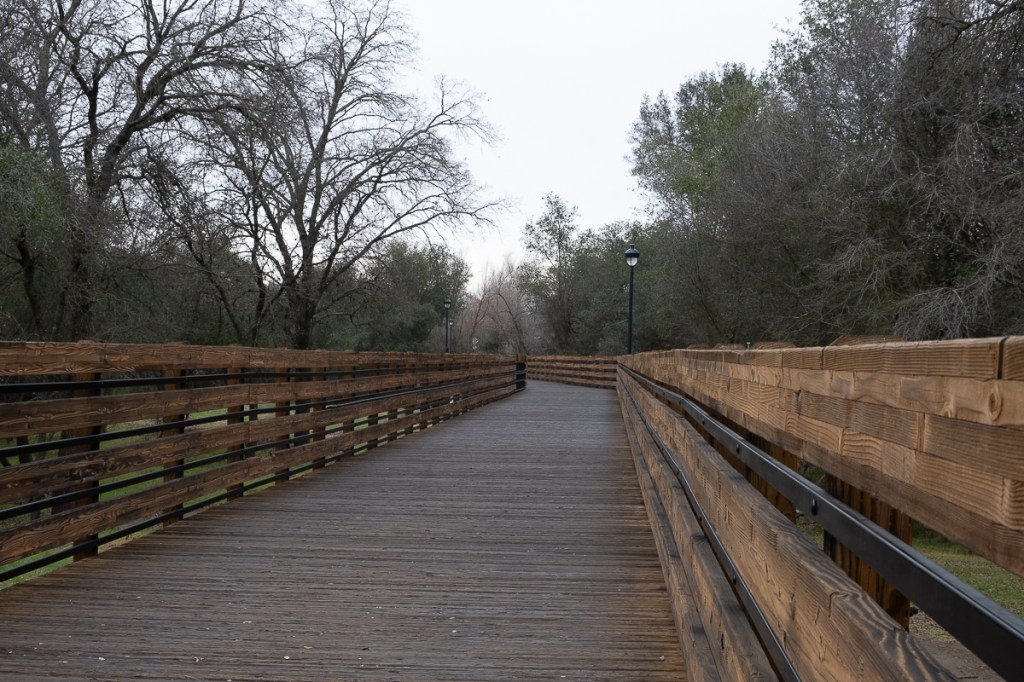
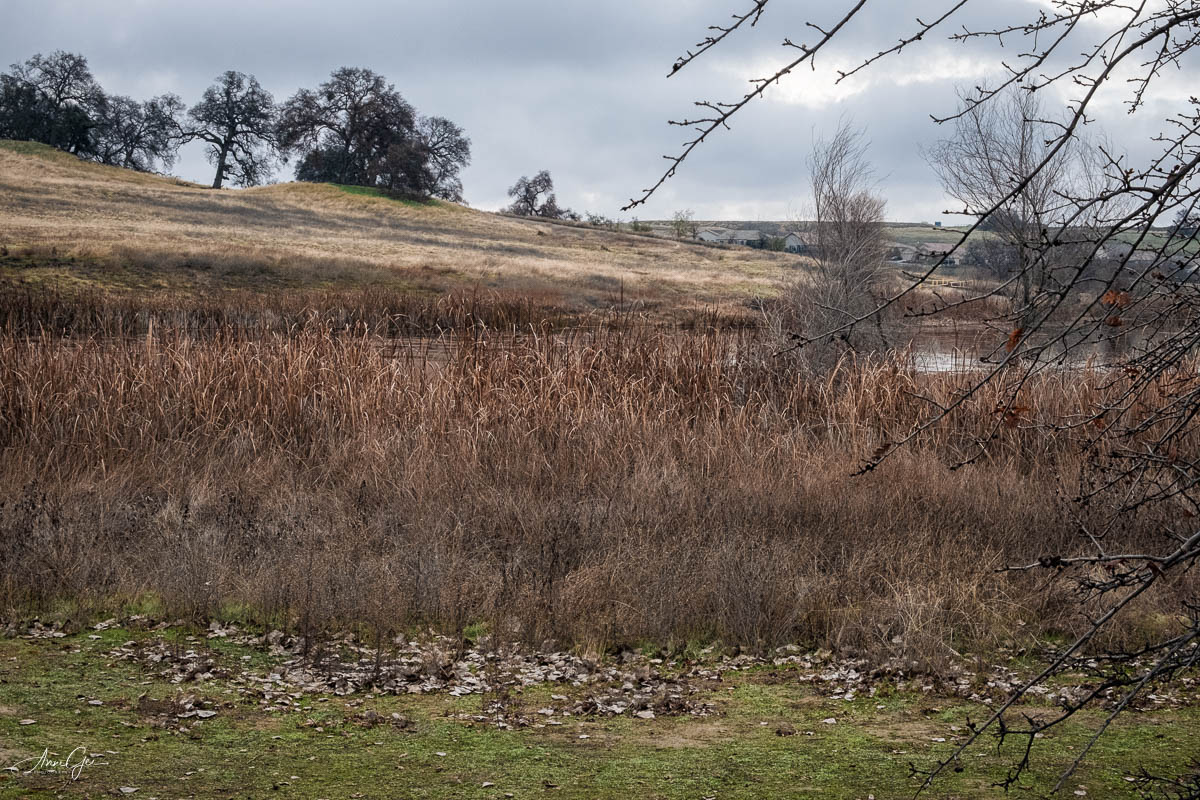
This is on the way to Folsom Dam. Again not exactly the same image, but a good example of what I began with. I worked with the shadow and black sliders in LR and the tone curve. I brought it into Color Efex to bring out the sky and clouds. When in Color Efex, I use the sliders also. However, I haven’t mastered the control points.
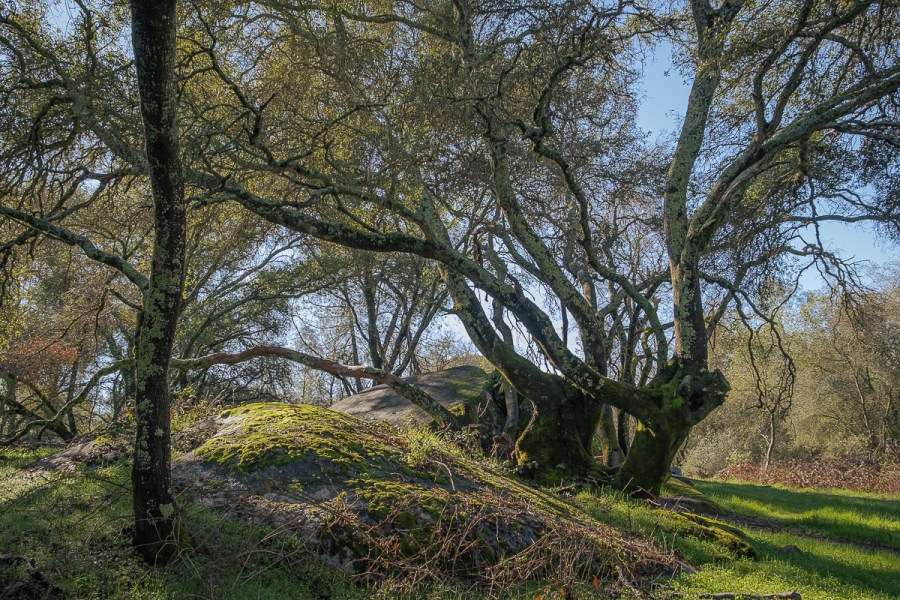
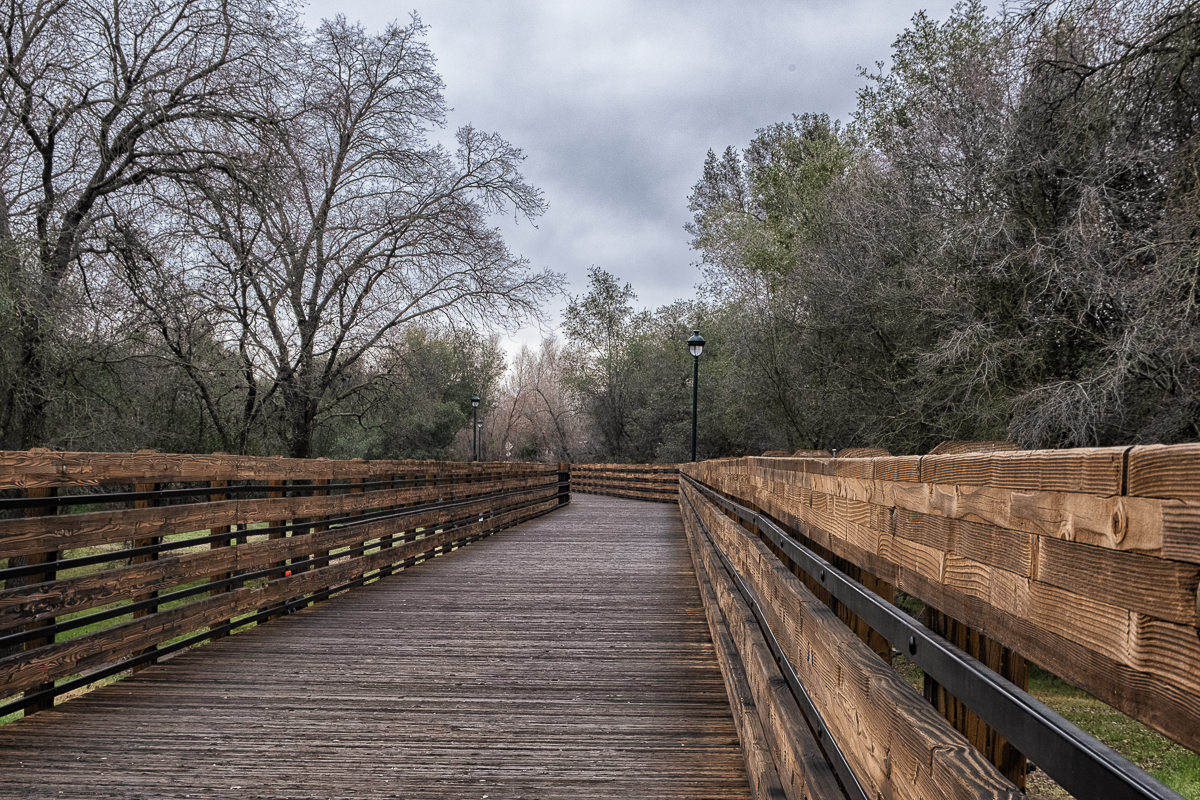
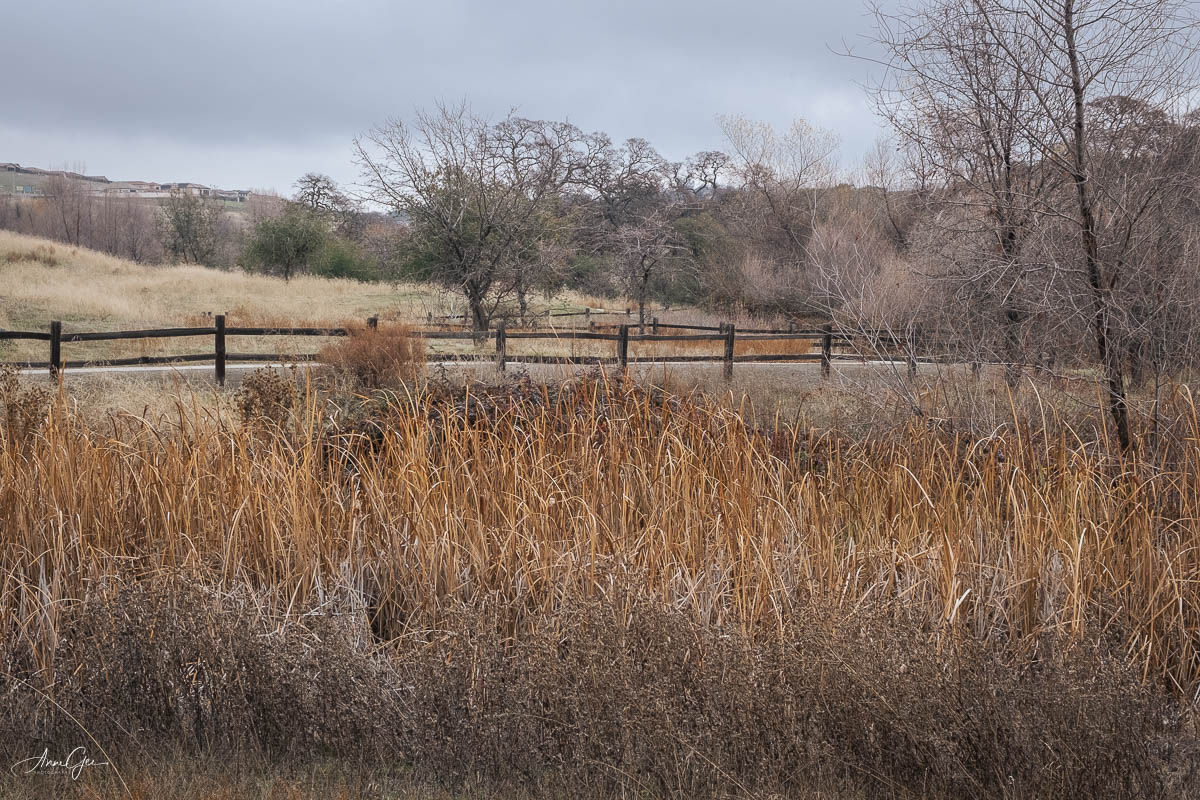
This last image is of trees along a portion the Miner’s Ravine Trail. I love trees, especially when they have lost their leaves. They are so expressive. Again, the same treatment in LR and Color Efex. I also cropped the tree that seemed to be in the middle. For this I wanted to lighten up the tree trunk, keep the tree shadows and highlight the sun. Color Efex brought out more detail.
I know I can do more with the editing programs I have. Will I prioritize the time to learn. I hope so.
Bulletin: most places won’t let customers use their restrooms because of COVID! That’s what Jean and I found out when we left recently to drive out of the Sacramento Valley with our cameras. We were driving to Port Costa, an old little port city in Contra Costa County. I had been there twice before, but that was several years ago. Nothing changed! I decided to take pictures in a way I didn’t before.
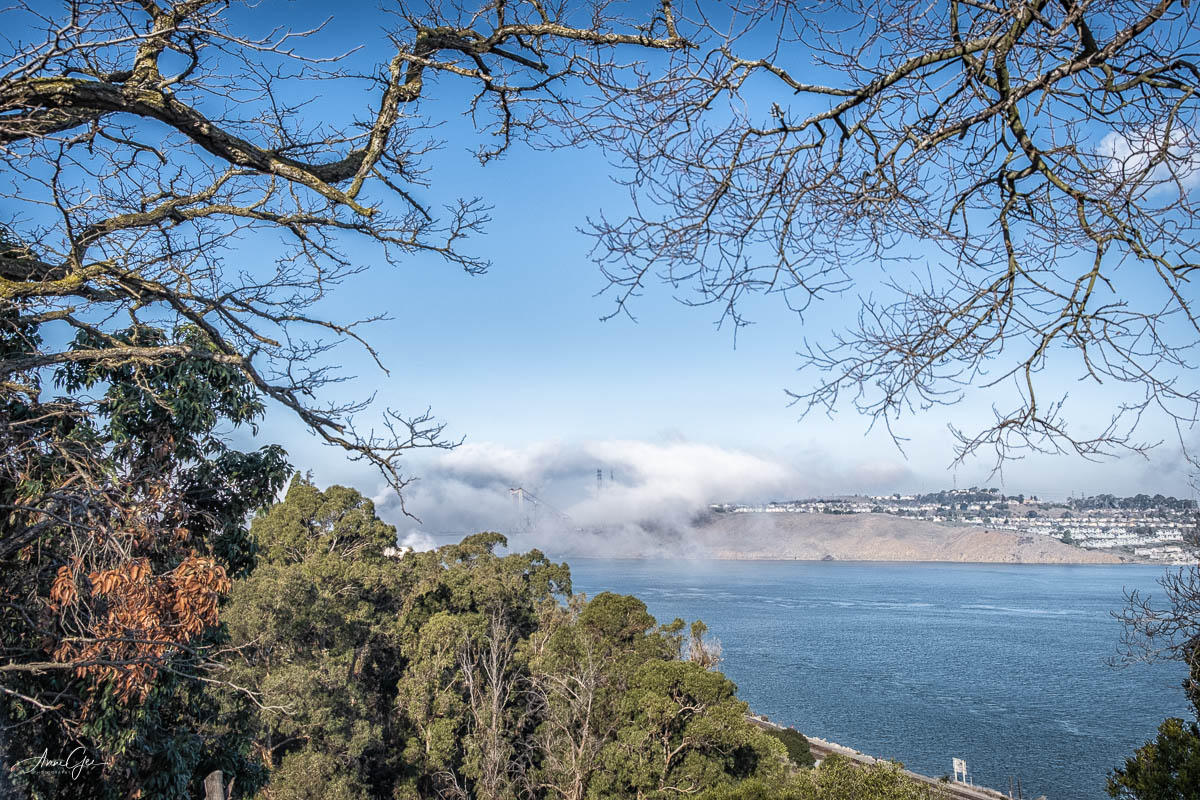
On our way down to the port, we stopped at this viewpoint to take a picture of the Carquinez Bridge while it was being enveloped by approaching fog. A couple of seconds after I took this image, the bridge was totally fogged in.
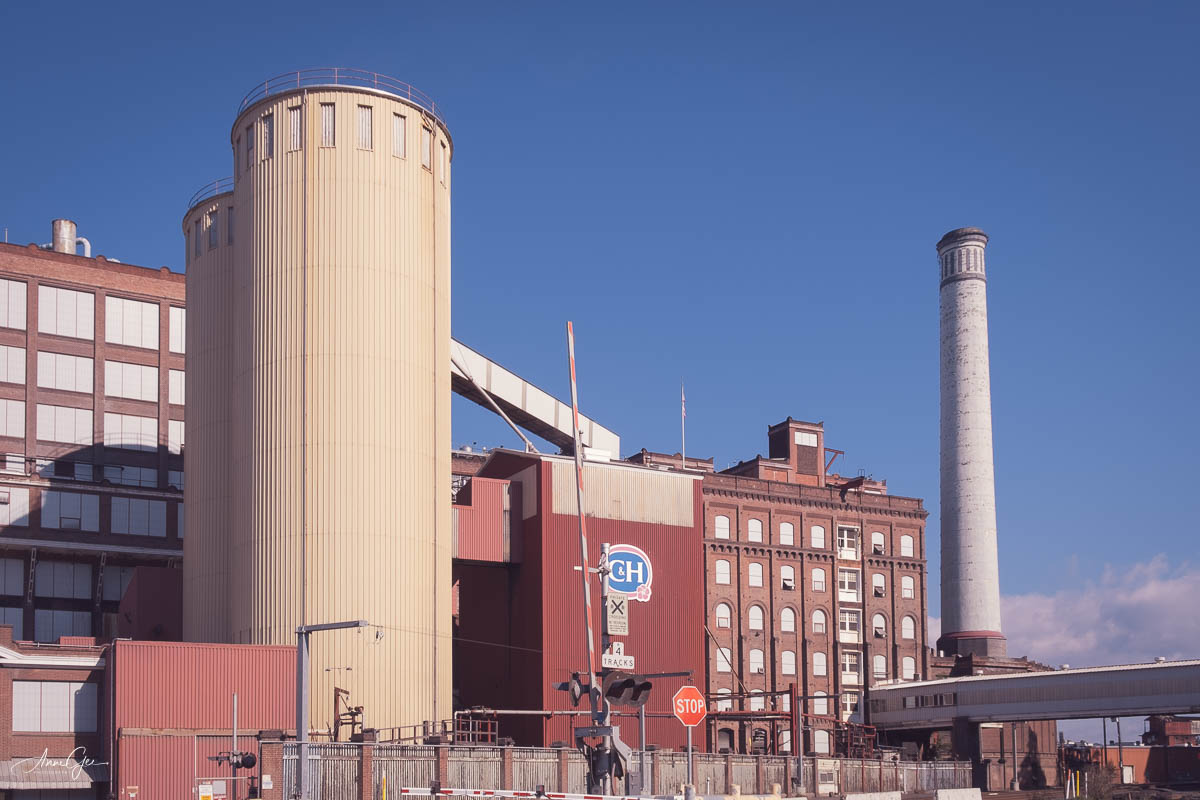
We then made the usual stop at the C&H Sugar refinery. Photographers are not allowed in, but they do let you take pictures at the entrance. You may have seen this view before if you’ve been following this blog for some time.
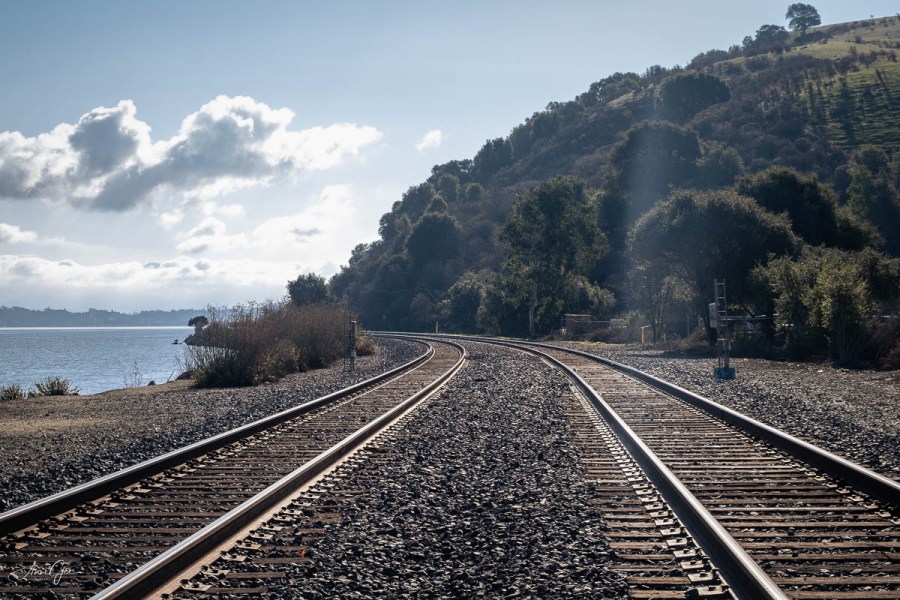
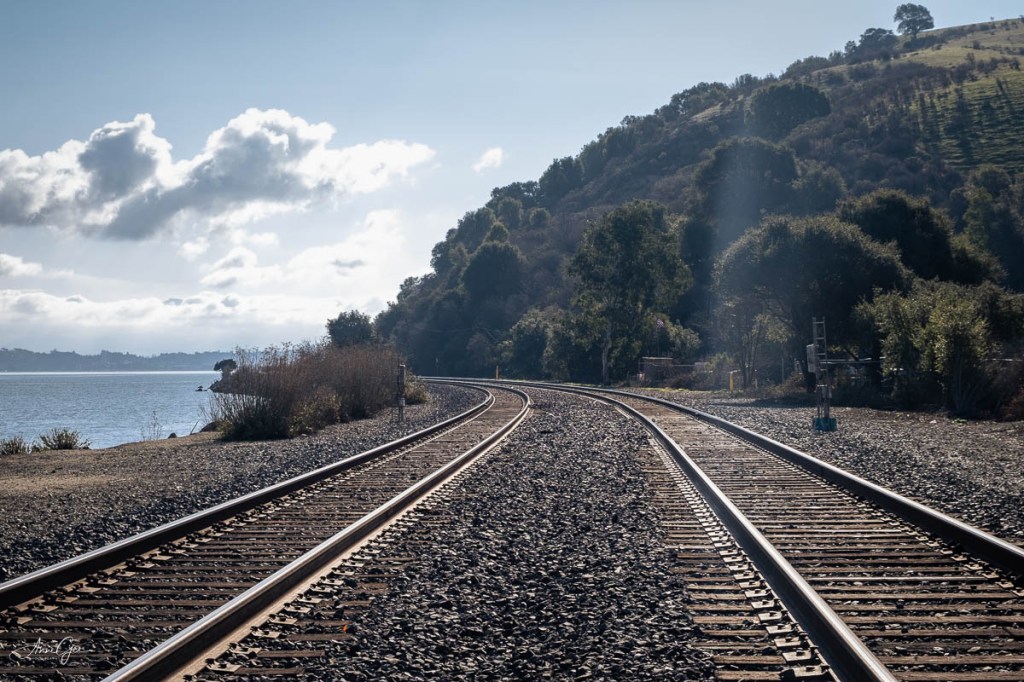
Now for Port Costa itself. The railroad still runs by it.
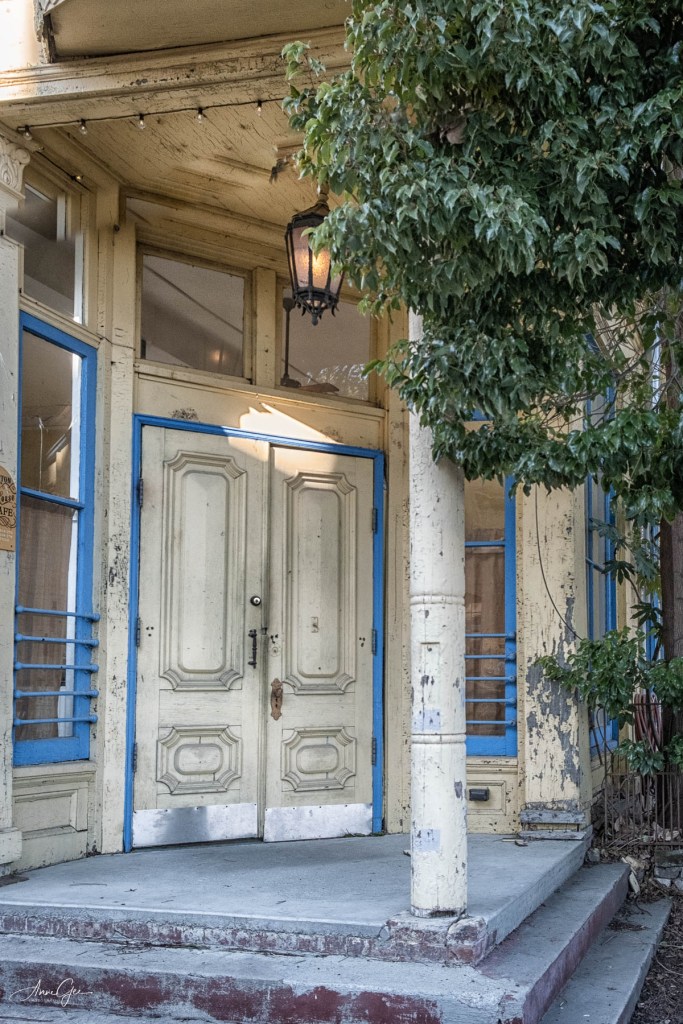
The town is old and the hotel shows it. Homes are overrun with overgrowth.
The shoreline, beyond the railroad tracks is interesting and we saw some kayakers paddle by.
It was just before we left Port Costa that we realized there was not a public restroom to be found. We did find a portable toilet at a small park near a fishing pier. The flush bathroom was closed. It was a good stop in more ways than one!
The Carquines Bridge
The sugar factory in the distance.
The guys said no fish today!
Before heading home, we stopped at Mare Island. I knew that the only public restroom was in the museum which was closed. There was a Navy ship in for repairs. No, we couldn’t go on board! So, after taking our pictures as best we could because it was all fenced off, we headed to a Starbucks in Vallejo.
When we found the Starbucks, we were allowed to buy coffee but not use their restroom! CostCo to the rescue. Fortunately there was one on the way home. All in all, it was a fun day. We did learn, though, not to go too far from home!
Life’s journey seems to take twists and turns, but it’s been my experience that important happenings come at a right and perfect time. Amy has given us the challenge of describing our photo journey. I started this blog at the very beginning of mine.
For me, photography came as I closed down my part-time speaking and writing business. At age 70, I didn’t know what to do with all the extra time I would have. Friends suggested sewing, quilting and crocheting. No! I’ve sewed and crocheted before, and it wasn’t fulfilling.
After several weeks, I remembered how much I enjoyed the photography class I took at Pierce College when I was a returning student (My youngest was in first grade). All the journalism majors had to take the photo class and the photography students had to take a journalism class. We had to use an all manual camera. Fortunately, Richard brought back a Minolta from his time in Vietnam, and I used that camera. What fun I had developing the film and making prints.
During that time, I was also writing for a newspaper and started taking the pictures for my column. I always wrote tight so the editor wouldn’t cut my articles. The only time he cut one was to run one of my photographs a half page. After graduating and moving, I stopped taking photos except of family with a point and shoot.
Fast forward to my retirement decision to purchase a DSLR. Not sure about the decision to make photography my new passion, I bought an entry level Nikon, the D3100. I didn’t know anything about crop sensor vs full frame or even how to use the camera. And, what was ISO?
From the archives, a picture taken with my D3100 shot on auto because all I could see in the dark was the green “A!” This was taken at one of my first outings with my new camera.
I found that photographers were more than willing to share their expertise, and I wasn’t afraid to ask questions. I found out that ISO was like the film camera’s film speed and much more. I didn’t take a class because I didn’t want assignments and homework. Come on, wasn’t I too old for that?
The more I learned, the more I understood the limitations of my 3100. So, within a year, I bought a Nikon D7100. I could bracket automatically and it had two card slots. I liked that camera and used it until 2020.
Here’s a shot taken with my 7100 in 2014. Now I know how to reduce the white at the bottom.
I was still learning, experimenting and asking questions. In 2015 I did the 365 Challenge, and I’m so glad I did. My photographic ability jumped after that year. That in itself was a journey.
Here’s a picture I took during week 10 with my new/used macro lens.
My passion for photography never waned through the years. The more adept I became, the more I realised my need for a camera that would be better in low-light situations. If I was to get another camera, it would be a mirrorless for the size and weight. Marlene bought a Fujifilm X-T2, and when I saw her pictures, I knew that was the camera I wanted. The color was outstanding and the clarity amazing.
In 2020 I bought a Fuji X-T3. I’ve always bought new cameras, but used lenses. This time I came home with a new camera and three new lenses. I have not regretted that decision. I still use the Nikon for ultra wide and telephoto shots. I’ve sold my wonderful Sigma macro lens since I have one for the Fuji.
Here’s an image taken in 2020 with the Fuji.
So, here we are in the present. I’m still learning and growing in ability. I do need to conquer Photoshop and other plugins. When an outing is sort of blah, I still come home with an image or two that are worthwhile. I now see things differently, and I’m more aware of my surroundings. Most of all I’m having fun. What an amazing journey that’s still twisting and turning while moving forward.
A good photographic practice is to go out on an outing with only one lens. That’s what I did recently with a couple of photo buddies. Since I recently did a post for Lens-Artists on Macro, I thought I should take some macro photos.
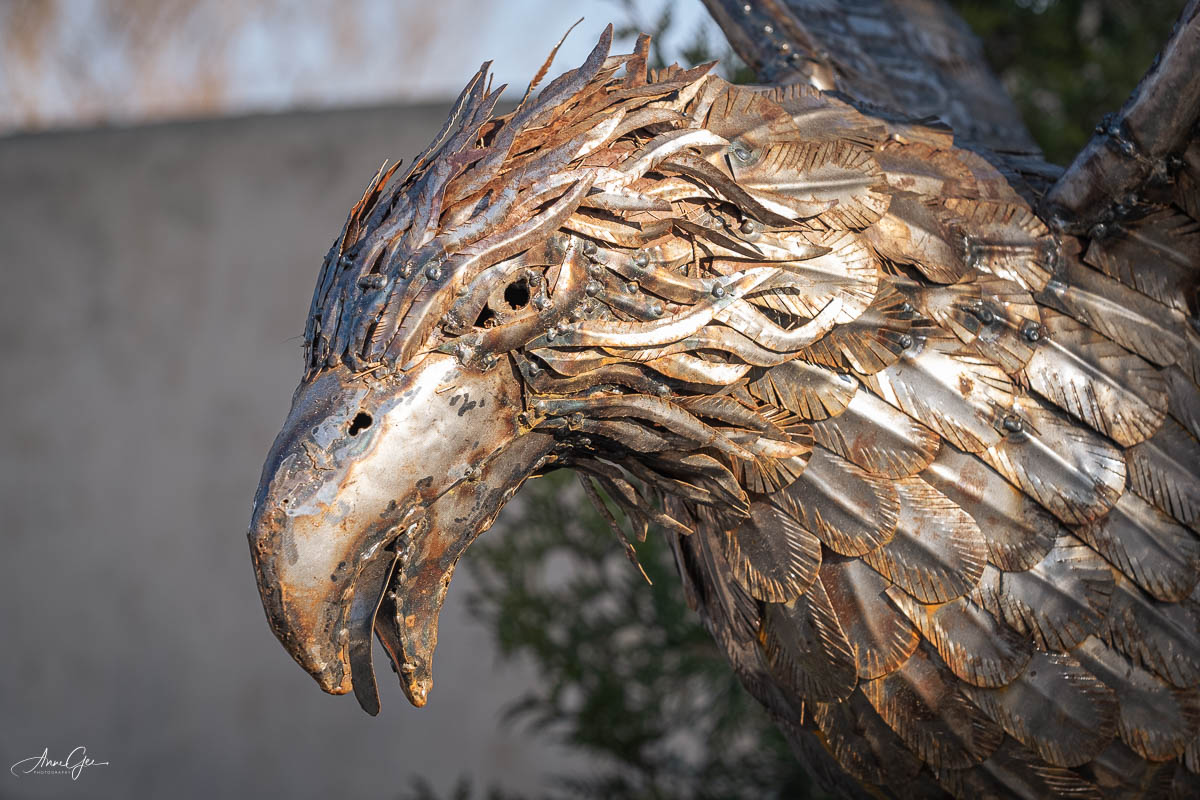
That’s how we ended up at Thompson Building Materials and Nursery in Sacramento. This is mainly a commercial business. They had a large amount of outdoor statues and other ornamental items. With my 80 mm prime lens was slightly restricted, I had to move back (get a wider angle with my feet) or get a partial of the item. A macro lens can be used for other types of photography!
Now for the flowers. Some of these may be from Green Acres Nursery also in Sacramento. Being more of a residential nursery they had more flowers. So the following is a mixture from both businesses.
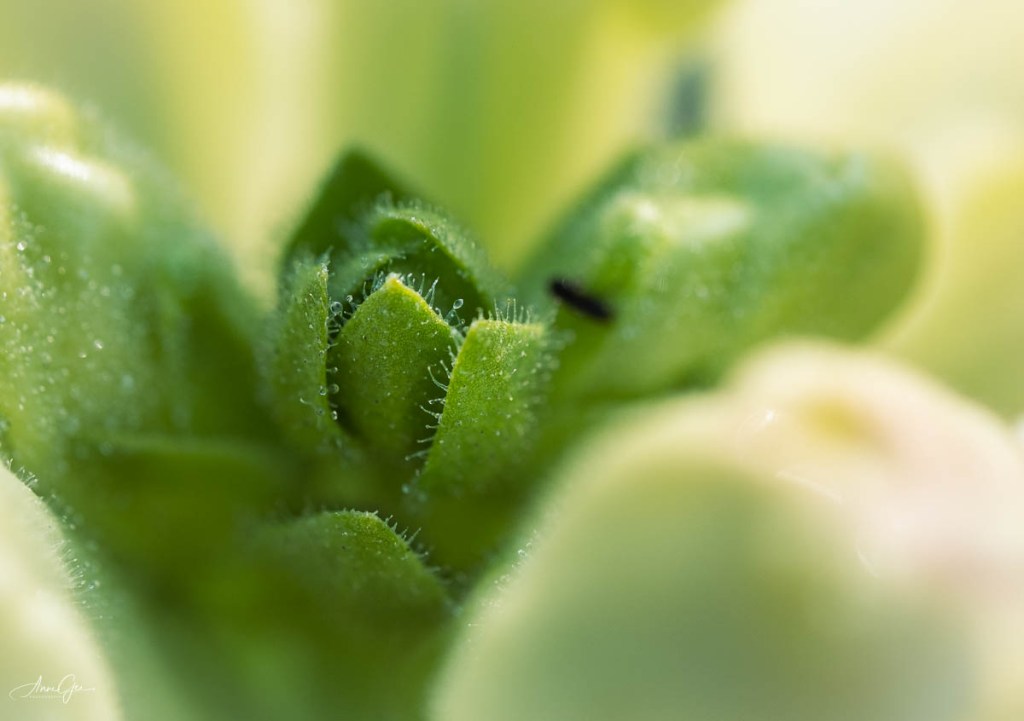
I do love macro/close up photography. Take care everyone!
Just look around, patterns make up our scenery. It may be buildings, trees or seating. As photographers, we all look for repetitive lines whether linear, curved or squared. Or, as Ann Christine says, “striped and checked” in her challenge this week.
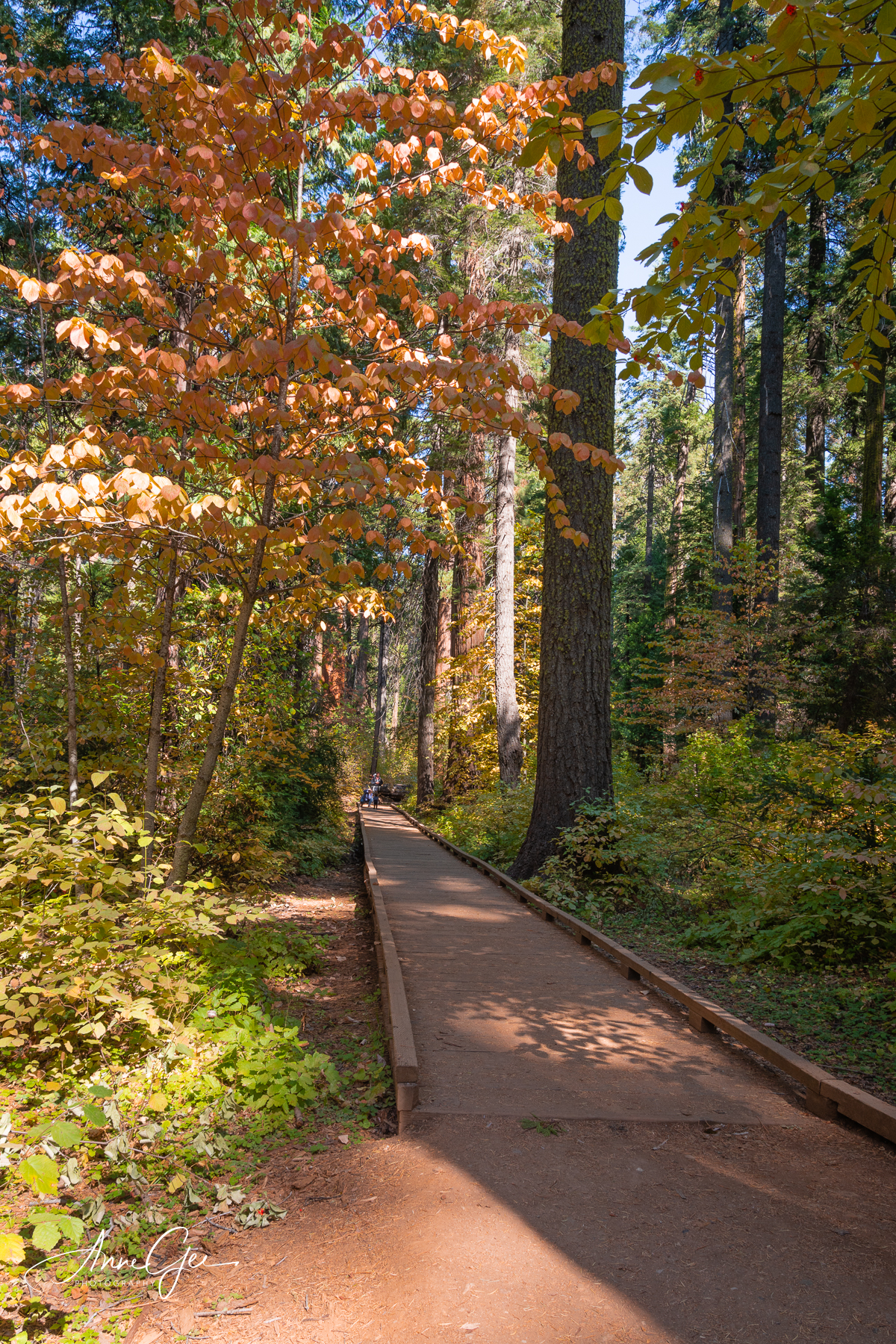
Before I was able to look in my archives, I read JohnRH’s post on the challenge. His was of trees. I thanked him for the idea! Here are trees from Calaveras Big Trees State Park and its giant Sequoia trees. And a leading line too.
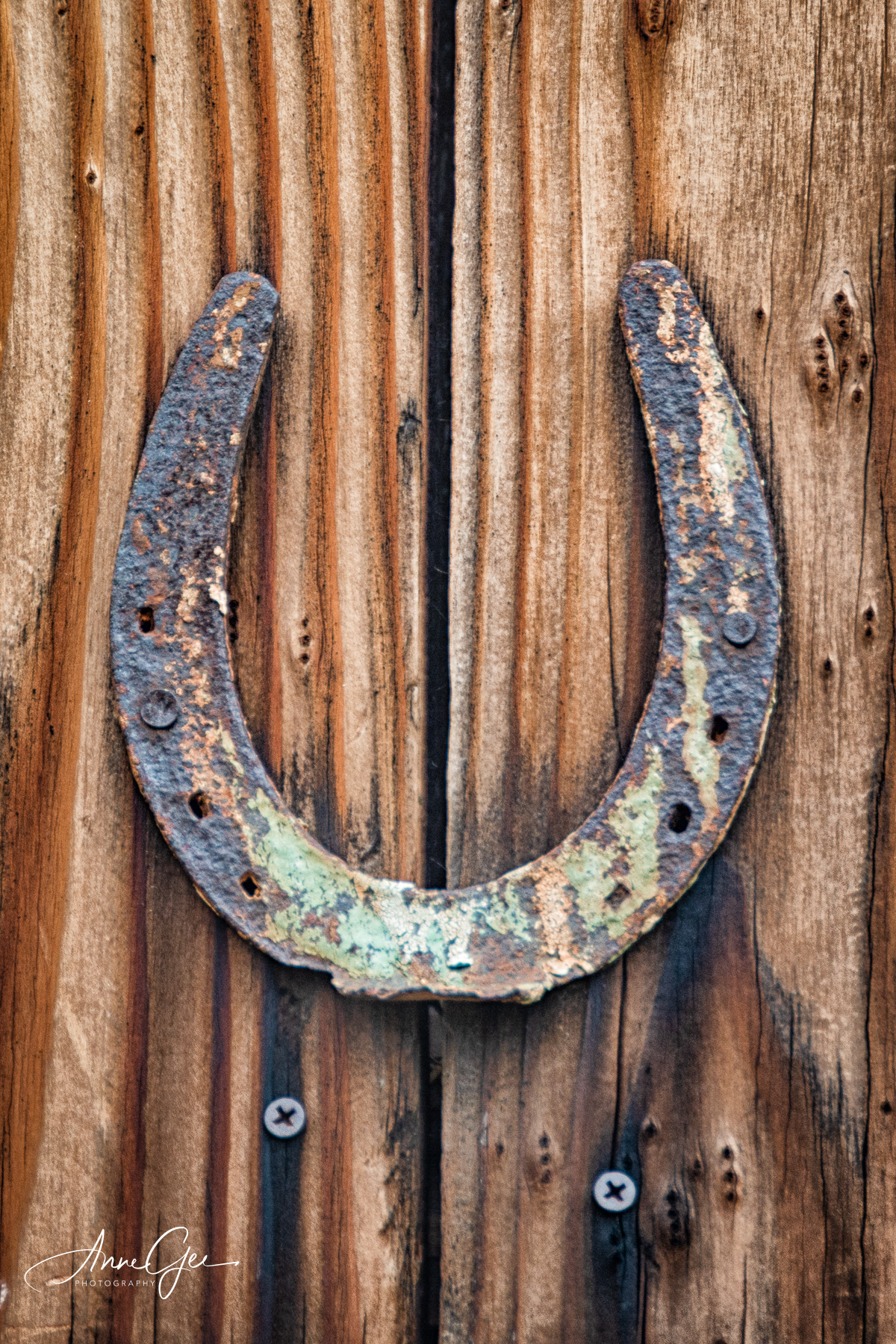
I love textures, and wood has so much, including lines. The horseshoe is there for luck!
Windows give us a checkerboard of reflections. I found these at Mare Island, a former Naval Station.
How about a line of squares, a square monument to those lost in the Vietnam War, or the lines on the grate of an old train?
I’ll end this post with diagonal lines.
I don’t see squares, but I do see rectangles! Thanks Ann Christine for this fun challenge.
I’m not too fond of fog when I’m driving, but when I have my camera in my hand, I love it. On one foggy morning we (Marlene, Linda, Ray and I) ventured out to two local parks hoping to get foggy images.
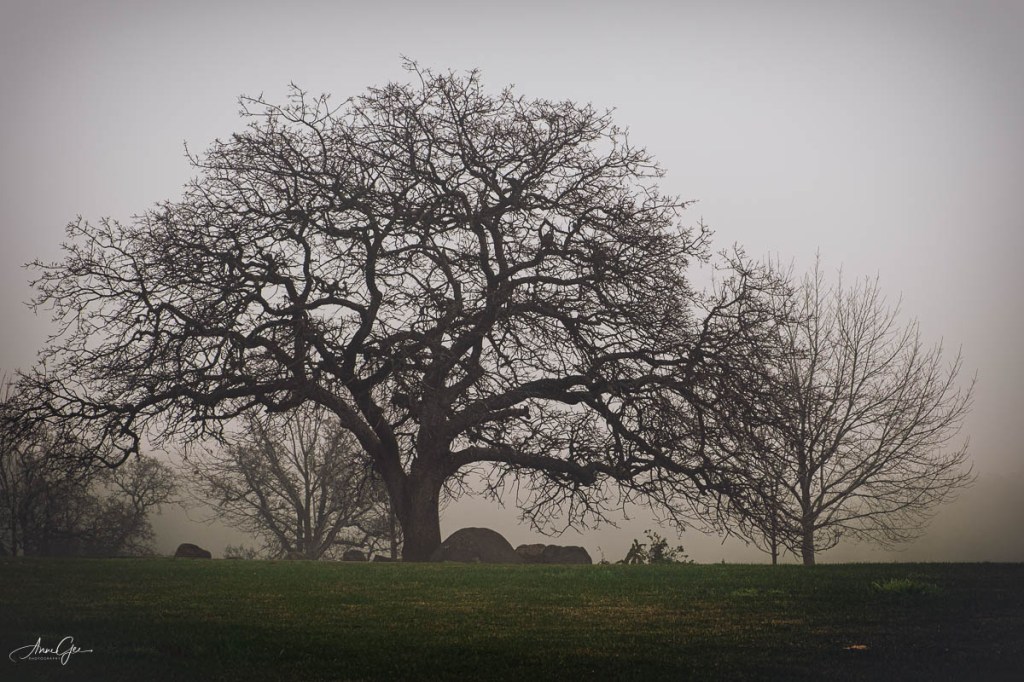
The fog was lifting when we arrived at Boulder Ridge park in Rocklin, but still thick enough to block the visual of most of the park. This time of the year, the trees are bare and stand tall against the fog.
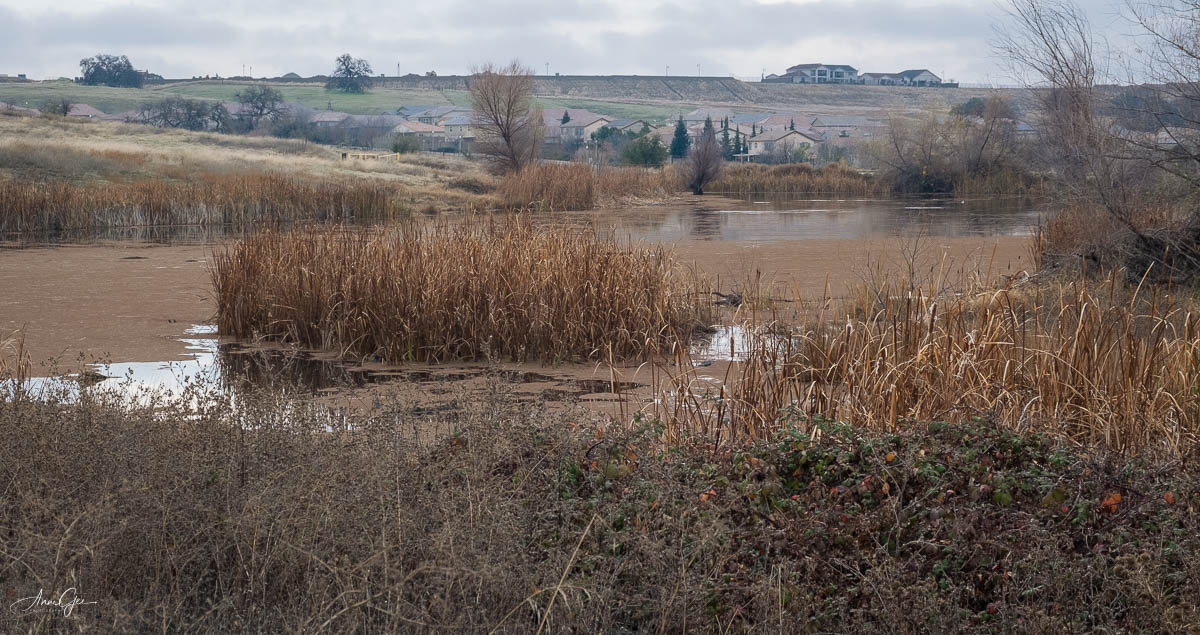
This large park is popular with locals. But it was damp and cold while we were there, and the hillsides weren’t visible. When we couldn’t see the rest of the park, we left and followed in our cars to Coyote Pond in Lincoln. The fog had lifted there and the beauty of this small neighborhood park was waiting for us.
Ray happened to be sitting, looking at his camera.
It’s great that we have such beauty easily accessible in these COVID days.
Patti’s challenge of Emotions was a true challenge for me. Wow, where do I start? Right now here in the U.S. emotions are all over the place from the pandemic to politics to what do I make for dinner! I went out on a photo shoot this morning to ground myself. It worked. Photography is my get-away-from it all.
While searching in my archives for street photography, I realized there were none from last year. I’m thinking I’m lucky to have photographed what I did in 2020. So here are images that I think depict or evoke emotion.
Anticipation. My younger granddaughter is waiting for her birthday party guests to arrive.
I started writing this blog last Wednesday. Then the unthinkable happened. I couldn’t continue after the U.S. Capitol Building was stormed and taken over by an angry, hateful, destructive mob. This resulted in an insurrection against the U. S. Government. Worse, was to see these people on the news wearing t-shirts that spewed out hate and urging killing of more people. (Five died that day.) My heart broke Wednesday. It’s been a week, and I realize that we must go on.
I did write a post for Lens-Artists on Saturday, and that helped. Fortunately, that was written and approved before the insurrection. The response brightened my days, and now I can do this post. So let’s talk about the monopod success!
Richard and I drove up to the Sacramento National Wildlife Refuge a couple of weeks ago. Photo buddy Ray was kind enough to make me a short monopod for my Nikon and 300 mm, F/4 lens in hopes I could handle the weight better. With Richard as driver and spotter, we went forth.
The hand-held mono pod helped me a great deal. The camera didn’t shake when I held it up. It was amazing. Thank you Ray!!
Here are some images I was able to capture:
I’m so proud that I was actually able to spot a lot of these, but having Richard drive freed me to move around in the car. You can’t get out of your car on the one-way route.
Think big! Don’t sweat the small stuff! Did you want to super-size that? In today’s world, we are taught to think BIG. We go for the big SUV, the big sale and the big burger. In photography, we learn to shoot large landscapes with a wide-angle lens.
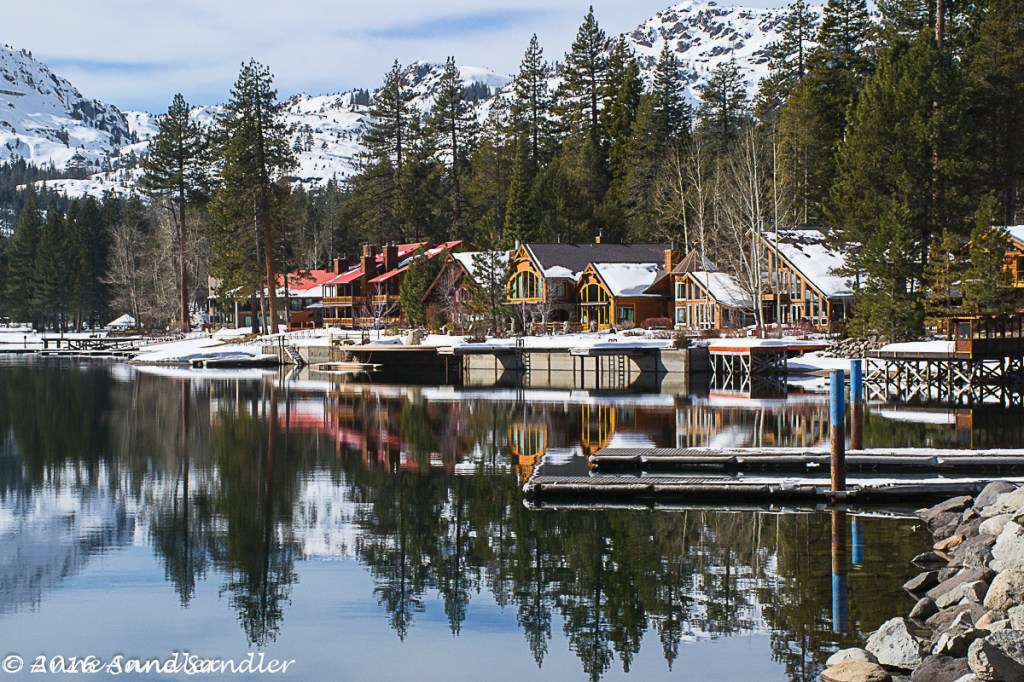
Donner Lake in Winter
But what about thinking small? Let’s talk about macro photography.
What is macro photography? What is micro photography? Are they different from close-up photography? Have I confused you? I’ll give you a hint, two are the same and one is different. Let’s delve into the subject.
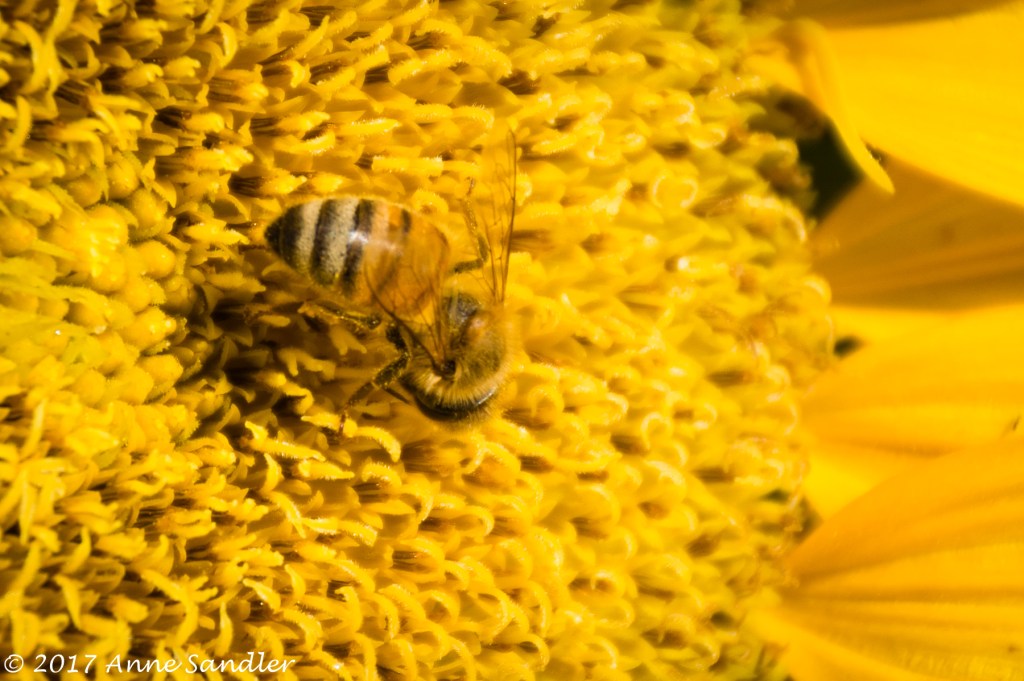
Close-up photography takes a subject and zooms in on it. Usually the subject is small, like a plant or an insect, but it could also mean getting close to someone’s eye or face as a subject. The picture is taken with any lens. I’ve taken close-ups with a nifty fifty on a crop sensor camera.
A close-up image taken with an 18-200 mm lens, shot at F/5.6.
Typically, these types of images fill the frame. However, I’ve put flowers or part of flowers off to the side. Shooting with a 200- or 300-mm lens can give you almost macro quality.
This flower was shot at 200 mm at F/5.6.
Macro photography refers to a picture taken with a dedicated macro lens yielding a magnification ratio of 1:1. Meaning, the image depicted on your camera’s sensor is in its actual size. When printed, the subject appears life-sized. This type of photography is used especially when we shoot something exceedingly small or want to capture an extremely small part of it.
Hint: If you want just part of a subject in focus, use a lower F stop (meaning F/number) to get the entire macro subject in focus, use a higher F stop.
The praying mantis in this image appears life-sized as does the part of the flower it’s feeding on. It was shot with a 105 mm macro lens at F/16.
The leaf in this image was shot with the same macro lens, but at F/2.8 creating a more shallow depth of field.
Micro photography is the same as macro photography. Camera manufacturers use the terms interchangeably. You might say that a macro lens takes a picture of a micro subject! I borrowed that last phrase!
One big difference between close-up and macro shooting is breeze. For close-ups you can shoot in a slight breeze because the regular lens isn’t as sensitive as a macro lens. When shooting with a macro lens, any movement in the subject will result in blur. Often, I’ll just take my 55-200 mm lens out when there’s a slight breeze. I can still get nice close-ups.
Oh, yes, everyone says you need a tripod. Confession, I’ve never used one for macro. In fact, I hardly use one at all. However, you will need a steady hand and fast shutter speed.
Now we’ve covered the macro, micro and close-up differences, and you are wanting a macro lens, let’s talk about options. Macro lenses are expensive but there are less expensive alternatives. Extension tubes or reverse ring adaptors to turn your regular lens around are much less expensive options. Personally, I decided against either option and bought a used macro lens for my Nikon D7100. When buying used, be careful. Buy from a store that will let you return it within 90 days if not satisfied. Also purchase one that will give you a 1:1 ratio.
For my Fujifilm camera, I treated myself to a new macro lens, knowing I would use it a lot. It’s a prime 80 mm but still shoots at a 1:1 ratio.
So, which two are the same and the other different? The answer: macro and micro photography are the same and close-up photography is different!
This week’s challenge is to take your camera for a walk around your yard or home and shoot some close-up or macro shots. Too cold, too wet, too busy? Feel free to choose some images from your archives. Be sure to link your response to my original post, and to use the Lens-Artists TAG to help us find you. I’m looking forward to seeing what you come up with.











































 Slow Shutter Speed