My last chance is my first chance! Tina encourages us to post favorites from 2022 that have not been previously shown in LAPC. This is easy for me since I just took these photographs this past week.
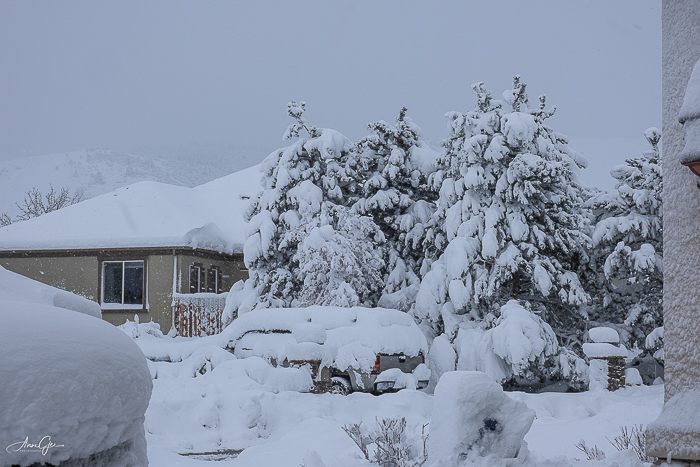
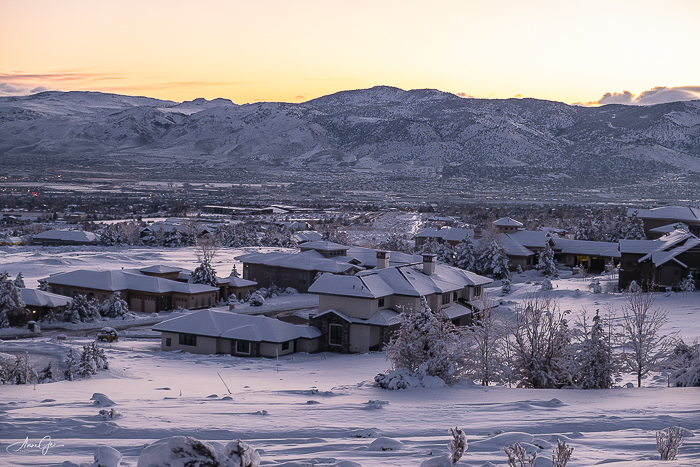
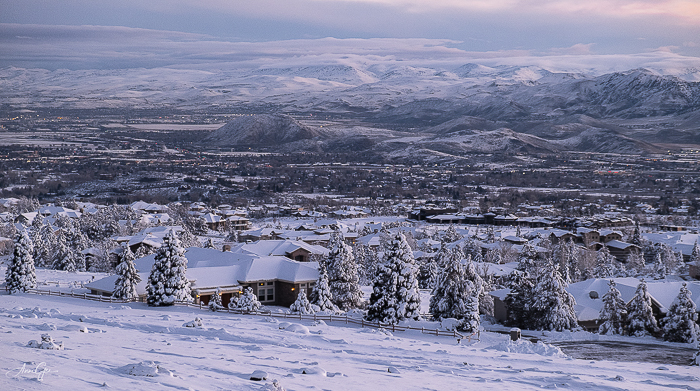
We went up to Reno to stay with the grandkids. We were smart enough to take the train because we don’t have the proper tires to drive in the possible snow that was predicted to fall at higher elevations. The train ride was beautiful and I did take cell phone pictures going and coming. Today’s images are of the snow storm that hit us the night of December 10. I have never experienced anything like this. I’ve been in a hurricane and many earthquakes, but this was different.
It was snowing and I took some pictures. These were before the big storm hit.
During the night the wind started. It was slapping the house hard and the windows shook. I woke up early Sunday morning and went to the family room windows. It had started to snow hard and the trees were swaying violently. There was nothing I could do so I went back to bed. When we woke up, the wind had stopped and there was about 3-feet of snow. My son’s truck was stuck in the snow. He had someone come to dig it out and clear the driveway and walkway to the front door. It took three men about three hours to complete the job.
The black object was part of the snow blower. You can see the snow shoot out of it.
My kids were a day late coming home because the highway was closed. I woke up early Tuesday morning and caught some of the sunrise. My son’s back yard looks down on Reno.
Again, I’ve never been through a storm like this. When we took the grandkids to school on Monday, the scenery was just beautiful.
I’m looking forward to seeing some of your hidden favorites. Please link to Tina’s original post and use the Lens Artists tag. We totally enjoyed all your patterns during last week’s challenge. As we at LAPC take a 2-week break for the holidays, we are excited that Donna Holland of Wind Kisses is joining the LAPC team. She’s been a faithful follower, poster and guest host. Please be sure to follow her at her site, windkisses.com.
Have a fun, enjoyable and safe holiday season. We will be back on January 7, 2023 when John will be leading the challenge.
If you would like to participate weekly in our Lens-Artists Challenge, click here for more info.
Wow Tina, you sure put me on an emotional and visual trip this week! When I read your wonderful challenge, I immediately went back to 2013 when we took a cross country trip of the United States in our 5th wheel trailer. This was my dream vacation and so Richard conceded to take me from coast to coast for our 50th wedding anniversary. Conceded, because he had a torn meniscus and long trips are not his delight.
I had also just taken up photography as a hobby and bought a Nikon D3100 (an entry level camera). I honestly didn’t know what I was doing. As I was going through my archives for this post, I had to laugh. Some of the pictures were down right bad. Some were okay. Some were good. That was the visual part for me. The emotional part came as I remembered how moved I was at some of the towns we visited.
The United States is a BIG country and in three months we couldn’t see it all. We set out with no plan except to visit relatives along the way. It’s difficult to put it all into one post, but I’ve chosen the most important to me.
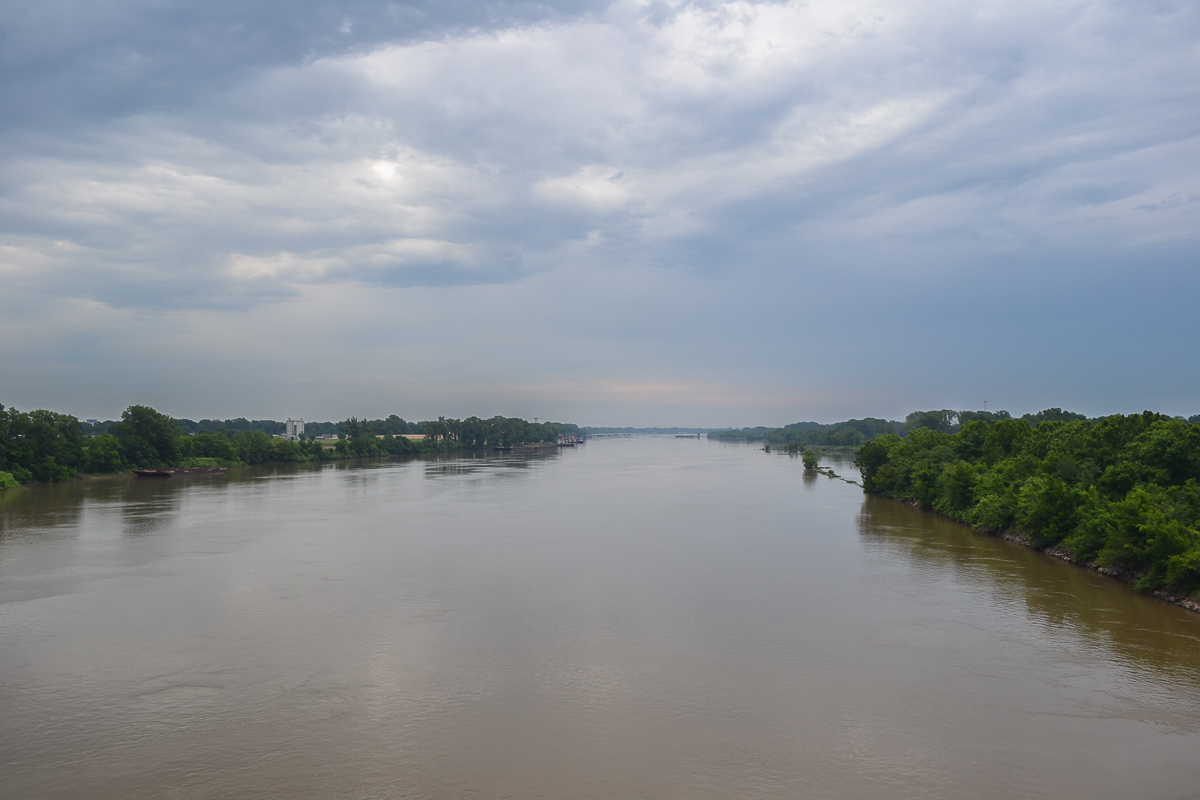
We pushed on through parts of Nevada, New Mexico and Texas where we visited relatives. We stopped in Little Rock Arkansas near the border of Tennessee. While there we enjoyed the grand Mississippi from our campsite. I was amazed at the push boats that push barges up and down the river. Some of them pushed three and four across and many barges deep. The pilots only stop for provisions and drive the boats night and day.
We also found great baby back ribs one night, and Larry’s Pizza which was an amazing place. Waitresses walked around with whole pies, offering slices to the customers. When I asked for a pie that I didn’t see at the buffet, she had them make one and brought it to me! Now that’s service!! Yes, food is a great motivation for me. And, no, I didn’t eat the whole pie! She brought it around to other patrons.
We can’t leave Little Rock without a visit to Central High School which was integrated in 1957. Nine black children dared to integrate this school. There was such an uprising that then President Eisenhower called out the National Guard. The school is now a National Historic Site. A park ranger gave us a tour, acting out what those children went through. It was as if she were living through history again and bringing us along. This is something that I will always feel and remember. The school is still integrated and its history is its past.
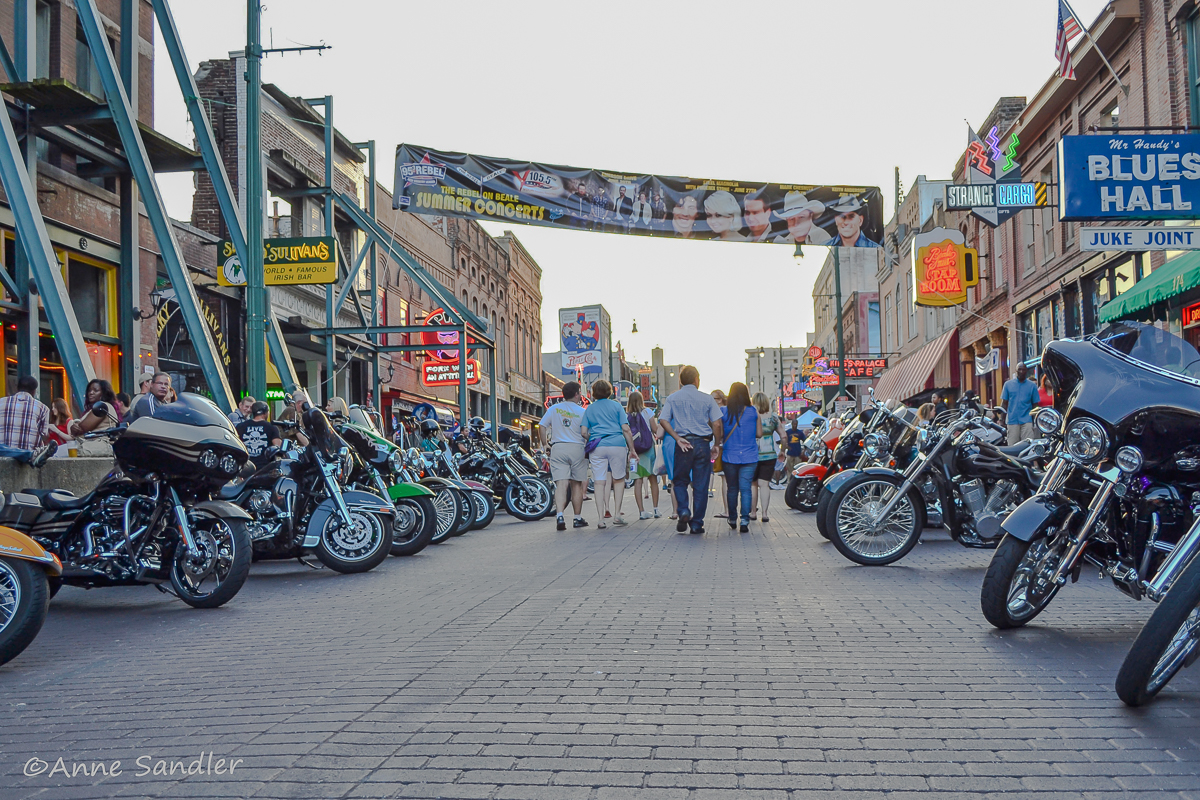
Before we left Little Rock, we went into Memphis Tennessee. This is where I filled my soul with music and my tummy with cat fish. Beal Street was our destination because it was mentioned in one of my favorite Marc Cohn songs “Walking in Memphis.” I wanted to walk the streets and hear the music like he did. I was not disappointed. Hucksters were outside restaurants and music came through the open doors of the clubs. I have posted pictures of Beal Street in LAPC posts before. On our first visit, the street was close to autos for bikes.
We continued north through Tennessee to the Great Smoky Mountain NP. We didn’t realize that the campground we chose required us to go through Pigeon Forge, a vacation spot that is much like a Disney adventure. We did go there some nights. Great entertainment, but not as amazing as the NP.
We continued through Virginia, Washington DC, Maryland, Delaware, stopping in New Jersey to visit our cousins. Our mistake was made there. We should have parked the trailer, gone into New York and picked it up on the way back. Driving a large rig was not easy in New York. But we made it to Long Island to visit some more cousins. Richard just had to go into NYC to visit Times Square. We paid $30 to park.
Leaving New York City, our next stop was Niagara Falls. This was a must for me. I was amazed at the amount of water falling from the three falls: American Falls, the Bridal Veil Falls and the largest and more well known, the Horseshoe Falls. We had dinner on the Canadian side to get this photo.
We then started home and stopped in Springfield Illinois where the corn is “as high as an elephant’s eye!”
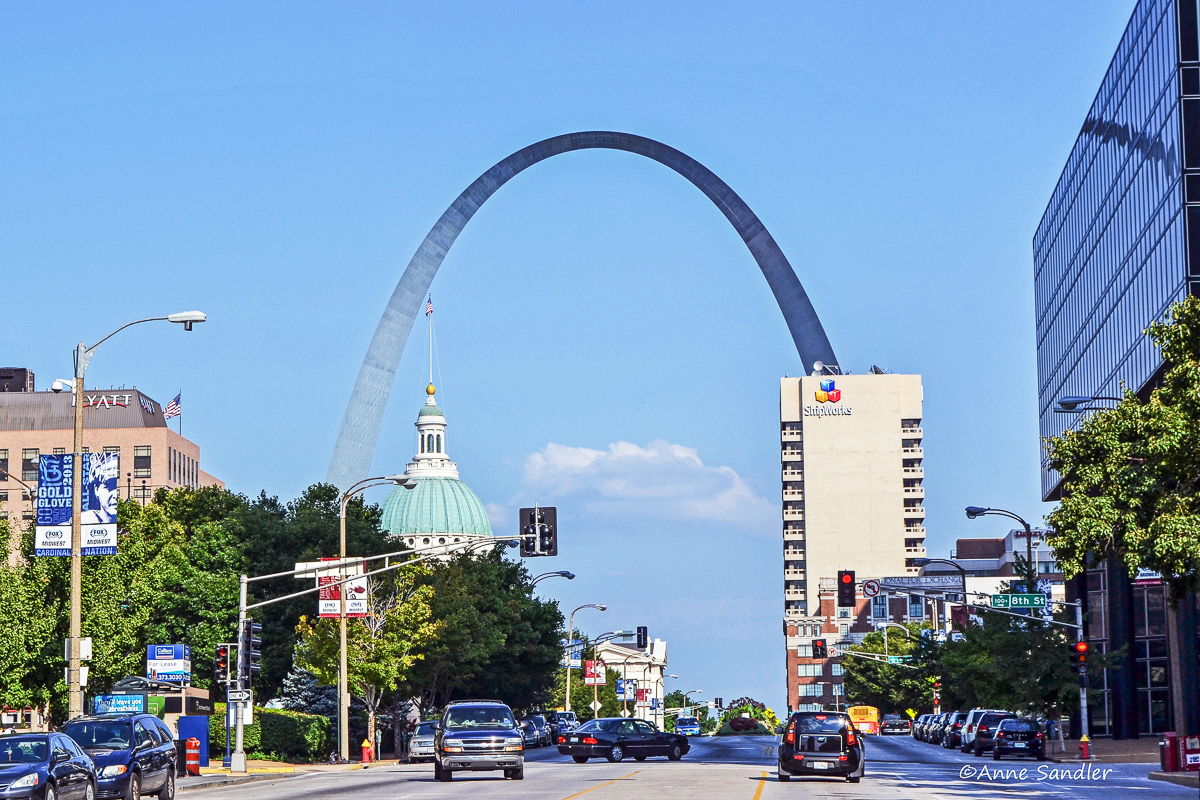
Next we drove to St. Louis Missouri so Richard could get a shot in his knee. He was ready to get home!
Our last big stop was the Rocky Mountain NP in Colorado. What magnificence and altitude!
Our trip didn’t end here, but this post will. Through it all, I learned more about my country and its people, what unites us and what divides us. There is so much more to the United States then New York City, Florida, Hollywood and San Francisco. I encourage you to visit the lesser known places of your home country.
Thank you Tina for taking me back in time and reliving this trip. Please remember to link your post to Tina’s and use the Lens Artists tag. I enjoyed seeing and experiencing all your textures in response to guest host Jude’s post last week. Next week’s challenge will be hosted by hosted by Patti on her Pilotfish blog.
If you would like to participate weekly in our Lens-Artists Challenge, click here for more info.
It started here. The Boston Tea Party was the foundation for the Revolutionary War.
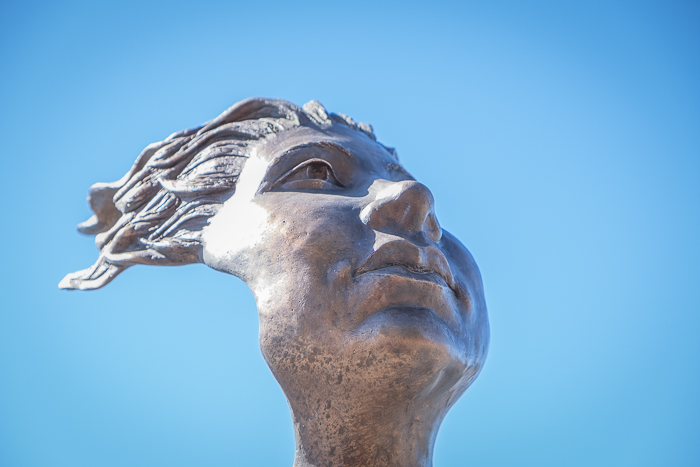
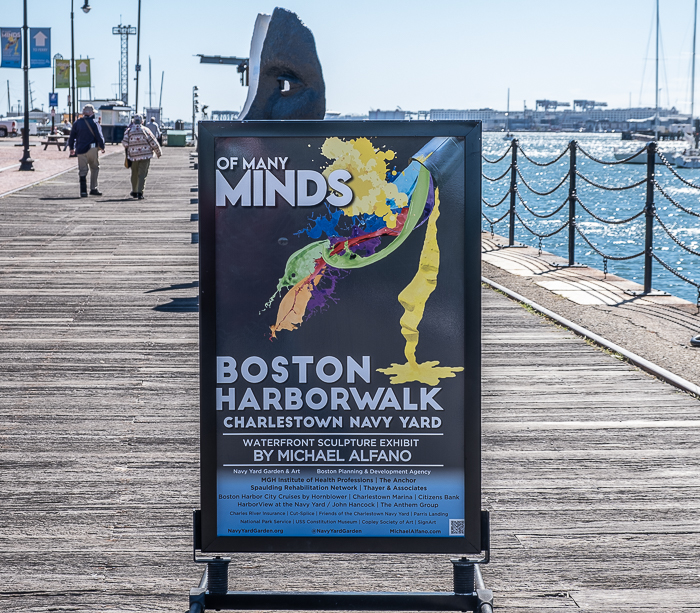
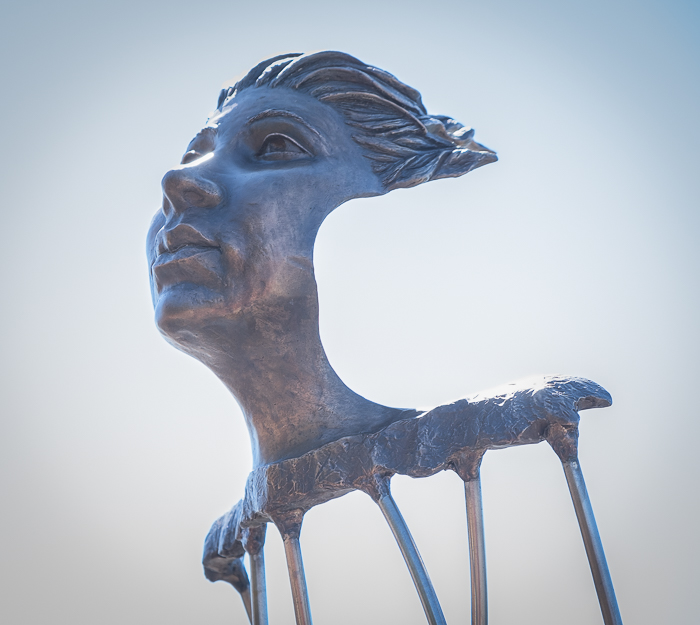
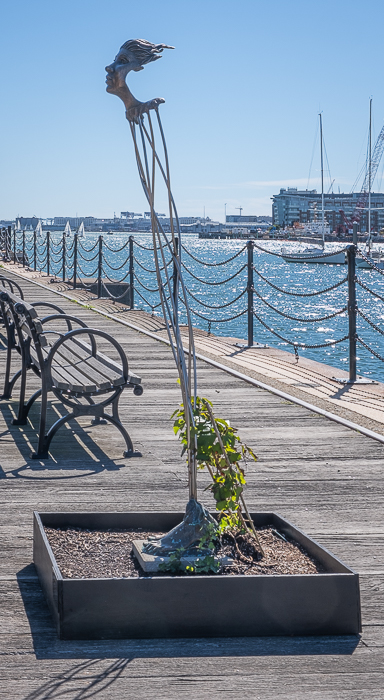
The last post on my New England trip left us at the USS Constitution. We took an Uber to get there from the cruise ship. Getting back to the center of Boston, the capital of Massachusetts, we took a shuttle boat. That was a great ride. On the way to the dock, we saw sculptures of faces. I left in the informational sign regarding these art works. I think they are amazing.
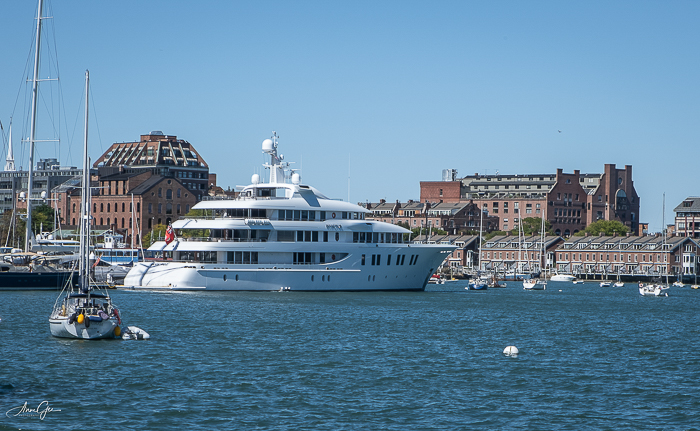
Once on the shuttle boat, we saw:
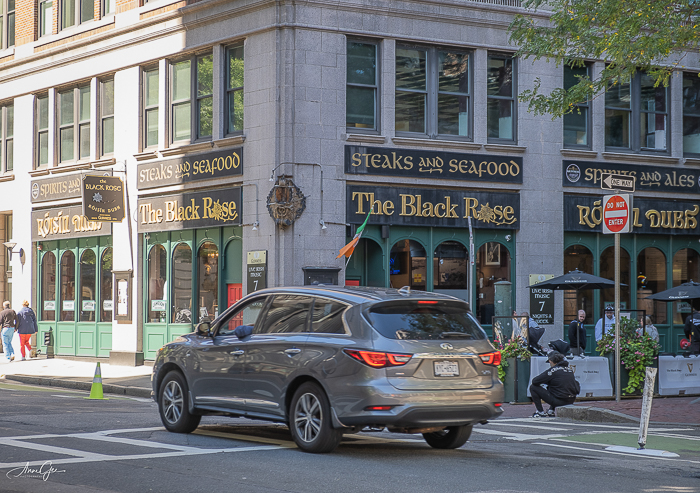
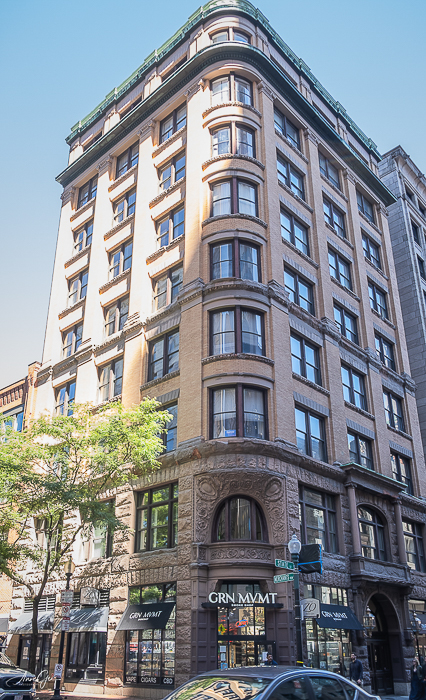
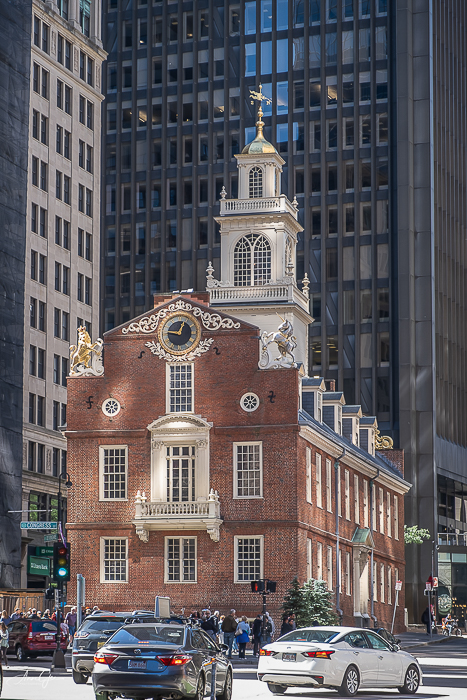
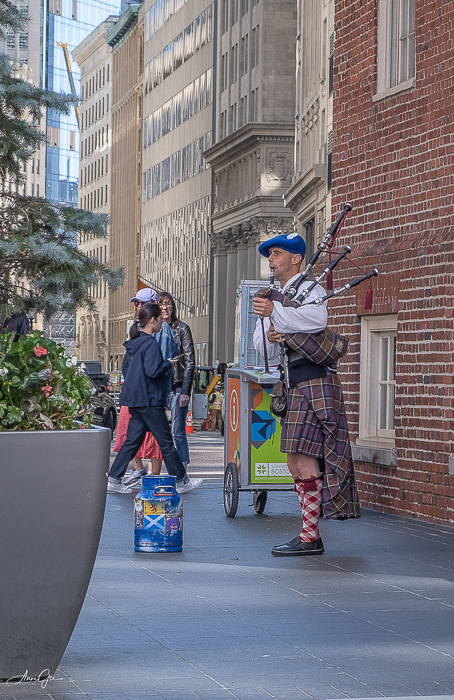
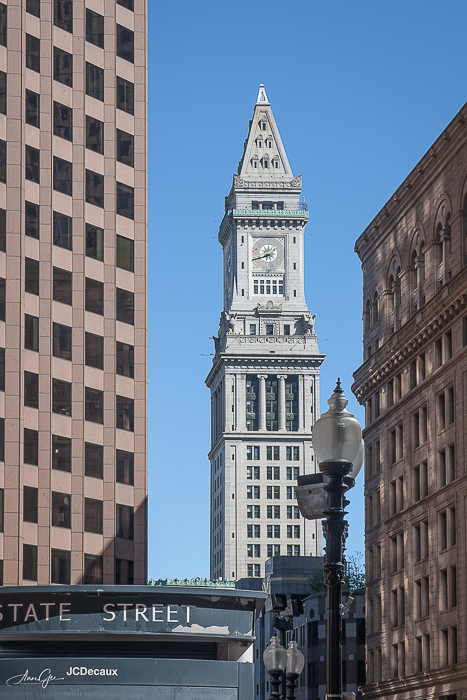
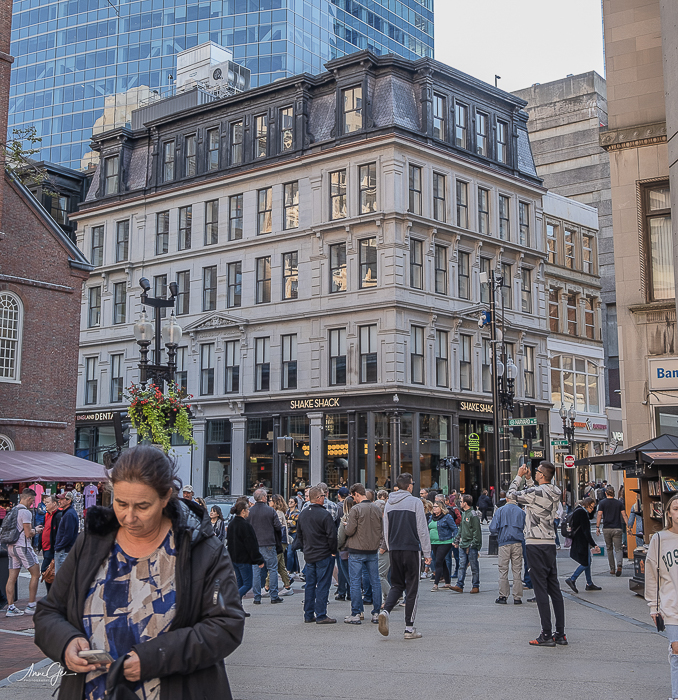
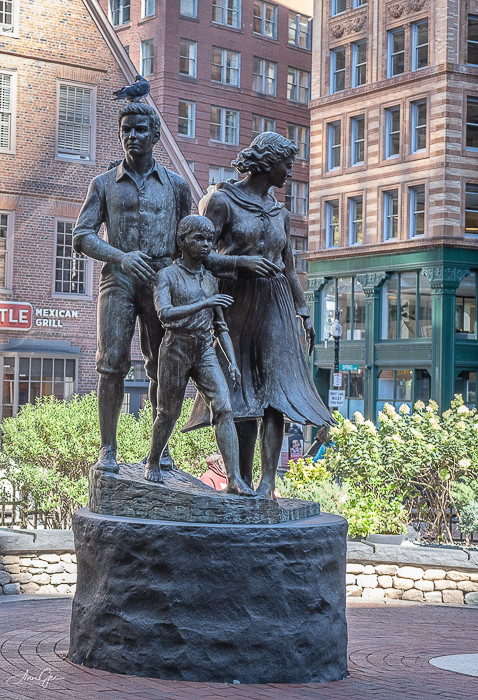
Off the boat, we walked into town so we could fill our hungry tummies. I remembered Faneuil Hall Marketplace from my previous visit. In colonial times it was a place to gather and eat. Nothing’s changed except for the crowds. We bought lunch and fortunately found a place to sit. With our stomachs full, we went out to see the rest of the area. I basically photographed buildings and things I liked. Here are some of the photos with captions.
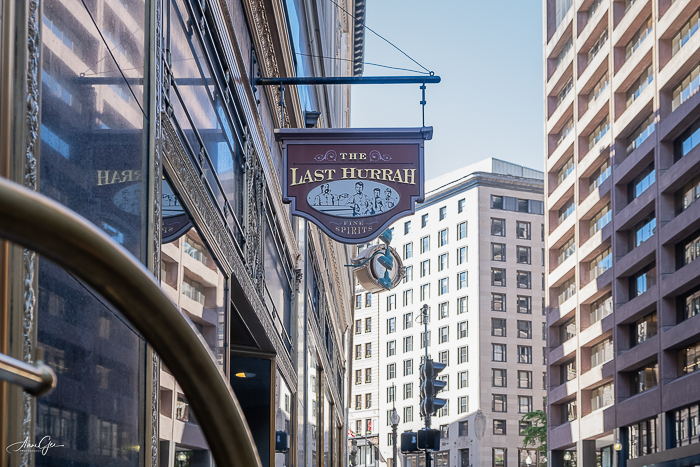
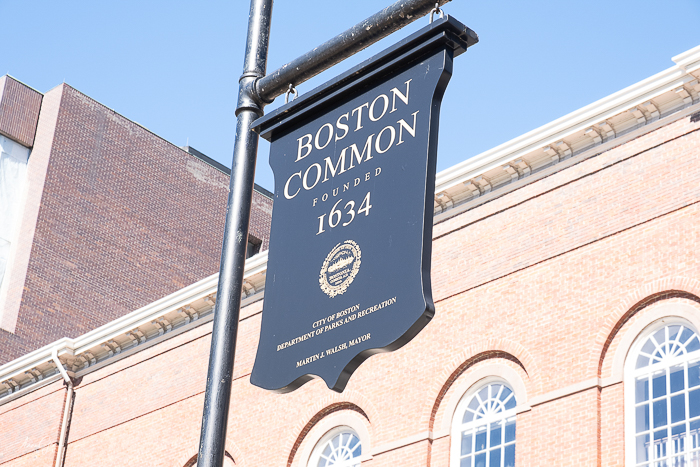
This trio are buildings I just liked.I liked the black and gold sign.The Faneuil Hall MarketplaceNotice the metal sculpture on the left. I liked the buildings center back.A closer view .A bagpiper in front of the MarketplaceParkman Plaza is within Boston CommonsParkman Plaza SculpturesReligionIndustryEducation
There was so much more to see, but we were so tired. We Ubered our way back to the ship to put our feet up and rest. Our next town to visit was Bar Harbor Maine. I’ll try to get to that town sooner!
Grab a cup of coffee or tea and relax because there a more than my normal pictures in this post. I was surprised and amazed at the amount of information and presentation at the California Museum. Two hours wasn’t really enough to absorb everything especially when you are photographing the exhibits.
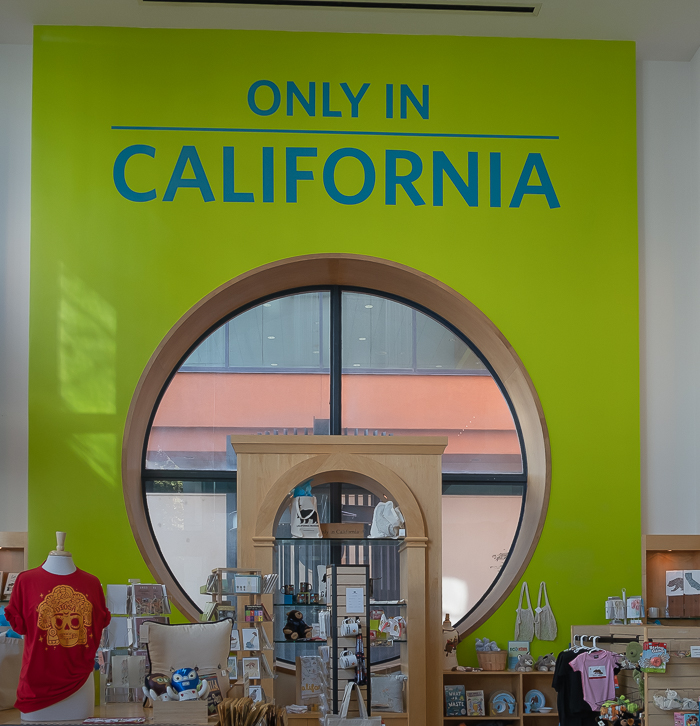
Here’s the introduction to the place in the gift shop.
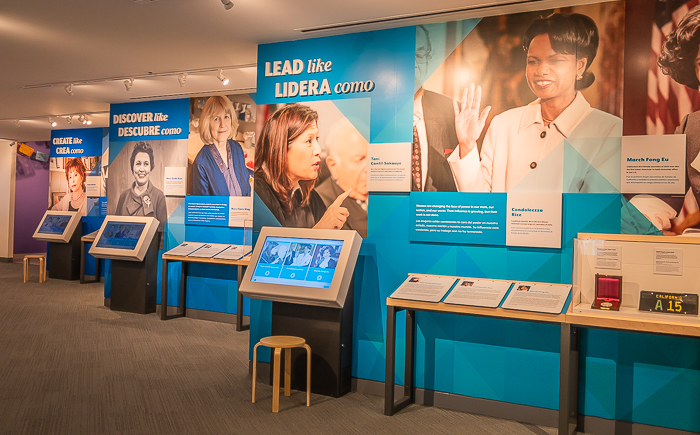
The visiting exhibit, Celebrate Women, was geared to women and young girls, helping them understand that they can aspire to be like many of the famous role models. Each exhibit had a view screen with more information. You can see how inviting the exhibits were. Because I was busy taking photos, I didn’t look at the exhibit screens and probably missed a lot. What we do for cool images! Writing this blog, I know I have to go back, without my camera.
The stairs offered us photographic opportunities too!
We will get back to the inside exhibits, but we did go outside to the back courtyard. I should say the beautiful back courtyard. One wall was artistically done with encouraging statements, and architecturally all the buildings surrounding it blended.
Various nationalities have left their impact in California. We know the Chinese and Mexicans certainly left their imprint in California. A lot of space was given to these nationalities showing and explaining their contributions to what California is today.
We’ve learned that the Chinese helped build the railroads and more. But, how about the food we enjoy today.
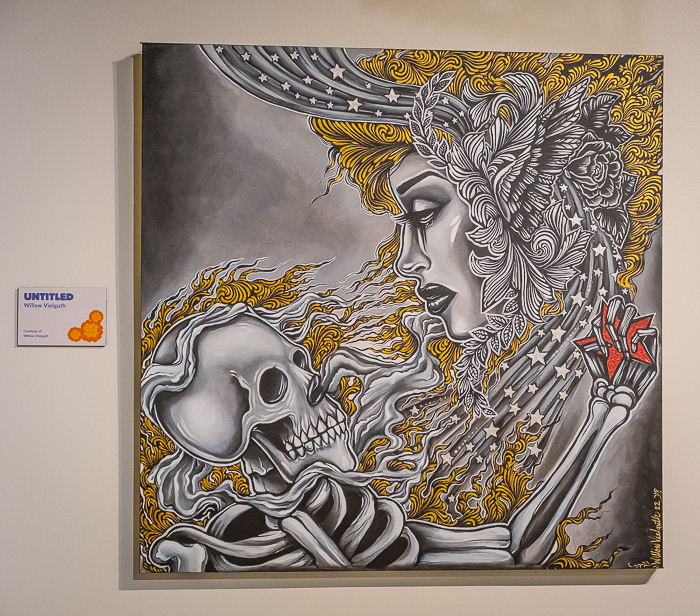
Mexicans brought their culture and holidays like Día de los Muertos, Day of the Dead. Below are three-sided cards made by school children to honor the holiday. The painting struck me as amazingly detailed.
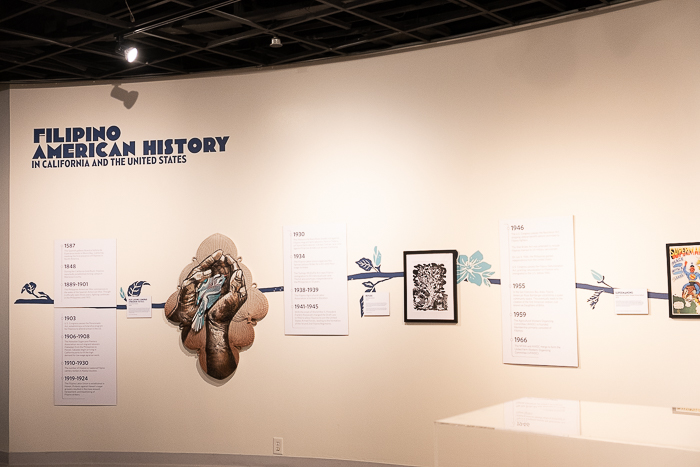
What I wasn’t prepared for was the Filipino influence on California history. It is described in this exhibit.
Of course, the entertainment industry had and has a big impact on California. Here are three showcases honoring the entertainers and the industry.
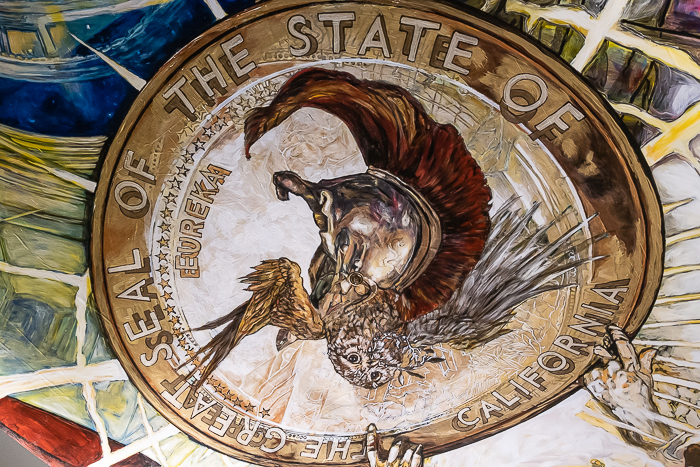
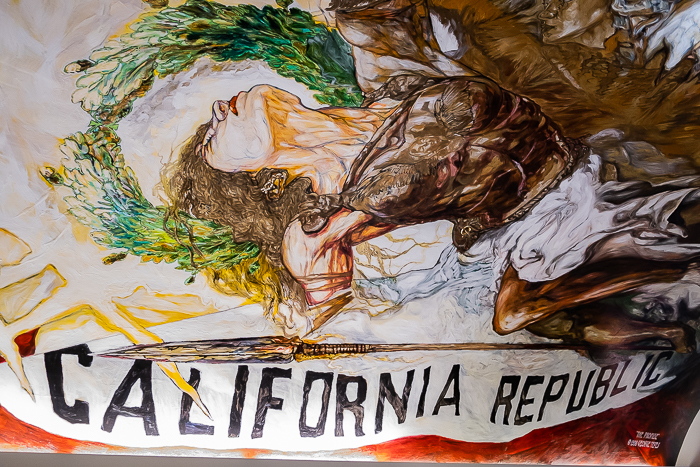
One hallway, honoring our Native American cultures, which I think was a permanent exhibit. Artifacts were behind glass and the hallway was dark. Meaning, difficult to photograph. I did get some pictures from the ceiling. The beautiful paintings ran the entire hallway.
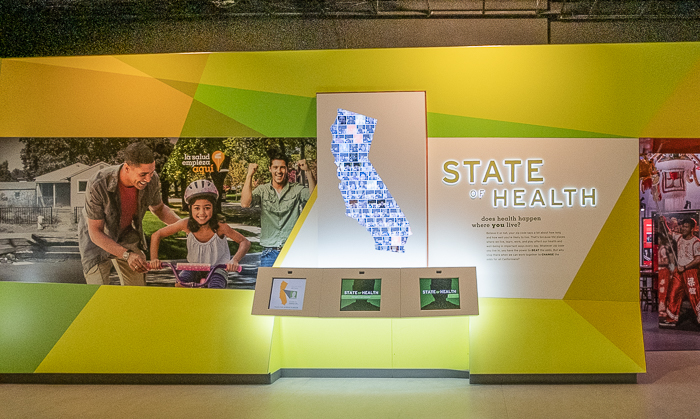
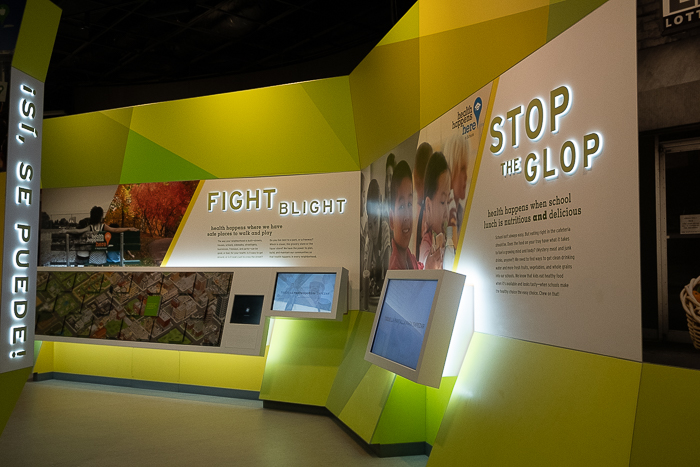
We can’t forget about health. A considerable amount of space was dedicated to healthy eating.
Before we left, the last exhibit I saw honored the nurses who helped us through the darkest days of the Covid pandemic.
I’ll say it again, The California Museum was amazing. I will go back!
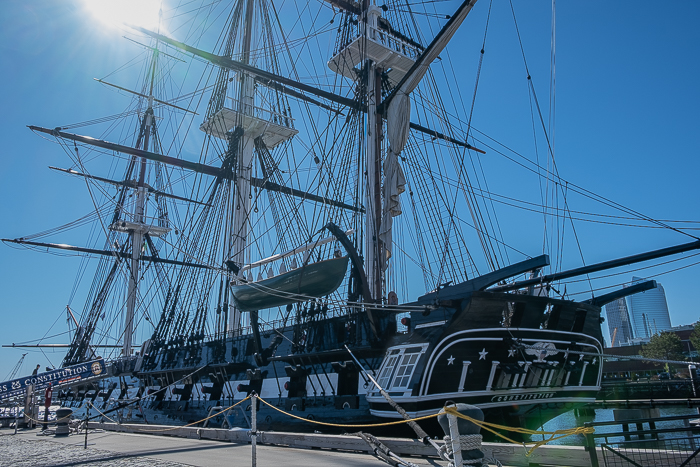
I fell in love with USS Constitution during our visit in to Boston in 2013. And the total experience was different from our visit during my recent New England trip. In 2013 there were Navy personnel to take us on a guided tour. You had to sign up, wait your turn, I remember the tours were timed so the ship wasn’t crowded. “Old Ironsides,” the ship’s nickname given when she was launched in 1797, was also not sectioned off at the dock so we could have the full advantage of taking amazing photos.
This ship has an amazing history which you can read here.
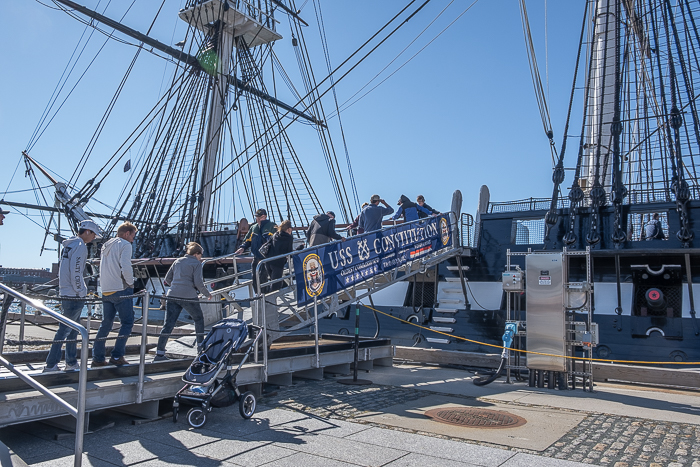
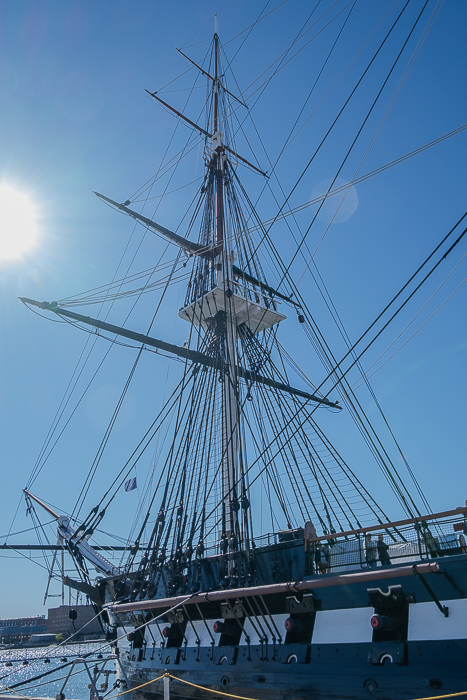
Today, the ship is open to all. There are no public tours, at least when we were there. And from a photographic point of view, people were everywhere. But she is still an amazing ship with a great history. Here are the first photos I took from the top deck.
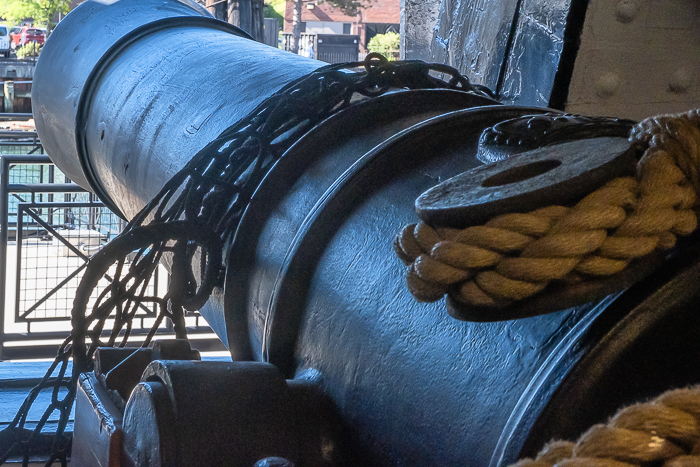
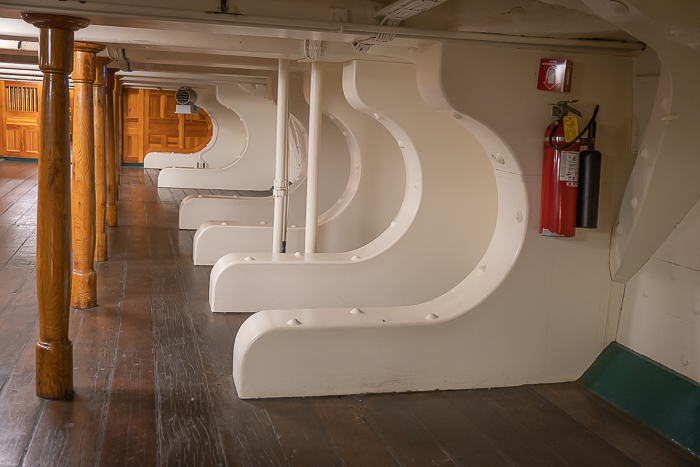
Although I am complaining about people, I managed to isolate myself by taking closeups. Here’s what the decks below looked like. The crew slept in hammocks while the officers had better accommodations.
The hammocks are stowed in the back.The Captain’s OfficeThe Captain’s quarters
Back on top, I tried to get some different images.
The MuseumDry Dock
The Constitution is still in commission, is still sea worthy, and her crew of 75 officers and sailors participate in ceremonies, educational programs, and special events while keeping her open to visitors year round and providing free tours. The officers and crew are all active-duty Navy personnel, and the assignment is considered to be special duty. What a testament to the United States history.
I’m not a fan of gardening. Somehow, digging in dirt is not appealing. But I do enjoy others’ efforts. I enjoy the beauty and joy flowers bring to our eyes and other senses. This week Ann-Christine asks us to pick our favorites! That’s difficult. I suppose I like roses and sunflowers. Oh, but, then there are tulips, orchids and lotus.
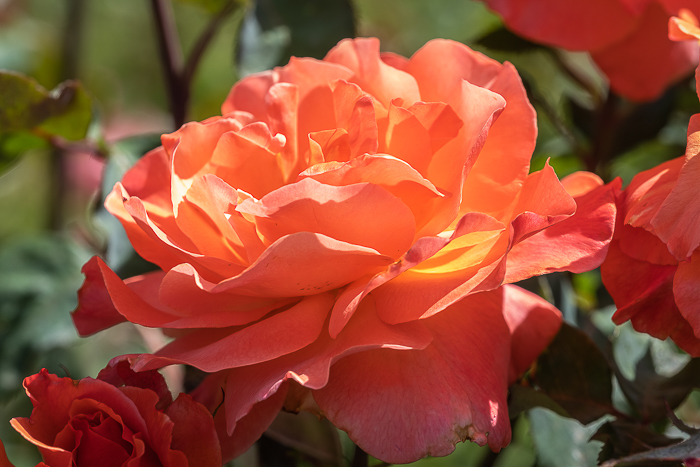
Roses. Here are two from my rose garden. This garden was here when we bought the house and I’ve managed to keep it going. I’m lucky to live next door to a wonderful gardner who showed me how to deadhead them. So I go out with a long-sleeved shirt and gloves, hoping they won’t get mad at me for trying to help them. Those thorns! From my garden.
We have several public rose gardens in the Sacramento area. One of them is the McKinley Rose Garden. Each year they host a photography contest. I’ve received an honorable mention and won first place. Here are two from that garden–not the winning images.
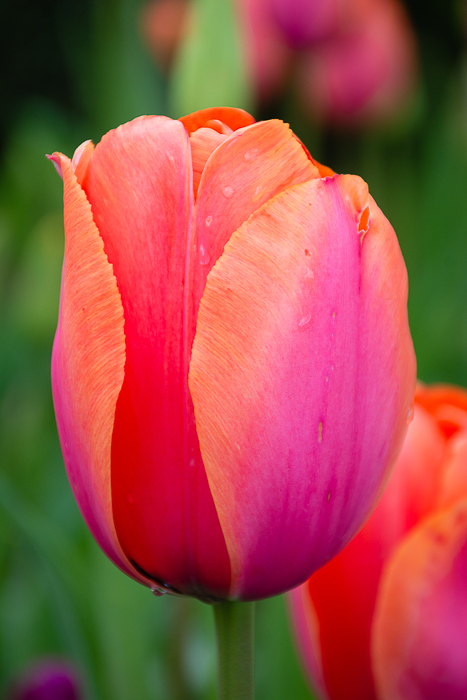
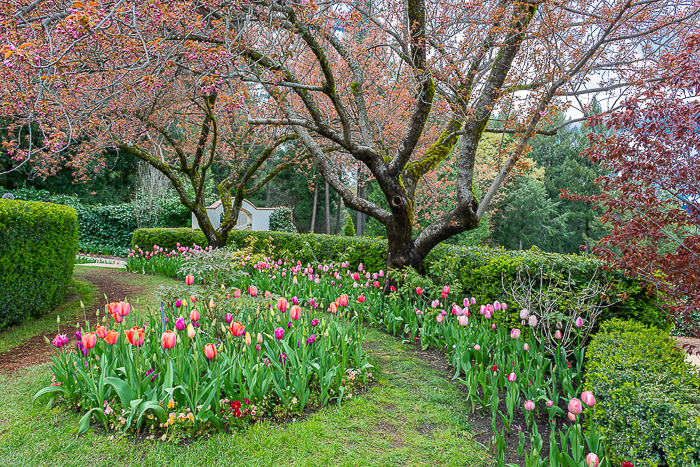
Each year Ananda Village in Nevada City hosts a tulip festival. I’ve gone each year except for the two Covid years. Here a two images from this April. You’ve probably seen them in this blog.
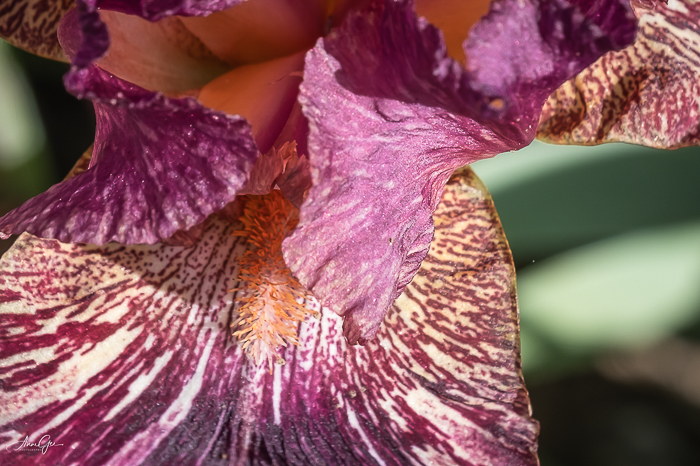
This year, I went to the Horton Iris Farm. They mainly grow to sell. A few of us were taking pictures. When photographing flowers, I do mostly macro. I guess I like the challenge.
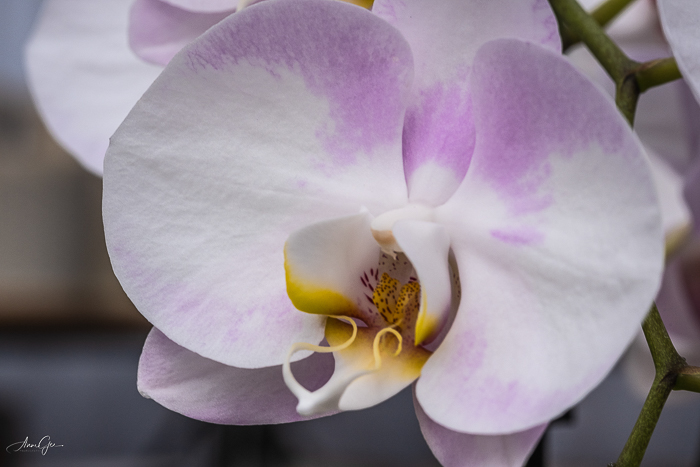
Speaking of macro, whenever I need an emotional lift, I go to my local Green Acres Nursery. On this visit, a cactus lifted my spirits and the orchid had me smiling with its beauty.
Oh my, I almost forgot the sunflowers! They bring me such joy. Each year we would go out looking for great sunflower fields and then head over to Metzger’s Zinnia patch. For the last 2 years, I missed this opportunity because of the drought, gas prices and Covid. But, photography lets us enjoy the past.
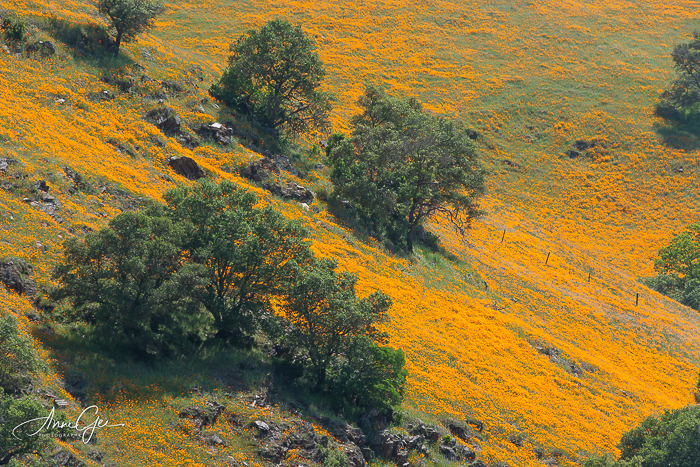
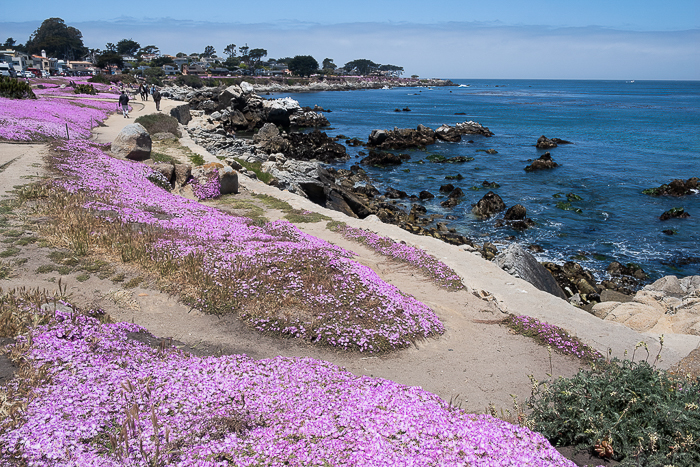
Wildflowers are nature’s gift to us. Here are two wildflower images of poppies near Jackson and purple flowers (I don’t know their name) at Pacific Grove.
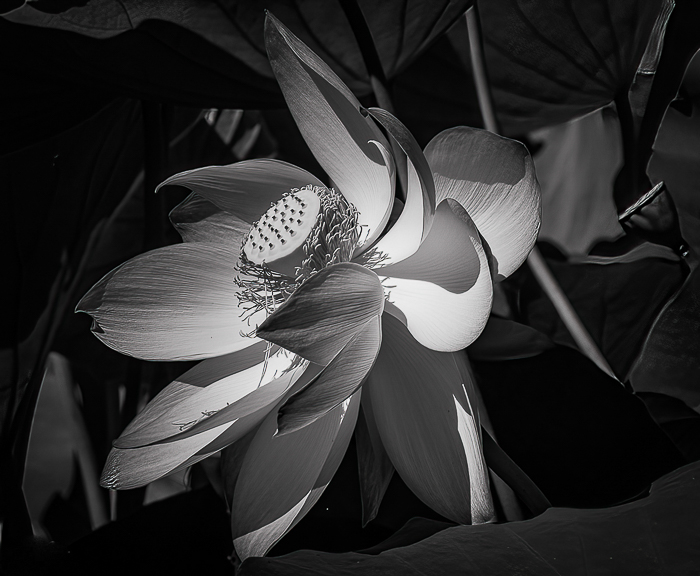
Last is the lotus. Each year the pond at Land Park, Sacramento fills with lotus blossoms. Here is my attempt at a black and white conversion.
Thank you Ann-Christine for helping me remember the joy flowers bring to me. When you respond to this challenge, remember to tag Ann-Christine’s post and use the Lens-Artists tag. Last week we learned a valuable lesson with Patti’s One Subject Three Ways. I enjoyed seeing all your responsesAmy will be challenging us next week, so look for her post.
I was out lensed as usual. Laura and I went for a tour around the Yolo Bypass Wildlife Area before it got too hot for us and the birds. Laura is a great nature photographer and uses a zoom that extends to 600 mm lens. I use my trusty 300 mm lens. You can understand what I mean by out lensed! But, we have great fun and lots of laughs. I’m happy when a bird is spotted close enough for me to get a good picture.
This big bird did get close enough; almost too close. We couldn’t figure out what he was doing since he wasn’t spraying crops. I just kept thinking of Sesame Street’s Big Bird. That’s what happens when you’ve raised kids!
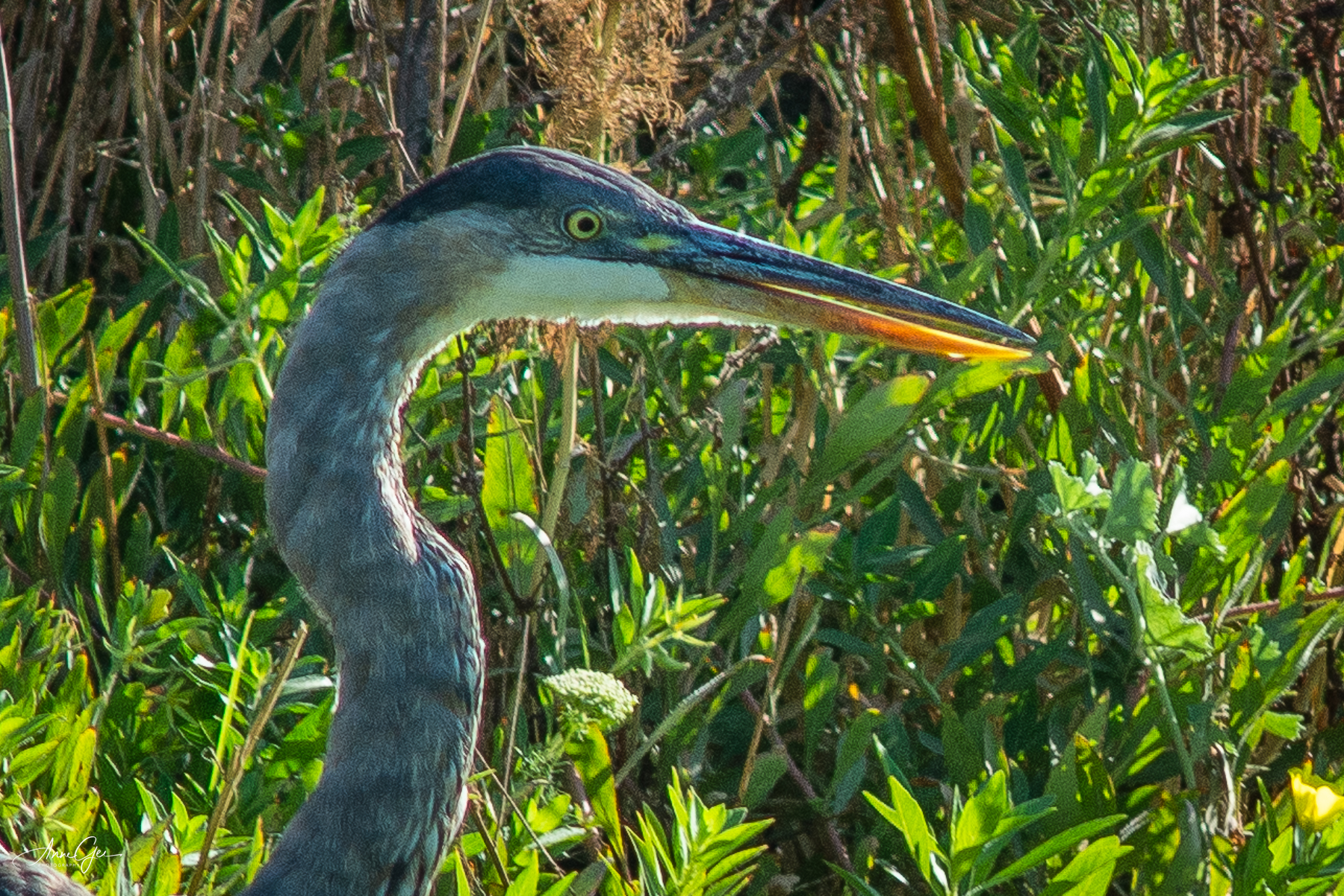
This Great Blue Heron was just about close enough for me. He was still and watching his prey.
When I was a kid, seeing double meant we were crossing our eyes and creating that double vision. Now, that I’m enjoying photography, it means reflections causing an exact duplicate or double of the original image. Our guest host Jez Braithwaite of Photos By Jez, presents us with a challenge to post the reflections we’ve photographed and enjoyed.
And I do enjoy photographing them.
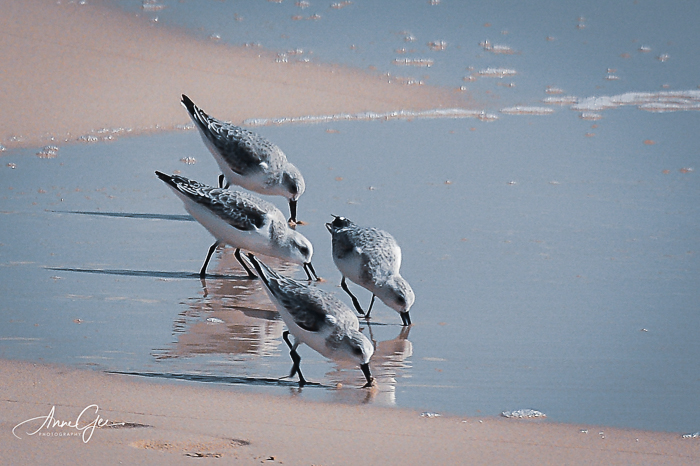
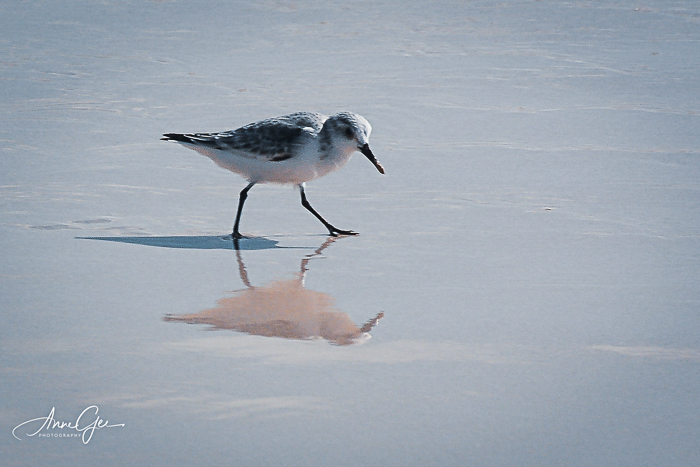
A natural reflection is the capture of birds in water. Here the water is shallow giving a fuzzy double image.
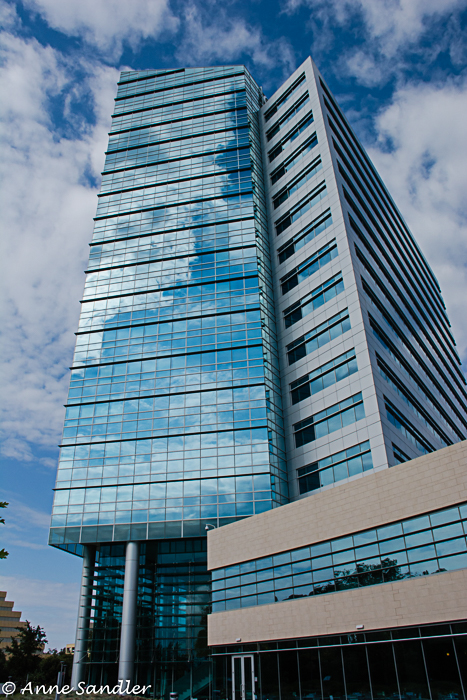
When I see a good building reflection, I just have to photograph it.
Like Jez, I enjoy using a crystal ball at times.
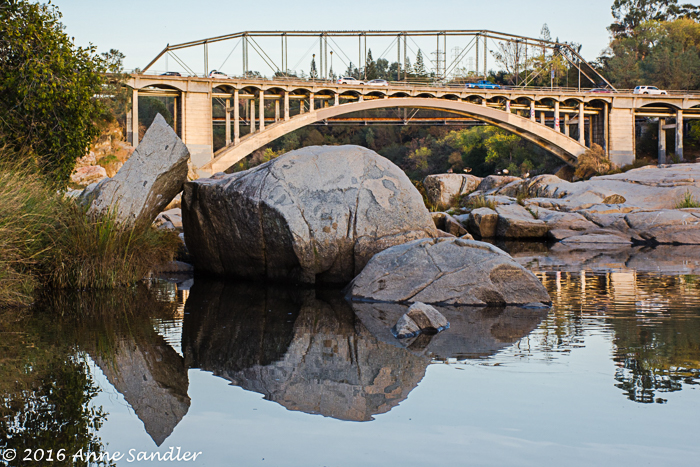
Still water is a great reflective surface for landscapes. Whether bridges and rocks, a lake view or a sunset on a pond, these reflections are beautiful.
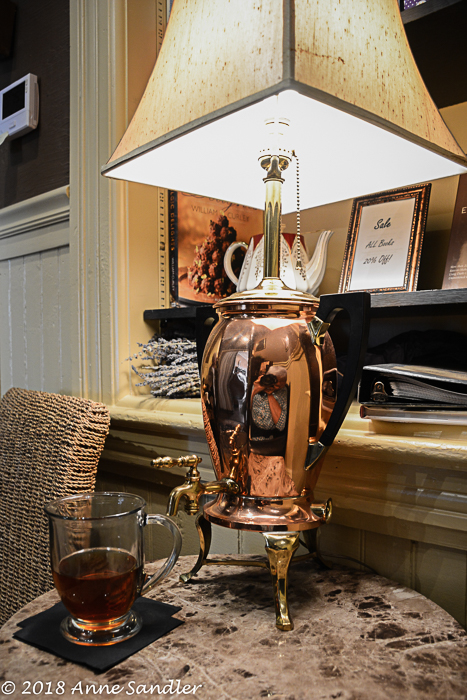
Surfaces like a mirror or metal also offer reflections.
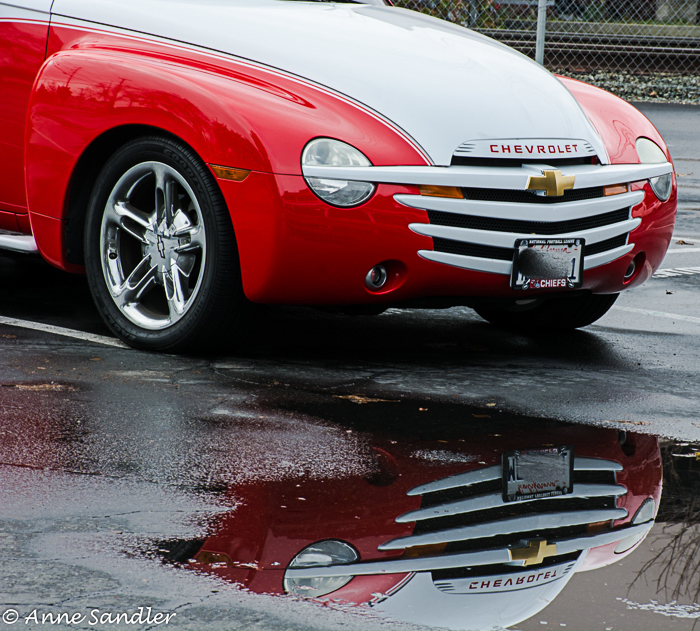
And how about California’s illusive rain puddle.
Let’s end with one of my favorite reflections–windows and doors.
It was fun going through my archives and reflecting on seeing double this week–without looking cross eyed!
Thank you Jez for this fun assignment. Please be sure to link your reply to his post. Thank you Aletta for having us do a treasure hunt last week. It was fun to see all the varied treasures from all over the world. Next week our guest host Andre of Solander is thinking of Summer Vibes. Be sure to look for his post. We continue July with:
A rose will always be a rose! And I do love them. They are the only plants I personally take care of. I have a small but beautiful rose garden. But today I’m writing about my adventure at the McKinley Park Rose Garden in Sacramento.
Every year they have a photo contest to see which photographer will win the coveted first place prize. Last year, I was lucky enough to win first place. This is the winning photo.
This year I also went down to the garden to take photos. That day, the wind was blowing and the roses were either on their way out or budding. But with my macro lens on my Fuji, I did my best. I used a high shutter speed and hoped for a slight breeze. Of course it was the last week of the contest–no going back another day! You know I procrastinate.
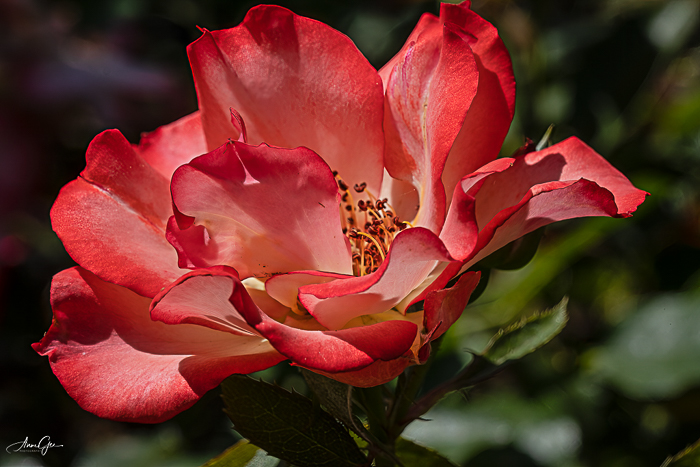
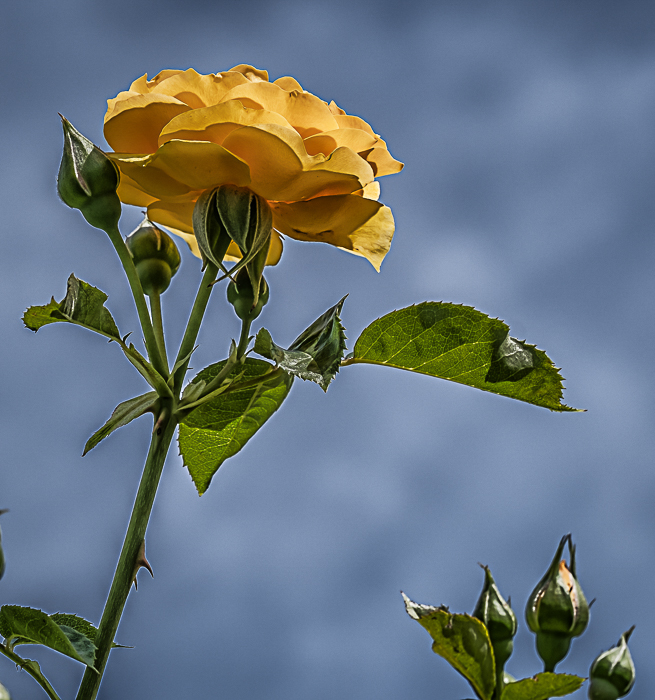
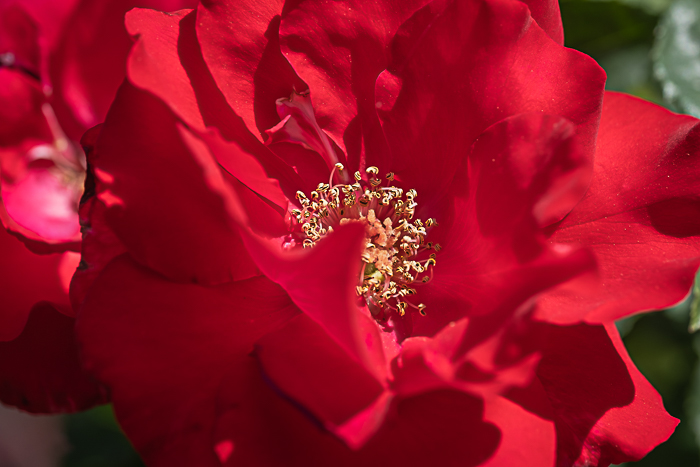
Here are the best of lot. We are allowed five entries. In 2020 I received an honorable mention.
We’ll see what happens and I’ll let you know–even if I don’t place.
What can I say. May was sometimes good and sometimes disappointing–for photography. I’ve taken you on many Yolo Art & Ag farm tours and this one of the M3 Ranches in Woodland promised such varied crops like olives, garlic, almond trees, agave plants and more. How exciting! Well, maybe not.
The first clue was there was no greeter to take our names. The roads were open and we drove around them. I’m thinking maybe we missed something???
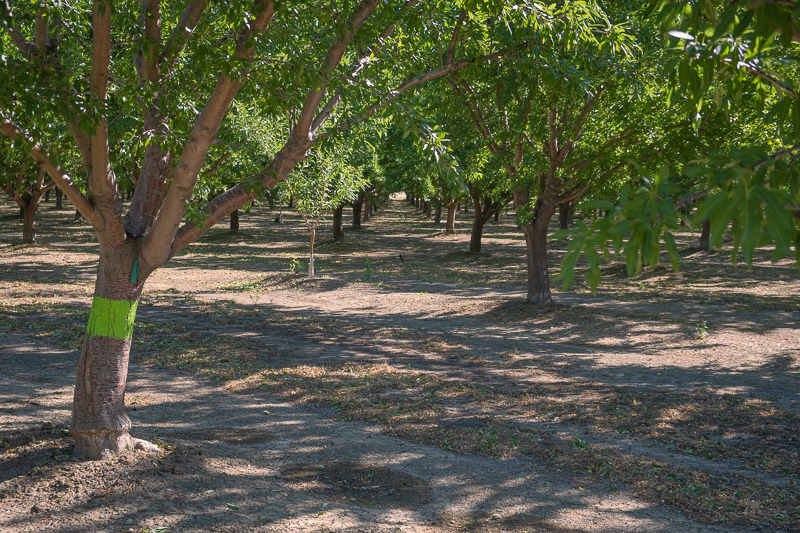
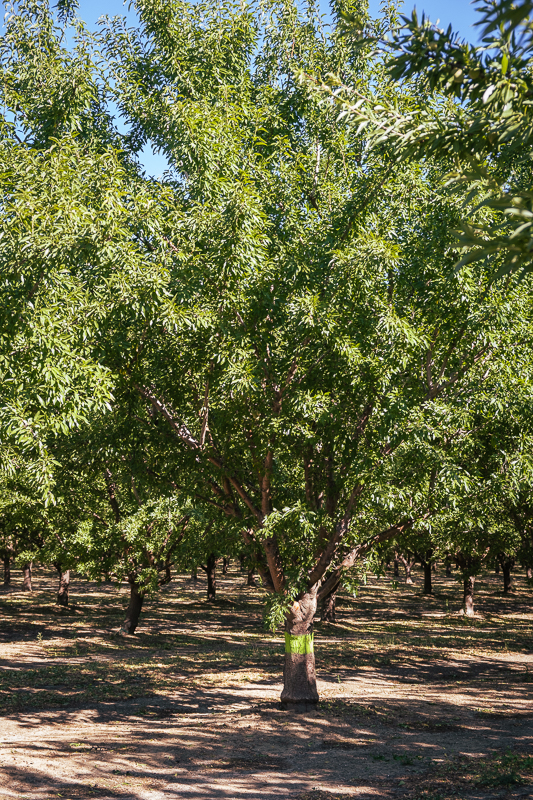
We did find the almond trees. At least we think they are almonds.
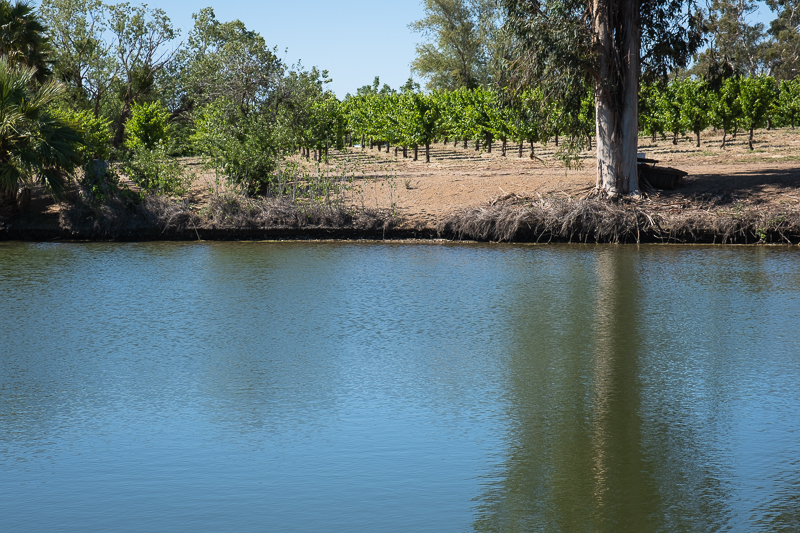
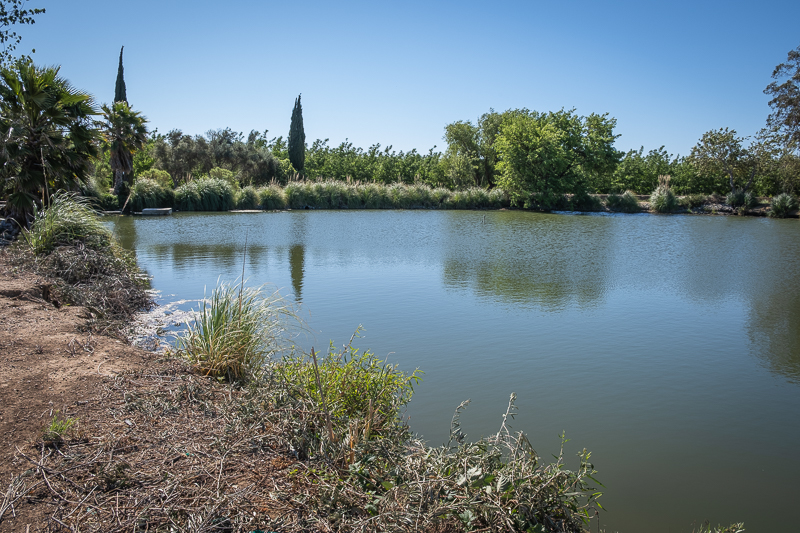
Then we found a pond that they call their oasis.
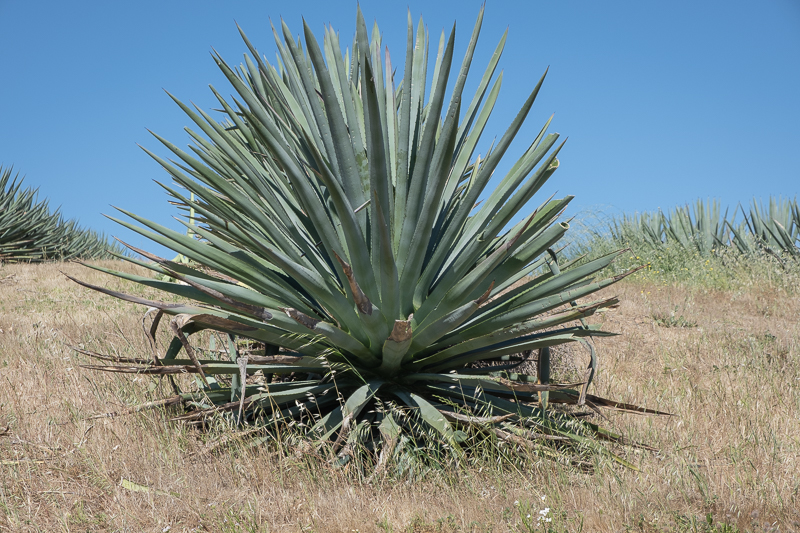
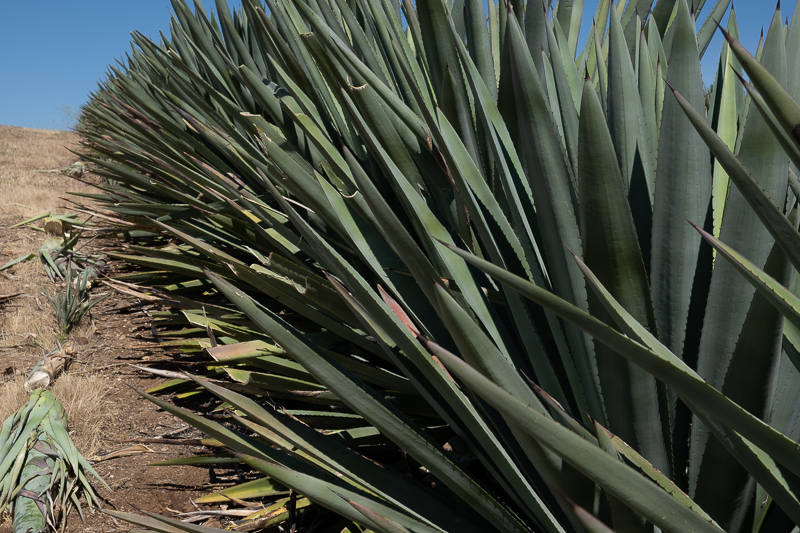
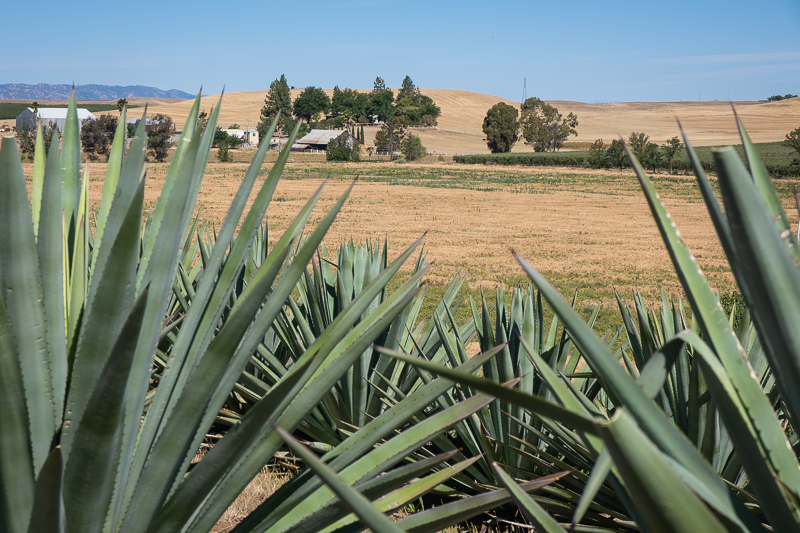
And now the agave plants.
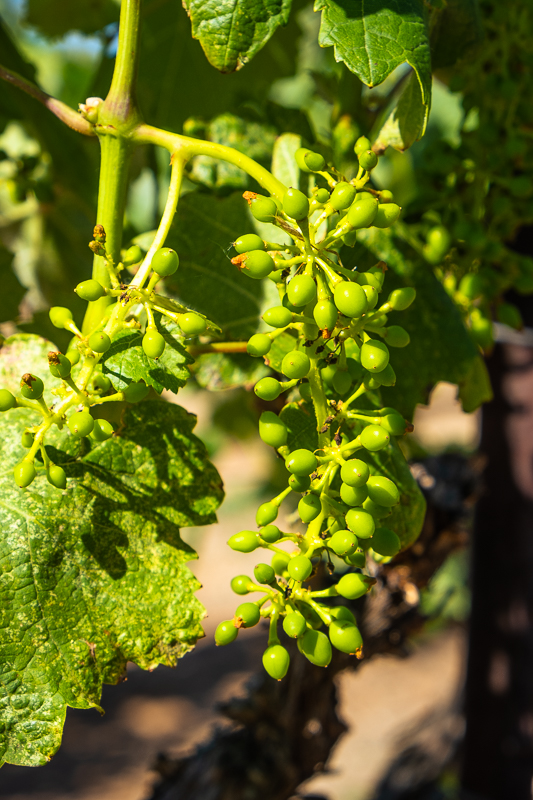
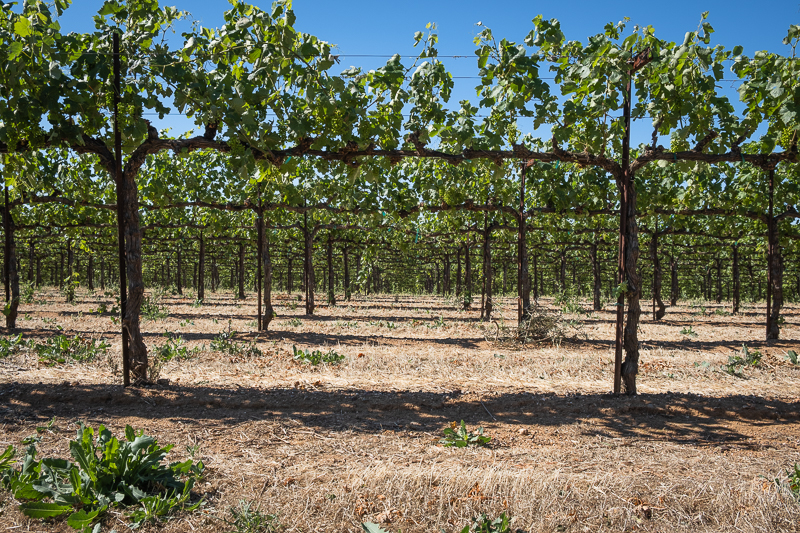
The grape vines already had fruit.
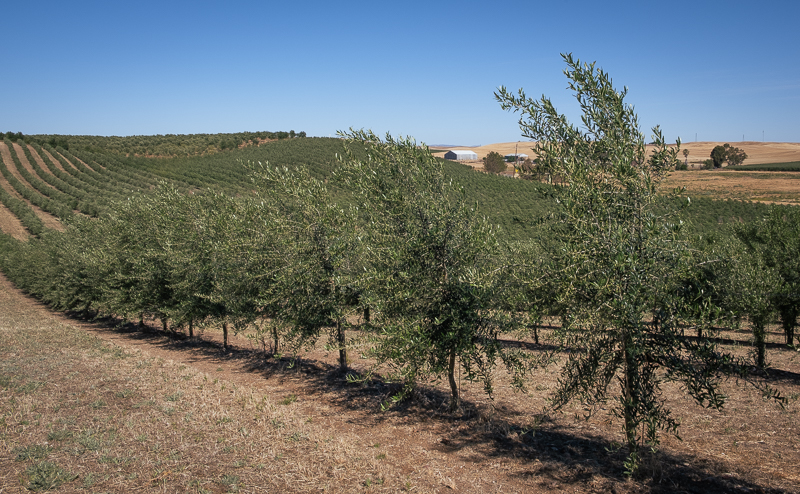
I think these are the olive trees. Someone correct me if I’m wrong.
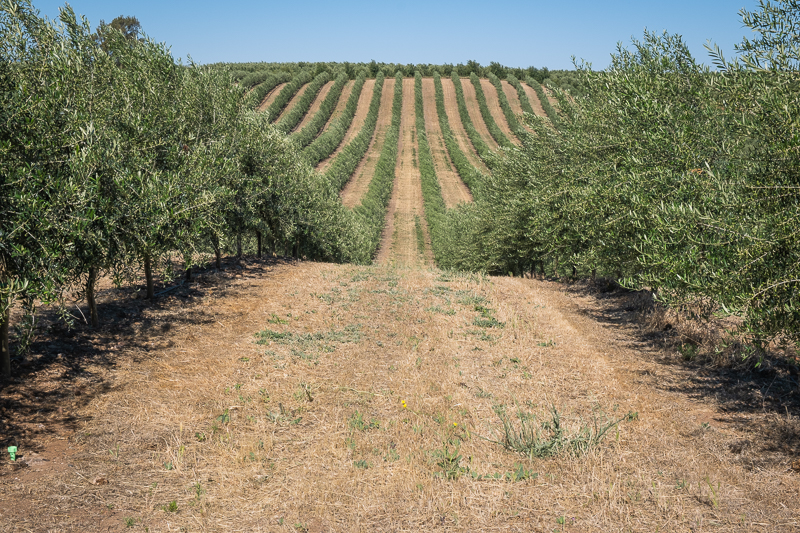
I’ll end with some of the vistas I photographed.
Working with the images for this post, I’m thinking it wasn’t such a disappointment after all.









































































 Slow Shutter Speed