Heat and drought! Not a good combination. We are in the midst of wildfire season here in the west, and Northern California is getting its share. But what makes us smile are the sunflowers. Yes, it’s also sunflower season here.
In the middle of June, the wonderful Yolo Arts & Ag Project brought us to the Elkhorn Basin Ranch in West Sacramento. It was going to be a hot day, so we got there early. Artists and photographers were lined up to sketch, paint and photograph the cheerful sunflowers.
Now these sunflowers were grown mainly for seed to ship overseas, and to my surprise, they were not super tall. I’m short and I always have a difficult time to photograph fields even with my three-step ladder. I was in photo heaven. Also the farm manager allowed us to walk into the field a little bit.
So, here are some of my images from that morning.
An artist stops to smile for the camera.
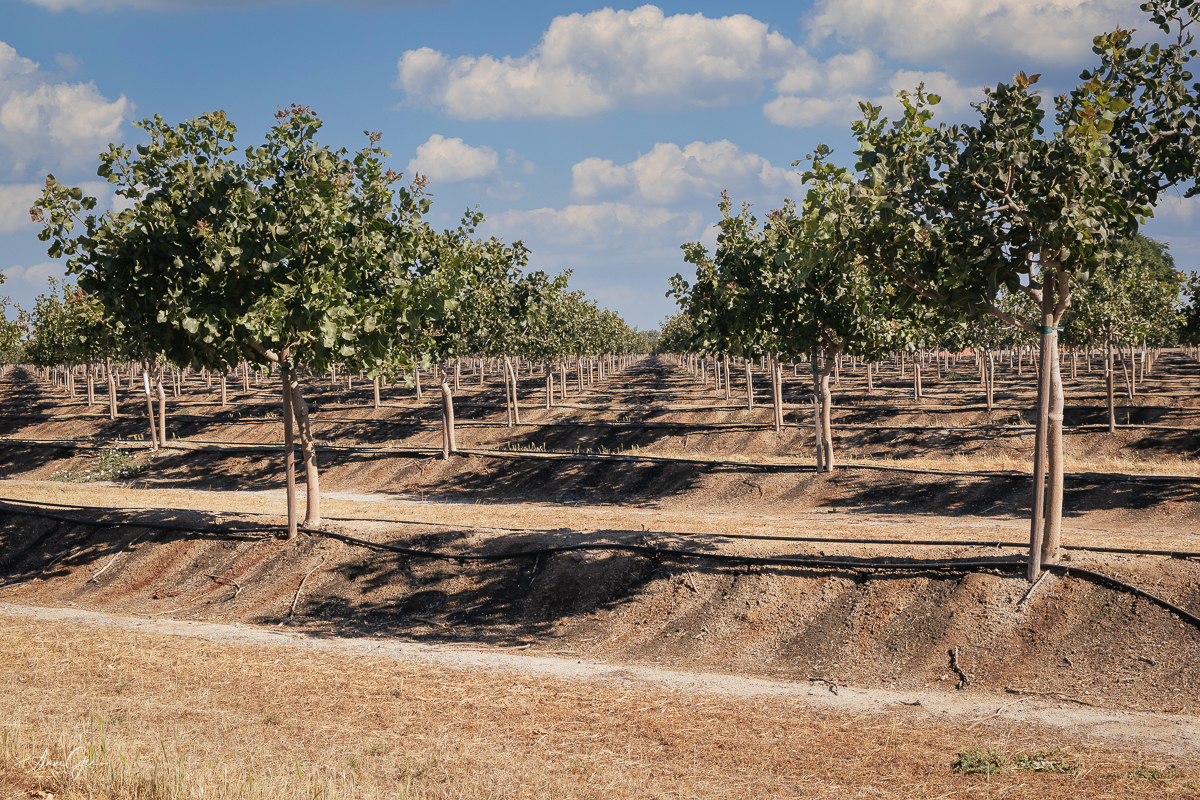
Before we reached our destination, we did stop to take images of this orchard.
The Elkhorn Basin Ranch is owned by the Yolo Land Trust and leased to Don Beeman and Garcia Farms.
I am delighted to be your guest host for this week’s LAPC. Thank you John for getting us into/onto the water last week.
As much as I enjoy photographing water, I also love black and white photography! I don’t process a lot of it, but when I do I enjoy the texture and depth it gives a scene. It reaches a place in your soul that color can’t. Some images cry out for black and white.
This post is not a “how to” or history lesson, but a vehicle to get you excited about processing in black and white. As photographers, we all have our own unique way of doing that. Some shoot in black and white while others shoot in color and process in black and white.
I’ve watched many videos and attended workshops on black and white photography only to realize there is no set way to create a good black and white image. I have, however, settled on a workflow that produces the results I like. This is my workflow.
First, I always shoot in RAW and in color. That gives me more flexibility and more tonal range to work with. Very rarely do I see the image in black and white before I shoot it. I mostly see color until I get it into Lightroom.
This fog landscape I saw in black and white as I shot it. One of my rare moments.
Once I get my images into Lightroom, I process them in color. If I see an image with a lot of contrast, texture, and tonal quality, I finish the color processing and then look at it in black and white in Lightroom. If I see a possibility for a good black and white, I transfer the color image into Nik Silver Efex. This is where the fun begins.
Here’s a lily in color and black and white. Look at how the various colors, contrast and lighting transfer in tonal quality to the black and white.
Although Photoshop and Lightroom have improved in their ability to process black and white, I still prefer Nik’s Silver Efex. I guess I’m just used to it and I like their presets. Better yet, I need their presets! I’m not an artist. I choose a preset and work on it from there. Nik also has the ability to use more than one preset on a single image. You can use the control points to dodge and burn (darken and lighten). I rarely do this but work more with the contrast and tone of the image. If you like different film effects, there are many film types and tones from which you can choose. Honestly, I don’t change film types but, sometimes, will give an image a different tone color.
This is the color version of Waterton Lake, Waterton Lakes National Park of Canada. A foggy day and not much color.
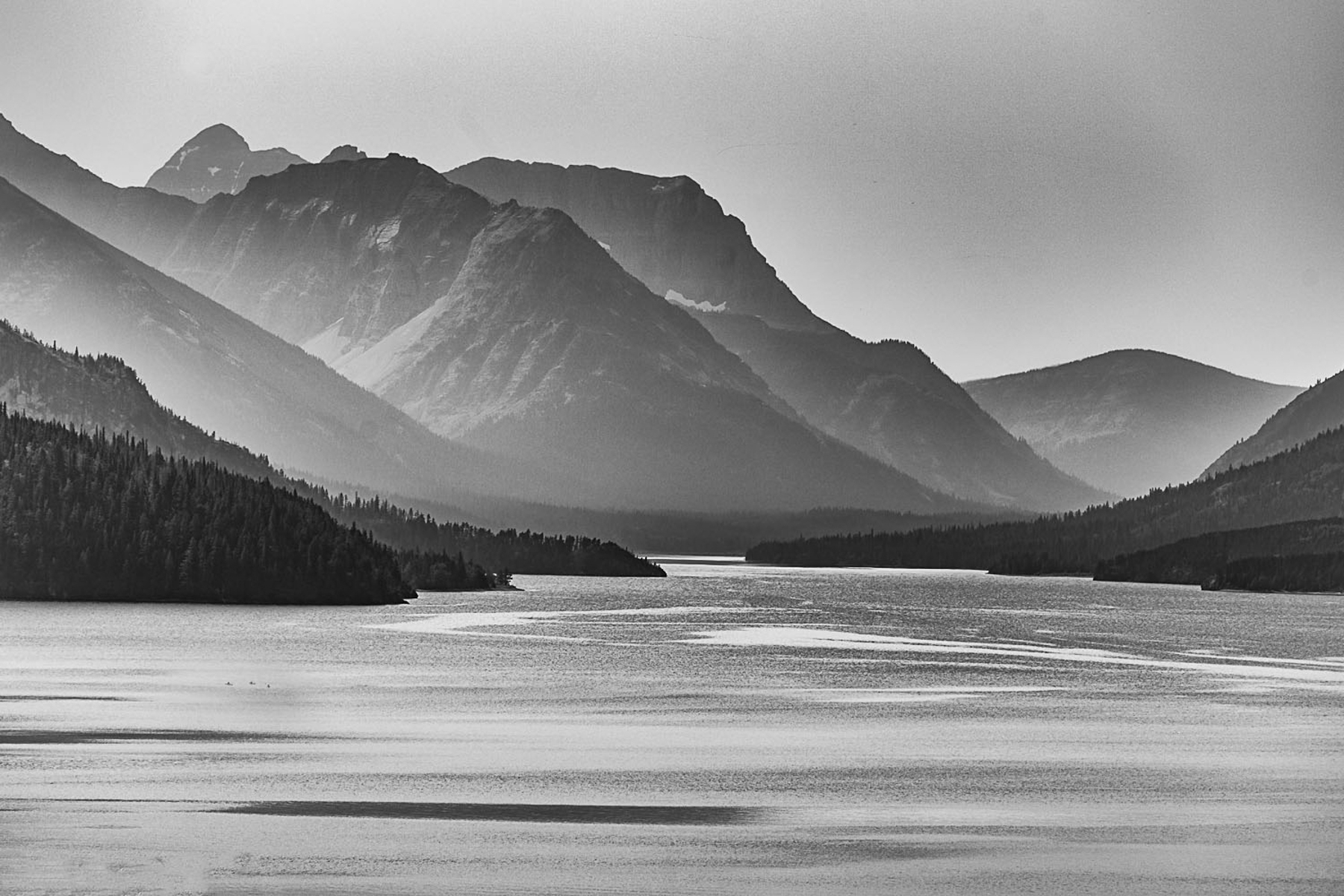
The same image processed in black and white. Adding texture and contrast, created a more inviting image.
While in Silver Efex you can also add texture and do other editing that I prefer to do in Lightroom.
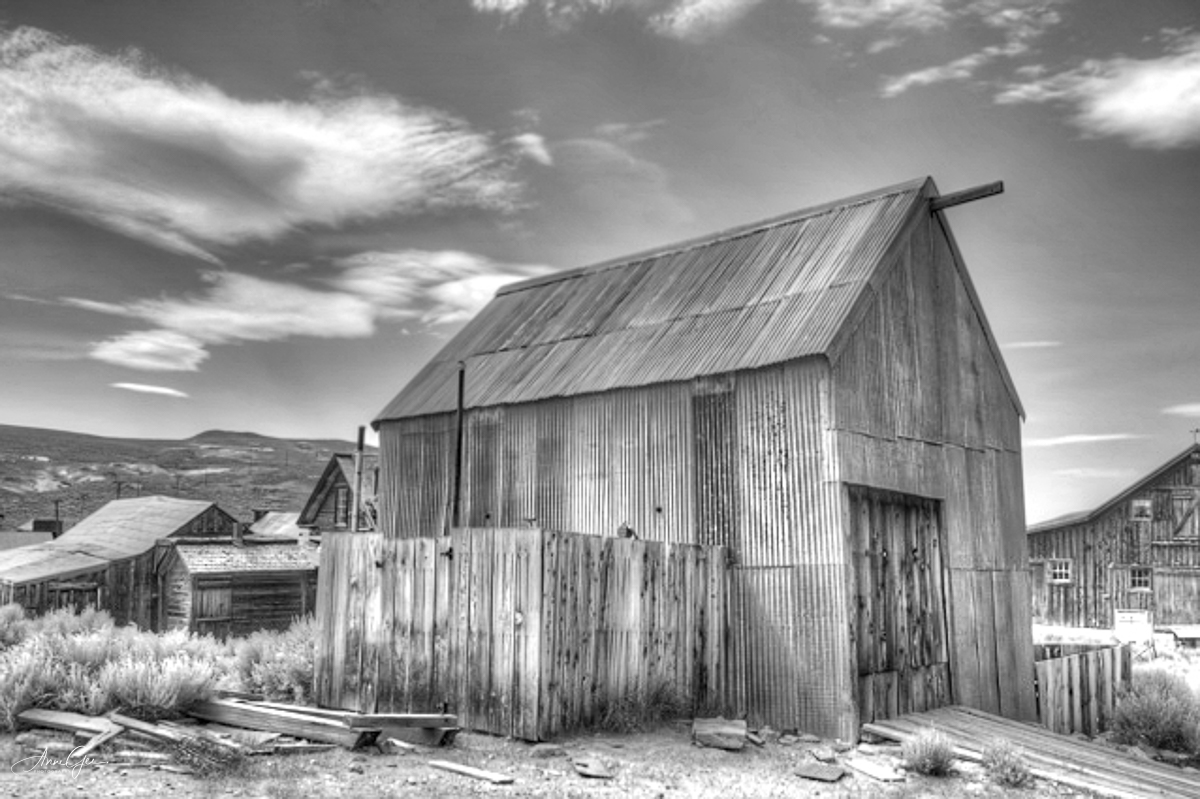
Sometimes the venue calls for black and white photography. One of my earlier black and white images taken while at Bodie a ghost town in Northeastern California.
Here’s another where I think the black and white conversion accents the splash of the wave on the platform. Taken in Pacifica.
Once I’m done in Silver Efex, I then export the image back into Lightroom for the finishing touches. I sometimes continue working on the contrast and light. I love how Lightroom’s tone curve helps with that. For me I like images to have some “pop!”
Also figures in shadow are accented in black and white. This image was taken at the Marin Headlands during one of my first Meetup outings.
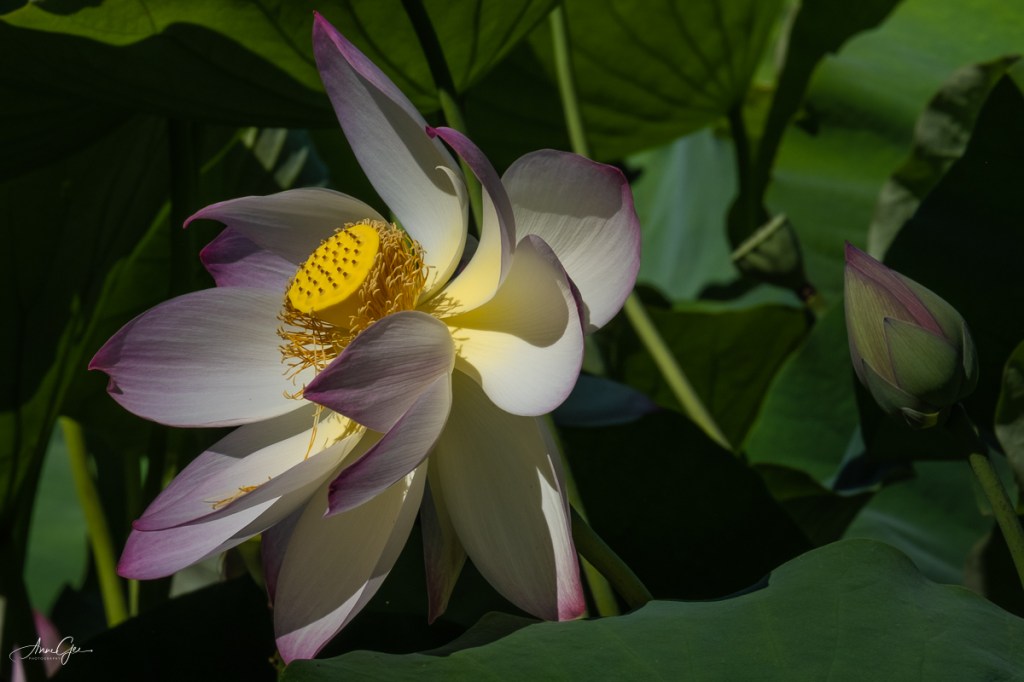
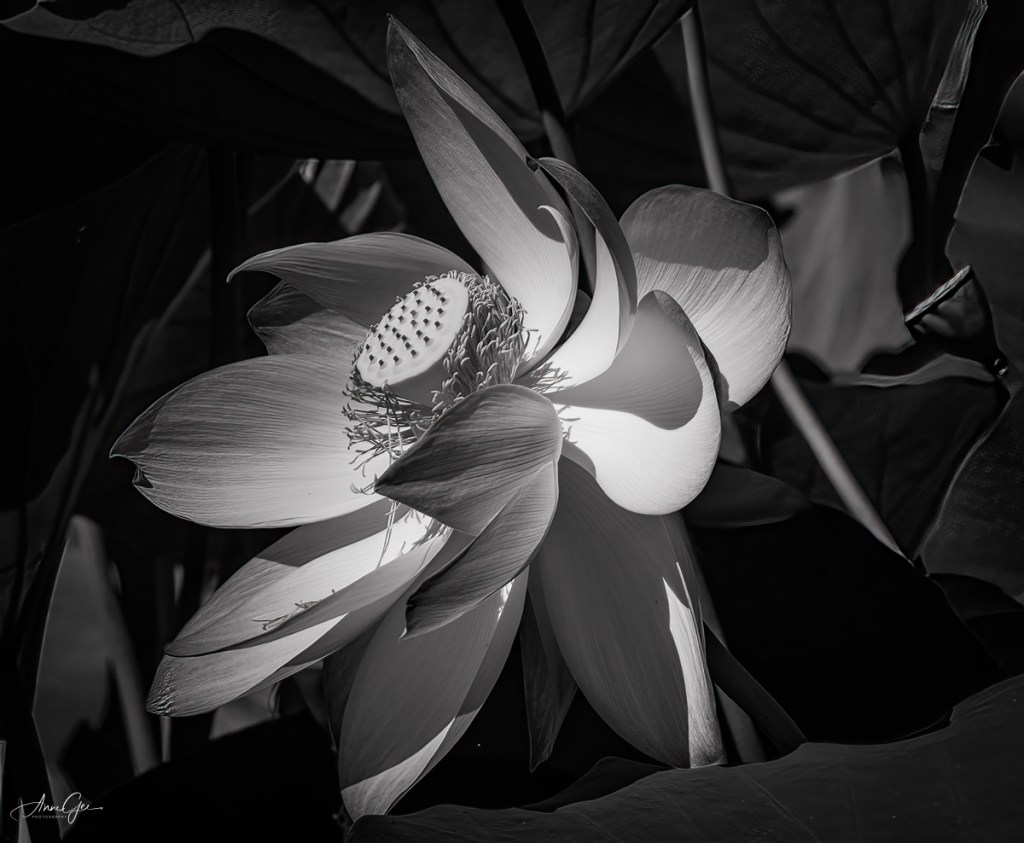
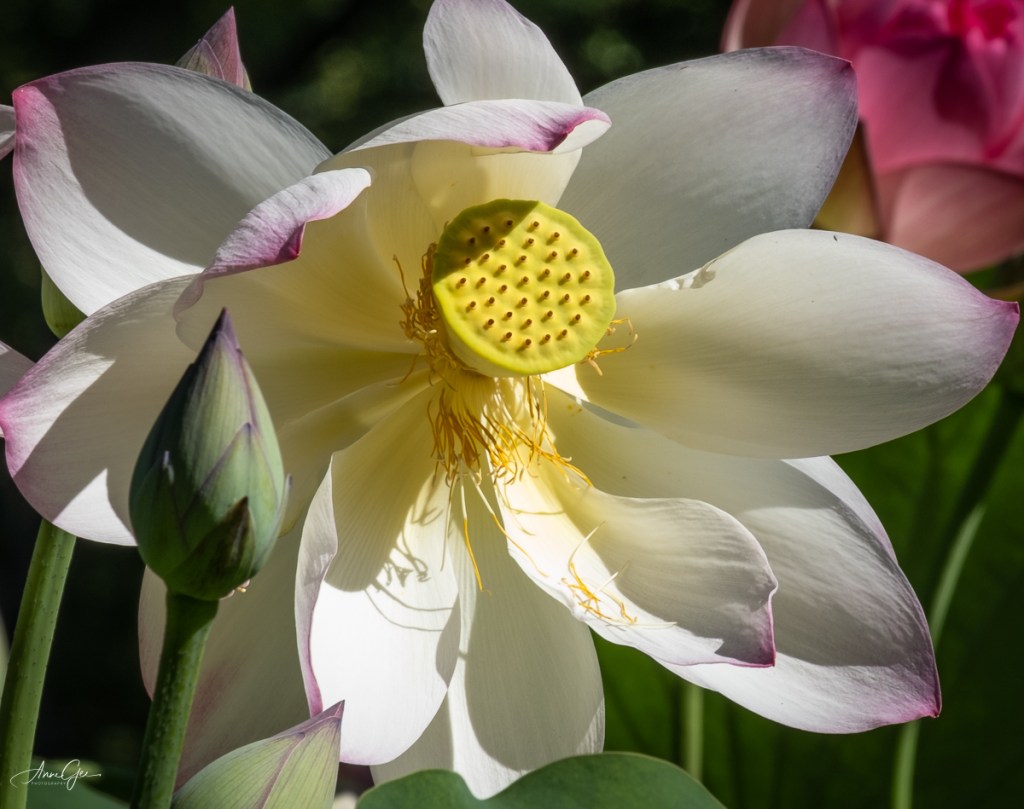
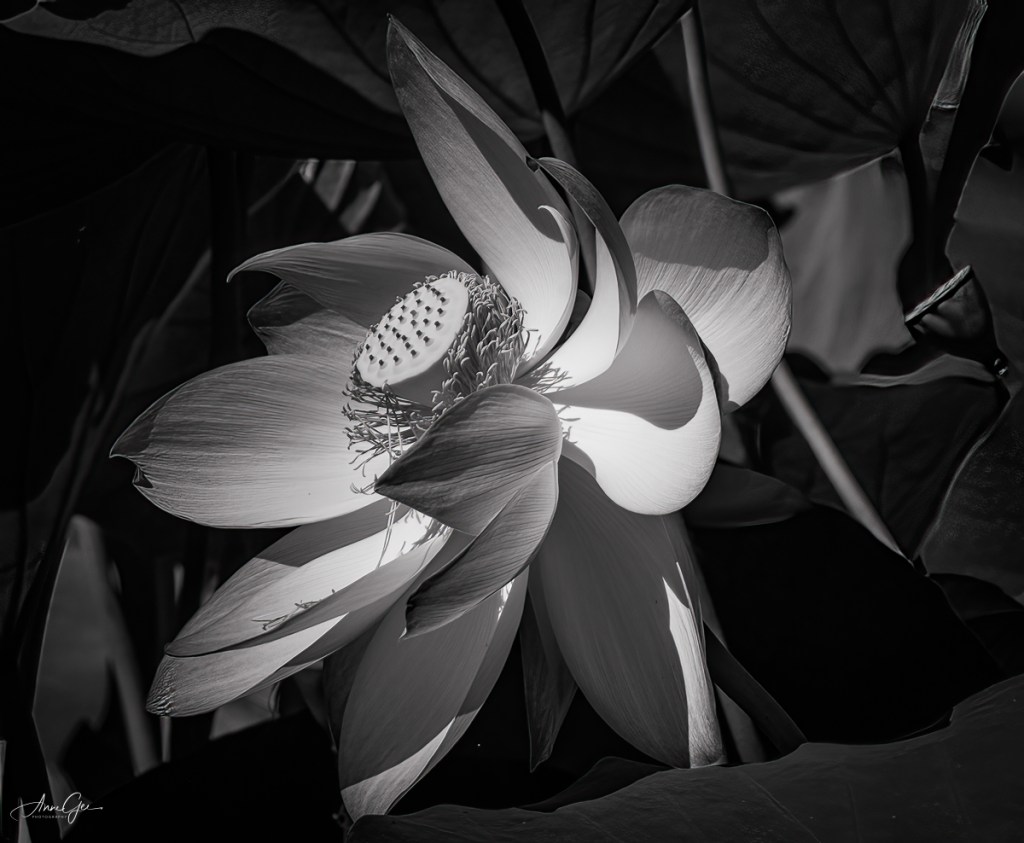
Back to the present, my latest black and white conversion is a lotus in the William Land Park pond. It’s beautiful in color, but how do you feel (Yes, feel it not think it!) about it in black and white? For me, the curves, contrast and lighting are accented.
So, this is my method for processing an image to black and white. I’m sure you have your own workflow for black and white photography, and I’d like to know what it is and see your images. This week’s challenge invites you to dig through your archives for black and white images or process color images in black and white. You can also take new pictures and process them in black and white.
As you post them, please explain how you processed them. This will help all of us learn new ways of doing what we’ve been doing for a long time. I hope you are now ready to see the black and white possibilities as you shoot and/or process.
Thank you, Tina, Amy, Ann-Christine and Patti, for giving me this opportunity. I do appreciate it!
Remember to link this post and use the Lens Artists tag. Next week’s challenge will be presented by Rusha Sams of Oh The Places We See: Getting Away.
Sacramento may be called the “City of Trees” but a truer name would be “River City!” Or maybe Rivers City for the two main rivers that run through Sacramento. In addition, there are many creeks. Cripple Creek runs through my community. If we travel an hour or two, we can visit water areas in the Bay Area.
So, John, it’s a pleasure to take your challenge on! I love living here so close to the rivers, creeks and ponds. But as my images will show, there are many aspects to water around here.
How about the San Francisco Bay shore line where many water fowl are present. This one was photographed while walking the Marina Bay Trail which is a short 1.7 miles. If I still had my bird book (lost when I moved), I could probably ID it for you.
We also have water in fountains. This one was photographed in Tiburon while waiting for the ferry to Angel Island.
And then there are ponds. We found this on on private property, and yes we asked if we could photograph it.
Rain water leaves puddles behind that capture wonderful reflections.
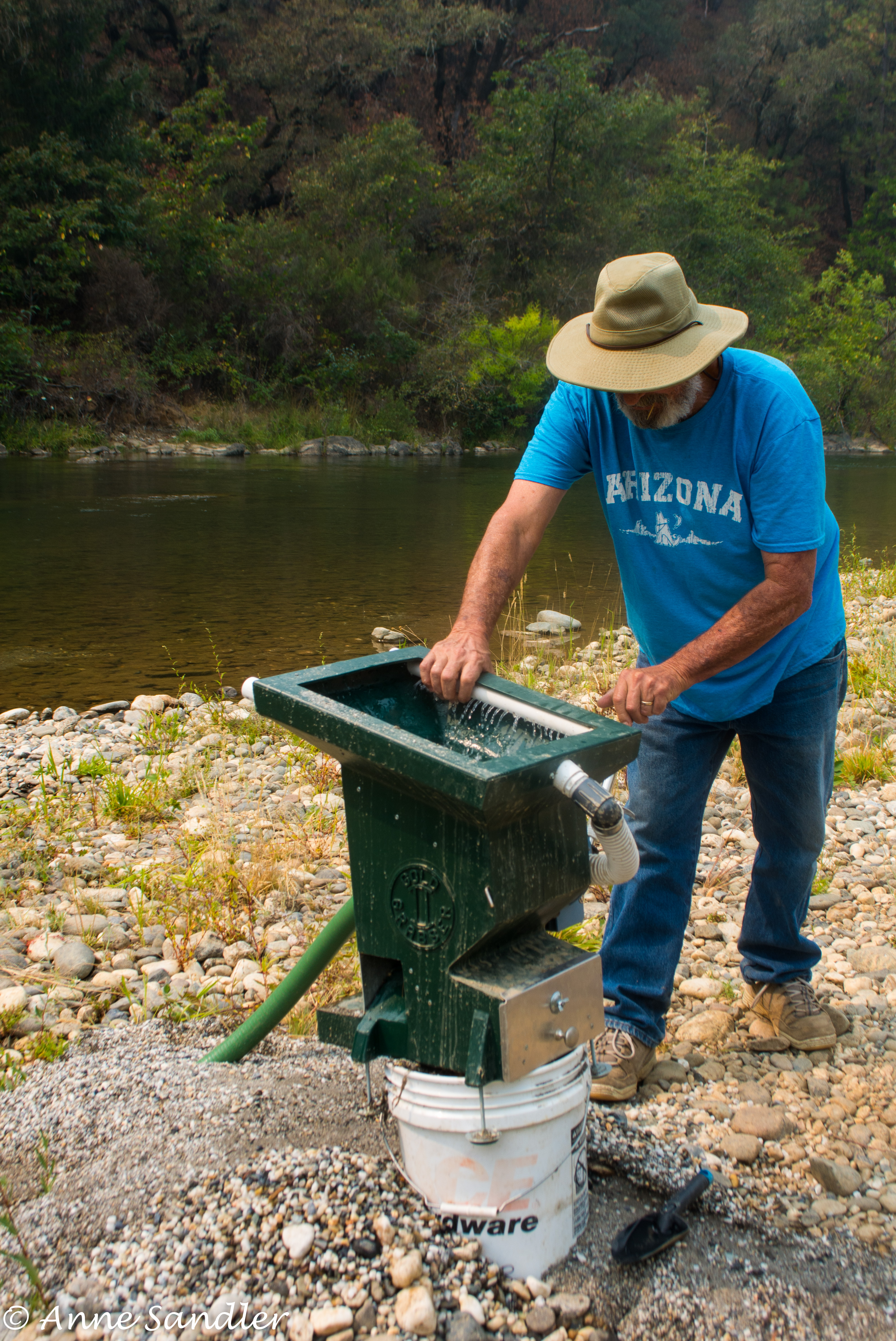
Water can also hide hidden treasure. My friend Ken is gold panning near a river.
Last we have the Spirit of Sacramento. She’s an old paddle boat that got stranded when the Sacramento River receded. Once after a lot of rain, I saw her in water. She hasn’t been moved in ages.
So there you have some of the water examples in and near Sacramento. Thank you John for this fun challenge. Next week I’ll be hosting a Black and White challenge. Take care and have a great week.
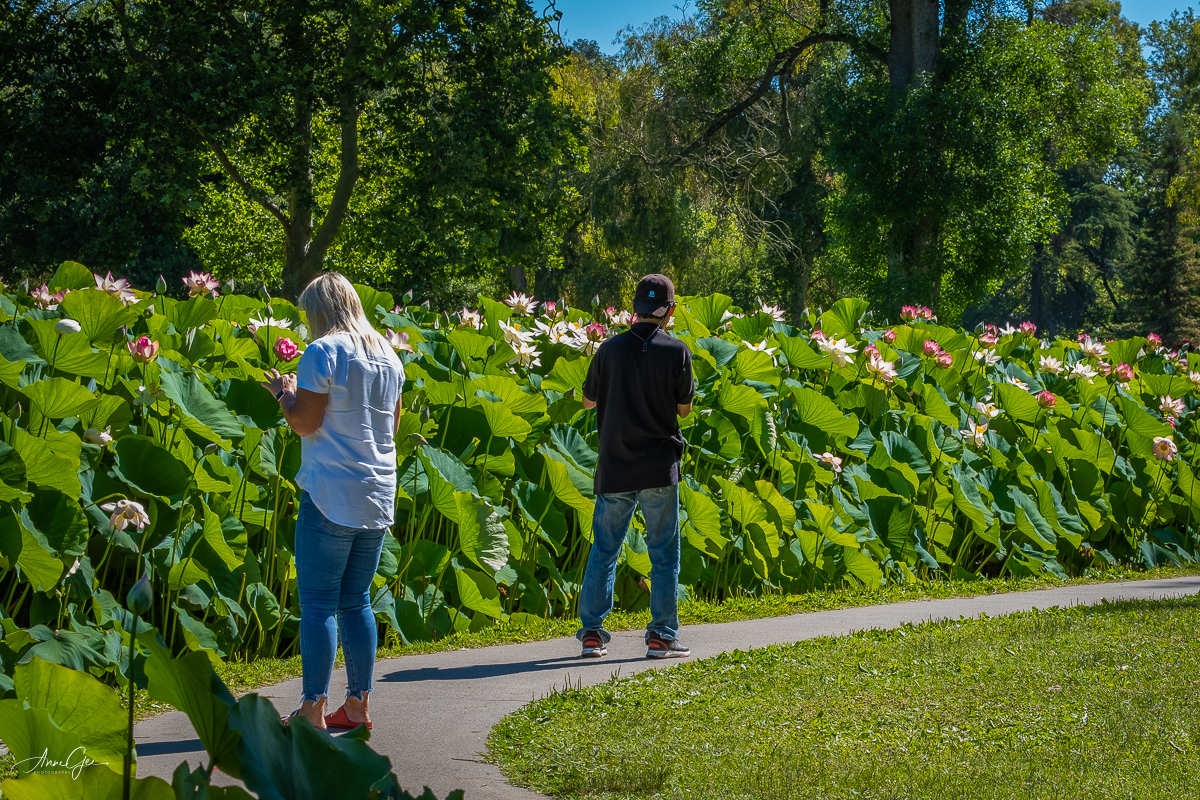
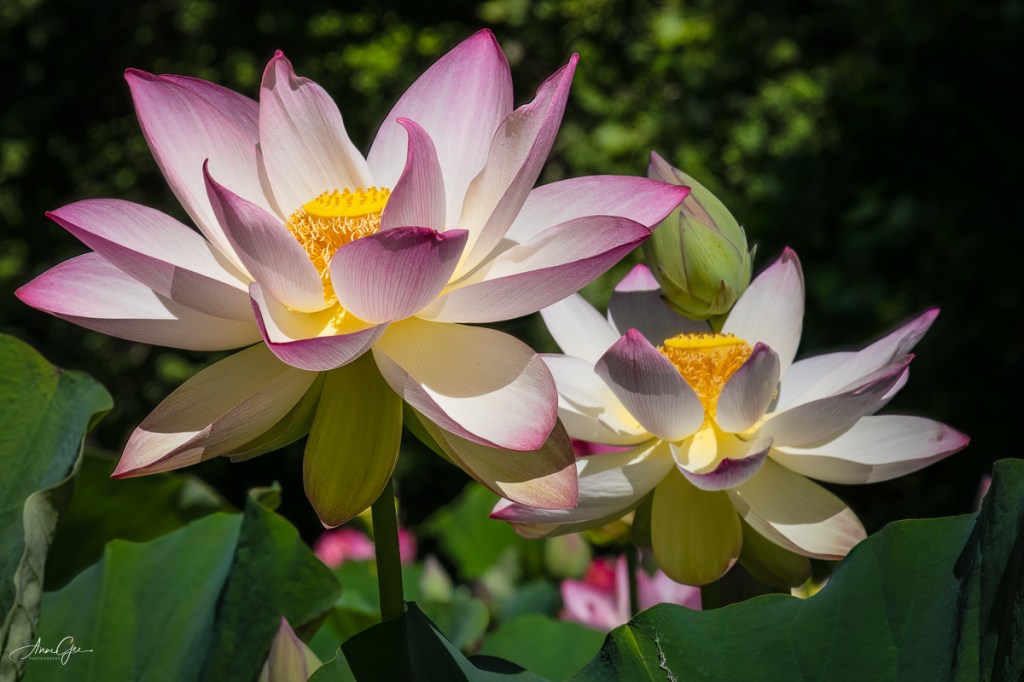
Each year we look forward to times when nature shows us beauty. In 2020, many venues were closed, but at William Land Park in Sacramento there was no stopping nature and the beautiful lotus flower. This year the lotus came back even stronger. I’ve never seen them on vines that were so tall. It was an amazing site. Here’s what I captured during a recent visit.
In the last picture, you can see how tall the lotus were. Wonderful isn’t it!
Years ago while taking pictures, with a small point and shoot, at the Black Canyon of the Gunnison National Park, Colorado, Richard asked me why I was squatting. I truly didn’t know photography then, but I knew that to get a better picture I needed to get down low. In her challenge this week, Tina is asking us to look at the same scene in different ways.
I’ve gone back into my archives to 2019, and found two instances where my changing distance, angle and perspective changed the image. First are the tulips at the Crystal Hermitage Gardens, Ananda Village. Just walking to face the flower while standing up changed the image. The picture on the left was lower to capture the sun and texture of the leaves.
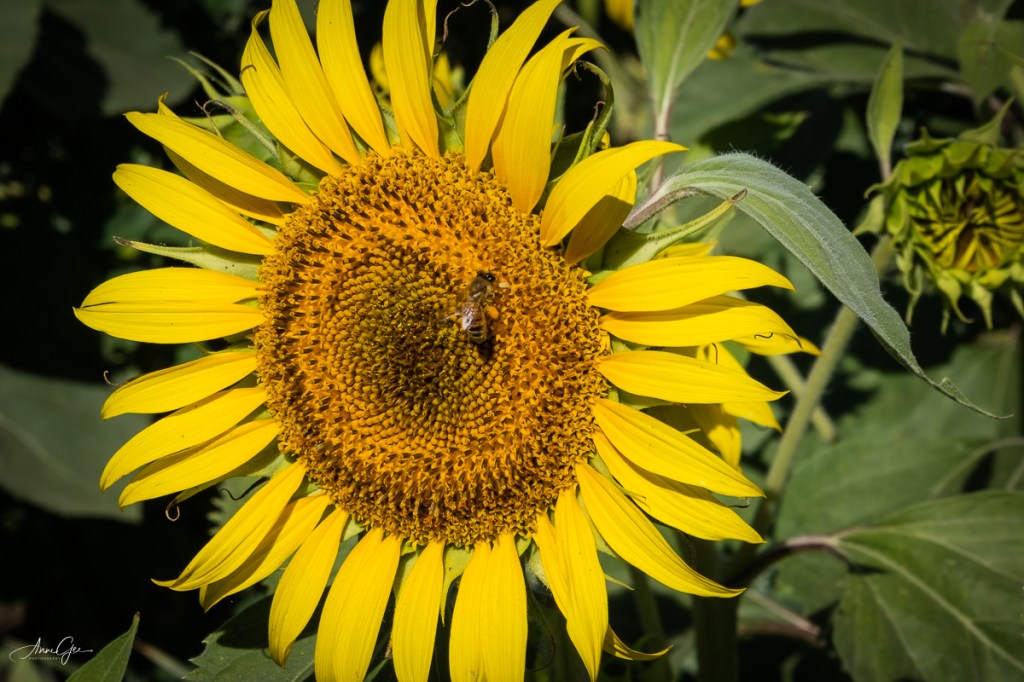
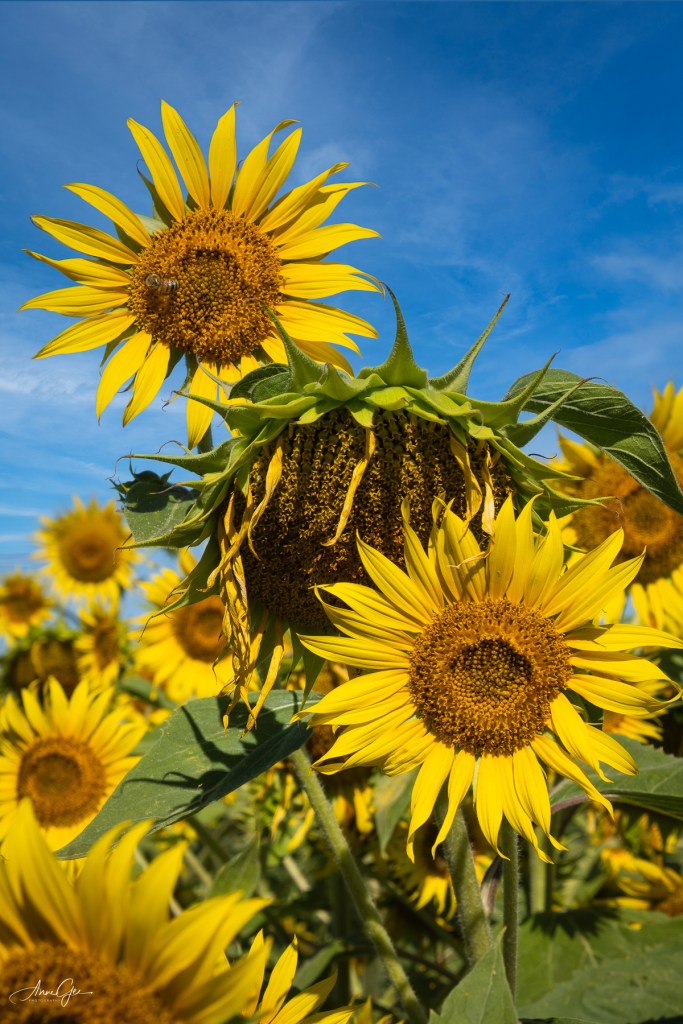
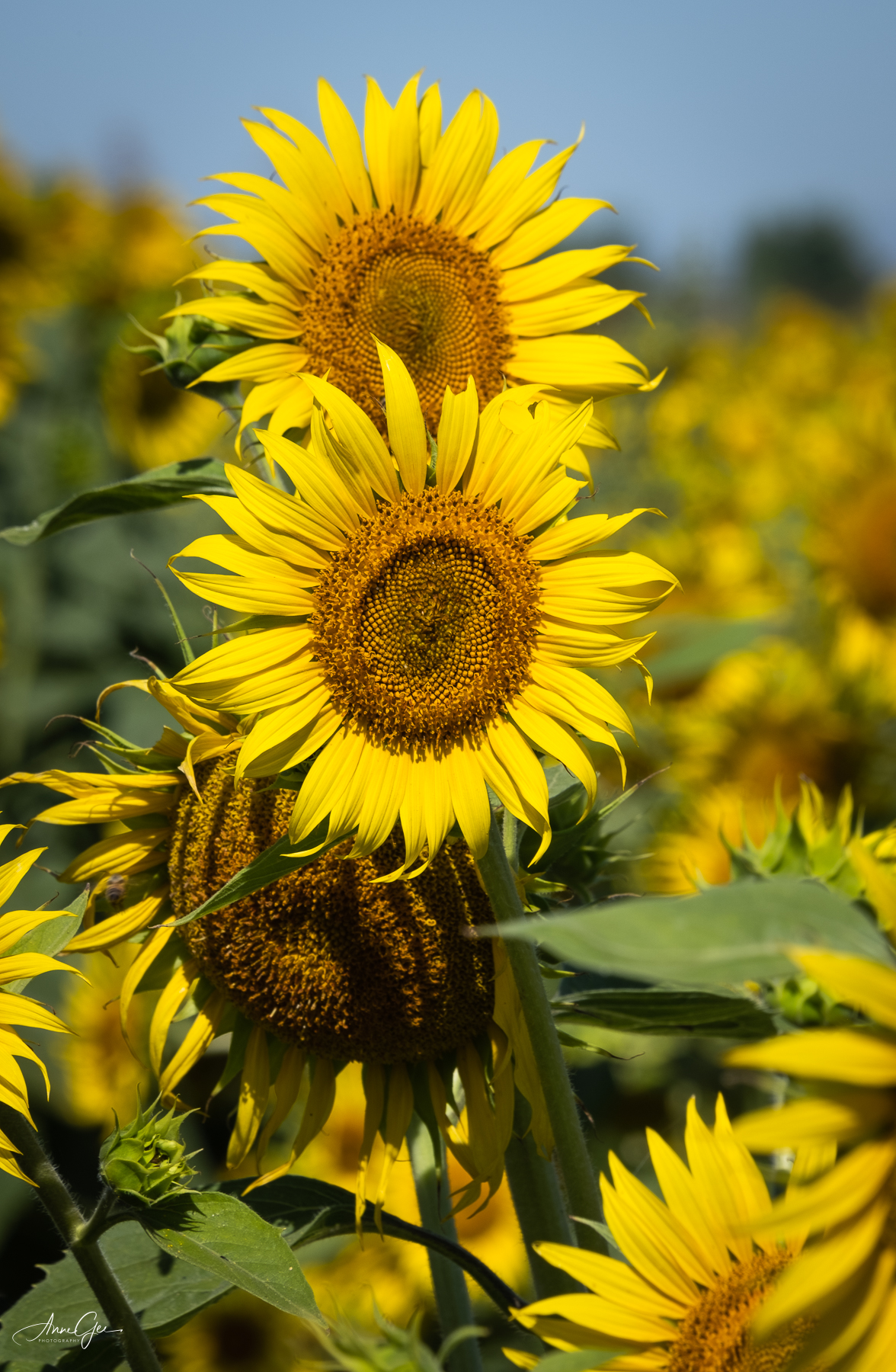
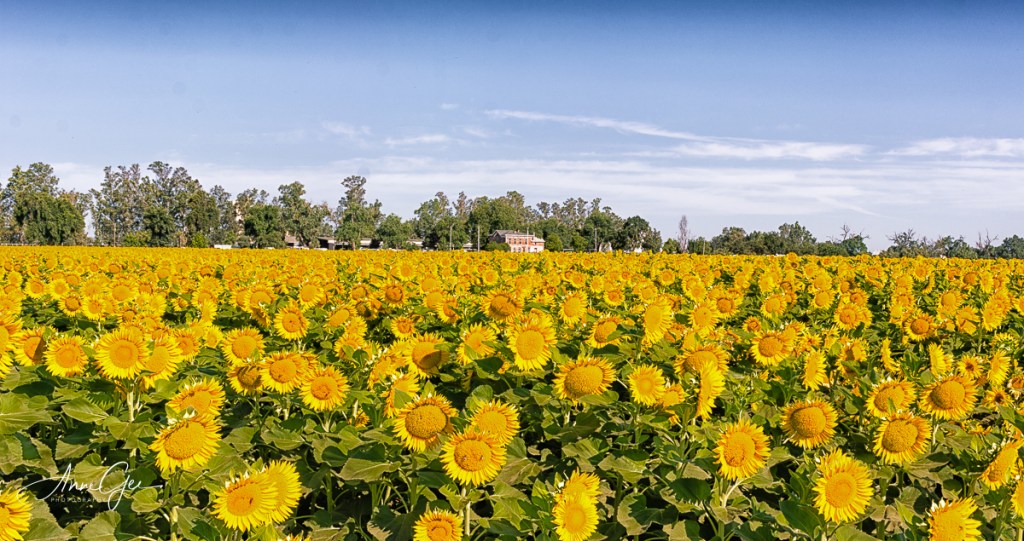
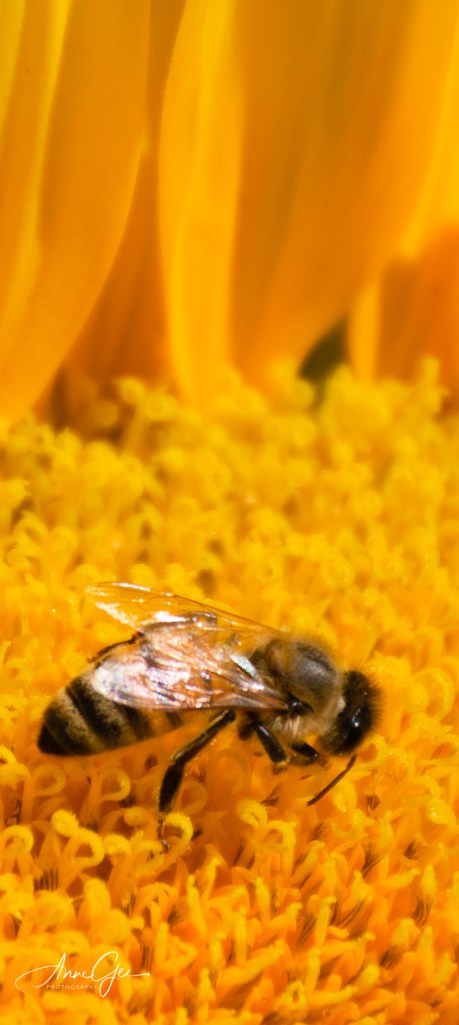
Some more flowers. Sunflowers. Here we have a total landscape of the sunflowers. How beautiful and happy they look. Now coming in as close as we can without going into the field and changing orientation, a busy bee took the spotlight. The third image shows a little more of the bee’s habitat. And the last shows a side view of a sunflower opening.
For my last example, I chose a recent outing to the Salmon Falls Bridge, Pilot Hill, only seen during a drought and when the river bed is low. First, a full landscape view showing the river bed and bridge in the distance. Then close to the bridge. And finally a close up of the bridge itself. Each tells a story.
With all that’s been happening in the world this past 1 1/2 years, it’s important to live in continuous gratitude and remember that there is still a lot of beauty in the world, mostly provided by nature. In her challenge, Amy reminds us that there is a lot around us locally to be grateful for. Photography brings me into that world. At least once a week I go out with friends to capture people, places, animals and things that bring joy into my life.
I’m happy to share some of them with you from this year alone. Please read the captions for information.
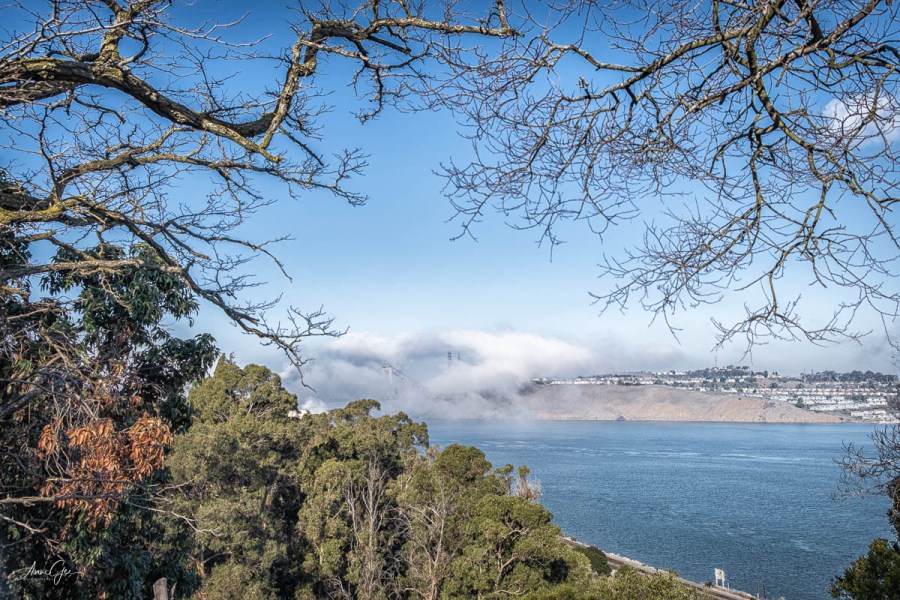
This scene in Port Costa presented a beautiful and natural frame around the bridge emerging from the fog in the distance.
Donner Lake in the winter delivers an awesome relaxing snow scene.
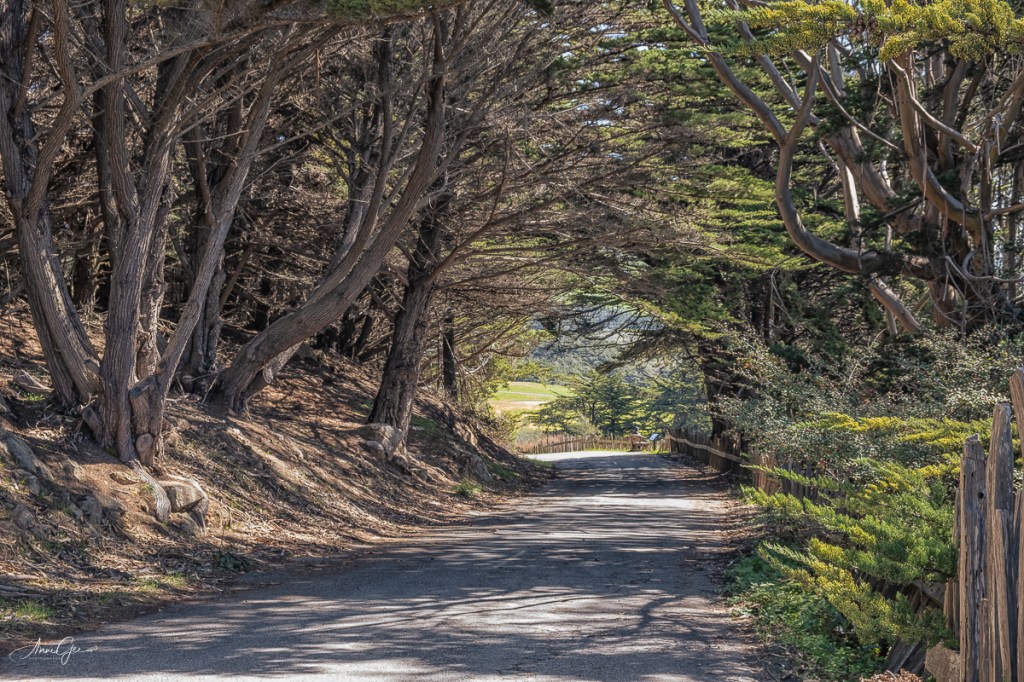
A shadowed path always relaxes me as I walk.
Oh, do I love tree canopies!
White lilies growing near the ocean. Unbelievable!
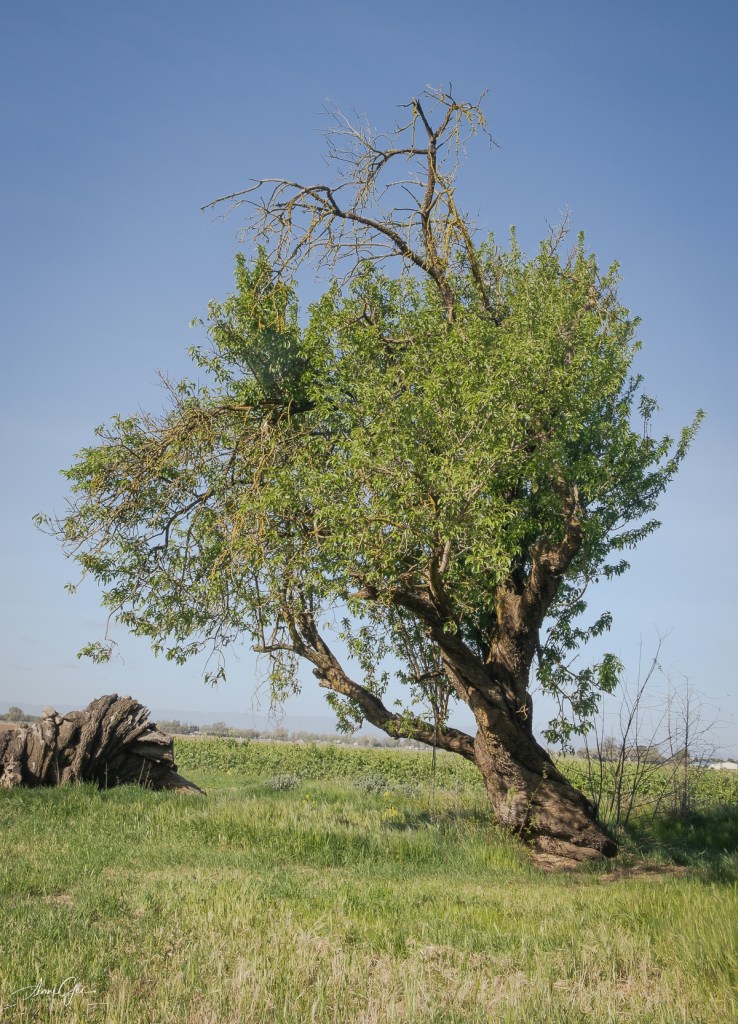
Unusual trees grab my attention. Different can be beautiful!
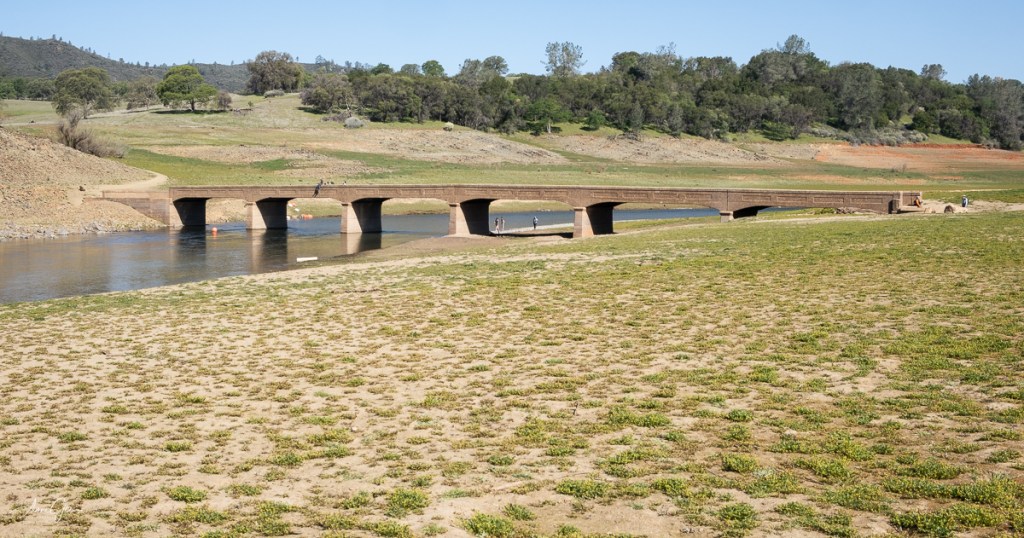
Even when disaster happens, nature provides. This bridge is only seen during a drought season.
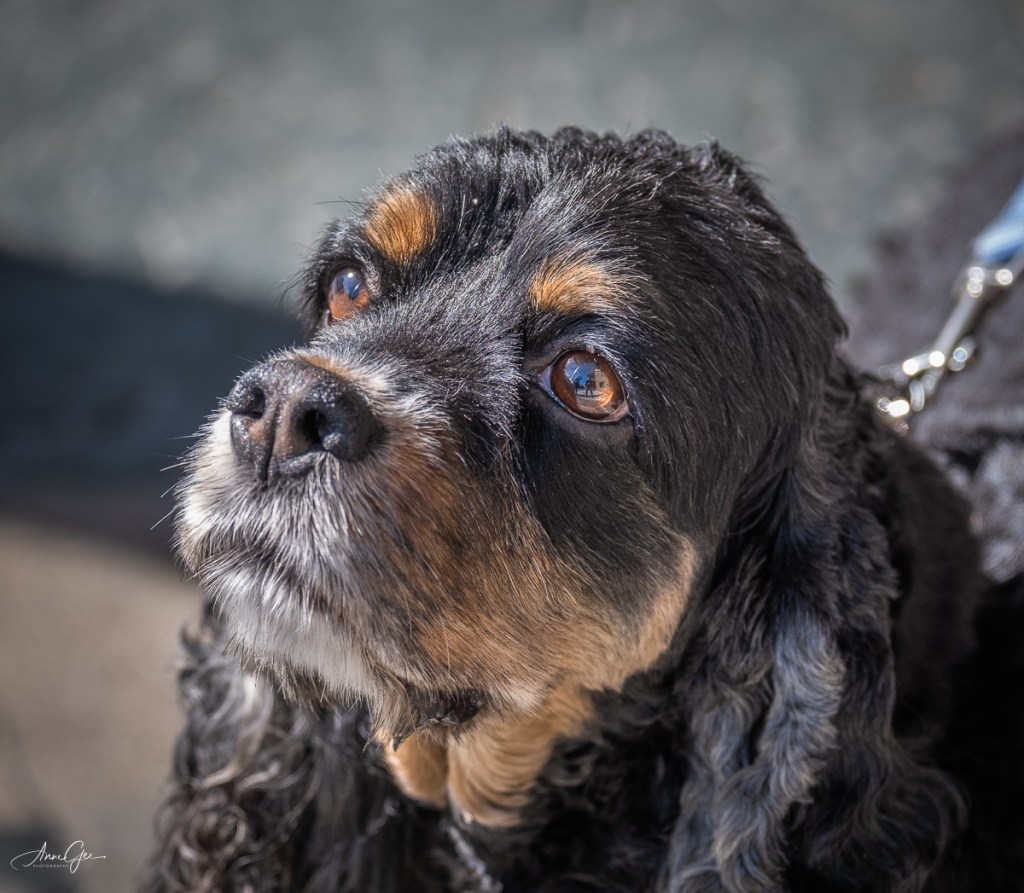
Love in a dog’s eyes!
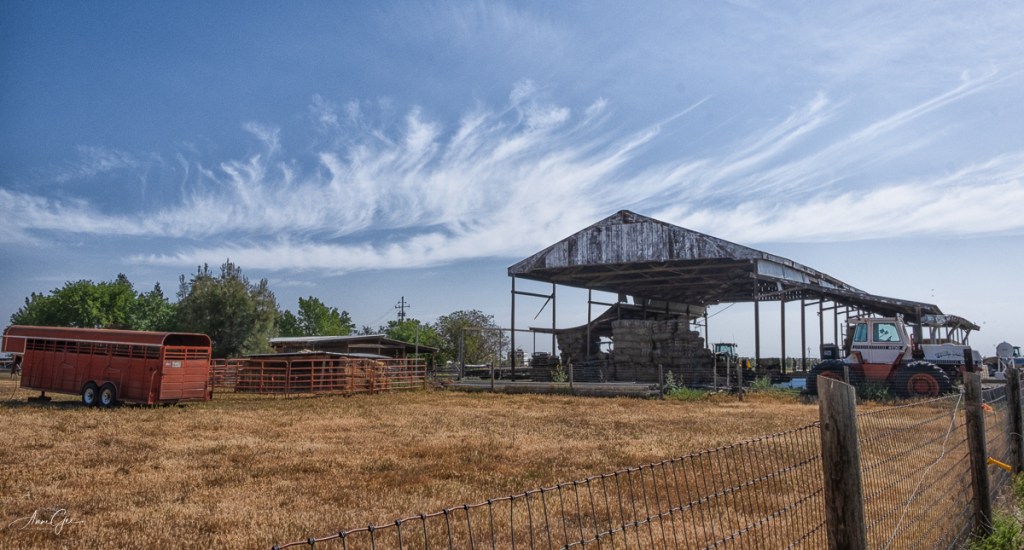
A working farm gets us out of suburbia into a quiet natural setting.
A little lady bug going about her business on a small poppy helps us understand that we all have a mission.
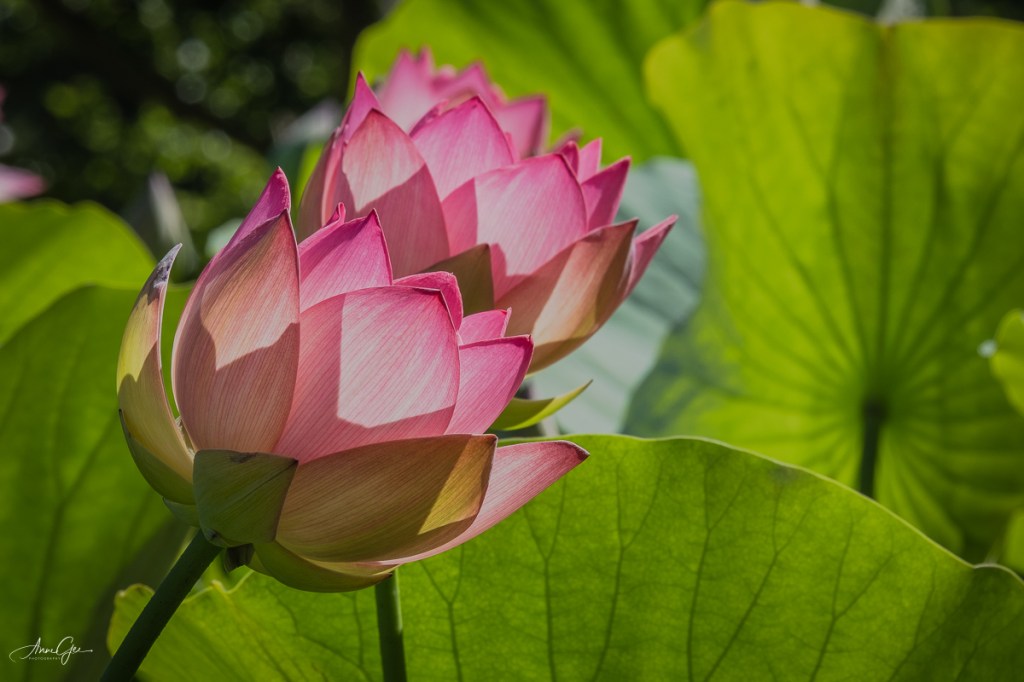
Only once a year do we get to see the beauty of the lotus flowers. This teaches us to savor the moment.
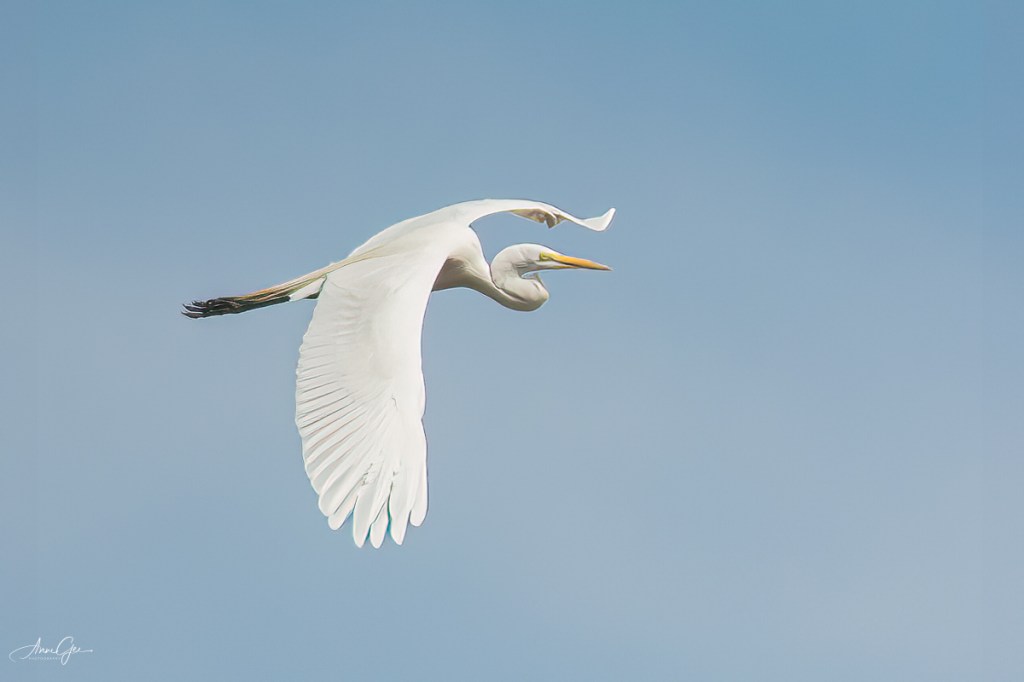
The Great Egret in flight is graceful and beautiful.
Thank you Amy for helping us to remember that there is a wonderful world out there, and I’m especially thankful for my photo buddies who see it with me.
It’s a good thing I always take my camera with me when I travel out of the Sacramento area. Typically, when I visit Alyse in San Jose, I will photograph the beautiful flowers in her neighborhood while I walk. We also go to the movies, which I seldom do at home. This trip in May, she wanted to take me to Pacific Grove. She said she would sketch while I photographed. An artist, Alyse hasn’t drawn or painted anything in years. I was delighted that she would be sketching.
As always, Pacific Grove was beautiful. It was the weekend and Alyse and I weren’t the only ones there! So, I tried to incorporate them into the pictures. You may have seen some of these images in a recent Lens-Artist post challenge on Blue and Green. In that post I promised that there would be more photos because I had just edited a few.
The Pacific Grove coastline is so lovely that I don’t think you’ll mind seeing a few pictures again! But I’ll try not to duplicate.
This tree attracted my attention even though the lighting was terrible.
Visitors on a stretch of sandy beach.
A young girl playing in the ocean’s froth.
So many people on the rocks.
Alone on the rocks.
The tide washes in.
The tide goes back out to sea.
Alyse posing with a statue featured in my last Pacific Grove blog.
The flowers are blooming on the shore.
The rocks add texture and character to the scene.
Cormorants sunbathing.
Not the lone cypress, but alone anyway.
The Lone Cypress. It’s supposed to by over 250 years old. It lost a limb in a storm, but has been examined and is okay. This iconic tree is the main attraction along the 17-mile drive.
I’m glad Alyse and I took this day trip. I have wonderful photographic memories and she has, what I hope to be, a return to doing her art.
I am moved by color. I am absolutely drawn to warm colors naturally, but can appreciate the cool colors when nature gives us beautiful green grass and blue skies. This week Tina asks us to feature blues and greens in our posts. It worked out for me since I was in San Jose this weekend, and my dear friend Alyse and I drove down to Pacific Grove. She sketched while I photographed.
Pacific Grove is on the ocean near Monterey. It’s also the site of the well known Pebble Beach Golf Course and Tournament. So, I found a lot of blues and greens to photograph. I’ve got four images to show you today because that’s all I’ve been able to process.
Let’s start with our first stop. This area is known for its wind blown Monterey Cypress trees.
Alyse was sketching this sculpture and the surrounding area. I’m guessing that the exposure to harsh weather and salt helped make it look blue.
A little further down the road, a group of cormorants were sunbathing on a huge rock. Some more blues and a spot of green.
Finally, we have an array of color with flowers along this rocky coast.
I hope to process the rest of the pictures this week. They will be featured in a blog post soon. Thank you Tina for setting us off on a cool color search.
I love suburbia with all its conveniences, but I also like to visit the forests, beaches and country sides. The Yolo Arts & Ag program allows me to take my camera onto ranches, orchards and farms that open their facilities to artists and photographers for two half days a month. It’s a great opportunity for us to wander in and out of barns, see old machinery and have a glimpse of a life we don’t live.
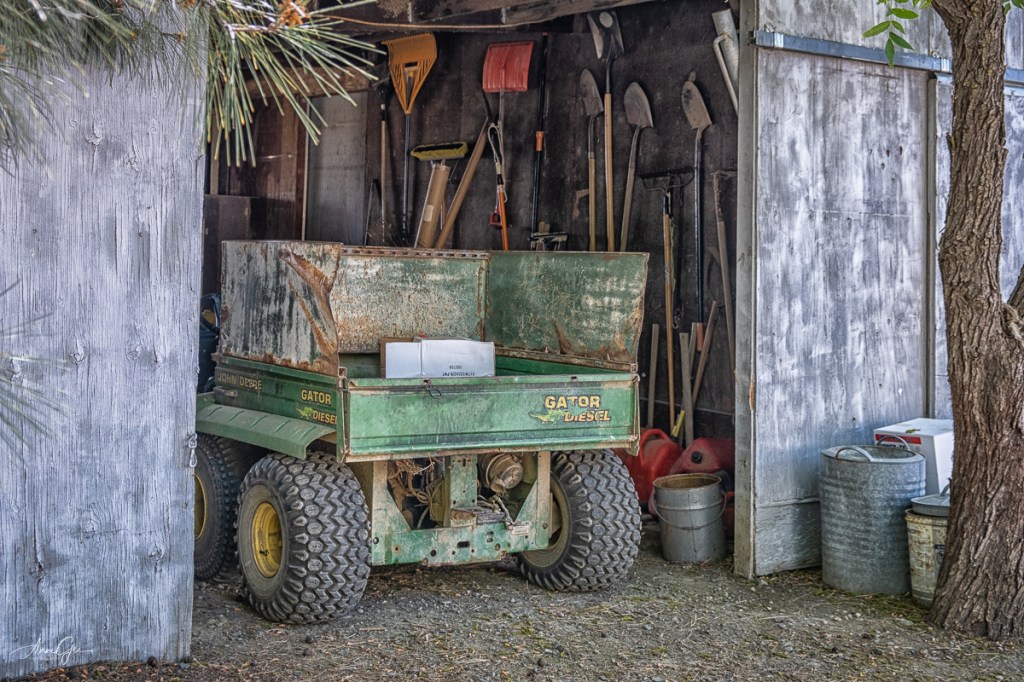
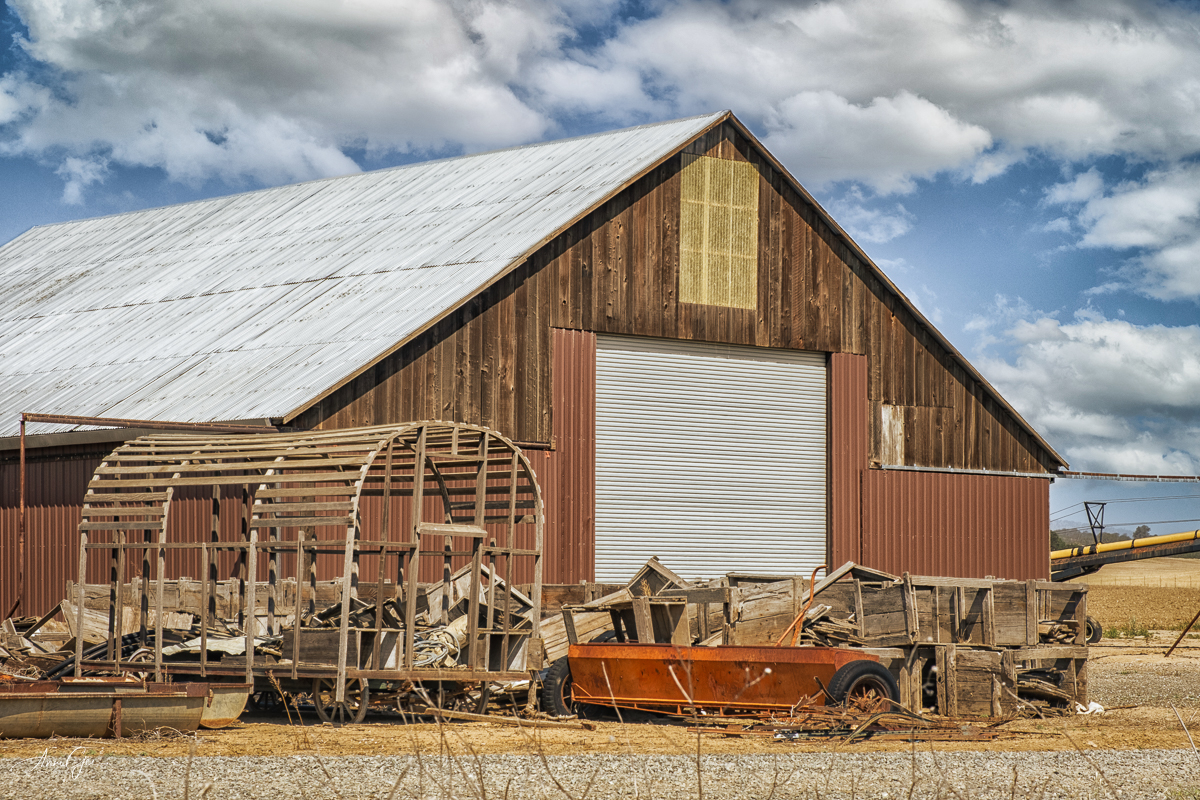
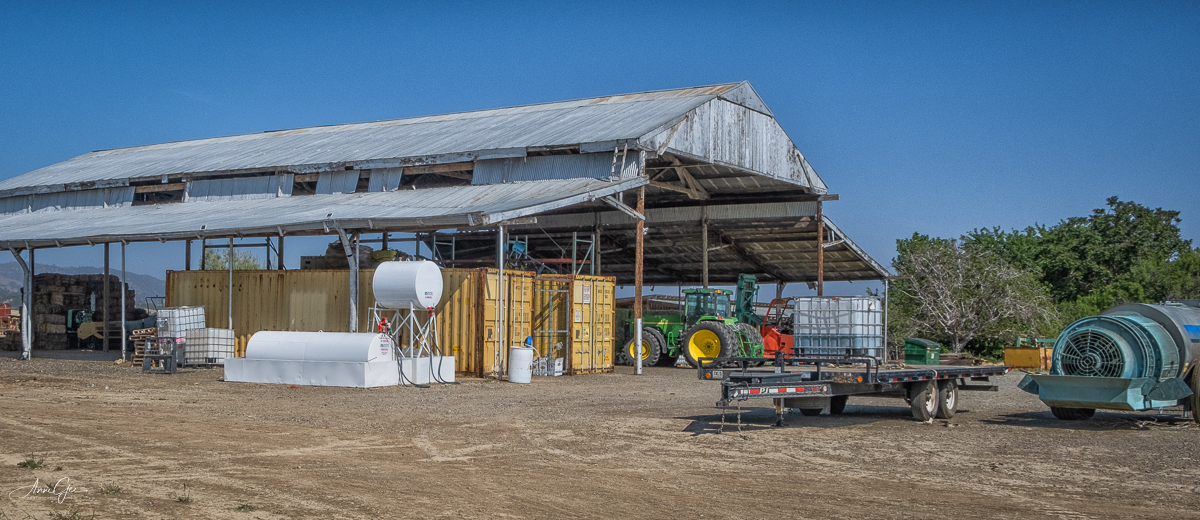
The Hungry Hallow Ranch in Capay was a large facility that gave us access to the entire property. But when we entered, we mostly saw machinery in barns, old vehicles, young olive trees and hay bales. Marlene, Ray and I said that there was nothing new here. Richard was excited saying that this is what he loved to photograph.
I think Richard was right. I did find a lot to photograph and learned a lesson. Don’t judge a photography shoot by first glance. I made the most of our morning. I took close ups of machinery.
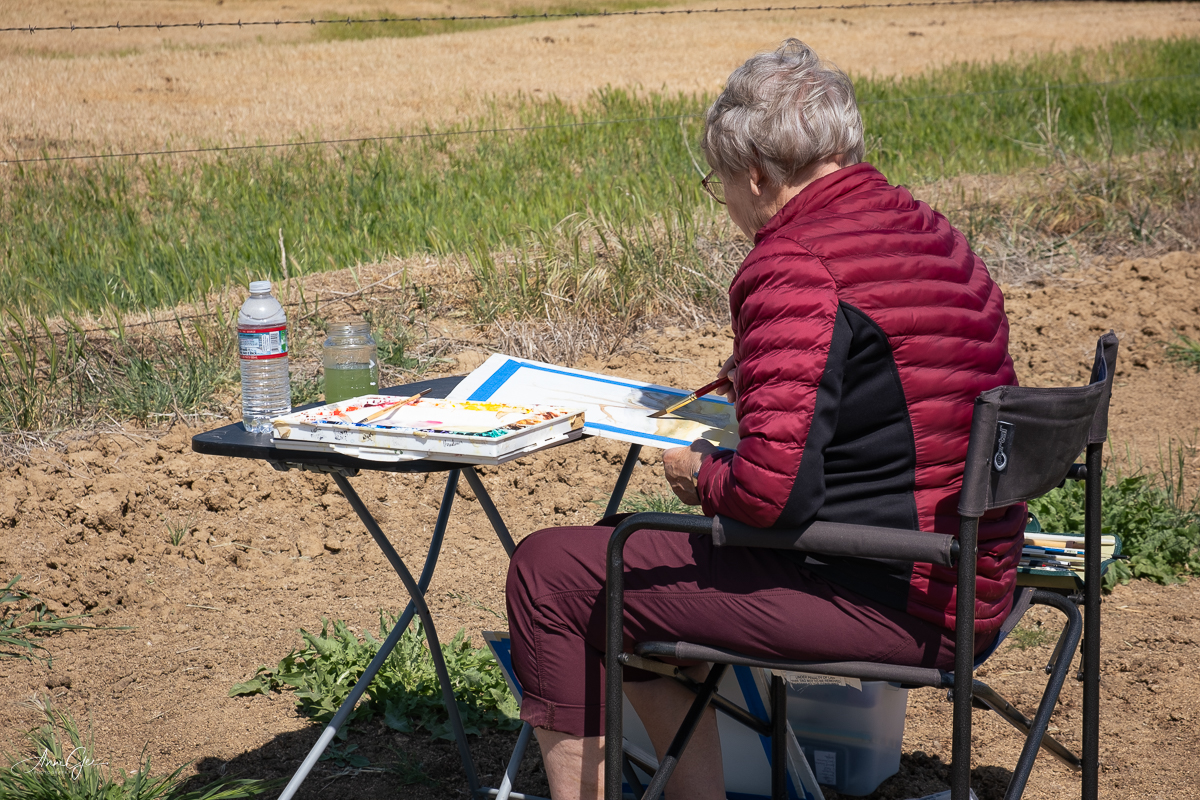
Then there was an artist painting.. There were many, but I liked this shot the most.
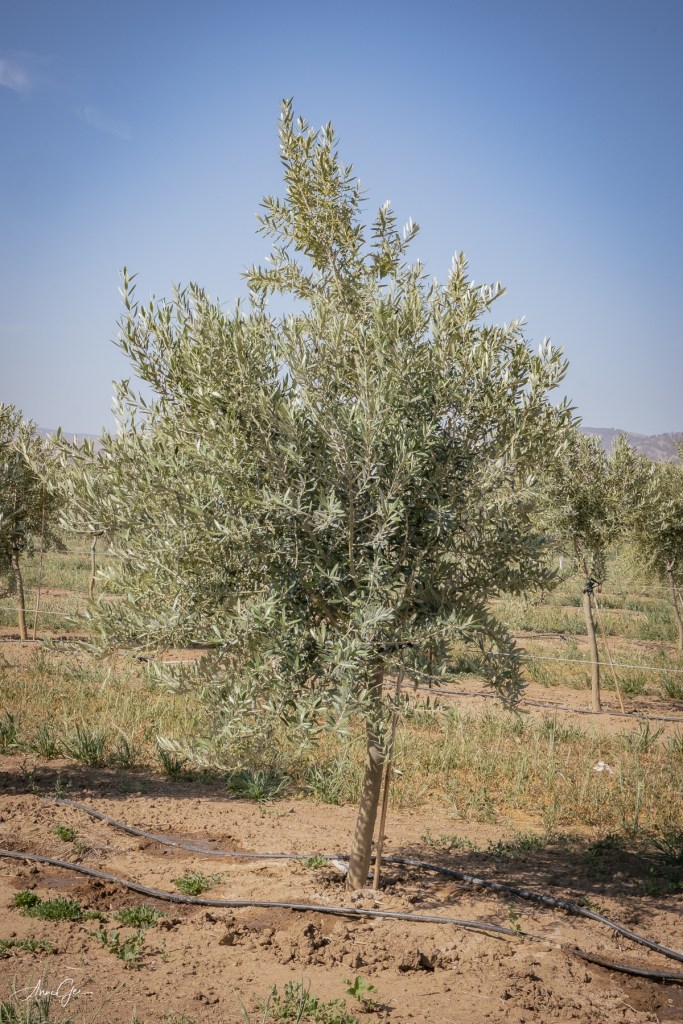
And the olive orchard. You can see that the trees were young.
And the barns.
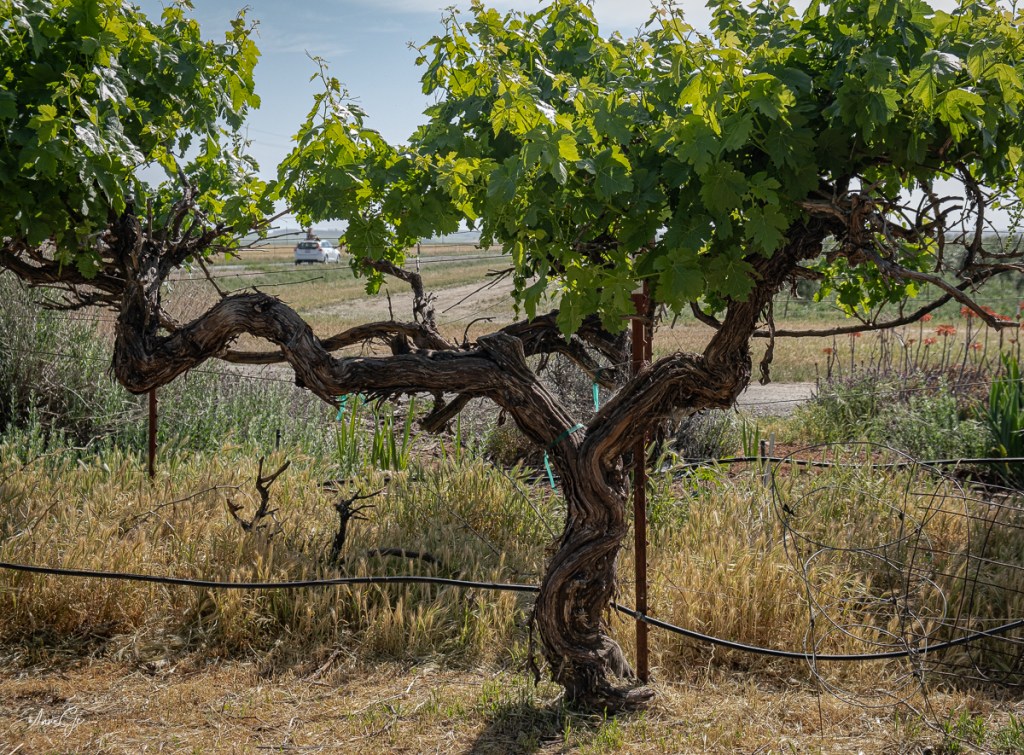
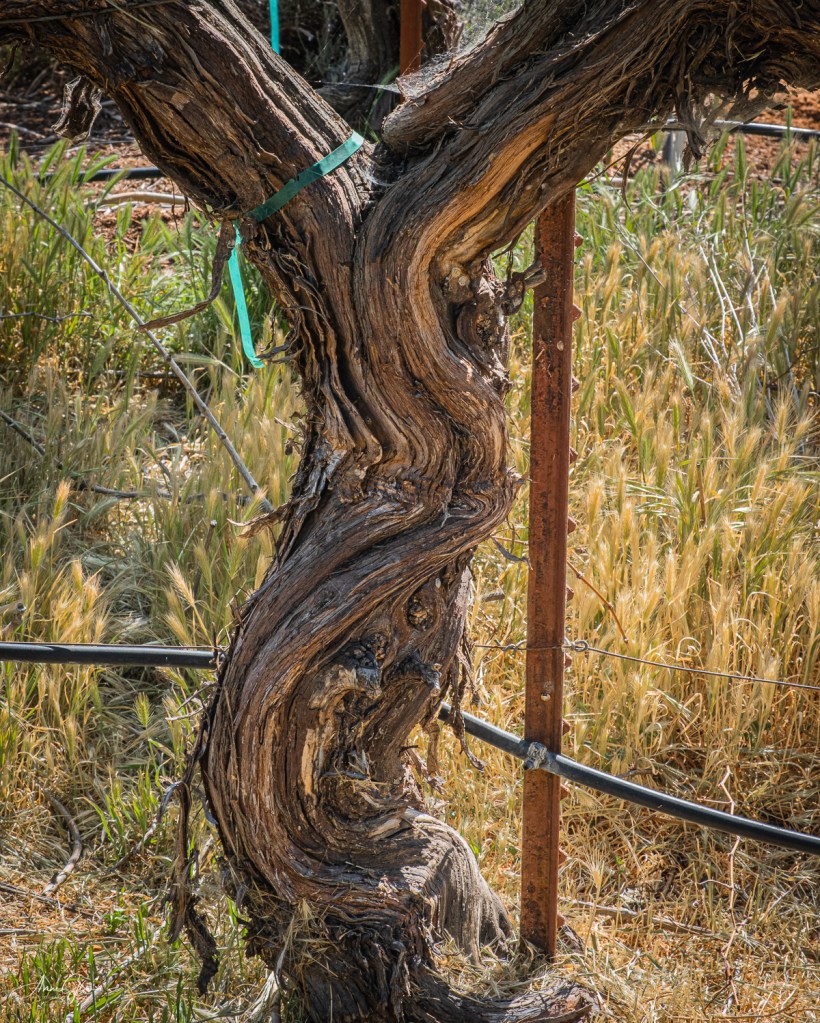
I also found a grape vine or two, a wood pile large enough to cover the side of a barn and an awesome tree.
It ended up being a fun morning of discoveries. And lunch was at our favorite Road Trip Bar and Grill in Capay.
About an hour south of Sacramento is a municipal park that houses a Japanese Garden and a small zoo. Of course we, Ray, Richard and I, had to go visit Lodi and Micke Grove Park. This park is part of the San Joaquin County park system and home to a Fun Town for children, zoo, Japanese Garden, small lake, golf course, softball fields, water play features, horseshoe pits, museum and children’s playgrounds. We walked the garden and zoo.
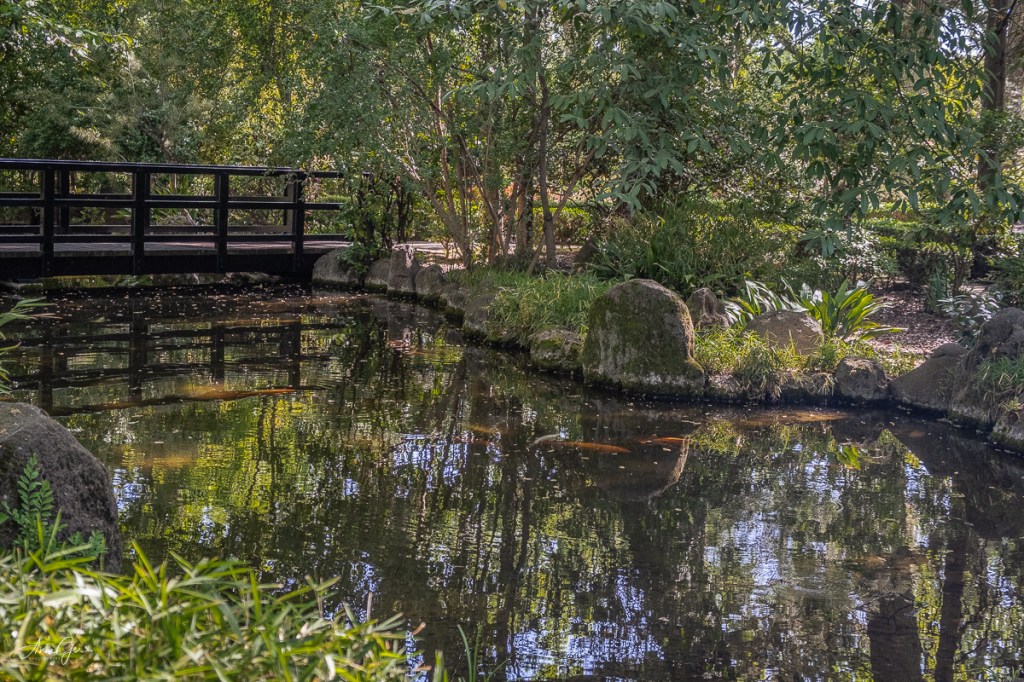
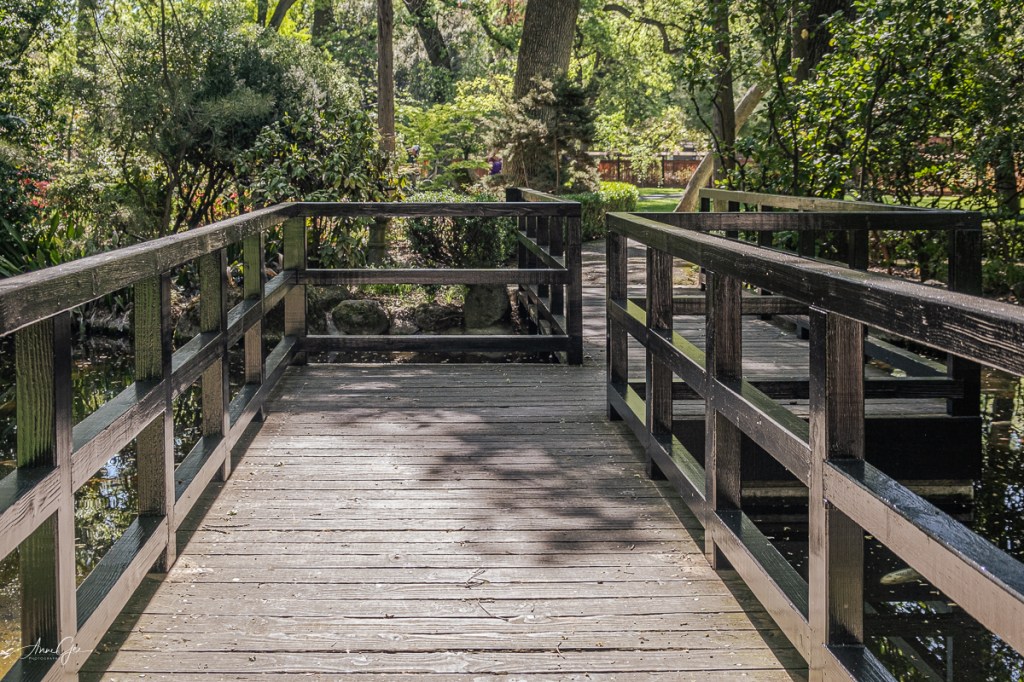
The garden was small but beautiful. However, it was either in super sunshine or dark shade. In retrospect, bracketing would have been what to do, but I didn’t take my tripod. Here are some images. I liked the water reflections.
Next we went about a block to the zoo. It was a lot smaller than our Sacramento Zoo, the enclosures were thicker so we couldn’t have the fencing disappear, but it was interesting.
Some of the birds.
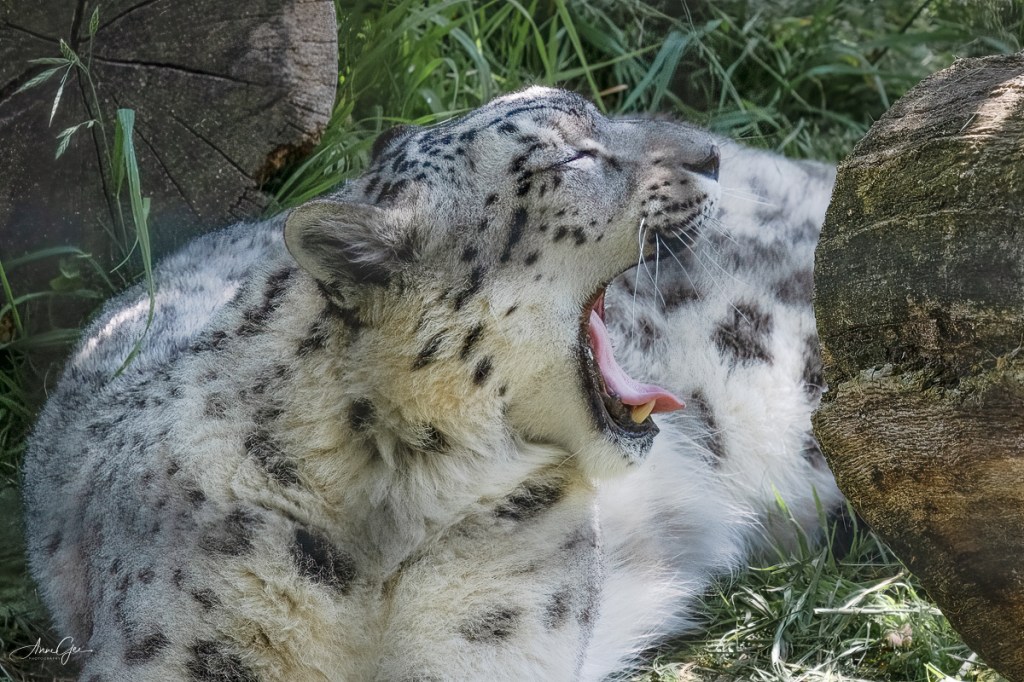
They did have a snow leopard.
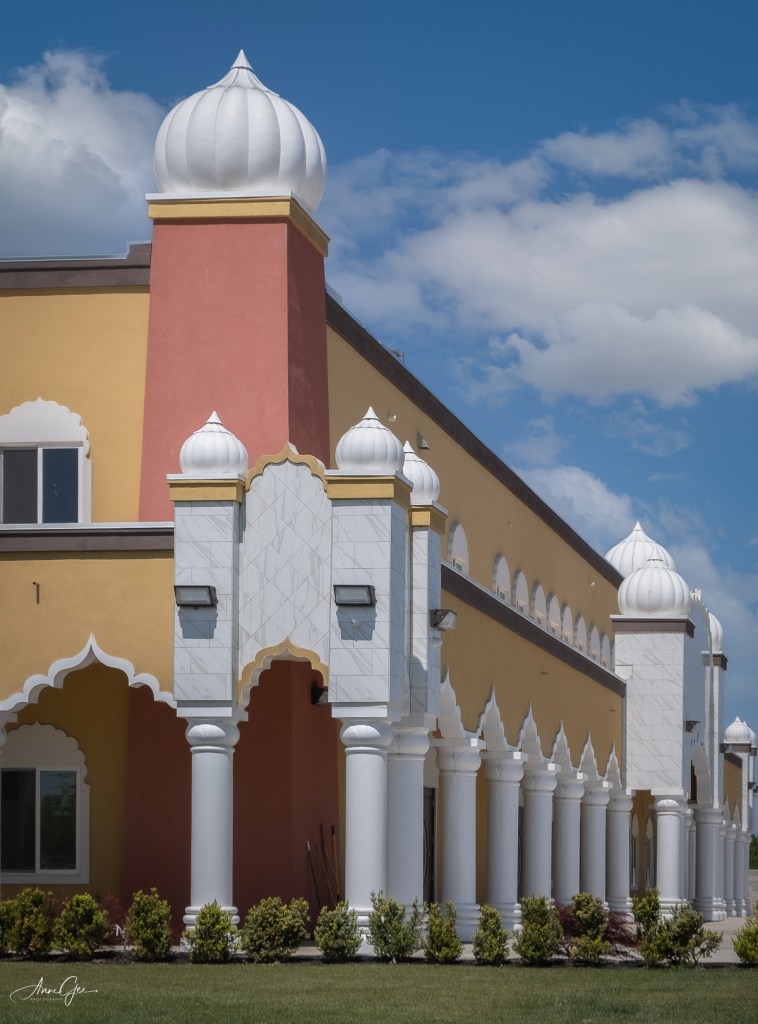
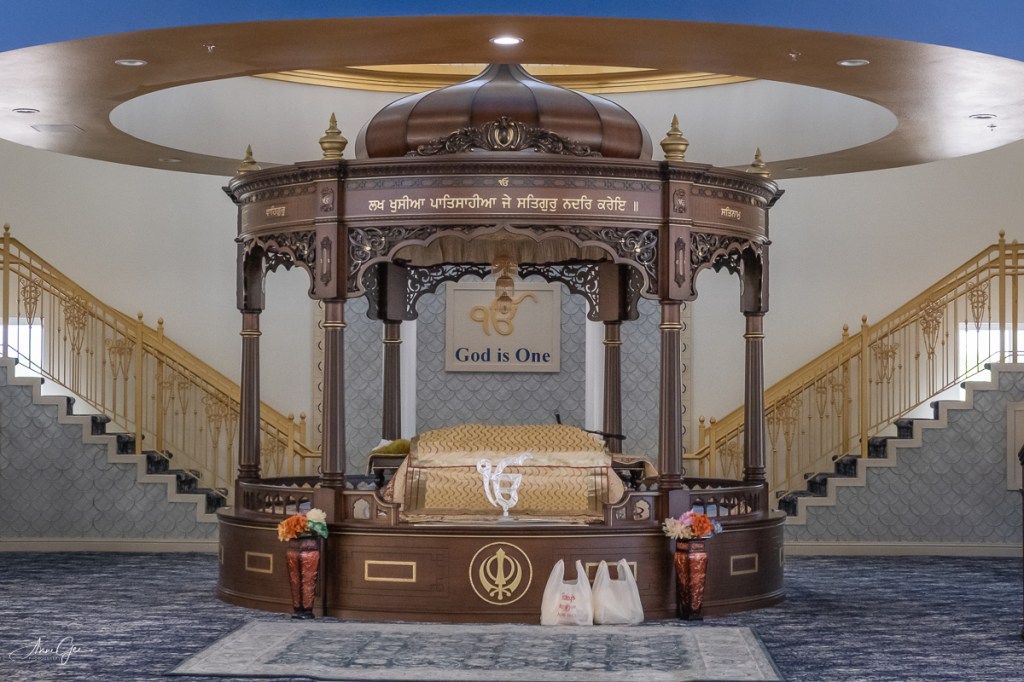
After leaving the park, we had lunch and then went to visit the Deshmesh Sikh Temple which we happen to spot on our way to the park. They were very courteous and let us inside with our cameras.
It was a fun day in Lodi. There is more to Micke Grove Park to see though. We just might be back!

















































 Slow Shutter Speed