Lens Artists Challenge#350: Zooming

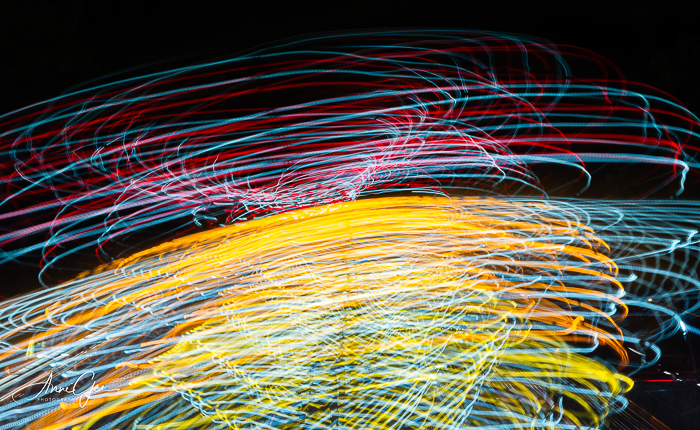
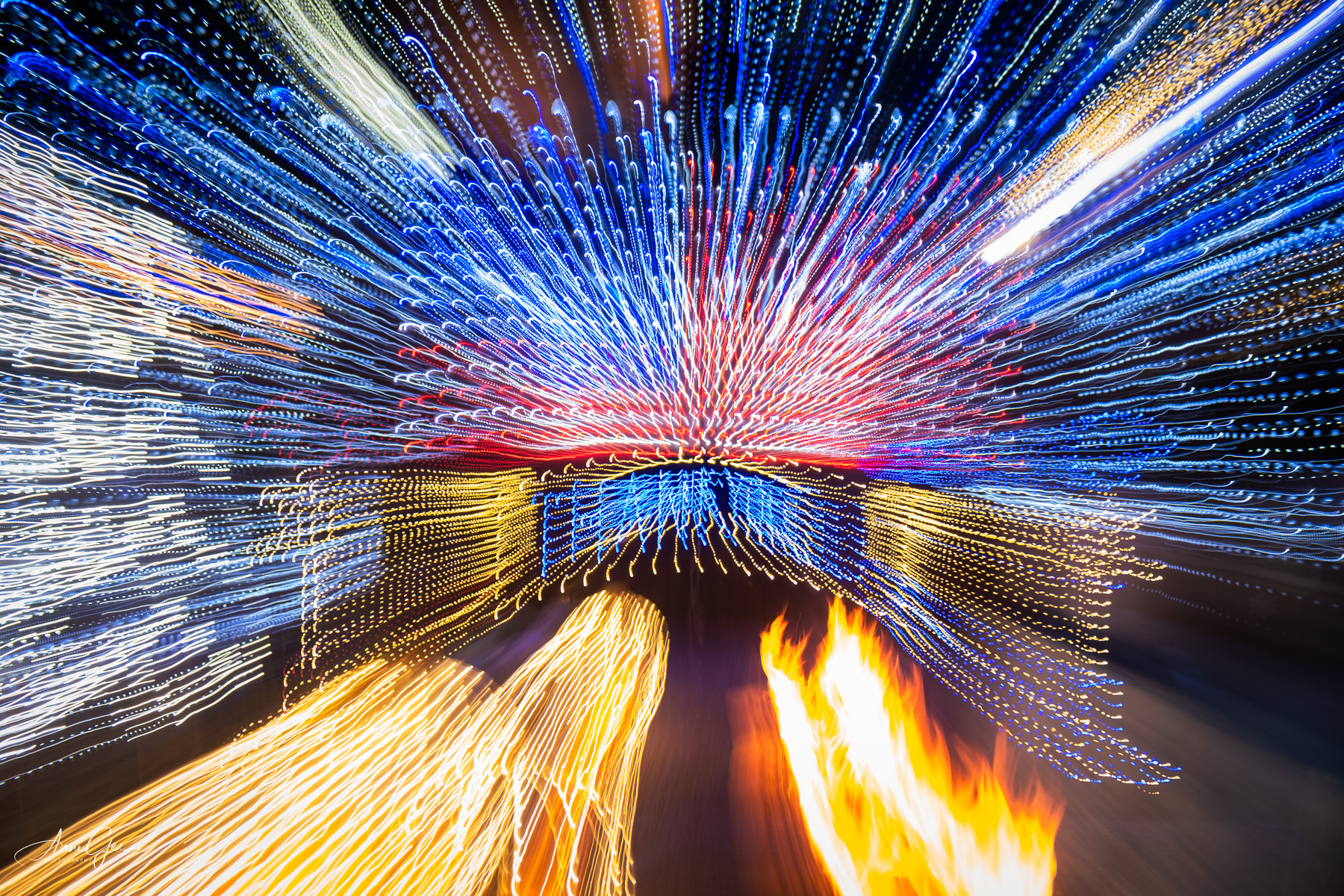
Zoom, zoom, zoom! It’s one of my favorite types of photography, and it is fun! Zooming is part of the Intentional Camera Movement family, but instead of moving the camera, you are just moving the lens back and forth. This yields photos of a different kind!

In this technique, you adjust the focal length of a lens to change the magnification of the subject, giving the appearance of moving closer or further away without physically changing the camera’s position. This is achieved using a zoom lens, which has a variable focal length. 

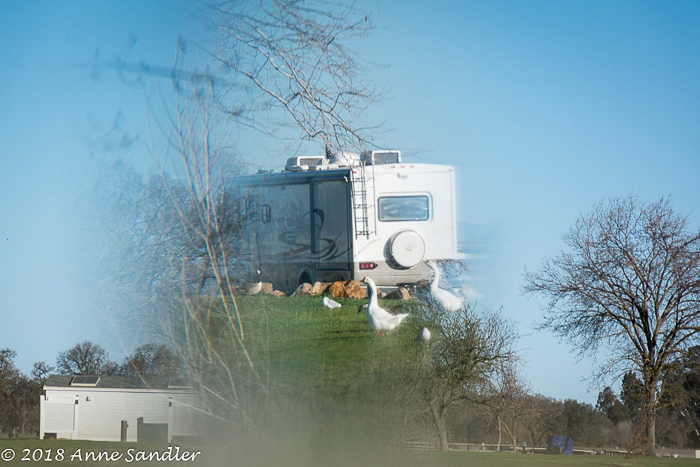
Now, this is going to be a do as I say and not as I do challenge. Remember the “Break the Rules” challenge Ritva recently gave us? I break the rules when it comes to zooming.

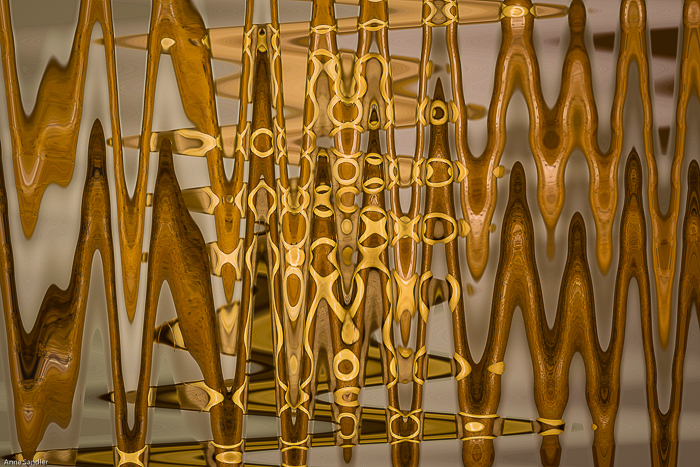
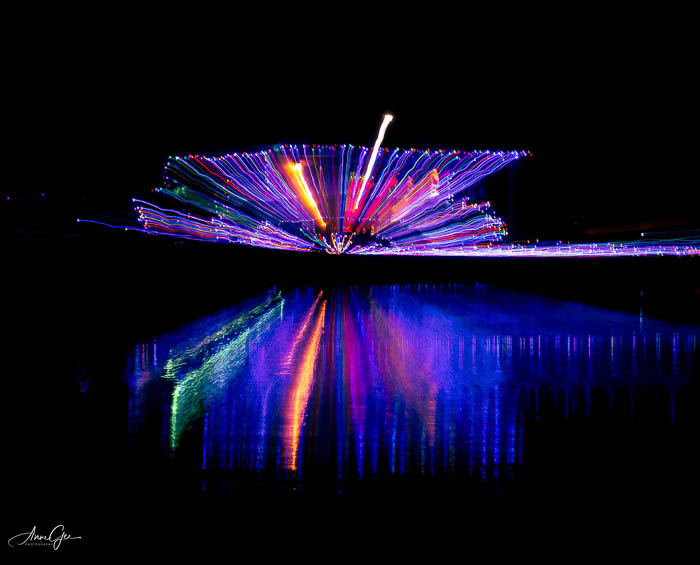
If you can catch a reflection while zooming, you get an additional WOW!

Use a tripod. I sometimes do use a tripod. That’s how I got the name of the ride clear in this picture while pulling the lens in.

But sometimes a tripod isn’t handy. Just hold the camera as steady as possible while you’re zooming the lens.

You can start with a long exposure photograph and then have more fun experimenting. This was taken during Christmas time, which is a great time to take out that zoom lens and have fun.
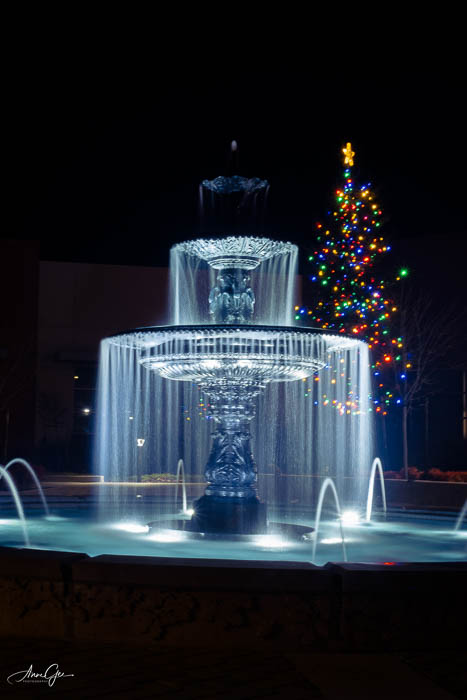
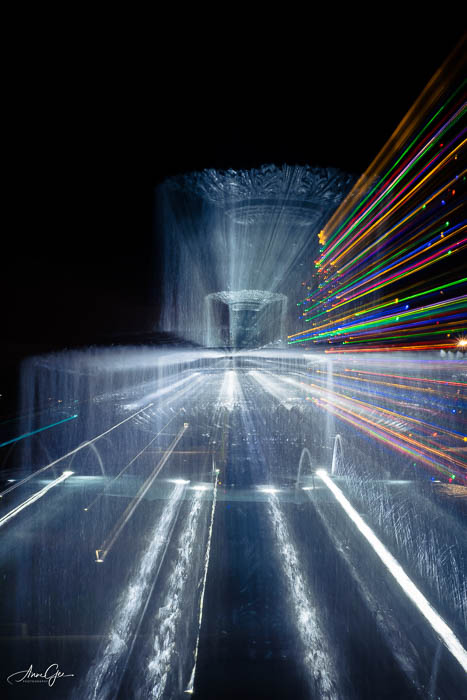
If the light is bright, you’ll need to use a polarizing or neutral density filter to stop down the light. Either that or find shade. This image was taken towards evening. I was totally unprepared to do zooming but wanted to try it. I’ll confess that I don’t usually carry a polarizer or ND filter with me each time I go out. These days, I go as light as possible. I do have them though. You’ll also notice there are no daytime photos in this post. Remember do as I say—not as I do!

Additional suggestions:

Photograph at a low ISO—100 or less.

Use a long shutter speed. Start at 1 second and go down from there. You’ll need a long shutter to give you time to move the lens in or out.

Start with an aperture of F/22 and move around from there.

Use manual focus.

The longer the focal length of your zoom lens the better your effect will be. I’ve used 18-55mm and it yielded good results, but the 18-300 was better. My last thought: prime lenses do not zoom!

Your challenge this week is to take your camera and zoom lens out for some zooming. If you don’t have a polarizing or neutral density filter, then go out at night. There are always lights for you to have fun with: streetlights, neon lights, window light displays. This takes practice, so don’t get discouraged. And, there is no right or wrong in Intentional Lens Movement–just good old enjoyment!

When you post, remember to link to this post and use the Lens-Artist tag. I want to see all of your zooms!

I really enjoyed seeing your post on Tina’s challenge, “The First Thing I Thought Of.” And your humor was greatly appreciated. Laughter is good for the soul. It’s amazing how a picture can have different interpretations.

Next week Ritva will be back leading the challenge, so be sure to look for her post. In the meantime, stay healthy and live in gratitude!

Lens Artists Challenge #316: Destination Fun

We recently went up to Reno for my grandson’s 15th birthday and to see the Ostrich and Camel Races. Half way through the 2 1/2 hour trip, all of you had better sit down for this, I realized I left my camera at home! Can you imagine that?? Since I started photography, I’ve always had my camera with me for events.
In fact, my camera has taken me to many fun places I wouldn’t have gone if I wasn’t looking for an outing. I now realize, thanks to Egidio and his wonderful challenge, that photography has given me the opportunity for fun.

For instance:

The Sacramento Zoo has been a favorite of mine. It’s fun to get to know the animals and watch them through the years. I always check the red panda enclosure to see if they are awake. Being nocturnal, they are usually napping. This one was awake! The cheetahs are a relatively new zoo addition. One day they were grooming each other. What an opportunity.

The Effie Yeaw Nature Center is a natural habitat where deer, coyote, birds and other animals roam free. It’s located on the banks of the American River. The deer are used to humans and remain calm when we photograph them. However, they do have natural predators. Once we saw the remains of a deer carcass.

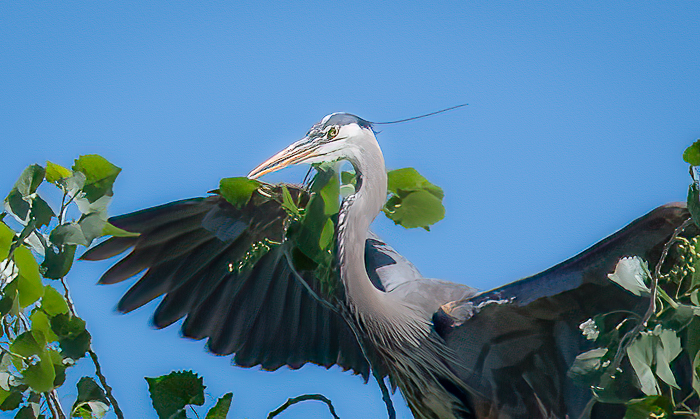
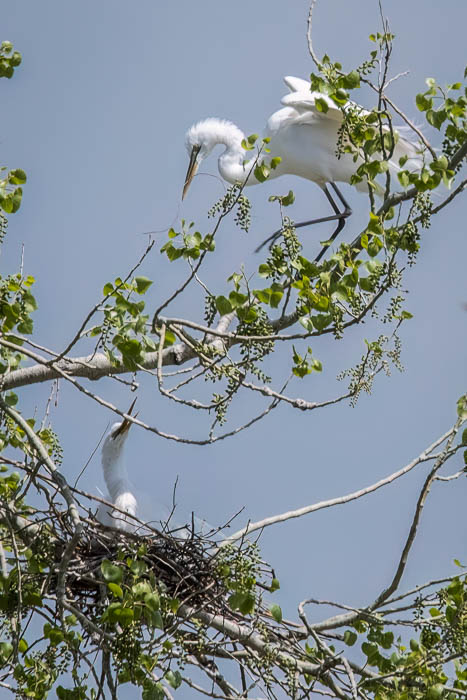
Not being a true “birder” with a super long lens, I enjoy my yearly visit to what I call the Nesting Trees in Lincoln. The trees sit in a gully in the middle of two shopping centers. The birds, blue herons and egrets, feel safe and build their nests there. Even though I only have a 300mm stretch on my Fujifilm camera and Tamron lens. I do manage to get a few good ones. I’ve also learned to bring a chair!

I do have fun at carnivals. Not riding the rides; but photographing them. I have fun zooming in and out, moving my camera up and down, combining both on a longer shutter speed. The Ferris wheel provided me with a lot of fun times.

Last, you know I like reflections. At the California State Railroad Museum in Old Sacramento, they put a locomotive on mirrors. Did they do that just for me? Here’s one result.

All of these destinations bring me fun each time I visit. But the joy comes from being with my friends for these outings. Photography has brought me wonderful photo buddies and also a great community like LAPC. About leaving my camera home, it must have been an omen. Two days before the races, a fire broke out in Washoe Valley. It looked like they had it contained, but the wind picked up and it changed direction. While we were watching the first ostrich race, my son got an alert to evacuate. Richard and I came home, and my son and family went to stay with his in-laws. It was an intense two days, but the fire didn’t get to their community, and they were able to return home.

Your posts to Ritva’s Common Objects challenge were just the diversion I needed last week. I was amazed at all the different interpretations you had for that challenge. When you respond to Egidio’s Fun challenge, please link back to his post and use the Lens-Artists tag in the reader. Next week Tina will be challenging us, so look for her post.

In the meantime, find the joy in life and have FUN!

Lens Artists Challenge #275: Filling the Frame

Photography rules are guidelines and are sometimes meant to be broken. Also, photography is art, and art is subjective. Why am I saying this? Come down the rabbit hole with me!

In the last two weeks, we’ve learned about symmetry and asymmetry—two basic forms of composition. Now we’re going to delve into another: filling the frame.

When you want your subject to stand out, fill the frame! When you fill the frame with your subject, you eliminate various background distractions. The viewer’s eyes have nowhere to wander. Their attention is where you want it.

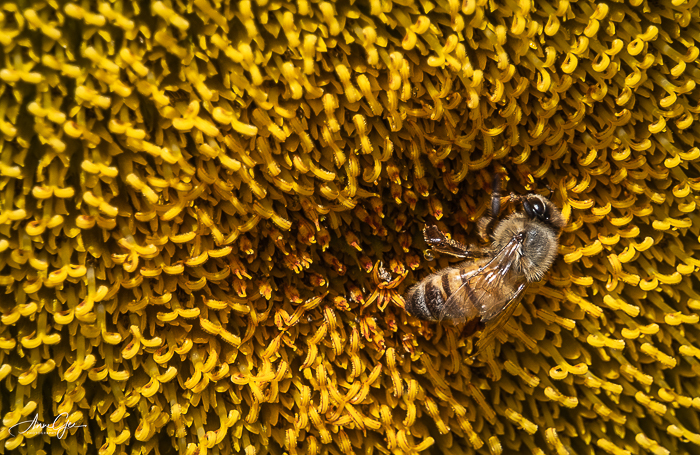
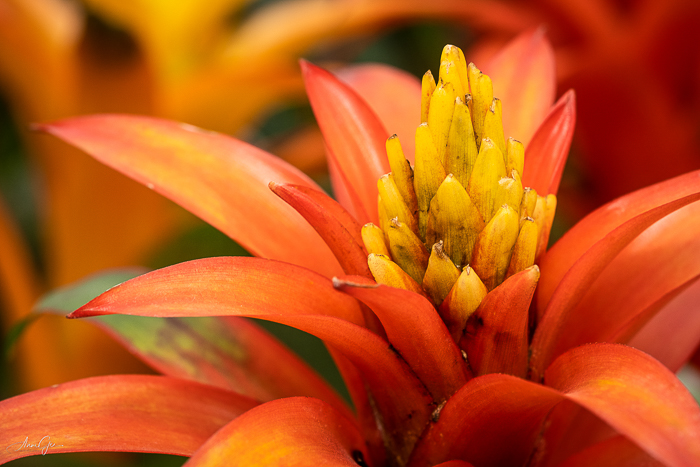
The frame refers to the rectangular scene you see through your camera. When you use this technique, you simply fill your photo’s frame with more of your subject, reducing the amount of background or negative space shown. And it can be filled-in-camera or in post processing. I tend to fill in-camera, sometimes not leaving any room for creative cropping in post. Now, I try to leave a bit more around my subject, so I have more to work with. I did a close crop in post on the sunflower, below, wanting to show the bee in action. By doing this, my sunflower became the background and the bee the subject. Sometimes we just change our minds once we view the image on our monitors.

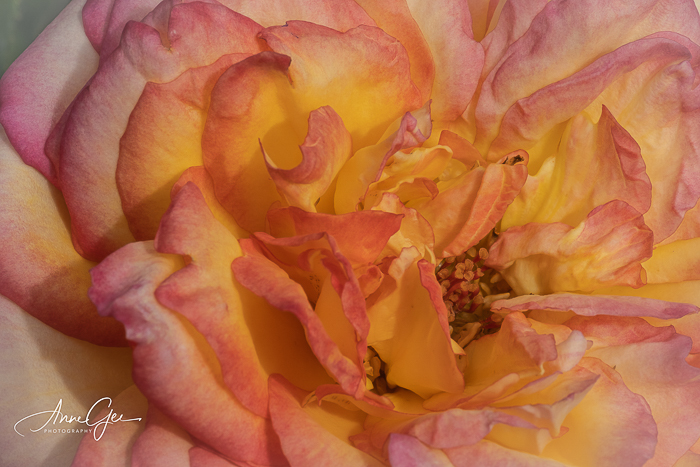
The basic rule for filling the frame is to get close to your subject. This can be achieved by walking up to your subject or using a zoom lens. I’ve done this type of photography with a macro and zoom lens. You can fill the frame totally or leave a bit of negative space to help your subject stand out. Yes, we’re sliding down that rabbit hole now. A bit of nothing helps put the focus on your subject. Remember, photography is subjective, and everyone has an opinion. Some photographers say “no” to negative space and a soft background. But, without the small amount of negative space, how could I have had this flamingo stand out? Having a bokeh background helps this flower stand out and shows its environment.

Okay, that rabbit hole is getting slippery now. What about filling the frame to tell a story? This can be street photography, event photography, or iconic subjects. Below are two pictures. The first is of an entertainer, Tom Rigney, at the Sacramento Music Festival. The second is of the Point Reyes an old boat that has become a photographers’ attraction. Viewers would not interpret their full stories without seeing their environment. But their stories fill the frame and there’s nothing that distracts from them.

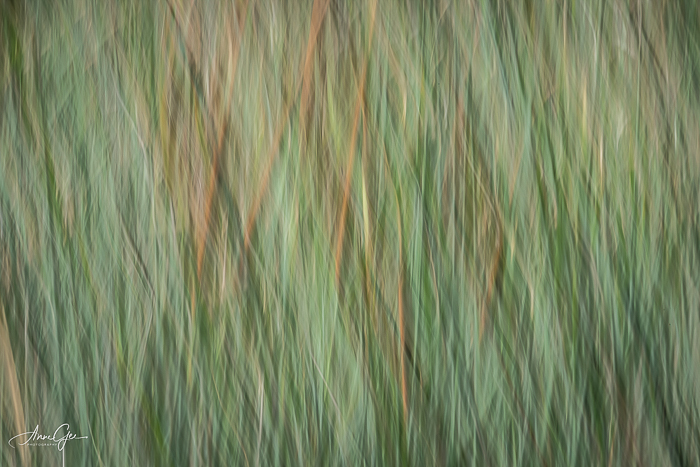
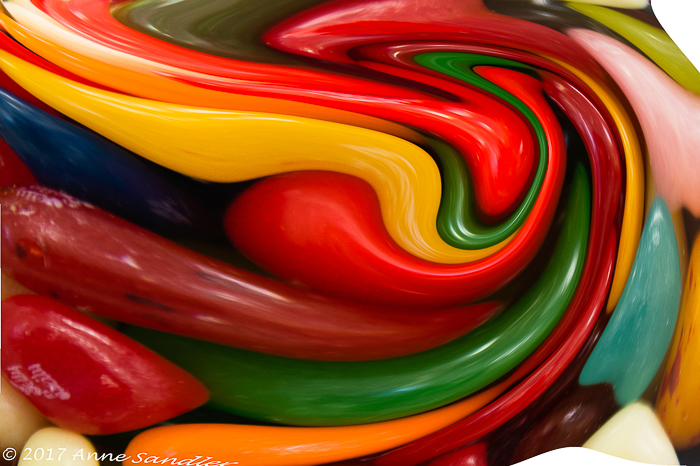
Do you like getting creative? Let’s fill the frame with an abstract! One is of cattails and the other a Ferris wheel. Both were taken with intentional camera movement (ICM).

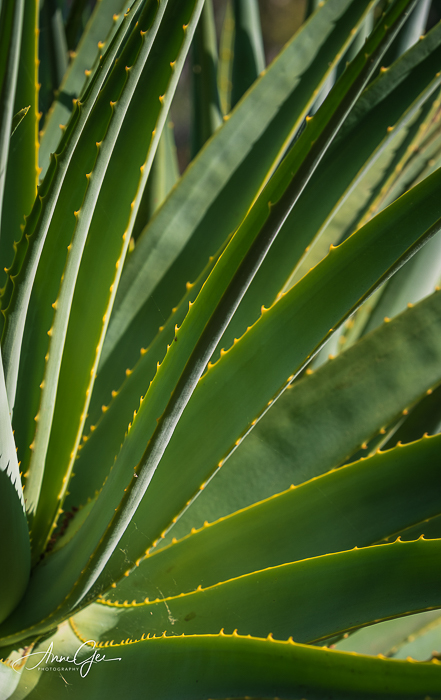
Spilling off the frame. Most of my images in this post extend beyond the frame, meaning their stories continue beyond the confines of the image boundaries.  The lotus and cactus are continued in the viewer’s imagination.

We’ve reached the bottom of my rabbit hole. Let’s climb back out so you can find your images that fill the frame. Remembering that photography is subjective, I’m looking forward to seeing your imaginative and creative responses. Anything goes! When you respond remember to link to this post and use the Lens-Artists tag.

Thank you, Donna, for getting us in the mood with her asymmetry challenge last week. We’ve been having a lot of fun, haven’t we! Next week James of Jazzibee will guest host and present our next challenge. Be sure to look for his post.

If you would like to participate weekly in our Lens-Artists Challenge, click here for more info. 

Lens Artists Challenge #243: It’s tricky

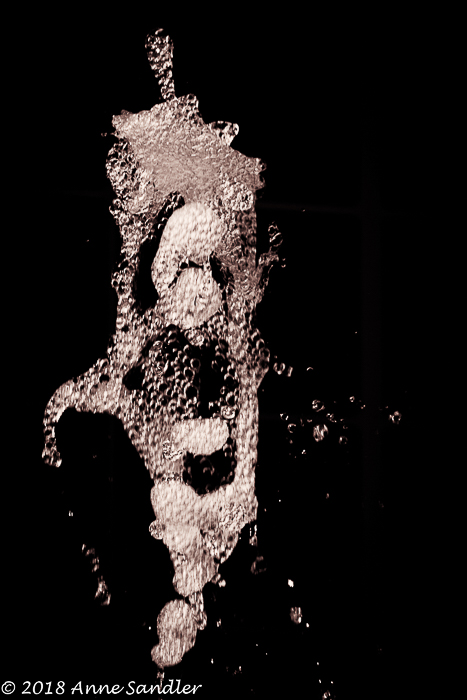
Happy April Fool’s Day everyone. And thank you Donna for this tricky challenge. Tricky for me because I don’t create creative images. But I do like to play with Photoshop filters. I enjoy trying one by one to see what they would do to an image. It’s fun. Here are some examples.

If you’ve been following this blog, you know I like to zoom my lens in and out and slow my shutter speed down. Yes, I’ll stop at a neighborhood carnival just to take pictures. And holiday lights are perfect subjects too.

Here are some single shots:

I’ll admit that this was a difficult challenge for me since I’m not a truly creative person. I can see an opportunity and take it while composing a picture, and I’m venturing a little bit into Photoshop. So Donna, thanks for the gentle push. Please link to Donna’s post when you reply and use the Lens-Artists tag so it will show up in the Reader.

Thanks to all of you for showing us your New Experiences last week. I enjoyed them all and learned more about plays, bees, hang gliding and more. Next week our guest host, Siobhan of Bend Branches will be leading our challenge, so look for her post.

Interested to learn more about the Lens-Artists Challenge and join us, click here for more information.

Merry Christmas: Lights

We’re getting closer to the second miracle of this season. First was Chanukah and now it’s Christmas. I love to take images of the decorated lights on houses and in yards. So Jean and I went out for my second round of taking photos of lights.

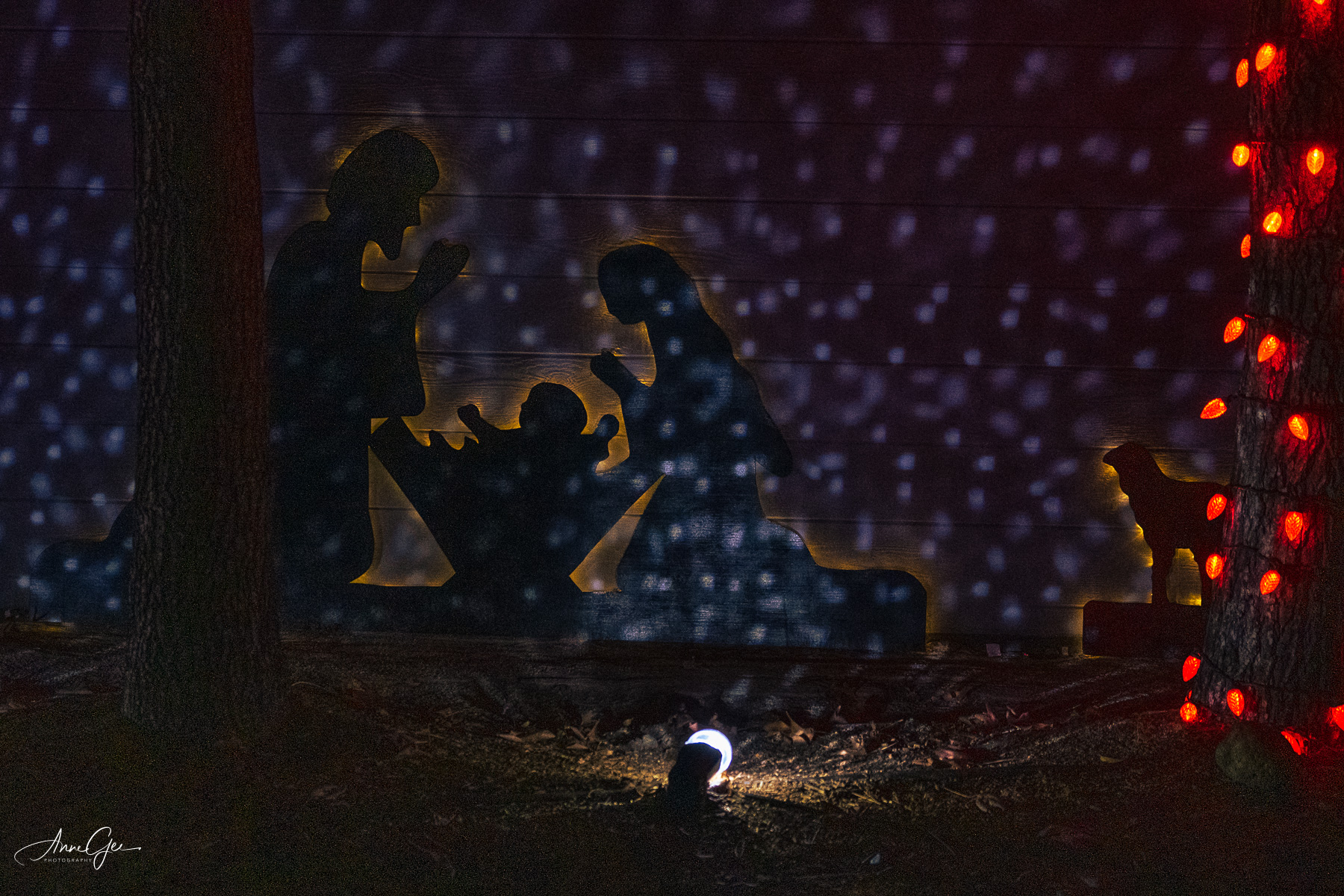
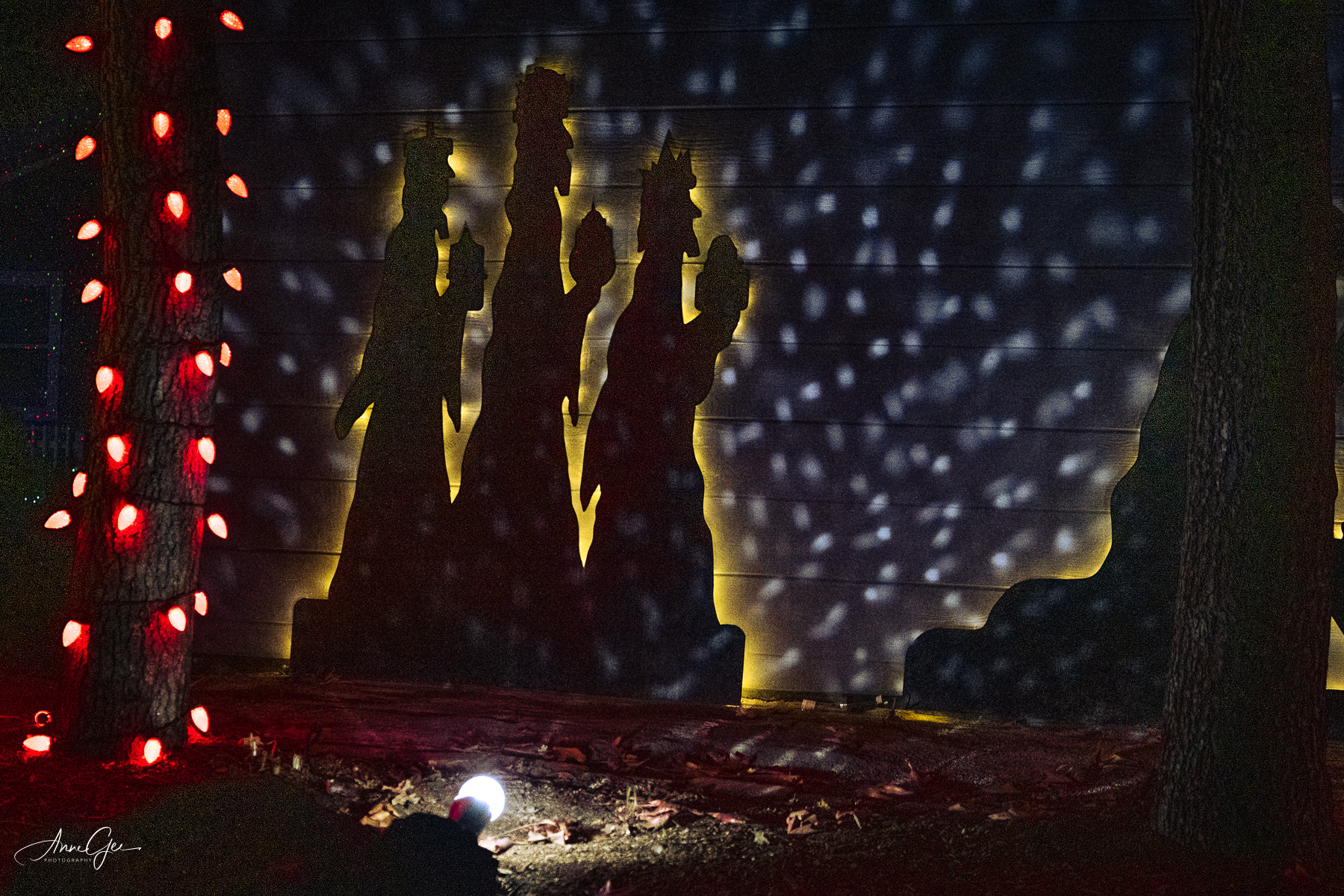
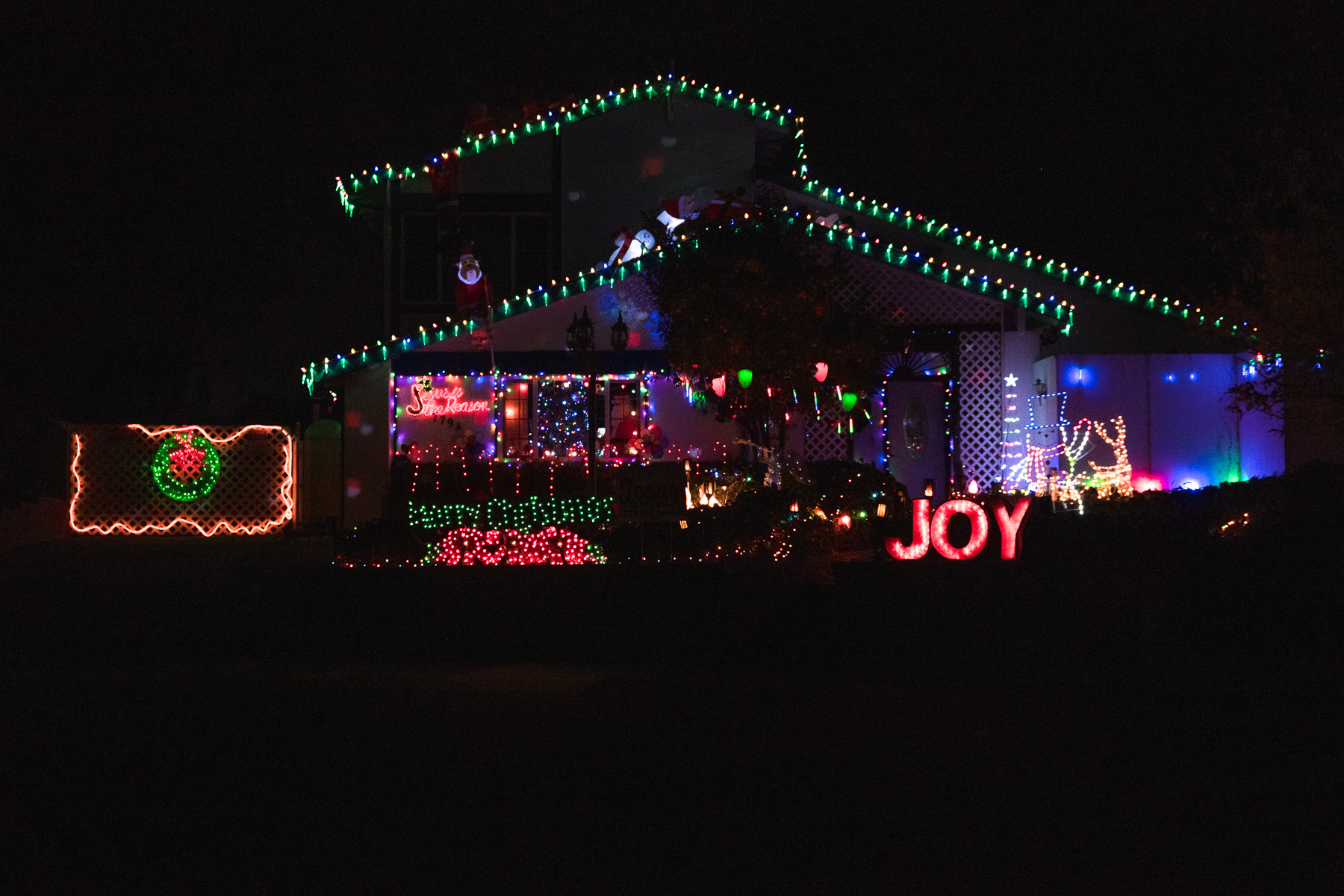
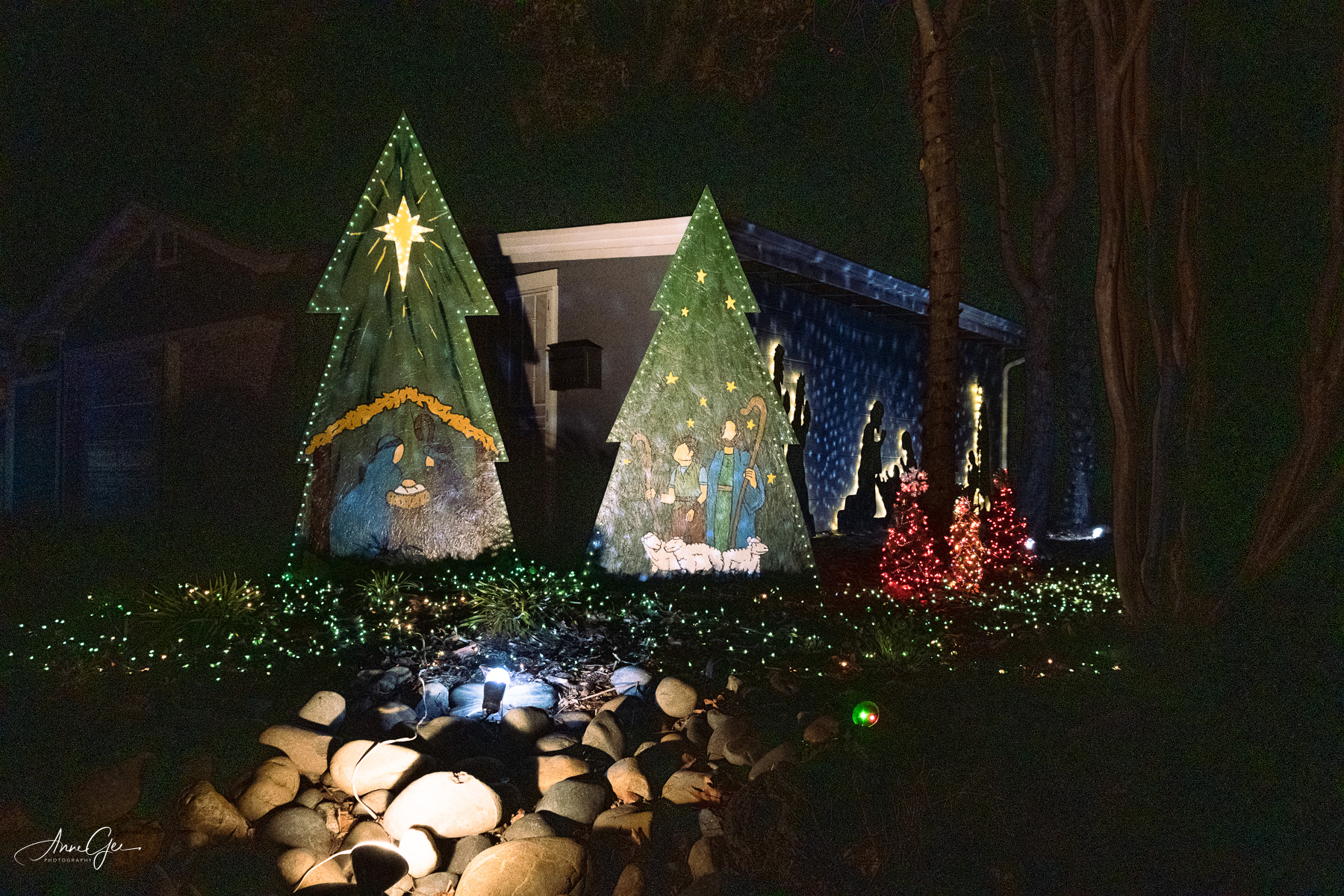
I thought this house sent the religious message of Christmas along with some fun snow men, plus a snowman zoom.

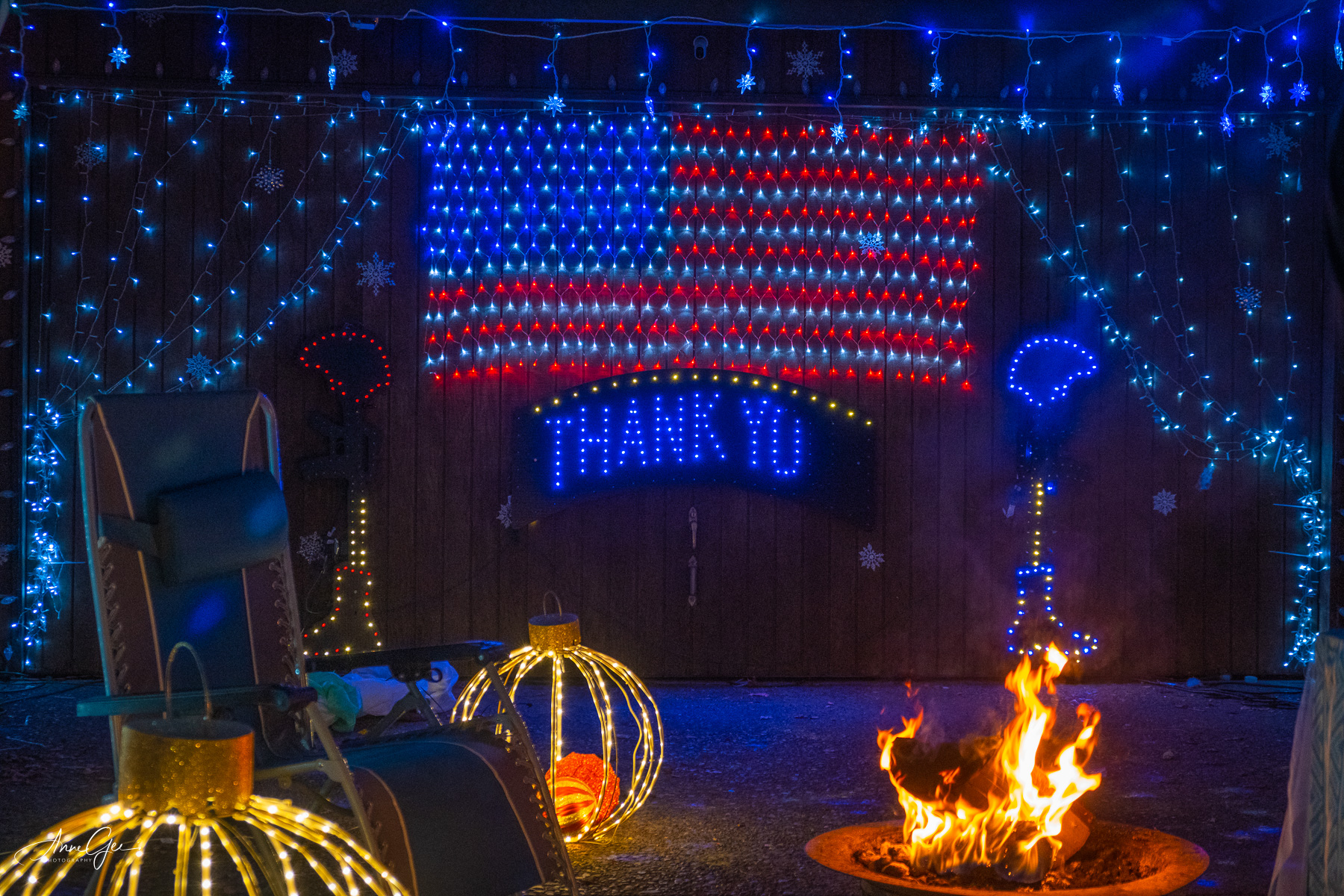
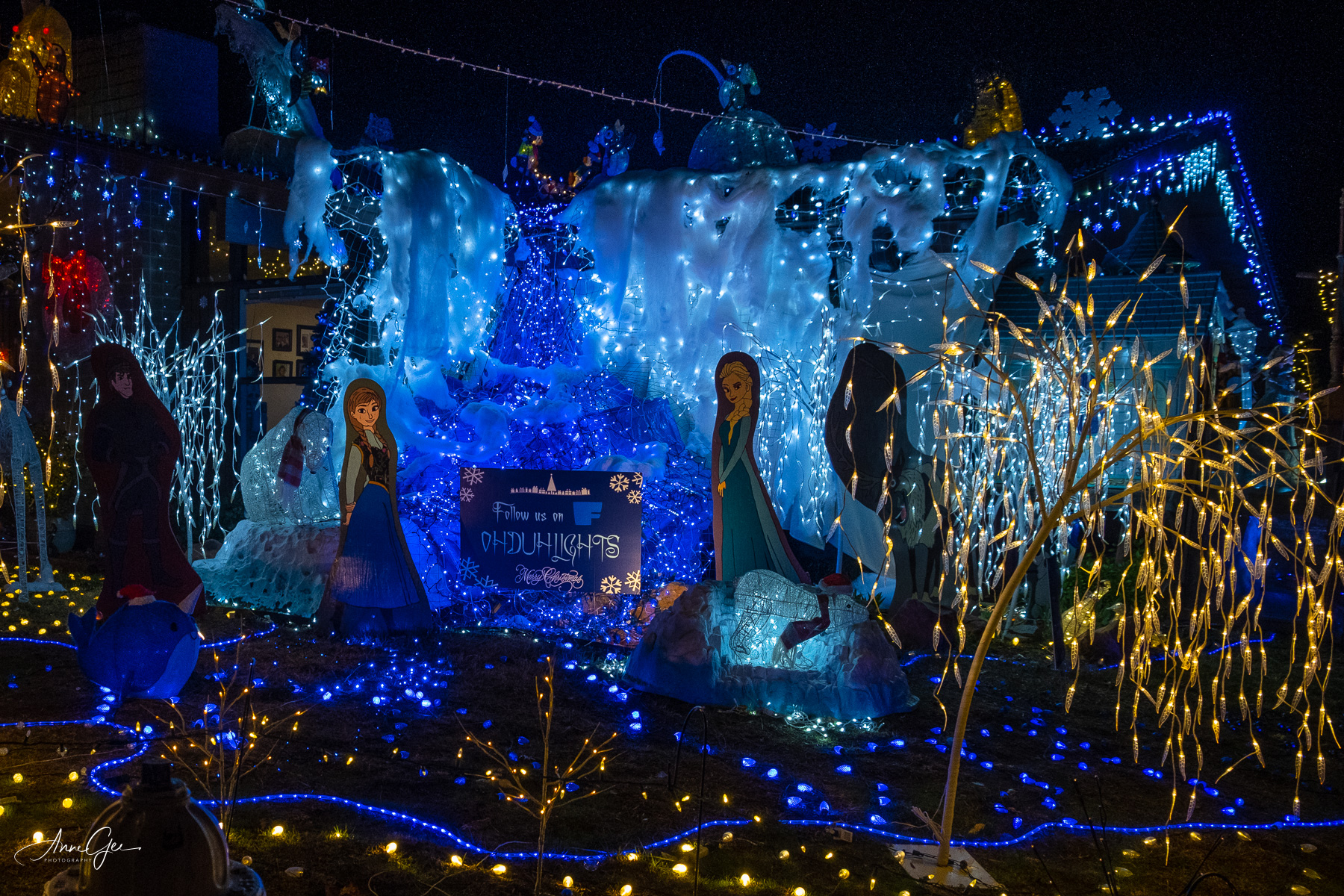
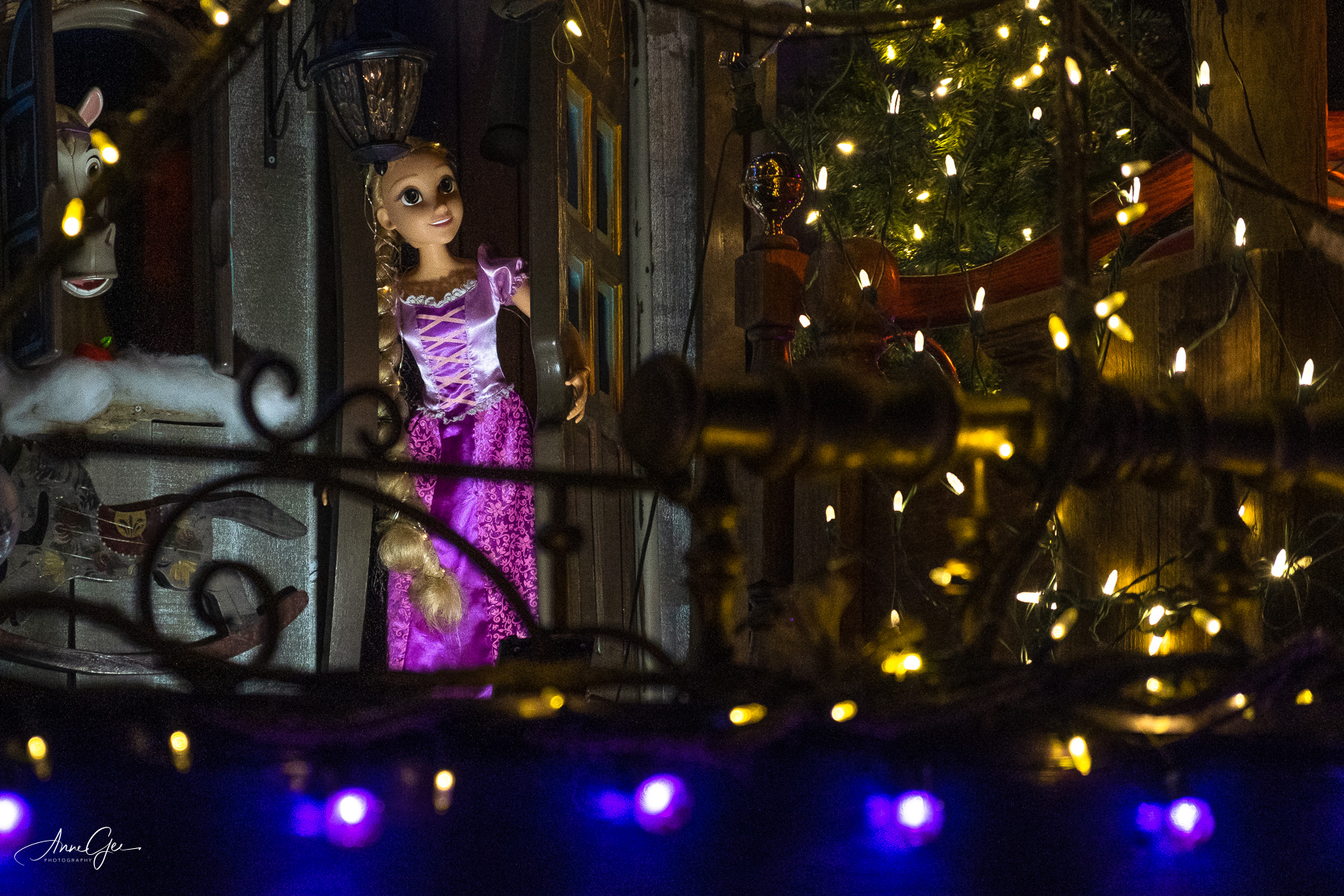
This next display starts in the front yard with a patriotic theme and ends with a “Frozen” theme on the side yard and around the corner. It was well done. Of course, I’m thinking of power and how much it costs to run the lights. But, this was an enjoyable exhibit.

Last, I’m showing you the first display we saw. It was simple and beautiful. And, yes, I had to zoom!

Have a great Christmas. Let’s hope next year let’s hope for another miracle and we’ll be back with families and friends! Stay safe everyone.