We can look at doors physically; when open, we walk out or in. But there are also emotional doors that can free us or hold us prisoner. Photography, in itself, is a door for us photographers. With camera in hand, we walk out to new and old discoveries and away from reality for a while. This week Sofia is encouraging us to share our door images. Let’s see what doors I’ve come up with.
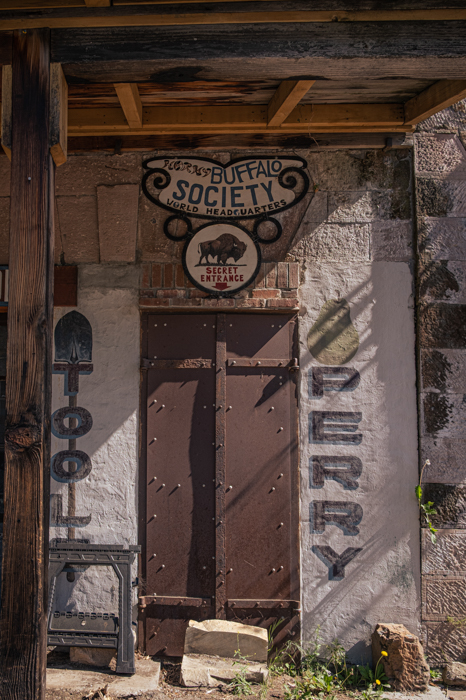
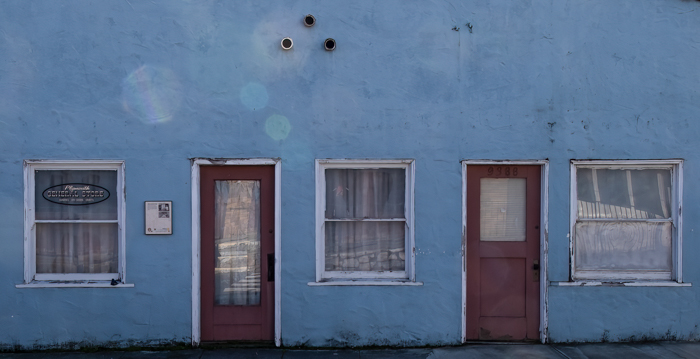
I visit many small towns primarily in the Gold Country area. Doors range from rustic to cut glass modern.
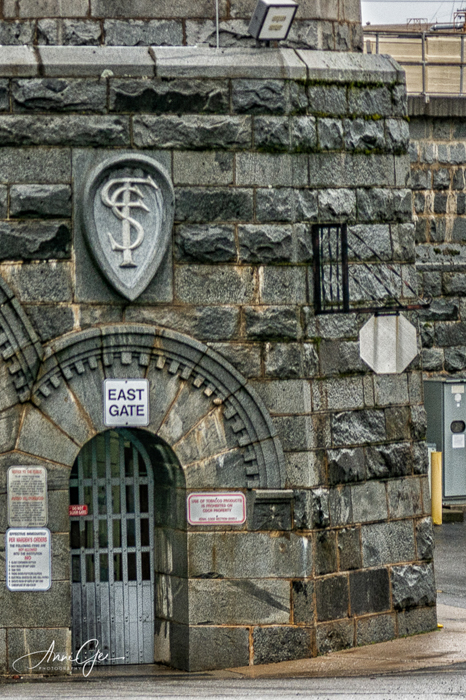
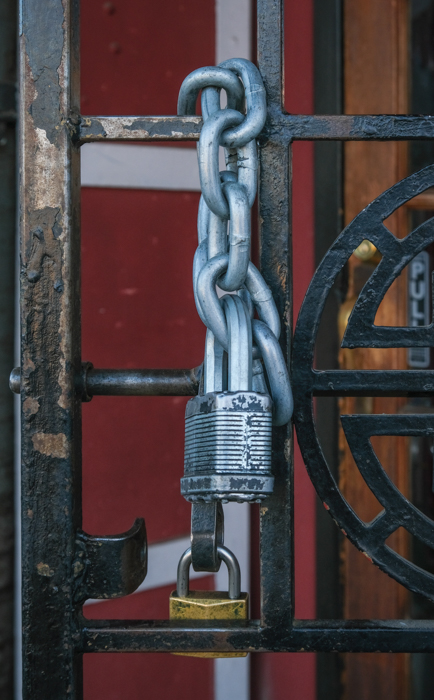
Gates can be classified as doorways. They also swing in and out! Well, except for the gate at Folsom Prison–it swings only in! And I zoomed way in to get this picture. We couldn’t go beyond a certain point. Oh, and I did a lot of cropping too!
Main Gate to Sutter’s Fort in SacramentoEast Gate, Folsom Prison
Here are some images that are singular in their category. They are captioned.
AuditoriumBarnAt Fort Point, San FranciscoThe Folsom Powerhouse supplied electricity to Sacramento in years gone by.
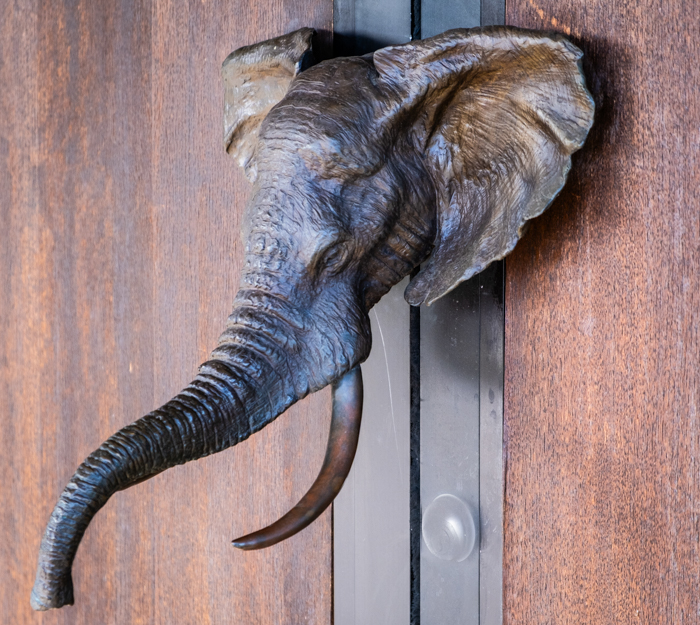
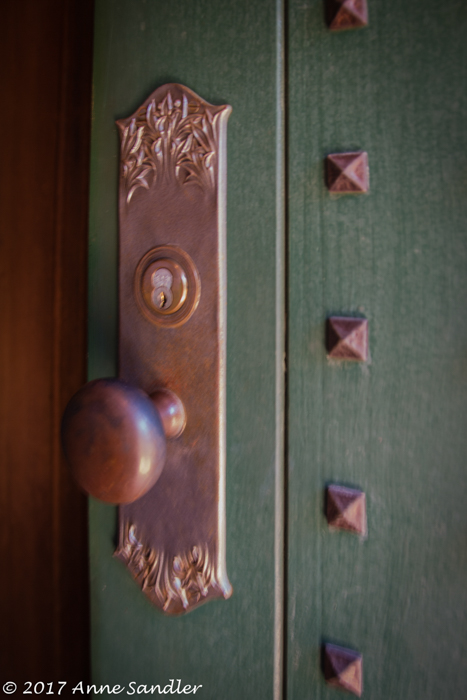
Let’s end this post with some unique door knobs.
What a fun challenge this was. Thanks Sofia. Be sure to link your response to Sofia’s original post and use the Lens-Artists tag. Last week we enjoyed the sights and sounds of your trips to fairs and markets. Some were unusual and colorful. Next week Beth will be challenging us, so look for her post.
What is unique to some, may not be unique to others. It all depends on your life experiences. This week, Amy is asking us to post pictures of places and things unique to us. Since I began photography as a hobby 10 years ago, I have been to places that were surprisingly different/amazing to me.
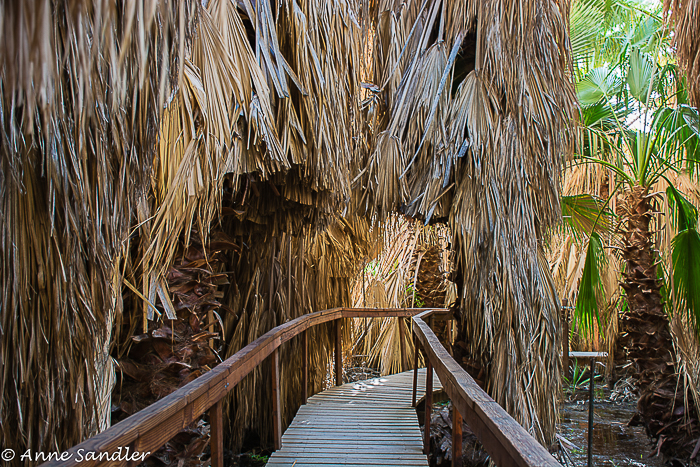
Let’s start with the Coachella Valley Preserve in Thousand Palms, California. I had never seen an oasis before, and here was one in the California desert. You can see a large cluster of palm trees in the middle of a desert. As we walked through the preserve, we saw pools of water that fed the thirsty trees.
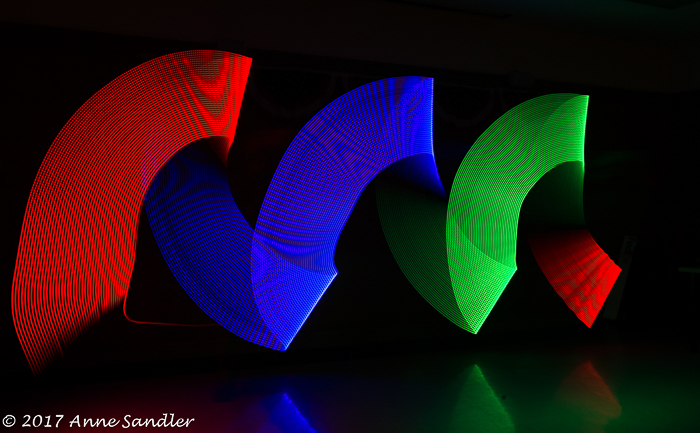
Have you ever tried light painting? Yes, painting with light and captured with your camera. You can’t do it alone because someone needs to hold the light source. And, of course, it has to be dark. One of my camera groups hosted this unique experience.
I remember seeing a giant sequoia for the first time. That definitely was a WOW experience. The sequoias occur naturally only in groves on the western slopes of the Sierra Nevada mountain range of California. They can grow up to 279 tall and have a diameter of 20 to 26 feet. This is one tree you just can’t hug!
Redding California is home to the Sun Dial Bridge. It’s a steel, glass, and granite bridge that crosses the Sacramento River and is simply beautiful, especially at night. This bridge is one of the largest sundials in the world. Its shadow traces an arc that is so big it can record time for only four hours a day, from 11:00 am to 3:00 pm. When visible, the shadow moves about one foot per minute.
The Folsom Powerhouse is “an example of the tremendous advance in the commercial application of electricity. H.P. Livermore realized that the water of the American River could turn generators for electricity in Sacramento, 22 miles downstream. With his partners, Livermore built the powerhouse, which still looks much as it did in 1895.” During a docent led tour, of the small facility we learned how amazing this was. And it was certainly unique in that time.
Yes, my camera has shown me many unique places. I’m sure there will be more to come.
Please remember to link to Amy’s post when you respond to this challenge and use the Lens-Artist tag in the reader. Last week, thanks to Patti, we enjoyed seeing many empty spaces and variations on the theme. I appreciated your imagination and photography. Next week Ann-Christine will be leading the challenge so be sure to look for her post. Until then, stay safe this holiday season.
When I first read this week’s challenge from John, Journeys with Johnbo, I immediately thought of the Folsom Powerhouse State Historic Park in Folsom. It wasn’t our destination, but we came upon it while visiting the Old Town of Folsom. And just our luck, the docent was on his way down to open the facility.
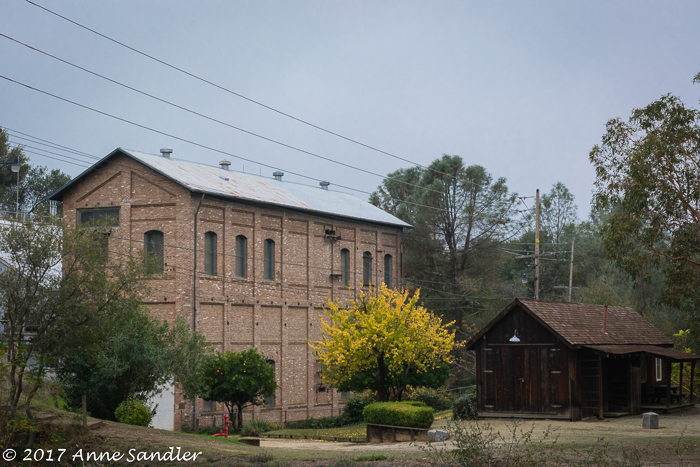
The Powerhouse is located on the American River. Here’s how it looks on the outside.
Before I take you inside, please read this brief summary of the Powerhouse history from our favorite online encyclopedia–Wikipedia. It says it better than I can.
Before the Folsom powerhouse was built nearly all electric power houses were using direct current (DC) generators powered by steam engines located within a very few miles of where the power was needed. The use of rushing water to generate hydroelectric power and then transmitting it long distances to where it could be used was not initially economically feasible as long as the electricity generated was low-voltage direct current. Once it was invented, AC power made it feasible to convert the electrical power to high voltage by using the newly invented transformers and to then economically transmit the power long distances to where it was needed. Lower voltage electrical power, which is much easier and safer to use, could be easily gotten by using transformers to convert the high voltage power to lower voltages near where it was being used. DC power cannot use a transformer to change its voltage. The Folsom Powerhouse, using part of the American River‘s rushing water to power its turbines connected to newly invented AC generators, generated three phase 60 cycle AC electricity (the same that’s used today in the United States) that was boosted by newly invented transformers from 800 volts as generated to 11,000 volts and transmitted to Sacramento over a 22 mi (35 km)-long distribution line, one of the longest electrical distribution lines in the United States at the time.”
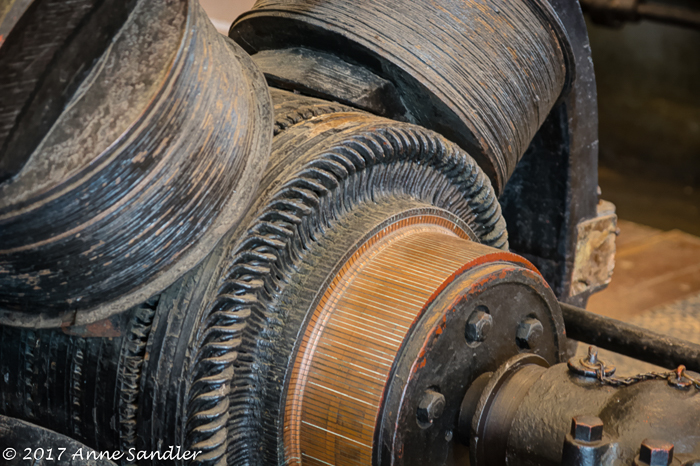
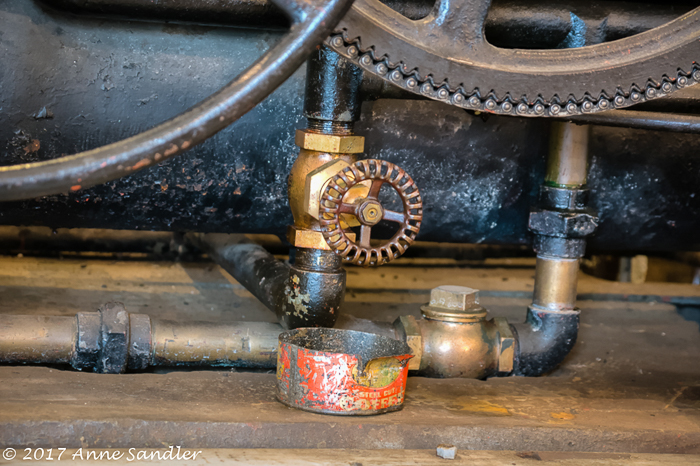
Leave it to me to photograph close ups of wheels and gears once inside. This is just part of my fun.
Now for the rest of the inside. I wish I understood more about the use of all the equipment. If you want, you can read more about it here.
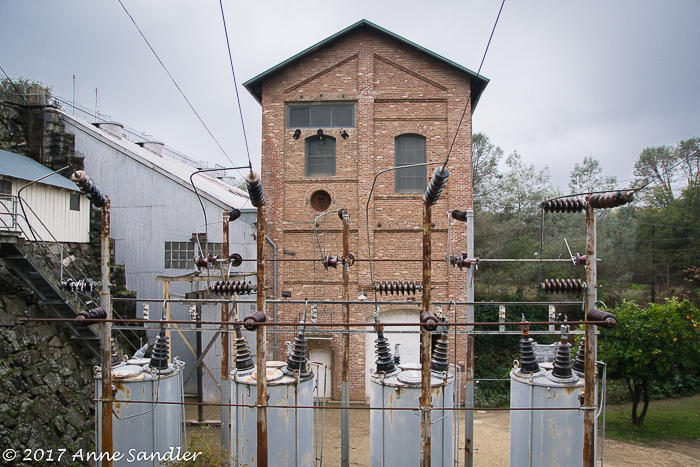
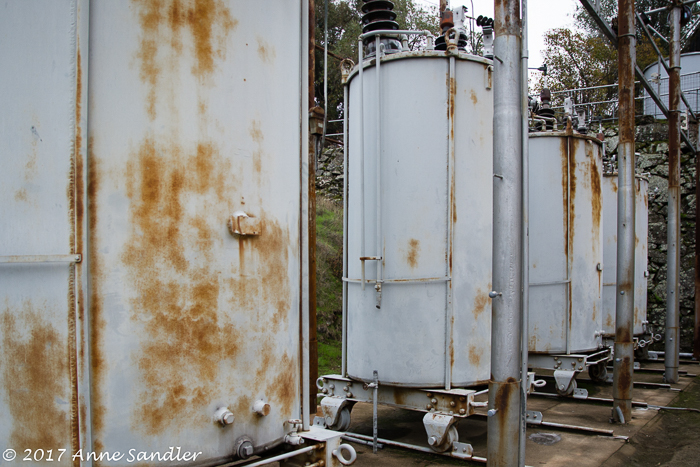
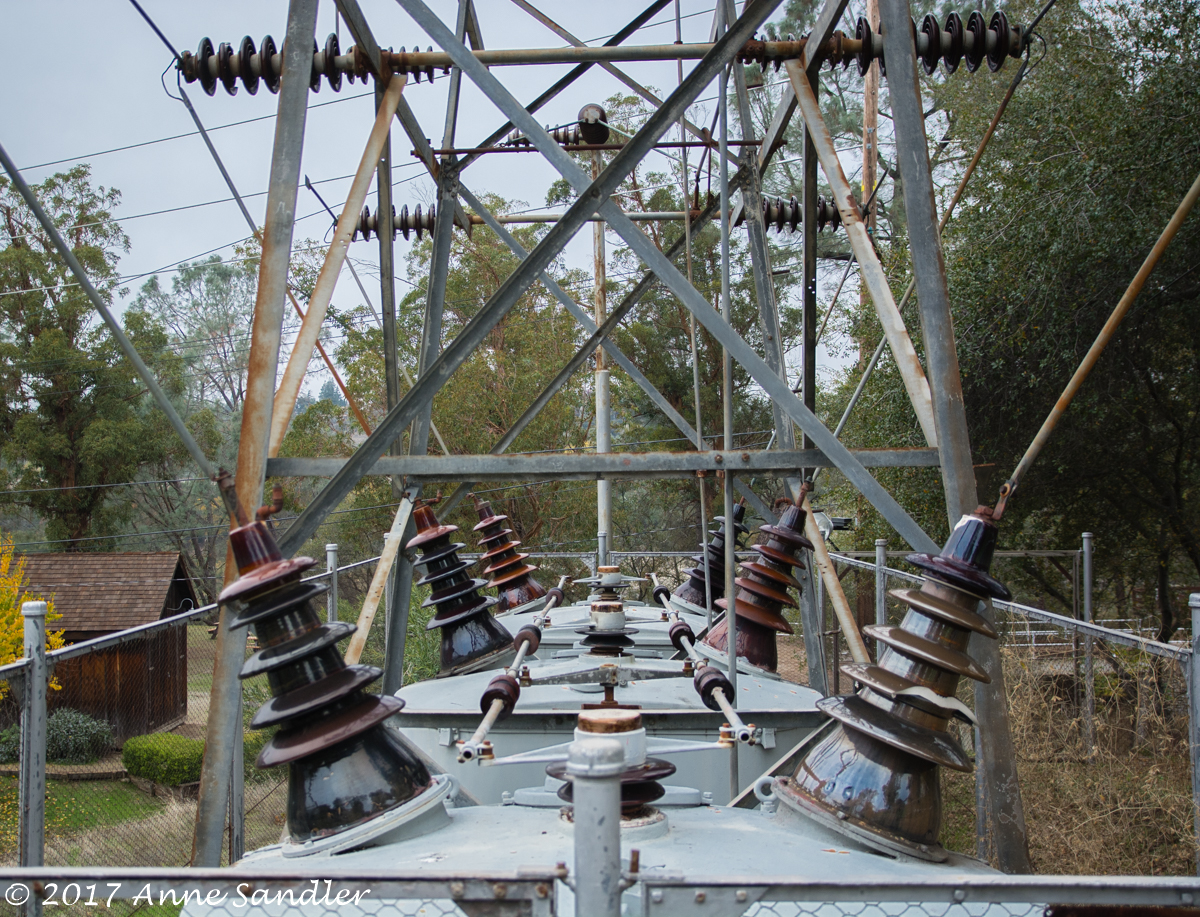
Let’s go back outside for the final photograph. Here you can see the transformers that sent electricity all the way to Sacramento.
Thank you John for giving us such an interesting topic. I’ve already read some of the replies and have been captivated. When you post your reply, remember to link to John’s original post and use the Lens Artists tag. Next week Next week, it’s Amy’s turn to host our challenge, so be sure to visit her site. If you’d like to join in our weekly challenges just click here.
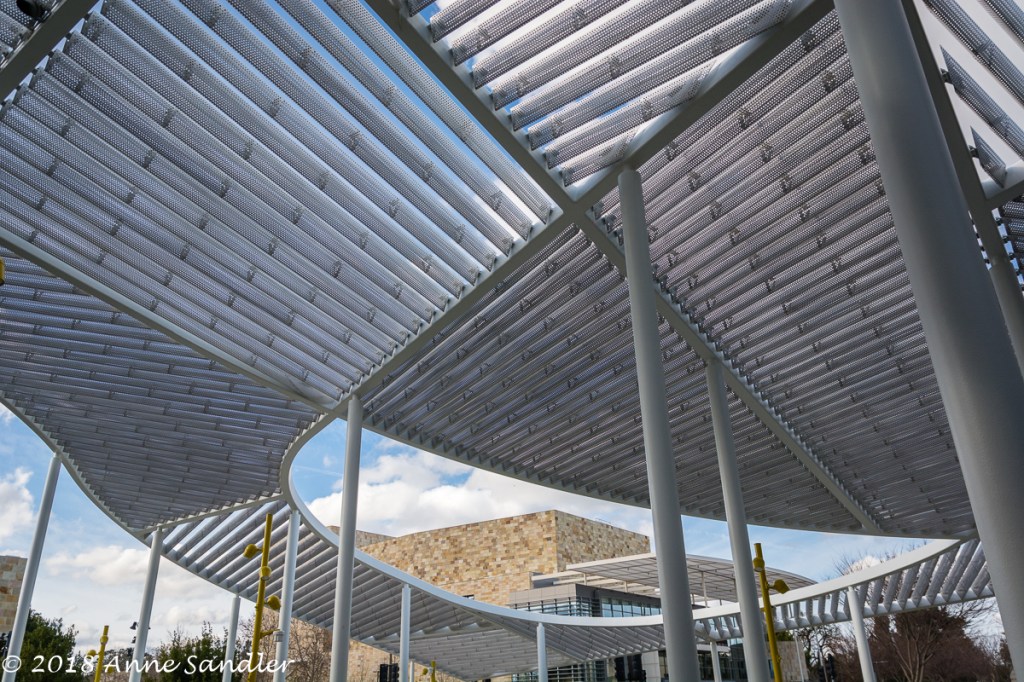
I cringed when I saw the word geometry in Patti’s challenge post. All I could think of was math; my worst subject in school. But, shapes I understand. We look for them as we do our photography. They help make our images interesting. Many give our pictures depth and help them look three dimensional.
Here’s what I found while looking through my archives.
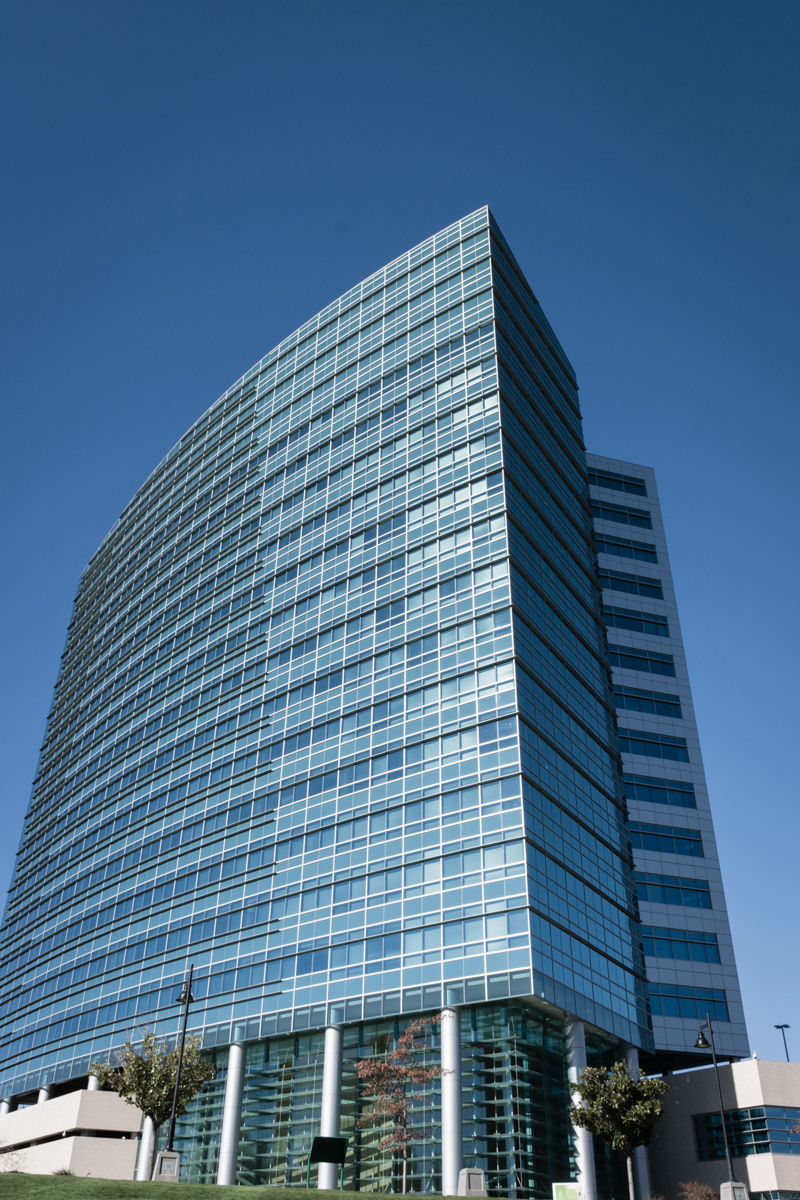
One of my favorite buildings, the CALSTRS building in West Sacramento has many angles, lines and shapes.
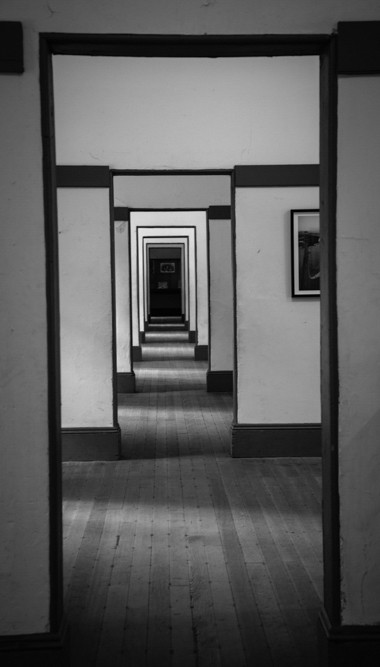
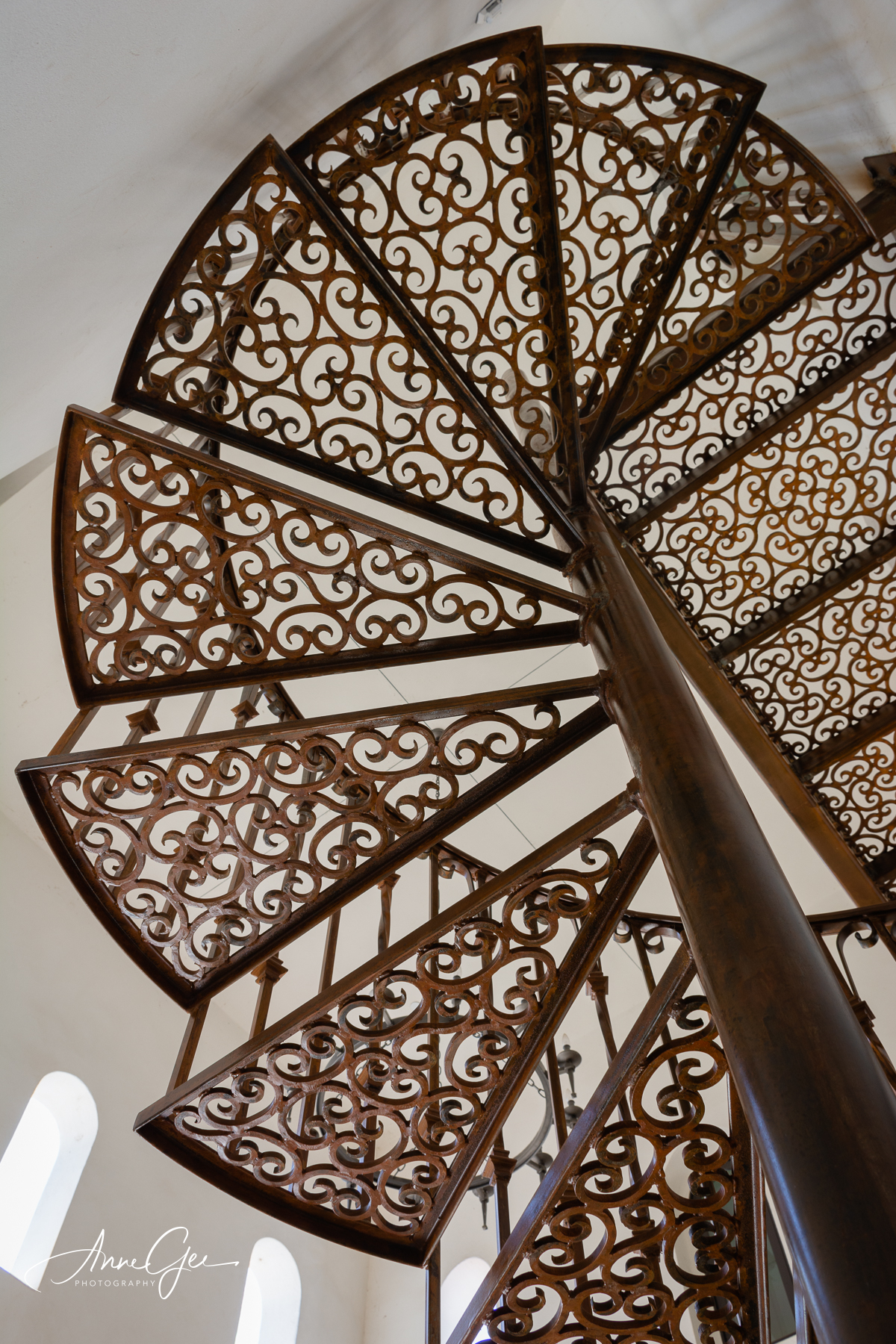
And here are a couple from Fort Point in San Francisco: stairs and a shape within a shape within a shape (actually a hallway).
We wanted to catch the sunset on the river, eat dinner in Historic Folsom and do some night shooting. The shoot was a lot of fun. We didn’t catch a spectacular sunset, but it was pretty. I had not been on this side of Negro Bar before (between two bridges), and I loved the rocky shore line. The food was great. Since we were there on a Tuesday night, Historic Folsom wasn’t bustling like I had hoped.
In the end, it was a fun evening of shooting and friendship. Yes, this is why I love the Sacramento area.
There are many old towns with history in California, but this one is close to home. Old Folsom or the Historic Folsom District as they it’s correctly called is a typical shopping and dining area like you’d find elsewhere. However the difference is their free parking garage and Historic Powerhouse. This hydroelectric plant, which is now a State Park, began delivering electric power to Sacramento in September, 1895 and continued to do so until it was shut down in 1952.
Unfortunately, we were not able to go inside because it was closed, but we did shoot the outside. But, fortunately, Tom was able to give us a complete history because of his association with the local newspaper and having lived in Folsom. One of these days, we’ll go back when we know it’s open. By the time we walked around Old Folsom, we were tired. Remember, this was the second half of a Tuesday outing. I’m sure Tom will have more interesting and historic stories to tell us.
This is a replica of the way trains were turned around.
It’s built directly on top of the original.
A closer look.
A musician. Edited in Nik Silver Efex.
A bike rider.
Shot through the window of a beauty salon. Edited in Nik Color Efex.
Peaking through a barber shop window. I thought this was perfect for the old time look, except for the cell phone!
The hotel.
Now we’re on the grounds of the Historic Powerhouse. This building housed various offices, etc.
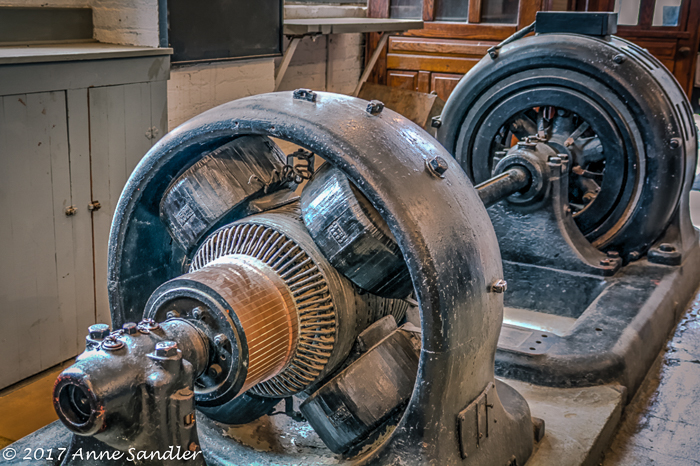
One of the three generators that delivered power to Sacramento.






















 Slow Shutter Speed