I remember my Mother telling me about the day they took the “horses away.” This flow of memories was triggered when I took her to see a living history event in San Jose many years ago. She told a docent and me about the new fire engine that replaced the horse drawn fire engine in New York City. As she talked, I could see, through her expressions, the wonderful memories she was reliving.
That’s why history is so important, and it’s wonderful that many of our amazing historical places are preserved as either Federal, State or City parks. Thanks John for bringing history to the forefront. Our beautiful Sierra Mountain Foothills is host to an amazing historical park located in Grass Valley–the Empire State Historical Park.
This history began with the discovery of gold which was originally discovered in 1850. The Ophir Hill Mine was sold a couple of times and eventually became the Empire Mining Co. Eventually William Bowers Bourn acquired control of the company. Bourn’s family lived in the “Cottage” on the estate.
Below is the cottage front, back, garages, reflecting pool and some of the grounds. They also had a terraced rose garden and a clubhouse. I was lucky to talk a docent into giving us a Cottage tour while he was there, but no photos.
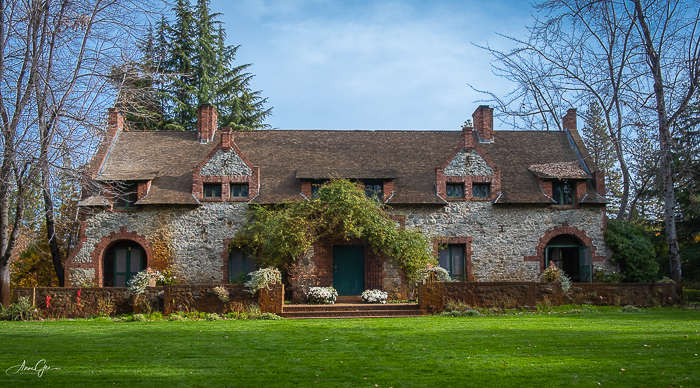
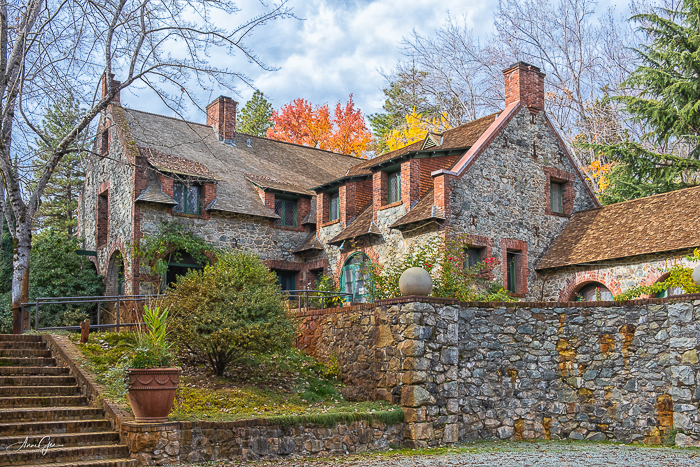
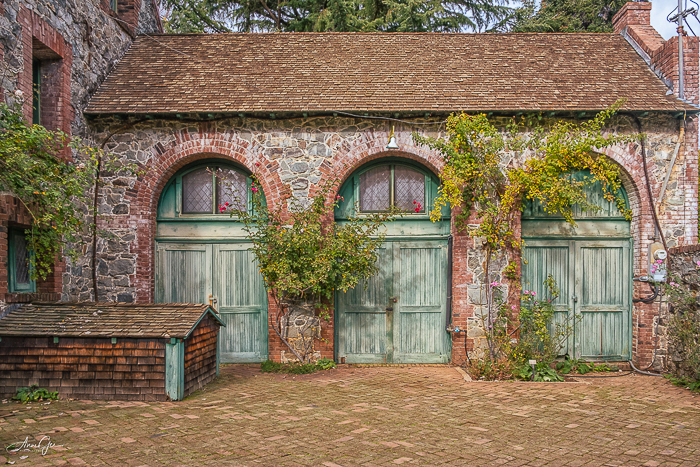
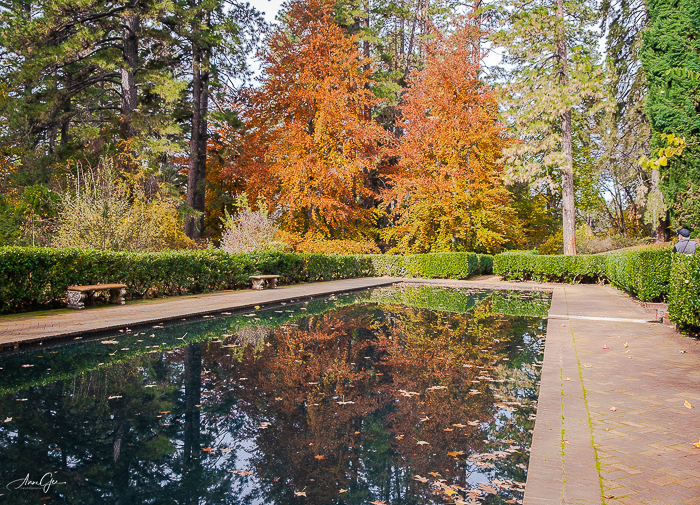
The mine was sold, but Bourn’s son regained control of the company and soon acquired the North Star Mine and two other mines. Yes, there was a lot of gold in the hills! The mine changed hands again until World War II when gold mines were considered nonessential. Next came the shortage of miners and inflation costs for mining gold. The mine closed in 1956.
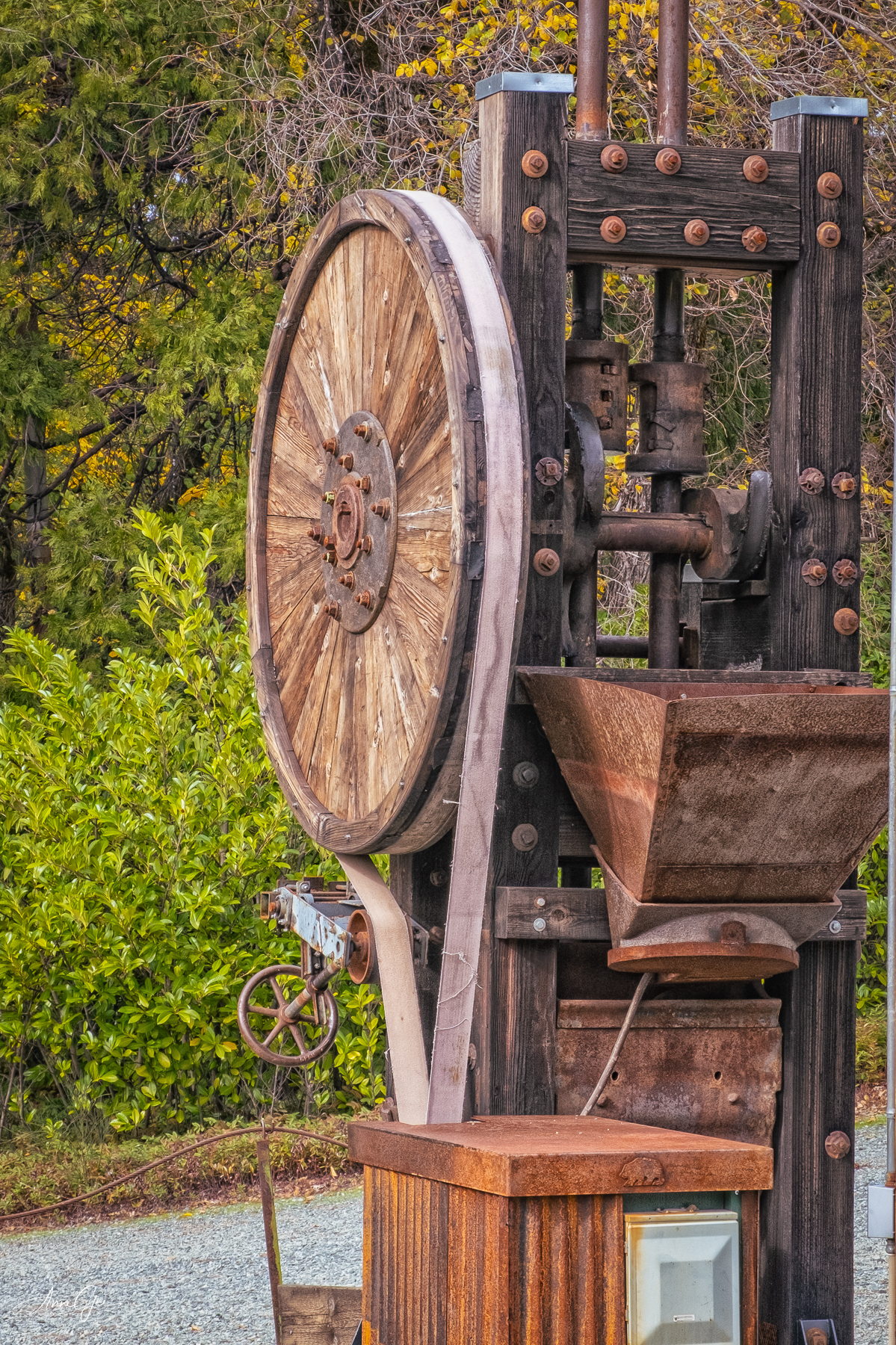
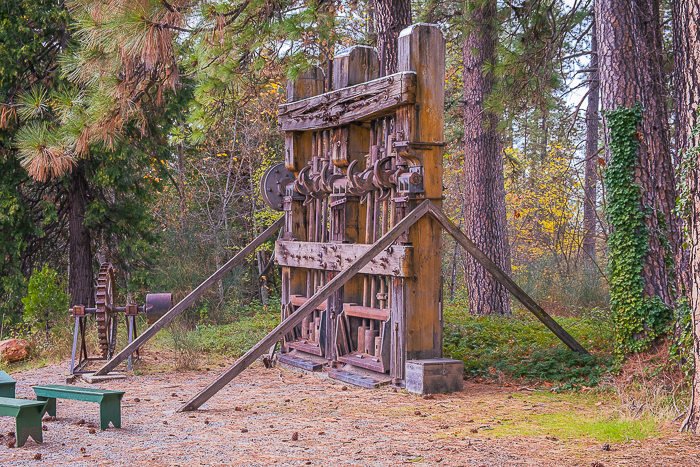
In 1975 California State Parks purchased the property, and today we get to visit and enjoy this beautiful property and its history. We leave the beautiful housing area and walk down to the mine. We first see a stamp machine (A stamp mill is a large mechanical device used to crush ore and extract the desired metals from the host material.).
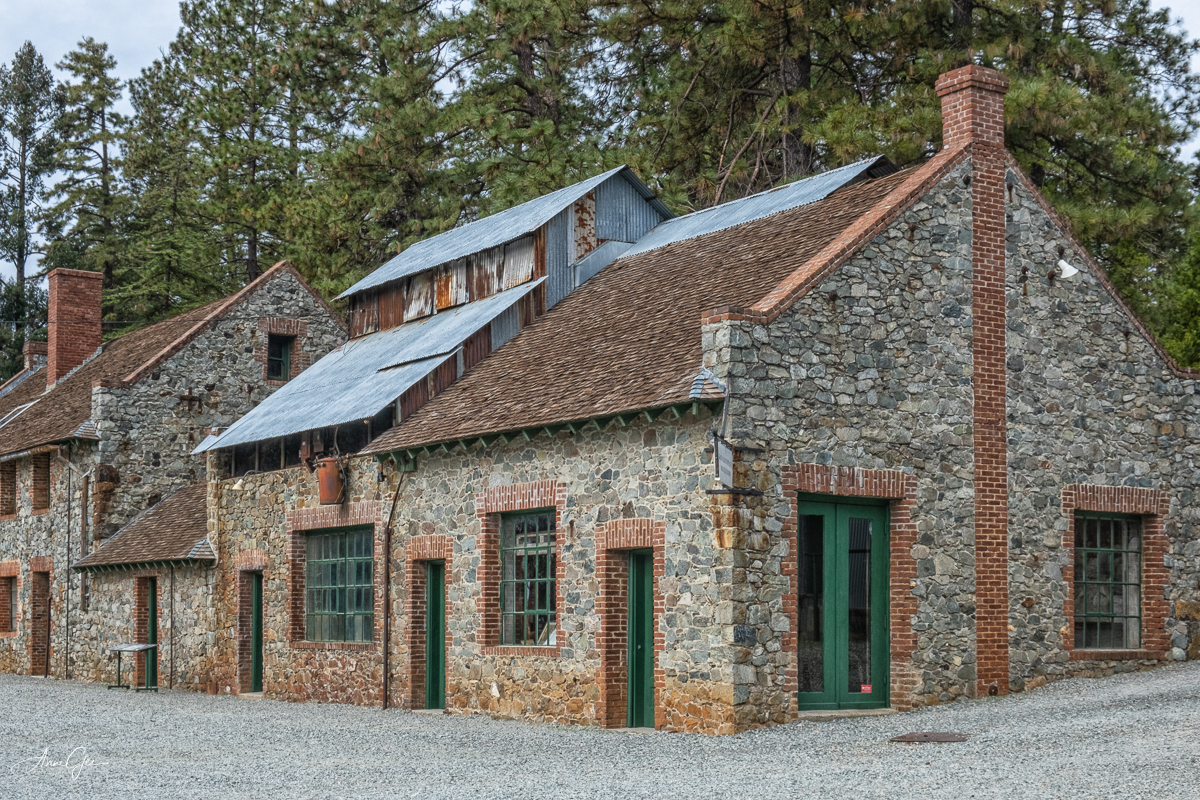
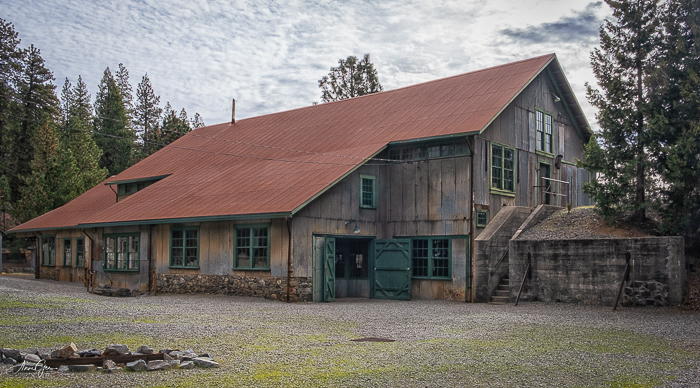
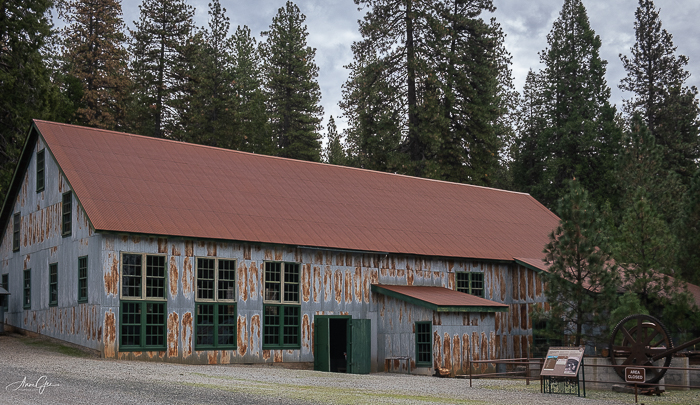
As we enter the main compound, there are buildings now used for administrative purposes.
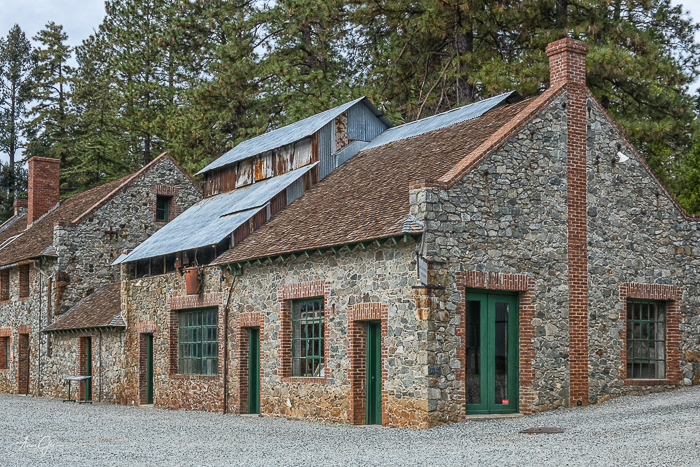
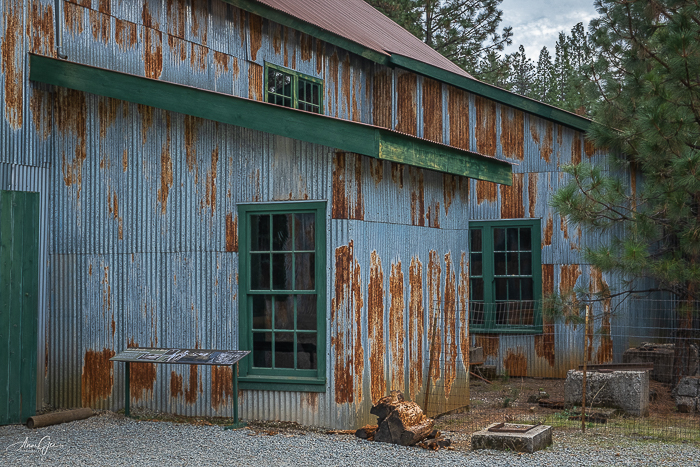
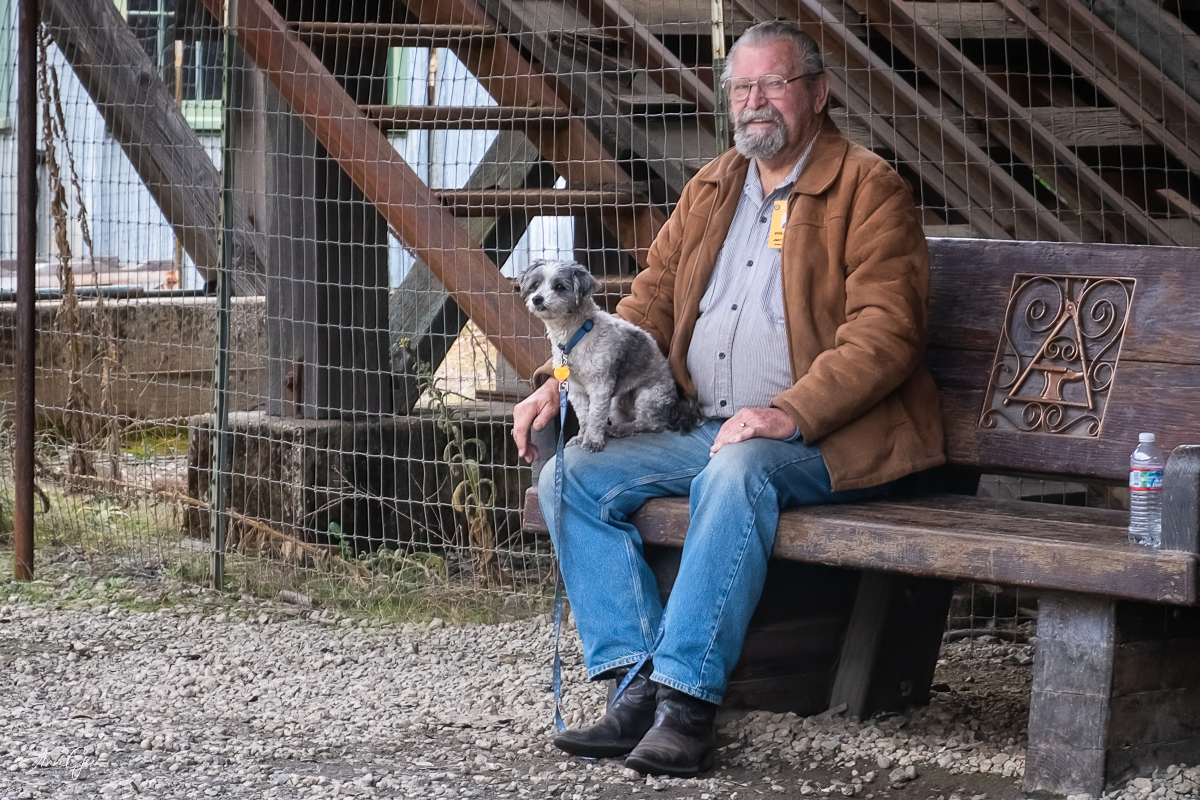
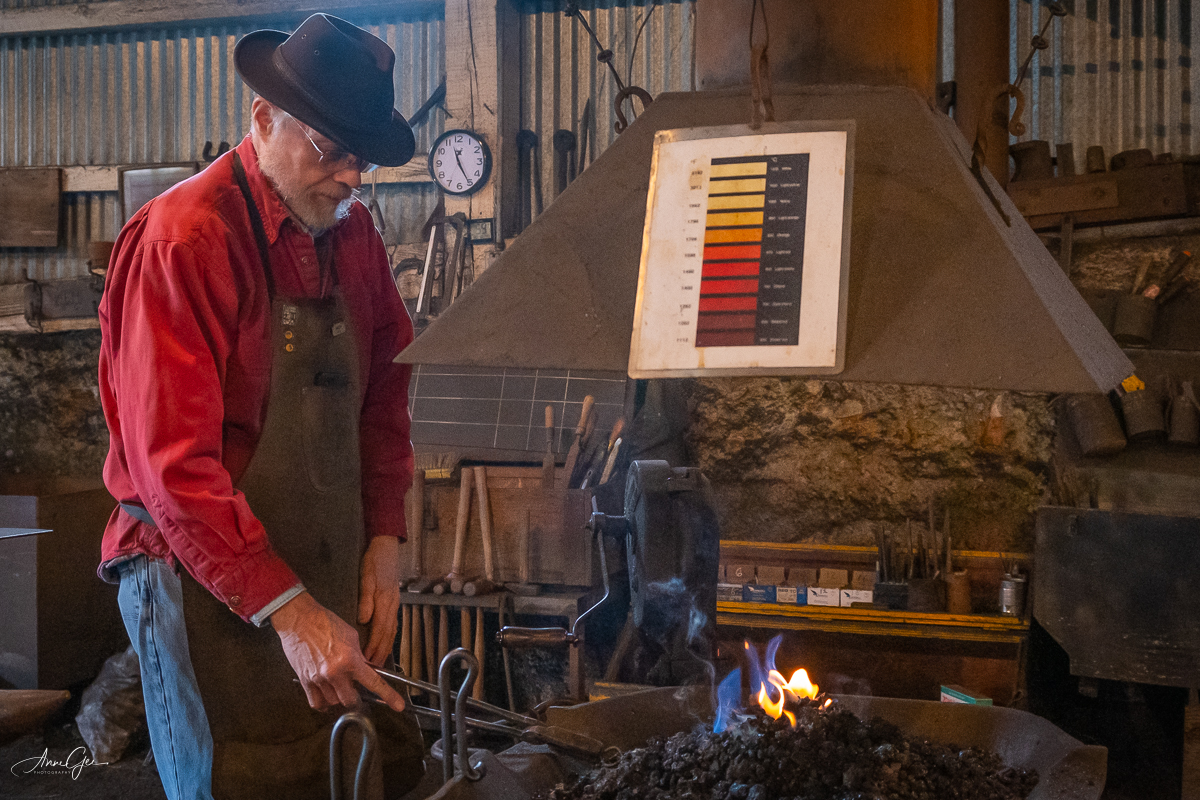
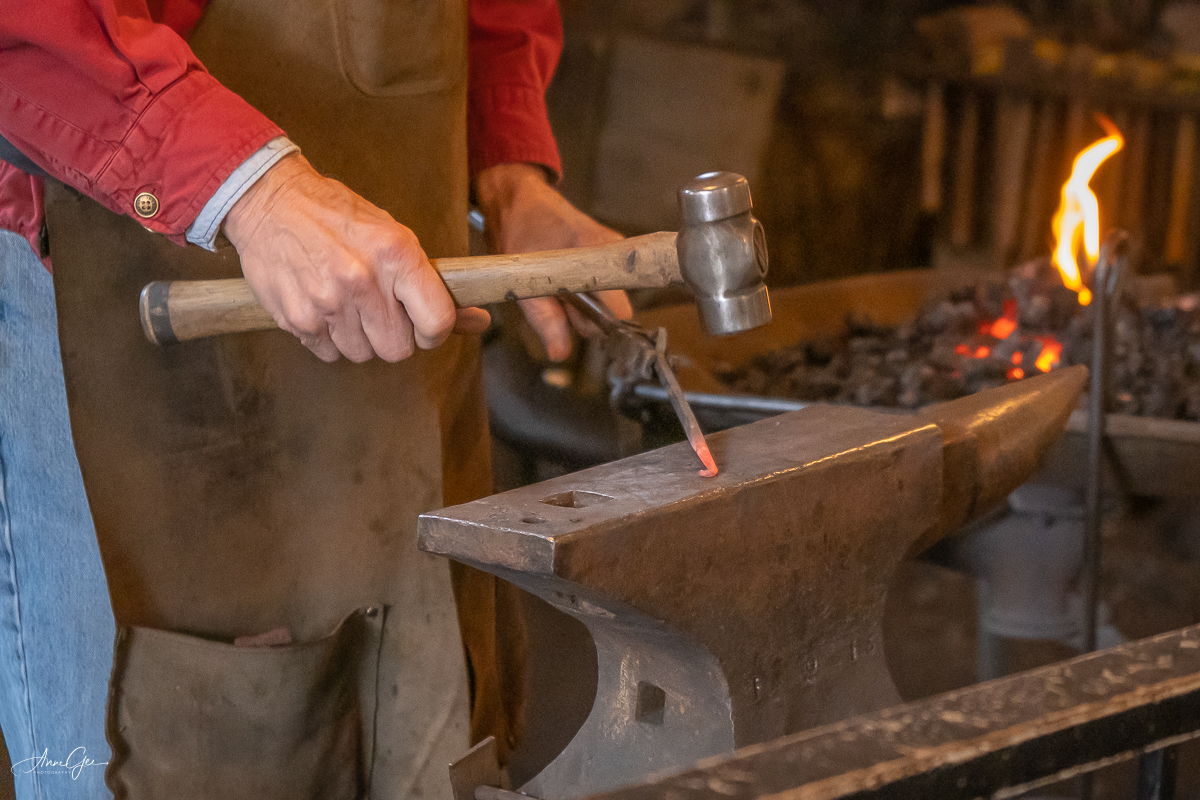
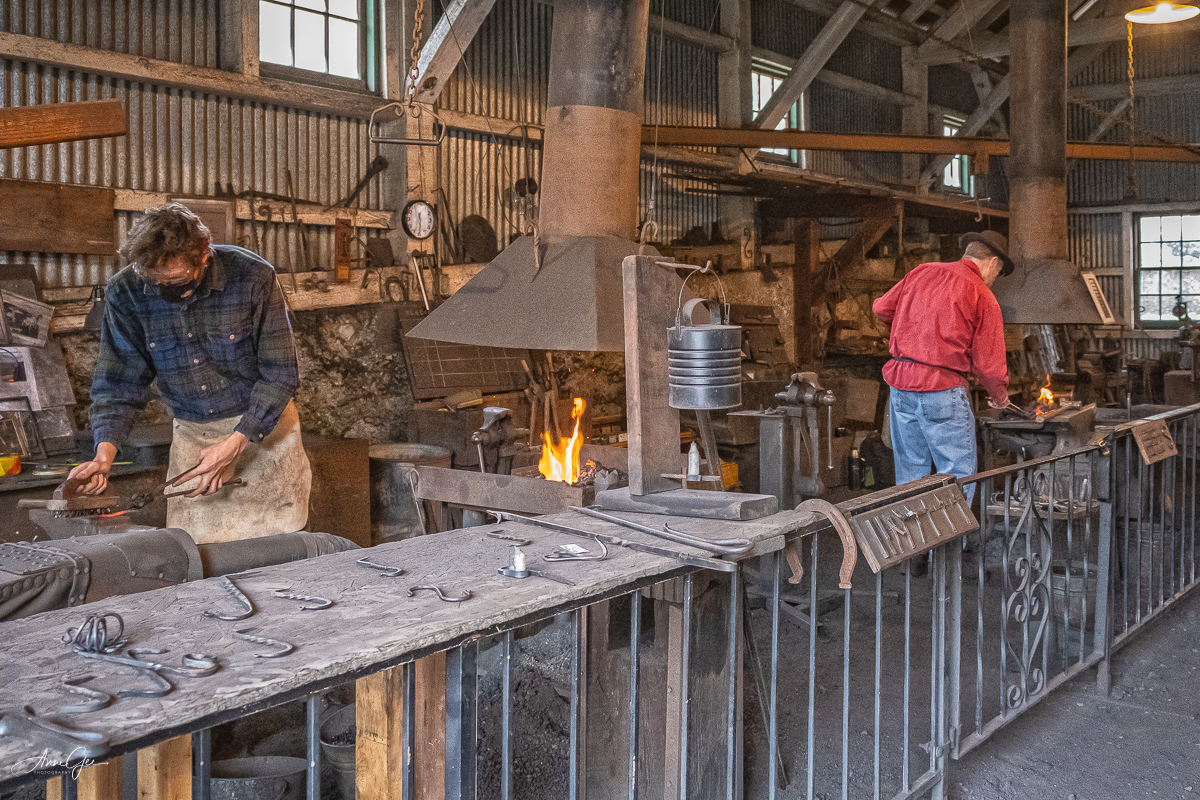
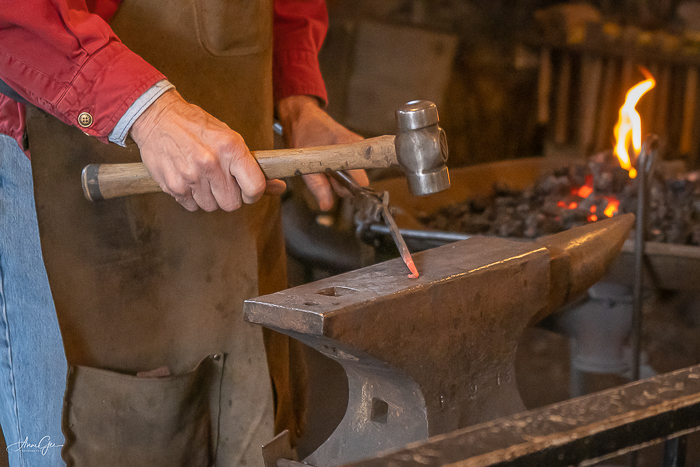
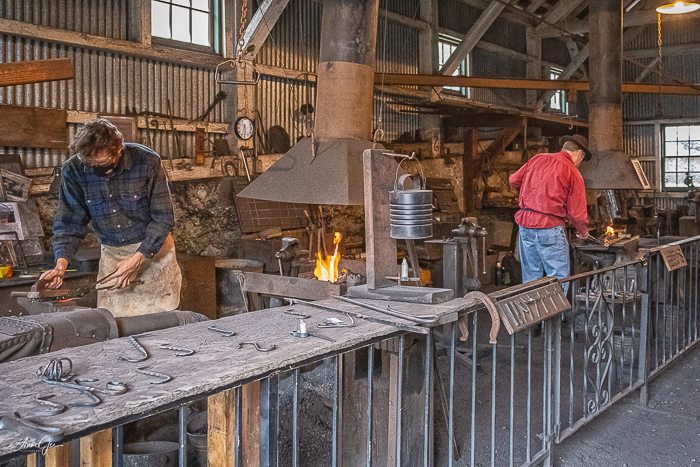
We are getting closer to the mine! But first let’s visit the blacksmith shop. The docents make tools in this shop, especially when schools visit. The children are delighted when they see the molten hot tool being molded.
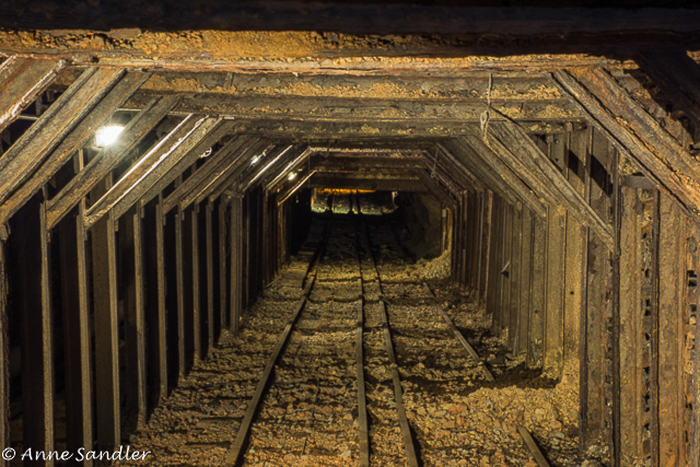
Here is the mine. You can look but not walk down the shaft! Would you want to?
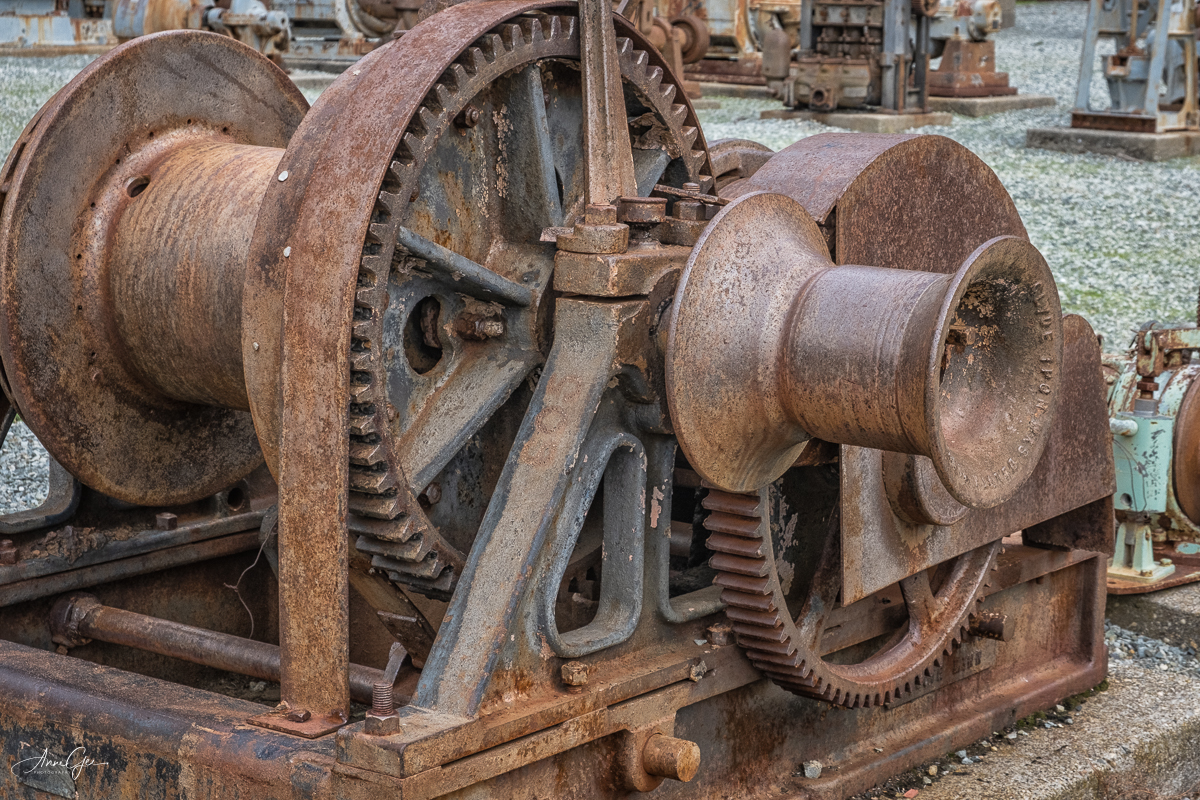
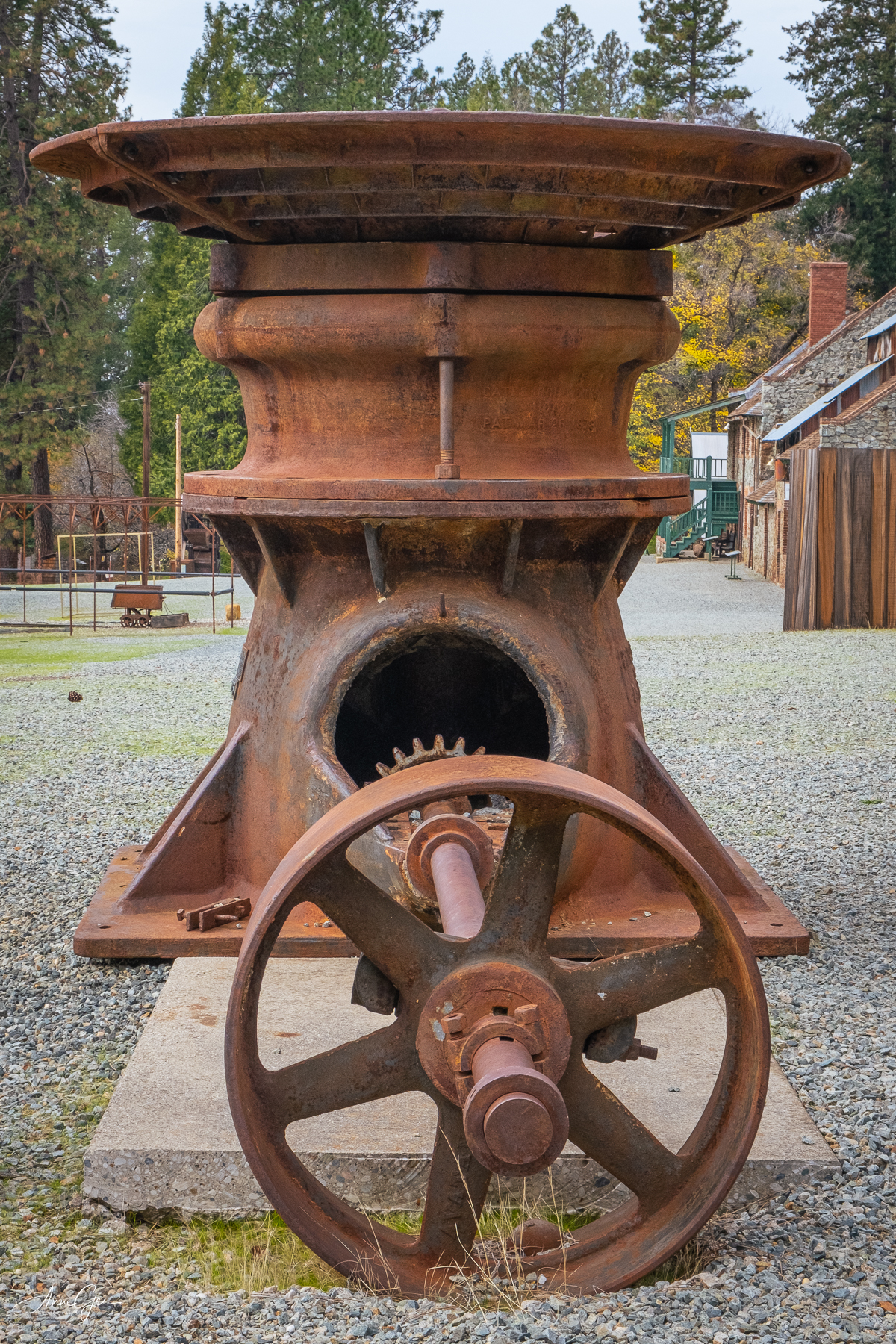
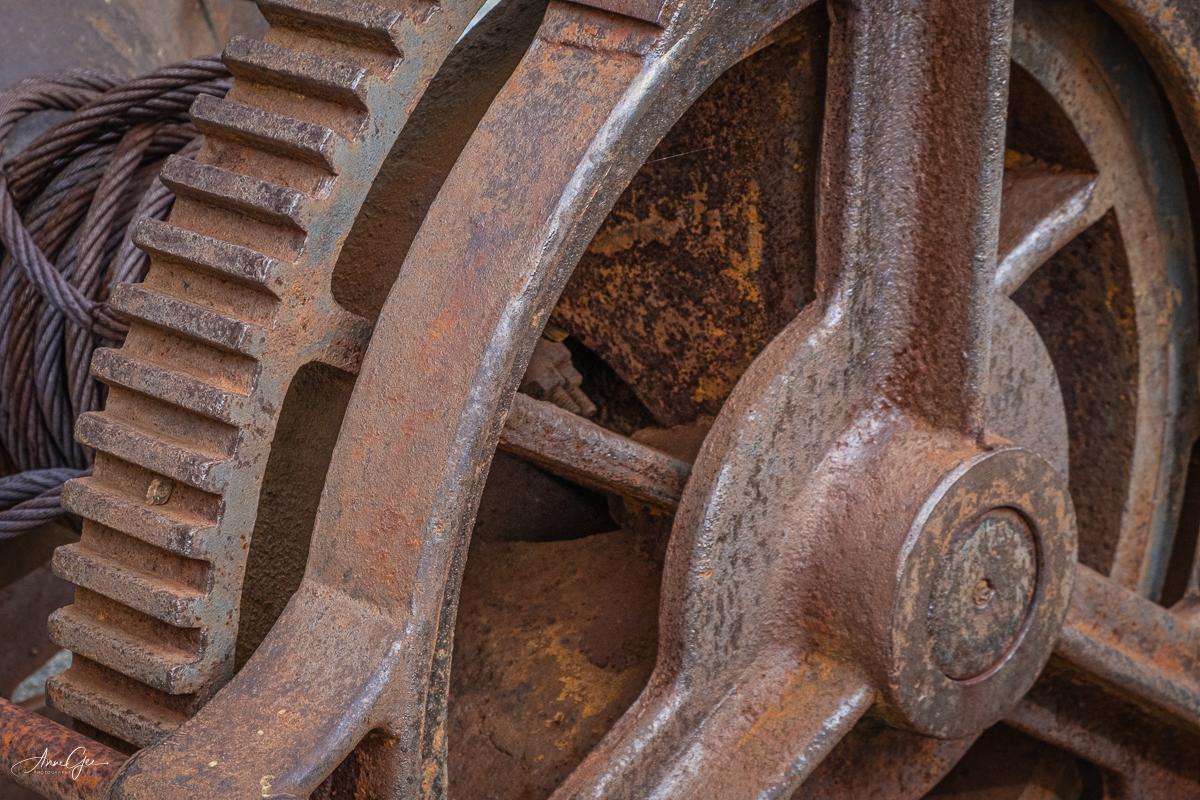
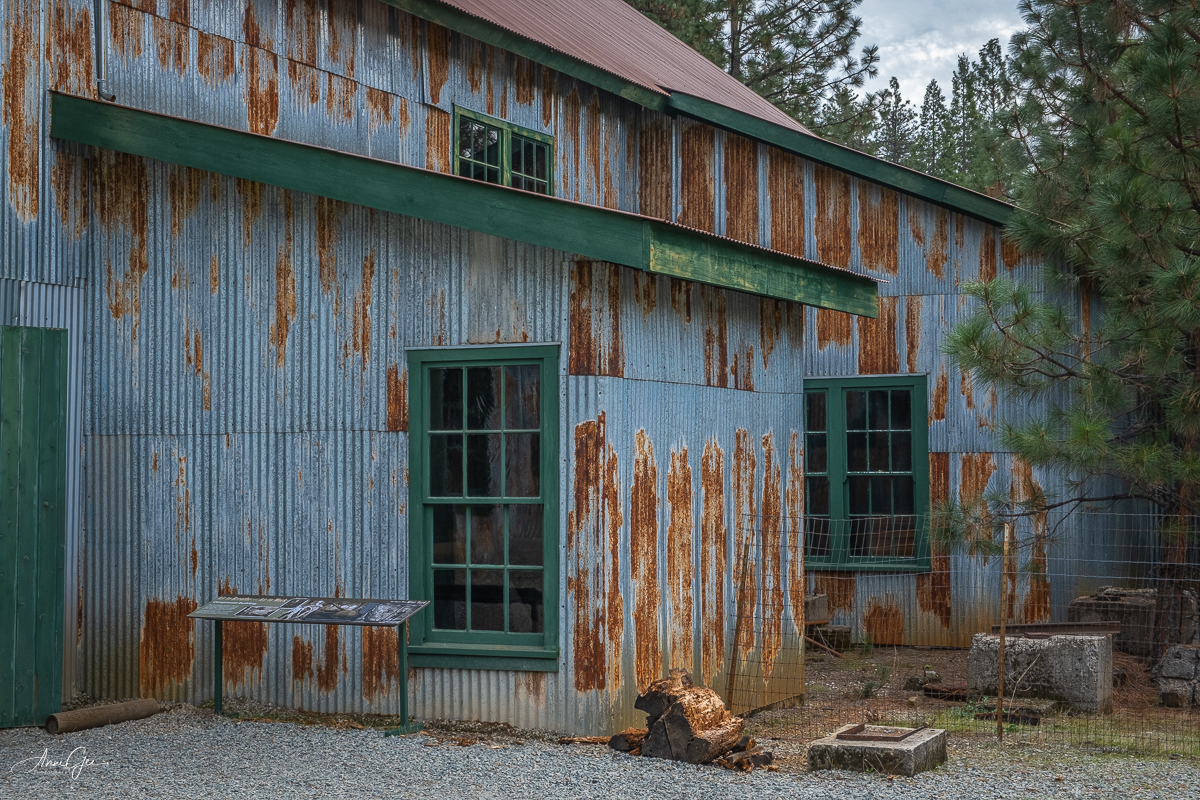
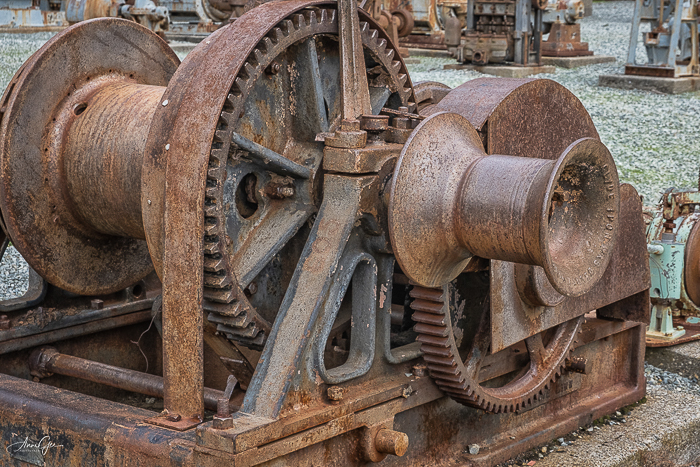
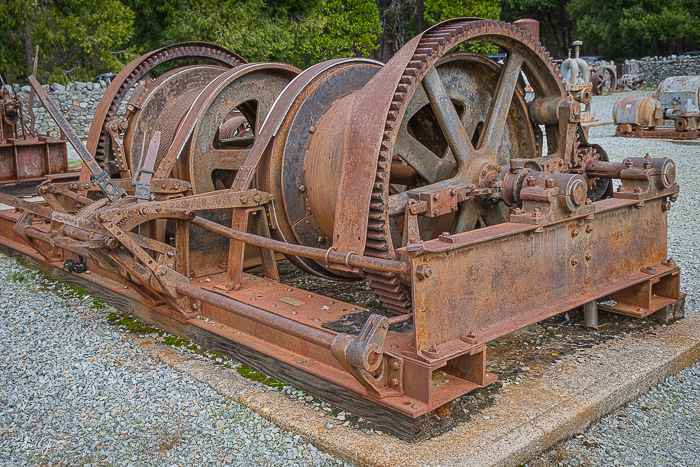
Outside the mine, you’ll find an assortment of rusted tools and machinery.
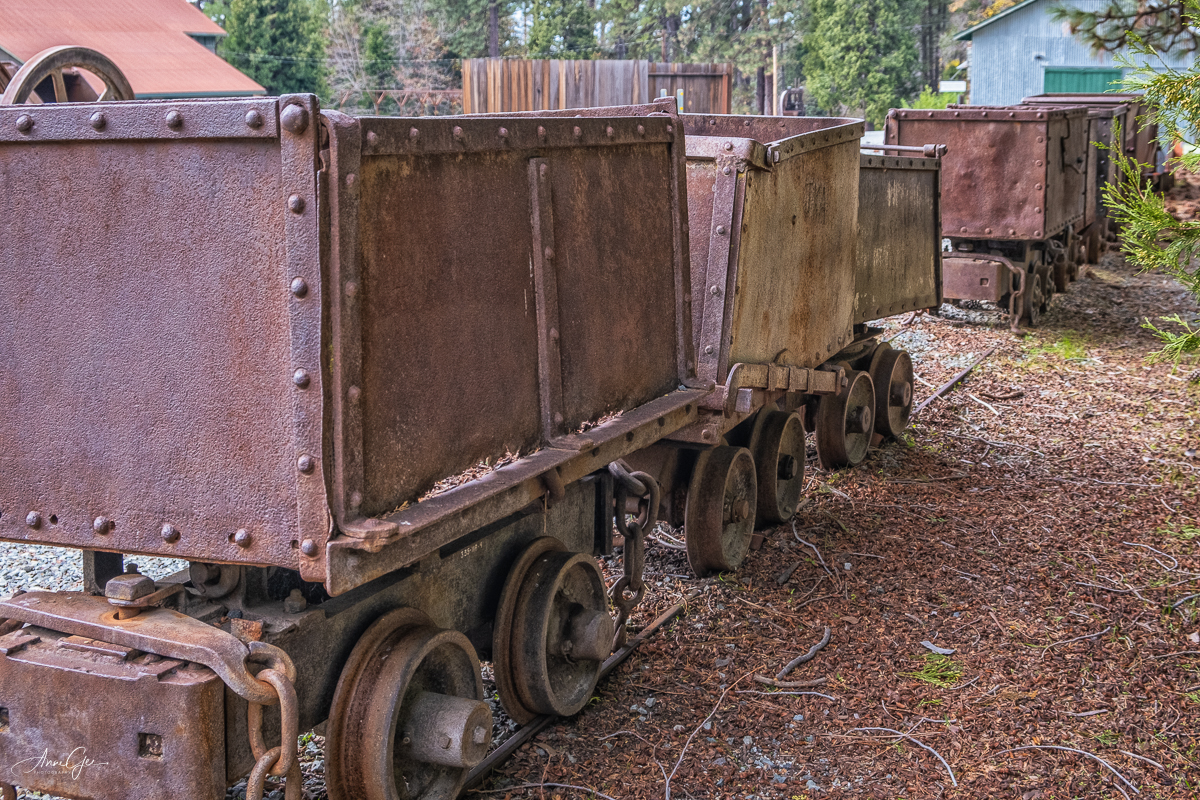
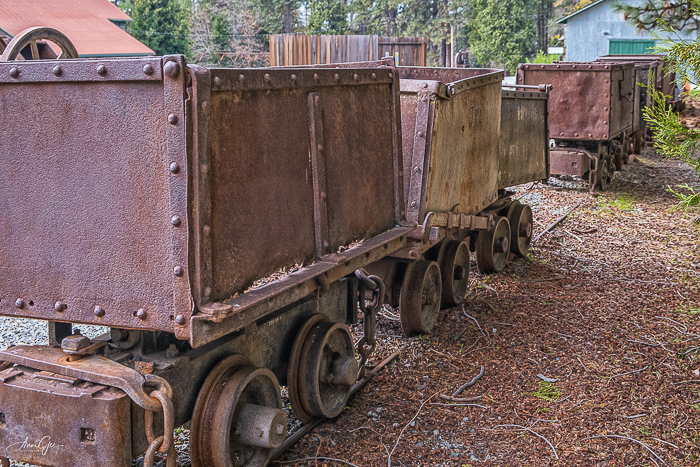
And lastly, these carts that hauled miners and ore down and up the mine shaft. Just imagine the danger the men faced each day.
I love visiting the Empire State Historical Mine. It is so beautiful and rich in history. My Mother may have seen them take the horses away, but she also lived through television’s amazing history. I’ve gone from a manual typewriter, to using a computer and word processing programs to our current computer programs with AI functions. What’s next?
Thanks John, I had fun visiting the past. Please remember to link to John’s original post and use the Lens-Artists tag when you respond. Last week Sofia had us share moments of luck and that was fun also. Those lucky shots also brought back memories. Next week Beth will be presenting the challenge. Until then, be safe and resilient!