It’s raining–again! Fortunately not still. True, we need the rain, but it can rain at night and let the sunshine during the day. It’s just a simple request!
These pictures will almost catch me up.
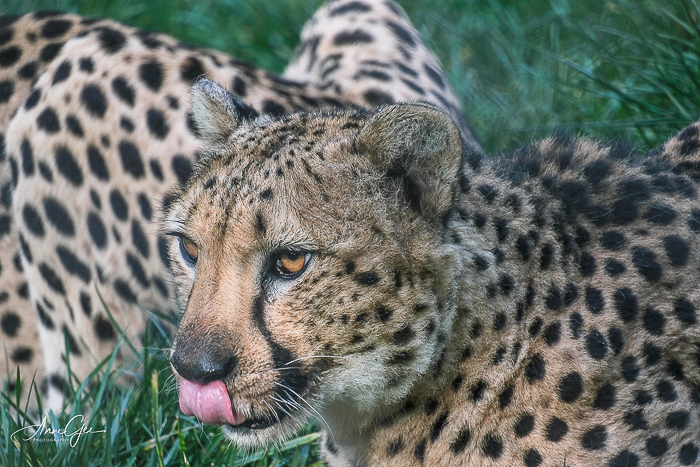
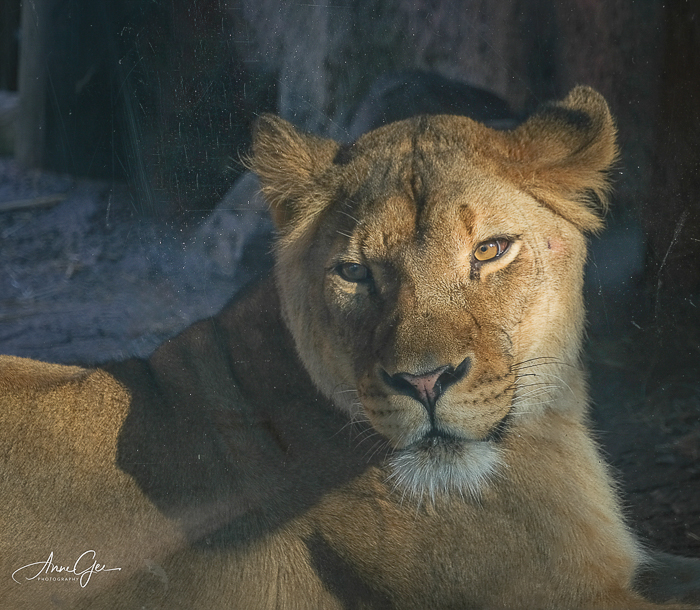
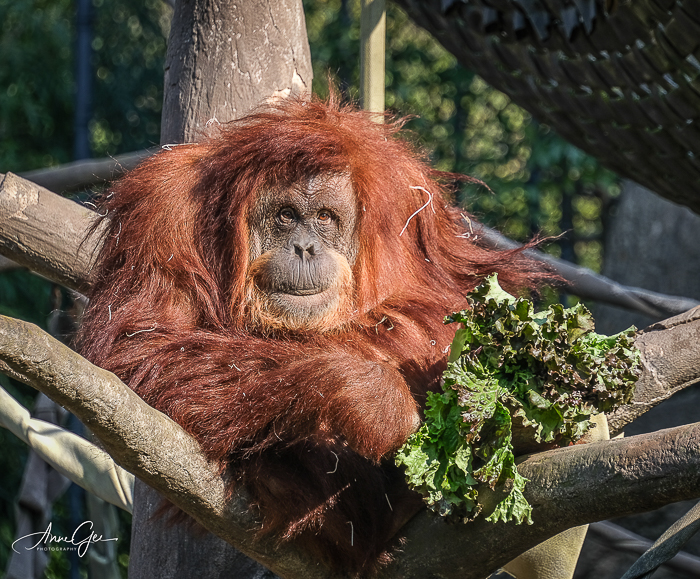
First is my latest visit to the Sacramento Zoo. I’m enjoying our small zoo while I can. In 5 years, it will take at least 2 days to see all of the new Sacramento Elk Grove Zoo.
That was good!Our new young lioness.Loving a lettuce snack.
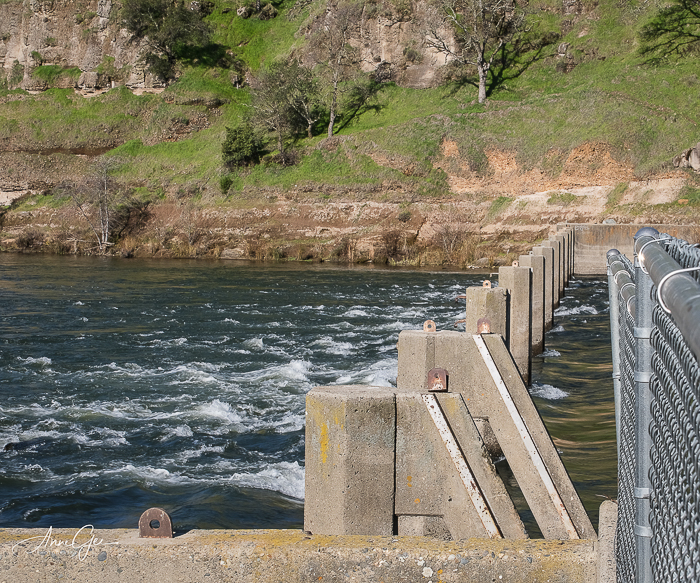
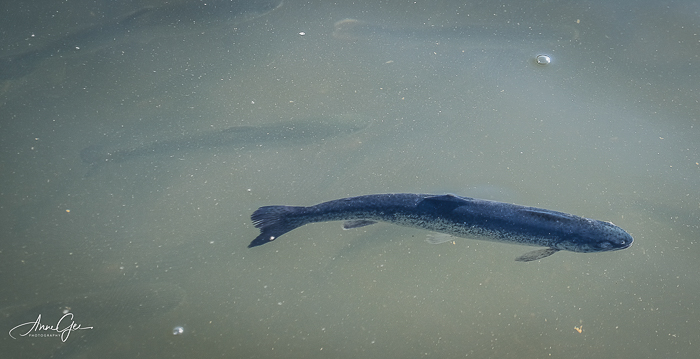
Second is the trout run at the Nimbus Fish Hatchery. There were many fishing boats on the American River that day. At the hatchery, the trout are caught, eggs are expressed, trout are released back into the river, their eggs are hatched and when ready released into the river.
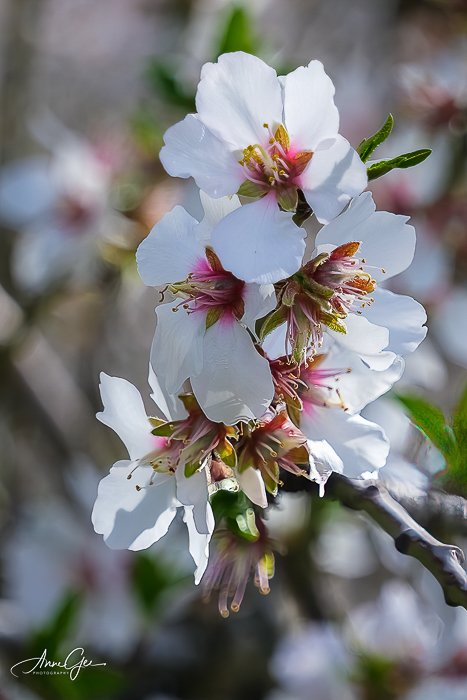
Last is our hunt for apple blossoms. We found one accessible orchard, but didn’t go on the property, but stayed on the side.
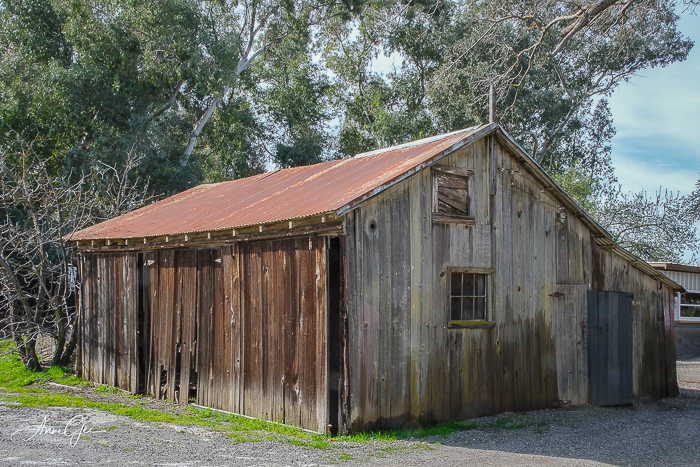
We also stopped for a barn and an old building we saw along a country road.
I have just one more outing to catch me up. See you next week! Hopefully, the sun will be shining!!
Aren’t we all a work in progress? Each day brings changes and new challenges. We work through them and we progress. This week Ann Christine asks us to show works in progress through our photos.
As I progress through my own photographic ability, I’ve learned that the things we photograph are also progressing. Some works in progress repeat year after year. For instance, the salmon swim upstream in the American River to lay their eggs. The Nimbus Fish Hatchery, raises Chinook salmon and steelhead for release to the American River. The salmon run occurs in fall, with hatchery operations taking place from the beginning of November through mid-December. The steelhead trout run occurs in winter, with hatchery operations taking place from January through February. In this series of images, the salmon are being diverted into the hatchery.
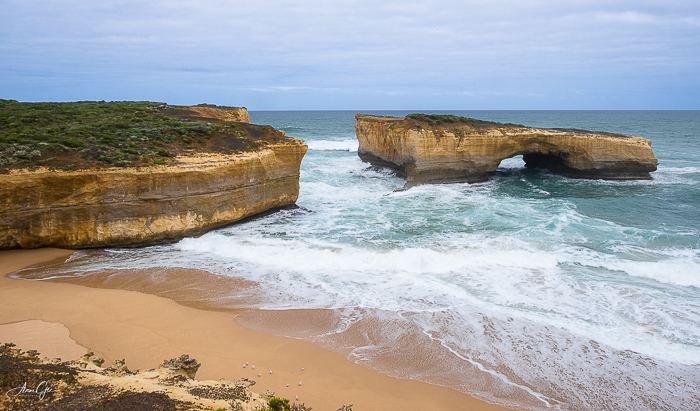
In addition to man helping nature, nature can handle things on her own. For instance, the London Bridge along the Great Ocean Road in Australia was once connected. However in January 1990 the middle collapsed and left the arch separated from the rest. Nature has a way of showing us that her force is a work in progress. Now the separated arch is called the London Arch.
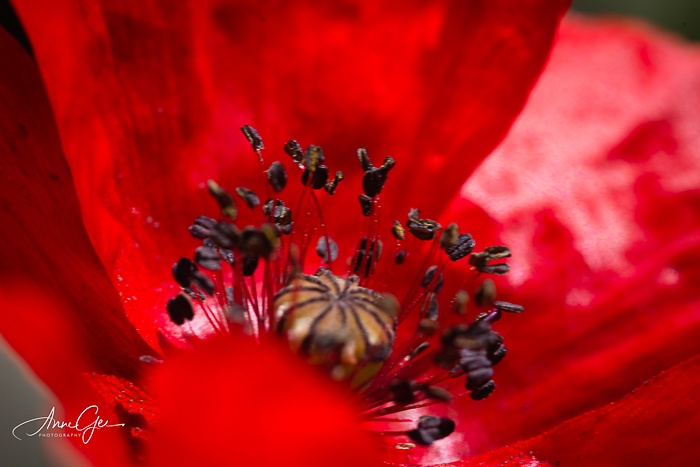
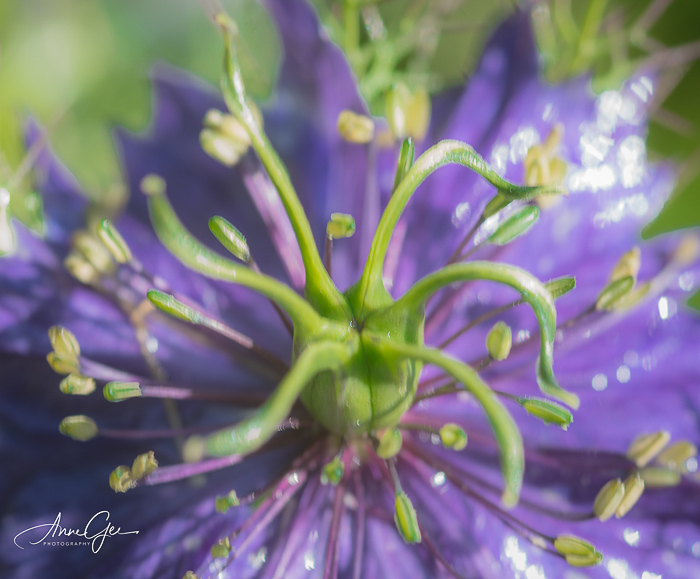
Next is the WPA Rock Garden. I admire the dedication of the wonderful volunteers who keep this garden beautiful so we can all enjoy the flowers and small creatures. It is definitely a work in progress.
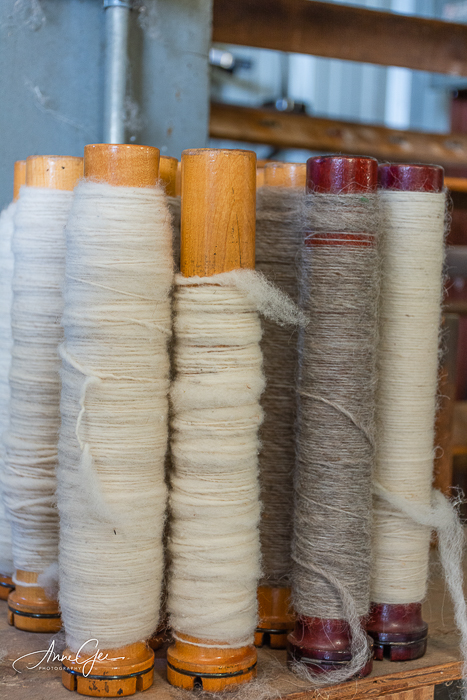
Last is the pride of work and ownership. Valley Oak Mill California, mills wool into yarn. Customers bring in their raw products and take home yarn. I visited this business as part of the Yolo Art & Ag project a few years ago and was impressed with the owner’s pride in her work. Her business is definitely progressing.
For me, I don’t want to stop progressing and working. I look forward to learning new things and meeting new people. As Ann Christine quoted Mark Twain in her post, Continuous improvement is better than delayed perfection.
Thank you to all our July guest hosts, especially Janet who encouraged us to not overlook anything. You all gave such creative responses to her challenge. And thank you Ann Christine to encouraging us to think about various works in progress. Please remember to link to her original post and use the Lens-Artists tag when you respond. Next week Amy will be providing our challenge, so be sure to look for her post.
If you would like to participate weekly in our Lens-Artists Challenge, click here for more info.
If you think about it, life itself is weird and wonderful. Ann-Christine asks us, in this week’s challenge, to find images in our archives or take our cameras out to find things that fit the weird and wonderful description. I’ve chosen to delve into my archives.
Buildings. I’ve found a few that are both weird and wonderful. There’s Drake’s Barn that serves food and drinks and hosts events. I took this photo shortly after it was built and the grounds were not ready for events. The The Ziggurat (the Pyramid Building) is an office building.
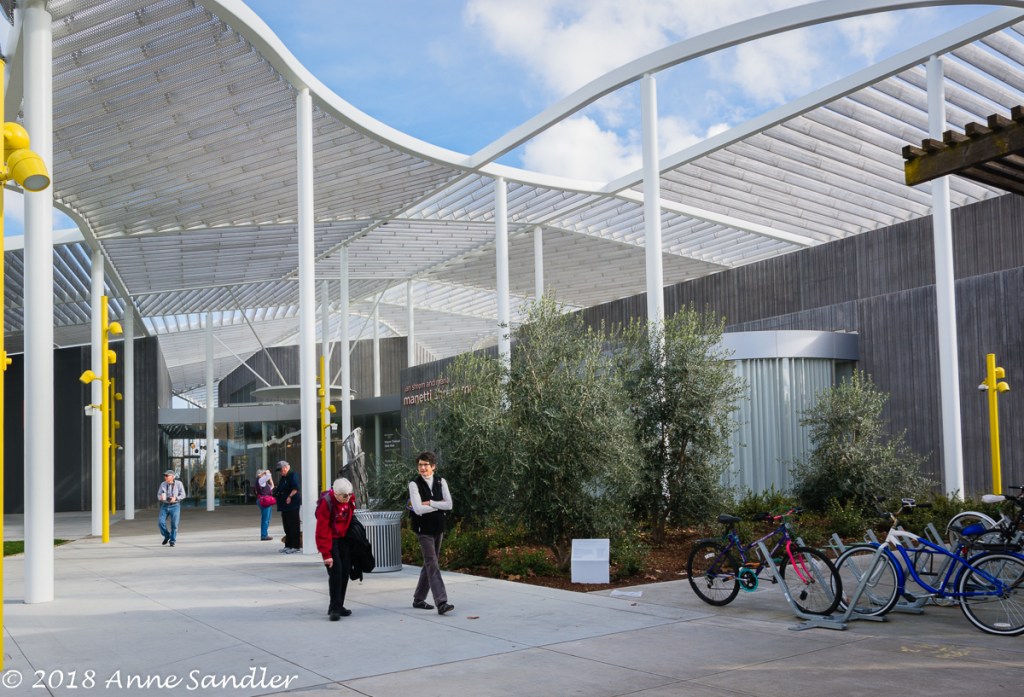
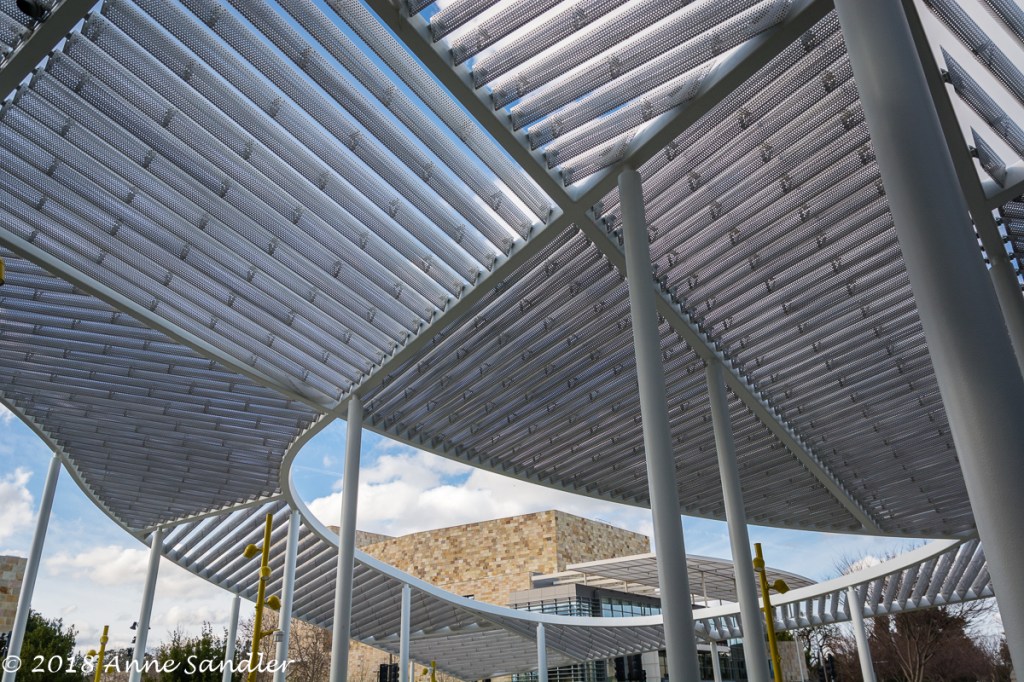
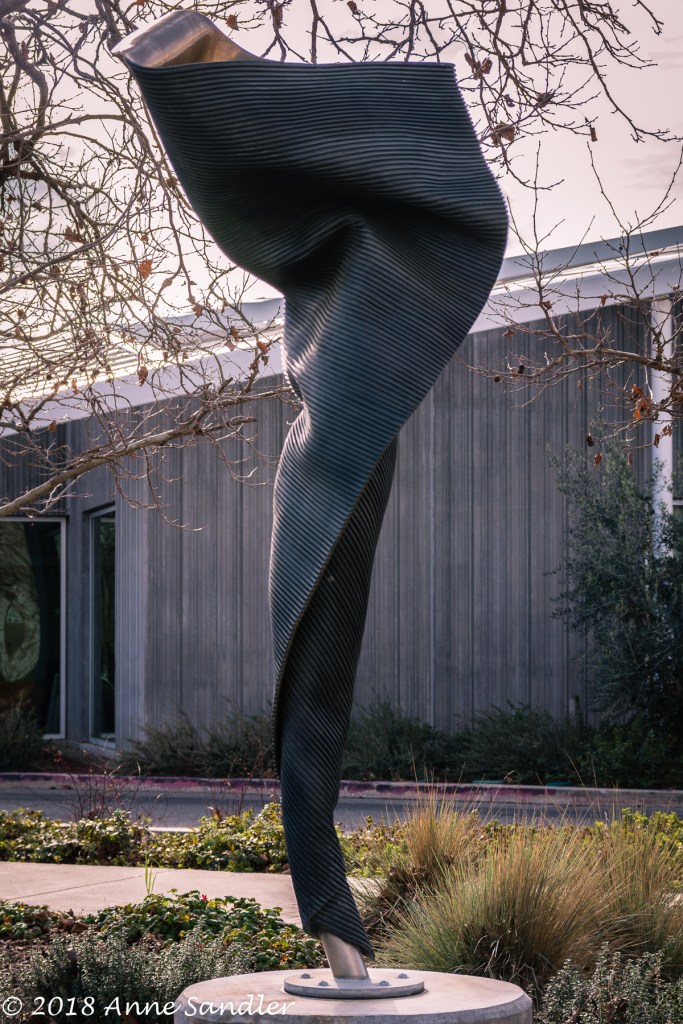
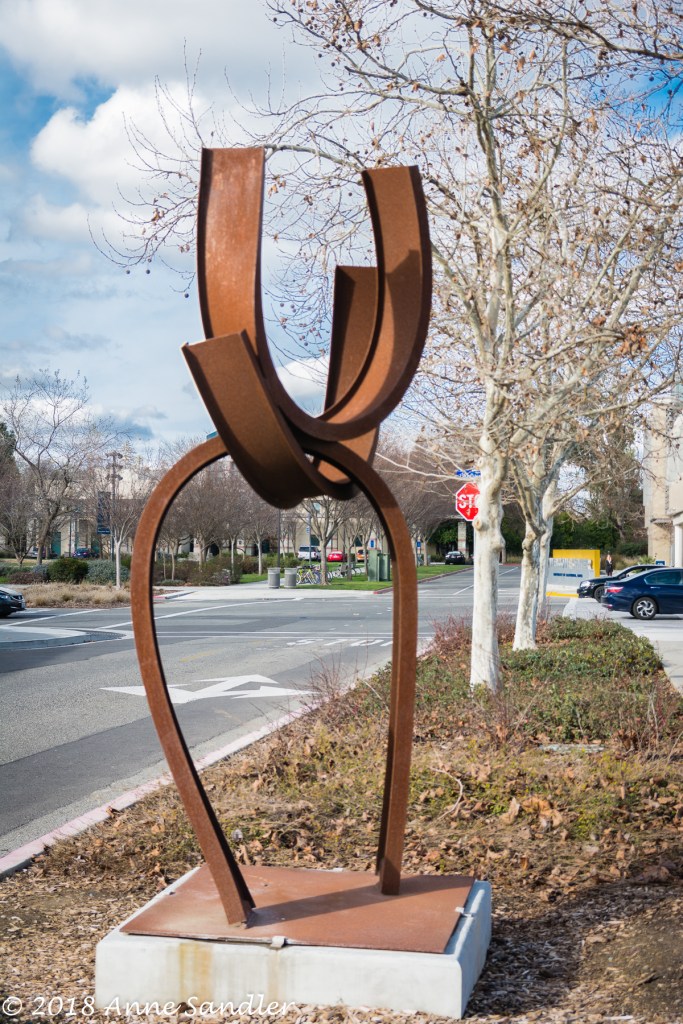
The the Manetti Shrem Museum in Davis is a beautiful and different building. I think the architecture is a work of art. Inside art exhibits are ongoing and outside are sculptures.
Hatcheries The Nimbus Fish Hatchery was a new experience for me. Yearly the Chinook salmon and steelhead swim upstream in the American River to lay eggs. The salmon that make it then die. Not that many make it. The hatchery catches and kills the salmon, removing their eggs and hatches them for release back into the river. This way more salmon are reproduced.
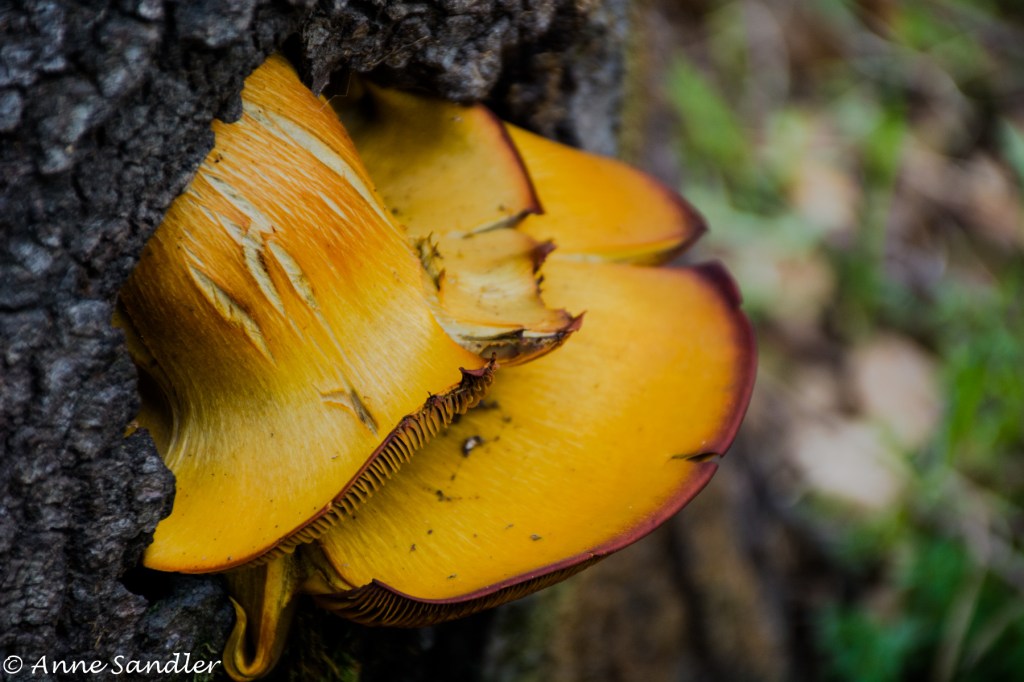
Fungi. I’ll close with mushrooms. They take many shapes and have many colors. These wild fungi are definitely weird and wonderful to photograph.
I’m not sure these images fit Ann-Christine’s challenge, but it was fun, weird and wonderful!
I’m still amazed by my recent visit to the Nimbus Fish Hatchery. Salmon work hard to complete their journey and spawn. The hatchery plays an important role in insuring the salmon life cycle.
Here’s what Wikipedia says: From November through March river water flows down the fish ladder to encourage fish to enter and climb the steps to the hatchery. The gate at the foot of the ladder is closed when the holding pool at the top is full in order to prevent overcrowding. Ripe (ready to spawn) fish are brought from this holding pool into the hatchery spawning deck, where workers collect eggs from the females and milt from the males. Fertilized eggs are placed in hatching jars, with river water upwelling from the bottom to simulate natural conditions. When the eggs are ready to hatch the jars are tipped into large tubs where the baby fish (alevin) will remain while they absorb their yolk sacs and become free-swimming. They are then moved outside to raceway pools where they are feed multiple times a day and grow rapidly. Once the fish are ready to begin their outmigration to the ocean, at 60 fish to the pound for salmon and 4 fish to the pound for steelhead trout, they are loaded into tanker trucks and transported to the river for release. From here they make their way downstream and eventually journey out to sea.[7]
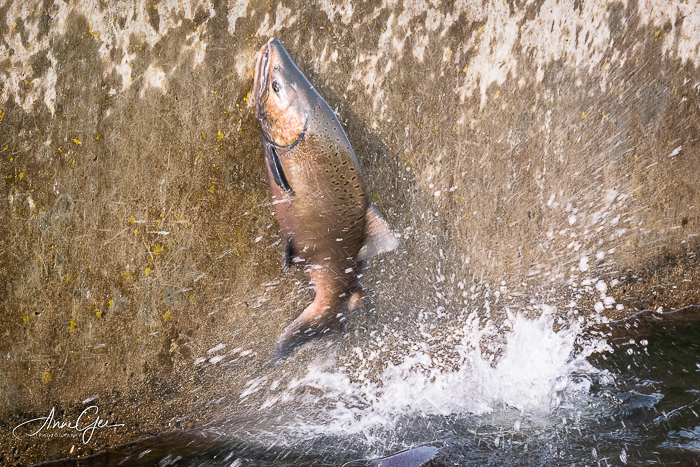
The salmon work hard, jumping to get out of the holding tank. Taking their picture was also difficult. At first I tried to follow a possible jumper. That didn’t work. Then I tried zone focusing, which worked better. I was shooting at a shutter speed of 1/160, but still some of the fish were not in focus. My other problem was a slow reaction time. Sometimes I didn’t push the shutter down fast enough. They jump so fast, water splashing all over the place, and some jumping around the one I had in sight. I did get enough though.
My lesson for the day: patience. I just stood there, camera aimed and waited. I know, that’s not me, but I did it!
At certain intervals, the salmon are pushed into the building where their eggs are collected. I was about to shoot the last fish being gutted when a worker stepped in front of my camera. All I have is a shot of them cleaning the table.
We were fortunate enough to have a Ranger show us a female that still had some eggs in her.
I’ve given you many links to read about this amazing fish hatchery, and I do hope you read more. To summarize, the salmon eggs are gathered at the hatchery, hatched and let loose down river when the fish are old enough. The cycle comes full circle when the mature salmon come to complete their life cycle, trying to find their spawning spot. They operate on such instinct that they are persistent as they jump the ladders.
It is an amazing site to see. Take a look!
This is one of several tries for this fish to jump through the hole.
Although he was facing the water coming at him, he finally made it.
This salmon looks at a possible place to jump over the ladder.
This is a good effort.
This is better.
Got to jump a little higher.
Totally out of the water, but not quite high enough.
This is where the young salmon are kept before they are released into the river.
Tight quarters.
Can you see the photographer?
Water is pumped in at a certain temperature to simulate the river.
I don’t enjoy getting colds. In fact, I resent how they keep me from doing what I want. But, the reality is I did get one and it’s kept me home for a few days. But, I did get out for a quick shoot at the Nimbus Fish Hatchery which you’ll see in another post. You just can’t keep a photographer down!
In this post, you’ll see the second half of our all-day outing to Sacramento National Wildlife Refuge (SWR) and Gray Lodge Wildlife Area. It was a fun day with Laura, ending with a yummy Italian dinner with fellow photographers. One thing about photographers, we like to eat. Maybe it’s all that fresh air!
A disclaimer before I show you the Gray Lodge images: I may have put some of the birds in the last post on SWR. Things sort of get blended, birds are birds, and my last excuse is that I’m very senior in age. You know–the memory thing!
Enjoy some of the wildlife and scenery from Gray Lodge.
A synchronized take off.
The beautiful marsh lands.
The golden hour.
Reflections.
Fortunately, this little guy was very still.
Northern Pintails
Pintails again. I wonder if the one on the right is a juvenile since the body coloring is a bit different.
I love the Sacramento Photographers Facebook group. It’s where I learn by seeing what others post, asking questions and attending activities. It’s through this group that I found out about the Nimbus Fish Hatchery, and I thought it would be a good place to practice shooting on manual.
And it is. There were birds, people fishing, a nice path to walk on and a great visitor’s center. I wish I were feeling better so I could have stayed longer, but I did what I could. Also, I shot my D3100 on aperture priority because I couldn’t remember how to change the F stop in the manual setting. Now I’m wondering whether I ever had that camera on manual!
I also realized that I need more practice shooting flying birds and getting them in focus. So, this morning while getting a pedicure, I read all about focus for the D7100. I am determined to push and advance in my photography knowledge this year.
I will go back to the fish hatchery and practice. And, I will continue enjoying the Sacramento Photographers group.

















 Slow Shutter Speed