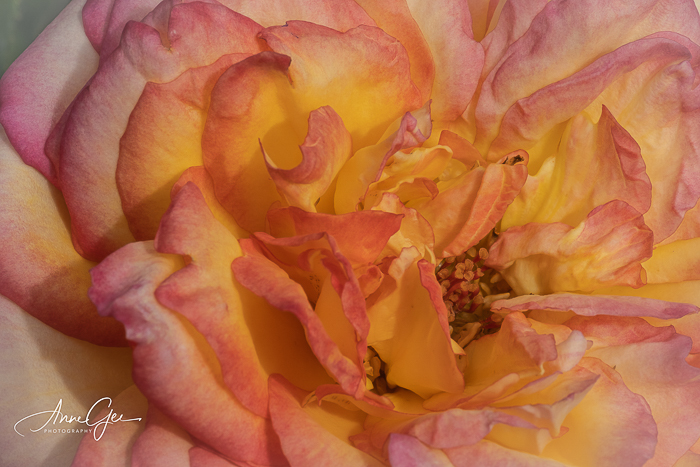
Photography rules are guidelines and are sometimes meant to be broken. Also, photography is art, and art is subjective. Why am I saying this? Come down the rabbit hole with me!
In the last two weeks, we’ve learned about symmetry and asymmetry—two basic forms of composition. Now we’re going to delve into another: filling the frame.
When you want your subject to stand out, fill the frame! When you fill the frame with your subject, you eliminate various background distractions. The viewer’s eyes have nowhere to wander. Their attention is where you want it.
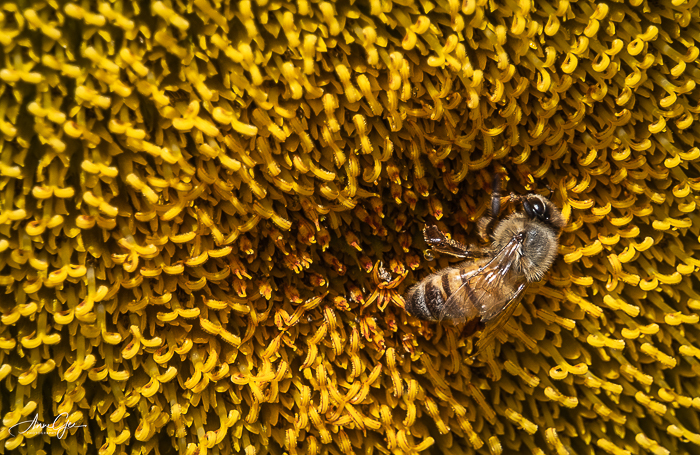
The frame refers to the rectangular scene you see through your camera. When you use this technique, you simply fill your photo’s frame with more of your subject, reducing the amount of background or negative space shown. And it can be filled-in-camera or in post processing. I tend to fill in-camera, sometimes not leaving any room for creative cropping in post. Now, I try to leave a bit more around my subject, so I have more to work with. I did a close crop in post on the sunflower, below, wanting to show the bee in action. By doing this, my sunflower became the background and the bee the subject. Sometimes we just change our minds once we view the image on our monitors.
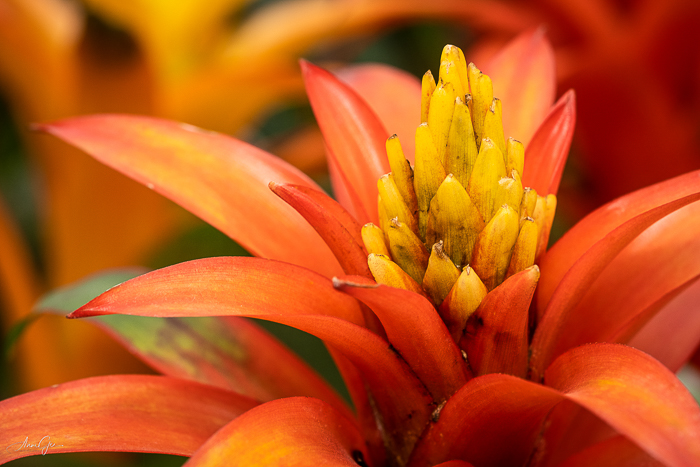
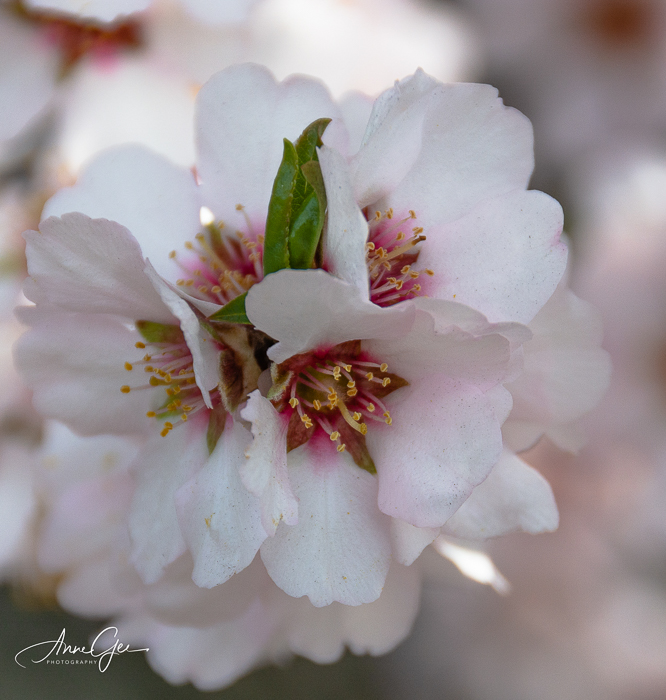
The basic rule for filling the frame is to get close to your subject. This can be achieved by walking up to your subject or using a zoom lens. I’ve done this type of photography with a macro and zoom lens. You can fill the frame totally or leave a bit of negative space to help your subject stand out. Yes, we’re sliding down that rabbit hole now. A bit of nothing helps put the focus on your subject. Remember, photography is subjective, and everyone has an opinion. Some photographers say “no” to negative space and a soft background. But, without the small amount of negative space, how could I have had this flamingo stand out? Having a bokeh background helps this flower stand out and shows its environment.

Okay, that rabbit hole is getting slippery now. What about filling the frame to tell a story? This can be street photography, event photography, or iconic subjects. Below are two pictures. The first is of an entertainer, Tom Rigney, at the Sacramento Music Festival. The second is of the Point Reyes an old boat that has become a photographers’ attraction. Viewers would not interpret their full stories without seeing their environment. But their stories fill the frame and there’s nothing that distracts from them.


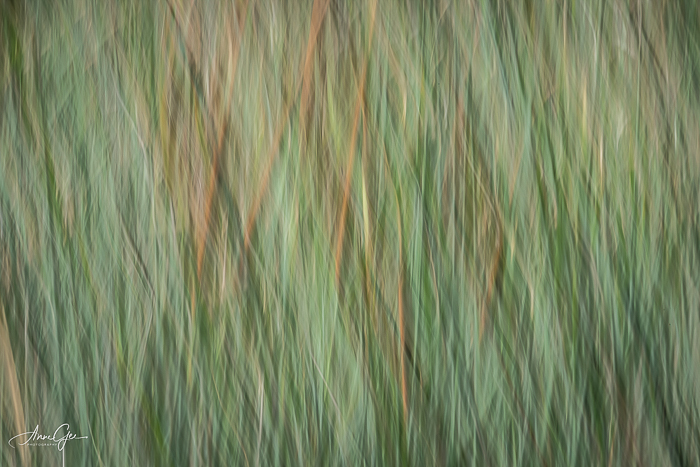
Do you like getting creative? Let’s fill the frame with an abstract! One is of cattails and the other a Ferris wheel. Both were taken with intentional camera movement (ICM).

Spilling off the frame. Most of my images in this post extend beyond the frame, meaning their stories continue beyond the confines of the image boundaries. The lotus and cactus are continued in the viewer’s imagination.


We’ve reached the bottom of my rabbit hole. Let’s climb back out so you can find your images that fill the frame. Remembering that photography is subjective, I’m looking forward to seeing your imaginative and creative responses. Anything goes! When you respond remember to link to this post and use the Lens-Artists tag.
Thank you, Donna, for getting us in the mood with her asymmetry challenge last week. We’ve been having a lot of fun, haven’t we! Next week James of Jazzibee will guest host and present our next challenge. Be sure to look for his post.
If you would like to participate weekly in our Lens-Artists Challenge, click here for more info.








 Slow Shutter Speed