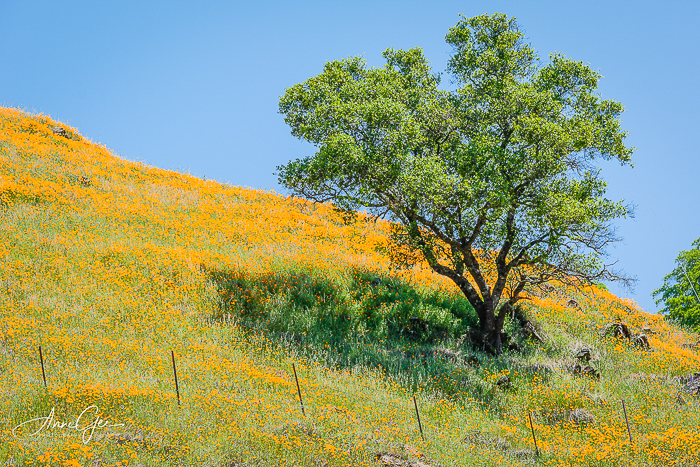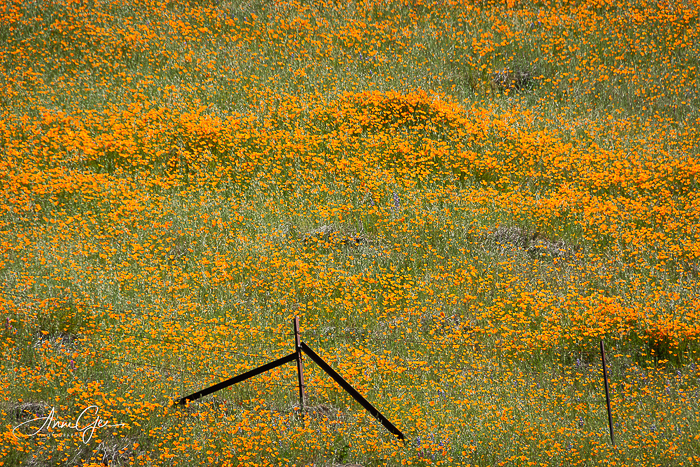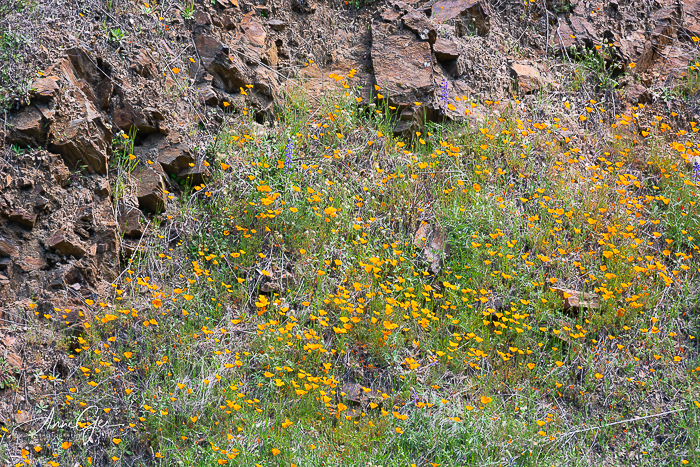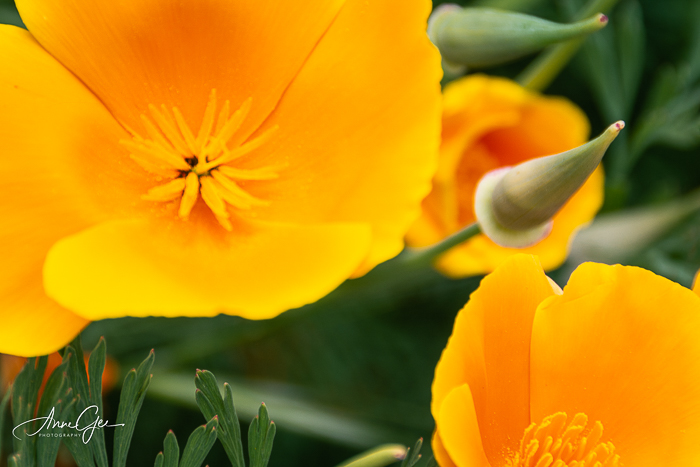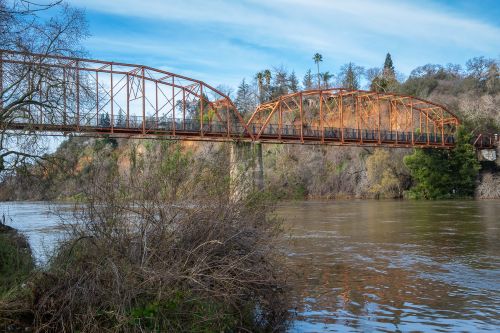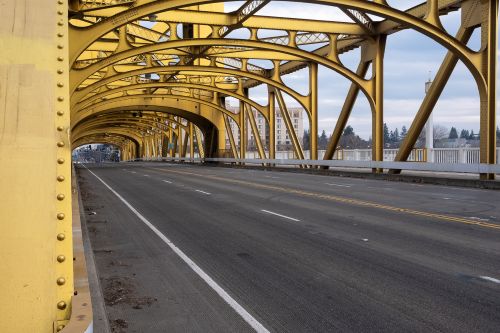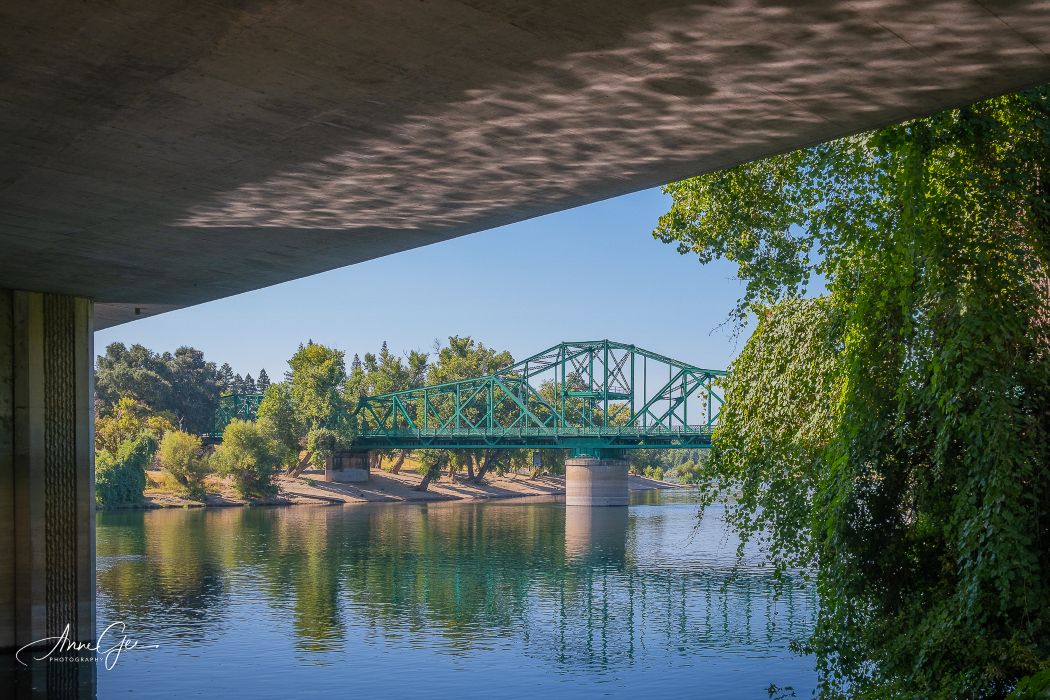
Lens Artist Challenge #397: Texture

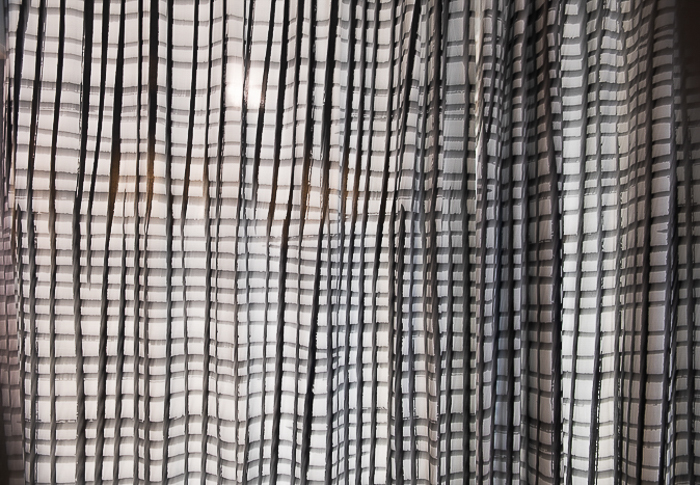
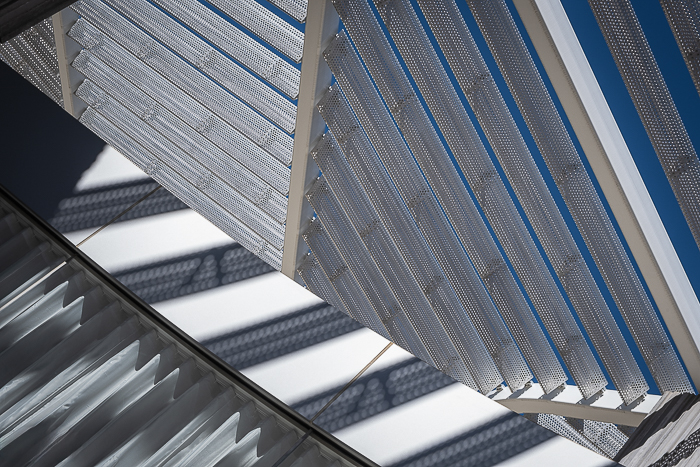
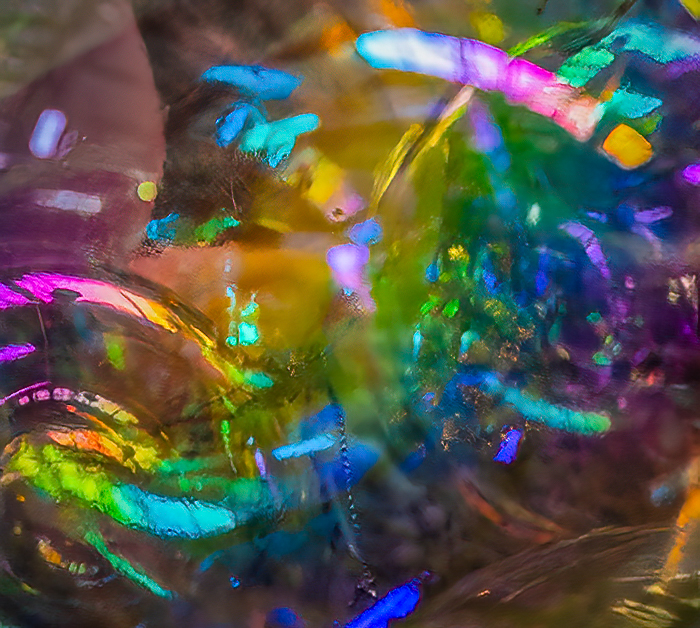
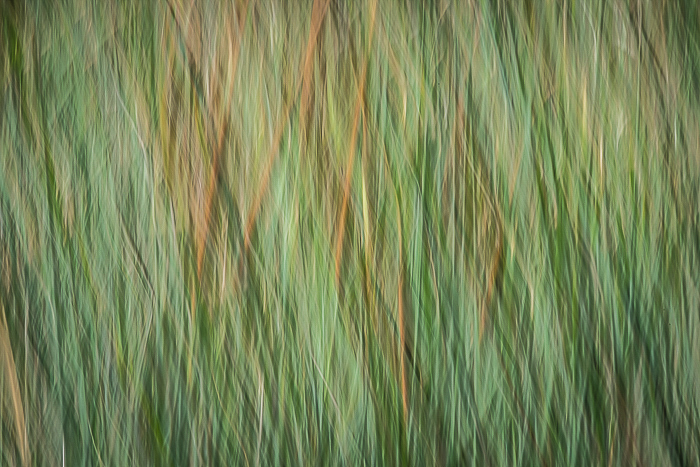
How do we make our two-dimensional medium feel like three-dimensions? We know using leading lines help bring viewers into the image. For instance, a country road that narrows in the middle and disappears in the top of the frame gives the viewer the feeling of depth.

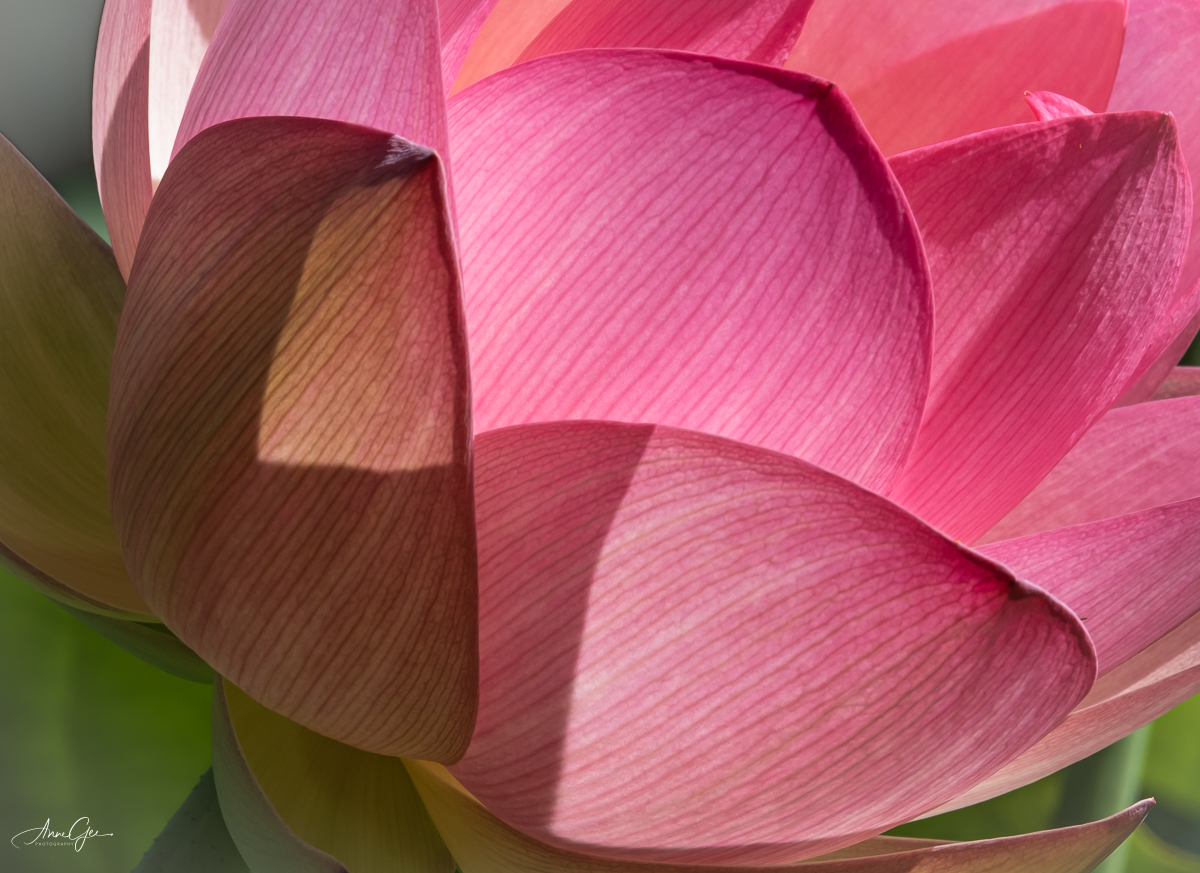
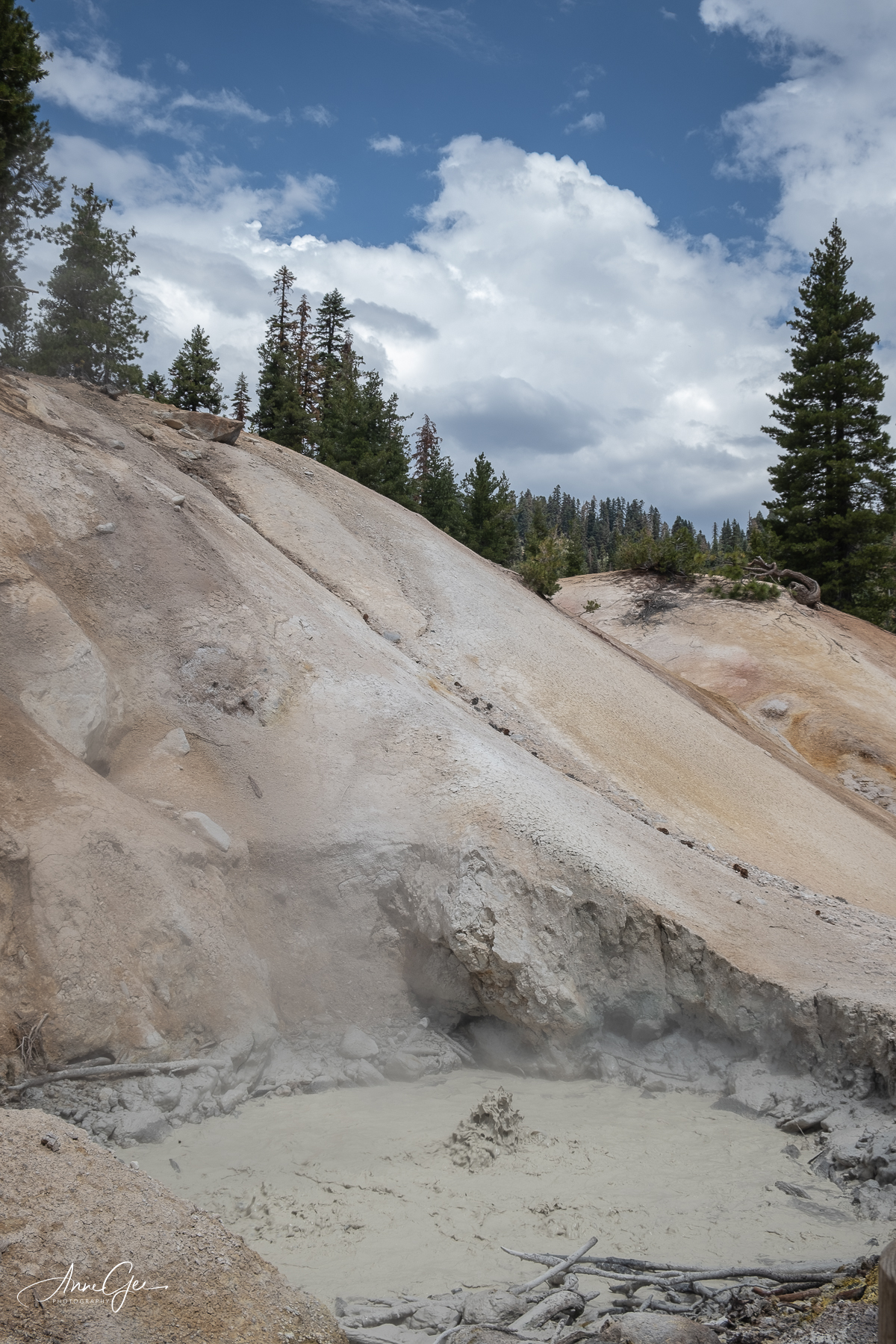
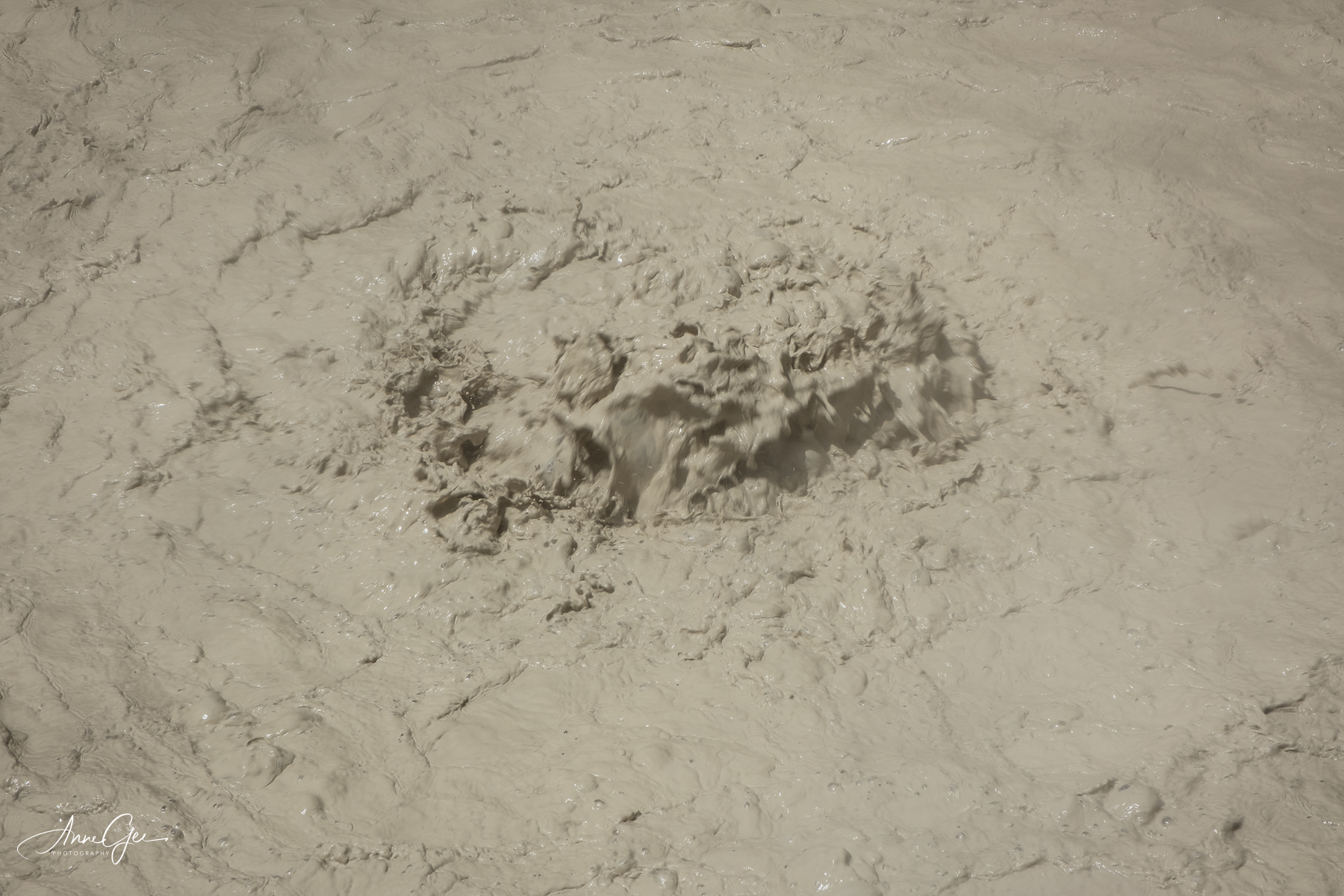
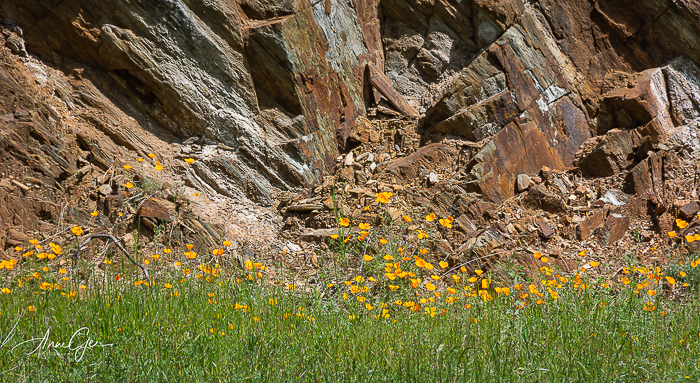
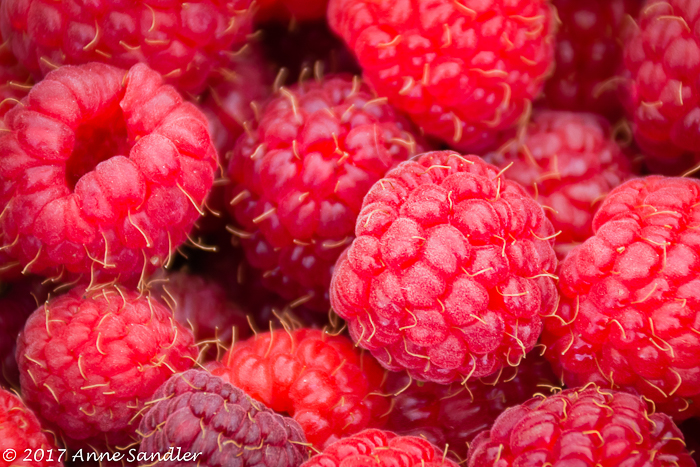
Texture, however, gives us the visual quality of a surface — how rough, smooth, gritty, or soft it appears in a two-dimensional image. For instance, it lets us imagine how rough a mountain would feel. When you look at this image, you can almost feel the roughness, coarseness and sharp edges.

Wood on an old weathered barn, invites us to become enveloped in textures and colors. You can see the danger of getting a splinter and almost feel the rough texture of the old wood. Have you hugged a tree lately? Doesn’t this old tree look inviting. It’s the texture creating that invitation. And, add the symbiotic relationship of lichen making its home on a tree we can feel and see two types of textures.

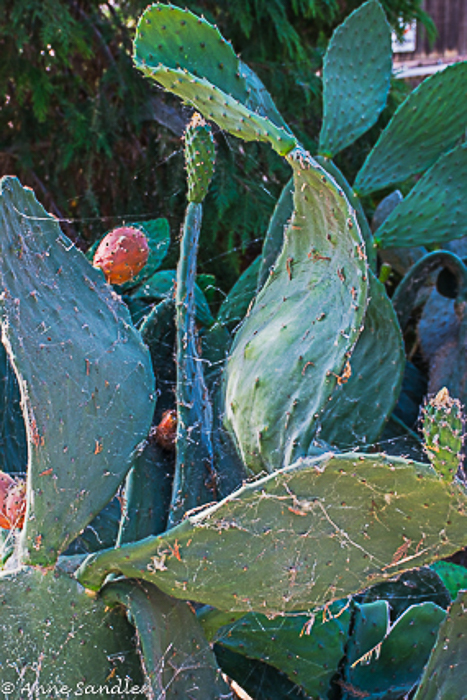
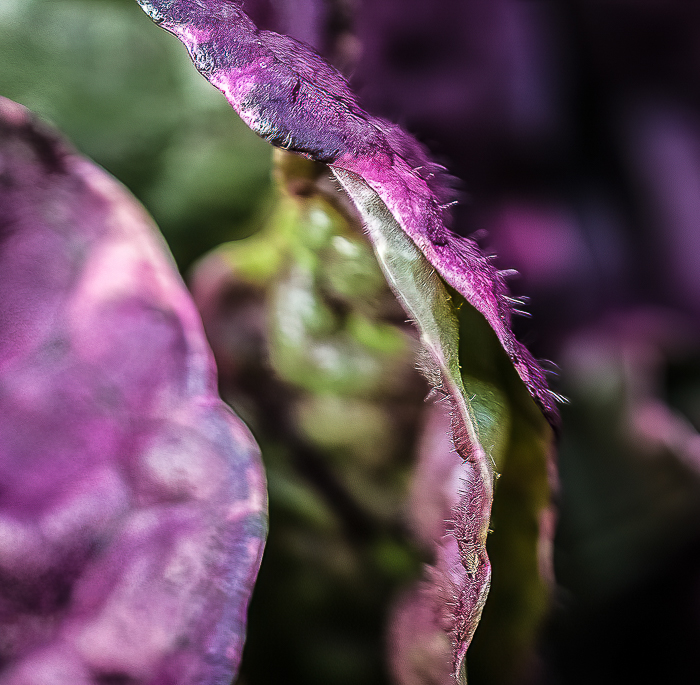
Leaves also have different textures. The spiny cactus would certainly prick your hand if you grabbed it. But the leathered leaf would feel smooth to your touch. Just looking at each picture, I pick touching the leathered leaf. I can feel its thick, smooth and veiny quality.

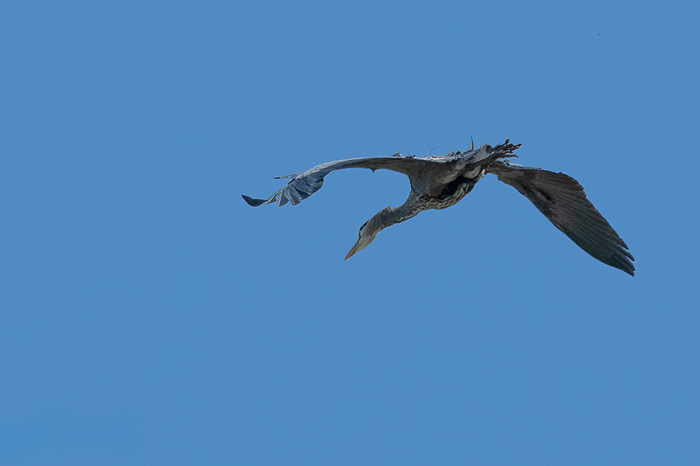
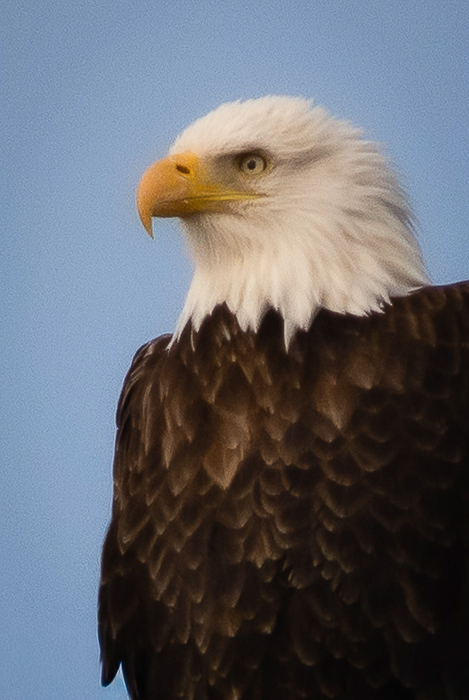
Soft textures can be found in the strands of yarn and in the beautiful feathers of a bird. I know what those strands of yarn feel like; but I’ve never held an egret. But seeing those fine feathers spread out on its wing, I can imagine how soft they would feel.

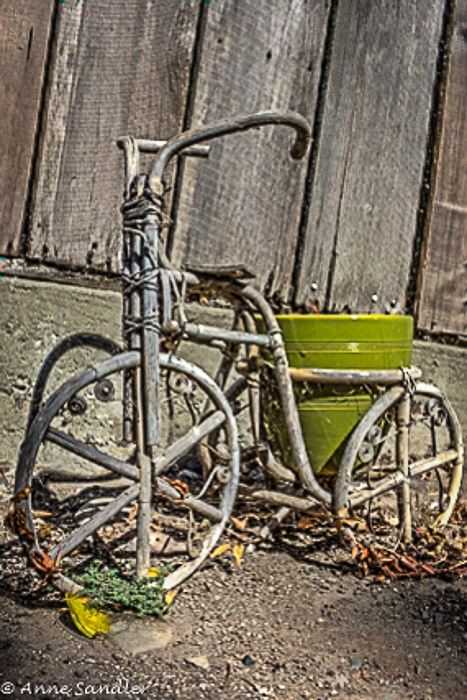
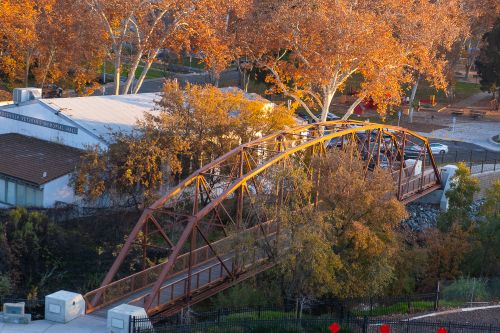
And, last my favorite texture–rust. I don’t have to touch it to feel it’s rough surface and see its brilliant colors. I can almost jump into the rusty texture and strip off years of neglect. Just looking at the picture, I’m absorbed in the story and its history.

Texture helps my two-dimensional examples have a three-dimensional quality. Now it’s your turn. Show us your images where texture plays an integral part. When you share your post, please remember to link it to mine and use the Lens-Artists tag.

Last week we all had fun finding pictures for our quotes or quotes for our pictures1 Thanks Ann-Christine for that amazing challenge! Next week Ritva will be presenting the challenge. In the meantime, stay safe and be resilient!
Lens Artists Challenge #396: Illustrate a Quote

Gosh, I do a lot of confessing in this blog. I don’t usually pay attention to quotes. Yes, I read them, but then quickly file them away. So Ann-Christine’s challenge is a bit of a stretch for me, but a worthwhile experience. As I looked for quotes, I realized how the experiences of obtaining them and how they pertained to my pictures affected me. Let’s see what I found.

How glorious a greeting the sun gives the mountains!-John Muir.

I have witnessed many beautiful sunrises in various venues, but my photo below is a special one–first light at Yosemite Falls. Capturing this scene, during the winter, required getting up while it was dark, finding a place on the bridge, and waiting. As my friend and I waited, more photographers came. It was cold! The wait and frigid temperatures were worth it. Afterward, I remember feeling like I accomplished something amazing. Would I do it again? Only if I was prepared for freezing cold–thermals and two layers on top, and hand and foot warmers in place!

During my quote search, I came upon a few, but perfect, unattributed beauties like this one.

Colors are the smiles of nature.

Nature has many ways of bringing us joy–the forest, waterfalls, rivers, lakes and the ocean. But one stand out are the rainbows with their brilliant colors. I captured this rainbow during a campout in the Sierra Foothills after a short sprinkle of rain.

You know I love to photograph landscapes, and many are to be found in our National Parks. We happened to be at Lassen NP last year. I remember stepping out of our trailer to the smell of pine trees–how wonderful! Lassen is still recovering from a devastating wildfire, but much of her beauty remains.

Landscape photography is the supreme test of the photographer – and often the supreme disappointment. – Ansel Adams

I started with Sunrise, so it’s only fitting that I end with Sunset. These are the two most photogenic times of the day to capture wonderful photos. This was taken early in my photo hobby effort. I guess I knew then when to press the shutter. How often does the setting sun shoot a beam through an open barn door? Unfortunately, I found another perfect, but unattributed, quote.

Sunset: the sun’s fiery kiss goodbye to the day.

I had fun finding quotes that would fit my photographs. It’s an exercise I hope to do again. When you respond, please remember to link to Ann-Christine’s post and use the Lens-Artist tag. Last week we looked back with Beth. I had fun seeing your memories. Next week it’s my turn to present the challenge, so beware and look for my post!!

In the meantime, stay safe and be resilient!
Lens Artists Challenge #395: Looking Back #155, On the Water

Find LAPC post #155! I’ll be honest, it took a while for me to find this particular post as requested by Beth; but, it was fun. I took you all around the San Francisco Bay Area and into the Gold Country–from ocean to river. This time, as we look back, I found some fountains. So let’s take the plunge!

We have a Roseville shopping center called The Fountains, but there is only one fountain. But, it does put on a spectacular show. Here, I caught the water in slow shutter speed, regular and through a crystal ball.

We jump from a fountain to water features. Look at the captions for a brief explanation of each.

Water also shows up in drops. They can be dropping from a faucet or riding on a pond leaf.

There’s also danger at a zoo pond.

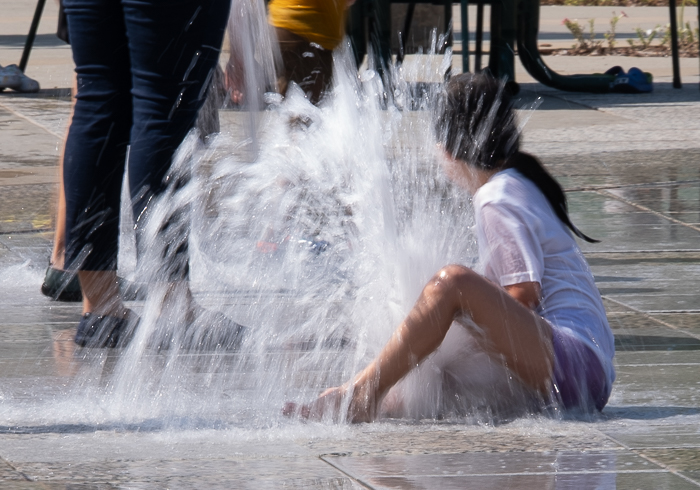
Summers can get hot in the Sacramento Valley. Many cities have fun water parks for the kids. This young man is cooling off in a Roseville water feature.

As I’m writing this, we are expecting water to fall from the sky. Yes, rain and more rain. Even with all the rain we’ve received this year, they say our snow pack is below the “breathe easy” level. We shouldn’t have to be careful with water usage here in Northern California, but I’m not sure about Southern California.

That does it for this week. Be sure to link to Beth’s original post and use the Lens-Artists tag when you respond. Did you enjoy the many history lessons from last weeks challenge given by John? I enjoyed them all. Next week Ann-Christine will be leading the challenge. Be sure to look for her post.

Until then, be safe and resilient!

Lens Artists Challenge #394: History Through the Lens

I remember my Mother telling me about the day they took the “horses away.” This flow of memories was triggered when I took her to see a living history event in San Jose many years ago. She told a docent and me about the new fire engine that replaced the horse drawn fire engine in New York City. As she talked, I could see, through her expressions, the wonderful memories she was reliving.

That’s why history is so important, and it’s wonderful that many of our amazing historical places are preserved as either Federal, State or City parks. Thanks John for bringing history to the forefront. Our beautiful Sierra Mountain Foothills is host to an amazing historical park located in Grass Valley–the Empire State Historical Park.

This history began with the discovery of gold which was originally discovered in 1850. The Ophir Hill Mine was sold a couple of times and eventually became the Empire Mining Co. Eventually William Bowers Bourn acquired control of the company. Bourn’s family lived in the “Cottage” on the estate.

Below is the cottage front, back, garages, reflecting pool and some of the grounds. They also had a terraced rose garden and a clubhouse. I was lucky to talk a docent into giving us a Cottage tour while he was there, but no photos.

The mine was sold, but Bourn’s son regained control of the company and soon acquired the North Star Mine and two other mines. Yes, there was a lot of gold in the hills! The mine changed hands again until World War II when gold mines were considered nonessential. Next came the shortage of miners and inflation costs for mining gold. The mine closed in 1956.

In 1975 California State Parks purchased the property, and today we get to visit and enjoy this beautiful property and its history. We leave the beautiful housing area and walk down to the mine. We first see a stamp machine (A stamp mill is a large mechanical device used to crush ore and extract the desired metals from the host material.).

As we enter the main compound, there are buildings now used for administrative purposes.

We are getting closer to the mine! But first let’s visit the blacksmith shop. The docents make tools in this shop, especially when schools visit. The children are delighted when they see the molten hot tool being molded.

Here is the mine. You can look but not walk down the shaft! Would you want to?

Outside the mine, you’ll find an assortment of rusted tools and machinery.

And lastly, these carts that hauled miners and ore down and up the mine shaft. Just imagine the danger the men faced each day.

I love visiting the Empire State Historical Mine. It is so beautiful and rich in history. My Mother may have seen them take the horses away, but she also lived through television’s amazing history. I’ve gone from a manual typewriter, to using a computer and word processing programs to our current computer programs with AI functions. What’s next?

Thanks John, I had fun visiting the past. Please remember to link to John’s original post and use the Lens-Artists tag when you respond. Last week Sofia had us share moments of luck and that was fun also. Those lucky shots also brought back memories. Next week Beth will be presenting the challenge. Until then, be safe and resilient!

Lens Artists Challenge #393: Lucky Shot

You’ve got to be prepared for the unexpected, especially in photography. I’ve missed so many great opportunities because I didn’t have my focus correct, forgot to reset the camera, etc…. But I do have some lucky shots, and since Sofia has requested to see some, here they are. I’m sure I’ve posted many of these before, so I hope you enjoy a rerun.

Now this may not seem lucky to you, but I’ve waited to get a picture of a big black bee. Now how lucky could I get?

Isn’t it wonderful to find love and serenity by the ocean. This lucky couple was enjoying time together in a field of ice plant.

Oh my what an itch! Just my luck to have my camera ready and a goat with need for a long scratch.

Was I lucky to have this clown photo bomb my shot at the Sonora County fair? I think so!

Talk about timing. This mare had just birthed this colt. While I wasn’t quite ready when the colt was trying to stand, they did come out of the bushes in time for me to catch the colt nursing. I did see the mare give birth in the bushes. Sometimes our memories are the best camera.

This was taken at the Sacramento Zoo before the bird flu epidemic and while the flamingos were still outside. I was talking to a docent while this bird was trying to sleep. Out of the corner of my eye, I saw it open one eye. Snap! It’s a good thing I have excellent peripheral vision, I had to do a heavy crop in post.

I’m not a birder, but sometimes I do get lucky and a surprise to boot. I didn’t know I got this hawk in flight until I processed the image. Again–heavy cropping.

Talk about surprise. This was taken at the Living Desert Botanical Gardens and Zoo in Palm Desert. It was a sight to see giraffes come down a hill at the beginning of sundown. I managed to get a picture of this one.

I’ve learned to take the shot, ready or not. Hopefully you’ll get another opportunity quickly when you are more ready. If not, there’s a lot that can be done in post processing. And, you can always press the delete key. Thanks Sofia for helping us to realize that while luck plays an important part in our photo journey, it’s seeing the opportunity that makes the difference. When you reply, please remember to link to Sofia’s original post and use the Lens-Artists tag.

We all learned more about composition thanks to Patti’s challenge last week. I found I was following her suggestions without knowing it! Next week, look for John’s post as he leads the challenge. In the meantime, stay safe and be resilient.

Lens Artists Challenge #392: Framing Your Shots

It’s amazing how structure can be applied from one type of composition to another. I’m thinking about how we teach new Toastmasters to write a speech, using the sandwich illustration. The top slice of bread is your introduction. the middle is the topic. and the bottom is your closing. Isn’t that sort of what Patti is proposing we do in this challenge. At least that’s what I thought of at first read. If any of you are Toastmasters then you know the phrase, Tell them what you’re going to tell them. Tell them. Tell them what you’ve told them!

Okay, I got off topic! Confession time again. I usually don’t think of this type of composition when I’m photographing. In fact, I don’t think of composition at all. I just move my camera until I have an image I like. With that in mind, here are my examples:

I’m hoping that you can easily see what my subject is. The foreground is the small patch of dirt before the tree roots. The middle, or subject, are the tree roots (because they caught my eye) and the background is the creek and vegetation on the bank. Now I’m thinking that I should have gotten lower and included more of the foreground. What do you think?

This one is a bit easier–at least for me! The patch of grass is the foreground. The girl is the middle or subject. The pond and other shore is the background. Did I get it right?

Finally.

The broad shadowed lines are the foreground that leads you into the picture. As the lines change direction, they become the middle, accenting the subject (the building) and lead you around to the continuing structure in the background.

Thanks Patti! You’ve got me thinking about how I compose a picture and why. I never thought in terms of creating a composition, but I guess I’ve been doing that. Now it’s your turn. Please link to Patti’s original challenge and use the Lens-Artists tag when you respond.

Speaking of responses, I totally enjoyed seeing all your cell phone photographs as challenged by Tina. Now I’m ready to use my phone more. Next week Sofia will be presenting the challenge, so look for it! In the meantime, stay safe and be resilient.

Lens Artists Challenge #390: Color in Black and White

Is there color in black and white (B&W)? Absolutely. The color defines the tonality of the B&W image. I typically photograph for color, and usually it’s not until I process photos do I realize the image would be better in B&W. For this challenge, Egidio wants us to explore the form, texture, and light in B&W photography.

I’m just going to jump in with this photo. Because it was an overcast day, the color image lacks a certain punch. I certainly would not have processed it in color. However, in B&W the contrast made the image and created texture. You can now see the mountains’ detail and the movement in the water shows in various tones. To do the conversion I used Silver Efex 2 after basic editing in Lightroom.

Now for a landscape that I think looks better in color because of the richness of the golden grass, the shadows and blue sky. While the B&W has rich tonality, I am so drawn into the grass by the fence. I told you that I’m easily attracted by color!

I’ve done a few flowers in B&W, but this one was originally in color. I like the reflection in the water drop, and (because of this challenge) I wanted to see how it would look in black and white. This was a fun experiment. Actually, it looks better in B&W than I thought it would. I like them both. What do you think?

Now lets move on to a street photography capture of a homeless (I think) person in Old Sacramento. I just liked the way the light was outlining his face. This was processed in color and I created the black and white for this challenge. Once again, I took the B&W from Lightroom into Silver Efex 2. I think I like the color version better. I said I think! Maybe if I were better at editing, I could have made the B&W more dynamic.

Last is an incoming storm I captured while visiting the kids in Reno. Again, originally processed for color, I wondered what the rain would look like in B&W. I’m not sure the B&W adds anything to the story that the color doesn’t tell. What do you think?

I invite constructive criticism since I was using this challenge as a learning tool. Thanks Egidio for this challenge. I had a great deal of fun and learned a few things.

I so totally enjoyed your responses to my challenge last week. Most of us chose nature as a way of finding relief from our hectic lives. Your images were just beautiful, resulting in relaxation for me. When you post your response for Egidio’s challenge, please use the Lens-Artists tag and link back to his original post. Tina will be challenging us next week! In the meantime, stay safe and be resilient!
We’d like you to join in our fun permanently. Here’s how to do it, excerpted from Egidio’s post:

Please see this page for more information about the Lens-Artists Challenge and its history. If you don’t want to miss any future challenges, please consider subscribing to the team members’ websites. Here they are:

Beth of Wandering Dawgs.

Tina of Travels and Trifles.

Patti of P.A. Moed.

Ann-Christine of Leya.

John of Journeys with Johnbo.

Anne of Slow Shutter Speed.

Sofia of Photographias.

Egídio of Through Brazilian Eyes.

Ritva of Ritva Sillanmäki Photography.

Lens Artists Challenge #388: Your Journey in 5 – 10 Images

I didn’t hesitate when Sandy called and asked if I wanted to go on a cruise through the Panama Canal. YES! That trip has been on my bucket list just waiting to be fulfilled. I wasn’t thrilled to be on a ship for 16 days, but if that’s what it took. And, better, Richard, my husband, came with me. Ann-Christine’s challenge was perfect timing for me.

What a fun trip that ended up being. Traveling in October, it was mostly a senior tour. Leaving from San Francisco, California and ending in Galveston, Texas; we were mostly Californians and Texans. We enjoyed each other’s company–no State conflicts!

I was also concerned about the ship being a Carnival ship, but that was great too. The ship’s interior was beautiful, the food great and the entertainment awesome. The most photogenic part were the elevators.

Now for the reason I went on this trip–the Panama Canal! We went through the old locks. The new locks are reserved for larger ships. The last picture shows our ship entering the lake mid-way through the canal.

The Lake

Entering the Atlantic Ocean was a mirror image of exiting the Pacific Ocean. I went to the cabin to rest and watch the rest on the television.

It was an amazing experience. We did visit other ports in other countries, but with a limited number of pictures as directed by Ann-Christine, those will have to wait.

We also took the opportunity to visit the Huston Space Center before we came home. My homecoming is another story to be told next week as I lead the challenge. Stay tuned!

Thanks Ann-Christine for pushing me to process my canal transit images. Be sure to link to her post when you respond and use the lens artist tag. In the meantime, stay safe and be resilient.

Lens Artists Challenge #387: Shadowed

It’s shadow play this week! I remember playing with shadows as a kid, and we still do–with our cameras. This week John is encouraging us to show shadows affect our photos. I’m going to dive right in.

I’m always looking for shadows when I photograph flowers and leaves. They add dimension and interest to the subject. It’s almost like seeing a flower within a flower or leaf within a leaf. Shadows also accent the folds and lines in the subjects.

Next are shadows captured during museum visits. Here are two different sculptures. The first was at the Crocker Art Museum in Sacramento and the second at the, unfortunately, now closed Kennedy Center in Washington, DC, (Not to get political.) I liked how the lighting created two shadows in the first picture. And somehow the shadow of the photographer shadow bombed the second! I remember thinking the lighting on the sculpture was fantastic.

Sometimes shadows make photographing the beautiful Sacramento murals difficult. Or do tree branch shadows add a mysterious dimension?

Sometimes shadows make a ramp more interesting, accenting lines, and an old window look more mysterious.

Finally a shadow can culminate the end of a fun photo outing with a good friend.

Thanks John for encouraging my shadow play. When you respond to his challenge please remember to link to his post and use the Lens-Artists tag. Last week we had fun with Patti’s juxtaposition challenge. I totally enjoyed seeing your responses. Next week Ann-Christine will be leading our challenge, so be sure to look for her post. In the meantime stay safe and be resilient.

Lens Artists Challenge #385: Unusual Crop

When I photograph, I typically crop my picture in camera. I’ve come to learn this habit does present problems—you are stuck with no place to go when you edit! So while Ritva’s challenge is a stretch for me, it’s something I’ve been trying to work on. I need to give myself more room so I can edit better. Unfortunately, my back injury has prevented me from practicing. This morning was the first time I held my camera in my hand in 3 1/2 months! When I process the pictures, we’ll see how I did. It’s so hard to break a habit!

In the meantime here are my choices for this week’s challenge.

First is a farm machine out in a field. I cropped it in close and processed it in black and white. I think the B&W shows more texture and weathering of the wood.

While stopping for coffee during a photo outing, I saw this gentleman sewing something. He was so intent on what he was doing. He had a face begging to be photographed, and the crop shows the details of aging.

Now we have the bare metal bones of a hot house found at Soil Born Farms, a non-profit urban agriculture and education project. I liked the metal frames as they curved, looking like they are overlapping on the left of the full picture. The metal in the cropped picture looks more jumbled and maybe artistic?

Last, we have a stately palm. The original was photographed so I could capture most of the leaves while accentuating the bark. The cropped version puts the emphasis on the leaves.

Thanks Ritva for pushing me in the right direction. When you post your own response, please remember to use the Lens-Artists tag and link to Ritva’s original and educational post. Next week, Patti will be challenging us, so look for her post. In the meantime, stay safe and be resilient!
If you’d like to join the Lens-Artists Challenge, click here.