Lens Artists Challenge #252: What’s Bugging You?

Talk about a loaded question! There’s a lot about life that bugs me, but I’m sure Donna of Wind Kisses meant strictly nature’s kind when she presented this challenge. When I’m out and about with my camera, all bugs are worthy of a photo, but if they should come into my house, they need permission first.

When I lived in Florida as a child, my mother had a daddy long legs spider living behind a dish in a cabinet. She never killed it and told us to leave it there because it ate other insects and unwanted bugs. We never had bugs in our kitchen.

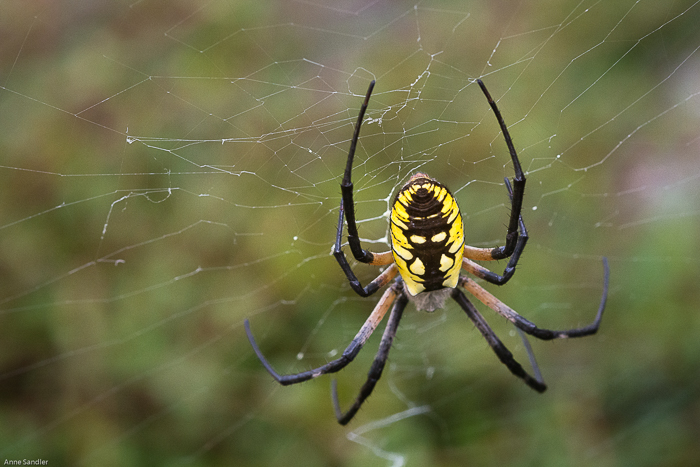
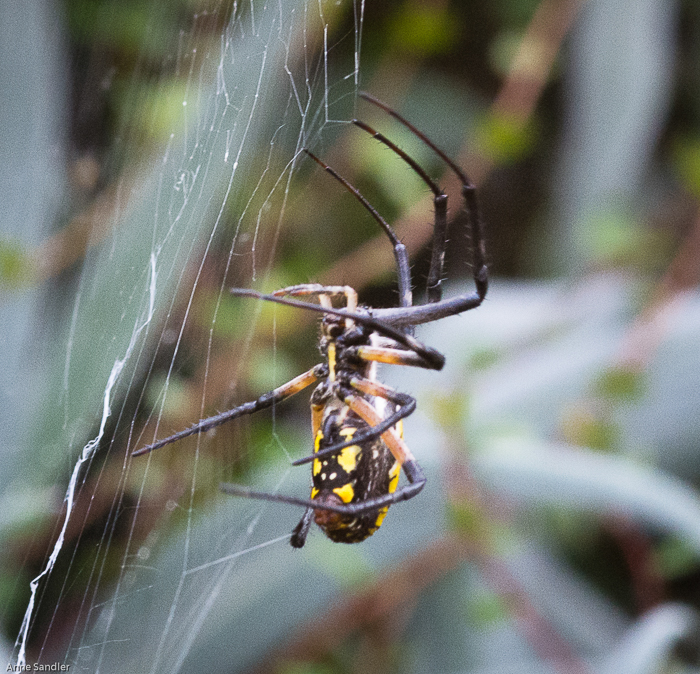
In one visit to the WPA Rock Garden, Marlene and I (really Marlene) spotted this wonderful and big spider.

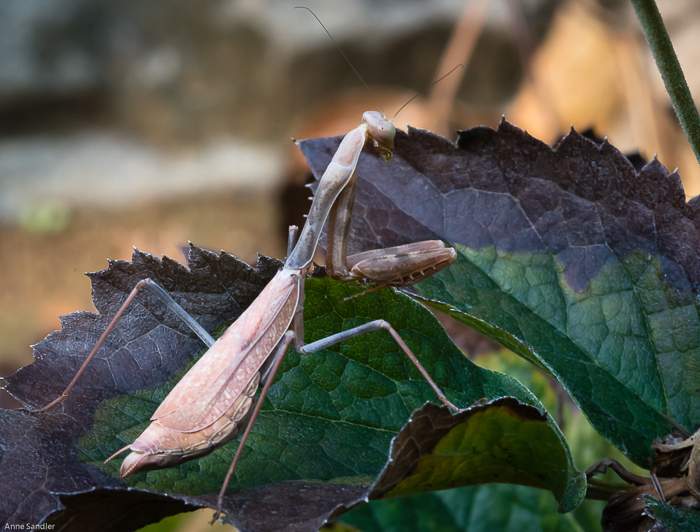
Also on this same outing, Marlene spotted a couple of praying mantises. It was amazing that when they feel threatened, they just stay still. The green mantis wasn’t camouflaged on the white flower, but the brown one had a better background on the brown leaves.

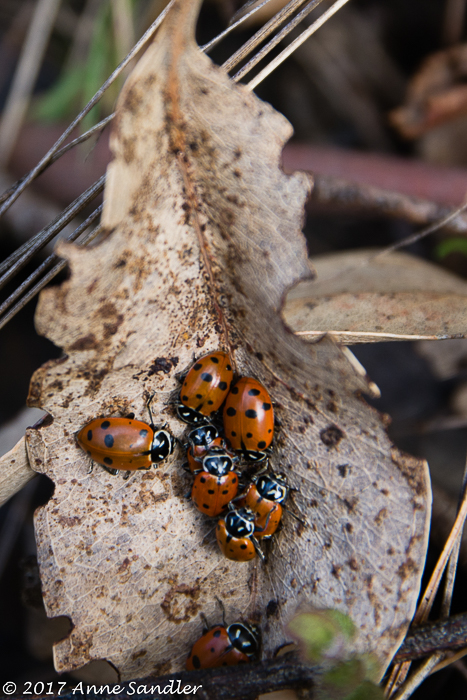
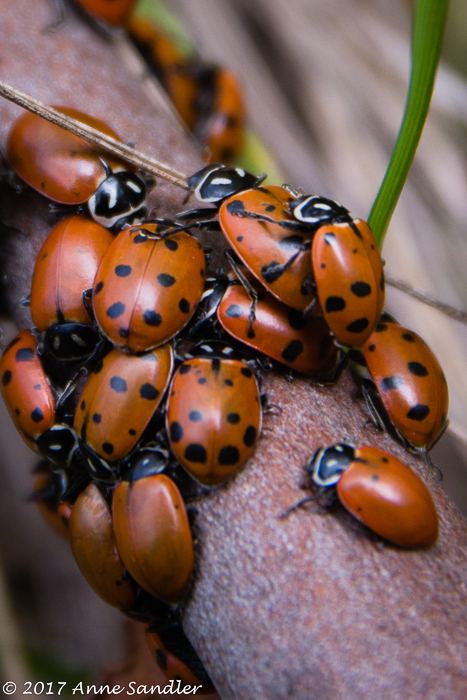
On another outing my friend Linda and I went downhill to photograph ladybugs. Unfortunately we had to climb up the muddy steep hill to get back up. It was worth it though.

One insect we always try to capture with our cameras is the dragonfly/damselfly. I honestly can’t tell the difference. Their colors are simply beautiful.

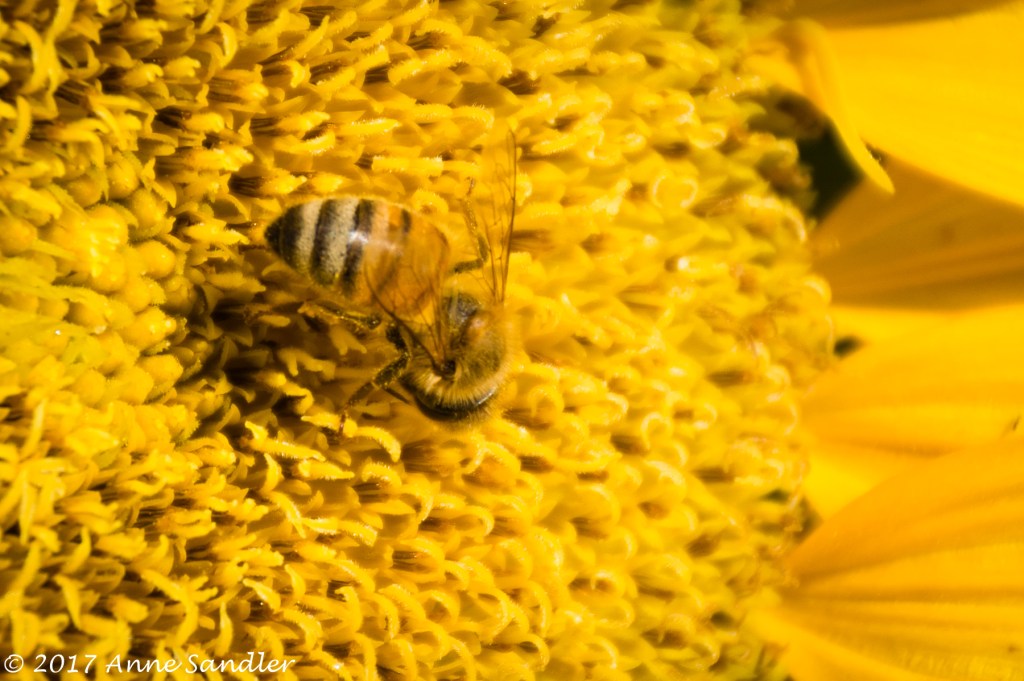
And what would we do without our busy bees. I give them lots of room since I’m allergic to them. I’ve found if you just let them do their work, they will leave you alone. We have an understanding, the bees and I.

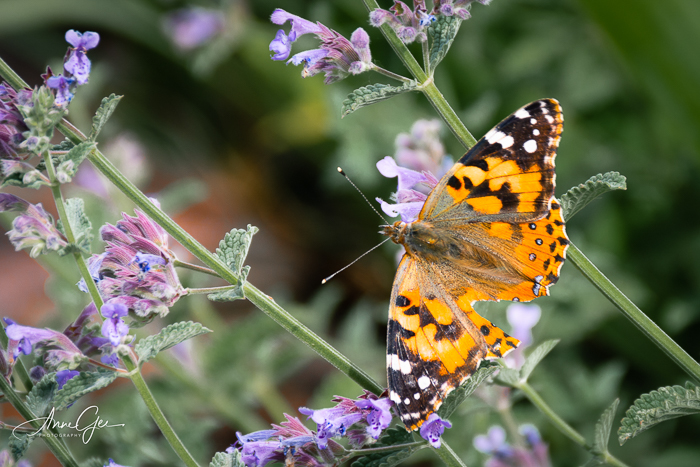
I saved the most beautiful for last, the butterfly.

Some bugs are beneficial like some spiders and bees, but they are not welcome in my home. They never ask permission first!

Thank you for responding to my Buildings and Structures challenge last week. I enjoyed seeing all of your responses that were varied, educational and well photographed. And, thank you Donna for letting me reminisce about my mom and her spider. When you respond to this challenge, please remember to link your post to Donna’s and use the Lens-Artists tag.

Next week, our guest host is Brian of Bushboys World. Be sure to look for his post on Fragments.

If you would like to participate weekly in our Lens-Artists Challenge, click here for more info. 

Lens Artists Challenge #244: Glowing Moments

There are some moments that take our breath away, and it usually involves the sun. When it’s not shining things look dull and our mood is affected. When it is shining especially at sunup and sundown, our photographic juices get going. Guest host Siobhen of Bend Branches encourages us to post images of glowing moments that are special to us.

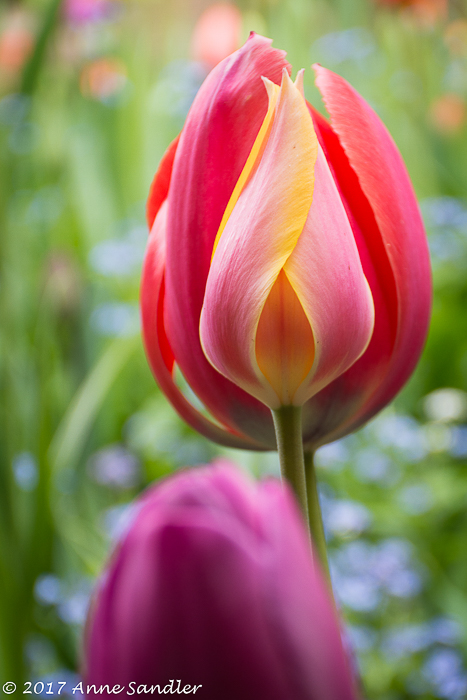
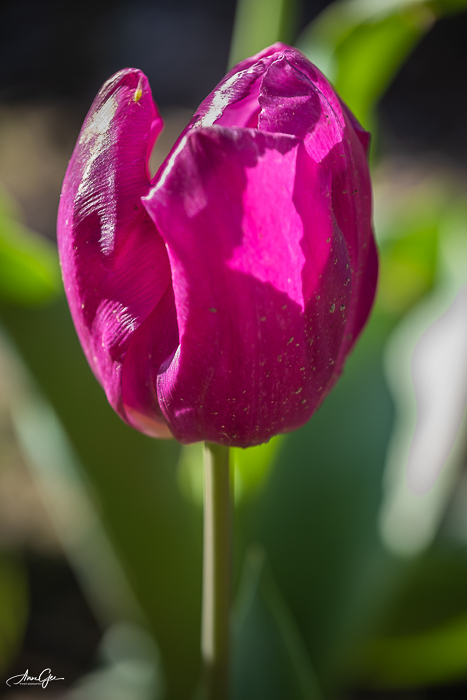
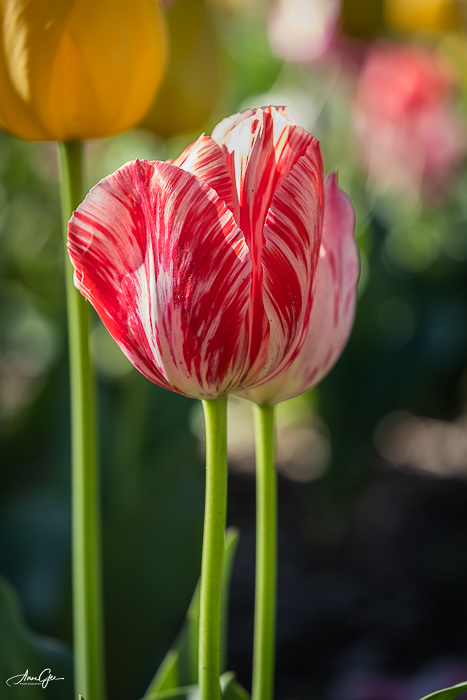
You know I love flowers. My friend Ray and I went to photograph a small tulip patch recently. I wanted to practice with my new lens. I’m doing better with it and think there’s just one more hurdle to overcome. I like how the sun makes the leaves almost transparent in places and highlights the flower.

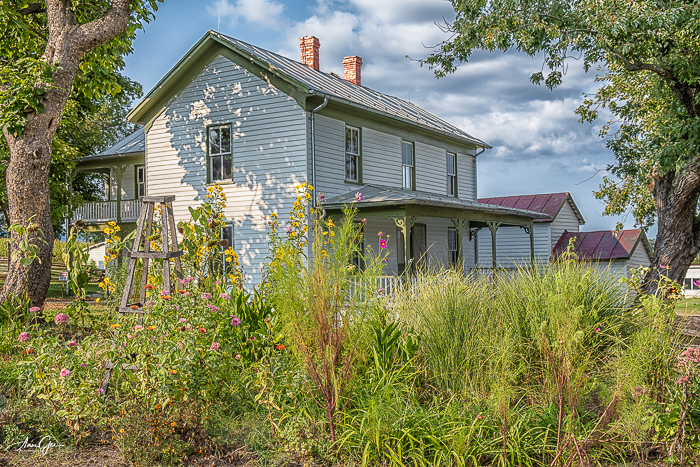
The sun’s glow also helps create shadows. Notice the glow and shadows on the house and on the lawn. These were taken in Luray Virginia.

A trip a few years ago was special for me because we were with my cousins in Palm Desert. The sun is so special in the desert. The giraffe, with its special glow, was taken during sunset at the Living Desert in Palm Springs and the other two in the Painted Canyon, Mecca Hills.

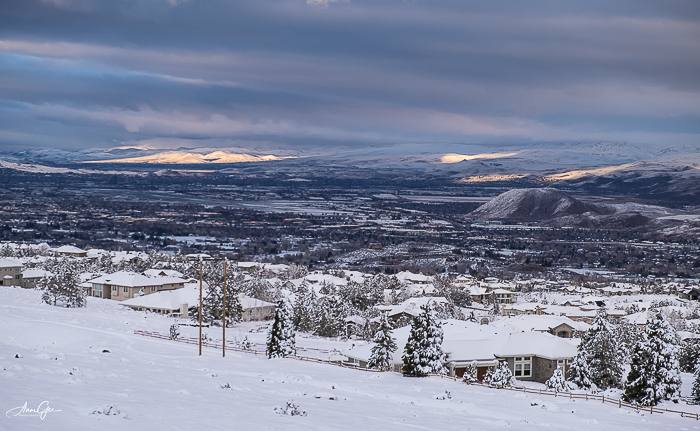
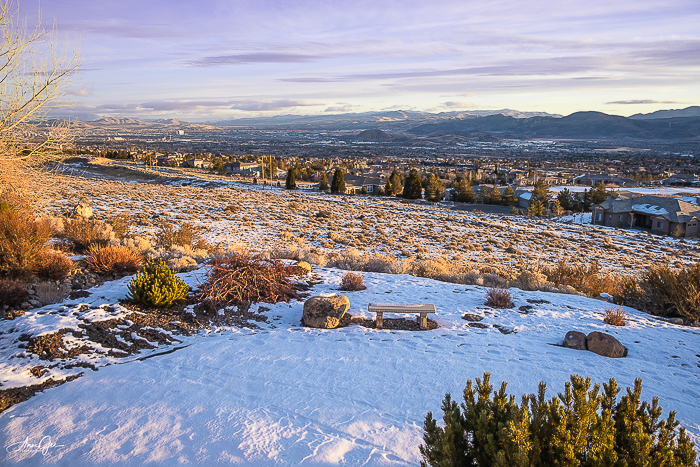
My last examples are of waking up to a sunrise on a blanket of snow in Reno. These were taken in December last year at my son’s home. What a treat!

It was fun going through my archives to find glowing images. Thank you Siobhen for this relaxing challenge. Please remember to link to Siobhen’s post and use the Lens-Artist tag in your response. I enjoyed everyone’s interpretation of tricks last week. They were imaginative and beautiful. Thank you Donna. Next week Tina will be challenging us, so be sure to look for her post.

If you would like to participate weekly in our Lens-Artists Challenge, click here for more info. 

Lens-Artists Challenge #130: It’s a Small World

Think big! Don’t sweat the small stuff! Did you want to super-size that? In today’s world, we are taught to think BIG. We go for the big SUV, the big sale and the big burger. In photography, we learn to shoot large landscapes with a wide-angle lens. 

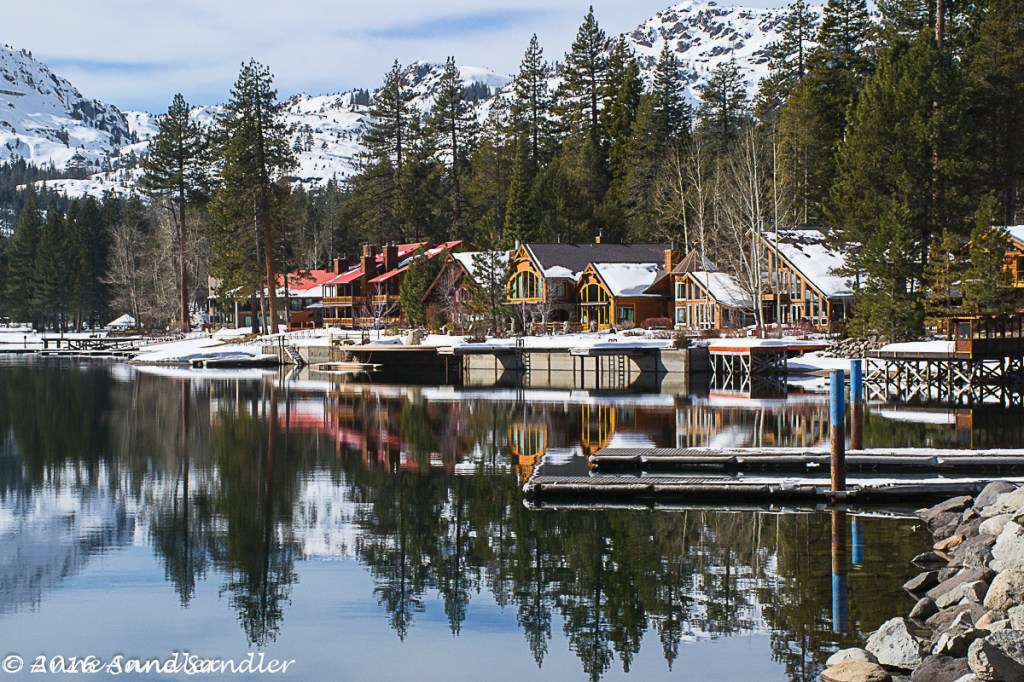
Donner Lake in Winter

But what about thinking small? Let’s talk about macro photography.

What is macro photography? What is micro photography? Are they different from close-up photography? Have I confused you? I’ll give you a hint, two are the same and one is different. Let’s delve into the subject.

Close-up photography takes a subject and zooms in on it. Usually the subject is small, like a plant or an insect, but it could also mean getting close to someone’s eye or face as a subject. The picture is taken with any lens. I’ve taken close-ups with a nifty fifty on a crop sensor camera.

A close-up image taken with an 18-200 mm lens, shot at F/5.6.

Typically, these types of images fill the frame. However, I’ve put flowers or part of flowers off to the side. Shooting with a 200- or 300-mm lens can give you almost macro quality.

This flower was shot at 200 mm at F/5.6.

Macro photography refers to a picture taken with a dedicated macro lens yielding a magnification ratio of 1:1. Meaning, the image depicted on your camera’s sensor is in its actual size. When printed, the subject appears life-sized. This type of photography is used especially when we shoot something exceedingly small or want to capture an extremely small part of it.

Hint: If you want just part of a subject in focus, use a lower F stop (meaning F/number) to get the entire macro subject in focus, use a higher F stop.

The praying mantis in this image appears life-sized as does the part of the flower it’s feeding on. It was shot with a 105 mm macro lens at F/16.

The leaf in this image was shot with the same macro lens, but at F/2.8 creating a more shallow depth of field.

Micro photography is the same as macro photography. Camera manufacturers use the terms interchangeably. You might say that a macro lens takes a picture of a micro subject! I borrowed that last phrase!
One big difference between close-up and macro shooting is breeze. For close-ups you can shoot in a slight breeze because the regular lens isn’t as sensitive as a macro lens. When shooting with a macro lens, any movement in the subject will result in blur. Often, I’ll just take my 55-200 mm lens out when there’s a slight breeze. I can still get nice close-ups.

Oh, yes, everyone says you need a tripod. Confession, I’ve never used one for macro. In fact, I hardly use one at all. However, you will need a steady hand and fast shutter speed.

Now we’ve covered the macro, micro and close-up differences, and you are wanting a macro lens, let’s talk about options. Macro lenses are expensive but there are less expensive alternatives. Extension tubes or reverse ring adaptors to turn your regular lens around are much less expensive options. Personally, I decided against either option and bought a used macro lens for my Nikon D7100. When buying used, be careful. Buy from a store that will let you return it within 90 days if not satisfied. Also purchase one that will give you a 1:1 ratio.

For my Fujifilm camera, I treated myself to a new macro lens, knowing I would use it a lot. It’s a prime 80 mm but still shoots at a 1:1 ratio.

So, which two are the same and the other different? The answer: macro and micro photography are the same and close-up photography is different!

This week’s challenge is to take your camera for a walk around your yard or home and shoot some close-up or macro shots. Too cold, too wet, too busy? Feel free to choose some images from your archives. Be sure to link your response to my original post, and to use the Lens-Artists TAG to help us find you. I’m looking forward to seeing what you come up with.

Thank you Tina, Amy, Ann Christine and Patti for this amazing guest host opportunity!