Athletes who train, bands that practice, dancers who start at an early age–they were all there and from different countries. I didn’t realize how big time these games are. Children came from Ireland to compete in what I call the “Drum Major” competition. I’ve tried to find the correct name, but was unsuccessful. Who knows, I might be right! But they were there at the Scottish Highland Games.
I was impressed about how precise everything was. Uniforms had to be just so, routines had to be exact and the throw length in the games was measured. It was pure talent. So take a look at these people of all ages who trained and practiced. I hope you will take the time to view more than the normal amount of images.
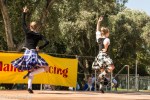
Young girls compete in the Highland Dance Competition. We missed the younger set competition.
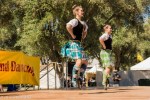
Older girls compete.
On this raised dance floor they are able to get off the floor.
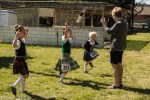
Here, little ones practice.
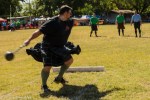
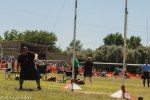
Here a contestant is working up enough velocity to through the weight.
Here the weight is in the air, ready to land and be measured.
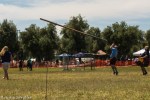
This is the Caber Toss. The tapered pole is 19.5 ft. and weighs 175 lbs.
The contestant runs with the pole and then throws it in the air.
Here you see it coming down. Many of these contestants were seniors!
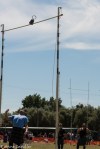
This is the weight over the bar game. This time the goal is to get this 64 pound weight, with an attached handle, over the bar.
This weight is already over the bar and on it’s way down.
You can see a weight clear the bar in this image. Different contestant.
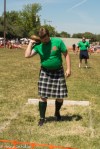
This contestant is getting ready for the stone put.
It is similar to the shot put in the Olympic Games.
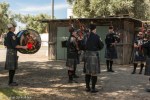
Cal Fire band practices before the competition.
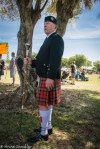
This gentleman stands tall while waiting for his competition.
Photography has pushed me to experience events that I would otherwise ignore–like The Scottish Highland Games in Woodland California. Too bad it took me so long to enjoy this festival because it was fun!
I went with photo buddies Marlene, Greg and Linda and got there shortly after they opened the gates. This was the festival’s second day, but there were still crowds. When we walked in the action was gearing up–athletes, dancers and bands were practicing.
Once they started, the field was bustling with activity. At least three activities at once were being judged. Off the field, contestants were getting ready for inspection, vendors were selling food, crafters were selling their wares and participants were in their camps.
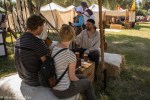
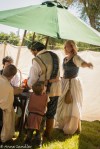
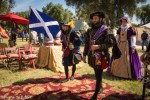
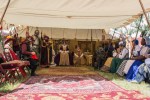
This fair, presented by The Caledonian Club of Sacramento, is an all-volunteer effort enhanced through various sponsorships. I was amazed at how the participants immersed themselves into character, giving visitors a glimpse of what life was like back in the day.
In this post, I’ll focus on people who made the visit so worthwhile for me. I’m so glad photography brought me here.
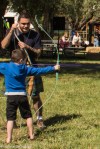
A young archer practices.
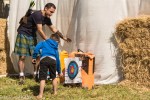
Pulling his arrows out of the target.
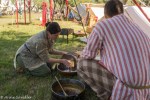
Washing dishes without the sink.
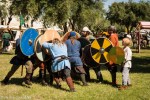
A fight begins.
Let’s take a picture. Wait did they have cameras back then?
It’s not big as far as zoos go, but that’s the beauty of it. You can get around the Sacramento Zoo in about 2 hours–more if you have children with you. You know kids like to snack and play at the playground.
Marlene and I went to the zoo to shoot (gently with a camera) the animals. I had taken the grandkids there a few weeks before and discovered you’re either a grandparent or photographer! However, we were surprised by the bus loads of school kids there on a Thursday morning. It made shooting a little more difficult, but it was fun to watch the children as they reacted to the animals.
So we walked, talked and shot the zoo’s inhabitants. It may be small, but it’s mighty.
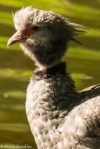
This bird has a strange neck. Sort of cute.
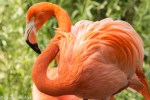
I had fun shooting the flamingos.
This is classic flamingo.
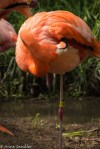
Shh. Someone’s sleeping.
Got an itch? It takes a long neck to scratch it!
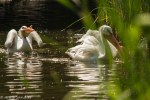
The pelicans are asking for food.
But, we’re encouraged not to feed them.
We had to make noise to wake this lion up.
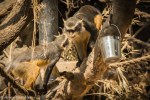
Monkeys choosing who will eat first.
The winner.
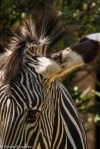
The zebra was hungry and photogenic.
I loved the hair tuft.
I couldn’t zoom in enough to get rid of the cage, but just look at this bird’s eye. How colorful.
This bird has an unusual head. The cage is partially gone.
An anteater.
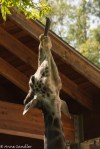
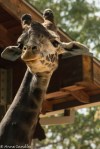
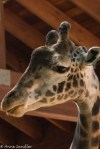
This giraffe was trying to get a leaf from the tree. He needs a longer tongue.
Is he embarrassed?
Maybe, but he’s beautiful.
A red panda.
We finally got him to stand up.
A snow leopard.
Gorilla.
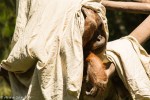
When we arrived at the orangutan enclosure, they were all inside. Finally this one came out with a tarp.
He played with the tarp for a few minutes and then went back in.
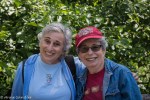
The wildest animals of all: Left, Marlene and Right, Anne
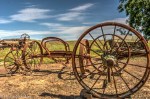
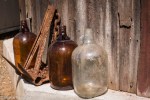
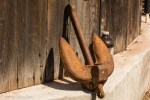
The best things are the ones you don’t expect. And, I didn’t expect Rush Ranch to be so beautiful and fun to shoot. We went there after we visited the Suisun Wildlife Rescue Center. Photo buddy Laura suggested this and Marlene and I were agreeable. Oh, did we have fun, and we didn’t even take any of the nature paths. We stayed and shot old equipment, etc.
Rush Ranch is a working ranch, with cattle and sheep grazing under a wildlife habitat management program. Prior to its purchase by the Solano County Farmlands and Open Space Foundation in 1988, this ranch was owned by the Rushes (a pioneer family).
Now it is open to the public with three hiking trails that take you through different ecosystems. These are the trails we didn’t have time to walk. So we need to go back. Who knows what we’ll see, especially when we don’t expect to.
Meanwhile, enjoy these images from the immediate property.
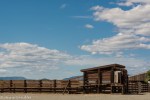
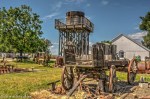
One of the barns. This was first as we came on the property.
Many of the animals never leave here, so it was like visiting old friends when we photographers made our annual trek to the Suisun Wildlife Rescue Center just outside of Fairfield, California. This was my second trip there through a Meetup organized by the Wildlife and Landscape group. It’s actually a fundraiser for the Center that is run solely through contributions.
This Center is a non-profit volunteer organization, dedicated to the rescue of native California wildlife and to the preservation of the Suisun Marsh, working through the dual avenues of wildlife rescue & release and environmental education. While some animals are able to be released once they are well, many are not. Birds with wing problems, an albino snake, a coyote and many eagles are just some of the wildlife that cannot be released.
But, they do work for their keep. Volunteers take them to schools through an educational program. While they educate, the animals are cared for by an all volunteer staff. And the staff brought out the animals in turns so we could photograph them. While we were shooting, we were told about the animal’s personality, how they were brought into the Center and whether they would ever be released. When you look at the images, in many cases, you can tell why they will remain at the Center.
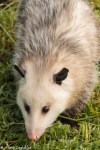
This opossum is a new addition to the Center.
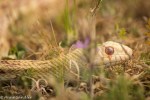
This albino snake will never leave the Center.
It has no way to blend into the background.
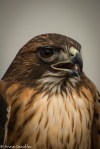
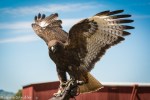
This red tailed hawk was here last year.
There were two being shown. And, yes, they look alike.
You can see the wing injuries.
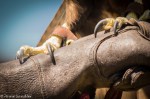
Their talons are still sharp.
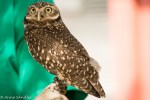
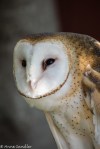
Like this small owl, most birds have wind injuries.
This little owl has only one eye.
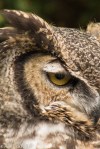
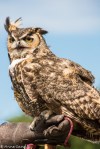
I love the owls eyes. This is one of two Great Horned Owls.
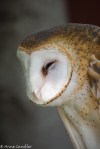
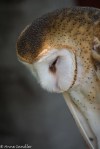
This eye belongs to another Great Horned Owl pictured next.
Mustard! It’s yellow just like the condiment, but you don’t spread it on sandwiches or hot dogs. You just look at its beauty and admire it. I’m amazed at how wildflowers can make a hillside or valley look stunning. You’ll see mustard in this post; the last of our visit to Lake San Antonio.
It was sad to see Lake Nacimiento and San Antonio so low in water capacity. We used to camp there with our children when we had a boat. We saw Nacimiento from Lakeside Rd and drove down to San Antonio. The California drought is becoming very noticeable now. We are beginning strict water rationing, which I think should have been done sooner.
Right now there are thunder storms north of us and it may be snowing in the Sierras. But, that won’t be enough to get us through the hot summer. I know the east coast has had enough rain and snow. Funny how Mother Nature is!
So, let’s get on with the serving of mustard–no hot dogs on the side!
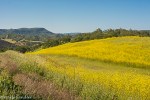
Fields of mustard at this ranch.
Another view taken along Lakeside Rd.
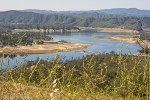
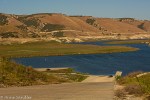
This is a finger of Lake Nacimiento.
You can see how far down the lake is.
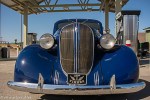
We stopped to get gas and saw this old car.
This is beautiful, not like some of the old cars I shoot.
The owner is proud of his car and didn’t mind me shooting it.
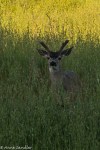
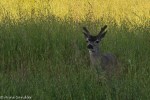
We saw this young buck along the roadside.
We stopped and I shot it out the truck window at 55 mm.
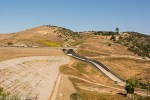
This is a spillover for Lake Nacimiento. No water to spill over.
A bit more of the countryside.
Lake San Antonio. I was half way down the boat ramp.
Do you remember the mossy trees and mustard that I went all the way to Napa Valley to shoot? Well, I found the trees in our campground and the mustard in the countryside here at Lake San Antonio.
It’s amazing how much I’ve learned through photography, and I don’t mean learning the art. I’ve studied birds, flowers and trees! So during this trip I had the opportunity to educate my husband in the flora of the area. Sadly, because the lake is so low now, there wasn’t the opportunity to see many water fowl. There were plenty of turkey vultures though.
In addition, I became acquainted with the various stages of the dreaded fox tail from beautiful to mowed down so they stick in your socks and dogs paws. All weekend I picked fox tails from Gem’s hair, checked his ears and made sure he was tick free. The little guy was happy to be home.
In this post, I’ll give you the campground tour including the mossy trees. You’ll have to wait for the next post to see the mustard.
Mossy tree.
Another tree with moss.
I just liked this plant/tree.
Expressive and beautiful.
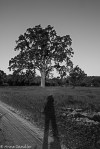
Tree and photographer.
Now I’m shooting ground cover with the macro.
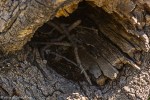
I also shot this log with the macro lens.
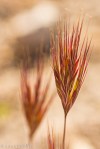
What’s better than one fox tail?
Two!
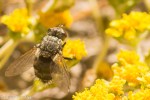
I saw this fly but didn’t have a swatter, so I shot it instead!
Some more of the yellow ground cover.
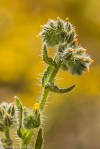
I don’t know what this is, but it was leaning just above the ground cover.
Mossy tree up close.
I think these are young fox tails.
Again, I don’t know what this small plant is either, but I think the macro captured it well.
Dry brittle low lying ground cover with lots of fox tails and some wildflowers welcomed us to our campground at Lake San Antonio this past weekend. Some of it was due to the fact that we were in the overflow area where there were few trees, but the drought has also taken its toll.
But the wildlife activity was normal with many chipmunks and rabbits running the campground. They left small to large sized holes that Gem liked to stick his mussel into and I kept pulling him back. But we were there for the stars and there were plenty of them.
This was my first attempt at shooting star trails. So armed with my printed out tutorials, I set up my tripod and camera and did my best. Thank goodness for Lightroom! No matter what I did, my images turned out with a light tan background. Each night I used a different lens and kept the aperture open. I did 30 minute exposures because I didn’t have stacking software.
I brought my challenge to my Toastmasters Photo Club meeting, it was suggested that I needed to close down the aperture because I was letting in too much light. Well, I’ll try that the next time we go up to the observatory at Blue Canyon. It needs to get a little warmer for my body! In the meantime, I’ll show you what I did get.
I was also shooting during the day, catching some of the wildflowers and fox tails, and I’ll show you those images in my next post. On to my starry nights.
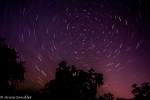
Star trails the first night. Shot: 18 mm, F 3.5, ISO 500, 30 min exposure.
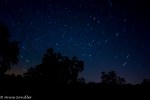
Starry sky. F/3.5, 18 mm, 78 second exposure, ISO 1000.
Shot the second night. F/4.7, 16 mm, 13 minute exposure, ISO 800
Again on the second night. F/5, 13 mm, 56 minute exposure (I forgot to set the timer!) ISO 200.
The last night. Shot with my prime 50 mm. F/2.8, ISO 100. I decided this was not the lens to use so I switched back to my 18-55 mm.
Last shot. I moved the set up away from the North Star and ended up capturing the lights from astronomers who were imaging. The lights are coming from their computers. F/3.6, 18 mm, 30 minute exposure, ISO 100.
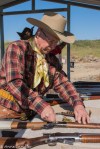
We went there to see what our family members, Richard and Sandy, spend their time with and travel the western states for. In this shoot, everyone dressed as cowboys and cowgirls. Yes, women shoot too. The buildings were facades with targets behind them. The club members are scored on their accuracy and time which is converted into their score. Each member rotates from one building facade to another, completing the circuit during the two-day activity.
While they are waiting for their turn, members tend to their rifles and pistols, cleaning them. They also make their own bullets. And, they visit, talking with each other. It’s truly a fun time. And, it’s not just for adults. There were two 10 year old boys shooting.
So, while I’m not a lover of guns, I can appreciate the skill involved in shooting, the passion of its members and the safety this club provides. There are a lot of images in this post, but I hope you’ll look at each one to understand the fun of this activity.
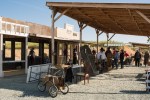
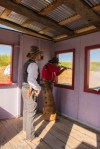
The town. Members shoot through the facade windows.
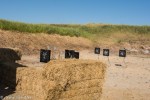
The targets that are behind the facades.
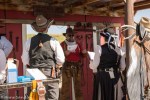
Before each shoot, members are briefed on the rules.
These carts hold members’ guns, bullets, etc.
Everyone is in cowboy garb. Here, a member shoots as an official looks on.
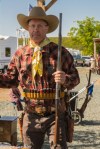
The cowboy image is down to the boots. Richard’s boots have spurs.
Richard is taking his turn at shooting.
Richard works on his rifle.
I think he’s cleaning it.
Here he caught me taking a candid shot and posed for me. Extra bullets are worn around the waist.
A cowgirl waits her turn.
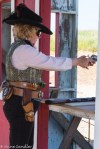
Here she shoots her pistol.
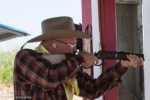
Here she shoots her rifle.
We think this cowboy is making bullets.
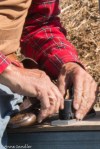
It seems to be a very delicate process.
Time absorbing too.
Almost done.
The final product is carried in holders like this one.
Two members wait their turn.
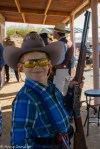
This 10 year old is proud of his clean and fast record.
Have you ever chased windmills, you know the big white ones? Photo buddy Linda and I went out the day before a scheduled Meetup to catch the scenery, windmills, moonrise (which I didn’t get a good shot of) and sunset. Tall order for tall windmills!
We got to the area an hour later than the Meetup group was scheduled for the next day. Well, an admission, we didn’t get to the appointed area until we saw it on the way home. Typically when we meet with the Exploring Photography group, we enjoy a meal together and our organizer gives us directions and tips on where we should go to shoot. Not having these directions, we sort of got lost, but had a great time.
We stayed mostly on Montezuma Hills Road, stopping whenever we could after seeing something worth shooting. The area is farm country with windmills sitting in the pasture land. It’s not unusual to see windmills among the cows and farms.
I can’t say that the images I’m going to show you are my best, but they were the best I could do without an ND filter system. I wanted to get those giant windmills in slow shudder, but the sun was too bright. And by the time we got back from dinner, we almost missed the sunset. By the time we were on our way home, we were tired and thoroughly enjoyed chasing the windmills.
Sheep graze at this farm that is the object of the next six images.
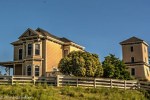
A wide view of this nice house.
Getting closer, you can see more detail.
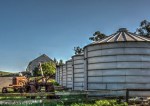
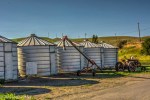
Across the driveway are the silos, barn and old tractor.
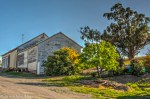
The barn.
Another view of the silos.
A close up of the silos and tractor.
Here are those big windmills.
A closer look. The only thing I could do was to stop action.
Here they are on a pasture.
The sun is beginning to set.
It’s getting lower in the sky.
A closer view.
Someone tell this cow it’s time to go home!
The sun is behind the horizon. I can now get some slow movement in the windmills.







































































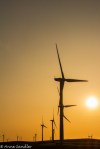


 Slow Shutter Speed