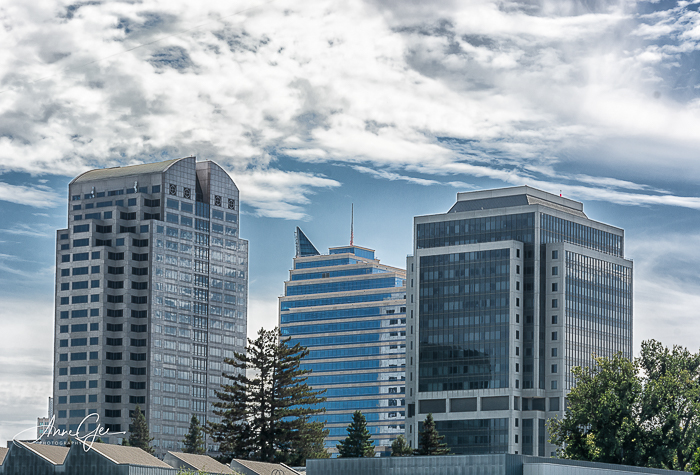
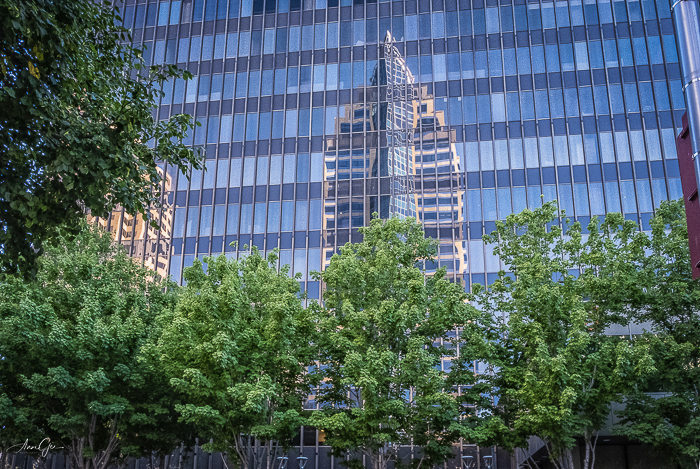
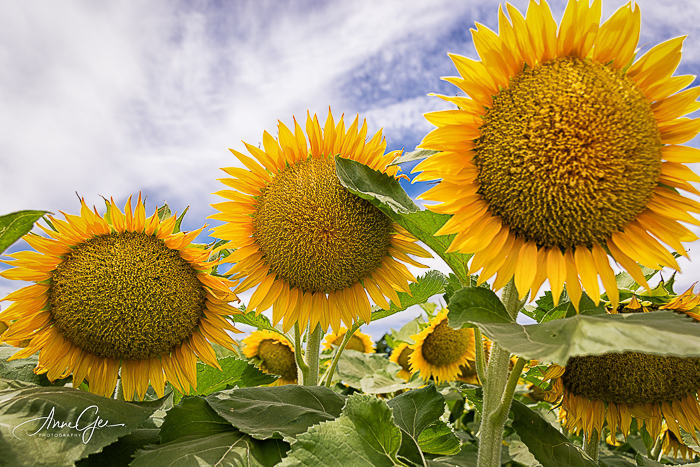
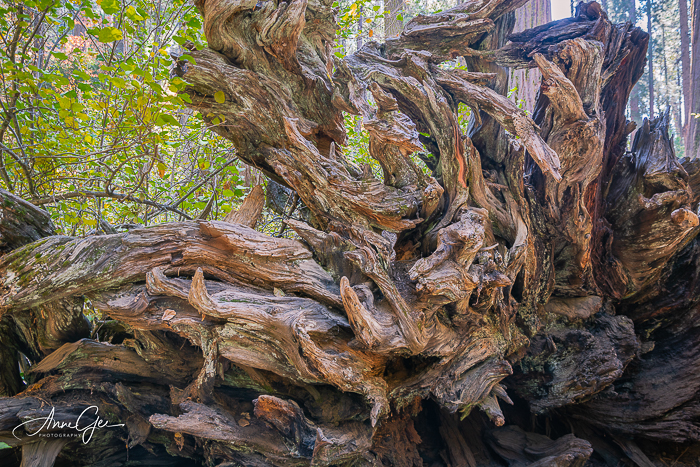
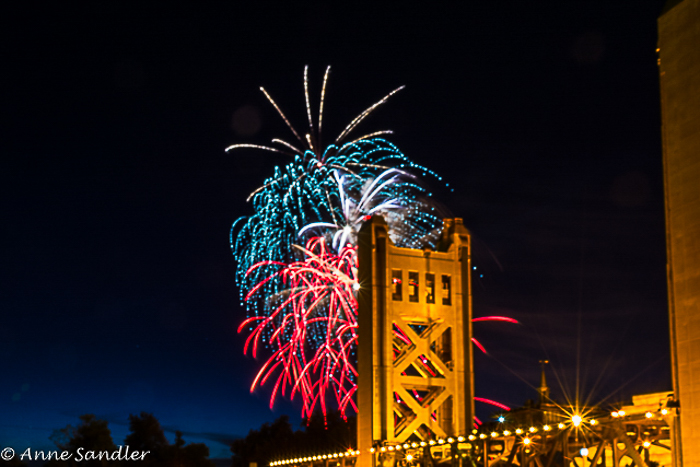
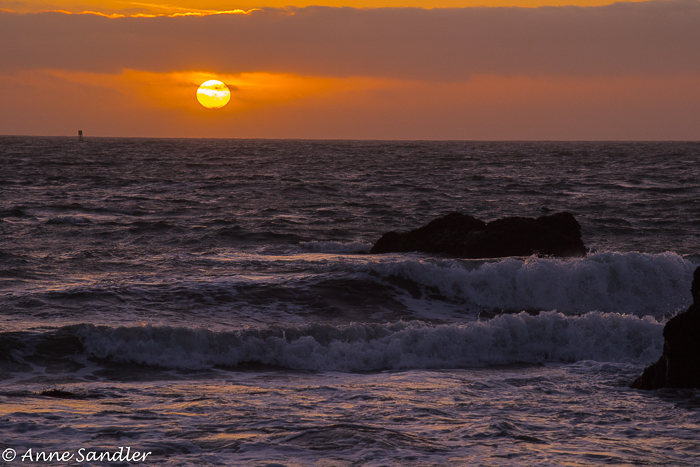
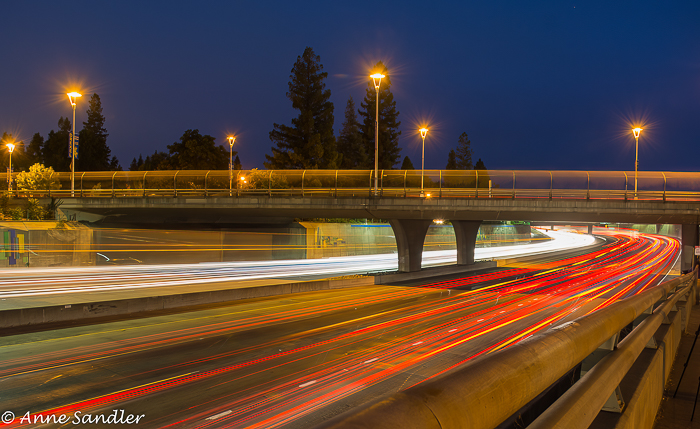
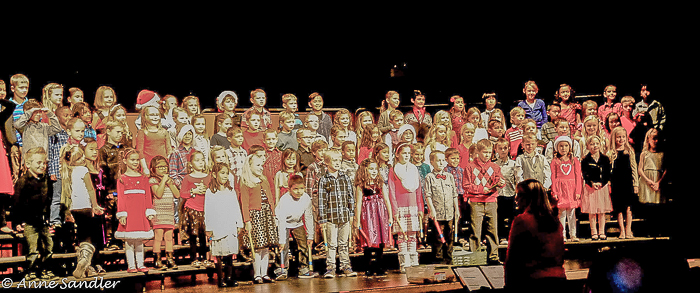
Do you look forward to night photography? It is more challenging, but there are rewards. But daytime gives us more variations of light with which to work. I’ll photograph whenever I can. This week Sofia asks us to show off our day and night photography. So here goes.
We start at the beginning with frozen toes in Yosemite Valley capturing the first light at Yosemite Falls. This was 9 years ago and I was very new at photography. It was a good thing my friend Laura got me out there in the bitter cold. It was worth it!
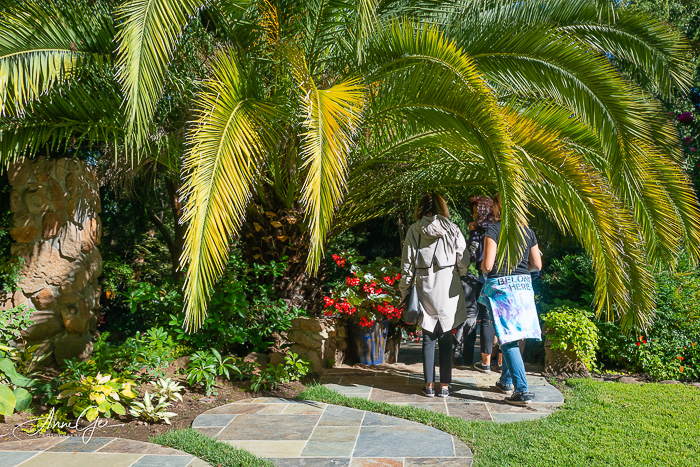
Pretty soon the sun becomes more intense and we run for shade. It’s nice how the direct sun highlights form and colors. Of course that intense sun can also warm our backs and cast our shadows.
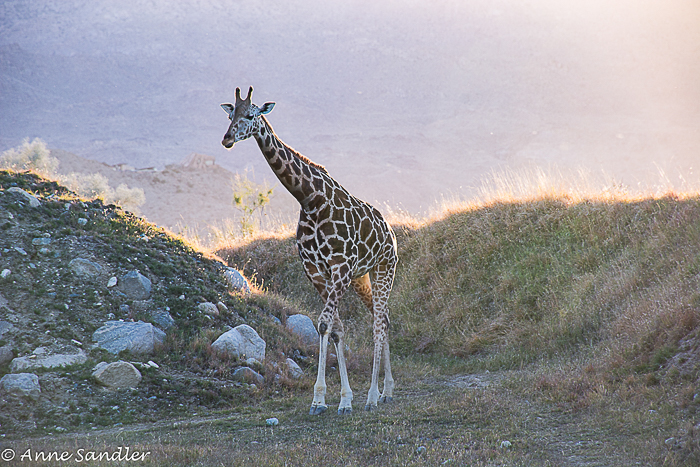
When the sun is low in the sky, it backlights objects, like this giraffe, with a warm glow.
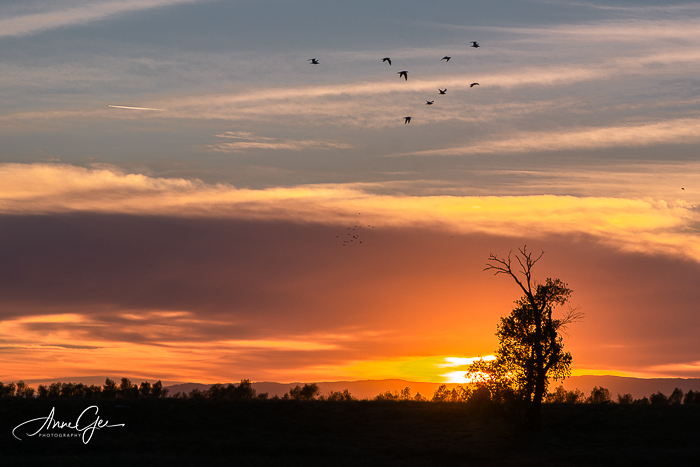
We all love to capture sunsets with their beautiful colors.
During a full moon, like the sun, the moon casts its own light as seen on this lake.
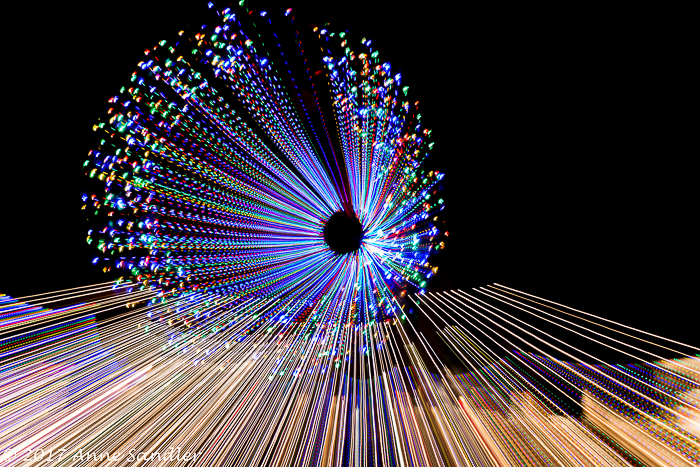
In total darkness we can capture ambient light and also have some creative fun.
As I said, although I prefer the golden and blue hours, I’ll take my camera out any time and have fun. Thank you Sofia for this wonderful challenge. When you respond, please remember to link to Sofia’s original post and use the Lens-Artists tag.
I enjoyed reading your poems and seeing your related images last week prompted by Ann-Christine. Some of you had creative and enjoyable responses. Next week Egidio leads his first challenge so be sure to look for his blog.
Do resolutions truly work? Which is more important, looking back or moving forward? In our Lens Artists community all three are important. With this challenge we are looking back at our favorites from 2023.
And we are looking forward to 2024 as we welcome Ritva of Ritva Sillanmaki Photography and Egídio of Through Brazilian Eyes to the Lens Artists team. We know they will bring their marvelous photography, extensive travel experiences, and fresh insight to our weekly challenges. Please join us in extending a warm welcome to them. Click on the links to Ritva and Egídio’s blogs at the end of today’s post to follow them and receive all of our upcoming Lens Artists challenges.
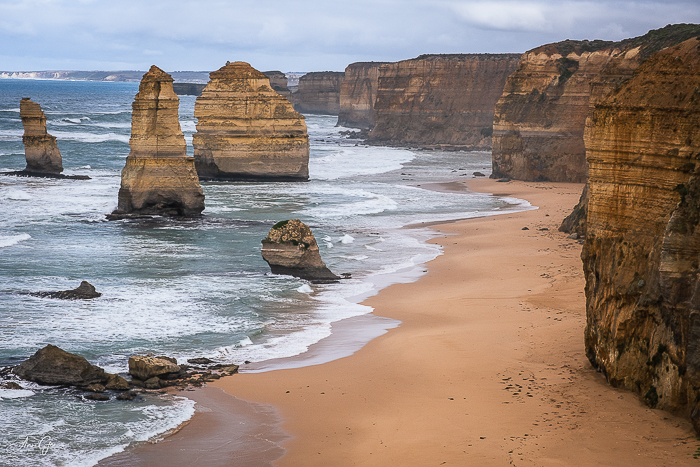
And now for my favorites of 2023. My feelings about 2023 are all over the place. Very positive and enjoyable and then very difficult. Let’s talk about the first part of the year which was wonderful with my trip to Melbourne Australia. My friends Sandy and Peg and I were able to visit and photograph with Leanne Cole for three wonderful days in Port Campbell. Here are some favorites from that trip.
Maist Rest Rain ForestBuilding in MelbourneTwelve Apostles Web Bridge
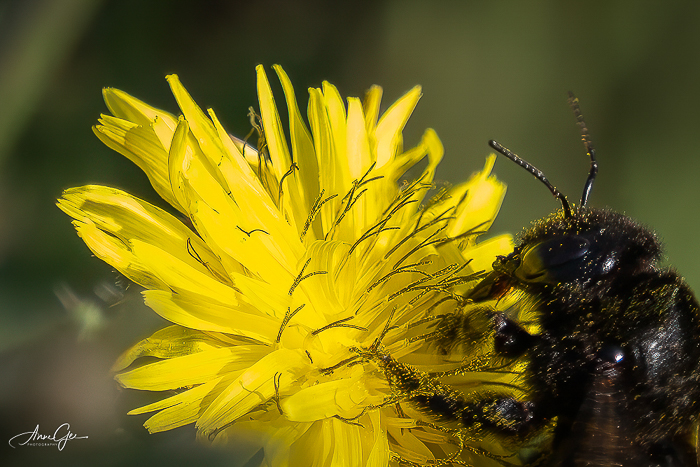
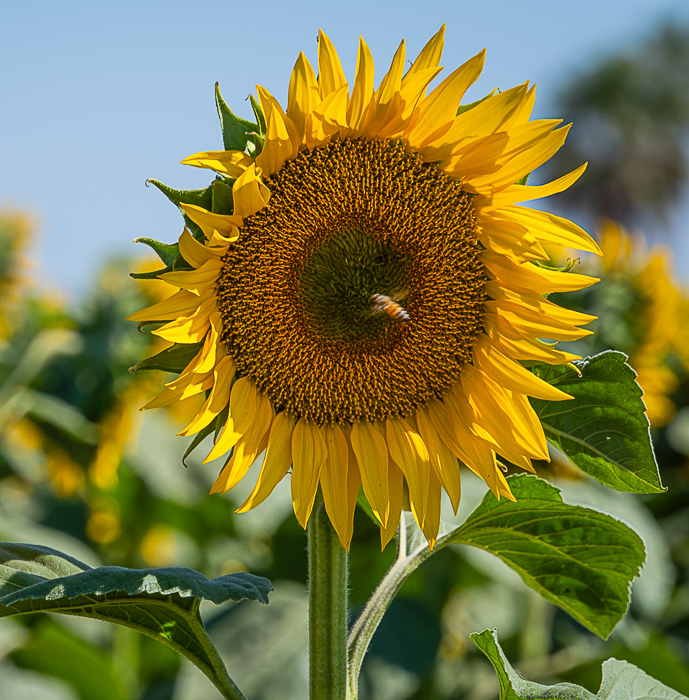
And you know how much I love photographing macro subjects. Here are three of my flowers and some of their guests.
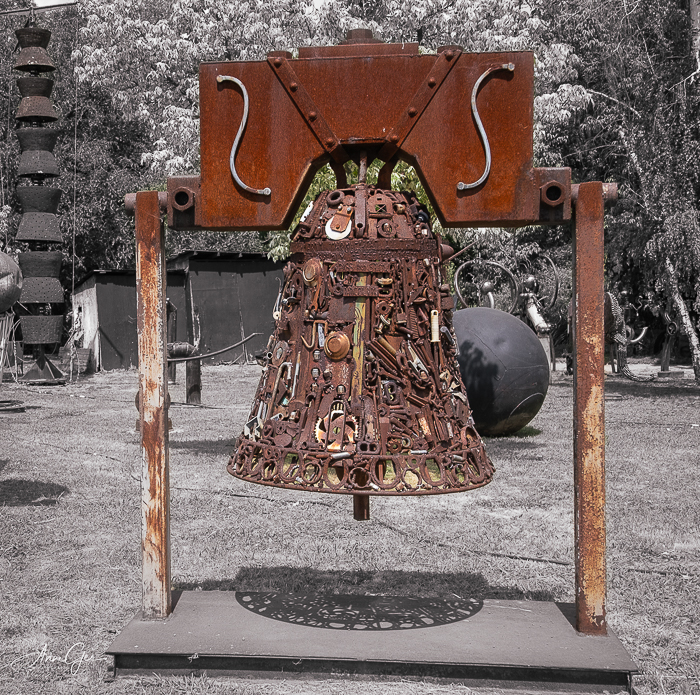
Here are some single favorites.
The difficult part of 2023 came in August when I was rearended and suffered a severe whiplash. I wasn’t able to do photography for a few months. And if it weren’t for my wonderful photo buddies taking me to places close and for short durations, I would have gone bonkers. You don’t know how important that camera is until you can’t use it!
January has me looking forward to more photo opportunities. I’m trying to add more time to the outings without traveling far. I don’t make resolutions, but I do pick words. This year is gratitude. Living in gratitude. And, I’m grateful for all of you in the Lens-Artists community and look forward to sharing photos with you in 2024.
Here is a list of our team. Please be sure to follow us so you don’t miss a challenge!
It’s not very often in life that you get a second or last chance. It’s like seeing a purse in a store that you like but can’t decide to buy it. You go back to get it the next day, and it’s gone. Today Tina gives us that second chance, and our photos aren’t going away!
I had fun looking through my early years of photography to avoid Tina’s one rule of not having posted the image in LAPC before. Here are my choices.
Big Fork MontanaBodie CaliforniaCoyote Point Lincoln Calif.Effie YeawKauai, Hawaii Having lunch near the Sutter ButtesSunrise in Coloma CaliforniaTilden Regional Park, BerkeleyA Yolo Art & Ag Outing
Thanks to Ann-Christine for reminding us that there is still magic in this world in her challenge last week. I enjoyed seeing your memorable, magical posts. And thanks to Tina for this fun challenge. When you respond to her post, please link to it and use the Lens-Artists tag. Right now, WordPress is having trouble with the Lens-Artists tag in the reader, but we are making every effort to see all your posts.
And now for some end of the year news from the LAPC team: After having been an integral part of our team since its inception in June of 2018, Amy of Share and Connect will be leaving the team to begin an exciting new adventure. She and her husband will be traveling more extensively and making some happily-anticipated visits with family. We wish her all the best and look forward to her posts as she continues to respond to our challenges whenever possible. We are also announcing that this will be the final Lens-Artists challenge of 2023. We will return on January 6 to begin the New Year with our traditional Favorite Photos of 2023. We look forward to seeing you all again then. In the meanwhile we wish all who celebrate the happiest of holidays as well as a peaceful and joy-filled 2024.
See you in 2024. Have a great New Years and stay safe!
What is unique to some, may not be unique to others. It all depends on your life experiences. This week, Amy is asking us to post pictures of places and things unique to us. Since I began photography as a hobby 10 years ago, I have been to places that were surprisingly different/amazing to me.
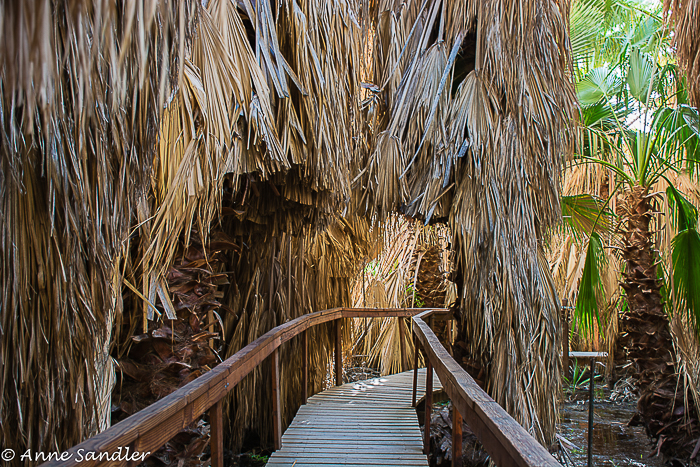
Let’s start with the Coachella Valley Preserve in Thousand Palms, California. I had never seen an oasis before, and here was one in the California desert. You can see a large cluster of palm trees in the middle of a desert. As we walked through the preserve, we saw pools of water that fed the thirsty trees.
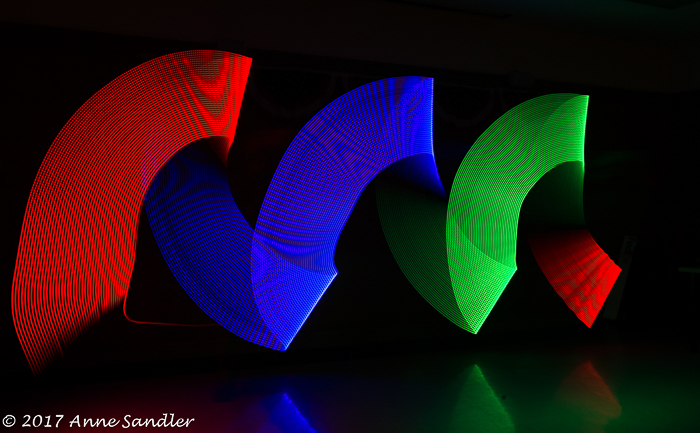
Have you ever tried light painting? Yes, painting with light and captured with your camera. You can’t do it alone because someone needs to hold the light source. And, of course, it has to be dark. One of my camera groups hosted this unique experience.
I remember seeing a giant sequoia for the first time. That definitely was a WOW experience. The sequoias occur naturally only in groves on the western slopes of the Sierra Nevada mountain range of California. They can grow up to 279 tall and have a diameter of 20 to 26 feet. This is one tree you just can’t hug!
Redding California is home to the Sun Dial Bridge. It’s a steel, glass, and granite bridge that crosses the Sacramento River and is simply beautiful, especially at night. This bridge is one of the largest sundials in the world. Its shadow traces an arc that is so big it can record time for only four hours a day, from 11:00 am to 3:00 pm. When visible, the shadow moves about one foot per minute.
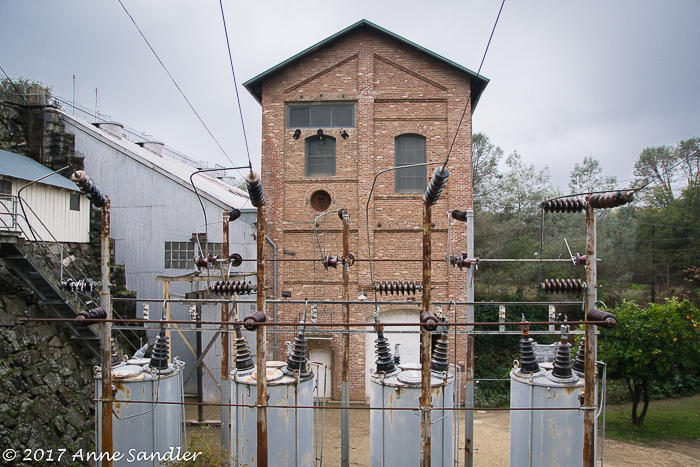
The Folsom Powerhouse is “an example of the tremendous advance in the commercial application of electricity. H.P. Livermore realized that the water of the American River could turn generators for electricity in Sacramento, 22 miles downstream. With his partners, Livermore built the powerhouse, which still looks much as it did in 1895.” During a docent led tour, of the small facility we learned how amazing this was. And it was certainly unique in that time.
Yes, my camera has shown me many unique places. I’m sure there will be more to come.
Please remember to link to Amy’s post when you respond to this challenge and use the Lens-Artist tag in the reader. Last week, thanks to Patti, we enjoyed seeing many empty spaces and variations on the theme. I appreciated your imagination and photography. Next week Ann-Christine will be leading the challenge so be sure to look for her post. Until then, stay safe this holiday season.
I like that we always learn through LAPC challenges. This week, Patti has taught me the difference between negative and empty space. She challenges us to post images where the empty space draws the viewer’s eyes to the subject, conveys a mood, or creates a more dramatic scene. I’m not sure my images are moody or dramatic, but they bring me joy and serenity.
First, let’s look at how plain blue sky creates an empty space that accentuates the birds I captured. I do tend to crop in, almost too much, but the idea is still there.
The same goes for water. Sandhill Cranes are usually mid-way in fields and difficult to photograph with my maxed out 300 mm reach. But these were in nice blue water. Did I get lucky? The blue empty space helped create enough of a contrast, helping to sharpen the cranes.
I like landscapes. As a compositional tool, I try to find something that will lead the viewer through the image. The grass area, pulls you into the trees, creating a pathway through the image.
Man can copy nature by building roads or pathways that take you across rivers on bridges. Cement provides the empty space that draws us in.
Back to nature, this family is enjoying some empty space at the river’s edge provided by this sandy beach.
A field and blue-sky accent these wind turbines. It also helps that the field has crop lines that lead your eyes into the picture.
My last picture is a sunset that is dominated by a sky leading us down to the setting sun. We then follow through to the reflection in the water.
Thank you, Patti, for teaching us a very useful compositional technique. When you respond to this challenge, please remember to link to Patti’s original post and use the Len’s-Artists tag in the reader. I enjoyed seeing all your ups and downs as you responded to guest host James’ post. He taught us another great tool. Next week, it’s Amy will be leading the challenge with “Unique.”
If you would like to participate weekly in our Lens-Artists Challenge, click here for more info.
This week James of Jazzibee wants us to look up and down; but in order to do that, I have to look back! Yes, look back in my archives. I chose to look back at 2019. This is what I found.
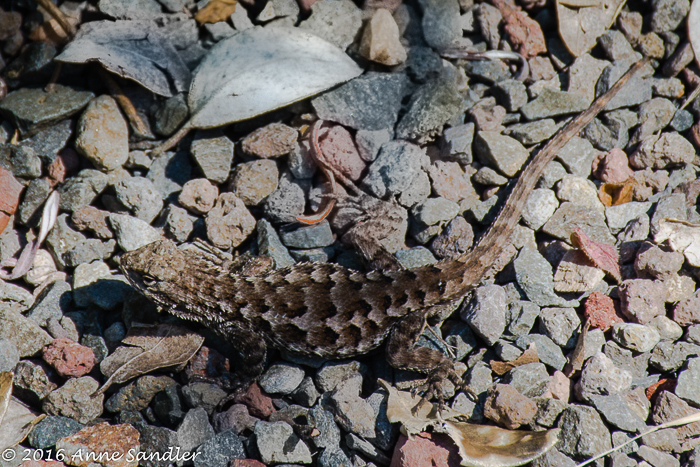
I try to pay attention to my surroundings when I’m out on a photo outing, but I tend to miss tiny details. So I try to look down for flowers, butterflies and other insects. Looking down I found:
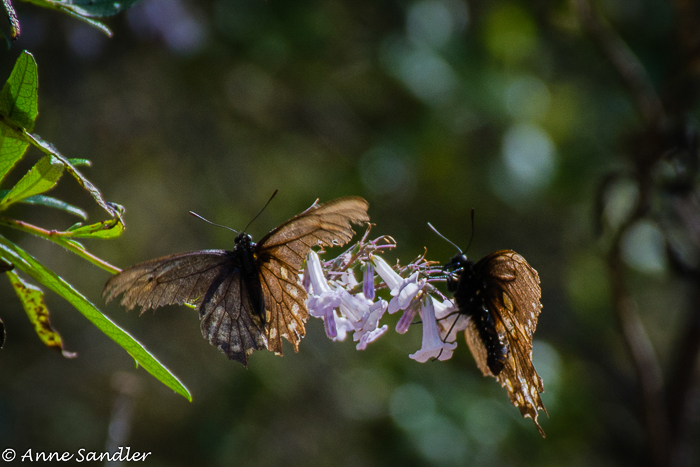
A butterfly and a big black bee. I haven’t seen one since.
From a bridge I saw two people rowing in the river and one person finished for the day.
From a parking lot in Old Folsom, I was looking down on the ice rink. And from a window in the same lot I could look down on the street.
Here are three more: a lotus leaf in a pond, a rusty pail, and a daffodil.
I tend to pay more attention to the scenery that surrounds me, and I look up.
Calaveras Big Trees State Park. Giant Sequoias.
Apple Hill in the Fall.
Culinary Institute of America Napa Valley. Lobby and one of the buildings.
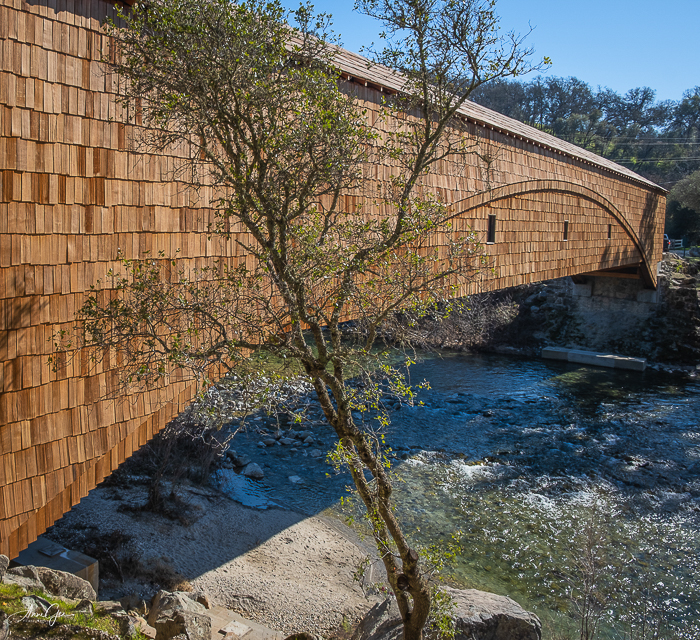
I’ll close with images of a ceiling of a covered bridge, a bird on a branch, and a staircase.
Thank you, James, for urging all of us to be aware of our surroundings when we are on a photo outing. I enjoyed my trip back into 2019.
And I thank you for all your wonderful responses to last week’s challenge. I certainly saw varied frame filling. It was a lot of fun. When you respond to James’s challenge, be sure to link back to his post and put Lens-Artists in the Reader. Next week Patti will be challenging us, so be sure to look for her blog post.
Photography rules are guidelines and are sometimes meant to be broken. Also, photography is art, and art is subjective. Why am I saying this? Come down the rabbit hole with me!
In the last two weeks, we’ve learned about symmetry and asymmetry—two basic forms of composition. Now we’re going to delve into another: filling the frame.
When you want your subject to stand out, fill the frame! When you fill the frame with your subject, you eliminate various background distractions. The viewer’s eyes have nowhere to wander. Their attention is where you want it.
The frame refers to the rectangular scene you see through your camera. When you use this technique, you simply fill your photo’s frame with more of your subject, reducing the amount of background or negative space shown. And it can be filled-in-camera or in post processing. I tend to fill in-camera, sometimes not leaving any room for creative cropping in post. Now, I try to leave a bit more around my subject, so I have more to work with. I did a close crop in post on the sunflower, below, wanting to show the bee in action. By doing this, my sunflower became the background and the bee the subject. Sometimes we just change our minds once we view the image on our monitors.
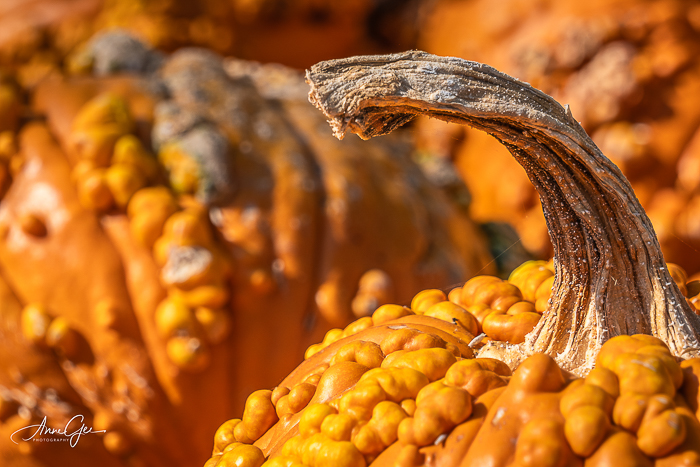
The basic rule for filling the frame is to get close to your subject. This can be achieved by walking up to your subject or using a zoom lens. I’ve done this type of photography with a macro and zoom lens. You can fill the frame totally or leave a bit of negative space to help your subject stand out. Yes, we’re sliding down that rabbit hole now. A bit of nothing helps put the focus on your subject. Remember, photography is subjective, and everyone has an opinion. Some photographers say “no” to negative space and a soft background. But, without the small amount of negative space, how could I have had this flamingo stand out? Having a bokeh background helps this flower stand out and shows its environment.
Okay, that rabbit hole is getting slippery now. What about filling the frame to tell a story? This can be street photography, event photography, or iconic subjects. Below are two pictures. The first is of an entertainer, Tom Rigney, at the Sacramento Music Festival. The second is of the Point Reyes an old boat that has become a photographers’ attraction. Viewers would not interpret their full stories without seeing their environment. But their stories fill the frame and there’s nothing that distracts from them.
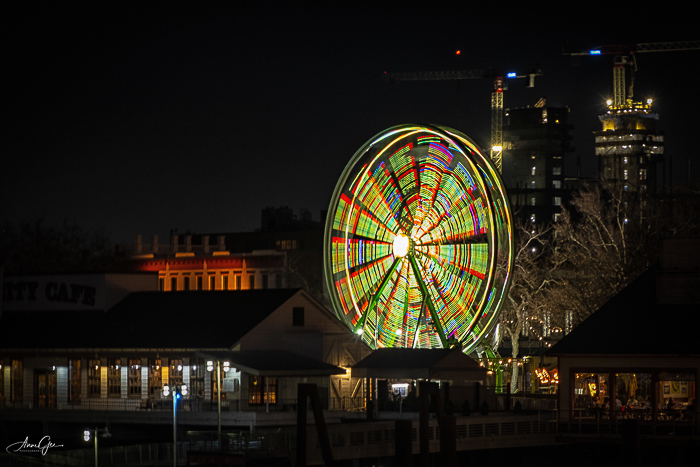
Do you like getting creative? Let’s fill the frame with an abstract! One is of cattails and the other a Ferris wheel. Both were taken with intentional camera movement (ICM).
Spilling off the frame. Most of my images in this post extend beyond the frame, meaning their stories continue beyond the confines of the image boundaries. The lotus and cactus are continued in the viewer’s imagination.
We’ve reached the bottom of my rabbit hole. Let’s climb back out so you can find your images that fill the frame. Remembering that photography is subjective, I’m looking forward to seeing your imaginative and creative responses. Anything goes! When you respond remember to link to this post and use the Lens-Artists tag.
Thank you, Donna, for getting us in the mood with her asymmetry challenge last week. We’ve been having a lot of fun, haven’t we! Next week James of Jazzibee will guest host and present our next challenge. Be sure to look for his post.
If you would like to participate weekly in our Lens-Artists Challenge, click here for more info.
It’s amazing how we can learn about the way we photograph as we take on our weekly challenges. Last week Sofia had us think about how we use symmetry in our photos, and this week Donna has us digging through our files for asymmetrical images. What a learning experience. I realize that while I truly don’t think about it when I compose a picture, I lean towards taking asymmetrical images.
I guess I just like things not so obviously balanced unless I see symmetry demanding to be photographed. For example, when I compose a nature image, it’s usually asymmetrical but somehow balanced. I really don’t compose it thinking about whether it’s symmetrical or asymmetrical.
With event photography, it’s the same. Now I’m wondering why! I guess carnivals are always asymmetrical.
I tend to do the same with environmental portraits. These pictures were taken at the Empire Mine State Historical Park. I offset the man and his dog and the blacksmith. I even offset the close up of the blacksmith.
And did you notice I also posted an odd number of pictures for each segment? What does that say about me? All kidding aside, I truly don’t think too much about how I compose a photo. I just work the camera and lens until I get what I like.
Thank you, Donna, for showing us the other side of symmetry. As you can see from this post, I’ve learned a lot about my photography techniques. And to Sofia for starting us off with symmetry. I enjoyed seeing all your symmetrical images, and they were very creative.
I’ll be leading the challenge next week, so look for my post.
Composition is something I am careful about, and I very seldom choose symmetry as a first choice. However there are times that a scene just cries out symmetry, and then I just take advantage of it. Sofia has chosen symmetry as this week’s challenge. In my mind, I remembered memorable symmetrical pictures over the years, but could I find them?? Absolutely not! So you’ll have to view what I did find.
Let’s start with some images that contain very symmetrical pieces. (Explanations are in the captions.)
The alter in the Bok Kai Temple, Yuba CityA very symmetrical stained glass in a winery tasting room.The prayer room in a Sikh Temple
Water helps create symmetry through mirror images.
Japanese Garden, LodiSwan, Mather LakeZooming lights my community pond.Where does the tree end and the reflection begin? American River
I’ll end with some miscellaneous images.
Fort Point, San FranciscoLeaving Ruhsthaller FarmJust an ordinary barbed wire fence.An auditorium Lavender field
Some day I’ll find those pictures I wanted to show you. Look for a regular post of mine. In the meantime, when you post your pictures for this challenge be sure to link to Sofia’s original post and use the Lens-Artists tag. Last week I enjoyed seeing all your billboards and signs–some were very clever. Next week Donna is going to challenge us with asymmetry! Be sure to look for her post.
Timing is everything. Amy’s challenge this morning is on contrasts: shadows and light, colors, hard and soft, etc. It just happens that this is the morning of the annular (partial) solar eclipse. We didn’t see much of it in California, but NASA put on a good show for us. Amy, I hope you were able to see the totality in Texas.
NASA gives this explanation of a solar eclipse: A solar eclipse happens when, at just the right moment, the Moon passes between the Sun and Earth. Sometimes the Moon only blocks part of the Sun’s light. This is called a partial solar eclipse. Other times, the Moon blocks all of the Sun’s light. This is called a total solar eclipse. As the Moon blocks the Sun’s light, it casts a shadow on part of the Earth.The Moon’s shadow creates a trail as Earth rotates. This trail is called the path of totality. If you want to experience total darkness during an eclipse, you have to be in the path of totality. In that path, the Moon completely blocks the Sun’s light for a few minutes. It gets so dark that it looks like night time during a full Moon!
So why am I mentioning this? Watching the eclipse unfold on my computer screen, I thought there is no better contrast between the sun and moon during this rare occasion. This took me back to the total solar eclipse Richard and I viewed in Idaho in 2017. That was an amazing experience. We were camping in our trailer, but crowds came in that morning. During the eclipse the crowd went quiet until totality. Then the clapping and yelling started. Wow!
I took pictures with my Nikon D3100, armed with a solar filter, handheld. Here are my results of nature’s contrast of the sun and moon from beginning to totality and the end.
I hope you enjoyed my cosmic contrast scenes. Thank you Amy for encouraging me to look back. When you post your contrasts, please remember to link to Amy’s post and use the Lens-Artists tag. I enjoyed seeing all your varied displays last week as encouraged by Ann-Christine. I always enjoy your unique posts and interpretations to our challenges. Next week John is presenting the challenge so be sure to look for his post.