I like that we always learn through LAPC challenges. This week, Patti has taught me the difference between negative and empty space. She challenges us to post images where the empty space draws the viewer’s eyes to the subject, conveys a mood, or creates a more dramatic scene. I’m not sure my images are moody or dramatic, but they bring me joy and serenity.
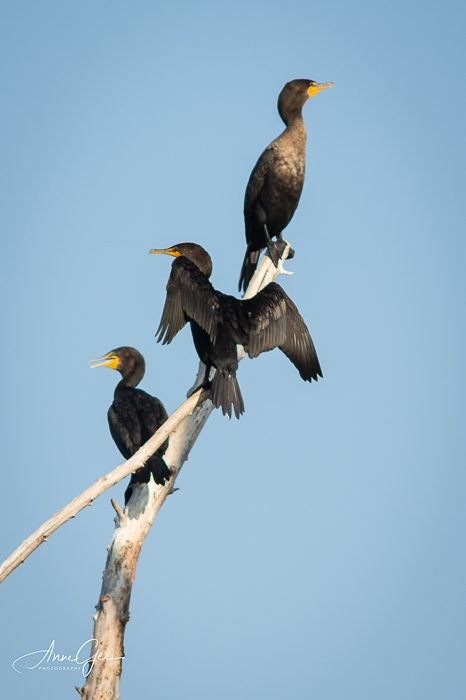
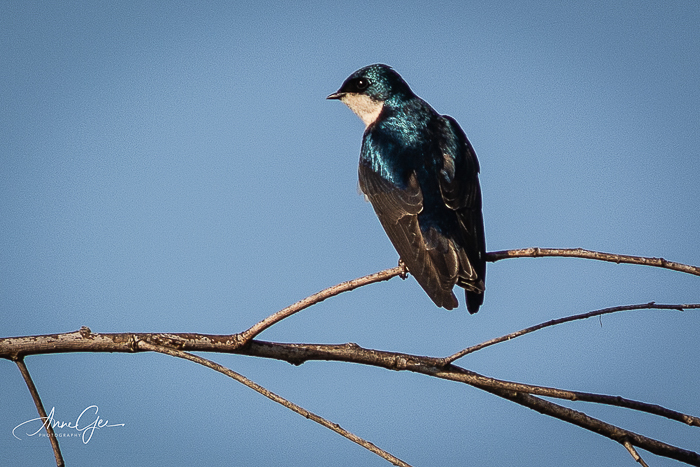
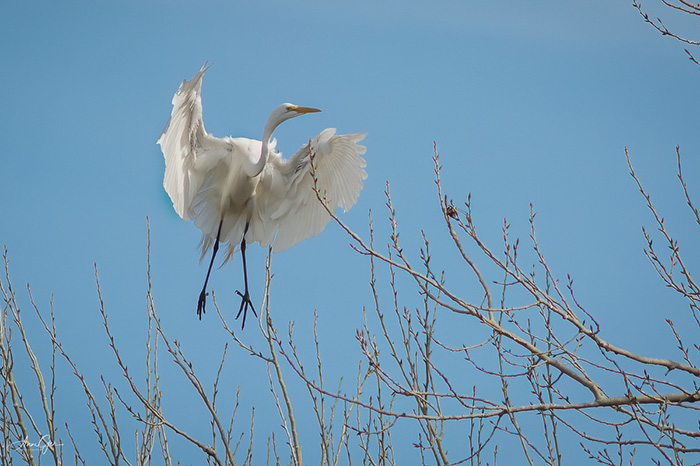
First, let’s look at how plain blue sky creates an empty space that accentuates the birds I captured. I do tend to crop in, almost too much, but the idea is still there.
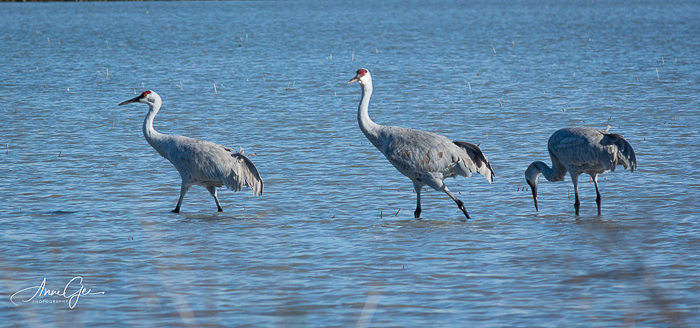
The same goes for water. Sandhill Cranes are usually mid-way in fields and difficult to photograph with my maxed out 300 mm reach. But these were in nice blue water. Did I get lucky? The blue empty space helped create enough of a contrast, helping to sharpen the cranes.
I like landscapes. As a compositional tool, I try to find something that will lead the viewer through the image. The grass area, pulls you into the trees, creating a pathway through the image.
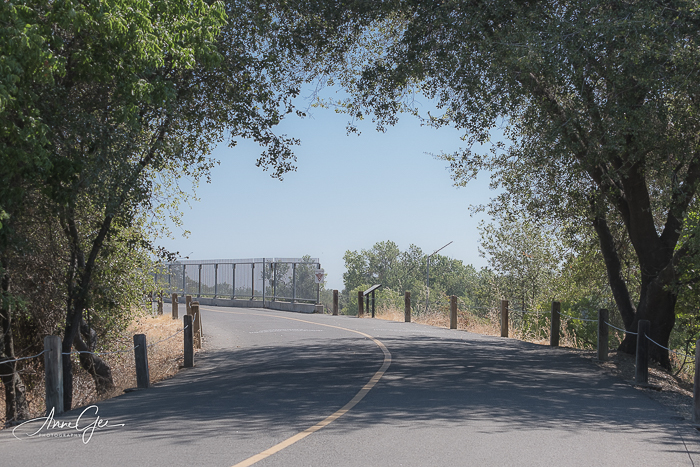
Man can copy nature by building roads or pathways that take you across rivers on bridges. Cement provides the empty space that draws us in.
Back to nature, this family is enjoying some empty space at the river’s edge provided by this sandy beach.
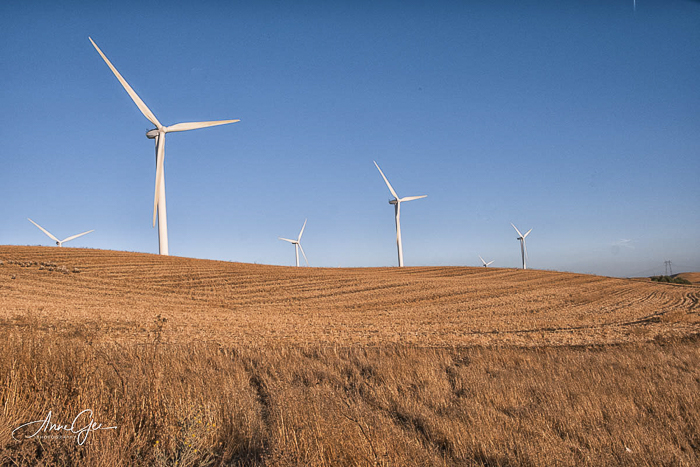
A field and blue-sky accent these wind turbines. It also helps that the field has crop lines that lead your eyes into the picture.
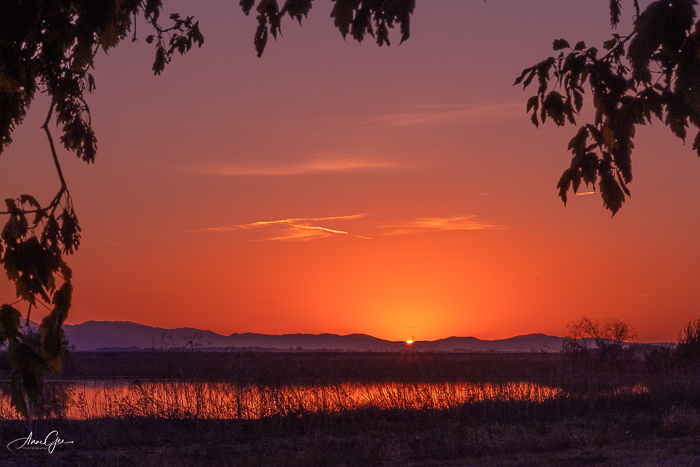
My last picture is a sunset that is dominated by a sky leading us down to the setting sun. We then follow through to the reflection in the water.
Thank you, Patti, for teaching us a very useful compositional technique. When you respond to this challenge, please remember to link to Patti’s original post and use the Len’s-Artists tag in the reader. I enjoyed seeing all your ups and downs as you responded to guest host James’ post. He taught us another great tool. Next week, it’s Amy will be leading the challenge with “Unique.”
If you would like to participate weekly in our Lens-Artists Challenge, click here for more info.
This week James of Jazzibee wants us to look up and down; but in order to do that, I have to look back! Yes, look back in my archives. I chose to look back at 2019. This is what I found.
I try to pay attention to my surroundings when I’m out on a photo outing, but I tend to miss tiny details. So I try to look down for flowers, butterflies and other insects. Looking down I found:
A butterfly and a big black bee. I haven’t seen one since.
From a bridge I saw two people rowing in the river and one person finished for the day.
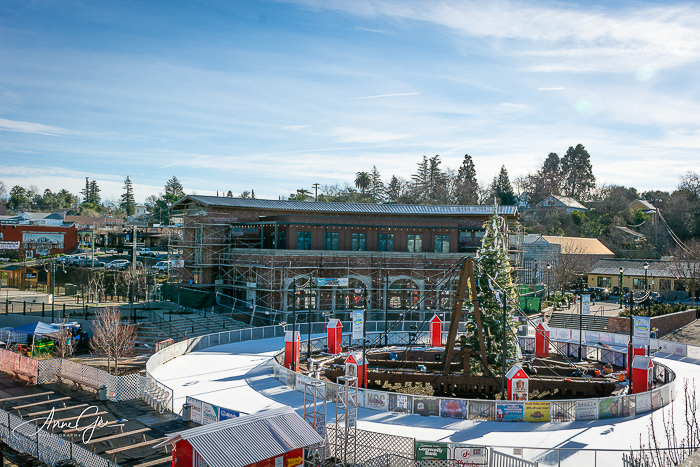
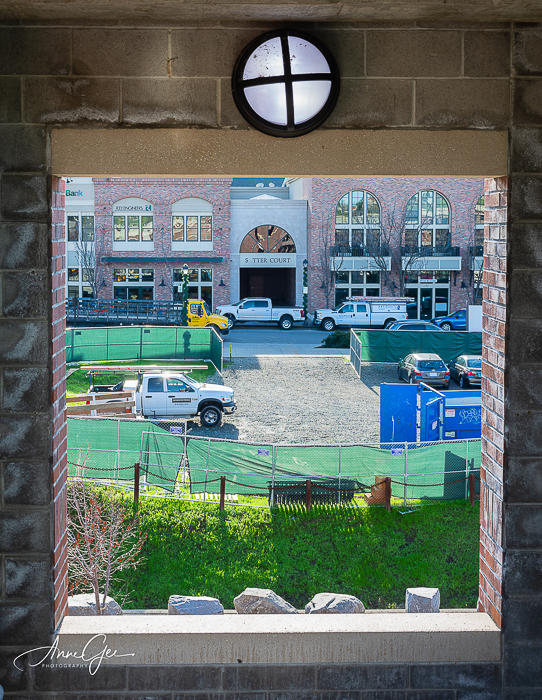
From a parking lot in Old Folsom, I was looking down on the ice rink. And from a window in the same lot I could look down on the street.
Here are three more: a lotus leaf in a pond, a rusty pail, and a daffodil.
I tend to pay more attention to the scenery that surrounds me, and I look up.
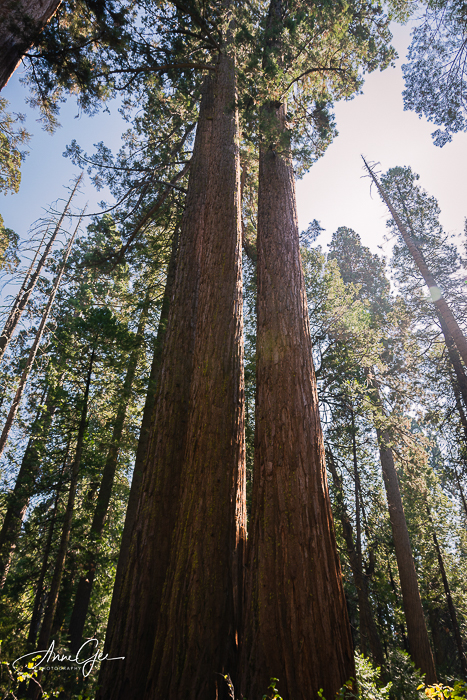
Calaveras Big Trees State Park. Giant Sequoias.
Apple Hill in the Fall.
Culinary Institute of America Napa Valley. Lobby and one of the buildings.
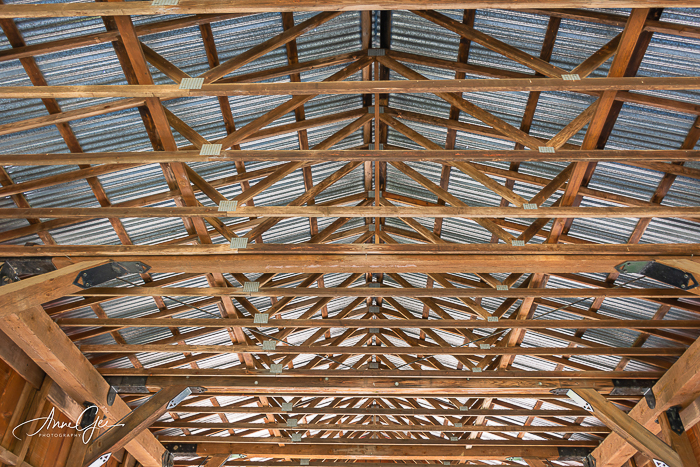
I’ll close with images of a ceiling of a covered bridge, a bird on a branch, and a staircase.
Thank you, James, for urging all of us to be aware of our surroundings when we are on a photo outing. I enjoyed my trip back into 2019.
And I thank you for all your wonderful responses to last week’s challenge. I certainly saw varied frame filling. It was a lot of fun. When you respond to James’s challenge, be sure to link back to his post and put Lens-Artists in the Reader. Next week Patti will be challenging us, so be sure to look for her blog post.
Photography rules are guidelines and are sometimes meant to be broken. Also, photography is art, and art is subjective. Why am I saying this? Come down the rabbit hole with me!
In the last two weeks, we’ve learned about symmetry and asymmetry—two basic forms of composition. Now we’re going to delve into another: filling the frame.
When you want your subject to stand out, fill the frame! When you fill the frame with your subject, you eliminate various background distractions. The viewer’s eyes have nowhere to wander. Their attention is where you want it.
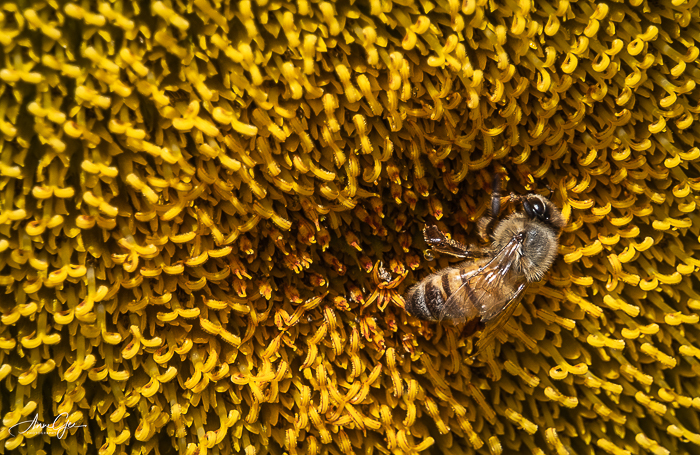
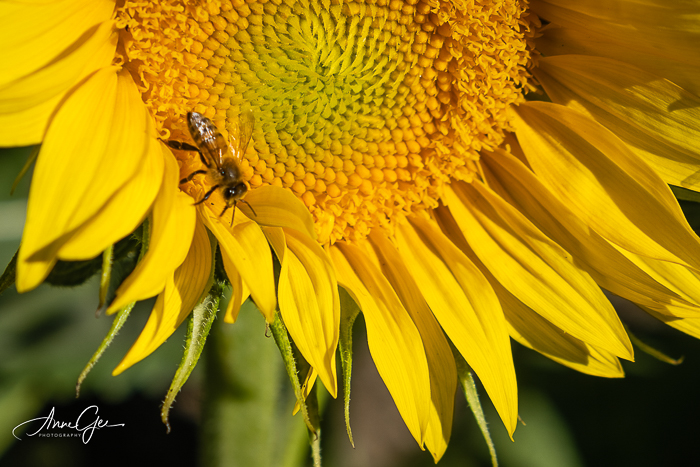
The frame refers to the rectangular scene you see through your camera. When you use this technique, you simply fill your photo’s frame with more of your subject, reducing the amount of background or negative space shown. And it can be filled-in-camera or in post processing. I tend to fill in-camera, sometimes not leaving any room for creative cropping in post. Now, I try to leave a bit more around my subject, so I have more to work with. I did a close crop in post on the sunflower, below, wanting to show the bee in action. By doing this, my sunflower became the background and the bee the subject. Sometimes we just change our minds once we view the image on our monitors.
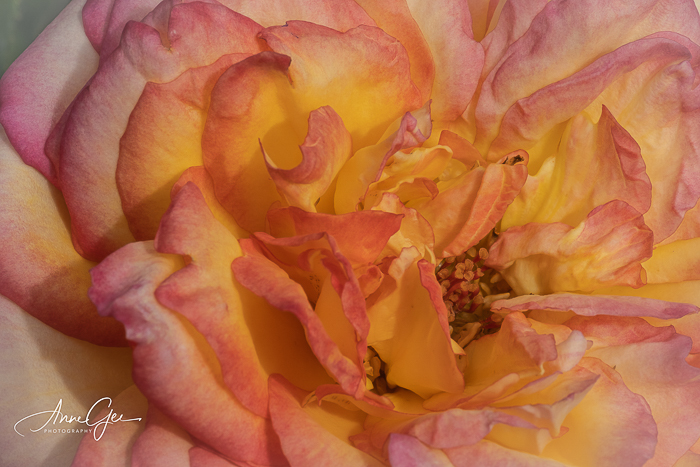
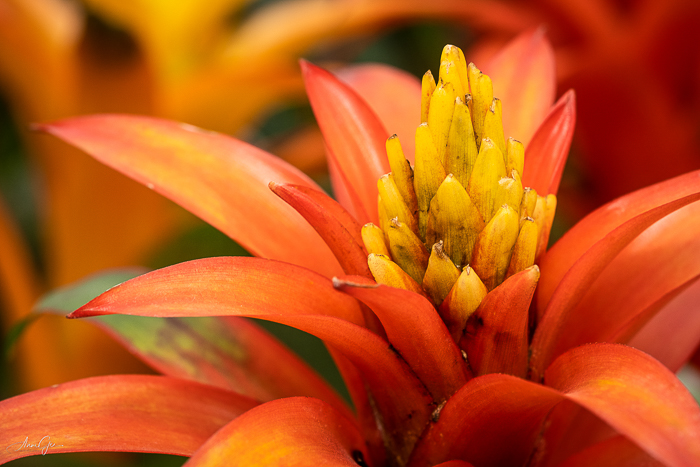
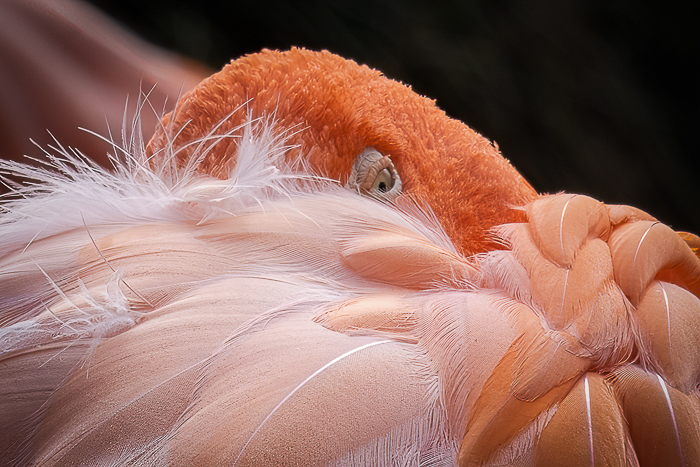
The basic rule for filling the frame is to get close to your subject. This can be achieved by walking up to your subject or using a zoom lens. I’ve done this type of photography with a macro and zoom lens. You can fill the frame totally or leave a bit of negative space to help your subject stand out. Yes, we’re sliding down that rabbit hole now. A bit of nothing helps put the focus on your subject. Remember, photography is subjective, and everyone has an opinion. Some photographers say “no” to negative space and a soft background. But, without the small amount of negative space, how could I have had this flamingo stand out? Having a bokeh background helps this flower stand out and shows its environment.
Okay, that rabbit hole is getting slippery now. What about filling the frame to tell a story? This can be street photography, event photography, or iconic subjects. Below are two pictures. The first is of an entertainer, Tom Rigney, at the Sacramento Music Festival. The second is of the Point Reyes an old boat that has become a photographers’ attraction. Viewers would not interpret their full stories without seeing their environment. But their stories fill the frame and there’s nothing that distracts from them.
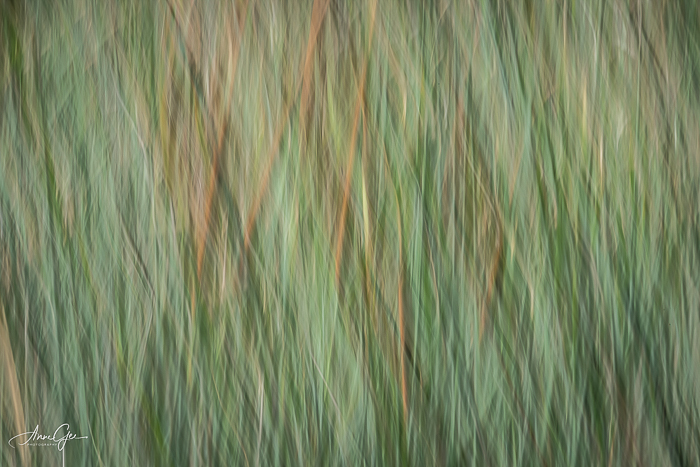
Do you like getting creative? Let’s fill the frame with an abstract! One is of cattails and the other a Ferris wheel. Both were taken with intentional camera movement (ICM).
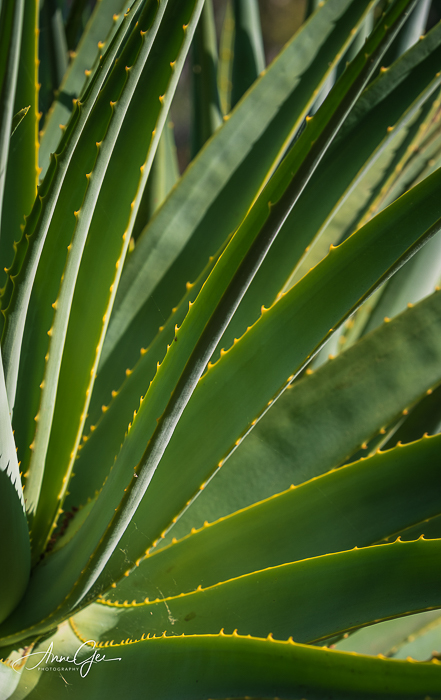
Spilling off the frame. Most of my images in this post extend beyond the frame, meaning their stories continue beyond the confines of the image boundaries. The lotus and cactus are continued in the viewer’s imagination.
We’ve reached the bottom of my rabbit hole. Let’s climb back out so you can find your images that fill the frame. Remembering that photography is subjective, I’m looking forward to seeing your imaginative and creative responses. Anything goes! When you respond remember to link to this post and use the Lens-Artists tag.
Thank you, Donna, for getting us in the mood with her asymmetry challenge last week. We’ve been having a lot of fun, haven’t we! Next week James of Jazzibee will guest host and present our next challenge. Be sure to look for his post.
If you would like to participate weekly in our Lens-Artists Challenge, click here for more info.
It’s amazing how we can learn about the way we photograph as we take on our weekly challenges. Last week Sofia had us think about how we use symmetry in our photos, and this week Donna has us digging through our files for asymmetrical images. What a learning experience. I realize that while I truly don’t think about it when I compose a picture, I lean towards taking asymmetrical images.
I guess I just like things not so obviously balanced unless I see symmetry demanding to be photographed. For example, when I compose a nature image, it’s usually asymmetrical but somehow balanced. I really don’t compose it thinking about whether it’s symmetrical or asymmetrical.
With event photography, it’s the same. Now I’m wondering why! I guess carnivals are always asymmetrical.
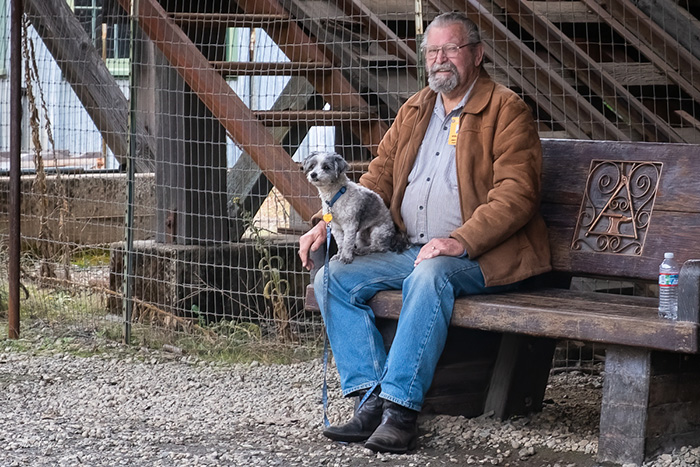
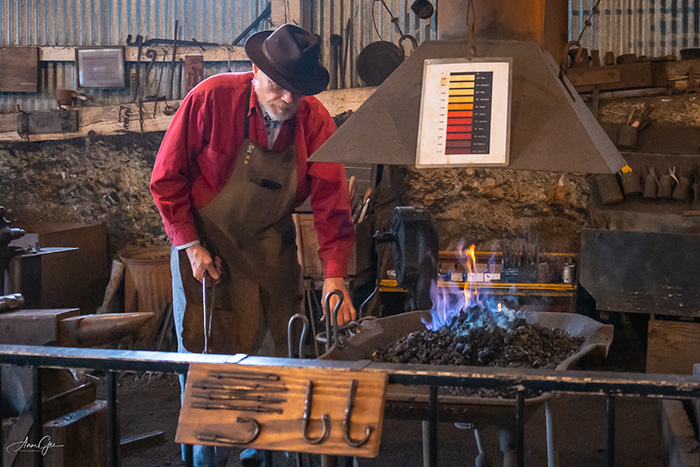
I tend to do the same with environmental portraits. These pictures were taken at the Empire Mine State Historical Park. I offset the man and his dog and the blacksmith. I even offset the close up of the blacksmith.
And did you notice I also posted an odd number of pictures for each segment? What does that say about me? All kidding aside, I truly don’t think too much about how I compose a photo. I just work the camera and lens until I get what I like.
Thank you, Donna, for showing us the other side of symmetry. As you can see from this post, I’ve learned a lot about my photography techniques. And to Sofia for starting us off with symmetry. I enjoyed seeing all your symmetrical images, and they were very creative.
I’ll be leading the challenge next week, so look for my post.
Composition is something I am careful about, and I very seldom choose symmetry as a first choice. However there are times that a scene just cries out symmetry, and then I just take advantage of it. Sofia has chosen symmetry as this week’s challenge. In my mind, I remembered memorable symmetrical pictures over the years, but could I find them?? Absolutely not! So you’ll have to view what I did find.
Let’s start with some images that contain very symmetrical pieces. (Explanations are in the captions.)
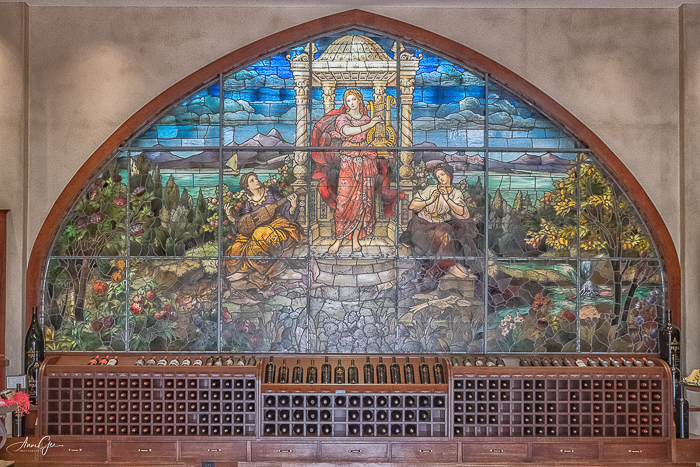
The alter in the Bok Kai Temple, Yuba CityA very symmetrical stained glass in a winery tasting room.The prayer room in a Sikh Temple
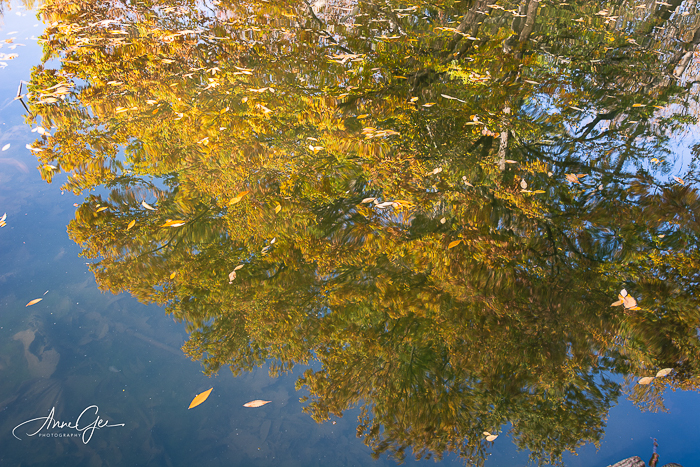
Water helps create symmetry through mirror images.
Japanese Garden, LodiSwan, Mather LakeZooming lights my community pond.Where does the tree end and the reflection begin? American River
I’ll end with some miscellaneous images.
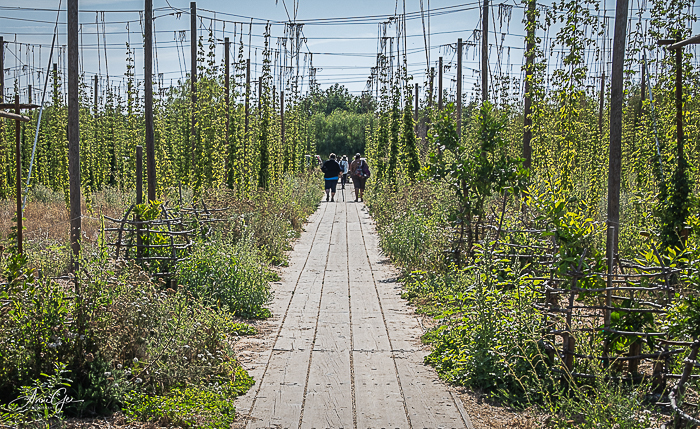
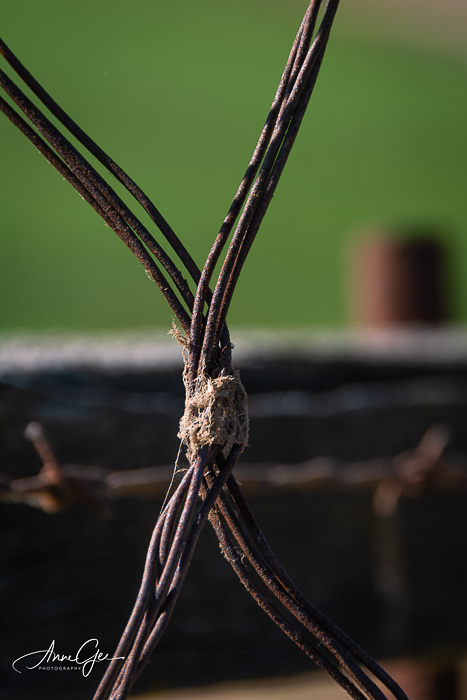
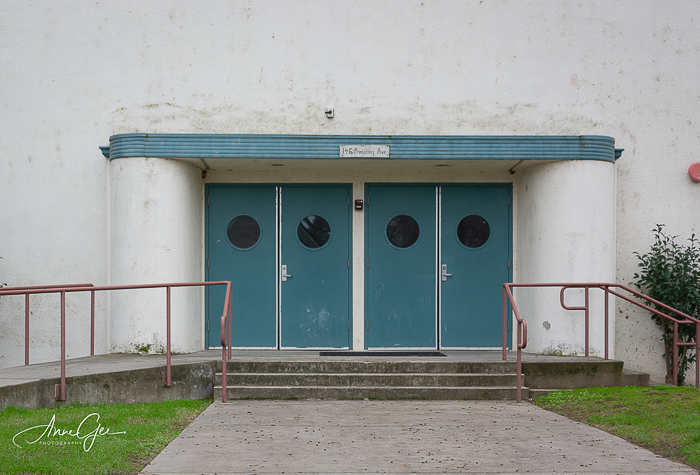
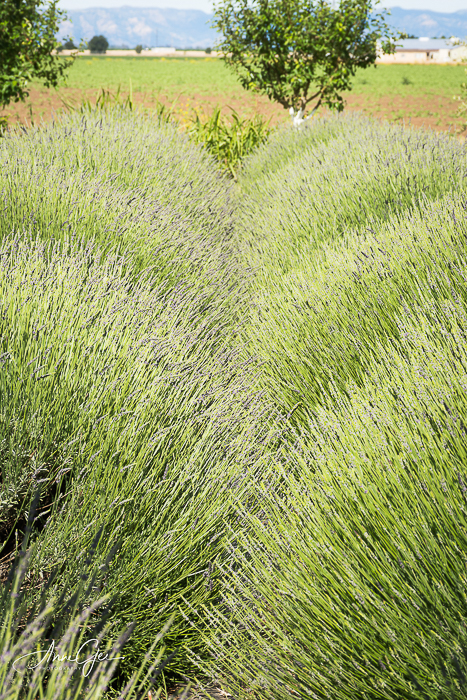
Fort Point, San FranciscoLeaving Ruhsthaller FarmJust an ordinary barbed wire fence.An auditorium Lavender field
Some day I’ll find those pictures I wanted to show you. Look for a regular post of mine. In the meantime, when you post your pictures for this challenge be sure to link to Sofia’s original post and use the Lens-Artists tag. Last week I enjoyed seeing all your billboards and signs–some were very clever. Next week Donna is going to challenge us with asymmetry! Be sure to look for her post.
Timing is everything. Amy’s challenge this morning is on contrasts: shadows and light, colors, hard and soft, etc. It just happens that this is the morning of the annular (partial) solar eclipse. We didn’t see much of it in California, but NASA put on a good show for us. Amy, I hope you were able to see the totality in Texas.
NASA gives this explanation of a solar eclipse: A solar eclipse happens when, at just the right moment, the Moon passes between the Sun and Earth. Sometimes the Moon only blocks part of the Sun’s light. This is called a partial solar eclipse. Other times, the Moon blocks all of the Sun’s light. This is called a total solar eclipse. As the Moon blocks the Sun’s light, it casts a shadow on part of the Earth.The Moon’s shadow creates a trail as Earth rotates. This trail is called the path of totality. If you want to experience total darkness during an eclipse, you have to be in the path of totality. In that path, the Moon completely blocks the Sun’s light for a few minutes. It gets so dark that it looks like night time during a full Moon!
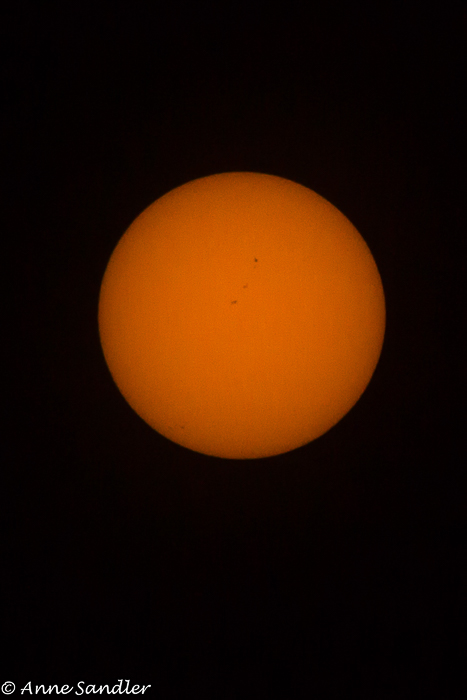
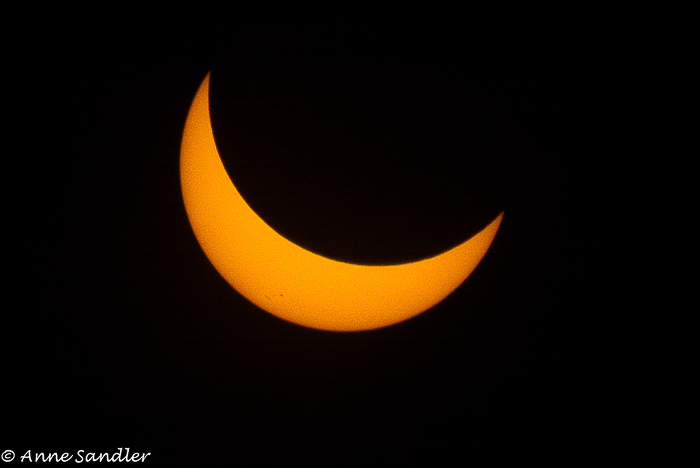
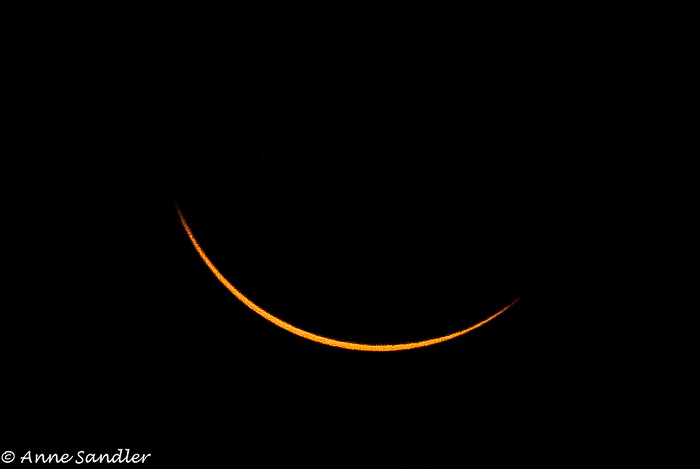
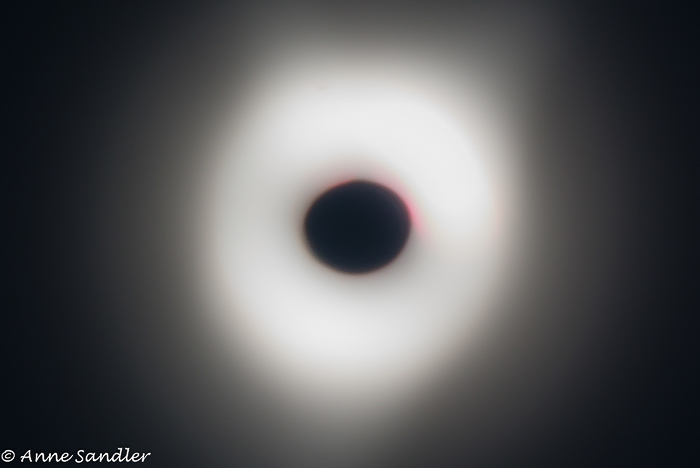
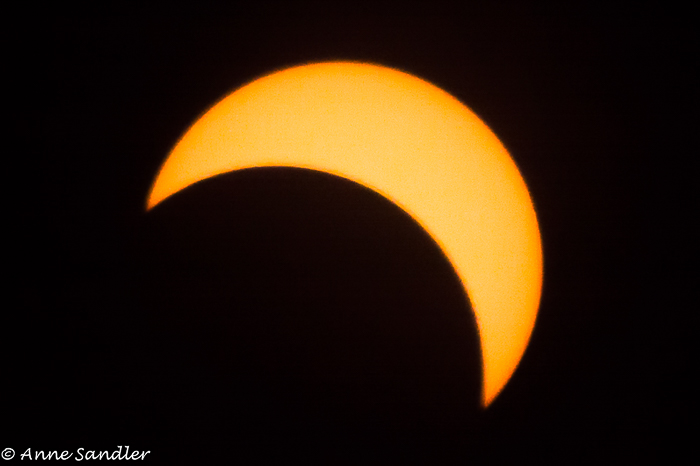
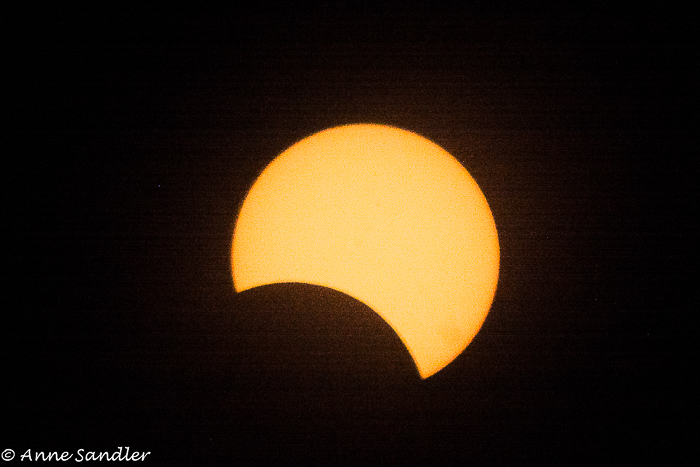
So why am I mentioning this? Watching the eclipse unfold on my computer screen, I thought there is no better contrast between the sun and moon during this rare occasion. This took me back to the total solar eclipse Richard and I viewed in Idaho in 2017. That was an amazing experience. We were camping in our trailer, but crowds came in that morning. During the eclipse the crowd went quiet until totality. Then the clapping and yelling started. Wow!
I took pictures with my Nikon D3100, armed with a solar filter, handheld. Here are my results of nature’s contrast of the sun and moon from beginning to totality and the end.
I hope you enjoyed my cosmic contrast scenes. Thank you Amy for encouraging me to look back. When you post your contrasts, please remember to link to Amy’s post and use the Lens-Artists tag. I enjoyed seeing all your varied displays last week as encouraged by Ann-Christine. I always enjoy your unique posts and interpretations to our challenges. Next week John is presenting the challenge so be sure to look for his post.
Sometimes I think life itself is on display. Just take a walk there are displays all around: stores, museums, parks, businesses and, of course, people. Even the shy people are on display as they try to minimize their presence. I know this because I’m shy. At least I am until I get to know you and you know me.
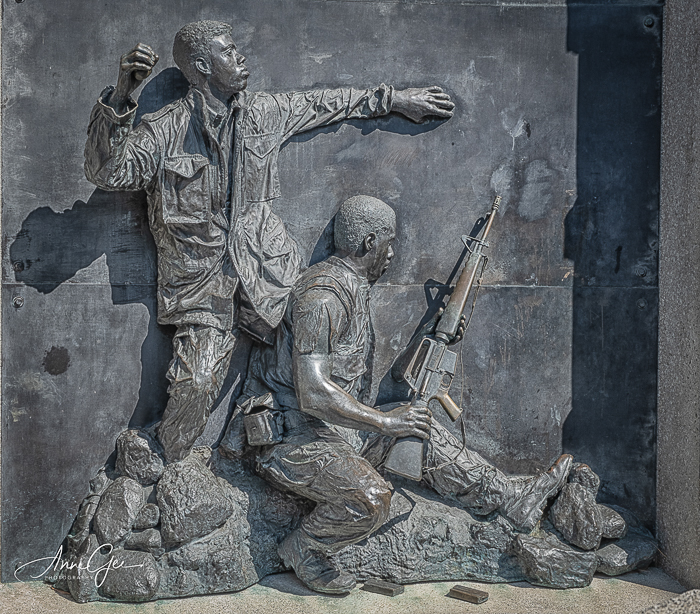
Gardens are a great place to find displays. The California State Capitol World Peace Garden and Rose Garden is a wonderful place for finding displays. There you’ll find many sculptures that commemorate the soldiers of the Vietnam War. There are sculptures dedicated to first responders also. This part of the garden is right near the State Capitol Building. If you walk down to the other end of the long block, you’ll find the Capitol Rose Garden. You know I can’t leave without doing some macro shots of flowers.
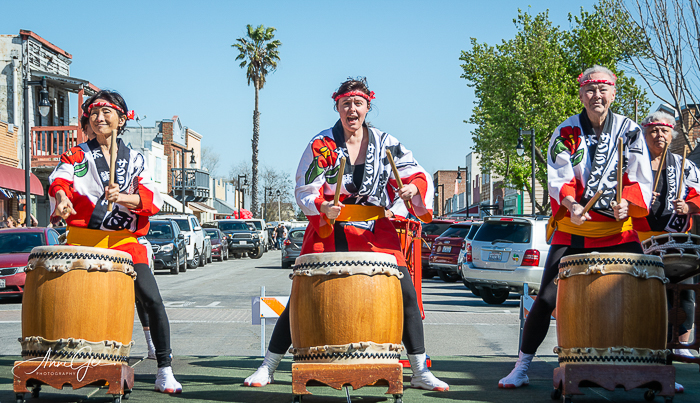
Let’s travel south to the Delta area and the small town of Isleton. One weekend the town hosted hosted an Asian festival, keeping true to its Asian roots, that featured dancing dragons and Taiko Drummers. We had a lot of fun watching the live displays that delighted everyone.
Coming back up to Sacramento County and the town of Roseville, you’ll find murals and a large sculpture of a train welcoming you to the downtown district. Roseville’s history is linked with the railroad, but it has grown to be a large corporate business area.
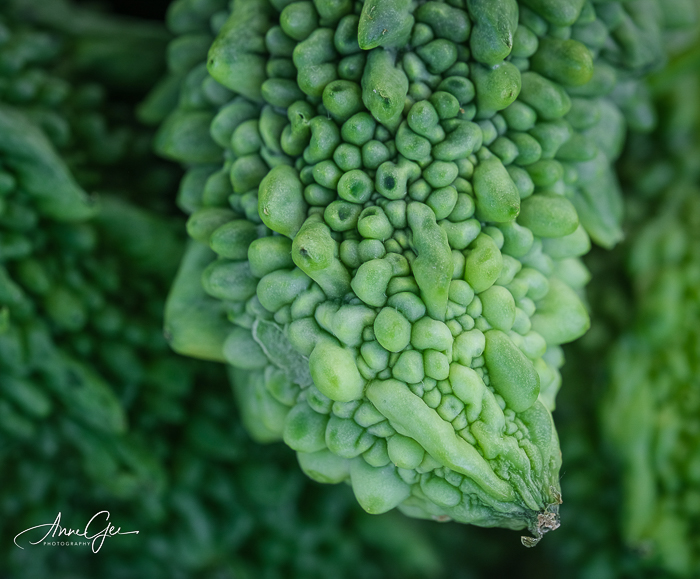
There are many farmer’s markets in the area, offering displays of colorful vegetables and fruits.
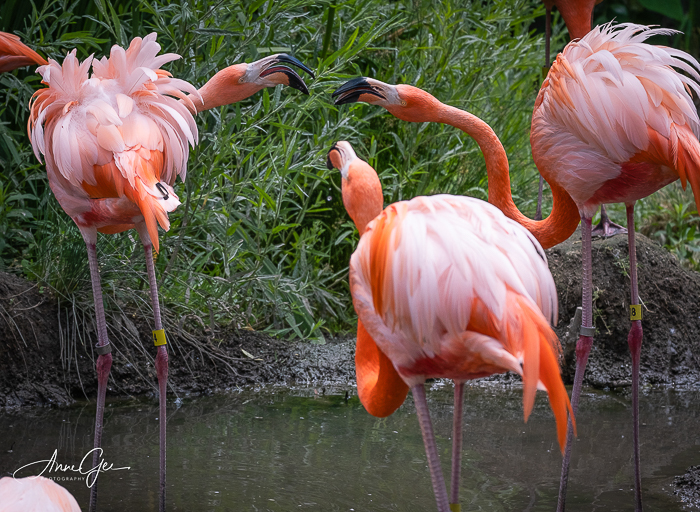
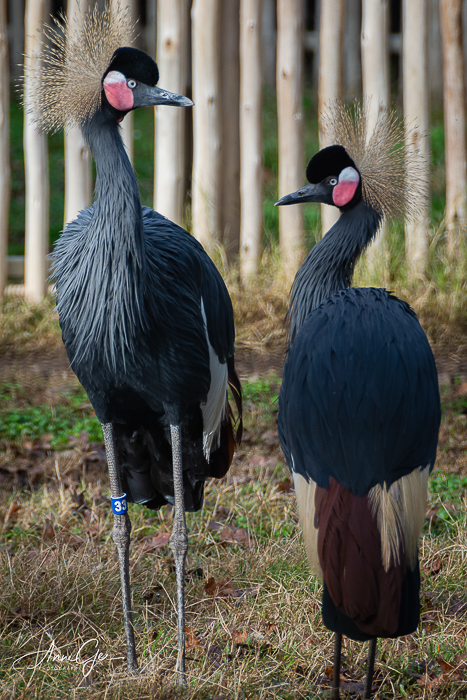
Can I do a post on displays without mentioning the Sacramento Zoo? Nope! For me, the zoo is a way to learn more about the animals and their habits. The more I learn, the better I can photograph them. Right now the flamingos and the two black crowned cranes are out of their exhibit to protect them from the bird flu. The zoo staff is careful to keep the animals out of danger, but I miss watching them.
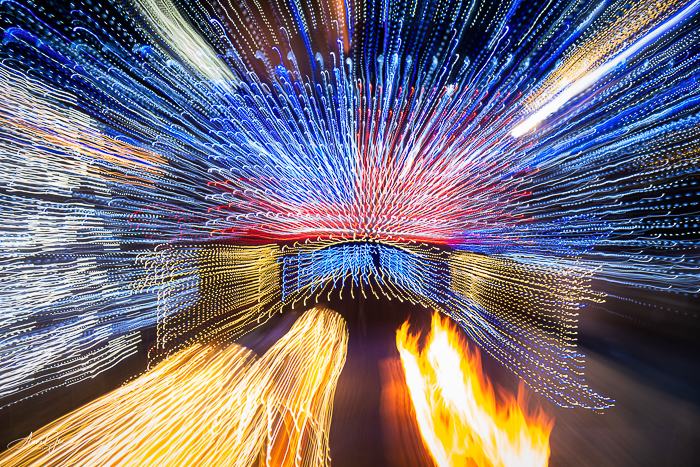
Every December there are displays of Christmas lights. We usually go out at least one night to capture the fun and beauty. Here’s a scene as the home’s owners set their display. And, of course, I had to do some zooming!
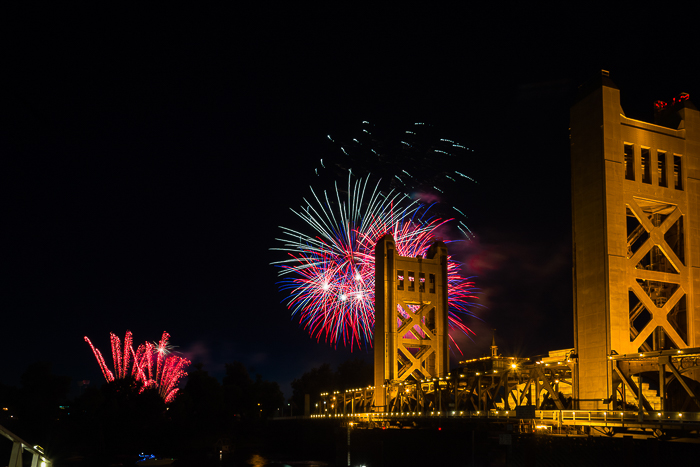
I can’t end this post without a fireworks display. These were taken around the Tower Bridge.
Through my brief tour, you can see that there are displays all around you. All you have to do is stop, look and interpret its meaning. Thank you Ann-Christine for inviting us to take this journey. Please remember to link to Ann-Christine’s post and use the Lens-Artists tag when you do your challenge post.
Last week, we were all on the edge thanks to Patti’s edgy challenge. I saw some great and imaginative posts. Next week, Amy is our task master so be sure to look for her post.
We can be on edge, meaning we are anxious, frustrated or irritable. In photography, those words can take on a different meaning. This week Patti challenges us to show images that are on the edge and gives us a broad definition.
So I hope my pictures fill the bill.
I’ve looked over the edge of many mountain tops of our Sierra Nevadas, but this beautiful scene is one of the most spectacular–taken from Ananda Village.
When photographing flowers, we try to get the petals and centers sharp. Sometimes when we take the shot we find wings that are sharp and edgy.
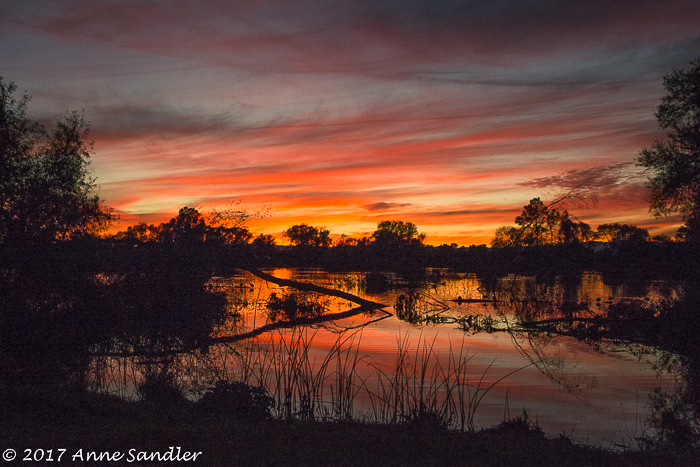
Horizon lines give us a delineation between land and sky. Sunsets make this edge spectacular.
Buildings and windows provide photographers with endless edges. Here we have a large window with smaller edges that together provide an amazing reflection. Taken at Mare Island (a former Naval Base).
Also at Mare Island, a naval ship’s design forms an edge that accents the U. S. Flag.
Sometimes when you get down low, you find a simple mushroom can give you folds and edges. Hint: Don’t lay down on the grass in a senior community. Everybody who passes by asks if you’re okay!
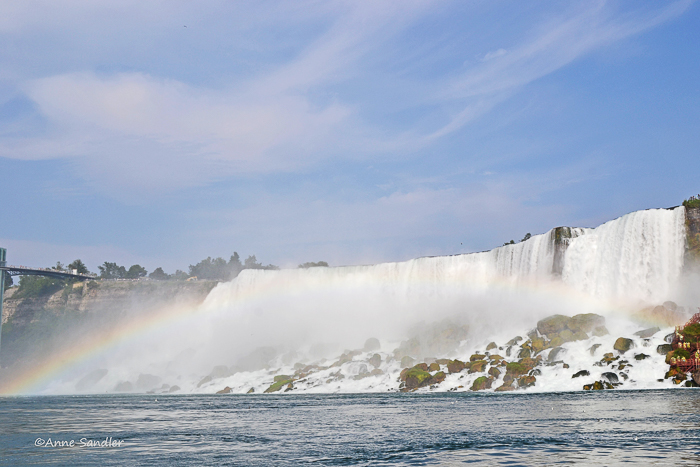
Visiting Niagara Falls was on my bucket list. I was amazed at the amount of water (3,160 tons of water flows over Niagara Falls every second) spilling over the edge of three falls. This picture is of the American and Bridal Veil Falls.
Now for a different kind of edge. This is more of an artistic definition. From Cambridge Dictionary: edgy adjective (unusual). Unusual in a way that is fashionable or exciting.
On a whim, I took a beautiful, colorful lotus blossom and put it in black and white. I thought that gave it an edgy look. It’s become a favorite.
Thank you Patti for this wonderfully edgy trip through my archives. It was truly fun. Remember to link to Patti’s post and use the Lens-Artists tag when you post your reply. Last week Tina had us sharing our favorite images and why we took them. You all had great and varied favorites, and I enjoyed them all.
Next week Ann-Christine will be leading the challenge, so be sure to look for her post.
If you would like to participate weekly in our Lens-Artists Challenge, click here for more info.
We take pictures for different reasons. Sometimes we see something that strikes an emotion, maybe we see a great composition, and sometimes we see something funny. This week Tina is asking us to tell her why we’ve chosen our images.
My images today are ones that I’m emotionally attached to and they are mostly from my early days of photography. I’m hoping that they are technically good also! I haven’t re-edited them. So let’s start.
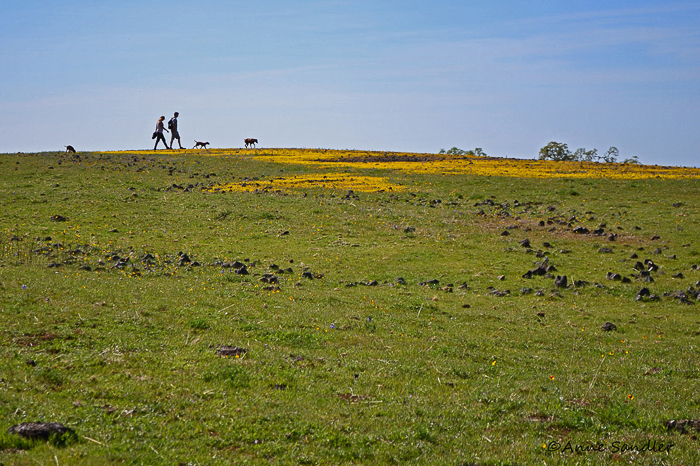
This was taken during one of my first outings with a club in 2013. I thought I was over the flu, but half way hiking to the falls at Table Mountain in Oroville, I got tired and knew I was in trouble. I yelled for my friend to throw me her car keys and turned around. Half way back to the car, I sat down to have lunch. While munching on my sandwich I saw a couple and their dogs, in silhouette, walking along the horizon line. This was taken with my Nikon and an 18-140 mm lens. Yes, I cropped way in. I may not have gotten a water fall image, but I thought this was an opportunity too good to miss. When I got back to the car, I slept until woken by my friend.
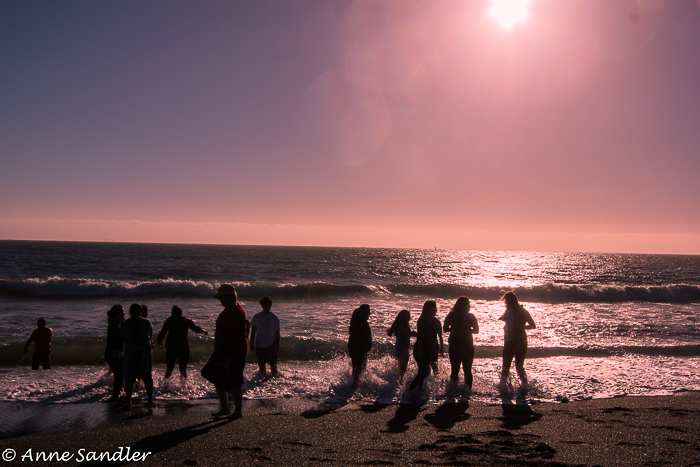
Next, let’s travel to the Marin Headlands, 2014, on the California Coast. This was an evening outing with another group. I never took a photo course, but asked other photographers a lot of questions. This was my first time catching a sunset on the ocean, and I was asking a lot of questions! This picture taught me about color, lighting and catching people in partial and full silhouettes. I think I was using the old stand alone Lightroom at the time and may have known about working with color. Other than that, this image didn’t get a lot of editing. It was also taken with my trusty Nikon.
Moving along to 2015 and a fun outing to photograph mossy trees. This memory is more about the fun we had. We spent a lot of time hunting for the trees and finally found a grove of mossy trees. However, we were out in the wine country and there were no public bathrooms around. We drove up to a winery only to be told they didn’t have public restrooms and they weren’t open unless you booked a wine tasting. We finally persuaded them to let us use their restroom. Beth bought a $20 bottle of wine as a thank you and wouldn’t let us chip in on the purchase. I’m hoping she enjoyed that wine. I chose this image because of the shapes of the trees. My challenge at that time was cropping the picture correctly. You’ll let me know if I did okay.
This next picture, taken in 2016, was pure fun. This eagle was on a tree limb that stretched over the road at the Sacramento National Wildlife Refuge. In order to get this image, I had to climb up and out (waist high) of Laura’s sun roof. She had slippery leather seats that I kept sliding down on. With her encouragement, I did it! The look on that eagle’s face is telling me that he was wondering what I was doing and why! Still Nikon.
The second is one I call Capitol Moon. This was taken when the moon was huge and we were positioned at the end of the Capitol Mall in Sacramento. The original showed the whole building, but I thought with the moon so close to the dome, this crop would work better. Did I guess right?
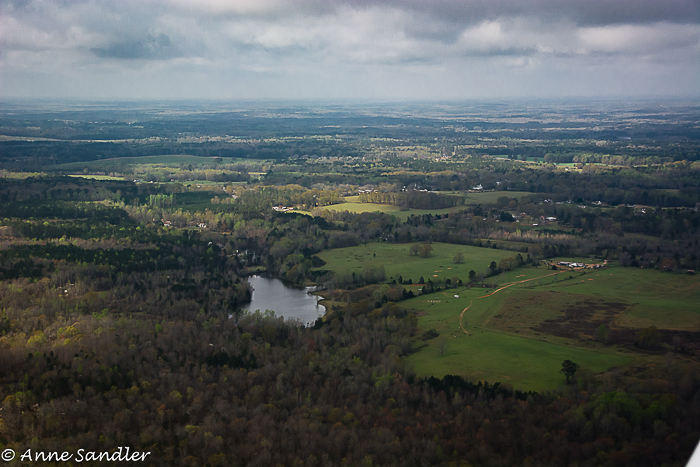
Last is my first ride in a two seater plane. My great nephew had just gotten his pilot’s license and offered to take me up. His dad flies for Delta so he’s no stranger to flight. I think he was graduating high school. I had a blast. I asked him to take me into the clouds, but he said he wasn’t licensed to go that high. Darn! Atlanta from the sky.
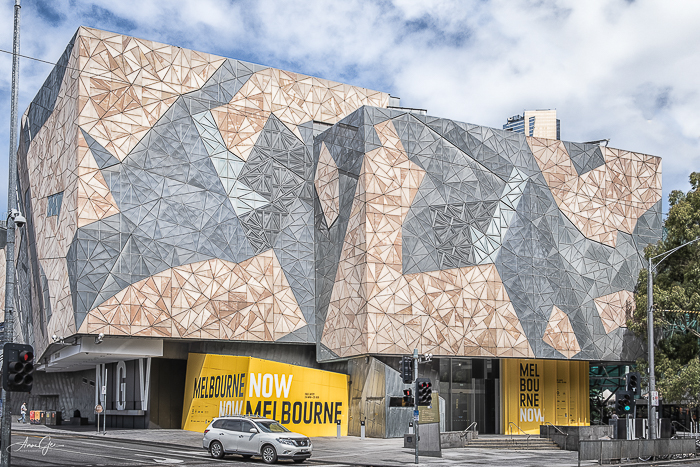
Last we go ahead to this year and my trip to Melbourne. I fell in love with the architecture. And, of course, touring the city with Leanne Cole made the trip more exciting. I chose this because of the design and art of the structure. I want to go back and take more time with it. Taken with my Fuji XT3.
I hope you enjoyed my emotional journey. Thank you Tina for prompting me to take this path. Remember to link to her post and use the Lens-artist tag when you prepare your post. And thank youEgidio for last week’s RECHARGE challenge. I enjoyed seeing how all of you relaxed and rejuvenated. Next week Patti will be leading the challenge.
You can’t live in today’s world without needing a recharge. Our bodies get run down, we become tired and we emotionally need to find peace. Guest host Egidio of Through Brazilian Eyessays he turns to nature to rejuvenate and asked us how we recharge our bodys’ batteries. I love nature and landscape photography, but my immediate thoughts went to the Sacramento Zoo.
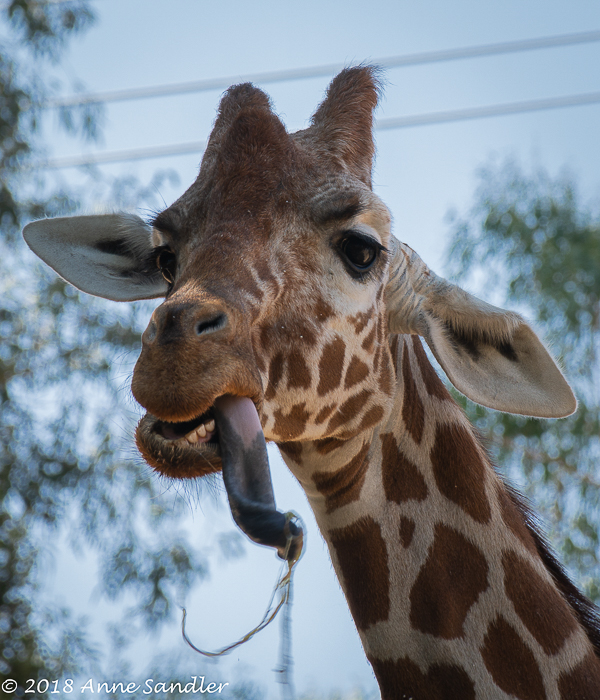
Why? The zoo is small, I’m familiar with the animals, there are new animals coming in and animals are conceived and born at the zoo. Yes, I have my favorites like the red pandas, the orangutans, the giraffes, and more. I enjoy walking around and watching the animals. Some are so funny like the giraffes when they make their funny faces.
The zoo offers a respite from the world’s troubles and lets me relax. We usually go out to lunch afterward also. And, if we have time we make a stop at the WPA Rock Garden. There I take out my macro lens for a different kind of fun photography.
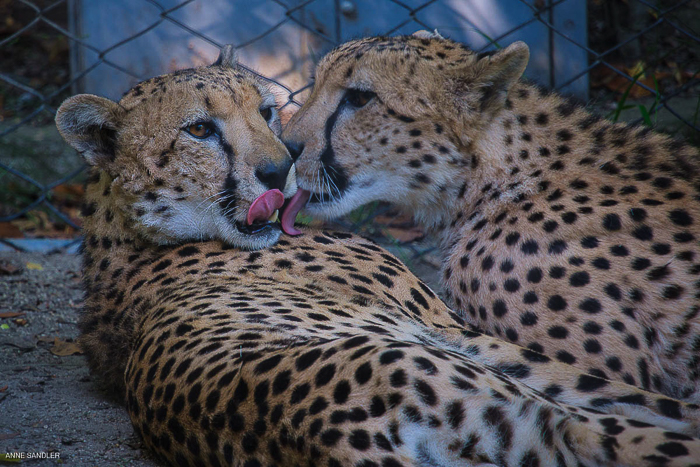
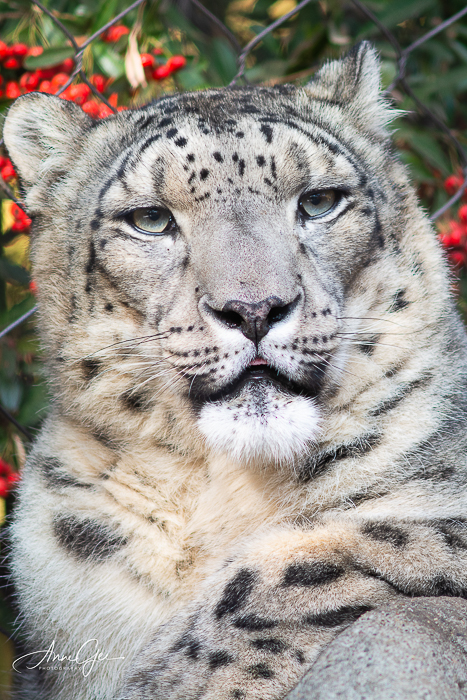
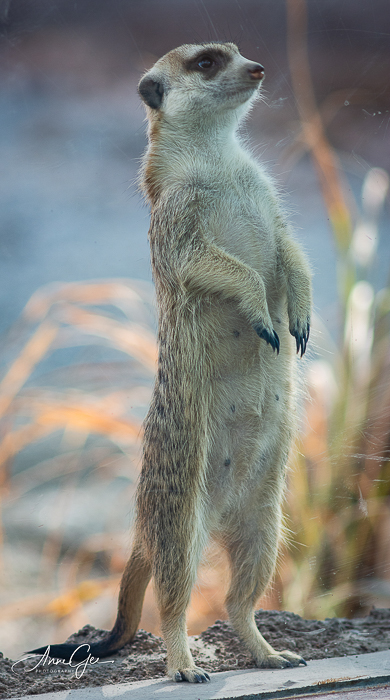
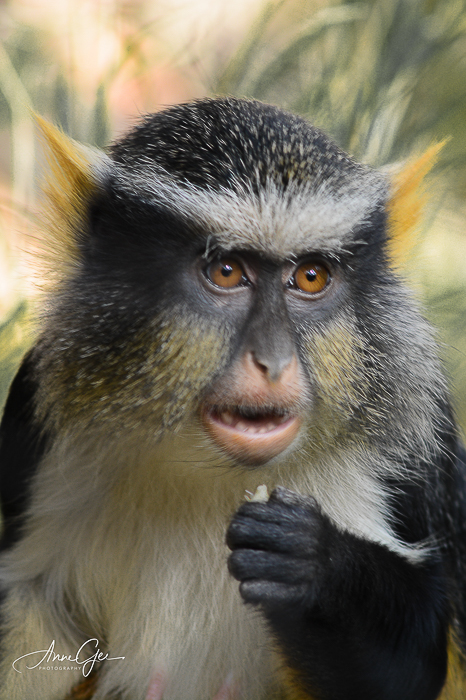
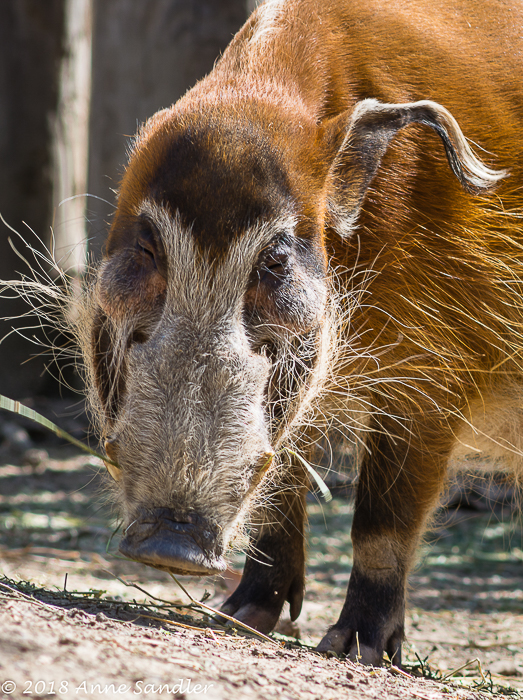
Here are some pictures from the Sacramento Zoo.
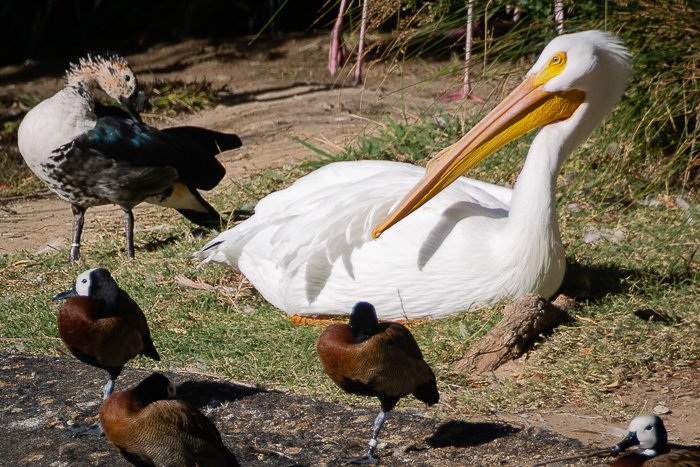
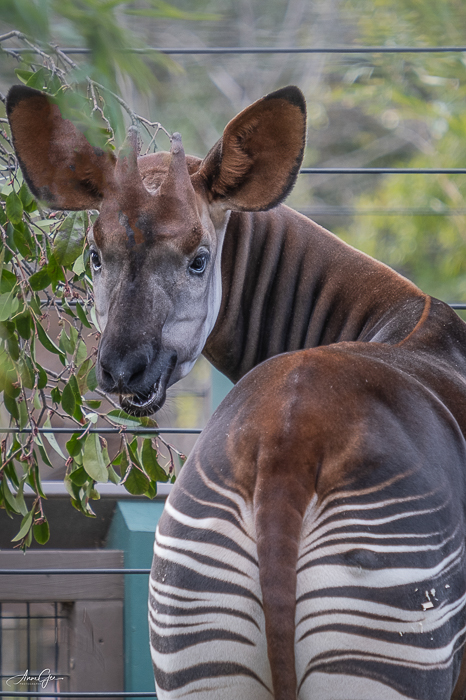
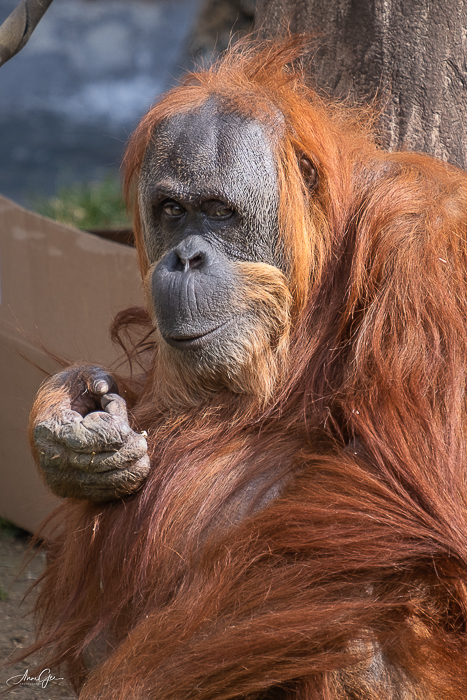
Cheetahs GiraffePelican (He’s missing a wing and is a permanent resident.)Snow Leopard Red PandaMeerkatWolf’s GuenonBlack Crowned CraneDuckRed River Hog (No longer at the zoo.)Red PandaOkapiFlamingoSumatran Orangutan
These animals are fun and offer us great photo opportunities. Why don’t you chill out at a zoo near you!
I think everyone had fun with Donna’s challenge last week. I enjoyed seeing all your interpretations of TIME. When you post the way you recharge, please remember to link to Egidio’s post and use the Lens-Artists tag. Tina is set to present next week’s challenge so be sure to look for her post.
If you would like to participate weekly in our Lens-Artists Challenge, click here for more info.





















































 Slow Shutter Speed