Lens Artists Challenge #347: Break the Rules

When I started this hobby, I didn’t know there were rules, and it was a good thing. I probably would have walked away from any type of constraint. I just enjoyed taking pictures, composing and learning about my camera.

Ritva’s challenge this week has us finding images where we successfully broke the rules–or maybe unsuccessfully! How many of us keep the images that didn’t work? I throw them out, keeping only the best or the ones I like. Those are my excuses for not finding total rule breaking images in my archives.

I chose 2020 for my search because it was sort of midway in my photographic journey. Here’s what I found.

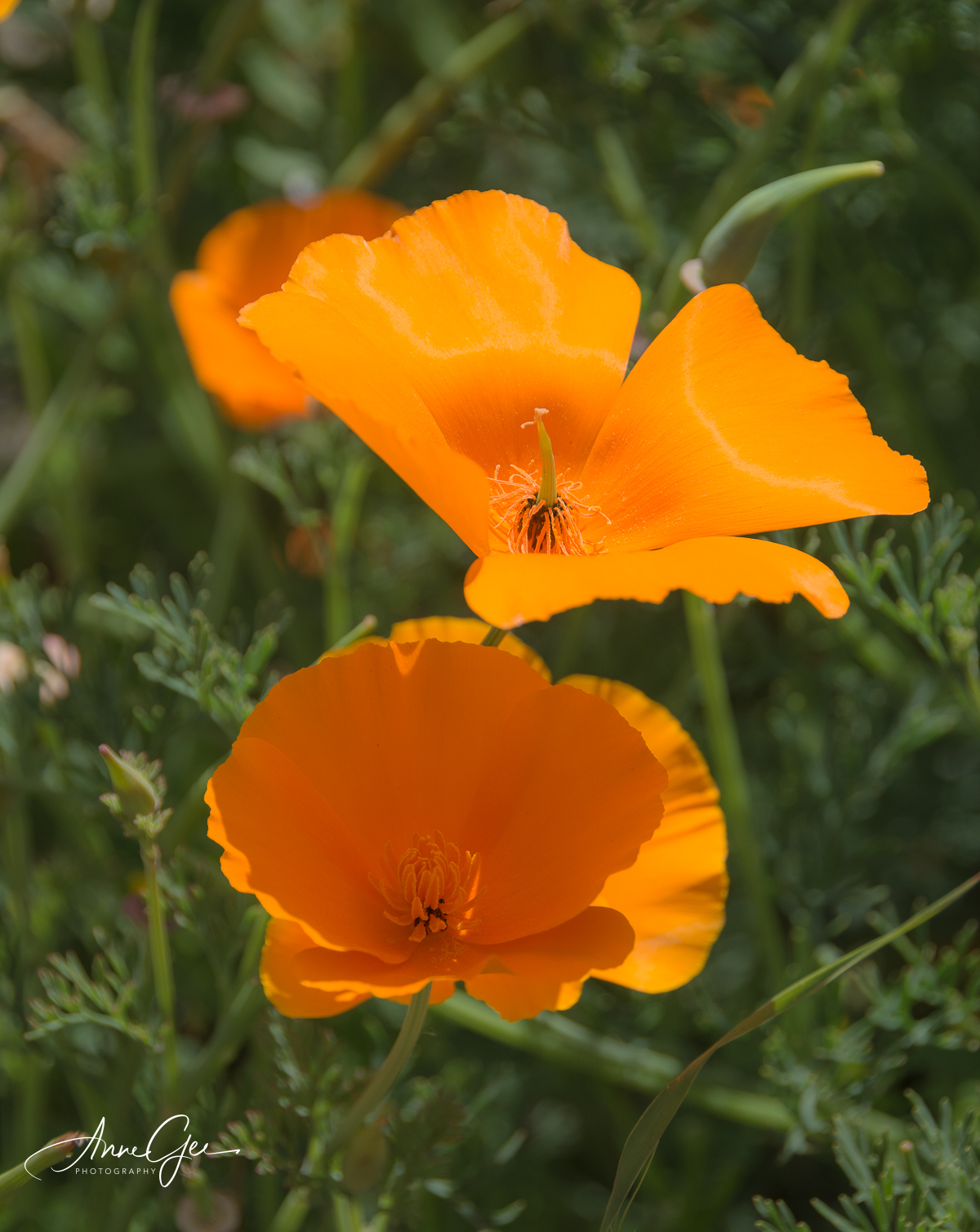
These poppies are totally centered. You might say I filled the frame, but only because I cropped in too tight.
It’s never a good idea to photograph wildlife from the rear, but look at the way this hawk has it’s head turned.

And should the horizon line be in the center of the frame? Maybe it’s okay when the sky is as fantastic as the ground.

Never shoot into the sun! Unless….

Is zooming breaking the rules? I don’t know. I just have fun with it.

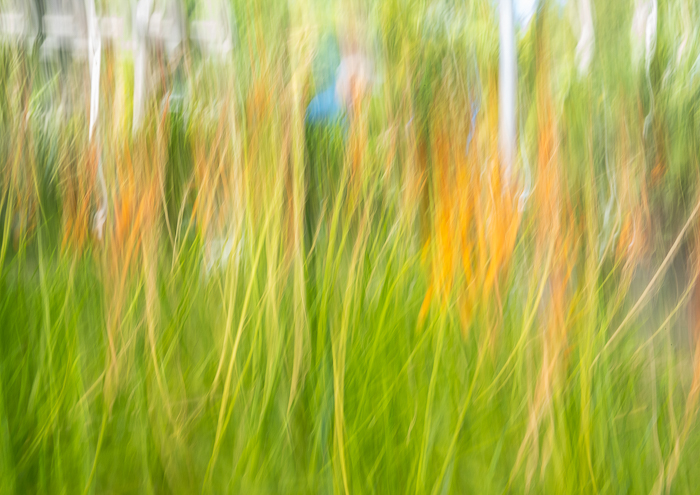
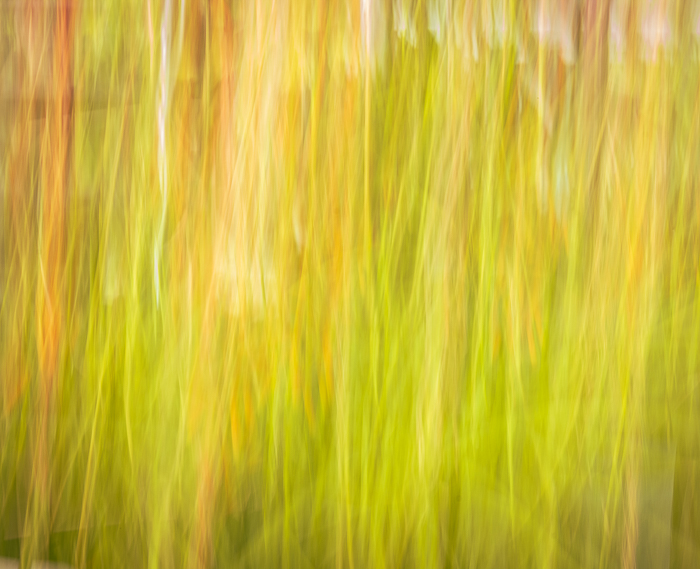
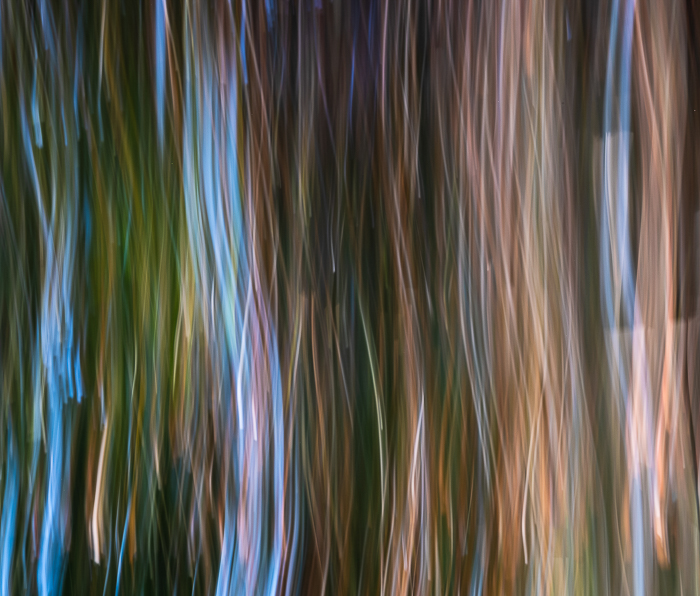
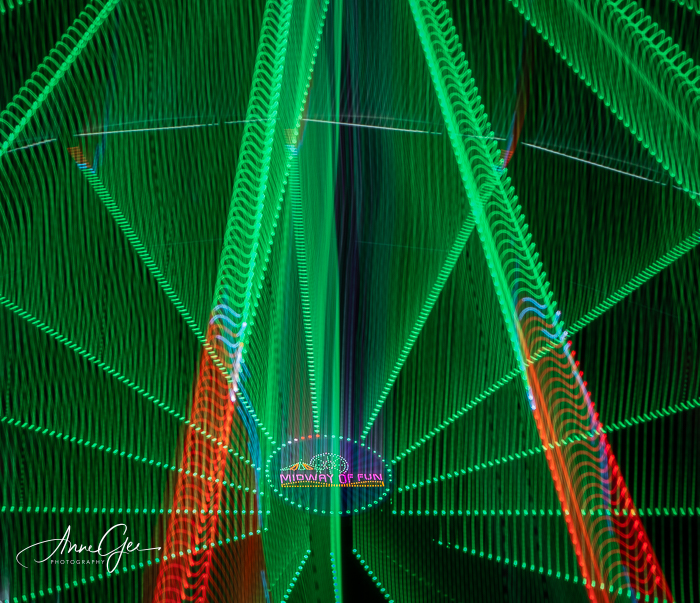
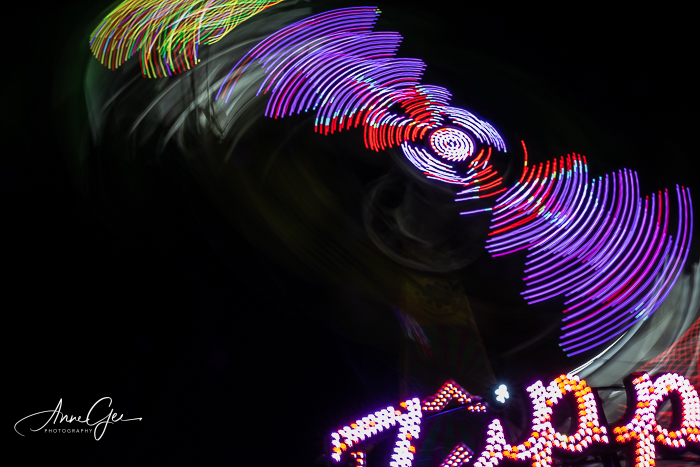
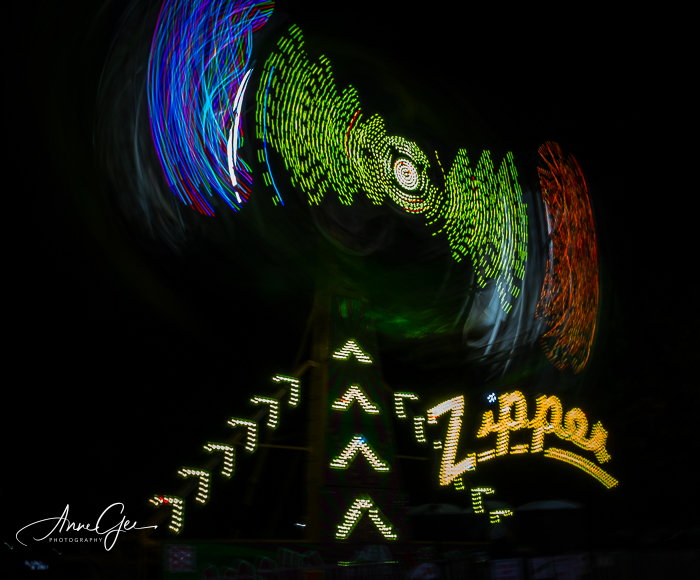
And what about moving the camera while the shutter is open? You might get a scrambled jumble of color.

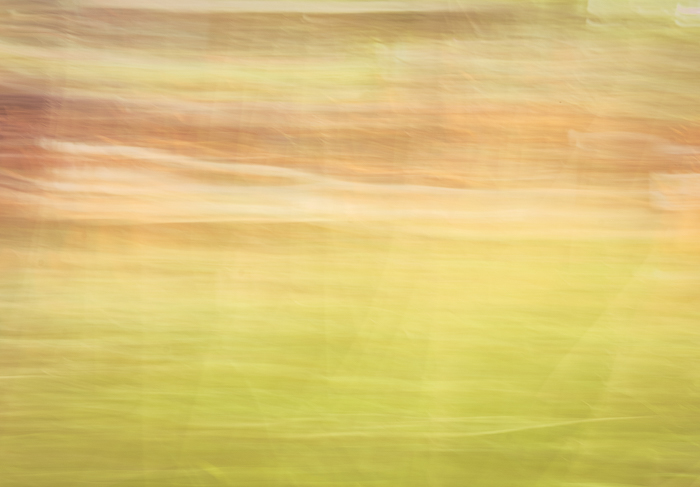
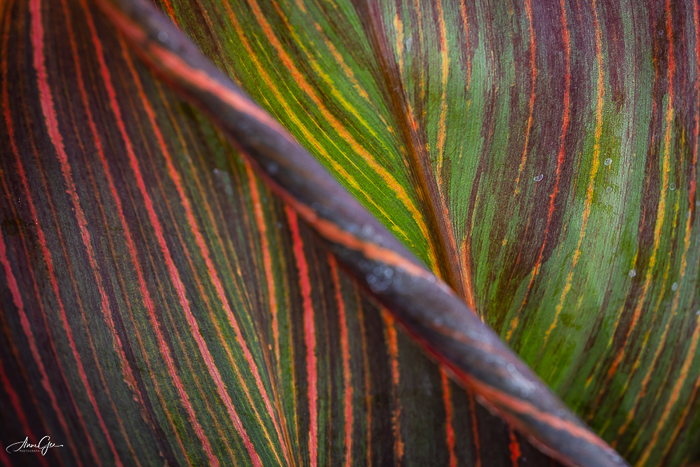
And finally, I think this was a cactus. I don’t know what I did to get this picture.
I think photographic rules are meant to be broken. I basically understand the rule of thirds and not to place the horizon line in the center of the composition; the rest is a mystery to me. I just compose the picture the way I like it.

Thanks Ritva for this soul searching topic. It really was a difficult challenge–at least for me! When you share your response, please link to her post and use the Lens-Artists tag. Last week Sofia challenged us to post cinematic pictures which was an equally difficult challenge. I enjoyed seeing all your creativity. Next week Egidio will be leading the challenge, so look for his post on Saturday.

In the meantime, stay safe and live in gratitude!

ICM at IKEA

Happy Thanksgiving for all my USA readers. My table is set and the turkey is defrosted, so I have time to prepare this blog.

Last weekend, because it was raining, we went to IKEA, each of us with different intentions. Mine was to practice intentional camera movement (ICM). I thought I could get away with it because of the store’s subdued lighting. And the designs on pillows are excellent ICM subjects. I also used pictures they had on walls.

Here are some images. I’d like some critiques if you have any.

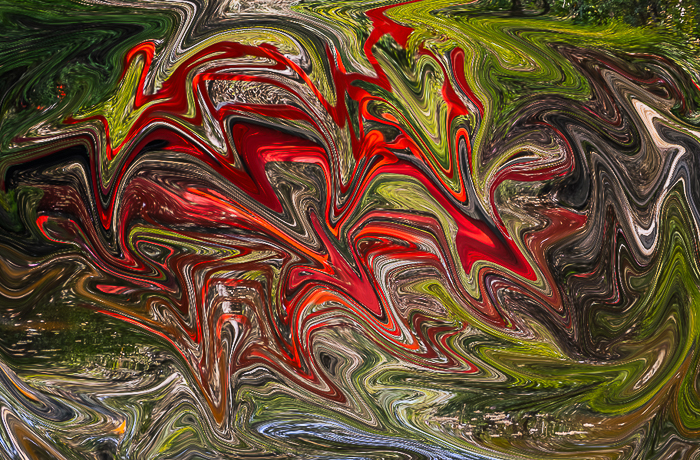
This last one was a curtain. After processing the ICM image, I used a Photoshop distort filter.

Thanks to IKEA for letting us bring our cameras in their store. Have a wonderful day everyone and take care.

Lens Artists Challenge #321: Intentional Camera Movement

Come along with me on my journey to discover Intentional Camera Movement (ICM). I’ve never really attempted to do this except for the occasional image. So we’re going down that rabbit hole together! Yes, again. You’ve got to love that rabbit. The rabbit hole was found at Bushnell Gardens and Nursery in Granite Bay. Photo buddy Richard came along.

The first tip came from my friend Laura when I photographed my only other ICM. Move your body and not your camera. That way your lines are straight. This was a gate outside the nursery. I bowed before it.

I think for this one, I just wiggled my body. Laura would be proud that I didn’t move the camera. Richard liked my dance. I like the burst of color surrounded by soft greens. I’ve found it’s important to have color in ICM. I think the bright floral color help this image.

Next are four images showing what the plant really was and three more showing various degrees of ICM. The last one being a horizontal move on my part. These pictures were hardly edited. I just cropped and saturated colors. The fun was taking them.

When I stood under a lattice and saw a sum burst, I just had to try ICM. The sunburst came out at as a super white stripe that dominated the image, so I tried to tone it down. Maybe I did too much cover with the brush. But you can see ICM can be done on more than just foliage.

I also wanted to try to do a swirl. So I chose a long shutter speed and bent my body to one side until the shutter closed. I’m happy with the way these turned out. The longer the shutter is open the more swirl and softness you get.

Of course, I had to zoom a bit, moving the lens and not the camera. I forgot to take a good picture, but you can tell what this plant looked like before the zoom.

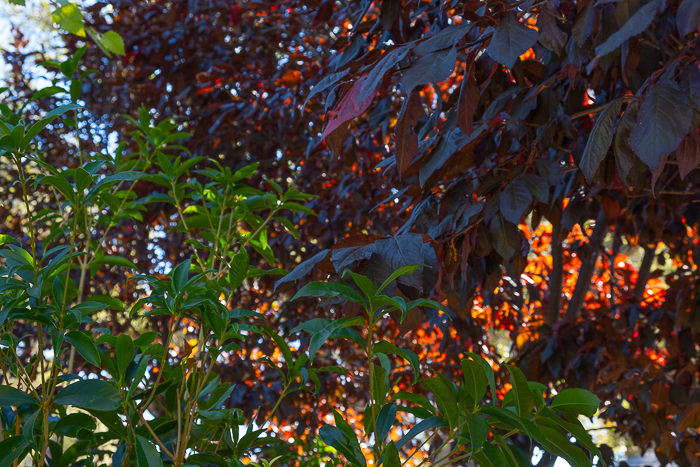
For my last set, I chose to photograph two trees. One had leaves turning and the other was green. I enjoyed this experiment. I liked how the colors and light added vibrance to the images.

For all these images, I didn’t go lower than a shutter speed of 6. I found that the image lost definition. I also learned that the more light you have, the more difficult it is to photograph ICM. Next time, I’ll bring along a neutral density filter and/or choose a different time of day.

I had a lot of fun preparing for this post, and I hope you do too. Maybe you’ve been out already learning and picking up tips. And maybe you’re a pro at ICM. Whatever the case, please share your thoughts and images. I’m in the learning stage also, and every bit helps.

We all had fun picking images from the past as Sofia had us looking back last week. I enjoyed experiencing all your wonderful memories. When you share your post for this challenge, please link back to mine and use the Lens-Artist tag. In the meantime have fun learning and experimenting with ICM.

Lens Artists Challenge #296: Abstract

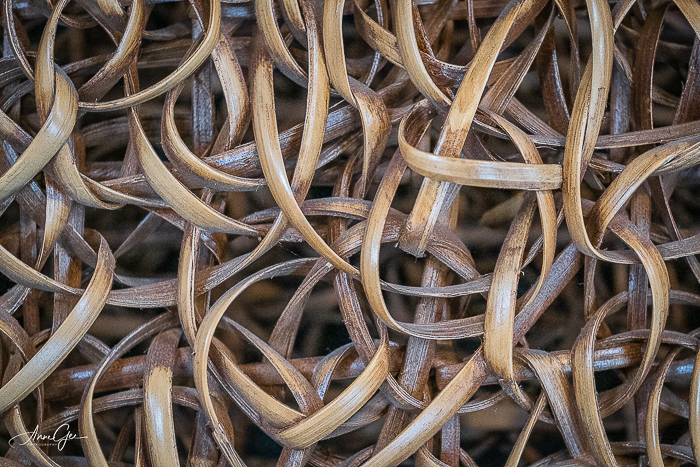
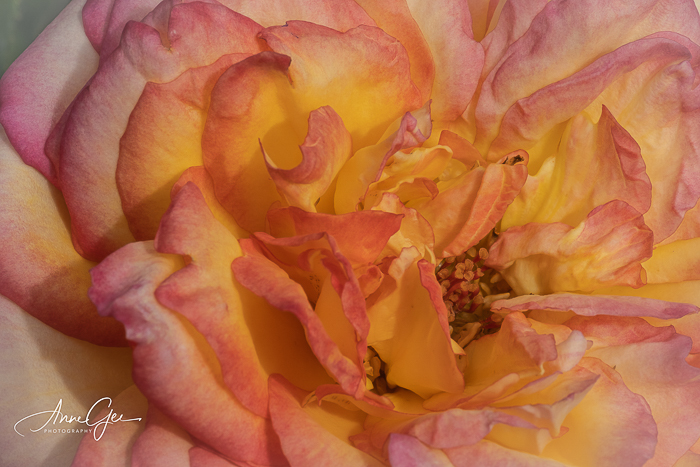
I had a lot of fun with this challenge. Thank you Ritva! The fun came when I experimented with Photoshop filters and saw how I could change images. I also realized how I just compose photos for abstracts. Most of the images below are ones I put my lens close in or used a macro lens. So, let’s get started with my show and tell!

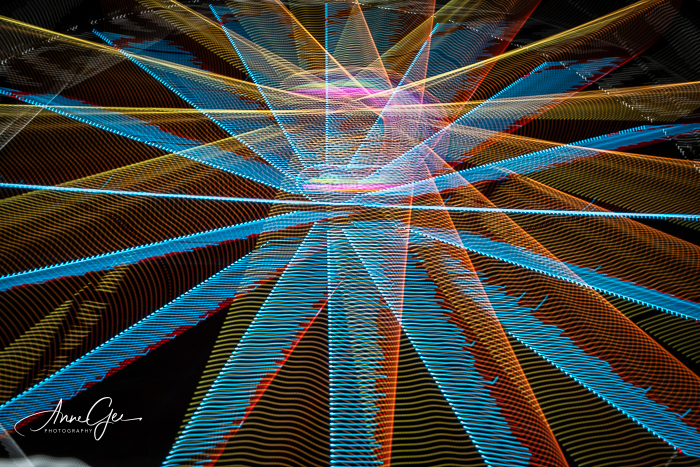
First, I have so much fun with intentional camera (lens) movement. Here are two taken at two different carnivals.

Now for some Photoshop filter fun. Can you see the two flowers in the first (left) photo? How about the bridge going over the stream in the center photo? The one on the right is easier–reflection of trees in the water.

Now for the images I took naturally with close ups.

As I said, I enjoyed experimenting and discovering more about how I take photos. Once again, thanks Ritva. When you reply to her post with your abstracts, please remember to link to Ritva’s post and use the Lens-Artists tag.

We did some rock climbing, walking and just admiring last week in response to Donna’s challenge. I enjoyed your responses. Next week Egidio is challenging us, so be sure to look for his post.

Until then stay safe!

Lens Artists Challenge #275: Filling the Frame

Photography rules are guidelines and are sometimes meant to be broken. Also, photography is art, and art is subjective. Why am I saying this? Come down the rabbit hole with me!
In the last two weeks, we’ve learned about symmetry and asymmetry—two basic forms of composition. Now we’re going to delve into another: filling the frame.

When you want your subject to stand out, fill the frame! When you fill the frame with your subject, you eliminate various background distractions. The viewer’s eyes have nowhere to wander. Their attention is where you want it.

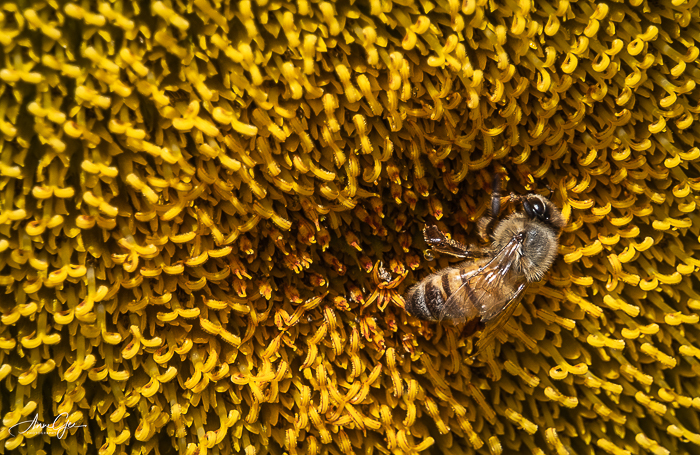
The frame refers to the rectangular scene you see through your camera. When you use this technique, you simply fill your photo’s frame with more of your subject, reducing the amount of background or negative space shown. And it can be filled-in-camera or in post processing. I tend to fill in-camera, sometimes not leaving any room for creative cropping in post. Now, I try to leave a bit more around my subject, so I have more to work with. I did a close crop in post on the sunflower, below, wanting to show the bee in action. By doing this, my sunflower became the background and the bee the subject. Sometimes we just change our minds once we view the image on our monitors.

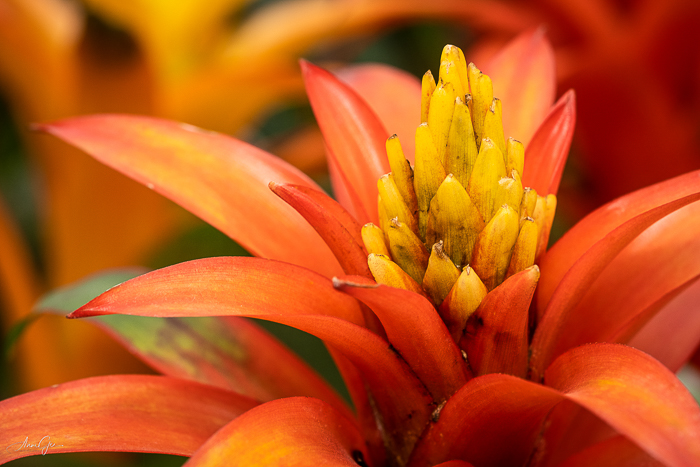
The basic rule for filling the frame is to get close to your subject. This can be achieved by walking up to your subject or using a zoom lens. I’ve done this type of photography with a macro and zoom lens. You can fill the frame totally or leave a bit of negative space to help your subject stand out. Yes, we’re sliding down that rabbit hole now. A bit of nothing helps put the focus on your subject. Remember, photography is subjective, and everyone has an opinion. Some photographers say “no” to negative space and a soft background. But, without the small amount of negative space, how could I have had this flamingo stand out? Having a bokeh background helps this flower stand out and shows its environment.

Okay, that rabbit hole is getting slippery now. What about filling the frame to tell a story? This can be street photography, event photography, or iconic subjects. Below are two pictures. The first is of an entertainer, Tom Rigney, at the Sacramento Music Festival. The second is of the Point Reyes an old boat that has become a photographers’ attraction. Viewers would not interpret their full stories without seeing their environment. But their stories fill the frame and there’s nothing that distracts from them.

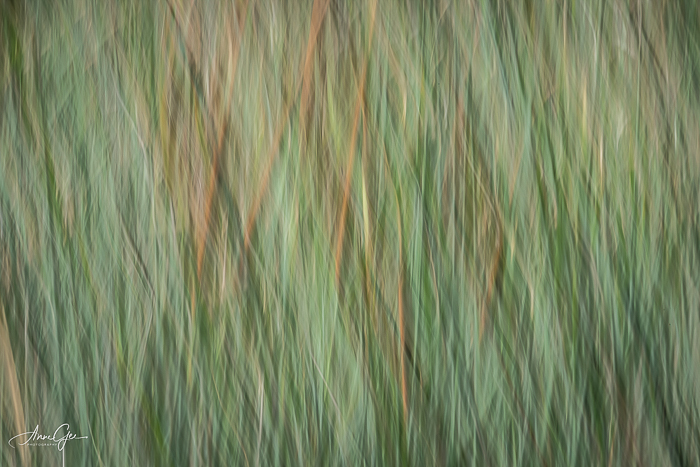
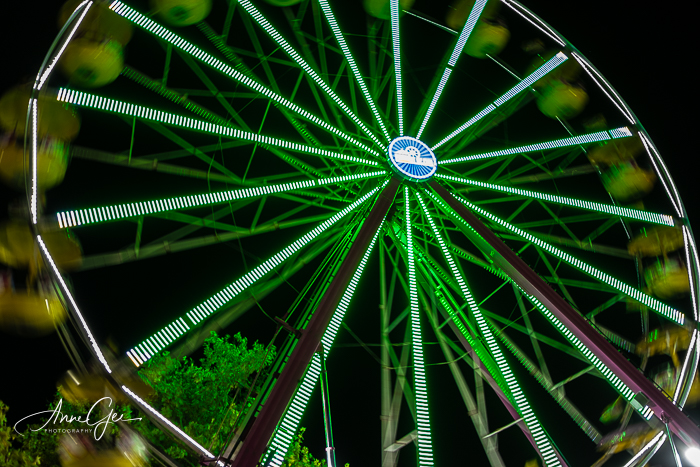
Do you like getting creative? Let’s fill the frame with an abstract! One is of cattails and the other a Ferris wheel. Both were taken with intentional camera movement (ICM).

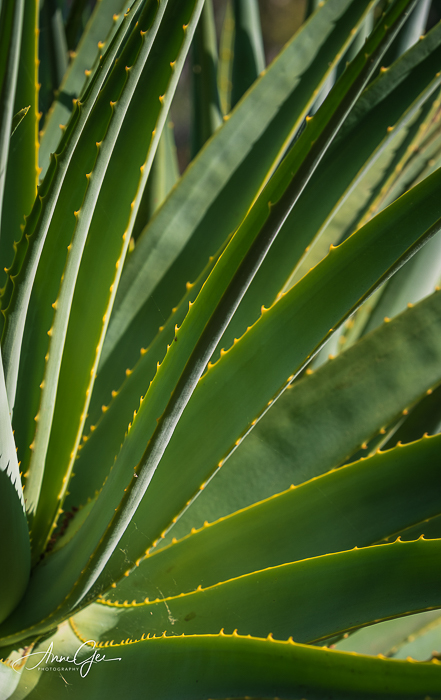
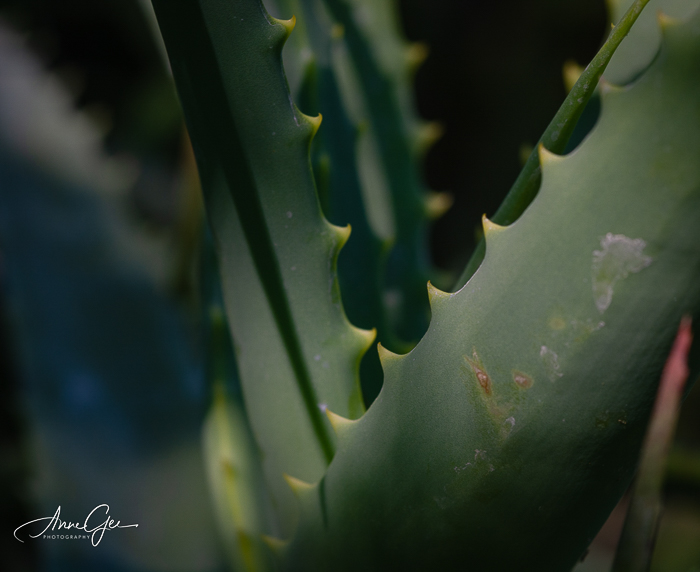
Spilling off the frame. Most of my images in this post extend beyond the frame, meaning their stories continue beyond the confines of the image boundaries.  The lotus and cactus are continued in the viewer’s imagination.

We’ve reached the bottom of my rabbit hole. Let’s climb back out so you can find your images that fill the frame. Remembering that photography is subjective, I’m looking forward to seeing your imaginative and creative responses. Anything goes! When you respond remember to link to this post and use the Lens-Artists tag.

Thank you, Donna, for getting us in the mood with her asymmetry challenge last week. We’ve been having a lot of fun, haven’t we! Next week James of Jazzibee will guest host and present our next challenge. Be sure to look for his post.

If you would like to participate weekly in our Lens-Artists Challenge, click here for more info. 

Playing with lens and camera movement!

I enjoy doing things differently, especially when it comes to my camera and lens. Last week a small carnival occupied some of the Sunrise Mall parking lot in Citrus Heights. Perfect! I had to go and two photo buddies met me there.

When I say small, I mean not too many rides that are great for slow shutter speed photography. That coupled with my injuries from the August auto accident (They tell me it will be a long time recovery for my neck and shoulders.), helped me decide to leave my tripod in the car. You’ll see that in some cases I needed it.

Here are the pictures–handheld.

Some of these may not be perfect, but I had an hour’s worth of fun. Next year the tripod!