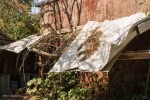
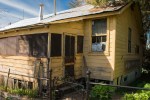
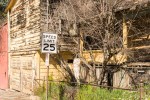
Back in time: Civil War Re-enactment, Gibson Ranch, Elverta, California

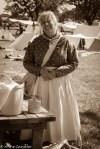
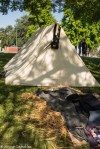
It was one of the most brutal wars, and one fought on our soil–the Civil War, north against south and sometimes brother against brother. It was something to enter a time warp and see the encampments as they may have been during the civil war. I felt immersed in the culture and people. But, it was a re-enactment at Gibson Ranch. That is the very same ranch that we photographers visit to shoot horses, ducks, and a sunset.

Marlene and I first visited the Union camp just because they were near the parking lot. Except for a few cars, portable toilets and large trash bins, we walked back in time. As much as I appreciated the effort to keep things as realistic to the time period, it was tough to photograph because of all the modern day stuff visible. But it was just a challenge.

This will be another two part post. Today I’ll focus on the Union encampment and tomorrow the confederate encampment and the battle.

Here’s what it was like pre-battle in one of our bloodiest wars.
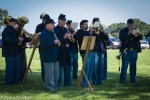
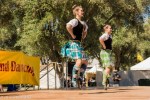
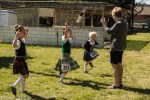
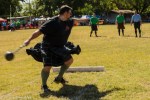
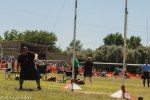
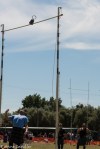
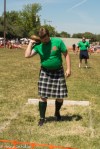
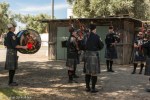
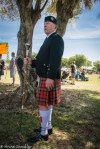
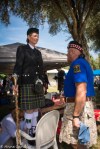
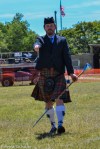
Yes, this is Scotland or as close to it as we can recreate: Scottish Highland Games, Woodland, California, the games.

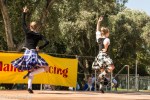
Athletes who train, bands that practice, dancers who start at an early age–they were all there and from different countries. I didn’t realize how big time these games are. Children came from Ireland to compete in what I call the “Drum Major” competition. I’ve tried to find the correct name, but was unsuccessful. Who knows, I might be right! But they were there at the Scottish Highland Games.

I was impressed about how precise everything was. Uniforms had to be just so, routines had to be exact and the throw length in the games was measured. It was pure talent. So take a look at these people of all ages who trained and practiced. I hope you will take the time to view more than the normal amount of images.

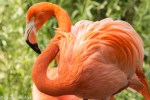
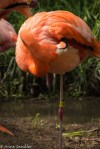
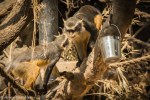
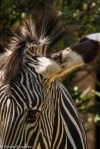
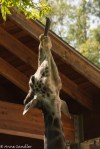
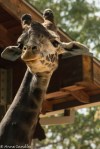
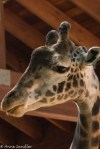
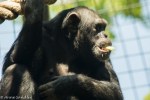
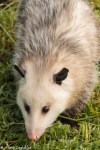
Talking with the animals: Sacramento Zoo, Sacramento, California

It’s not big as far as zoos go, but that’s the beauty of it. You can get around the Sacramento Zoo in about 2 hours–more if you have children with you. You know kids like to snack and play at the playground.

Marlene and I went to the zoo to shoot (gently with a camera) the animals. I had taken the grandkids there a few weeks before and discovered you’re either a grandparent or photographer! However, we were surprised by the bus loads of school kids there on a Thursday morning. It made shooting a little more difficult, but it was fun to watch the children as they reacted to the animals.

So we walked, talked and shot the zoo’s inhabitants. It may be small, but it’s mighty.

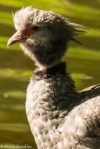
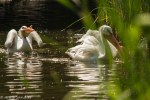
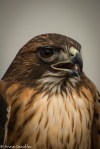
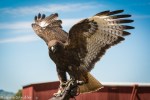
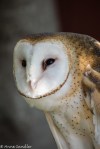
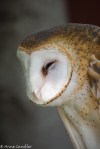
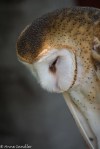
Birds of a feather: Suisun Wildlife Rescue Center revisited, Solano County, California

Many of the animals never leave here, so it was like visiting old friends when we photographers made our annual trek to the Suisun Wildlife Rescue Center just outside of Fairfield, California. This was my second trip there through a Meetup organized by the Wildlife and Landscape group. It’s actually a fundraiser for the Center that is run solely through contributions.

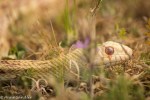
This Center is a non-profit volunteer organization, dedicated to the rescue of native California wildlife and to the preservation of the Suisun Marsh, working through the dual avenues of wildlife rescue & release and environmental education.  While some animals are able to be released once they are well, many are not. Birds with wing problems, an albino snake, a coyote and many eagles are just some of the wildlife that cannot be released.

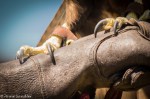
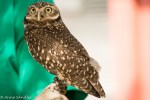
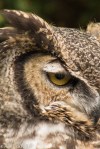
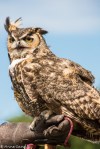
But, they do work for their keep. Volunteers take them to schools through an educational program. While they educate, the animals are cared for by an all volunteer staff. And the staff brought out the animals in turns so we could photograph them. While we were shooting, we were told about the animal’s personality, how they were brought into the Center and whether they would ever be released. When you look at the images, in many cases, you can tell why they will remain at the Center.

Deja vu: Mossy trees and mustard, Lake San Antonio, Monterey County, California, part 3

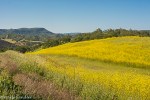
Mustard! It’s yellow just like the condiment, but you don’t spread it on sandwiches or hot dogs. You just look at its beauty and admire it. I’m amazed at how wildflowers can make a hillside or valley look stunning. You’ll see mustard in this post; the last of our visit to Lake San Antonio.

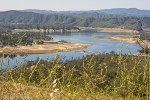
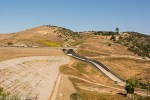
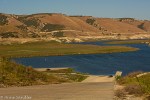
It was sad to see Lake Nacimiento and San Antonio so low in water capacity. We used to camp there with our children when we had a boat. We saw Nacimiento from Lakeside Rd and drove down to San Antonio. The California drought is becoming very noticeable now. We are beginning strict water rationing, which I think should have been done sooner.

Right now there are thunder storms north of us and it may be snowing in the Sierras. But, that won’t be enough to get us through the hot summer. I know the east coast has had enough rain and snow. Funny how Mother Nature is!

So, let’s get on with the serving of mustard–no hot dogs on the side!

Deja vu: Mossy trees and mustard, Lake San Antonio, Monterey County, California, part 2

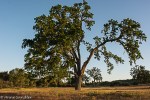
Do you remember the mossy trees and mustard that I went all the way to Napa Valley to shoot? Well, I found the trees in our campground and the mustard in the countryside here at Lake San Antonio.

It’s amazing how much I’ve learned through photography, and I don’t mean learning the art. I’ve studied birds, flowers and trees! So during this trip I had the opportunity to educate my husband in the flora of the area. Sadly, because the lake is so low now, there wasn’t the opportunity to see many water fowl. There were plenty of turkey vultures though.

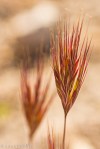
In addition, I became acquainted with the various stages of the dreaded fox tail from beautiful to mowed down so they stick in your socks and dogs paws. All weekend I picked fox tails from Gem’s hair, checked his ears and made sure he was tick free. The little guy was happy to be home.

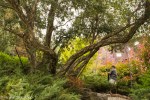
In this post, I’ll give you the campground tour including the mossy trees. You’ll have to wait for the next post to see the mustard.

Shooting with an old friend: Ironstone Winery, the grounds

My old friend in this case is my 18 – 55 mm lens. It is my utility lens. Every time I promise myself to shoot with the prime 50 for the day, I usually pick up the 18 – 55. It is so nice that I rarely use my ultra wide lens when I have to carry the gear all day. I can do landscape and close up with this lens.

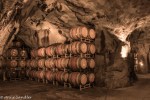
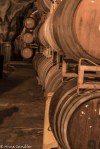
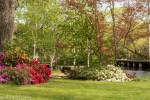
During our Ironstone Winery visit, I used my D7100 and the macro and 18 – 55 lenses. I will say that I look impressive with my sling (that sometimes carries two cameras) and vest. I’m pushing to live up to the image! In this post, you will see the grounds where they hold life cycle events and underground wine storage facility they call the cavern.

So here’s to my old friend, my 18 – 55! And here are the images.

Combining passions: Return to Midtown Sacramento

My combining passions has nothing to do with returning to Midtown, but everything to do with my love for photography and Toastmasters. I’m currently much better at the latter (being a DTM), and gaining skills daily on the former! I took the bold step of starting a photography club within Toastmasters about six months ago.
That was a big step because of the time dedication it needs. We now have nine members and hope to get to 10 soon. We call ourselves, “All About Photography,” and follow the Toastmaster format. Since we are an advanced club, you have to be in a basic club to join. It has been fun for me and the other members as we learn from each other. Our skill set ranges from beginner to professional. I’ll tell you more about the club and show you some of the members’ images too in a future post; but, now–back to Midtown.
Our guide, Greg Morris, loves this area and will take us down alleys, along the railroad tracks and some places that I wouldn’t go if we weren’t together. I’ve shown you some of the murals painted on walls and garage doors in a prior post and I want to show you some more.

So, here’s at least an example of one passion!

Operating on slow shutter speed: Sunrise Mall, Citrus Heights and Old Roseville

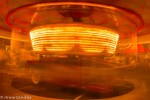
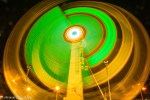
Slow Shutter Speed, that’s the name of this blog. Why? When I began this passion, I was overwhelmed with all of it. I had a feeling that this was going to be a long journey and thought that name was fitting. Of course now, it has another meaning for me: using slow shutter speed to blur objects, create abstracts and to shoot at night.

I love shooting lights at night, playing with the zoom and blurring the motion of whatever I’m shooting. So, when I heard there was a small carnival at a local mall, I took my camera and tripod down there. I had a blast, especially when people stopped and asked me whether I was from a newspaper or magazine! I’m not ready for that, but it was nice to be asked that question.

Then, a couple of nights later, I went to Old Roseville to shoot the two theaters on Vernon Street. Again, I wanted to capture the marquee and play with the zoom effect.

I’m still learning on “slow shudder speed,” but I feel like I’m not taking snapshots any longer.

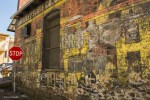
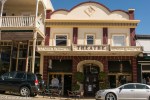
Back to the 18 – 55: Sutter Creek, California

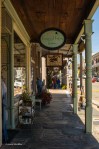
Old, quaint, touristy, and surviving are just some words to describe Sutter Creek in the California gold country and Amador County wine area. I say surviving because you used to have to go through the town as you drove highway 49. Now there’s a bypass so drivers don’t get bogged down in the town’s traffic.

From the town’s website: A wonderful balance of old and new, today’s Sutter Creek maintains its Gold Rush facade while catering to the wants and needs of visitors from around the world.Shop, dine, slumber, stroll, wine taste, and enjoy the quaint atmosphere of Amador County. Sutter Creek, the jewel of Amador County & the Gold Country,  is steeped in history being born of the California Gold Rush and nurtured by the deep rock gold mines of the 19th & 20th centuries. 

I wasn’t as impressed with Sutter Creek as I was by Downieville. But then, we were able to buy lunch in this town! Sutter Creek was more commercial, not catering to any season. But it is surviving.

Here are some images.