After a rain, shoot, shoot, shoot; part 2

Right now in Northern California no one is shooting pictures. We’re experiencing a series of storms. I’m not complaining! My go-to-practice place, Dry Creek, has water past its shore line, and there are flood warnings in place for the rivers and other creeks.

Being stuck inside has its advantages, I’m catching up on a few things, completing this post and giving you exciting news.

For the exciting news: I’m being featured on, Australian photographer, Leanne Cole’s Blog, Introductions post this week. I’ve known Leanne since I started shooting and had the privilege of shooting with her when she visited the U.S. last September. She’s given me advice and watched my progress these 4 years. The post will appear in the States on Monday and Tuesday across the ocean. You can find the post at http://leannecolephotography.com/.

I’ve also submitted an article for the upcoming Dynamic Range digital photography magazine for women in the coming issue. This is a great magazine full of information and beautiful photography. And, you don’t have to be a woman to enjoy it. Check it out!

Now, back to this post’s continuation. Today I have pictures from Schweitzer Grove and McKinley Park. Schweitzer Grove is a 17-acre park tucked into suburbia, and McKinley park is known for its rose garden.  Fortunately, there are people and other flowers at the park. Take a look while I continue to catch up on things.


After a rain, shoot, shoot, shoot: Effie Yeaw,Schweitzer Grove, McKinley Park

It’s sometimes called cabin fever, but for photographers it’s more intense. Since you can’t shoot, you edit, read tutorials or discover new processing programs. So, when, on a recent Tuesday, Marlene and I were the only photographers to partake in Camera Totin’ Tuesday, we took full advantage of the partly cloudy weather.

Our first stop was Effie Yeaw Nature Center in Carmichael. This wonderful preserve houses all sorts of animals, provides educational programs and welcomes photographers. Located on the American River, there is a lot to shoot. On this day, I was looking for deer; but, I was amazed by the area’s beauty after winter rains. And, yes, I did find deer. I couldn’t believe how they let us get so close to them. They know they are protected from human harm, but natural predators are still around. You’ll see more from Effie Yeaw because Marlene and I bought a season pass.

Next we found Schweitzer Grove Nature Area. This is a 17-acre park also in Carmichael that allows dogs to be off leash. It’s quiet and green–a great place to walk babies, dogs or just yourself.

After walking Schweitzer Grove, we drove over to McKinley Park in Sacramento. We were hoping to still see some roses, but there were none. Still, we weren’t disappointed for there were other flowers and people that caught our attention. If you remember, I did a post on this park before and the roses were beautiful. We’ll be back.

What did I learn? My passion for photography grows along with my experience. We have so many beautiful preserves, parks and rivers here in the Sacramento area so you don’t have to drive a great distance to shoot. And, finally, I’m so enjoying the friendships I’ve made with other photographers. Marlene has been my  sidekick for more than a year now, and I do appreciate her willingness to go out with her camera.

It’s raining right now, but it’s supposed to be partly cloudy for our next Tuesday adventure. I know we’re all anxious to get out there and shoot–with our cameras!

This will be a two-part post. There are too many pictures for me to put in one.

To buy or not to buy!: Sacramento Wildlife Refuge

I have resisted buying a lens that would zoom out larger than 300 mm because I really can’t handhold anything heavier. And, lets be honest, I would only need it when I shoot wildlife. So…..I guess I can do without it. That’s what I’ve been telling myself, but when I looked at my pictures after a recent visit to the Sacramento Wildlife Refuge with Laura and Marlene, I saw mostly grainy images. They were in focus, but not tack sharp.

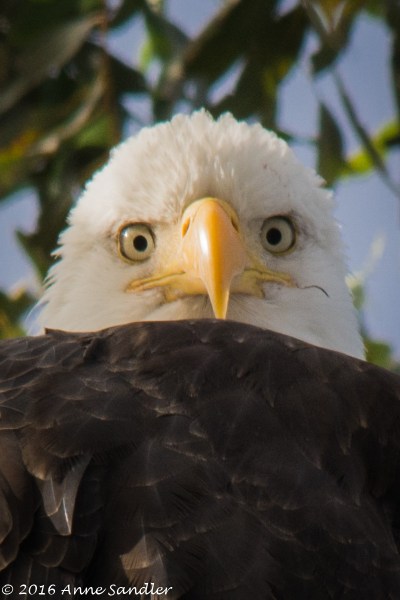
I knew I’d have a problem before I agreed to go on the outing, but I thought I’d give it a try. Even though it was overcast, I had hope. With the current rains there would probably be more birds than last year, and I knew I’d get something. I did. Thanks to Laura’s sun roof, I got some fantastic shots of a bald eagle in a tree above us. With my lens all the way out, I could get in nice and close. That was one of the eagles we saw.

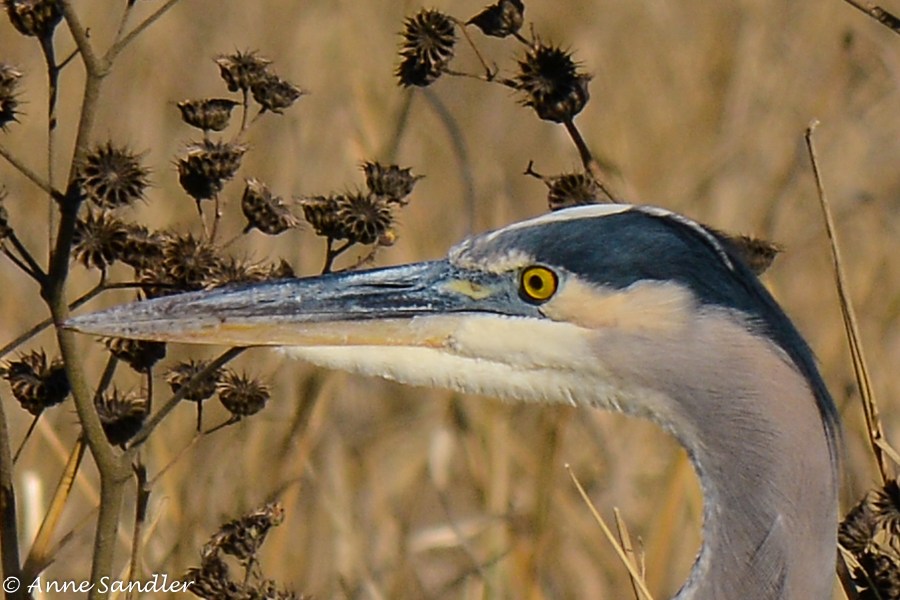
We saw two other bald eagles that day. One was too far away to shoot even with Laura’s 400 mm. The other was a distance, but we could shoot it. Although in focus, the images were grainy. After looking at my almost 1,000 shots for the day, I’m thinking of getting a 400 mm zoom lens.

When we shoot wildlife at a refuge or preserve, we can’t get out of the car and have to shoot out the window. The window (which is all the way down) becomes a tripod when a small pillow is placed on the frame. I could also use the heavier lens on a tripod. It’s rather limiting, but I could get a better shot of wildlife.

Right now, I’m checking the used departments of online stores. My goal is to find an affordable factory refurbished lens, so I won’t be in the buy or not to buy quandary.

It’s all happening at the zoo, maybe: The Folsom Zoo Sanctuary

I don’t know why I went with expectations, but I did. I heard that the Folsom Zoo Sanctuary was more of a rescue venue than a real zoo, but I had to check it out with Marlene and Greg.

Here’s what their website has to say about the zoo: “Since 1963, this small unique California zoo has been providing sanctuary to some very special animals. All are non-releasable. Many were raised, and rejected, as wild pets. Others were injured or orphaned in the wild. Most are native to North America. All have names and personalities, and their individual stories are posted at the exhibits, along with factual, up-to-date information about their species.The distinctive educational focus of the zoo promotes responsible and appropriate behavior toward all animals. The zoo teaches about common and uncommon animals, both wild and domestic, and includes those in between, like feral pigs and wolf-dog hybrids. Zoo programs stress that wild animals don’t make good pets.”

After reading this, I had expected a small zoo, limited animals, but not the inability to photograph them well. This is not a zoo for photographers. I’m not sure whether it was the way the cages were designed or the type of enclosures, but we had a difficult time focusing through the wires. So, I decided I’d shoot through the squares in the fencing and do whatever closeups I could when I couldn’t make the cage disappear.

Did I mention that it was also cold and damp. Yes, we’re getting a little rain here in California, but when I found sun, I stood in it! I remember living back east and experiencing summer sun showers. Couldn’t it happen here in winter?

Again, too many expectations!


There’s never enough of a good thing: UC Davis Arboretum

Its beauty changes with the season and its only about 1/2 hour away. After Laura, Linda and I left the Vic Fazio Yolo Wildlife Area, we went on to the UC Davis Arboretum.

I’ve been there several times and have posted images. But, there’s always something new to be found whether it’s wildlife or plants. We go there to walk and shoot, but there’s more going on. From their website, here is what they have and offer to the general public:

The loop is 3.5 miles, and you’ll find people walking and riding bikes. Families enjoy the scenery, bring picnic lunches and you can find students studying during school. And, it changes with each season.

This trip, we caught the last of the Fall colors, a few birds and the crisp cool air. Take a look.


.


It’s for the birds: Vic Fazio Yolo Wildlife Area, West Sacramento

Confession, I’m not a birder; but my friend Laura is. While I’m looking for the big picture, Laura is looking for smaller things–birds! We celebrated her birthday recently by going to the Vic Fazio Yolo Wildlife Area or affectionately known locally as the Yolo Bypass.

This wildlife area is a 3,700 acre wetland restoration project and is located within the Yolo Bypass Wildlife Area in Yolo County, California. The restoration was named for Congressman Vic Fazio, who was instrumental in appropriating funds for the initial construction. The Yolo Bypass Wildlife Area was dedicated in 1997 by then President Bill Clinton. The facility is managed by the California Department of Fish and Wildlife. Educational programs and public tours are administered by the Yolo Basin Foundation.

There are two parts to the Yolo Bypass Wildlife Area, both dedicated to watching and shooting–one with a camera and the other, with a gun. We stayed on the auto tour route and away from the hunters. With Linda in the back seat and Laura and I in the front (She was driving.) we made our way around the wetlands that had very little water, but enough to attract some birds.

Laura, of course, was our spotter. She’s amazing and the reason I bought my very own bird book. I’m learning slowly and can name some; but I sometimes fall back on saying, “There’s a white thing!” Okay, I fall back on it a lot.

Well, I did say I wasn’t a birder! Next post will feature the second half of our birthday photography outing.


Sacramento has bars…along the American River: Negro Bar, American River

Okay, that was a sneaky way to get you to read this blog, but it’s true. Recently Marlene and I went to Negro Bar another popular spot along the American River.

This bar was quite different from Sailor Bar. You couldn’t walk along the shore line, but it had a small beach and a boat launch. Most noticed were the absence of birds. We knew our sunset would be wimpy and there would be no birds to dress it up.

And, there was much more activity at Negro Bar. Kayaks, paddle boards and small fishing boats came and went while we  were waiting for the sun to set. I’m still trying to capture distance with an 18 – 140 mm lens. I think now that I’m more sure footed, I might go back to carrying two cameras so I could put a longer lens on my D3100. Also different was my using my new monopod and wearing tennis shoes. Both worked out fine!

I’m also feeling a shift in my photography. I’m seeing the picture better before I shoot. This could also be stated as, I’m seeing the possibilities and taking the opportunity to finish it in Lightroom. My framing and composition is also getting better.

I still have a way to go in processing. Working only with Lightroom is limiting, and once I learn Photoshop and other programs, I’ll be able to see more opportunities. I’m looking forward to doing that next year.

In the meantime, take a look at the second bar I’ve visited…along the American River!


From one pond to another: William B. Pond

I’m not saying I’m lazy, but…I do like to keep things close, especially when I’m driving. When we were leaving McKinley Park, Marlene suggested we go to the William B. Pond Recreation Area which was close to where we were going to eat lunch.

This park is named after the first Regional Parks Director, William B. Pond and is a man-made lake. We first went down the stairs to the viewing area. From there we saw the lake, ducks, and geese. The highlight for me was the standoff between two Mallards and their mates. We then walked along the river, shooting puddles and sights.

Before we left, we walked over the bridge for another vantage point and saw to cyclists each on what would be a low profile tricycle. You’ll see the image.

I still can’t believe that I had never been to these two beautiful areas that were so close. Sacramento has a lot to offer in recreation in addition to the American and Sacramento Rivers. It was a day of fun and we didn’t have to drive a distance to get there. Again, I’m not lazy; just practical!

untitled-0393
Down the stairs to the viewing area. Marlene is capturing some alone time.


Why did I wake up so early? To do this blog?: Lake Tahoe, part 2.

There are some mornings like this. You wake up about 4 a.m. and just can’t get back to sleep. Rather than tossing and turning, it’s better to put the extra morning hours to good use–like writing this blog before I go on a photo outing.

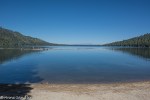
Speaking of photo outings, let’s return to Lake Tahoe and the second day. We got a slow start, but that was okay because we weren’t in a rush. Our goal was to visit Fallen Leaf Lake, meeting our hosts there. Since we left before them, we stopped at the Tallac Historic Site. The Baldwin Estate was a rustic home set on the beach. The house was closed that morning, but I think they give tours during the summer season. Then we went on to Fallen Leaf Lake.

To get to the lake, you need to drive a narrow, curvy road with many single lanes. I was amazed that there were so many homes up there. Marlene did an excellent piloting job. However we didn’t realize that there were two lakes and our hosts went to the upper lake. No cell service. No getting in touch with them.

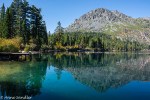
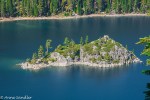
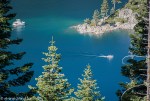
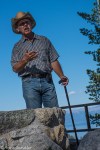
After deciding we didn’t want to share our lunch with wasps, we drove back down the hill to the Emerald Bay overlook named Inspiration Point. There we were entertained by a gentleman who was “singing for his supper” or so his sign said. In Emerald Bay you could still see the deep blue color of the water. Because of the drought, the lake’s water level was down. Fortunately, because Lake Tahoe is deep, its beauty shines on.

You can see for yourself!

On the road again: Sedona, Arizona, the final chapter: Catapillar Point, Out of Africa and Tuzigoot

It wasn’t supposed to be a journey’s end, but it was. We were going to take a day on our way home, from Sedona, to drive through Sequoia and King’s Canyon National Parks, but I fell on the way to Bakersfield. It’s amazing how people rush to help when you have gray hair! I’m okay–just a couple scrapes, one big bruise and a sore shoulder. With that happening, I decided it would be best to head home.

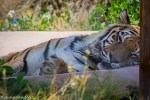
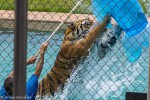
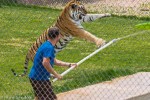
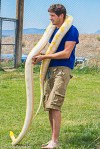
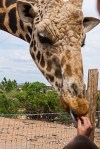
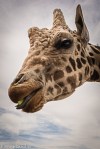
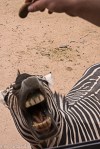
Yes, I’m disappointed because those National Parks are my favorite. I’ll try to get there in the fall. In the meantime, I want to show you a little of the Out of Africa Wildlife Park. This isn’t like a safari park where you drive through and the animals are walking about. This park is a sanctuary. On this trip, we saw a small animal show, a tiger swim and play show and rode through an area where the animals roamed free. You’ll see from the pictures that these animals are very used to humans, especially the giraffes! The zebras can become a little testy!

Tuzigoot is a National Monument of Native American ruins. When you see the small rooms, you’ll wonder what the Southern Sinagua tribe would think if they saw our large dwellings! We decided not to visit their other dwellings, Montezuma Castle and Well, because we saw them during our last visit.

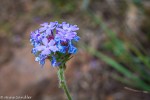
Caterpillar Point  was our last stop on this trip. It was a rocky stream bed, some small water falls and lots of wildflowers including a century cactus bloom.

Take a look at our last two days before we ended our journey and headed home.