Lens Artists Challenge #352: Mellow

We all mellow out in different ways. Many of you have posted music lyrics. Music also relaxes me. One song does come to mind–“Here Comes the Sun” by George Harrison of the Beatles. However my favorite rendition is by Richie Havens. Google it. You’ll soon be dancing around, forgetting your cares and mellowing out.

But this is a photo blog, and this week Sofia asks us to mellow out. Here are just a few places I take my camera to relax.

A High Sierra Lake. The still water is calming and I do love the forest.

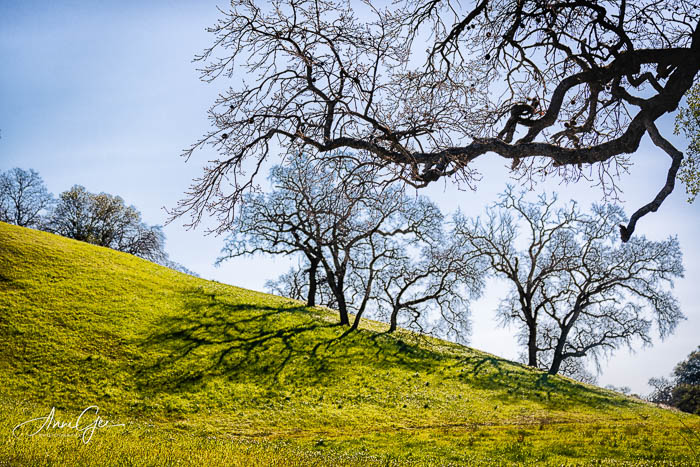
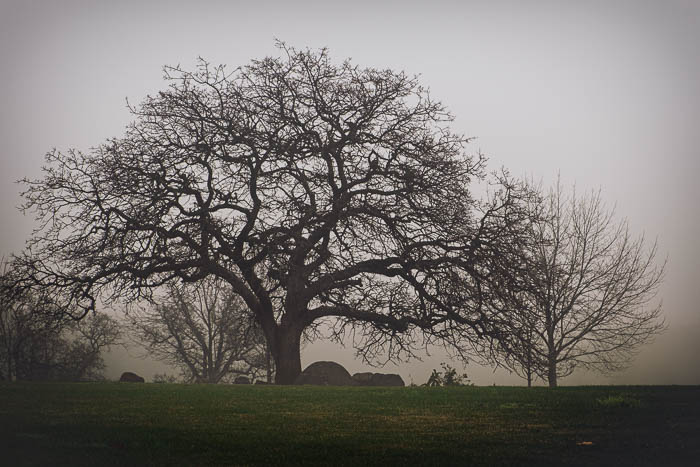
Trees with their graceful branches are beautiful and welcoming. They are also beautiful when snuggled in fog and looking mysterious.
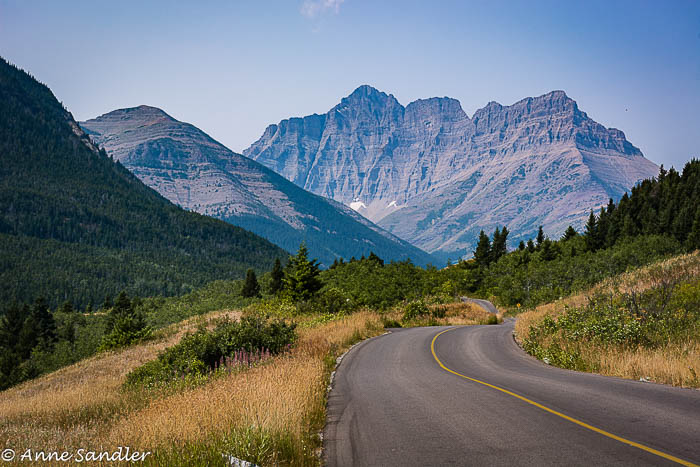
Driving on a mountain road is relaxing for me. Since I live in a valley, driving these roads, away from suburban traffic, mellows me out. The car was off the road when I took this photo!

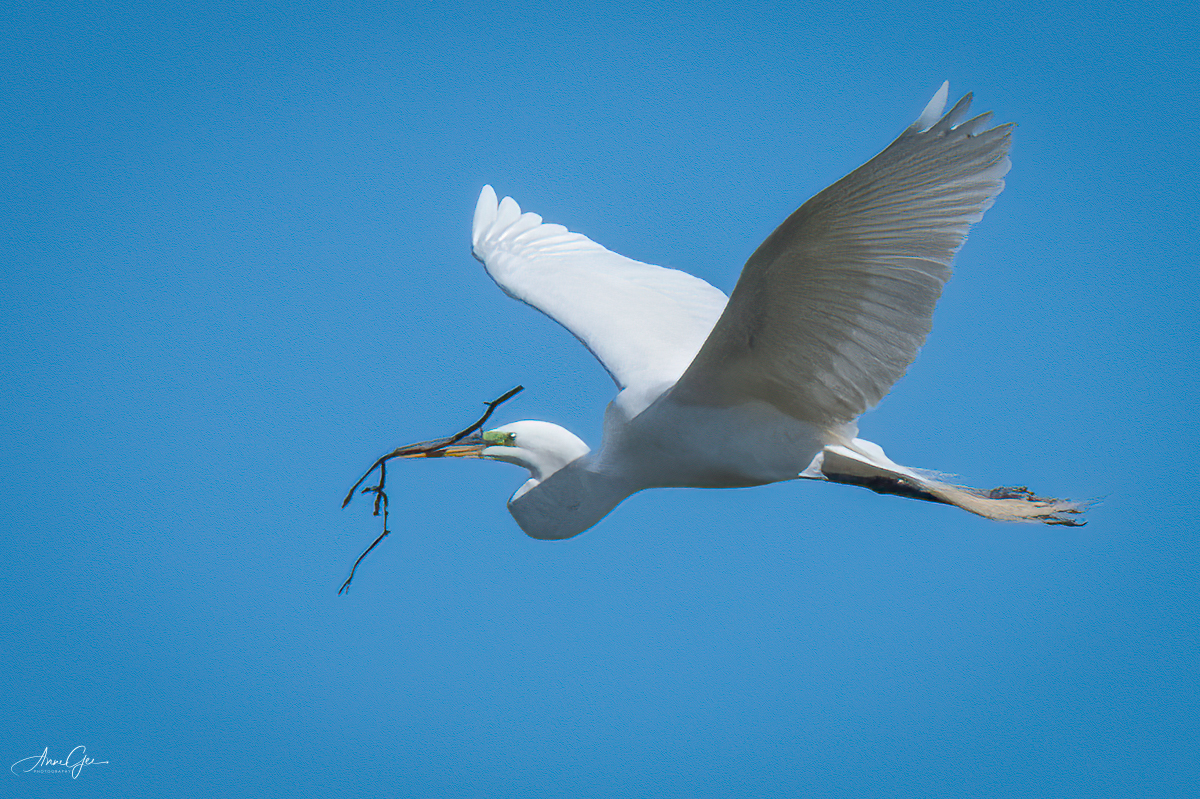
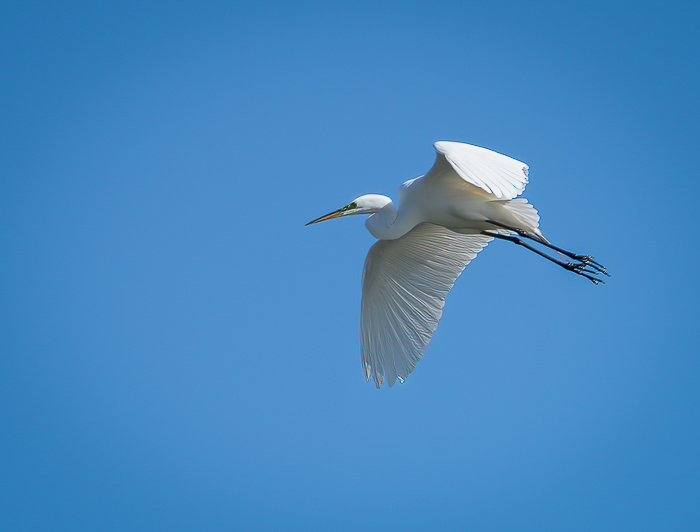
And, how about the gracefulness of birds in flight. I sit and wonder what it must be like to soar in the air like that on your own power.
You know how much I love to photograph flowers. Just being able to capture their beauty mellows me out.

And finally, we can’t forget the relaxation brought by an amazing sunset. We have to watch carefully so we don’t miss its natural beauty because the moment is fleeting.

Thanks Sofia, you reminded us of the need to just get away and mellow out however we do. It’s a great practice for our physical and spiritual beings. When you post your response, please remember to link to Sofia’s post and use the Lens-Artists tag. Last week Ritva opened the wonder of books–another way to relax. Next week Beth is leading her first challenge, so be sure to look for her post.

In the meantime stay safe and live in gratitude!
The Nesting Tree

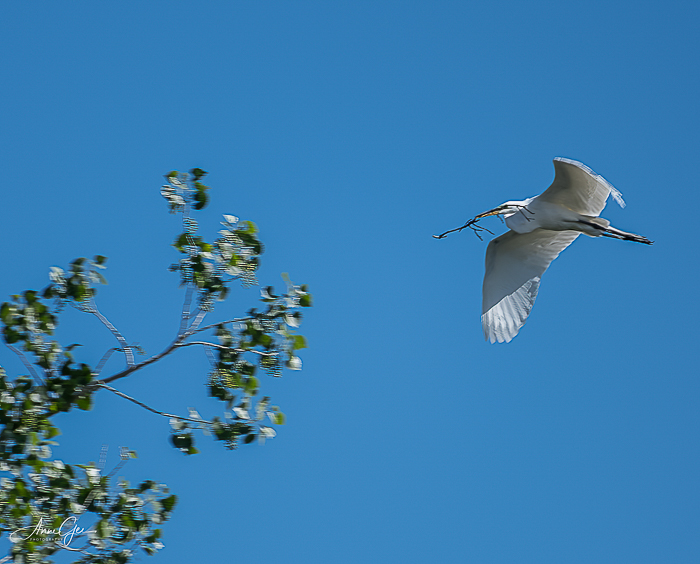
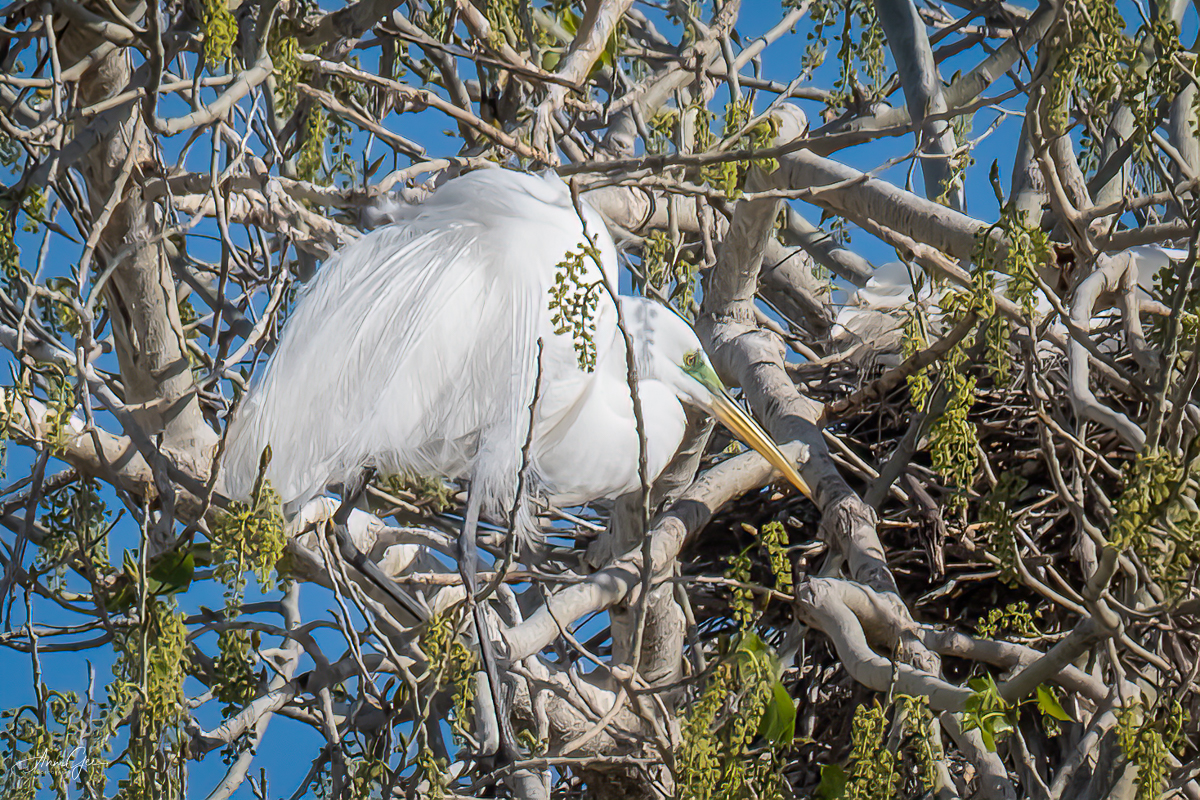
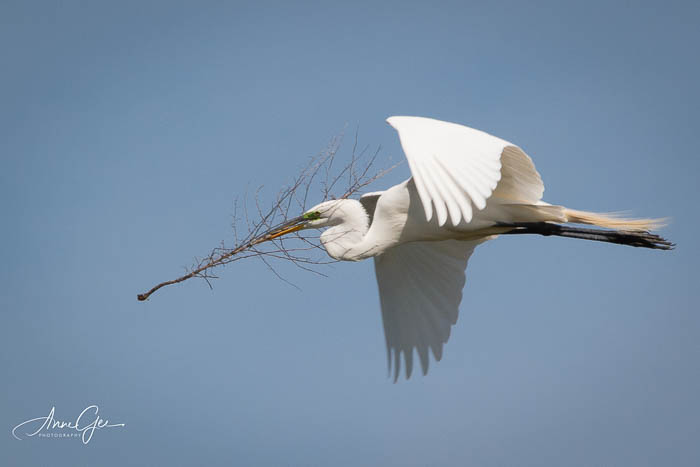
Like a habit, each year egrets and herons nest in a tree in Lincoln California. They probably feel safe because the tree is located in a marshy gully between two shopping centers. I call this tree The Nesting Tree. Typically, we visit this tree in April when the nesting is in progress. The birds fly off, bringing back stick and twigs to their nests. Sometimes, if the photography gods comply, through your lens, you can see them handing off the twig to their mate.

My lens only extends out to 300 mm. Six hundred would be great, but I’m not a wildlife photographer and I’m content to get whatever pictures I can get. Here’s a sample from our recent trip.

I look forward to this each year. This year I brought a chair and was more comfortable. Who knows what I’ll bring next year.

Decision: The Nesting Tree

To buy or not to buy! To use or not to use! That’s my dilemma!! I’ll start at the beginning. For wildlife photography, I’ve been using an old, used prime F/4 300 mm lens on my Nikon D7100. It’s a bit heavy, hard for me to hold steady and the Nikon is not that good in low light. I finally decided to buy a used Fuji 100 – 400 mm lens for, of course, my Fuji XT3. It worked great and was easy for me to hold steady, but the barrel was tight when I zoomed. It’s in the return process. Question: should I get another one? Or just keep using the Nikon set up?

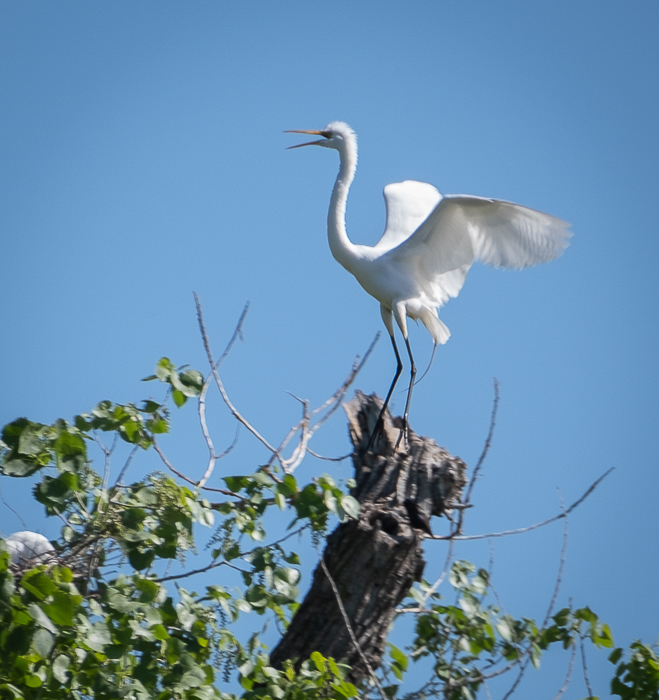
Here are some images from the Fuji set up taken at what I call the nesting tree in nearby Lincoln.

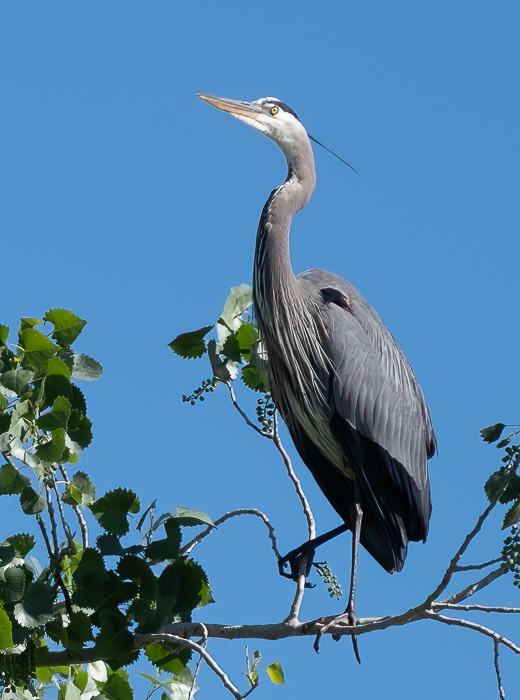
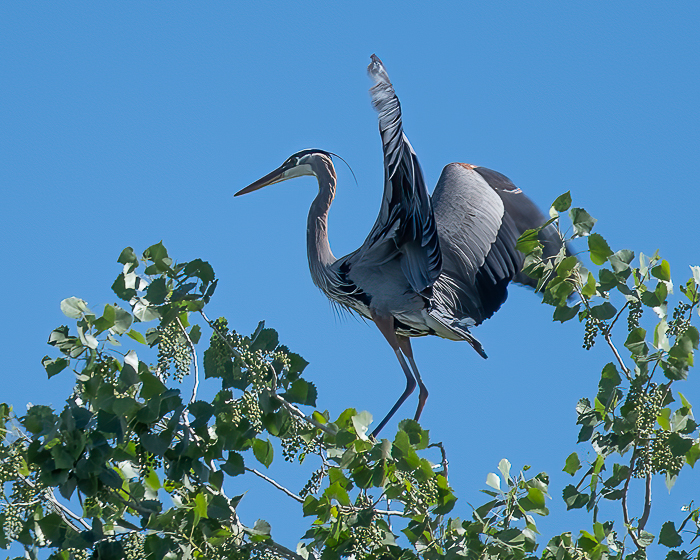
Great Egrets and Great Blue Herons nest each year in these trees. It’s a treat to sit and watch the activity. They fly off and bring back food and nesting materials to the nest. These next pictures were taken with the Nikon set up. Since I photographed mostly egrets on my previous visit, I was trying to photograph more of the herons. The trees are not close and I had to do a lot of cropping with these pictures for both set ups.

Do you see much difference? Both sets were processed in Lightroom and Topaz Sharpener AI. There is the handling ease, but that comes with about a $1,500. cost for a good used lens. I don’t think I need a new one because I don’t do that much wildlife photography.

So that’s my decision and dilemma! What do you think I should do?

Oh, if you want to see amazing Great Blue Heron Photography visit Babsje’s blog for wonderful stories and images. She is totally dedicated to the herons.

Going backwards: In search of Sandhill Cranes

We’re back in 2016. November to be exact. Laura and I went in search of Sandhill Cranes. I’ve tried to capture their images a few times before, but was never successful. Even though they are large birds, they stand in the middle of the fields so my 300 mm lens has a difficult time. After a couple of years, I was beginning to think it was personal–they didn’t like me!

The Sandhill Cranes are migratory and are only in the area a few months of each year. They come in November and are usually gone by February.

We went to the Consumnes River Preserve and the Staten Island wildlife area. It was our last stop in the Sacramento Delta at Woodbridge Ecological Reserve Shelter where I saw them standing near the fence. I yelled for Laura to stop. She said there was no place to pull over. I said I didn’t care! So there we were blocking one side of the road. Fortunately, there was no traffic either way, and we were able to shoot the Sandhills.

Victory is so sweet! I’m so glad I went back through my photos and realized I hadn’t posted on the Sandhills because they are worth looking at. Let’s just say, “Give them a backwards glance!”

Expectations and the Sand Hill Crane

I must be setting my expectations a little too high when it comes to the Sand Hill Crane. After not being able to photograph them very well at the Woodbridge Ecological Reserve, yesterday I went to the Consumes River Preserve hoping to capture some images of the gray creatures.

When I read that there was a Visitor’s Center at Consumes, I was excited. I go there and be guided as to where the best viewing spot was. The Visitor’s Center consisted of two small billboard type signs and a pit toilet! Fortunately, there were bird watchers who helped guide me to where I could see the cranes.

Also, when I left home, the sun had come out and all was calm. I expected to have a great morning, relaxing and capturing the cranes with my camera. By the time I drove 30 minutes to the Preserve, the wind had picked up and was wreaking havoc in the marshes. Small birds were having a difficult time feeding, and even the large hawks were having trouble flying. The wind was harsh and cold. No one was hanging around, sitting and watching the wildlife.

So much for my expectations! It was windy, cold and the wildlife and my camera were struggling. It was difficult to focus as the camera kept correcting for the constantly moving marshland. I was able to capture images of the birds in flight, and have some of those shots to show you.

As you could guess, I didn’t stay very long. But, I did get some images of the cranes in flight and experienced the wetlands in not so friendly conditions. The ducks were huddled against little islands in the water, geese were staying on top of the islands and only large turkey vultures, geese and Sandhills were taking to flight.

Did I set my expectations too high? I guess I’ve learned that you can’t assume what nature will deliver. I might try again before the Sandhill Cranes leave the area.