Lens Artists Challenge #328: Winter

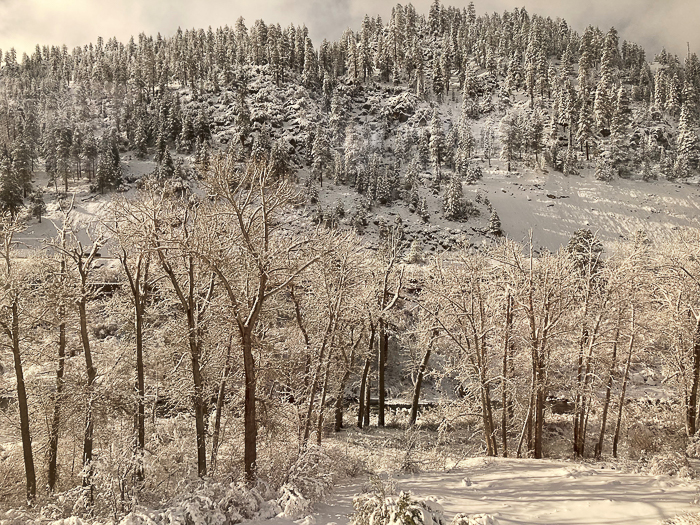
What does winter mean to you? Sweater weather? Hot chocolate? Jackets and snow boots? John wants to know! To us photographers, it probably means snow and icicle images. To me, winter means one trip to the snow when the air is just right for a winter jacket and boots, you can drive in it without snow tires/chains and hot chocolate can be purchased at the nearest restaurant!

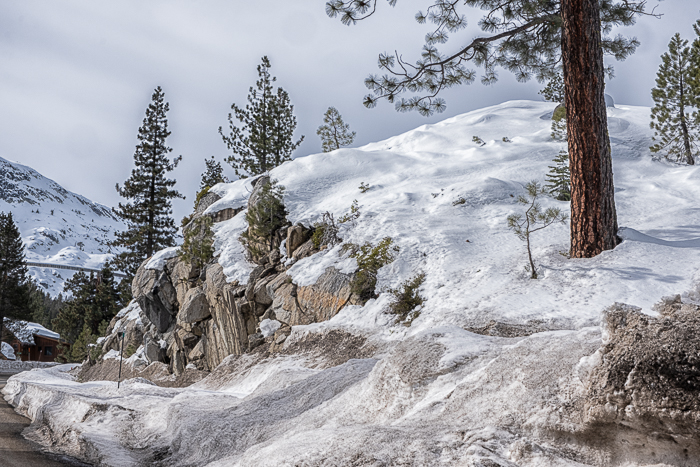
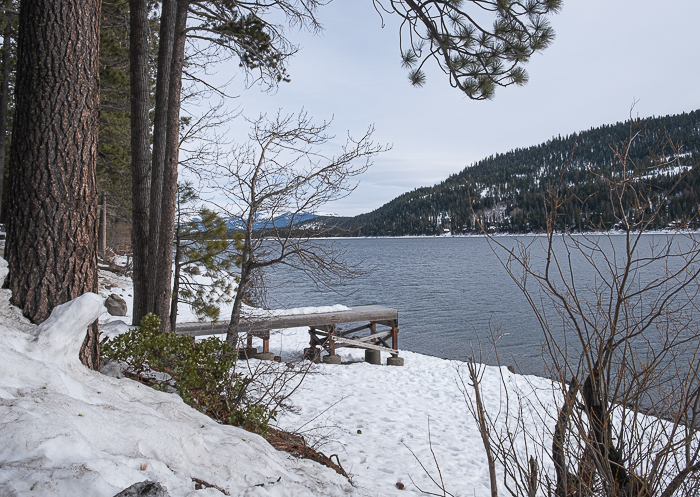
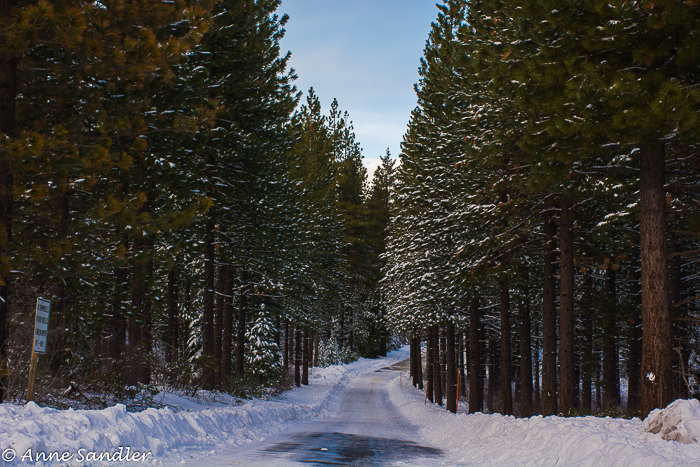
You got it, I enjoy seeing it, playing in it and leaving it behind. Fortunately I live in Sacramento California where it doesn’t snow. However that glorious winter weather is just a little over an hour away up Highway 80 at Donner Lake.

Also up the same road and about 10 minutes closer to home is Blue Canyon where my Astronomer husband has his observatory. Because of its location it is inaccessible in the winter.

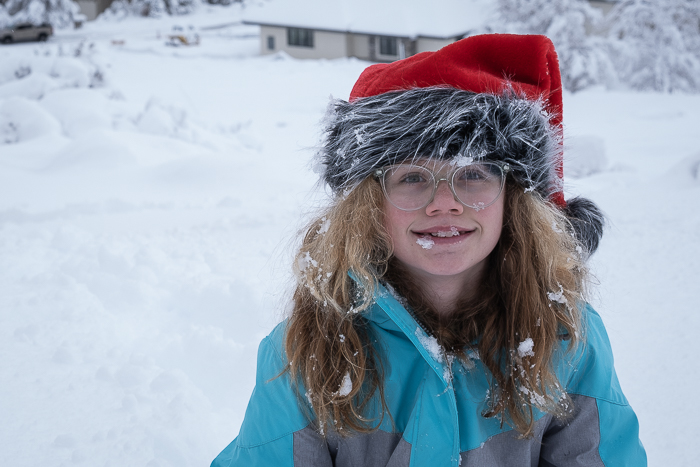
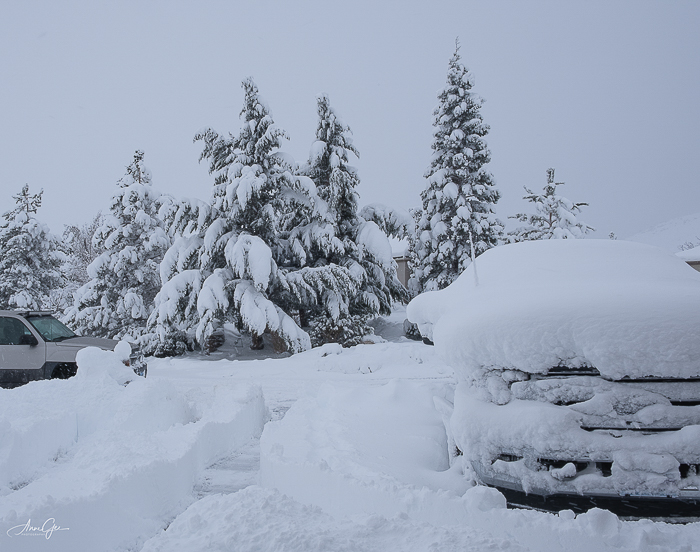
One surprise snow experience happened when we were staying with the younger set of grands, in Reno Nevada, while their parents were away. During the night, I heard a strong wind slapping against the house. I woke up to a winter wonderland like I had never experience before. The truck was buried, the walkway had to dug out and the grands had a fun snow time.

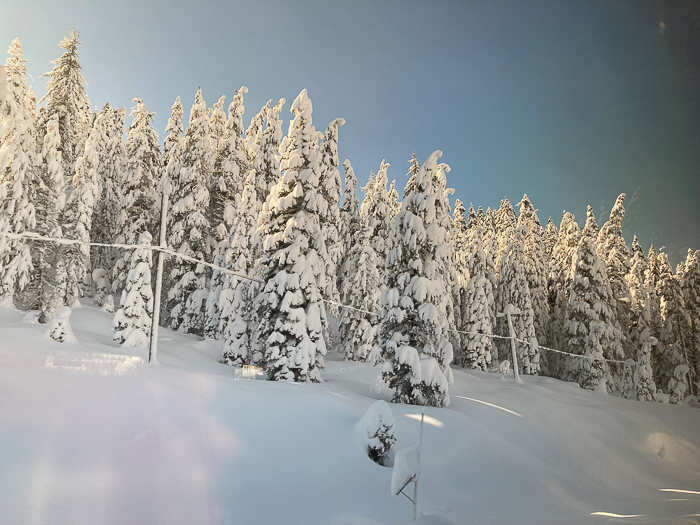
Talking about the same trip, we decided to take the train from Sacramento to Reno, and back. We wanted the experience. Here are some pictures taken from the train on the way home.

Now we are about to enter winter. The weather will be cold, in the 30s (F) at night, climbing to the 60s in the afternoon. Yes, that’s the winter I want to experience!

Here in the Sacramento Valley the only time we get rain is in the winter. We do rely on the Sierra mountains snow pack, to fill our reservoirs with the melt during the summer. There have been many years of drought here when water has been rationed.

Thank you John for helping bring back those winter memories. Please remember to link to John’s challenge when you post your response, and use the Lens-Artists tag. Last week we explored elements via Sofia’s challenge. I enjoyed seeing your interesting responses.

Next week is our annual year-end challenge. In December 2022, the Lens-Artists team introduced a “Last-Chance” challenge. The idea was to review the year’s images that never quite fit our challenge subjects that year. The “rule” is that your chosen photographs must have been taken in 2024 and not have been included in response to our 2024 challenges. This challenge is not hosted. So, go through your archives and join us on Saturday, December 14, at noon Eastern Standard Time.

In the meantime, enjoy your holidays, have a safe New Year and we will be back in January.

Catching up, once again: The nesting tree

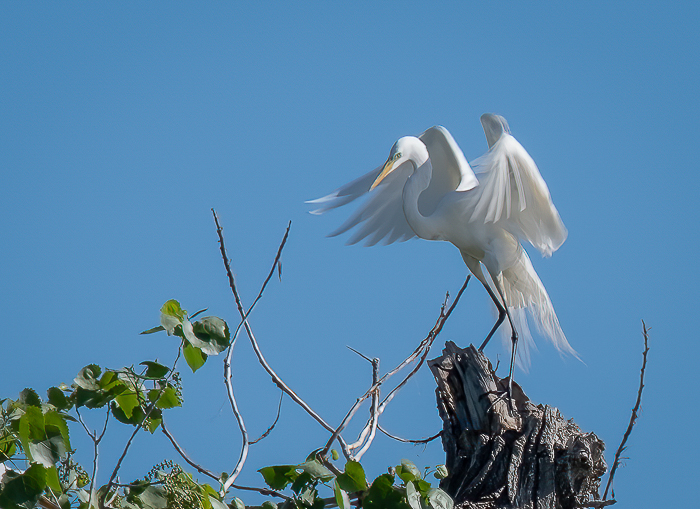
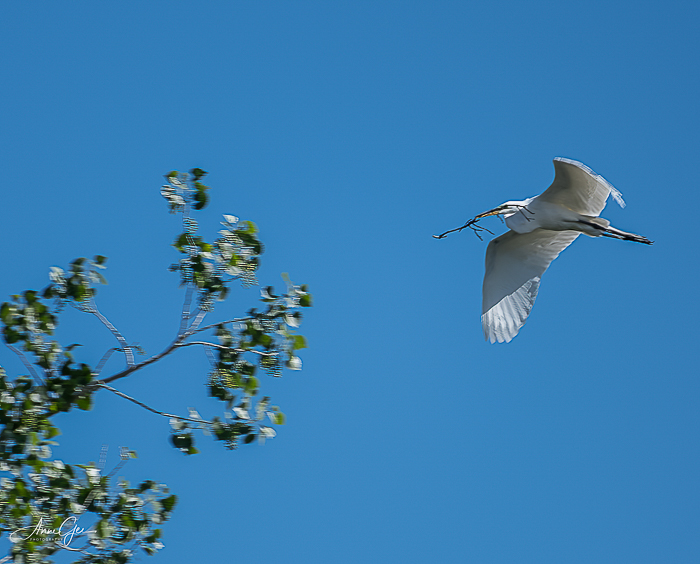
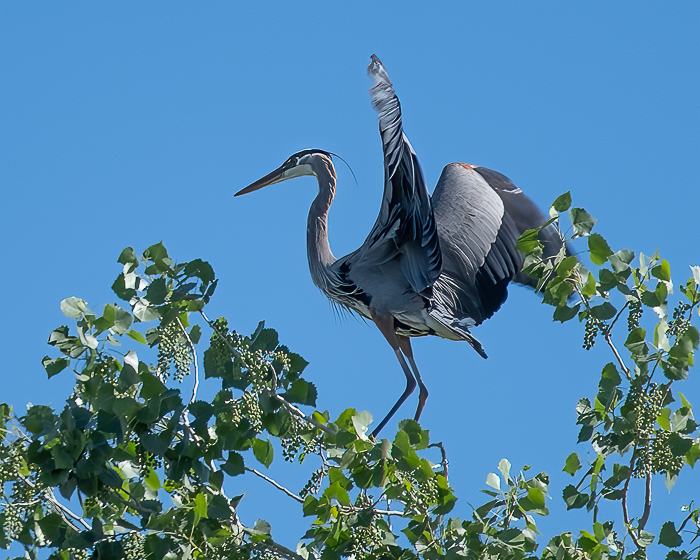
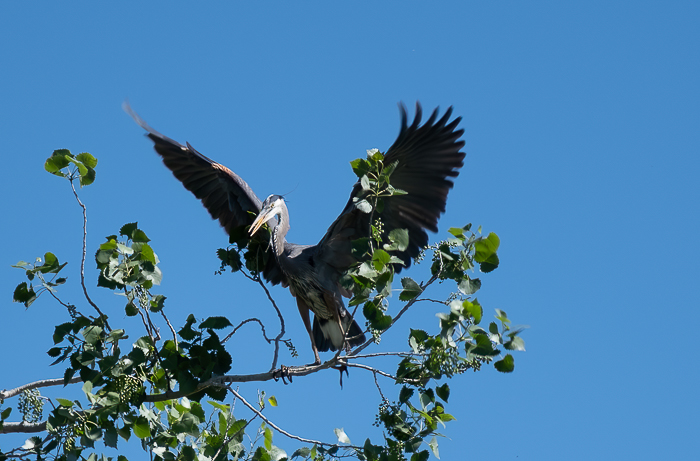
Each April my friends and I go to Lincoln to two trees where herons and egrets nest. This year was no different. The difference is that I haven’t posted anything but LAPC posts. So I’m playing catch UP!

These trees are in the middle of a gully in between two shopping centers. It’s really tough to capture the birds with my 300 mm max lens, but I always give it a go. Thanks to Topaz and cropping, I usually come back with a few good ones.

These birds are magnificent, and to see them build and find material for their nests is a treat.

I’ll be back with more catching up!

Lens Artists Challenge #321: Intentional Camera Movement

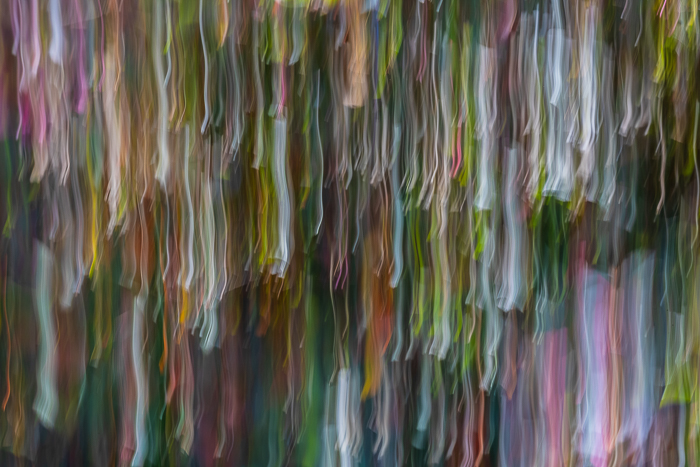
Come along with me on my journey to discover Intentional Camera Movement (ICM). I’ve never really attempted to do this except for the occasional image. So we’re going down that rabbit hole together! Yes, again. You’ve got to love that rabbit. The rabbit hole was found at Bushnell Gardens and Nursery in Granite Bay. Photo buddy Richard came along.

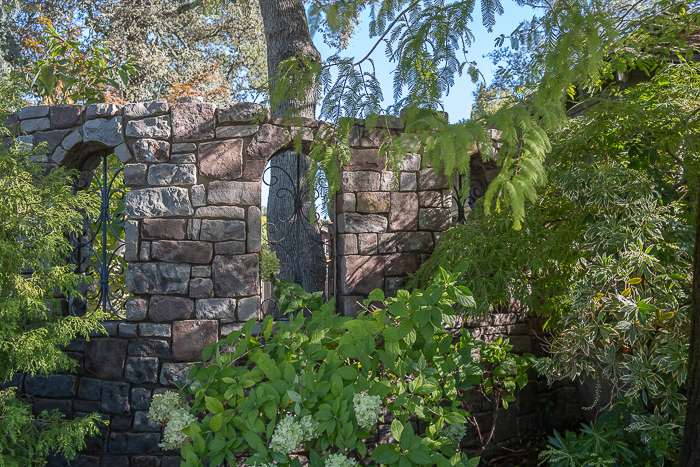
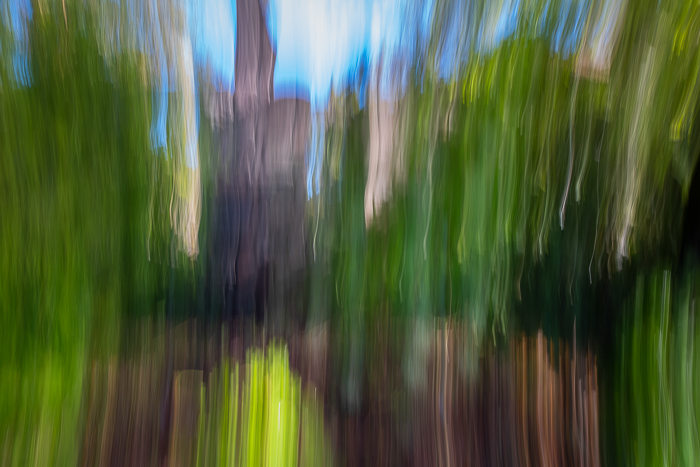
The first tip came from my friend Laura when I photographed my only other ICM. Move your body and not your camera. That way your lines are straight. This was a gate outside the nursery. I bowed before it.

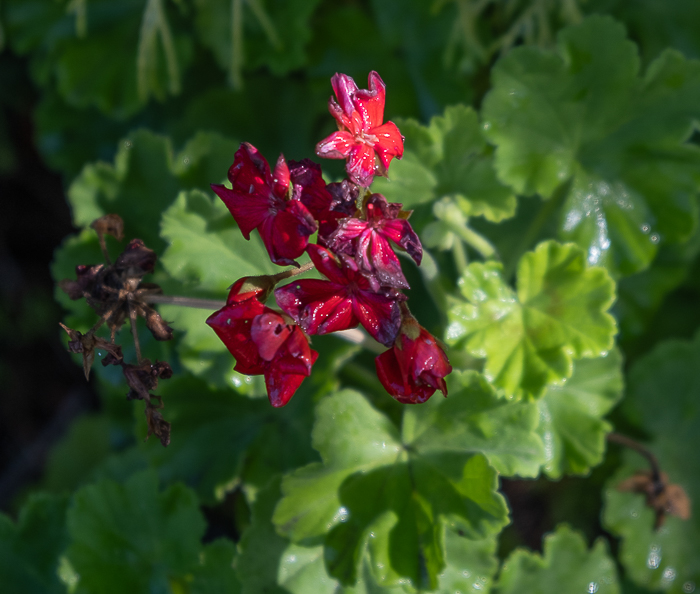
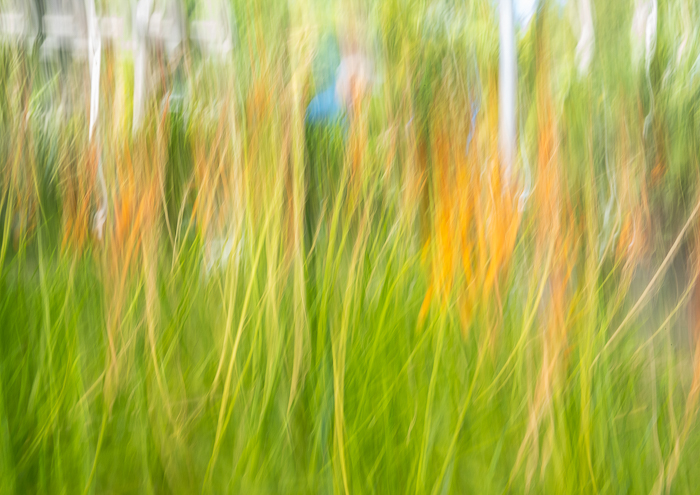
I think for this one, I just wiggled my body. Laura would be proud that I didn’t move the camera. Richard liked my dance. I like the burst of color surrounded by soft greens. I’ve found it’s important to have color in ICM. I think the bright floral color help this image.

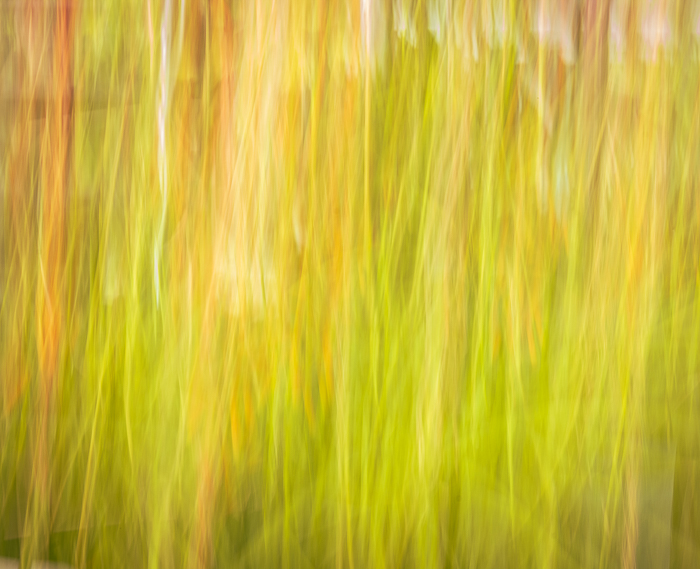
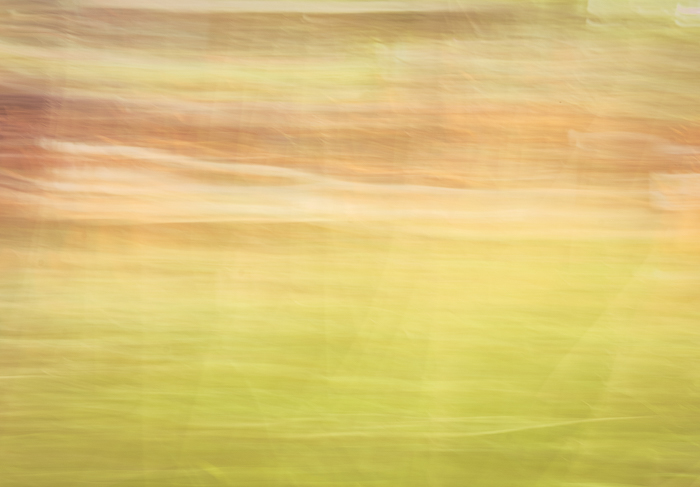
Next are four images showing what the plant really was and three more showing various degrees of ICM. The last one being a horizontal move on my part. These pictures were hardly edited. I just cropped and saturated colors. The fun was taking them.

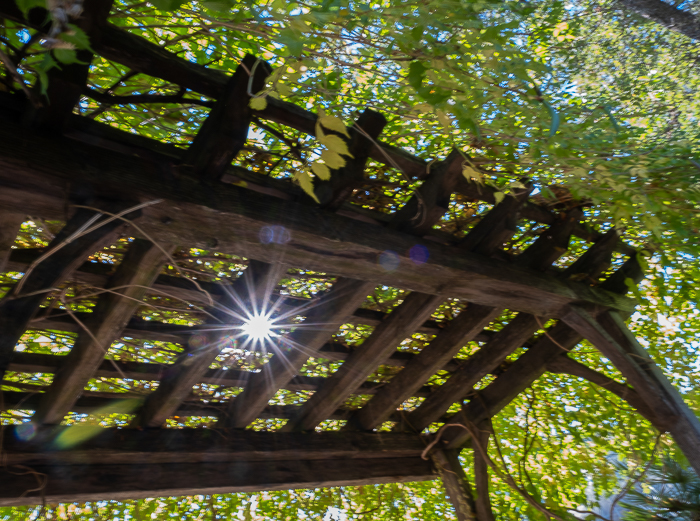
When I stood under a lattice and saw a sum burst, I just had to try ICM. The sunburst came out at as a super white stripe that dominated the image, so I tried to tone it down. Maybe I did too much cover with the brush. But you can see ICM can be done on more than just foliage.

I also wanted to try to do a swirl. So I chose a long shutter speed and bent my body to one side until the shutter closed. I’m happy with the way these turned out. The longer the shutter is open the more swirl and softness you get.

Of course, I had to zoom a bit, moving the lens and not the camera. I forgot to take a good picture, but you can tell what this plant looked like before the zoom.

For my last set, I chose to photograph two trees. One had leaves turning and the other was green. I enjoyed this experiment. I liked how the colors and light added vibrance to the images.

For all these images, I didn’t go lower than a shutter speed of 6. I found that the image lost definition. I also learned that the more light you have, the more difficult it is to photograph ICM. Next time, I’ll bring along a neutral density filter and/or choose a different time of day.

I had a lot of fun preparing for this post, and I hope you do too. Maybe you’ve been out already learning and picking up tips. And maybe you’re a pro at ICM. Whatever the case, please share your thoughts and images. I’m in the learning stage also, and every bit helps.

We all had fun picking images from the past as Sofia had us looking back last week. I enjoyed experiencing all your wonderful memories. When you share your post for this challenge, please link back to mine and use the Lens-Artist tag. In the meantime have fun learning and experimenting with ICM.

Lens Artists Challenge #314: Shorelines

Where do you find peace and relaxation? I find mine wherever water touches land. Yes, any type of shoreline. It may be a beach, a lake, a pond, a creek; you know where I’m going. I’m heading to the shore.

Here in Sacramento, rivers are easy to find. River shorelines are muddy and rocky with some areas reserved for swim areas. This part of the river is located at the confluence of the Sacramento and American Rivers. I believe it’s part of the Sacramento River. The American River is noted for riding the rapids, while the Sacramento River is used more for industry.

The Mississippi River is heavily used for transporting containers on barges moved forward by push boats. This image was taken in Arkansas along the mighty Mississippi. If you look in the mid to upper right, you’ll see a barge with containers on it waiting to be pushed to its destination. The second image shows a push boat in action. We were told that the crew stay on the boat the entire trip, moving 24/7, and only docking for supplies.

Let’s visit the beaches next. There are beautiful sand beaches where swimming is fun like this beach on Lifou Island in New Caledonia.

Then there are the rocky beaches where we sit and watch the waves hit the shore. Like the Marin Headlands in Northern California. The man in the second photo is wave watching at Pacific Grove on the California coast.

Let’s look at a creek next. We have many creeks running through the Sacramento Valley. Most popular is our local Dry Creek. There is a park nearby and the creek offers children a summer respite from the heat. During the winter, it is a beautiful place to take photos. Although this photo doesn’t show it, there are large rocks to sit on and relax.

We can’t forget about lakes. We have many around us. And when we drove across the country, we found beautiful lakes in middle America. This is Mono Lake in Northeastern California. It is a salt lake and known for the tufa towers jutting out of the water.

We found a beautiful lake in Alberta Canada while visiting Glacier National Park. Lake Waterton, Waterton National Park, Canada.

There are more types of shorelines, but I think this post is full. Please show us your shorelines from near and/or far. It’s any place where water touches the earth, and you also find peace and relaxation. When you post for this challenge, please link to my post and use the Lens-Artists tag.

I totally enjoyed seeing everyone’s cool colors last week. Thank you, John. It helped cool off our hot California summer! Next week Ritva will be challenging us. Please look for her post. Until then, enjoy, take lots of pictures and be happy.

Lens Artists Challenge #309: Balconies

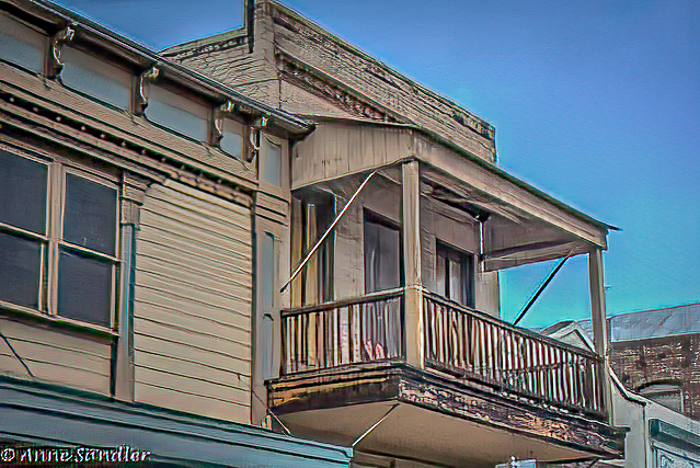
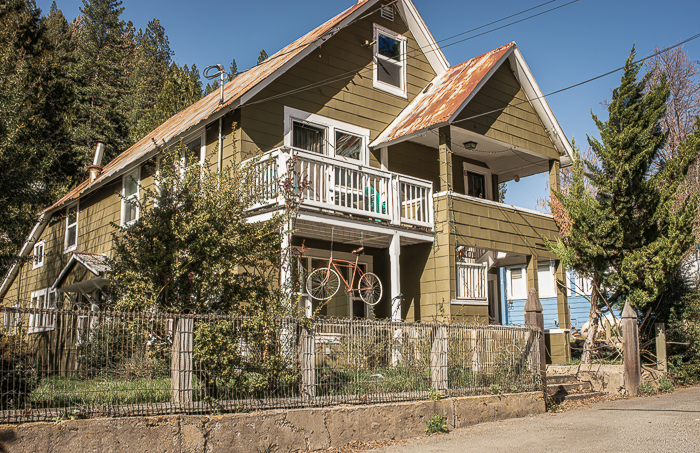
Does anyone remember HDR? It was all the rage 10 years ago. At least it was in Sacramento and Yolo Counties. That was also the time I started doing photography. So I learned how to bracket photos and and process them in Photomatix (The go to program of the day.) to get that painterly look. I’m sure Photomatix would have given me a less painterly look, but that was what we were looking for “in the day!”

I’m bringing this up because looking for balconies in my archives for PR’s Balconies challenge, I realized that most of my photos were HDR images. I also realized that the painterly look made them look soft, or it might have been my skill level at the time.

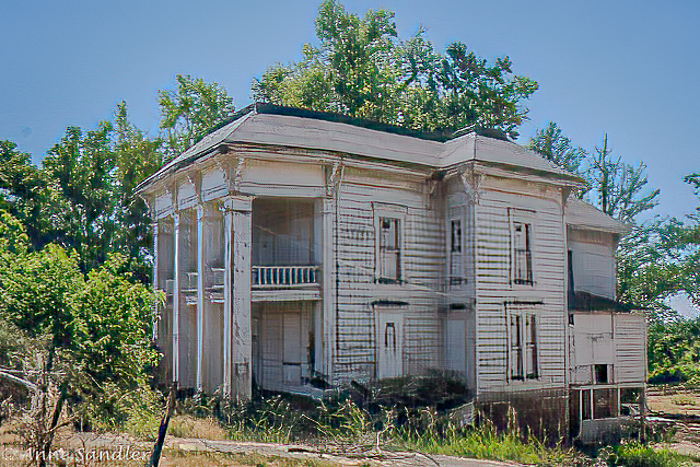
What fun I had reprocessing them, trying to get them to look less like a painting. Here’s the bunch I worked on. All of them were taken in small country towns. Wood structures with wood balconies. Today, I wouldn’t use HDR for these photos. However, Lightroom will process HDR images without the painterly look. I do like the “look” in the last photo.

I did find two images that I didn’t photograph in HDR. The one on the left is our California Governor’s Mansion. I had an opportunity to tour it when they were restoring the home.

Here’s a blurb on the residence from Wikipedia: The California Governor’s Mansion is the official residence of the governor of California, located in Sacramento, the capital of California. Built in 1877, the estate was purchased by the Californian government in 1903 and has served as the executive residence for 14 governors. The mansion was occupied by governors between 1903–1967 and 2015–2019. Since 1967, the mansion has been managed by California State Parks as the Governor’s Mansion State Historic Park.

The house on the right was a house I liked because of the way it was framed and the green trim.

So these are the balconies from the first two years of my photography education. As far as HDR, it’s still useful. I used it when I shot Real Estate photos. I didn’t have any light systems, so I used HDR. I would go in a dark closet, take my three frames, process it in Lightroom and end up with a lighted closet.

Thanks PR for taking me back to the fad of the day when I started photography. When you respond to this fun challenge, please remember to link to her post and use the Lens-Artists tag. And didn’t everyone have fun pairing photos in response to Elizabeth’s Challenge. I was amazed at the varied interpretations that were presented.

And thank you to our three guest hosts: Leanne, PR and Elizabeth. The Lens Artists team will be back next week with Patti presenting the challenge. Be sure to look for her post.

Monochrome Madness #7: Emotions

For me, black and white images convey emotions because they accent texture and light. But not every images can be converted to black and white. So, when I had processed a sunset in color, I thought about converting it to monochrome. I had never taken a beautiful deep colored image and converted it. I always looked for the deep contrasts and textures. This image had those, but I’d lose the beautiful oranges and the sun’s rays. I tried it anyway. This sunset was taken at Gibson Ranch in Sacramento County.

Now for the emotions. A sunset always evokes emotion. Its beauty is calming, put a dad and his son fishing in the image–well, that’s love.

This post is for Leanne’s Monochrome Madness prompted this week by MRS. CLAIRE GUTKNECHT. Visit both sites for beautiful monochrome images.