It’s been a rough time for this blogger. All I can say is don’t get rear ended by a large pickup and trailer. I’ve kept up with my Lens Artists posts but neglected my regular blogs. So let’s pick up where I left off in Lassen NP.
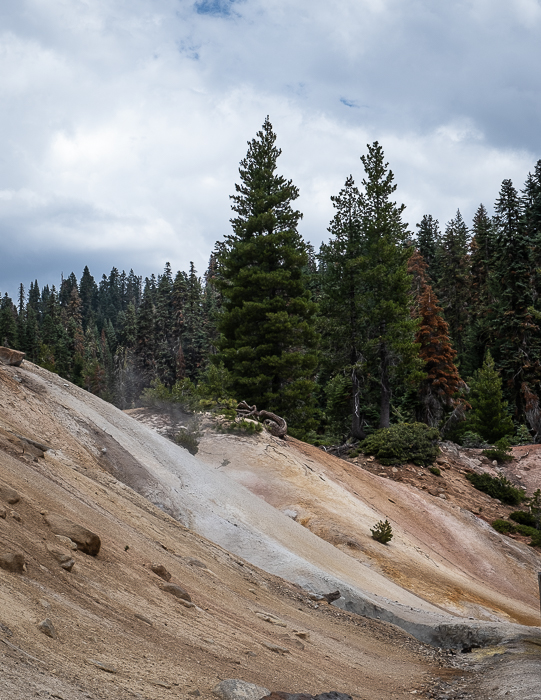
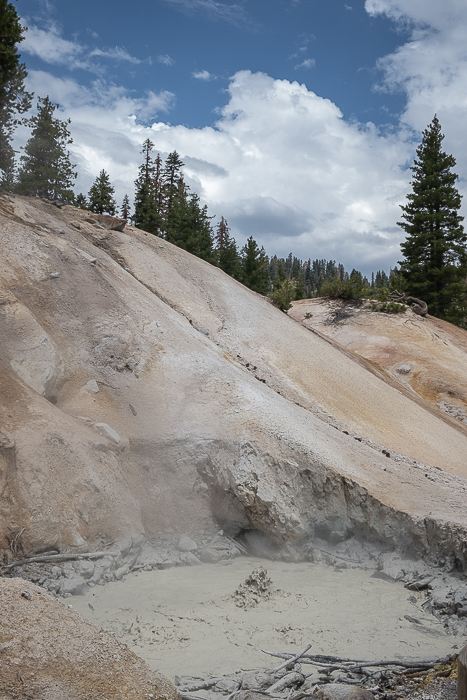
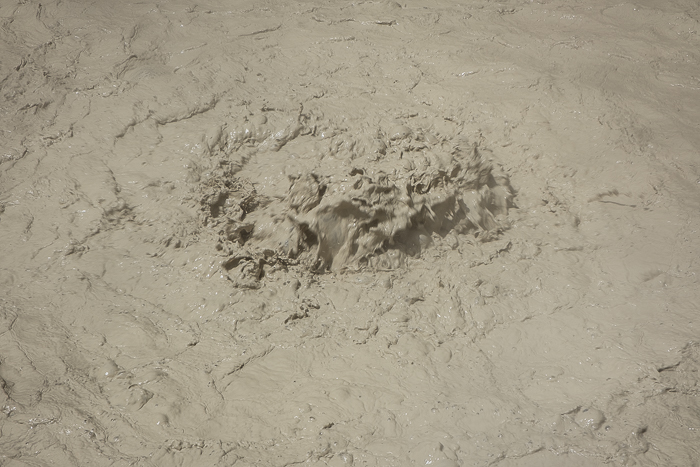
You can’t smell the sulphur aroma, but you can see the bubbles and maybe the smoke coming up. The Sulphur Works “is a vent for the last rumblings of a long-dead volcano and yet it is also reborn each day as forces of erosion and hydrothermal activity continuously alter the landscape. Although named after the chemical element of sulfur—which is a byproduct of the hydrothermal system—the area bears the British English spelling of the word assigned by a pioneer that once laid claim to what was then known as Supan’s Sulphur Works.”
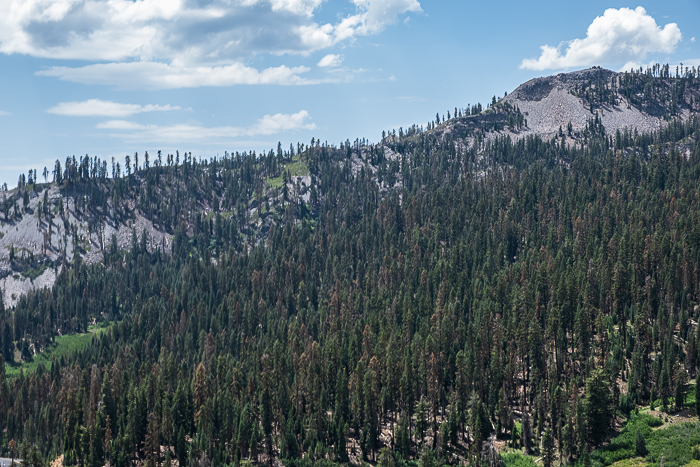
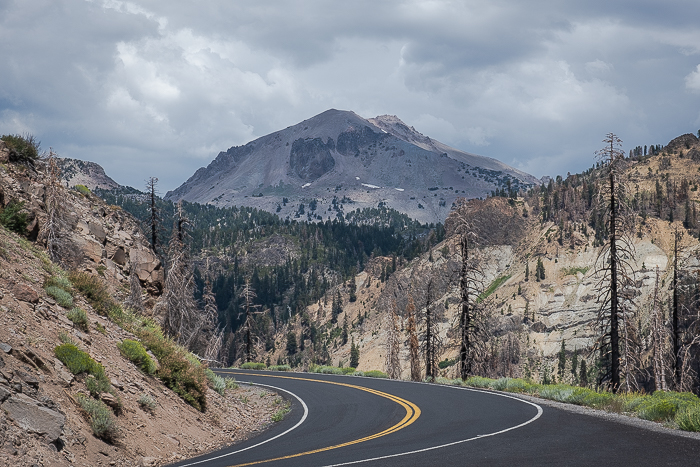
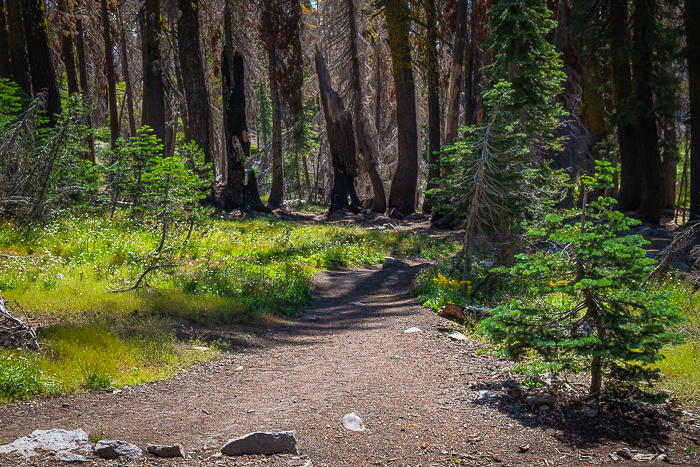
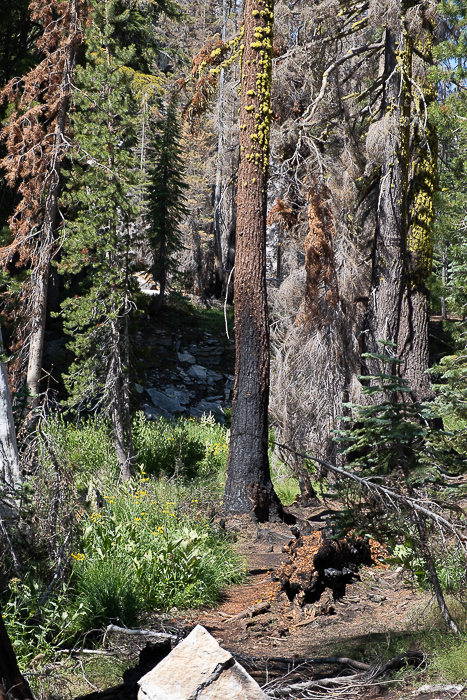
On the way back to our campground near Manzanita Lake, I was able to take a few pictures showing the devastation from the fires. It’s still beautiful and sad at the same time.
I’ll finish up Lassen NP with a short tour of the Devastated Area–not connected with the recent fires, but the eruption of Lassen Peak’s 1915-1916 eruption. The short trail has voice explanations throughout and was interesting. Just push the button and learn!
This ends our visit to Lassen NP. I hope I’ll be able to get out in the trailer soon. In the meantime, there’s a lot to photograph around home.
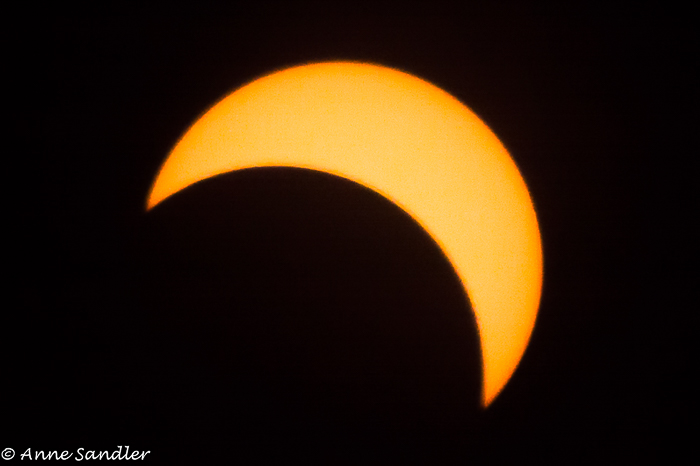
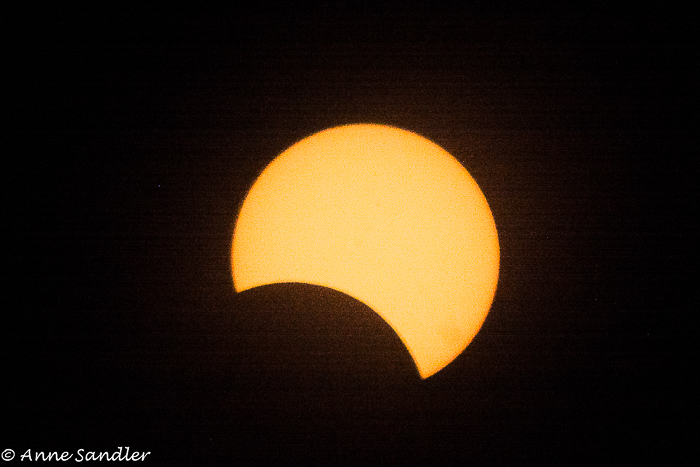
Timing is everything. Amy’s challenge this morning is on contrasts: shadows and light, colors, hard and soft, etc. It just happens that this is the morning of the annular (partial) solar eclipse. We didn’t see much of it in California, but NASA put on a good show for us. Amy, I hope you were able to see the totality in Texas.
NASA gives this explanation of a solar eclipse: A solar eclipse happens when, at just the right moment, the Moon passes between the Sun and Earth. Sometimes the Moon only blocks part of the Sun’s light. This is called a partial solar eclipse. Other times, the Moon blocks all of the Sun’s light. This is called a total solar eclipse. As the Moon blocks the Sun’s light, it casts a shadow on part of the Earth.The Moon’s shadow creates a trail as Earth rotates. This trail is called the path of totality. If you want to experience total darkness during an eclipse, you have to be in the path of totality. In that path, the Moon completely blocks the Sun’s light for a few minutes. It gets so dark that it looks like night time during a full Moon!
So why am I mentioning this? Watching the eclipse unfold on my computer screen, I thought there is no better contrast between the sun and moon during this rare occasion. This took me back to the total solar eclipse Richard and I viewed in Idaho in 2017. That was an amazing experience. We were camping in our trailer, but crowds came in that morning. During the eclipse the crowd went quiet until totality. Then the clapping and yelling started. Wow!
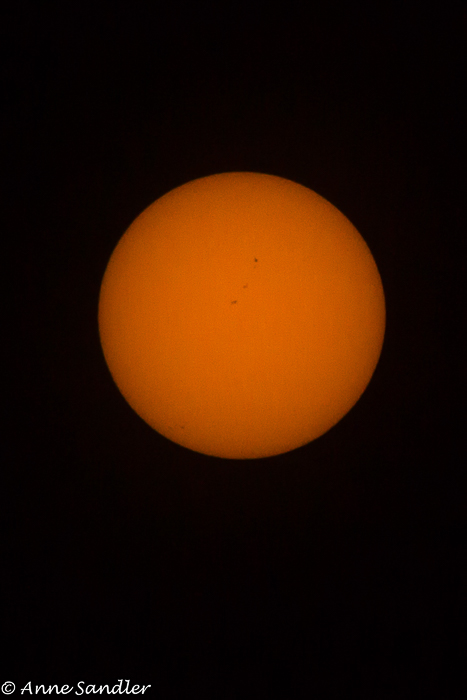
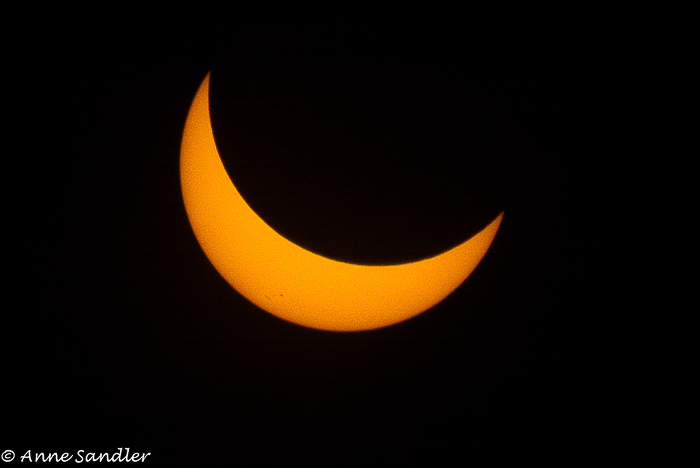
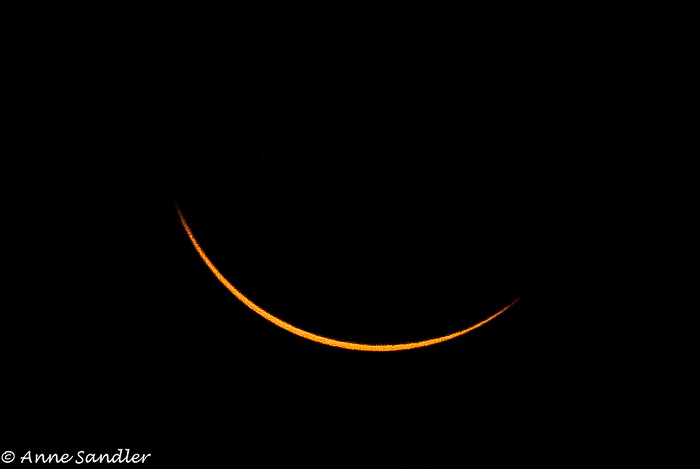
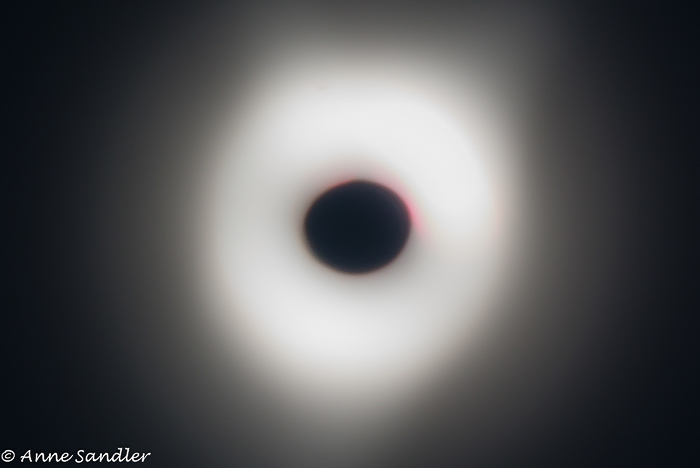
I took pictures with my Nikon D3100, armed with a solar filter, handheld. Here are my results of nature’s contrast of the sun and moon from beginning to totality and the end.
I hope you enjoyed my cosmic contrast scenes. Thank you Amy for encouraging me to look back. When you post your contrasts, please remember to link to Amy’s post and use the Lens-Artists tag. I enjoyed seeing all your varied displays last week as encouraged by Ann-Christine. I always enjoy your unique posts and interpretations to our challenges. Next week John is presenting the challenge so be sure to look for his post.
Once you get over the shock of change and acclimate, it’s not bad. We were getting used to the altitude at Lassen National Park and learning how to deal with it. Dealing with it meant not doing a lot of walking/hiking. Richard didn’t go on some of the trails, and the trails I went on, I didn’t go the entire way.
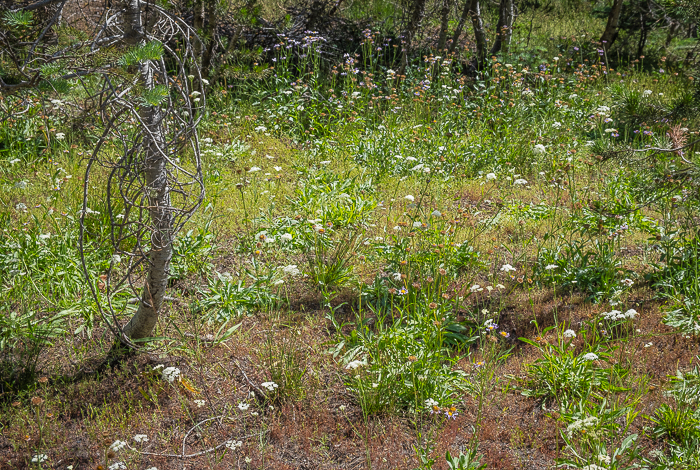
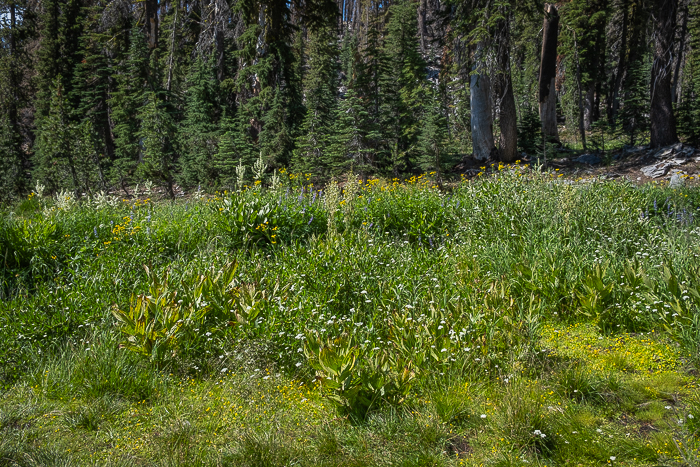
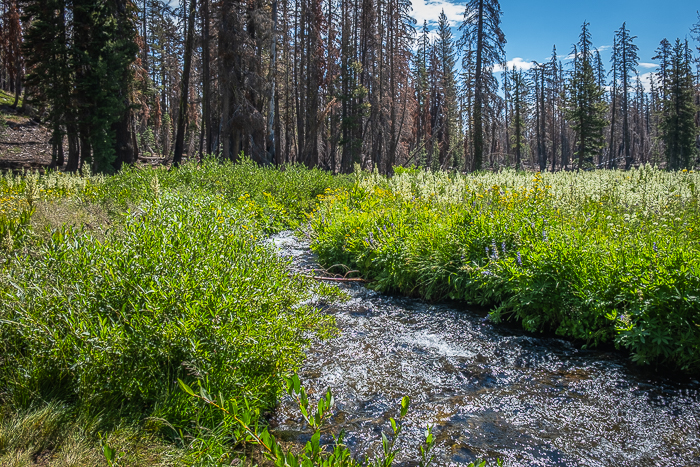
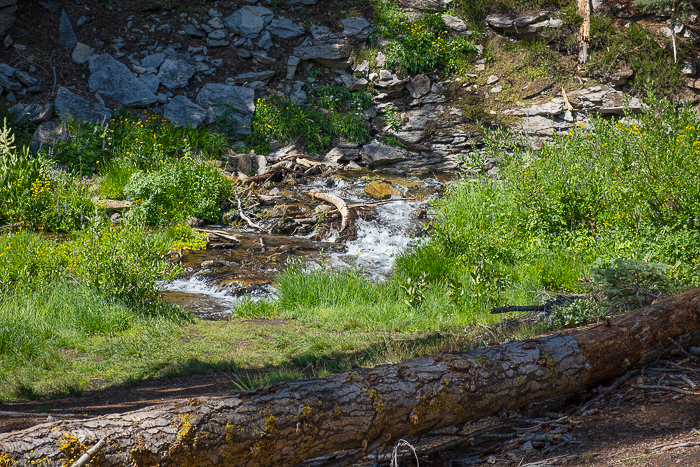
One of the prettiest was Kings Creek. I didn’t make it all the way to the falls overlook. I think I needed someone to cheer me on! What I did was simply beautiful.
At age 80, you sometimes have to make compromises, and this was a beautiful one. More to come!
We can be on edge, meaning we are anxious, frustrated or irritable. In photography, those words can take on a different meaning. This week Patti challenges us to show images that are on the edge and gives us a broad definition.
So I hope my pictures fill the bill.
I’ve looked over the edge of many mountain tops of our Sierra Nevadas, but this beautiful scene is one of the most spectacular–taken from Ananda Village.
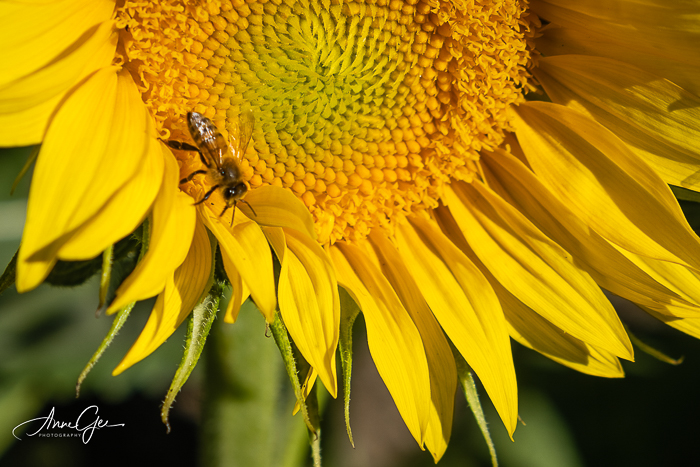
When photographing flowers, we try to get the petals and centers sharp. Sometimes when we take the shot we find wings that are sharp and edgy.
Horizon lines give us a delineation between land and sky. Sunsets make this edge spectacular.
Buildings and windows provide photographers with endless edges. Here we have a large window with smaller edges that together provide an amazing reflection. Taken at Mare Island (a former Naval Base).
Also at Mare Island, a naval ship’s design forms an edge that accents the U. S. Flag.
Sometimes when you get down low, you find a simple mushroom can give you folds and edges. Hint: Don’t lay down on the grass in a senior community. Everybody who passes by asks if you’re okay!
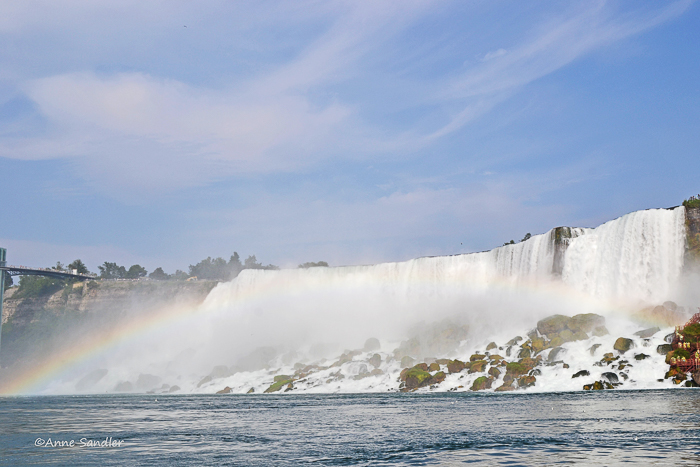
Visiting Niagara Falls was on my bucket list. I was amazed at the amount of water (3,160 tons of water flows over Niagara Falls every second) spilling over the edge of three falls. This picture is of the American and Bridal Veil Falls.
Now for a different kind of edge. This is more of an artistic definition. From Cambridge Dictionary: edgy adjective (unusual). Unusual in a way that is fashionable or exciting.
On a whim, I took a beautiful, colorful lotus blossom and put it in black and white. I thought that gave it an edgy look. It’s become a favorite.
Thank you Patti for this wonderfully edgy trip through my archives. It was truly fun. Remember to link to Patti’s post and use the Lens-Artists tag when you post your reply. Last week Tina had us sharing our favorite images and why we took them. You all had great and varied favorites, and I enjoyed them all.
Next week Ann-Christine will be leading the challenge, so be sure to look for her post.
If you would like to participate weekly in our Lens-Artists Challenge, click here for more info.
You can’t stop change, and sometimes you don’t like it. I was anxious to get to Lassen National Park again. It had been so many years. So I called the national reservation number and made a reservation. I thought I was so smart because I had a map of the campground which showed all the sites. This was great, a pull through site right near the flush toilets.
I was so excited to be camping and not RVing again. When I opened the truck door, the forest smell hit me. Wonderful pine trees. It was going to be great. But maybe not all that great.
The pull through was not on flat land and there was no ranger in sight. All the sites had reserved signs on them. We had difficulty getting in and out of the trailer because the campsite was steep. We assumed that all the campsites were taken because they had the reserved signs. So we were stuck.
Since I have a few days worth of photos, I’ll continue my rant in part 2. In the meantime, here are some pictures of the Lily Pond trail located at one end of Manzanita Lake. I didn’t go all the way because the altitude was bothering me.
I don’t want you to think that I’ll be complaining throughout this series. We had a great time and there’s more to come!
We take pictures for different reasons. Sometimes we see something that strikes an emotion, maybe we see a great composition, and sometimes we see something funny. This week Tina is asking us to tell her why we’ve chosen our images.
My images today are ones that I’m emotionally attached to and they are mostly from my early days of photography. I’m hoping that they are technically good also! I haven’t re-edited them. So let’s start.
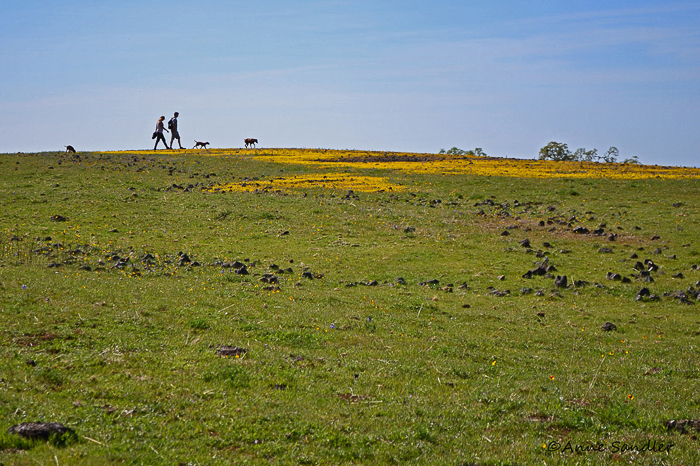
This was taken during one of my first outings with a club in 2013. I thought I was over the flu, but half way hiking to the falls at Table Mountain in Oroville, I got tired and knew I was in trouble. I yelled for my friend to throw me her car keys and turned around. Half way back to the car, I sat down to have lunch. While munching on my sandwich I saw a couple and their dogs, in silhouette, walking along the horizon line. This was taken with my Nikon and an 18-140 mm lens. Yes, I cropped way in. I may not have gotten a water fall image, but I thought this was an opportunity too good to miss. When I got back to the car, I slept until woken by my friend.
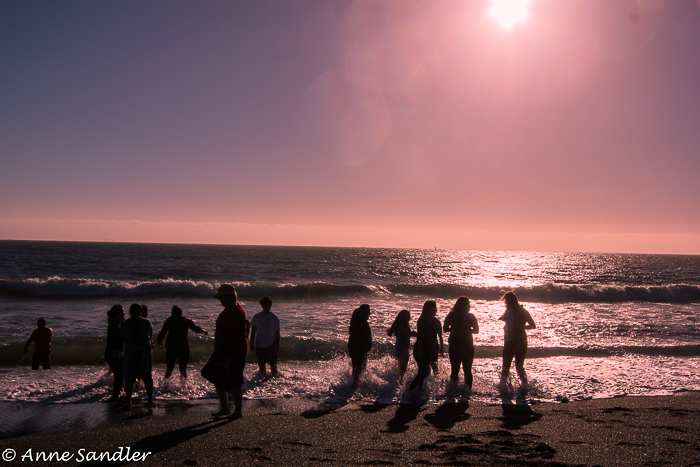
Next, let’s travel to the Marin Headlands, 2014, on the California Coast. This was an evening outing with another group. I never took a photo course, but asked other photographers a lot of questions. This was my first time catching a sunset on the ocean, and I was asking a lot of questions! This picture taught me about color, lighting and catching people in partial and full silhouettes. I think I was using the old stand alone Lightroom at the time and may have known about working with color. Other than that, this image didn’t get a lot of editing. It was also taken with my trusty Nikon.
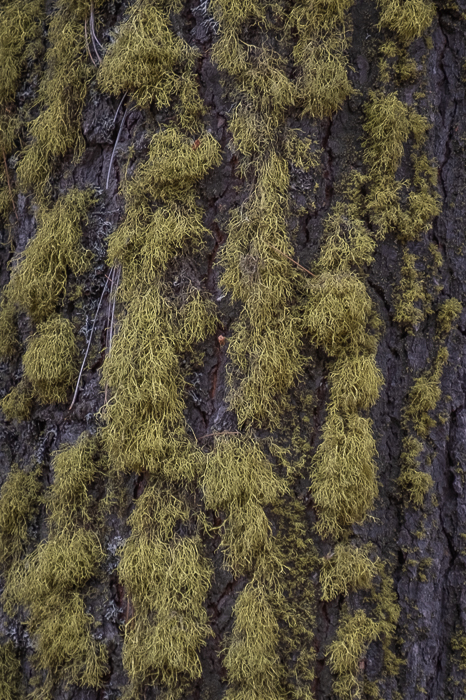
Moving along to 2015 and a fun outing to photograph mossy trees. This memory is more about the fun we had. We spent a lot of time hunting for the trees and finally found a grove of mossy trees. However, we were out in the wine country and there were no public bathrooms around. We drove up to a winery only to be told they didn’t have public restrooms and they weren’t open unless you booked a wine tasting. We finally persuaded them to let us use their restroom. Beth bought a $20 bottle of wine as a thank you and wouldn’t let us chip in on the purchase. I’m hoping she enjoyed that wine. I chose this image because of the shapes of the trees. My challenge at that time was cropping the picture correctly. You’ll let me know if I did okay.
This next picture, taken in 2016, was pure fun. This eagle was on a tree limb that stretched over the road at the Sacramento National Wildlife Refuge. In order to get this image, I had to climb up and out (waist high) of Laura’s sun roof. She had slippery leather seats that I kept sliding down on. With her encouragement, I did it! The look on that eagle’s face is telling me that he was wondering what I was doing and why! Still Nikon.
The second is one I call Capitol Moon. This was taken when the moon was huge and we were positioned at the end of the Capitol Mall in Sacramento. The original showed the whole building, but I thought with the moon so close to the dome, this crop would work better. Did I guess right?
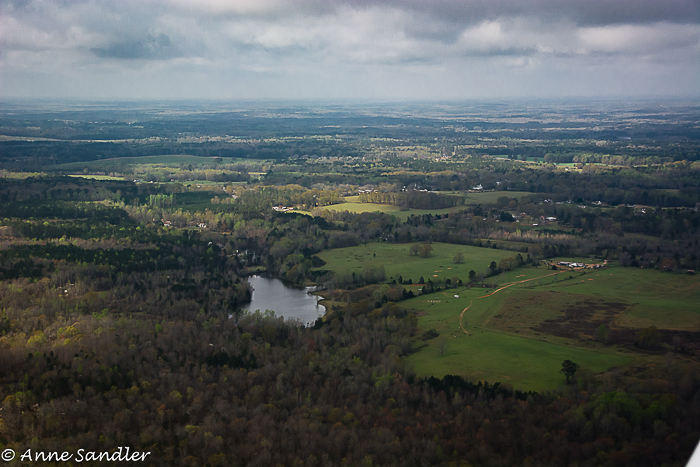
Last is my first ride in a two seater plane. My great nephew had just gotten his pilot’s license and offered to take me up. His dad flies for Delta so he’s no stranger to flight. I think he was graduating high school. I had a blast. I asked him to take me into the clouds, but he said he wasn’t licensed to go that high. Darn! Atlanta from the sky.
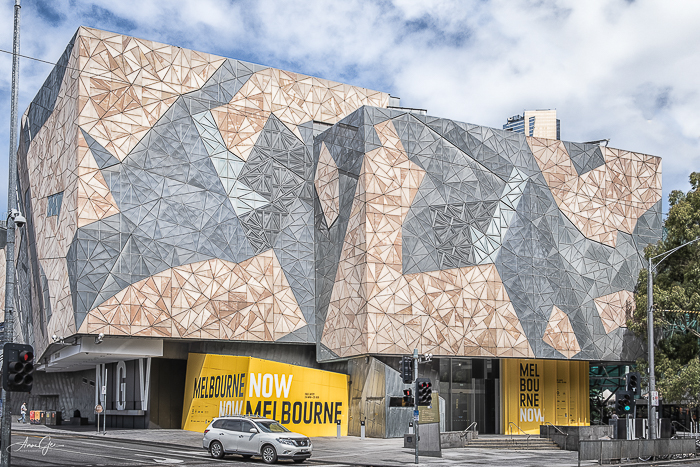
Last we go ahead to this year and my trip to Melbourne. I fell in love with the architecture. And, of course, touring the city with Leanne Cole made the trip more exciting. I chose this because of the design and art of the structure. I want to go back and take more time with it. Taken with my Fuji XT3.
I hope you enjoyed my emotional journey. Thank you Tina for prompting me to take this path. Remember to link to her post and use the Lens-artist tag when you prepare your post. And thank youEgidio for last week’s RECHARGE challenge. I enjoyed seeing how all of you relaxed and rejuvenated. Next week Patti will be leading the challenge.
When you’re a suburbanite, driving on various country roads that are labeled County Road __ or __, can be confusing. And you can never count on your GPS to get you there. That’s why I appreciate directions given by the organizers of the Yolo Arts & Ag visits! The visit to the Pollock Farm in Woodland was no exception.
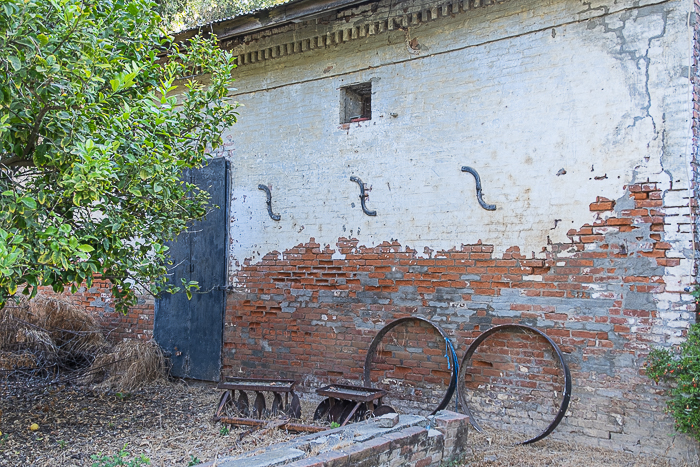
Fortunately, we only had one wrong turn. This farm is 137 acres of olive trees. The owners Lynnel and Herb Pollock have left the original structures dating from 1861 – 1872 to decay at their own pace, giving photographers and artists a wonderful opportunity to capture those times. They live on the property in a 1950s house.
Here’s a glimpse of what we saw.
An artist chatting with a photographer.
I love how carefully the wood is chopped and stored in this last photo. Might we expect a cold winter? That would be great!
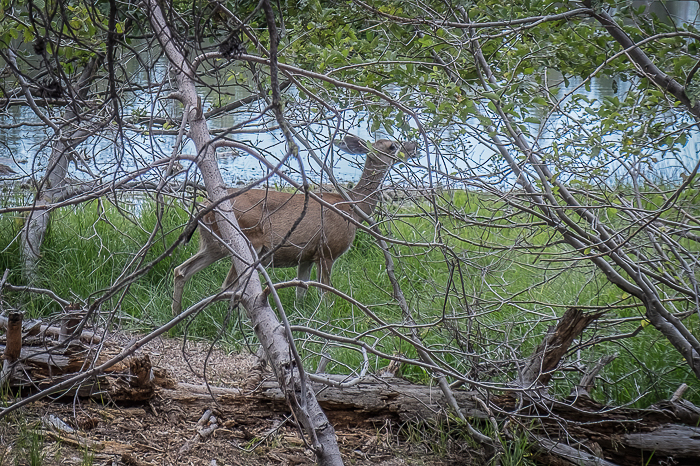
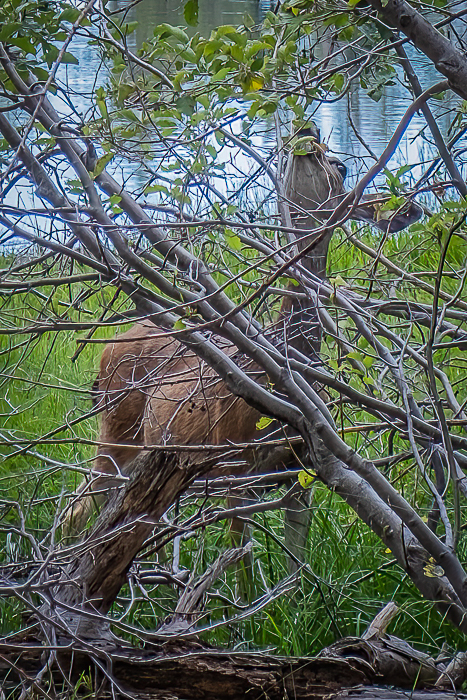
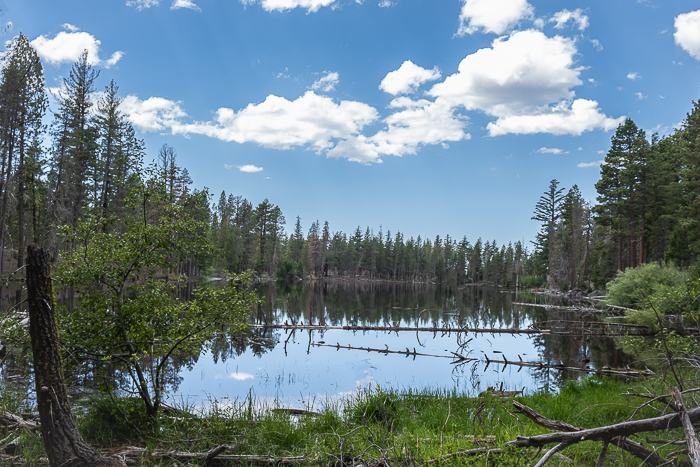
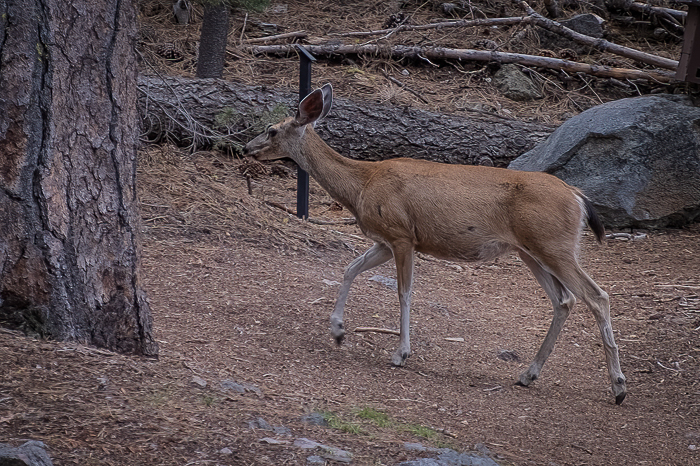
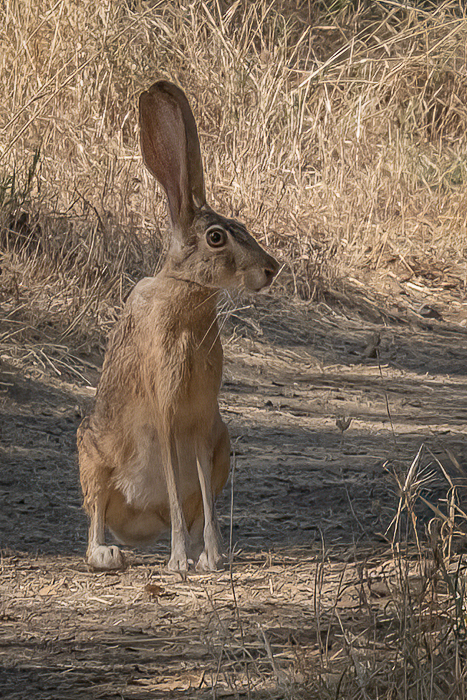
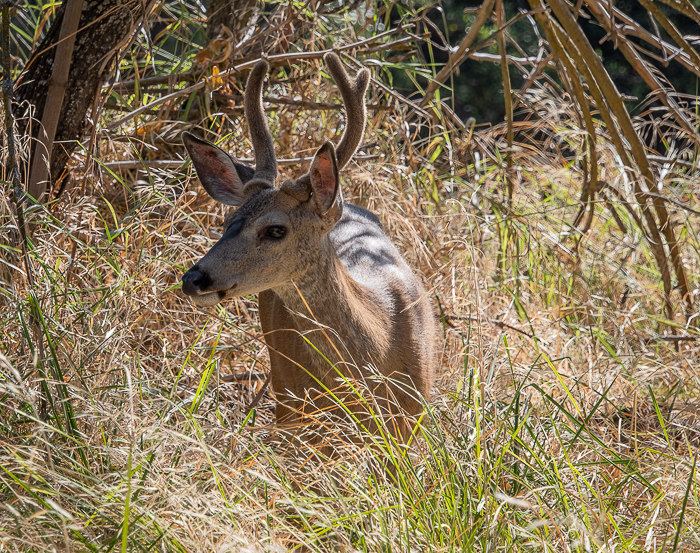
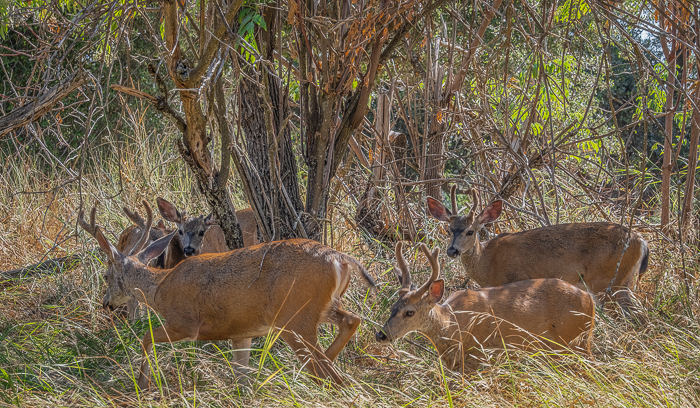
It’s nature at its closest: Effie Yeaw Nature Center. This amazing place is on the American River in Fair Oaks, about 15 minutes from my home. This Sacramento County Park has a visitors center and bathrooms near the center. Other than that, it’s up to Nature to make changes. Sometimes when we visit, there are no deer in sight and other times: WOW!
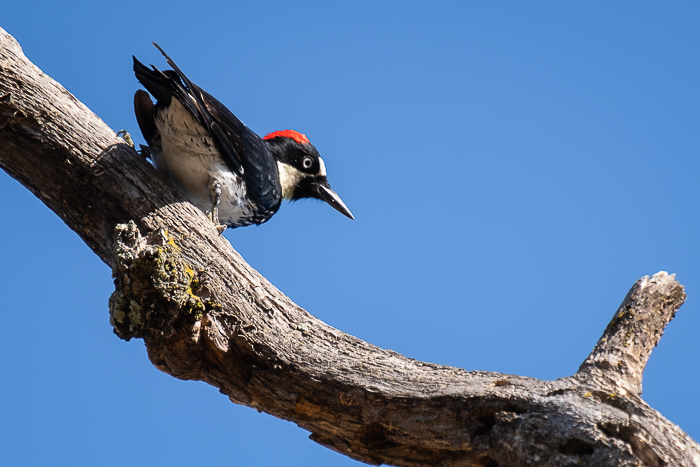
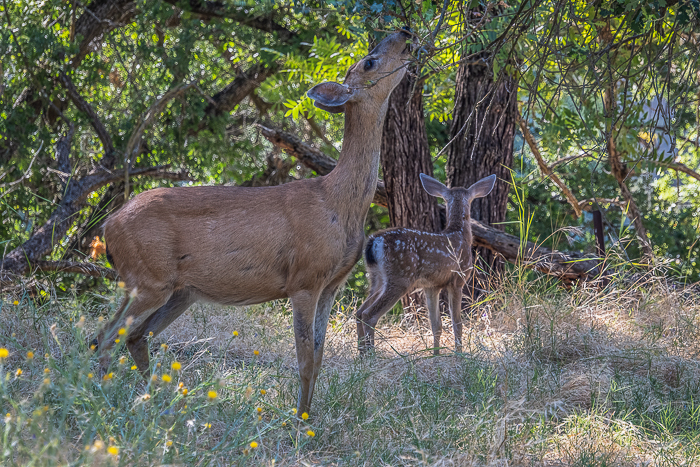
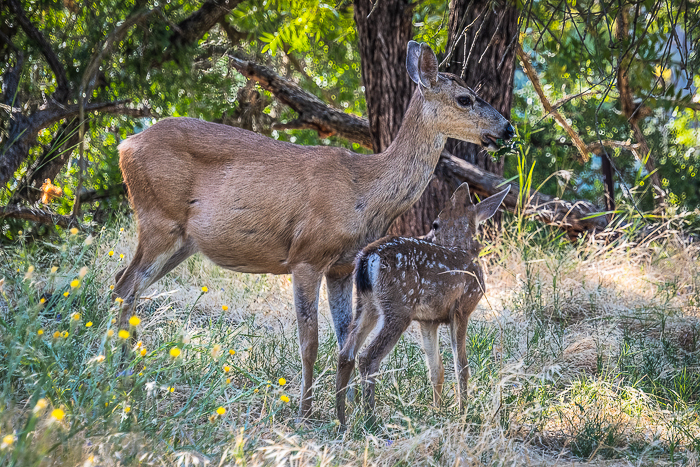
Our visit in August was one of those WOW moments. We saw many moms, their fawns and young bucks. I also got a good shot of a woodpecker and two of the American River.
WoodpeckerWhat’s she thinking?A Jack RabbitAmerican RiverAmerican RiverOlder buck
The deer at Effie Yeaw are used to us humans walking by, but we are still careful not to get too close. It’s all about respect and that this is their home we are walking through.
Is monochrome black and white? Is black and white monochrome? You may be surprised at the answer. I was after I did some research. Here’s what I found.
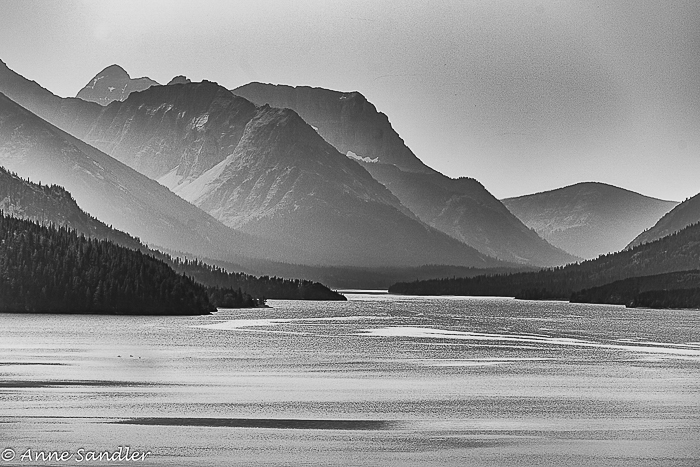
Black and white is the result of only using black or white and shades of. The shades of meaning grayscale. Here are some black and white photographs.
Monochrome photos contain variations of only one color and nothing else. Meaning, different shades of one color like blue, red, green, etc. Here are some of my examples.
Now here’s something I learned from my research. Since black and white photos contain variants of the color gray ranging from absolute black to absolute white, all black and whites are monochrome images. But not all monochrome, by nature of their dominate color are black and white photos.
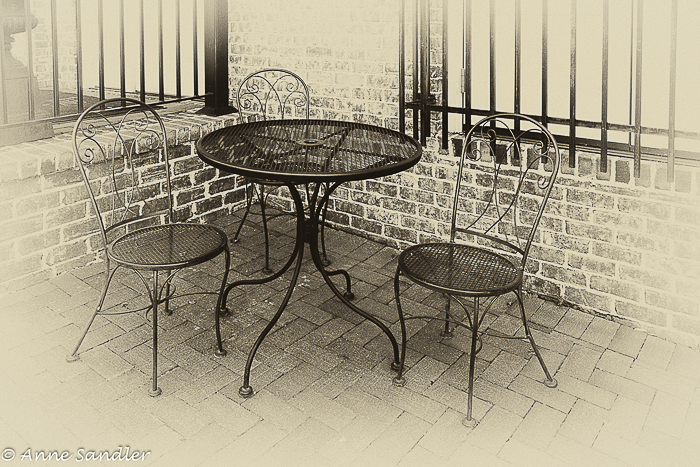
Here are some of my photos shot in color, converted to black and white and then I added a sepia tone. This process puts them in the monochrome category.
How do you shoot black and white images? My research suggests that we shoot in color, so we get the additional tonal range that color provides. Then convert your photos to black and white when you process. I photograph in color. If I see a great deal of contrast, I use Lightroom to take a quick look at how it would look in black and white. Then I edit in NIK Silver Efex.
There’s so much more to editing black and white images, but let’s save that for another post. Here are two of my favorite black and white images.
Are you ready to show off your black and white or monochrome images? I’d like to see them. Did you shoot them in color and how did you process them? When you post, remember to link to this post and use the Lens-Artists tag so we can find your wonderful images.
I enjoyed seeing all your photos using primary colors. Sofia gave us such a fun challenge. Next week, Donna will be challenging us. Be sure to look for her post.
If you would like to participate weekly in our Lens-Artists Challenge, click here for more info.
I’m certainly drawn to color. Red especially. So, it delights me that Sofiapicked this topic as her challenge this week. On Monday, I was rear ended by a large pickup truck, so I’ll keep this short and sweet. I’m okay.
Red. Let’s start off with my favorite:
Next yellow:
Blue:
I’ll end with some colorful photos:
Thanks Sofia for bringing some color into my life when I need it! Much appreciated. Please link to Sofia’s post when you publish and use the Lens-Artists tag. I totally enjoyed your responses to John’s topic of Faces in the Crowd last week. There was some great images and street photography. I’m up next, so look for my post. Until then, stay out of the way of pickup trucks especially when you’re sitting still at a stop light! Stay safe.
If you want to know more about the Lens-Artists Challenge, please click here.

























































 Slow Shutter Speed