Terri of Sunday Stills wants us to celebrate The Summer Solstice which arrives this Thursday, June 20 by posting sunrises and sunsets. So here goes!
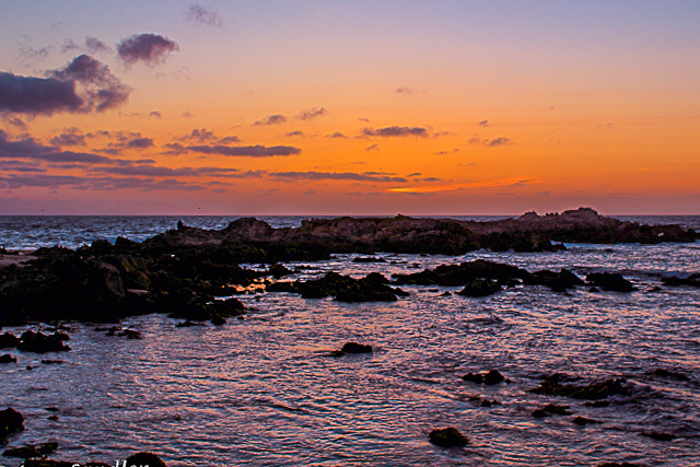


Have a happy Summer Solstice!
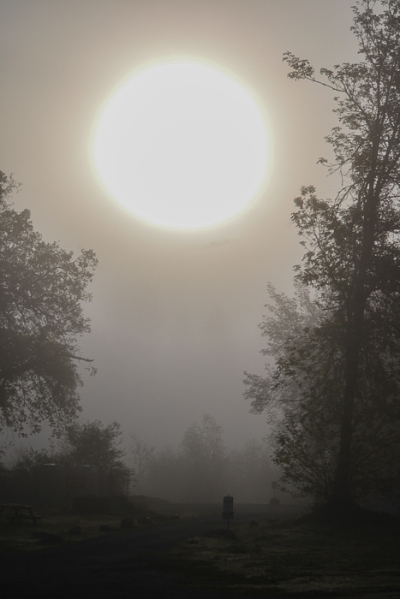
Terri of Sunday Stills wants us to celebrate The Summer Solstice which arrives this Thursday, June 20 by posting sunrises and sunsets. So here goes!
Have a happy Summer Solstice!
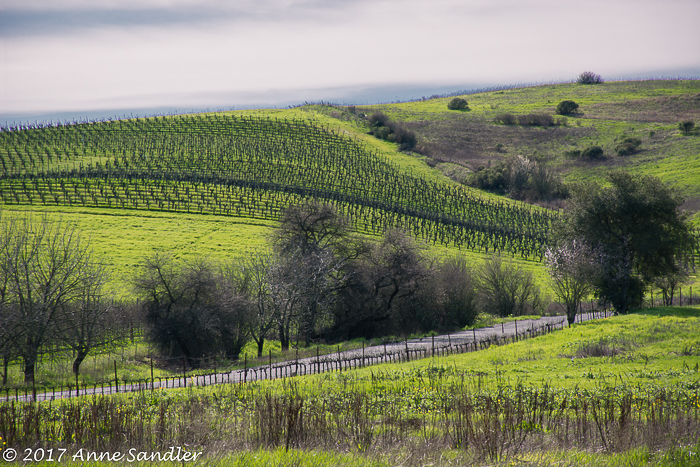
Composition can make or break a photograph’s impact for the viewer. I always take the time to compose an image in the camera, but never really concentrated on why. In this week’s challenge Ritva explains why the background is an important component of composition. She explains that the background sets the mood and context of the image.
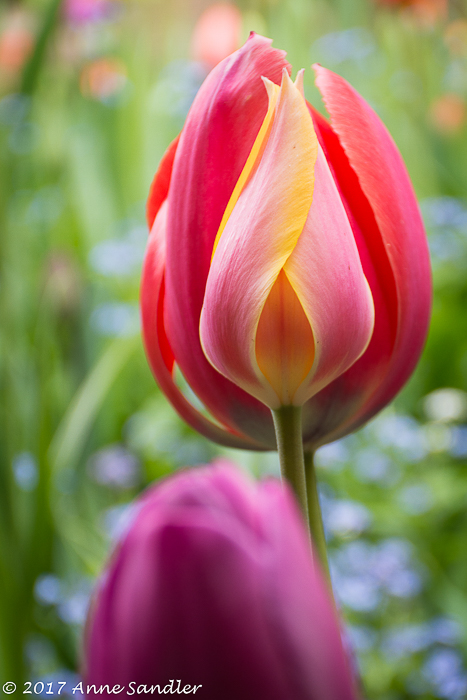
If you follow my posts, you know I love to create macros. In doing a macro, I’m setting the background to be soft and blurred, helping my subject (usually a flower) stand out. Sometimes the foreground can also be softened like in the tulip below. There’s no doubt as to the images’ subjects.

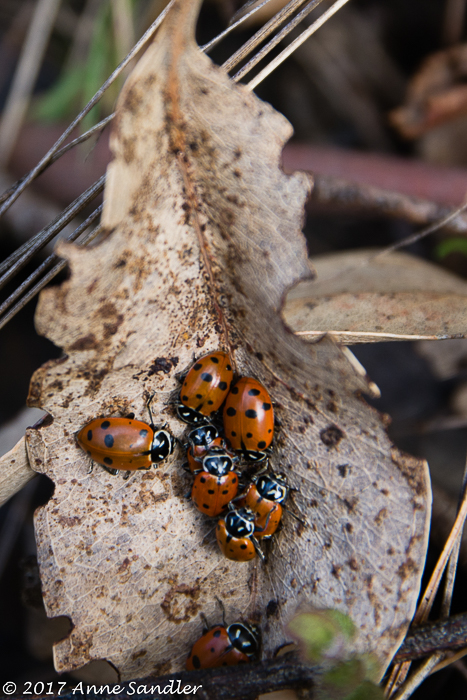
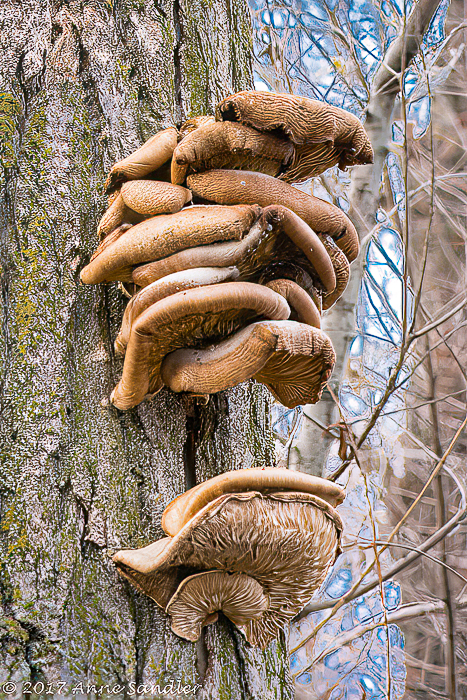
But sometimes a simple soft focus will be enough to spotlight a subject. In the images below, there is just a slight bokeh on the background–just enough to have the viewer’s eye go to the ladybugs on the leaf and the mushrooms attached to the tree. In these instances, I thought it was important that you understand the environment as well as having the subjects stand out.
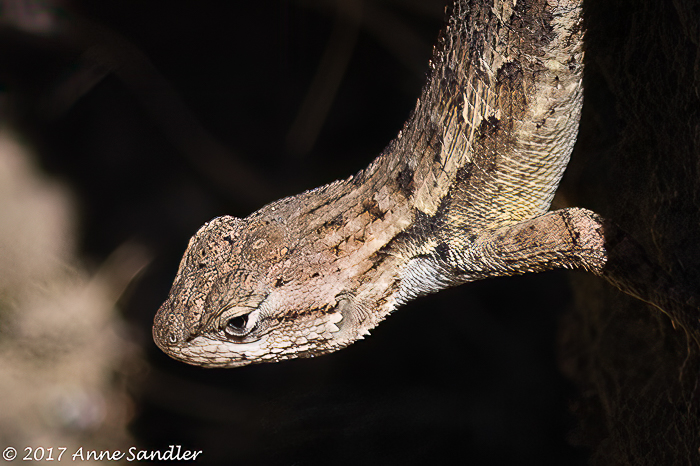
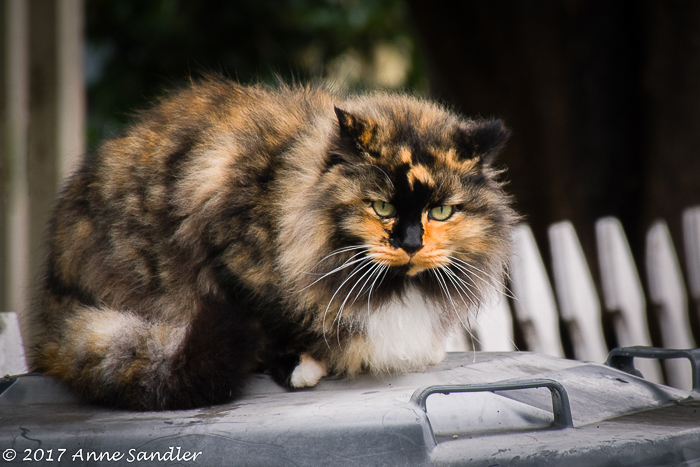
Ritva also suggested that a black background and complimentary colors can help the subject stand out. The neutral colors of the lizard against the black along with the blurred flower help it be noticeable. The cat’s patchy orange face and coat are a stand out against the dark background and white midrange fence. And his yellow eyes are sure sending a message! I’m not going near that garbage can.
Negative space also sets the stage for viewer interpretation. These cormorants, one posed on a branch and the other in flight, attract attention on even a dull day because they make up most of the image with no background to interfere.


My next example needs the fore, mid and background in focus to tell its story of beauty, nature and serenity. What do you think?

Light is my last example. This is of the Sun Dial Bridge in Redding, CA. When it’s lit up at night it is spectacular. At the end, it is an actual sundial. During the day, it’s not as beautiful. If you are ever visiting northern California, near Redding, you have to visit it. It’s a walking bridge made of glass.

Now, thanks to Ritva, I’m aware of why I compose the way I do. And I’ll be more inclined to think of backgrounds as I am composing. When you respond to this challenge be sure to link to Ritva’s post and use the Lens-Artists tag.
Last week Donna had us concentrating on connections. It was a great exercise and I enjoyed seeing all your contributions. We connect on so many different levels. Next week, Egidio challenges us. I wonder what he has in store for us. Be sure to look for his post.
Have a wonderful photo week and stay safe!
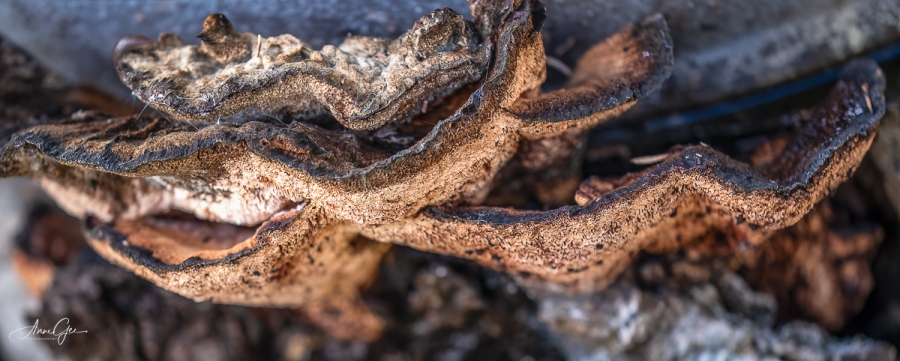
I’m offering this photo for Terri’s Sunday Stills Pastels Photo Challenge on a Tuesday and it’s not a pastel. It’s more earthy–a mushroom. I like its colors and shape as it clings to a tree.
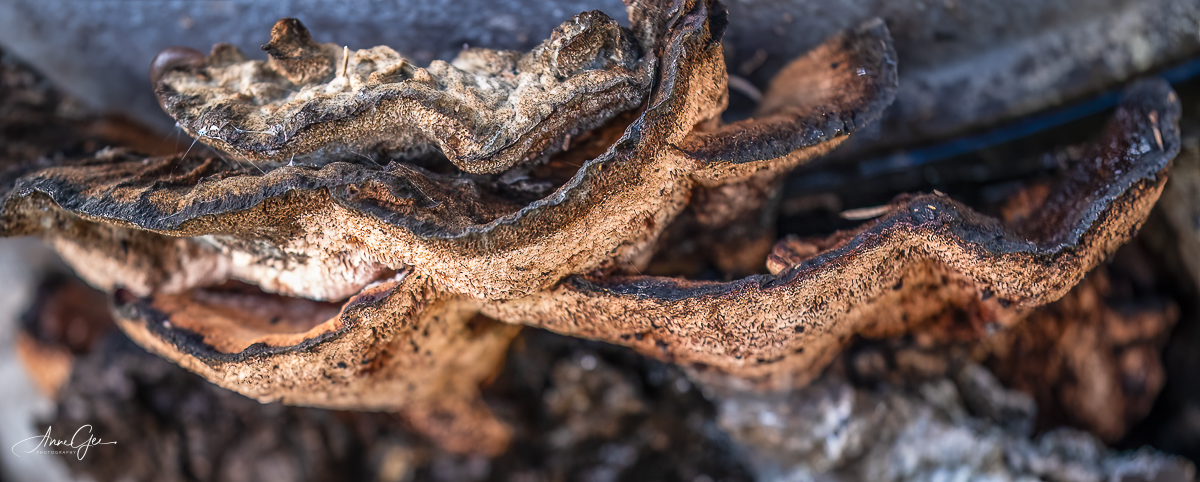
I’ll try to do better next Sunday!
Every day we connect with people and places; some stronger than others. I’m the type of person who needs those connections. Right now, my old dog is resting near me as I type. Just having that connection comforts him. And, yes, his presence comforts me.
This week, Donna wants us to explore what connections mean to/for us. Since I retired 10 years ago, photography has connected me to wonderful people, some who have become great friends. I’ve also become a member of PSA and one of its chapters and clubs.
I’ve learned so much through workshops from the Gold Rush Chapter and the Sierra Camera Club. This image was featured in the PSA June Showcase.
Some other connections.
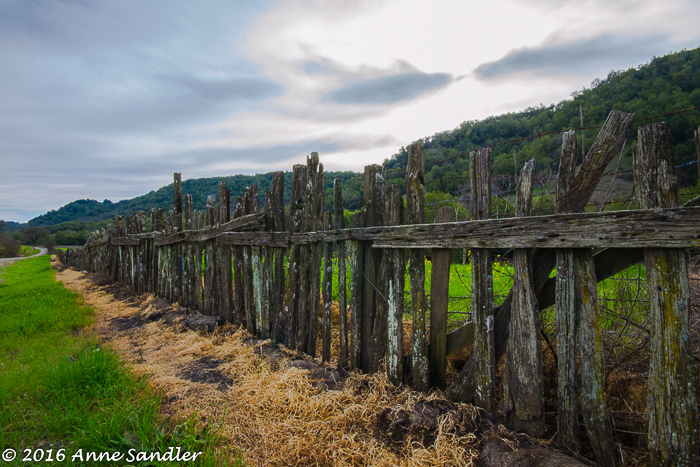
Fences are individual boards made of wood, steel, plastic etc. that are all connected together. Once connected, they separate one side from another, keeping people or animals either in or out.
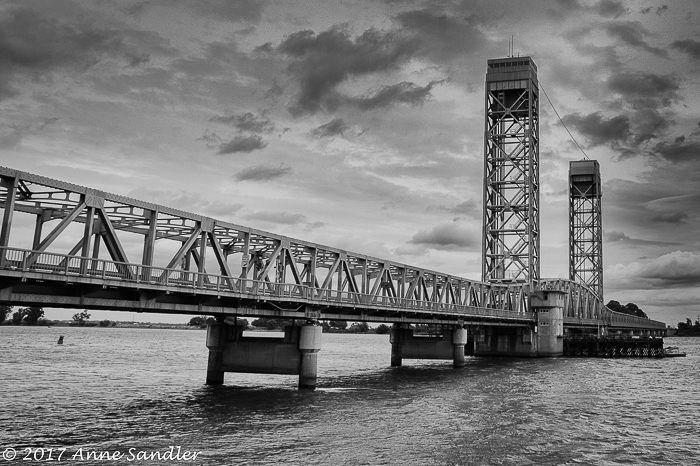
Bridges connect one side to another. They come in all sizes, go over rivers, streams or even land.
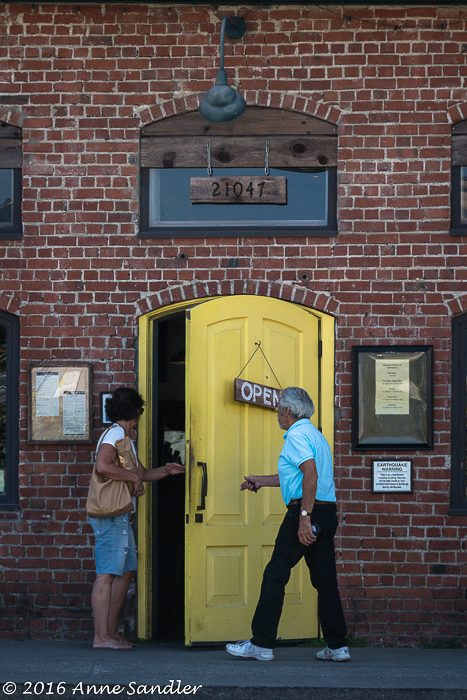
Doors connect us to what’s inside or back out.
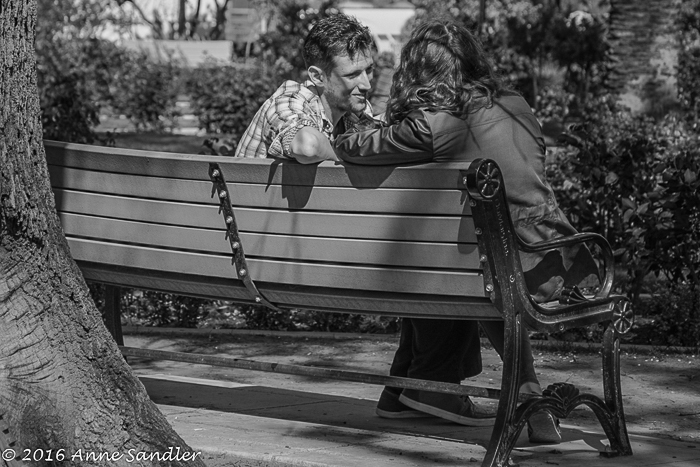
A park bench is a great connector. It helps connect people to their thoughts or nature, friends to each other or sweethearts to further discovery.
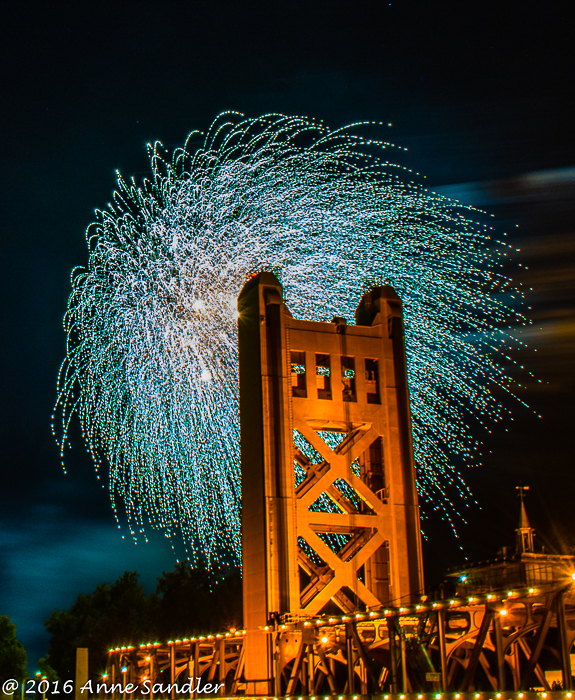
Holidays, fairs and celebrations connect us to fun, enjoyment and each other.
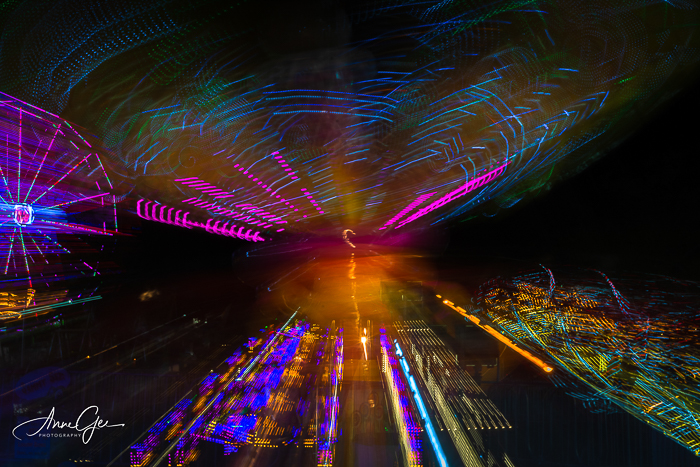
We don’t have to look far for connections. Just say hello and smile to a stranger–you’ve connected. Thank someone for helping you or ask for help–you’ve connected. And my dog, Gem, would suggest that you pet your animal so you can connect with unconditional love and loyalty.
Thank you Donna for reminding us that connections are important to all of us. Look at how we have all become virtual friends through LAPC. Remember to link to her challenge when you post your response and please use the Lens-Artist tag.
John certainly presented us with a great learning experience last week. I enjoyed seeing all the various responses from our community. Ritva is presenting our next challenge, so be sure to look for her post. Until then stay away from monster colds, make new connections and stay safe.
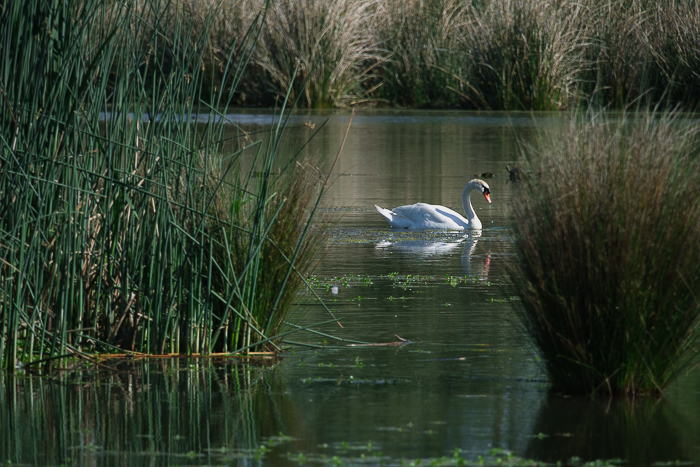
I was excited when I first read John’s post on AI because it’s something I wanted to become familiar with–maybe not use fully, but become familiar with. Two things I didn’t count on were: 1. my technical inability and 2. catching the worst ever cold.
This cold has me with a fever and typical cold symptoms. So my lack of technical ability is made worse by my fuzzy thinking right now. But I’ll persist on.
I’ll admit to using AI when I take unwanted things out of a picture and doing a sky replacement. However, I found early on that I don’t have the artistic ability to do a sky replacement correctly, meaning the light source in the sky has to follow through to the ground.
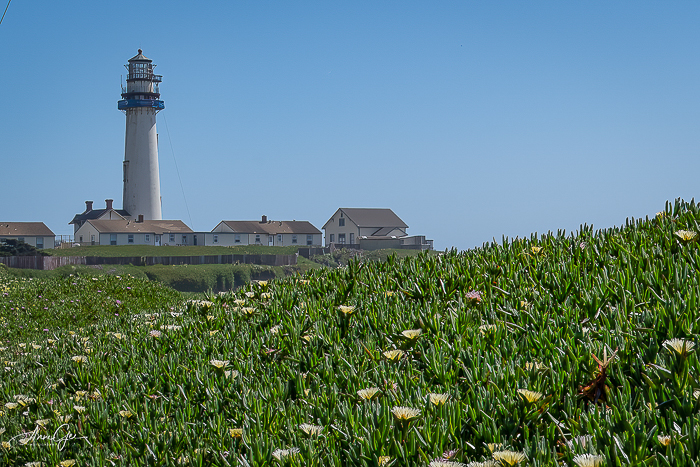
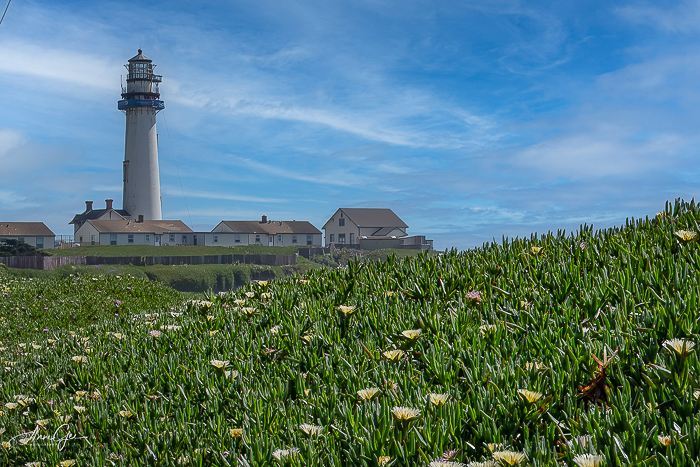
I didn’t see any distinct lighting in this sky replacement so maybe I’m okay.
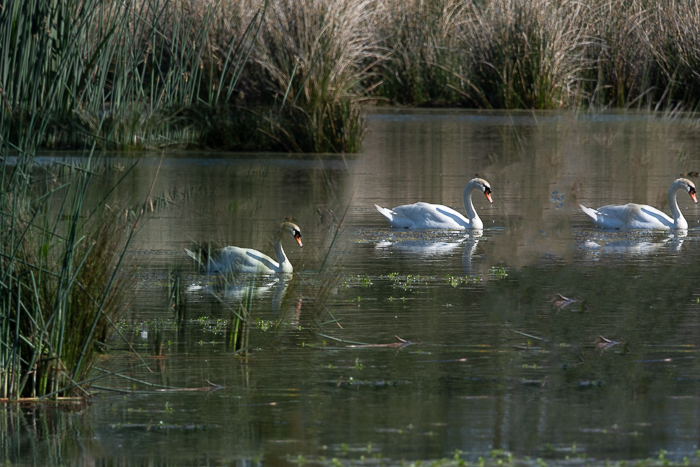
Lightroom Classic has just come out with some new AI features like Content Aware. So I figured how could I miss with my favorite LR. My goal was to take out the bush to the right of the swan and increase the water in the lake. But, I ended up with three swans a swimming. I don’t know how that happened. I was really too sick at the time to figure it out.
Then I heard that WordPress would do AI when given a prompt. So for my first prompt I asked for a swan in a lake just showing the lake. My second prompt was for a lighthouse just showing the cliffs and wildflowers. AI wasn’t listening too well.
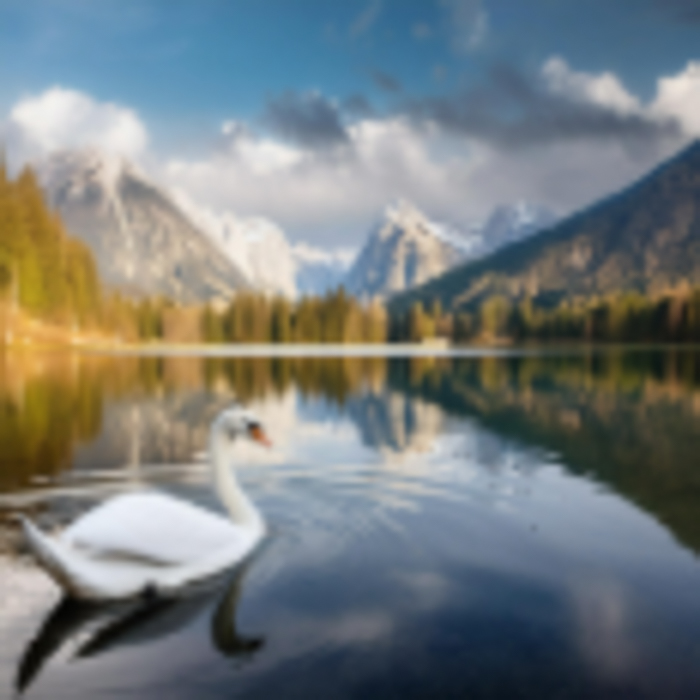
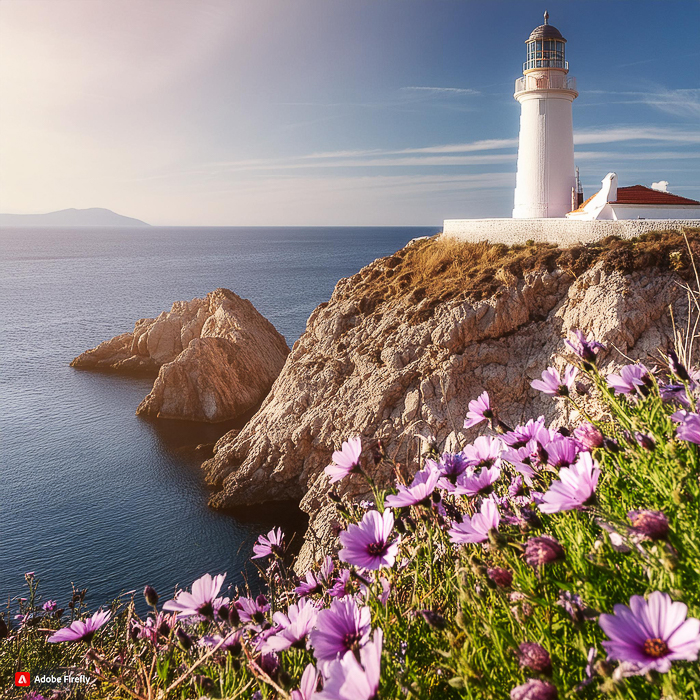
You can’t say I didn’t try! I’m not too fond of AI beyond simple edits. After all the great photographers dodged and burned their way into producing amazing images. But when you can create full images just on a simple command, I don’t think that’s entirely right. If you do use AI beyond simple edits, please say so. You don’t have to worry about me doing that; I haven’t really figured out how. I don’t think I want to.
If you haven’t responded to John’s challenge yet, please link to his post and use the Len-Artists tag. I enjoyed seeing all your beautiful floral post last week and look forward to seeing what Donna has in store for us tomorrow.
Take care everyone and stay away from this cold!
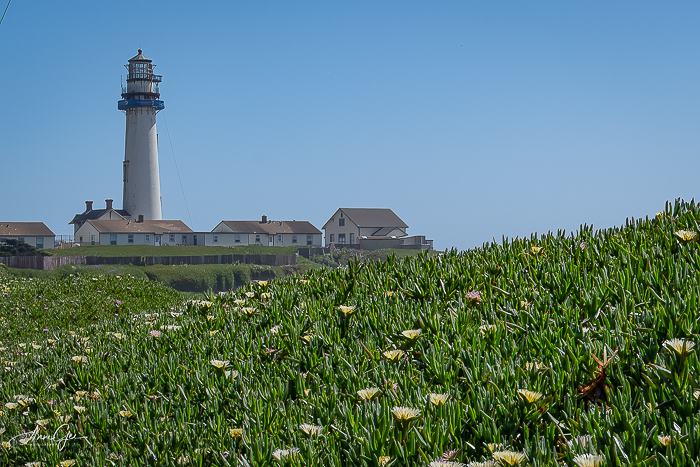
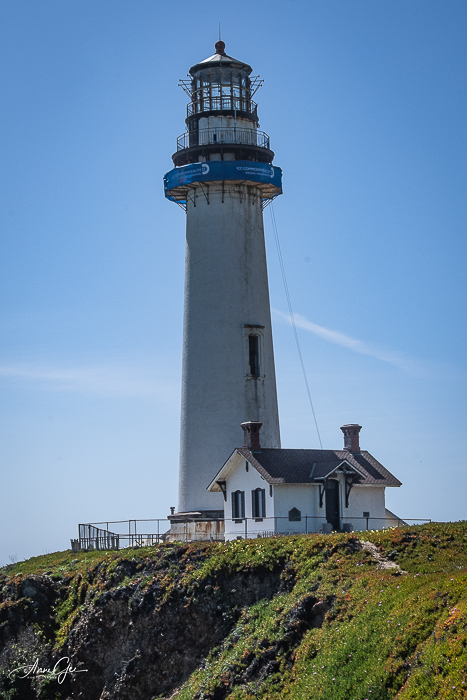
Between Santa Cruz and Half Moon Bay is the Pigeon Point Light House.
Although we couldn’t get close because of renovations and repairs, here’s a brief history taken from its website.
The 115-foot Pigeon Point Lighthouse, one of the tallest lighthouses in America, has been guiding mariners since 1872. Its five-wick lard oil lamp, and first-order Fresnel lens, comprised of 1,008 prisms, was first lit at sunset, November 15, 1872. The lens stands 16 feet tall, 6 feet in diameter, and weighs 2,000 pounds. Now on display in the fog signal building, it sat in a lantern room constructed at the Lighthouse Service’s general depot in New York before being shipped around the Horn. Although the original Fresnel lens is no longer in use, the lighthouse is still an active U.S. Coast Guard aid to navigation using an automated LED beacon.
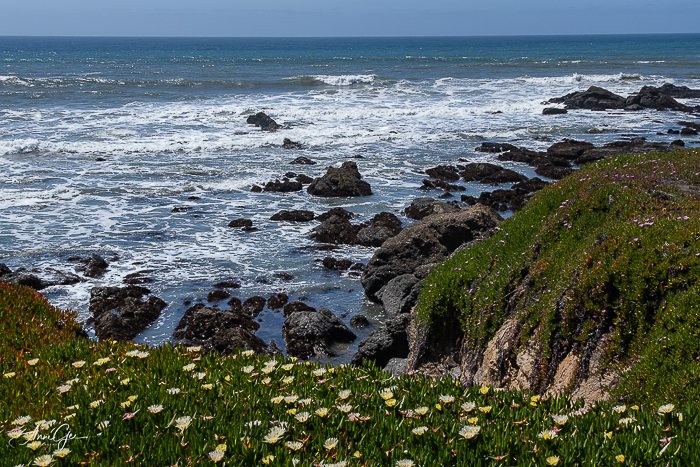
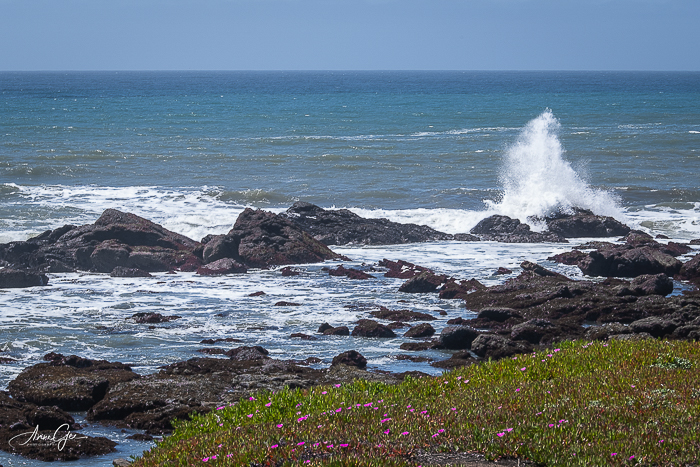
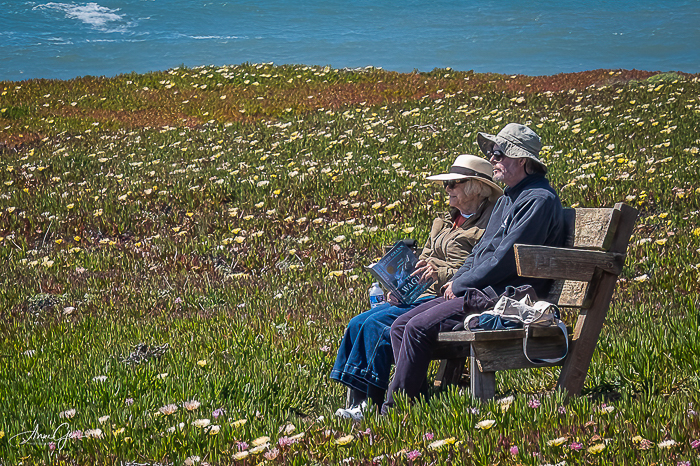
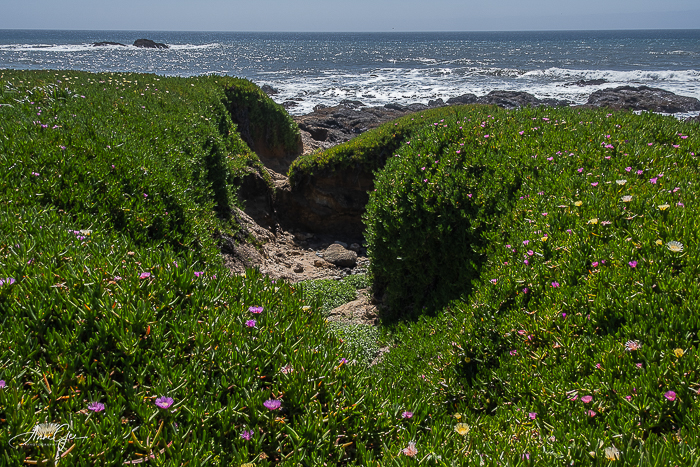
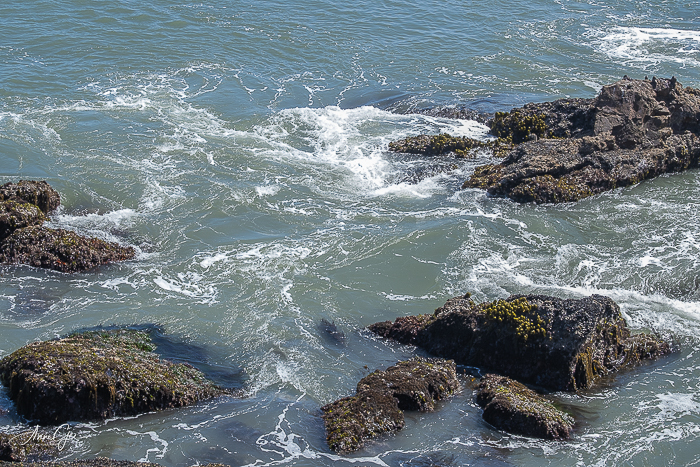
Aside from the lighthouse, the coast is beautiful. Wildflowers were blooming and a couple was enjoying the view.
Enjoy this short visit.

Thank you Sofia for this wonderful challenge. You would think that as much as I enjoy floral photography, this would be an easy challenge for me. Well, when you have a lot of choices, it’s hard to pick what you think is the best. So, I narrowed it down by floral venues and seasons in my area.
Looking back at these images, I realize that I enjoy getting very close with my macro lens. In fact, most of my pictures are close ups! I don’t do much editing. I start in Lightroom, and if necessary bring the pictures into Topaz for sharpening. Typically I don’t have to do anything with color adjustments. The flowers do that for me. I might put a slight black vignette in to accent the flower.
Let’s start with April. That is tulip month. Each year wonderful volunteers at Ananda Village, Nevada City, plant a tulip garden that is terraced and open for the month of April. It became so popular and crowded that they started selling tickets for certain start times. During the last 2 years, we chose to photograph a small tulip patch at our local Jensen Botanical Gardens. If we go early enough, we are the only photographers there.
Ananda Village


Getting up close at Jensen Botanical Gardens this year.

Horton’s Iris Farm in Loomis is a commercial venture, but they don’t mind us photographing their beautiful blossoms. I’ve never seen such a variety of colors.


We are truly missing Daffodil Hill which closed in March of 2019, the day after our last visit. It was so crowded and people were not sticking to the paths, trampling the flowers. We arrived when they opened. By the time we left, traffic was backed up to get in. This was a family run, free event. It’s sad that visitors abused it. I think they needed to do what Ananda Village did.

Our community suffered another loss last year with the draining of the pond in William Land Park. It was drained because of the bird flu and its proximity to the zoo where many birds are housed. Here’s a lotus in color (with a visitor) and one I processed in black and white. I edited the black and white first in color and brought it into NIK Silver Efex.


I cannot forget my sunflowers. Each June I look forward to going out the the fields, ignoring the bees, (I’m allergic to them.) to soak up happiness.


I’ll end this post with my favorite–roses. These are from the McKinley Rose Garden in Sacramento.


I had a lot of fun choosing these flowers and I hope you enjoyed them. When you respond to this challenge please remember to link to Sofia’s original post and use the Lens-Artists tag.
Last week we saw and enjoyed delicate images of all sorts in response to Ann-Christine’s challenge. They were all beautiful and some very clever. Next week, look for John’s challenge.

You know when you stop and put your mind to it, nothing is impossible. When I first saw Ann-Christine’s challenge this morning, I thought, “I don’t have any delicate images!” So I did my usual of choosing a year, 2019, and began to go through the pictures. Here’s what I found.
A beautiful glass ball in a garden.

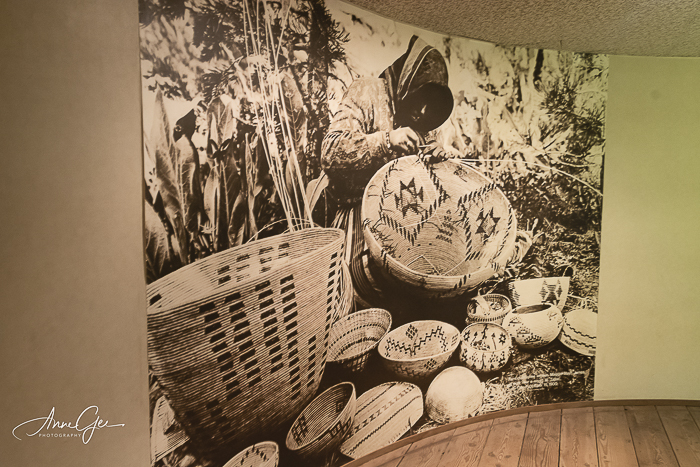
Museums are great for finding delicate items and the Haggin Museum in Stockton is no exception. Look at the intricate, delicate work on this clock and the tedious, delicate weaving of this woman in this picture.

We photographers like our insects for their delicate wings and beauty. Yes, even bees!


I can’t forget trees. Their trunks may be sturdy and large, but their branches are delicate, beautiful and graceful.

Looking very much like tree branches, spider webs are delicate strands of silk created to catch a spider’s prey.

So that’s it for delicate, but here comes the twist. You know there’s typically a twist when I do a challenge. When I was looking through 2019, I found three images that truly impressed me as sweet and then maybe delicate in interpretation.
Love, no matter what species is undeniable. Cuteness popping out of blades of grass is sweet. And a small child walking among giant redwoods–well she has to be delicate!


I hope you didn’t mind my detour. When you post your response, please remember to link to Ann-Christine’s post and use the Lens-Artists tag. I was amazed at all the hope that came last week responding to Patti’s challenge on Hopeful. I think we made our LAPC world a little smaller and kind. Next week Sofia will be challenging us with Floral. You’ll notice I didn’t use any flowers in this post. I’m saving them! Look for her post.

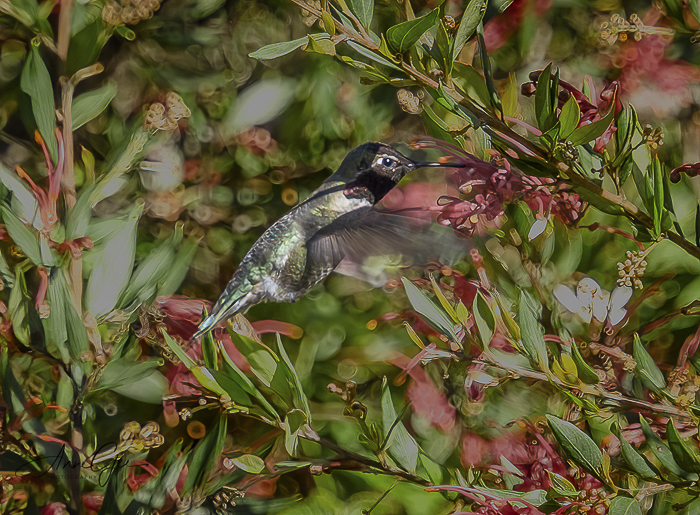
All Laura had to do was ask if I wanted to go to the UC Santa Cruz Arboretum and I jumped at the chance. I haven’t been anywhere since my August 2023 auto accident for more than 2 – 3 hours. Since Laura was driving, the 3 hours both ways, I knew if I needed rest, I could sleep. It was a wonderful day out. I had never been to the arboretum, and anything floral has me feeling great. Laura wanted to photograph the humming birds and I just wanted to leave.
The humming birds were confined to one bush that was blossoming. I got my one hummer picture and walked around. Laura has patience, where I don’t, and a longer lens. She stood by the bush for about 1/2 an hour, taking pictures. Of course, she was more successful in the number of hummers.
Here’s my one picture! Of course, the colorful hummers sort of blended into the bush.
We walked around through the various zones. It was relaxing and fun. Here’s a sample:


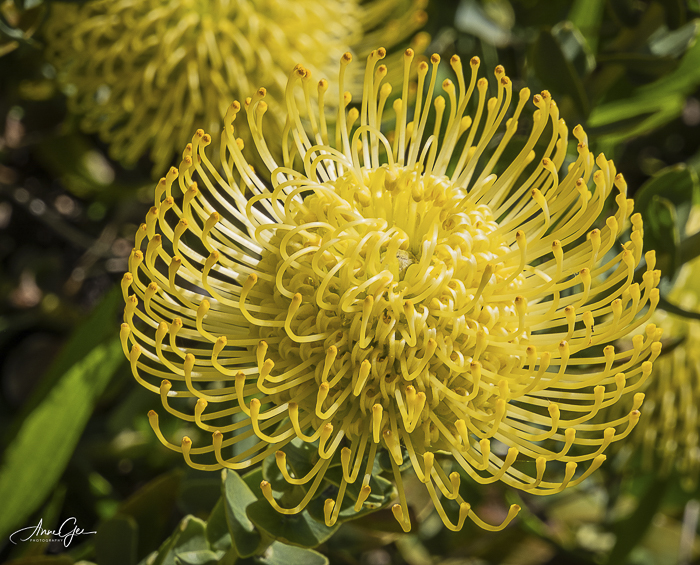


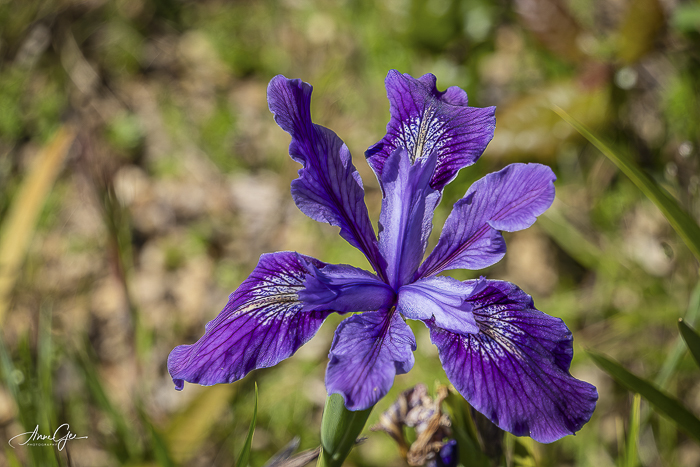

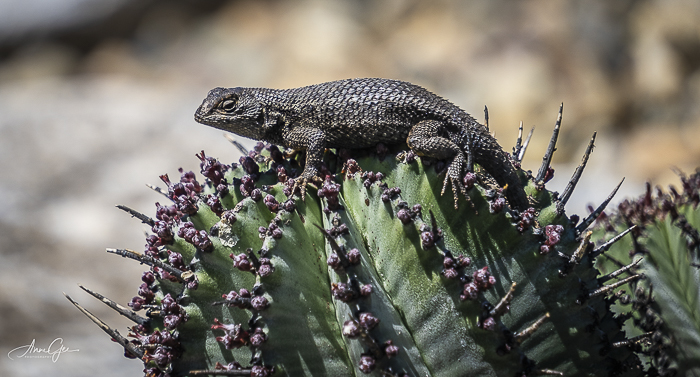
Our day didn’t end at the arboretum. We took the long way home through Half Moon Bay, stopping at the Pigeon Point Lighthouse. Those pictures will be in my next regular post.
And, I didn’t need to sleep!

I chose to live in gratitude this year, and given the world condition, it’s difficult. So, thank you Patti for reminding me there is always hope and encouraging us to look into our own lives to show what gives us hope.
My rose garden, which I’ve neglected this year and still blooms, gives me hope. I’m not a gardener, but these roses have the resilience to show their beauty without much help from me. Maybe if individually we each show our beauty of spirit we can help bring beauty into this world.
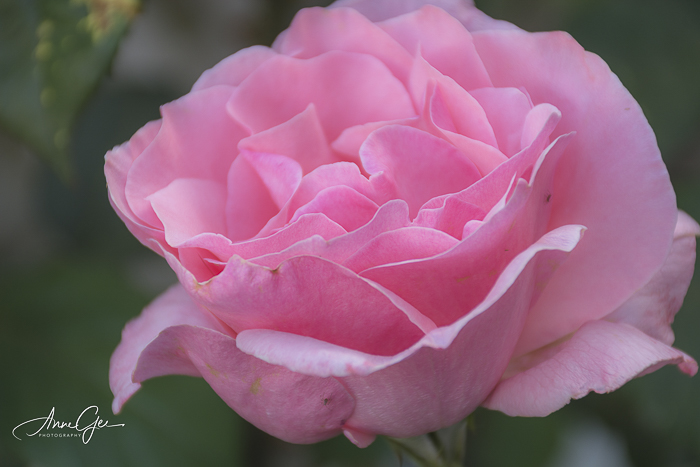
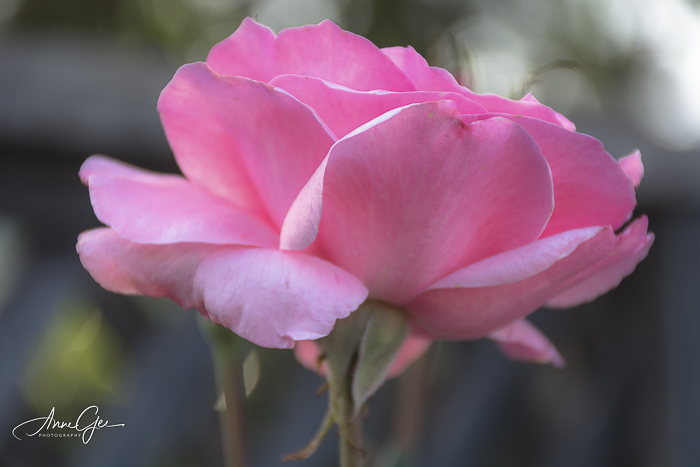
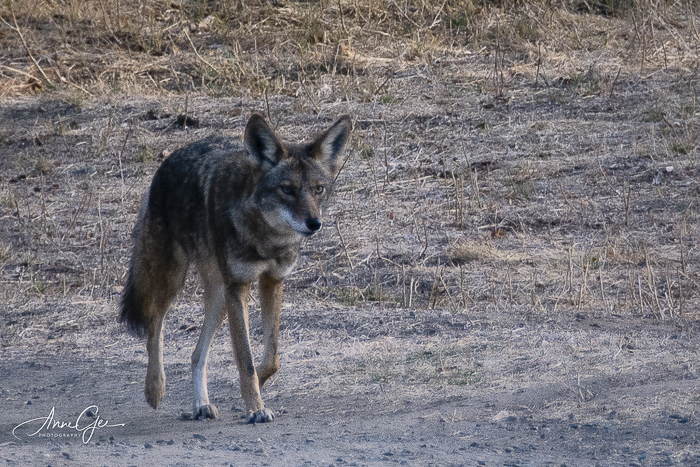
Animals in their own habitat also give me hope. They live life simply and naturally. Some only hunt when hungry and some live off the land.

Holidays and festivities give me hope. For a short while we gather and enjoy, laugh and become childlike. Each year our community has a July 4th parade where golf carts, cars and bikes are decorated. If you’re not in the parade, you’re watching it. This is followed by a good old fashioned hot dog lunch.


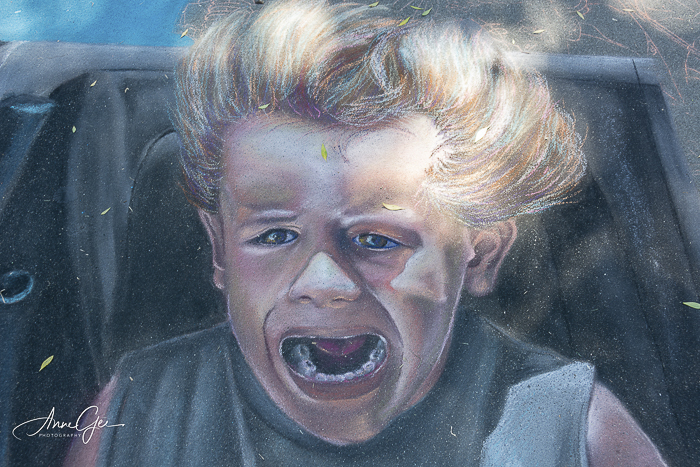
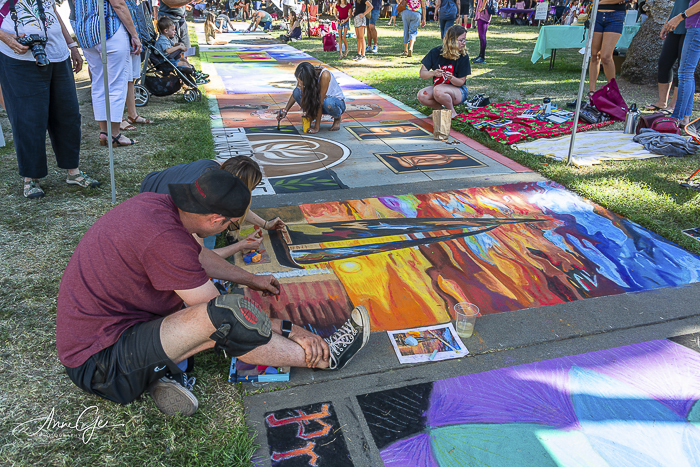
Dedication to a passion brings me hope. When I’m out with my camera, I don’t think of other things. I just enjoy. My camera brings me to nature and sometimes artistic festivals where artists display their talents. One such festival is Chalk it Up. These artists paint with chalk, putting their all into it only to have it last a few days. Their dedication to their art and wanting to bring joy to others gives me hope.
I love trees–big ones like our Giant Sequoias and small ones; trees with leaves and those without. Trees are expressive in the way their branches bend, or stand out straight. Trees are strong and have a certain energy. Have you hugged a tree lately?


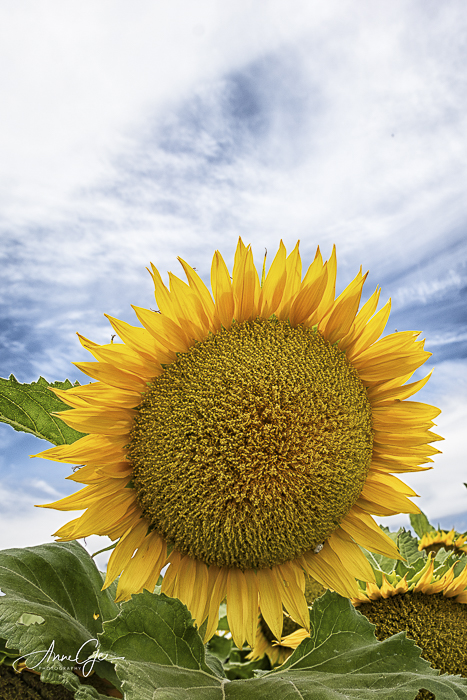
I’ll end with sunflowers. Just looking at them as they follow the sun, gives me hope. Their determination to blossom every year in the same fields shows that given the right care they will continue to smile at us. Can we give the world the right care and have it smile back?

We may not be able to change the world, but we can affect our small micro world and create hope. We can offer hope to our family and friends by helping and caring for them.
Thank you Patti, for reminding us that there is still hope. When you respond to her challenge, please remember to link to her original post and use the Lens-Artists tag. I truly enjoyed your responses to Tina’s challenge last week of Children (human and animal). What a joy they are, giving us hope. Next week Ann-Christine will be presenting the challenge, so look for her post. Until then, stay safe and have hope!
 Slow Shutter Speed