In retirement, Anne is pursuing digital photography--her new hobby. She found, when taking photos to accompany her feature articles, that photography was fun. Of course, those were in the film days! Now she's accepted the challenge of learning shooting the digital way. This blog is called Slow Shutter Speed because that's how she feels her photographic journey is proceeding.
Have you ever zigged when you should have zagged? Or better said, gave Lightroom a challenge! I will warn you–don’t change a file name—ever! I know after you’ve imported into Lightroom to change a file name first in Lightroom and then on your computer. But my Zig occurred when I changed file names before importing into Lightroom. The Zag was a disaster.
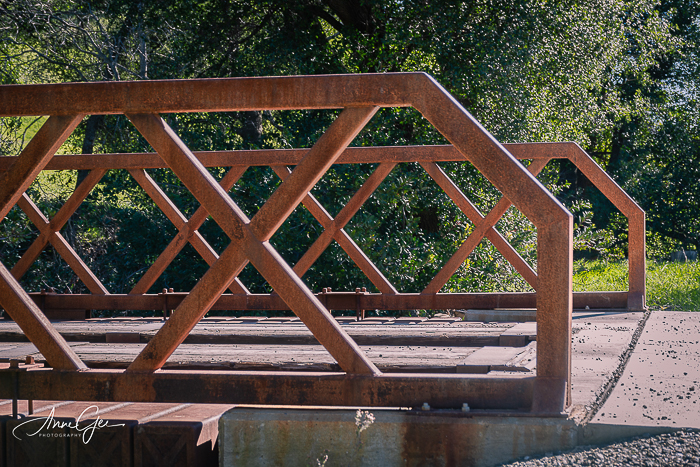
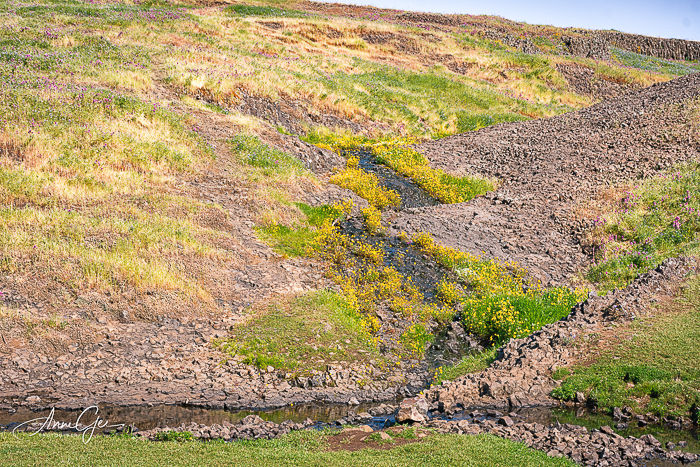
I’ve managed to salvage some images of zigging and zagging, so here they are. Warning, they are out of the order I was trying to put them in, but I don’t want to tempt fate again! So here are my offerings for Patti’s fun challenge. I actually had fun finding these.
My zig zag problems aside, this was a fun challenge. As you post your ZZ’s please remember to link to Patti’s original post and use the Lens-Artist tag. A big thank you to our July guest hosts: Leanne, Elizabeth and PR. They presented creative and wonderful challenges.
Next week, Ann-Christine will lead our challenge, so be sure to look for her post.
Interested in joining the Lens-Artists challenges? Click here for more information…..
Does anyone remember HDR? It was all the rage 10 years ago. At least it was in Sacramento and Yolo Counties. That was also the time I started doing photography. So I learned how to bracket photos and and process them in Photomatix (The go to program of the day.) to get that painterly look. I’m sure Photomatix would have given me a less painterly look, but that was what we were looking for “in the day!”
I’m bringing this up because looking for balconies in my archives for PR’s Balconies challenge, I realized that most of my photos were HDR images. I also realized that the painterly look made them look soft, or it might have been my skill level at the time.
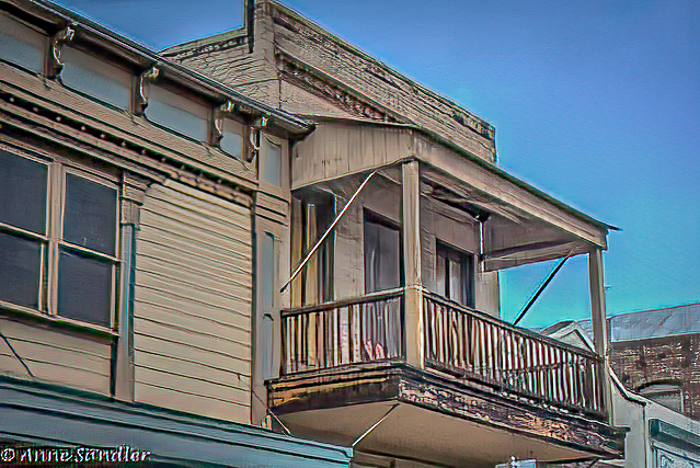
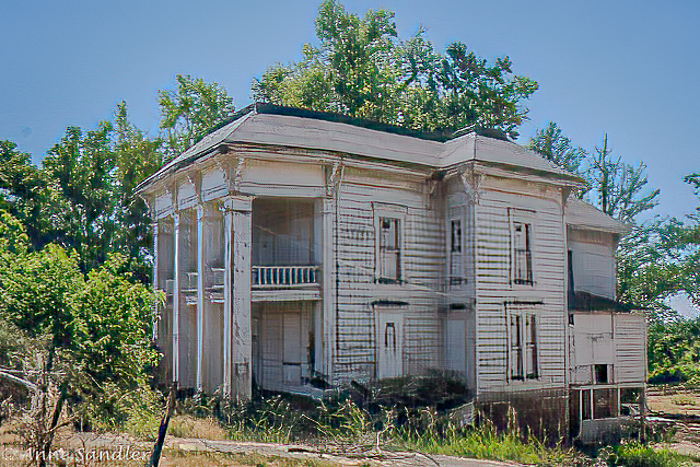
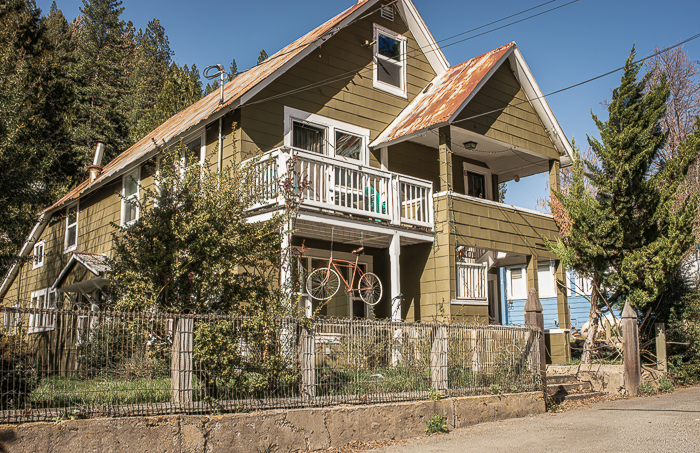
What fun I had reprocessing them, trying to get them to look less like a painting. Here’s the bunch I worked on. All of them were taken in small country towns. Wood structures with wood balconies. Today, I wouldn’t use HDR for these photos. However, Lightroom will process HDR images without the painterly look. I do like the “look” in the last photo.
I did find two images that I didn’t photograph in HDR. The one on the left is our California Governor’s Mansion. I had an opportunity to tour it when they were restoring the home.
Here’s a blurb on the residence from Wikipedia: The California Governor’s Mansion is the official residence of the governor of California, located in Sacramento, the capital of California. Built in 1877, the estate was purchased by the Californian government in 1903 and has served as the executive residence for 14 governors. The mansion was occupied by governors between 1903–1967 and 2015–2019. Since 1967, the mansion has been managed by California State Parks as the Governor’s Mansion State Historic Park.
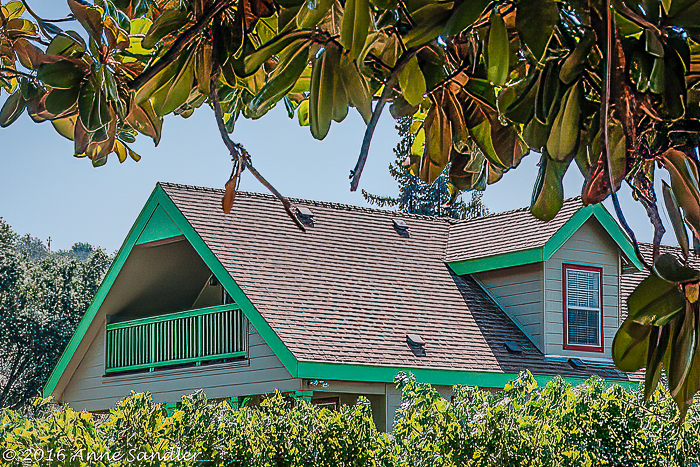
The house on the right was a house I liked because of the way it was framed and the green trim.
So these are the balconies from the first two years of my photography education. As far as HDR, it’s still useful. I used it when I shot Real Estate photos. I didn’t have any light systems, so I used HDR. I would go in a dark closet, take my three frames, process it in Lightroom and end up with a lighted closet.
Thanks PR for taking me back to the fad of the day when I started photography. When you respond to this fun challenge, please remember to link to her post and use the Lens-Artists tag. And didn’t everyone have fun pairing photos in response to Elizabeth’s Challenge. I was amazed at the varied interpretations that were presented.
And thank you to our three guest hosts: Leanne, PR and Elizabeth. The Lens Artists team will be back next week with Patti presenting the challenge. Be sure to look for her post.
In a perfect world–wait! There’s no perfect world! Given our imperfections, guest host, Elizabeth of Albatz Travels challenges us to find perfect pairs. This is an exciting task since we interpret what we see so differently.
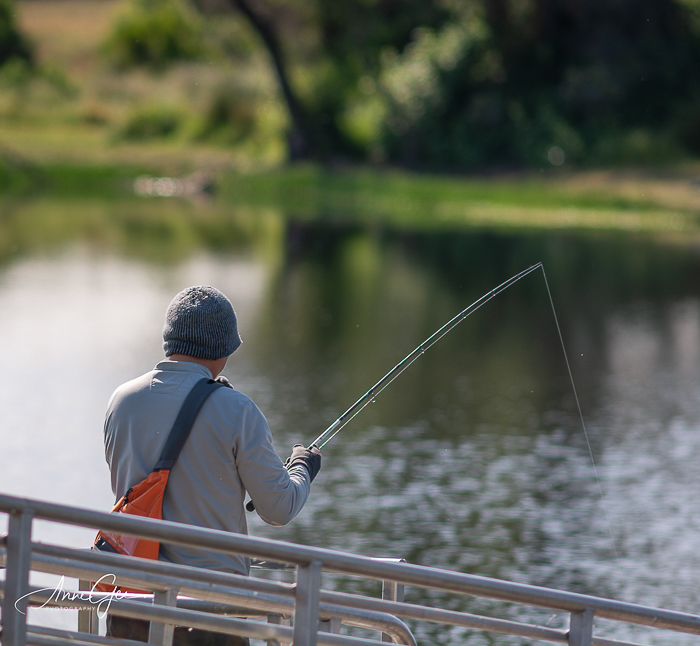
My first pairing is of two regulars at Mather Lake, a fishing spot and swans’ home. This pair is so different, but can usually be found at the lake at the same time.
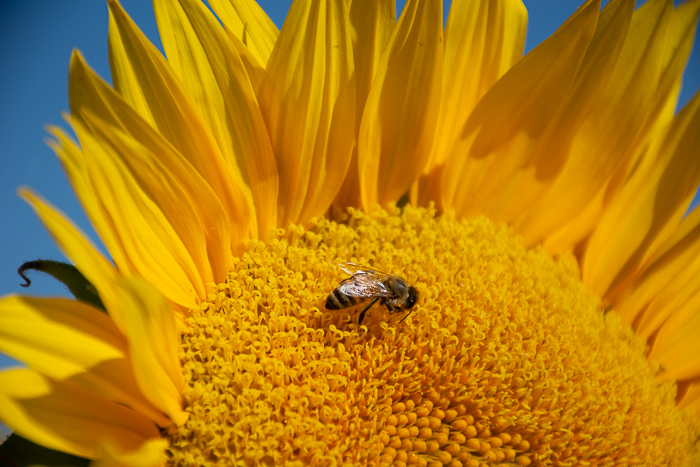
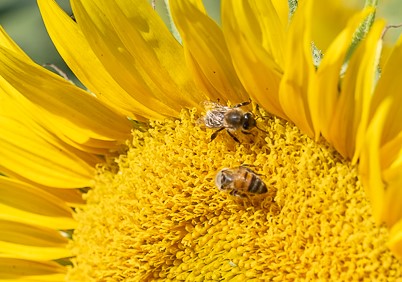
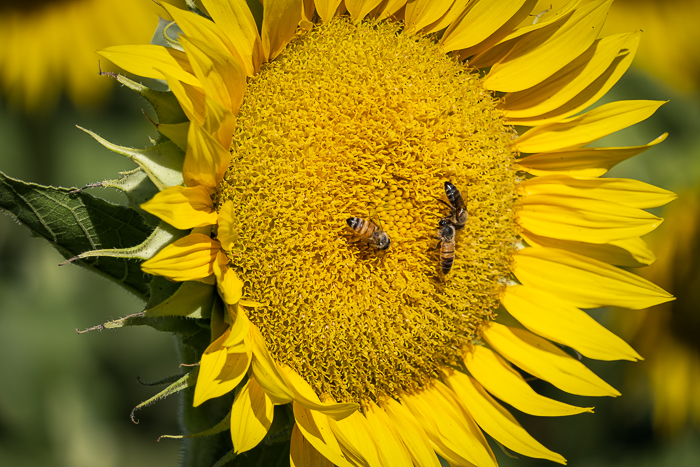
Next there are insects and plants helping each other and us. My example are sunflowers and bees. Sunflowers provide the pollen bees need to pollenate and we love the bees honey.
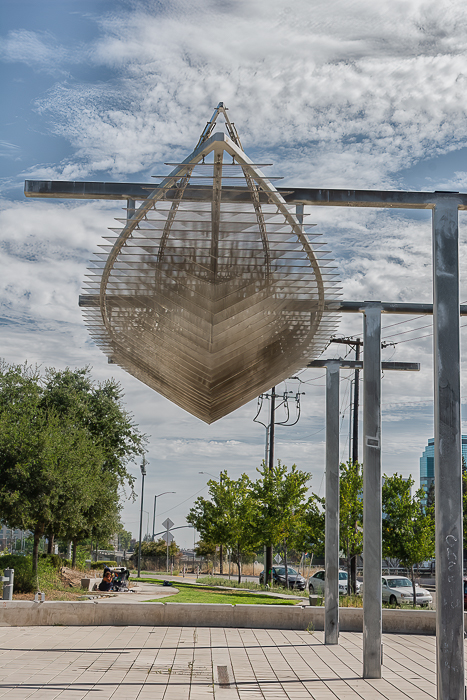
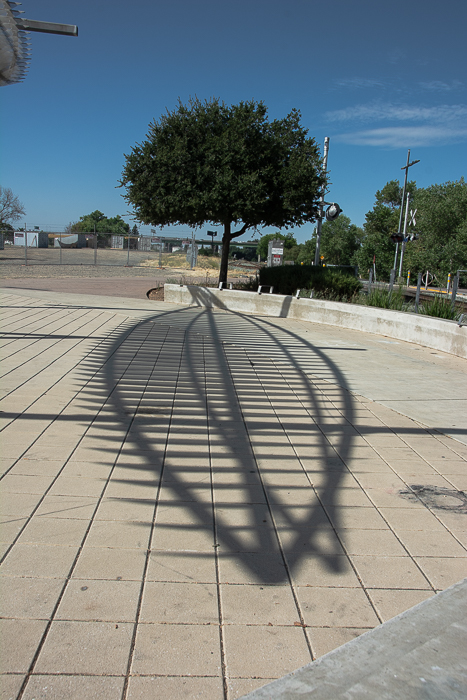
The sun creates shadows and those shadows can change the object they are shadowing. This ship sculpture is at the Sacramento River Walk.
Our local Effie Yeaw Nature Center is home to many wild animals, especially deer. They don’t fear us humans, but are wary of coyotes and other animals. We have bucks and does.
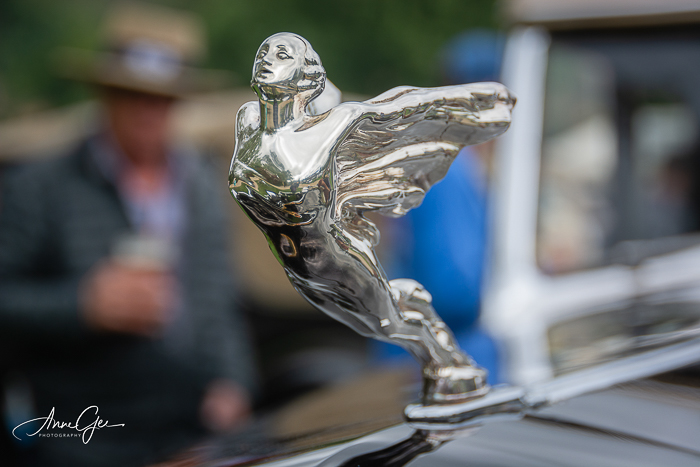
Who remembers hood ornaments? I barely do. But our local California State Automobile Museum brings us back in time when cars were adorned with beauties like these. They aren’t at all alike but serve the same purpose.
You know, if you ask me, these are perfect pairings! Thanks Elizabeth for this fun challenge. When you respond, please remember to link to her original post and use the Lens-Artists tag.
Last week we traveled to many tourist attractions through a challenge given by Leanne Cole. Your responses took us around the world. Thank you all for participating. Next week PR of Flights of the Soul will present Balconies. Be sure to look for her post.
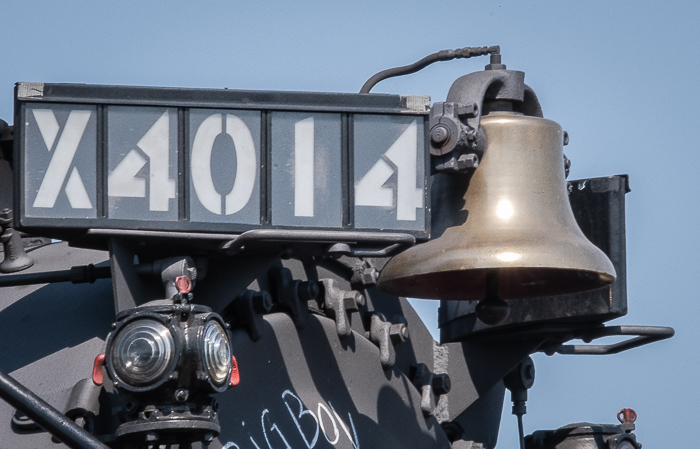
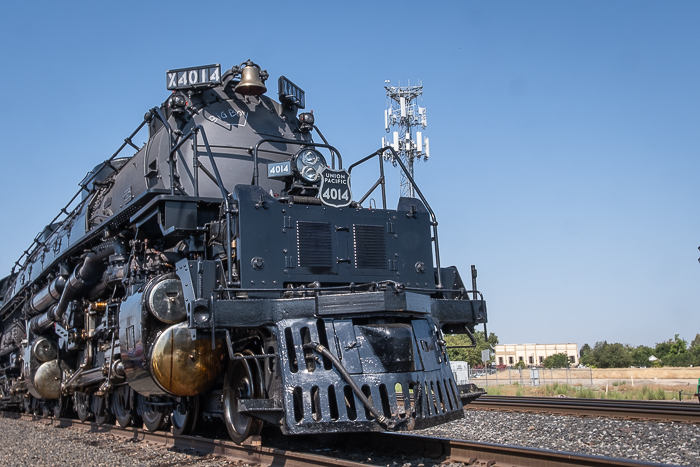
I’m not a train buff, especially in triple digit temperatures, but our friend Ken is. So when Union Pacific brought the “Big Boy” to the Roseville switch yard as one of the stops on their tour, Ken and his wife Sandy came up from Tuolumne to see it and we joined joined them.
You can read more about this train on the Union Pacific’s website.
The information from the City of Roseville states:
No. 4014 is the only Big Boy in operation today. Weighing in at 1.1 million pounds, it was restored in 2019 to celebrate the 150th anniversary of the transcontinental railroad’s completion. Twenty-five Big Boy locomotives were built for Union Pacific to haul heavy freight during World War II, but only eight still exist. The other seven are on display around the United States.
The exhibit opened at 9 a.m. and we got there at 9:30 a.m. The temperatures we already in the 90 degrees F. While we were there, we entered the triple digit zone. I will say that they were prepared–not only for the crowd, but to keep us hydrated. They had buckets of bottled water on ice free for the taking. They also urged us to drink.
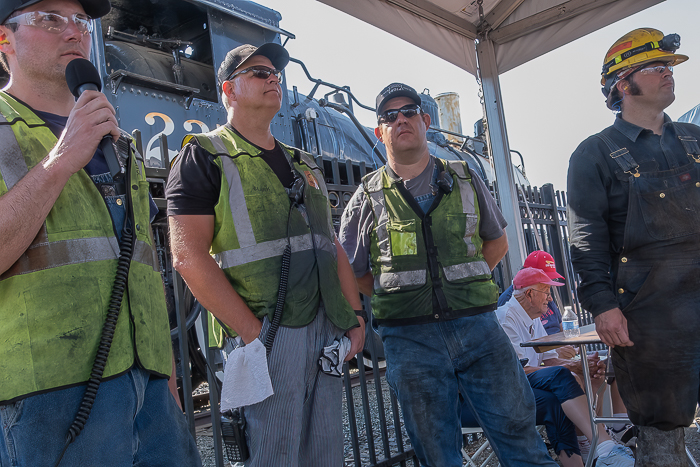
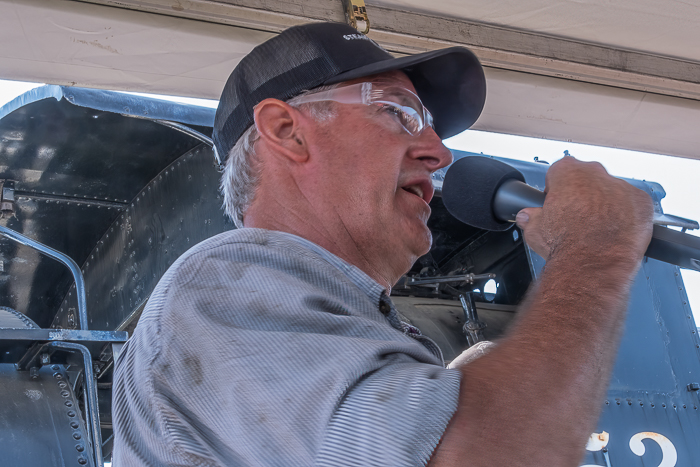
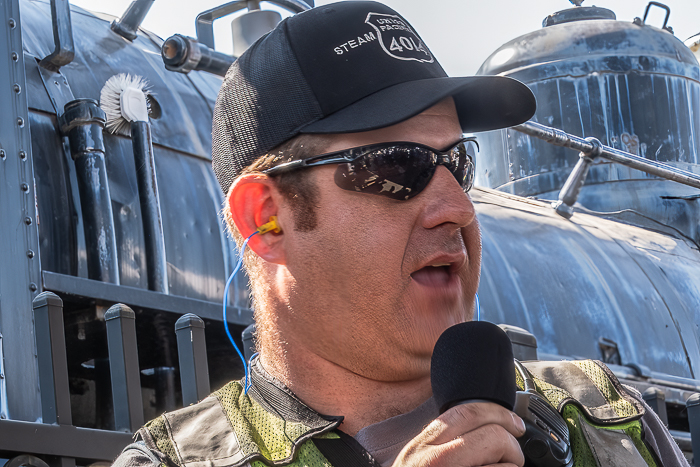
I think I could have tolerated the temperatures if it weren’t for the crowd. However, everyone was nice and tried their best to help others. I didn’t walk to the museum car which was halfway down the long train. We did stay for the Q&A session handled by the train’s crew.
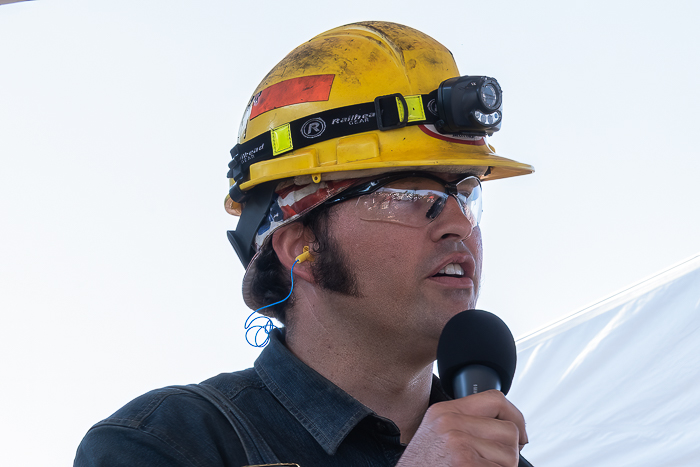
In answer to a question about the temperatures in the locomotive, one crew member said it was about 140 degrees F. They kept sort of cool by putting ice packs down their backs and around their necks.
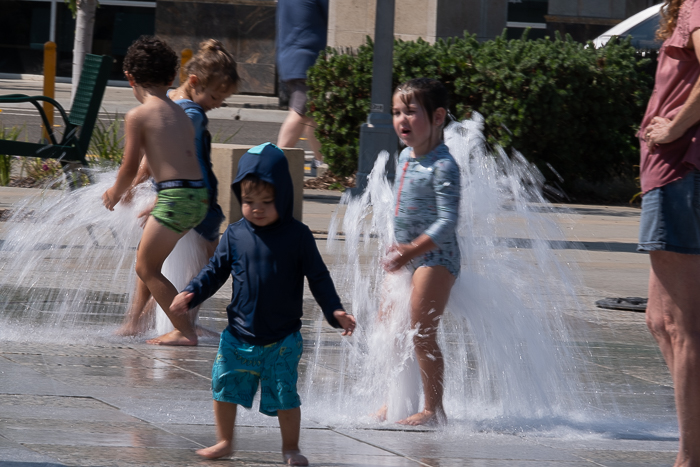
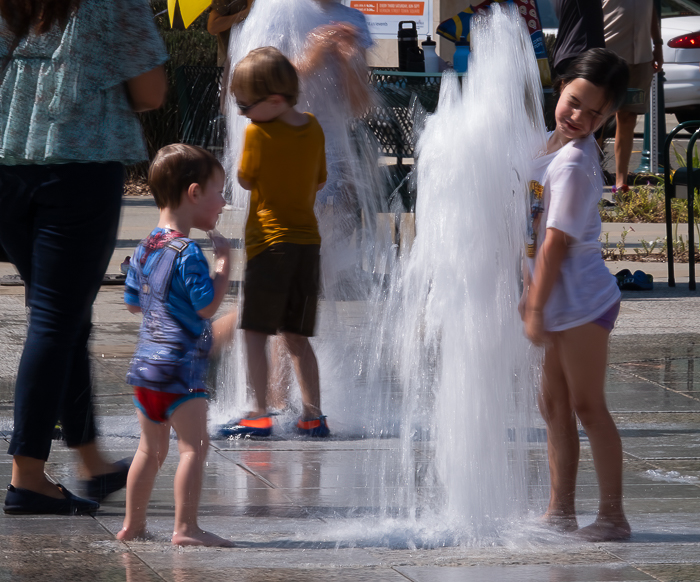
We left after the Q&A. It was just too hot. When you’re in your 80s extreme temperatures are difficult. Walking back to our car, we sat in the shade at Roseville’s Vernon Street Town Square where children were cooling off in the fountains of water. I was tempted!
Even though I didn’t take full advantage of the visit, I’m glad I went. I saw a bit of history and can only imagine the Big Boy riding the tracks back then. I don’t think that crew realized the history they were making and the importance of their part in it.
It’s funny that Leanne Cole should pick this topic since my last trip took me to her home town, Melbourne. Here’s the story.
I’ve always wanted to go to Australia but never had the opportunity. When we did travel overseas, we were younger and I took pictures with a small point and shoot, and I can’t find those old prints. Back to Australia, last year my friend Sandy offered me an opportunity I couldn’t refuse, “We’re going to Australia, do you want to come?” she said.
I couldn’t say no! The “they” we were her family. The trip consisted of a cruise to New Caledonia from Sydney Australia. Sandy added on a week in Melbourne and several days in Sydney. After saying YES! I emailed Leanne, telling her I was coming. Leanne and I had a day-long photo outing to Monterey when she visited the U.S.
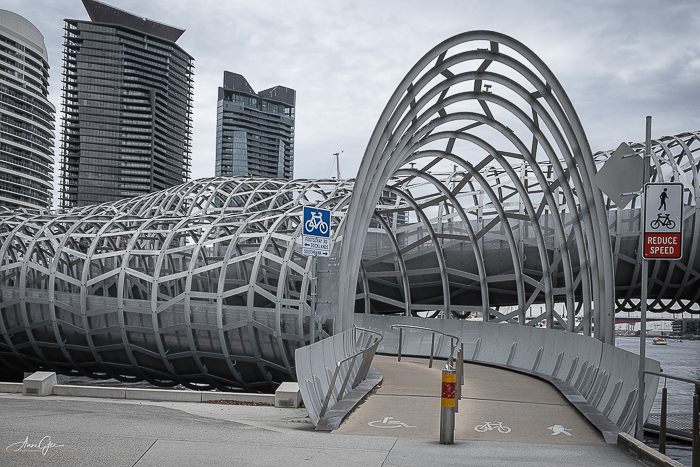
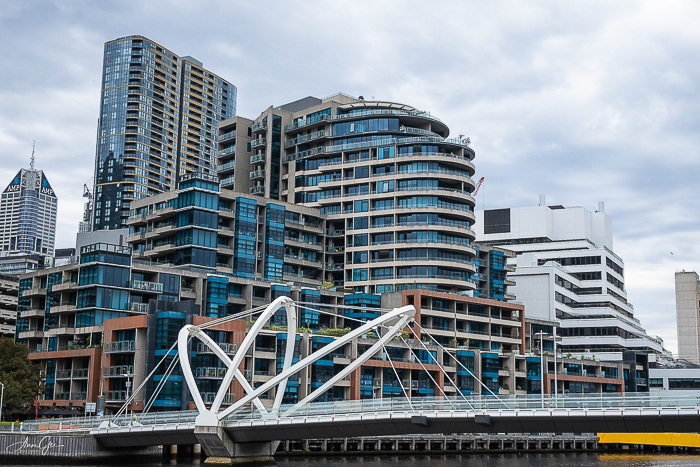
I absolutely fell in love with Melbourne. We have two rivers bordering Sacramento, but the Yarra River runs through Melbourne town, leaving the city with beautiful bridges, my favorite being the Webb Bridge.
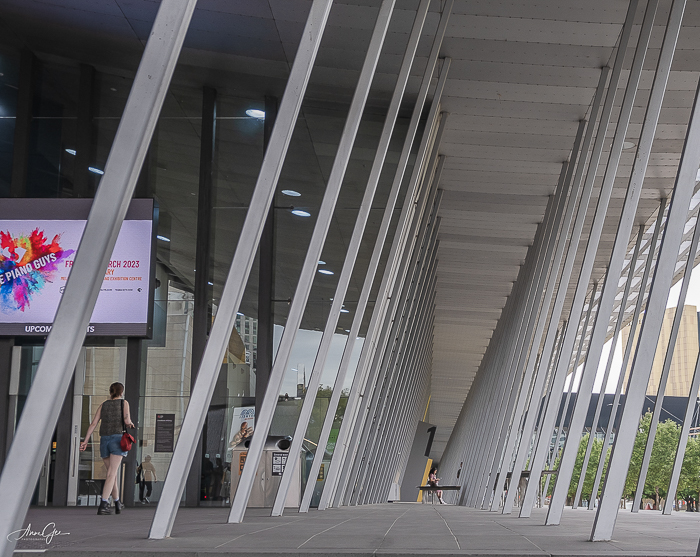
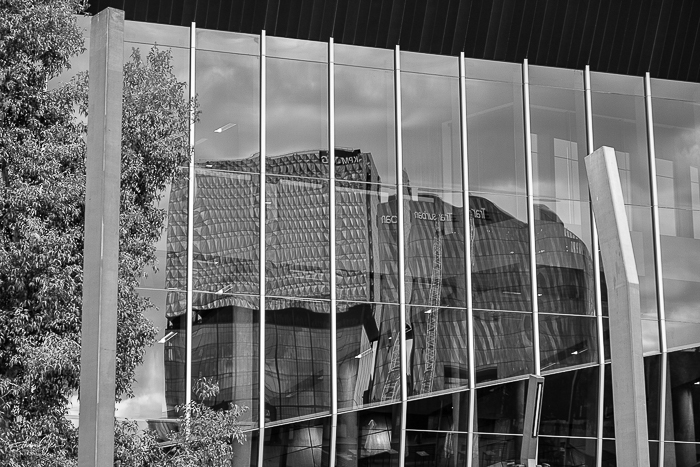
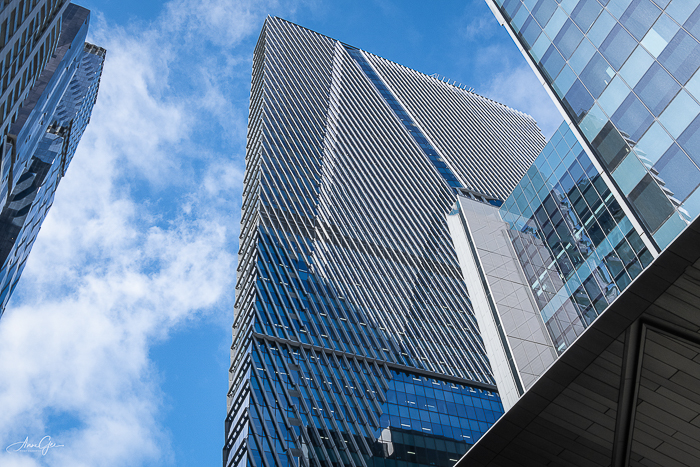
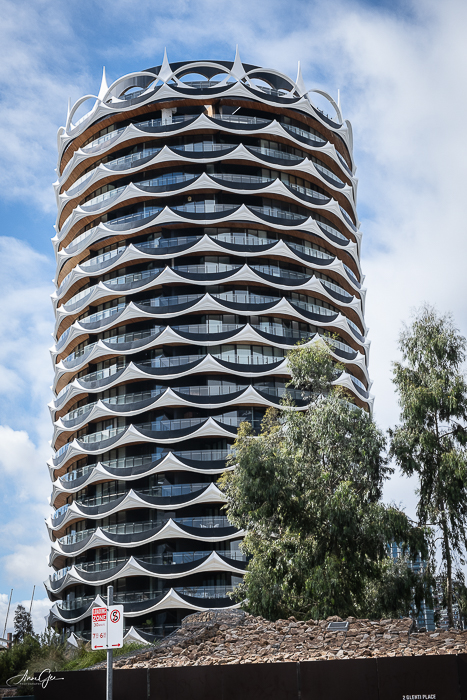
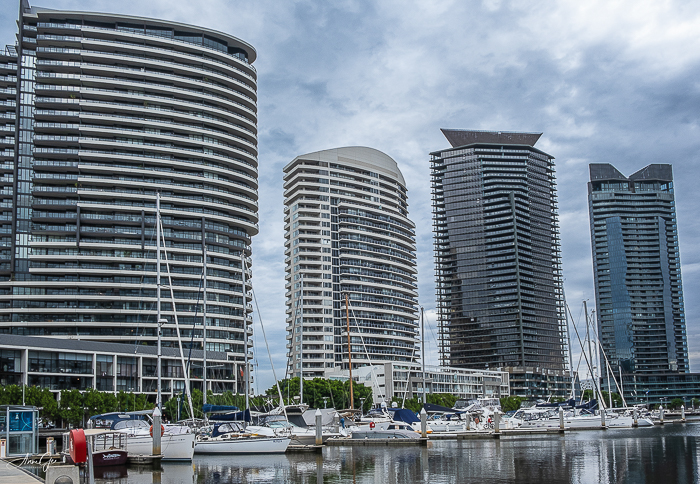
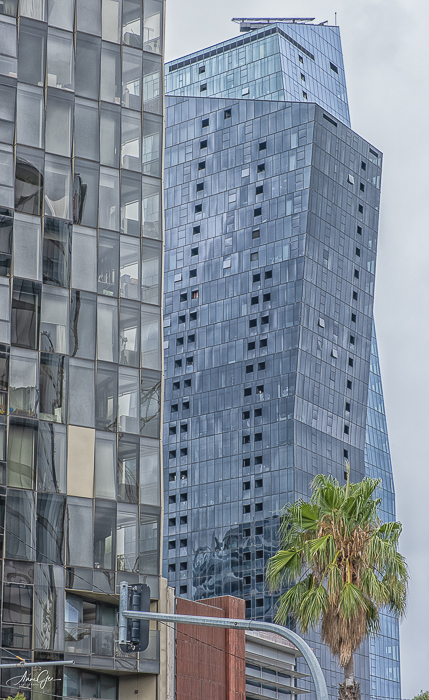
Then there was the architecture. Beautiful buildings all around me. Here are some. I seemed to focus on the new structures. But the old were gorgeous too.
We did get to see the sites along the Great Ocean Road and stayed in Port Campbell for a few days. I’ll save those images for another day. I do hope to get back to Australia and see other areas where some of our bloggers live. Maybe if I wish hard enough!
A great big thanks to Leanne for taking me back to her home town. When you post your response, be sure to link back to her post and use the Lens-Artist tag. We have two more treats coming up for you this month.
July 20: Elizabeth of Albatz Travel Adventures will challenge up with PAIRS
July 27: PR of Flights of the Soul will challenge us with BALCONIES
So be looking for their posts. I hope you are having a safe and wonderful summer!
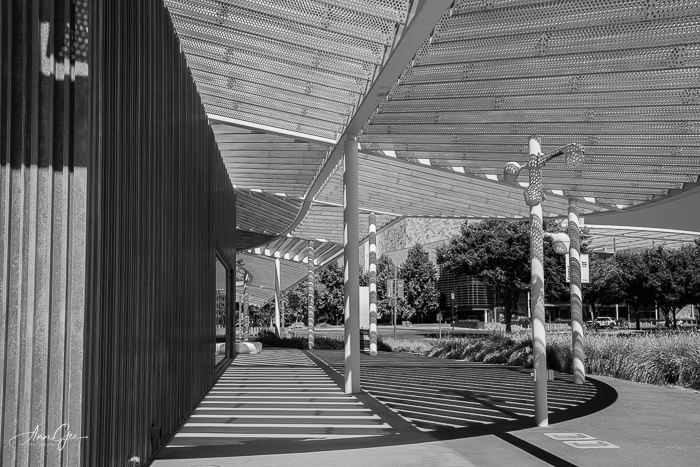
Here’s one for Leanne’s Monochrome Madness challenge. This was taken last week at the Maneta Shrem Art Museum in Davis. It is actually located on the UC Davis Campus. I love the building’s architecture. Depending on the time of day, you get different shadows.
I like the texture the high sun gives the shadows. Hope you do too.
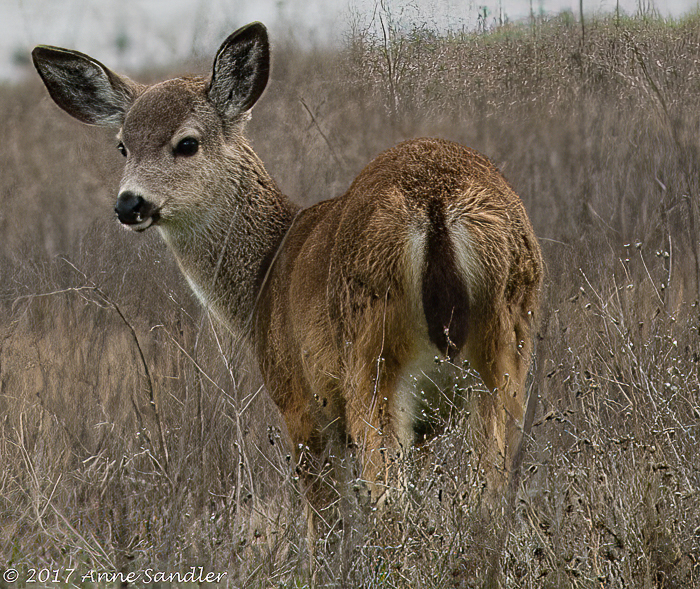
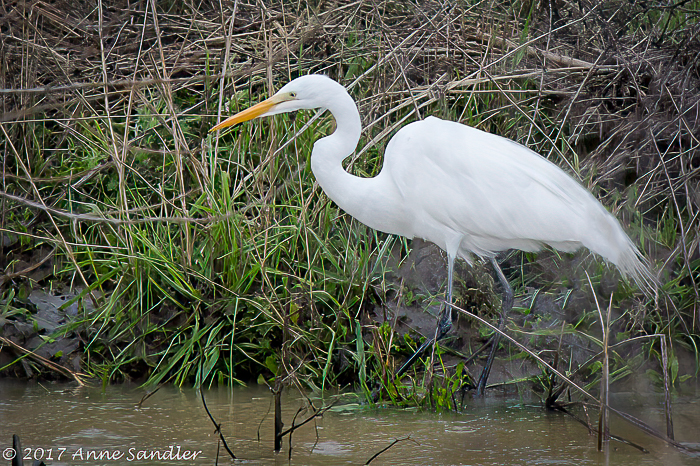
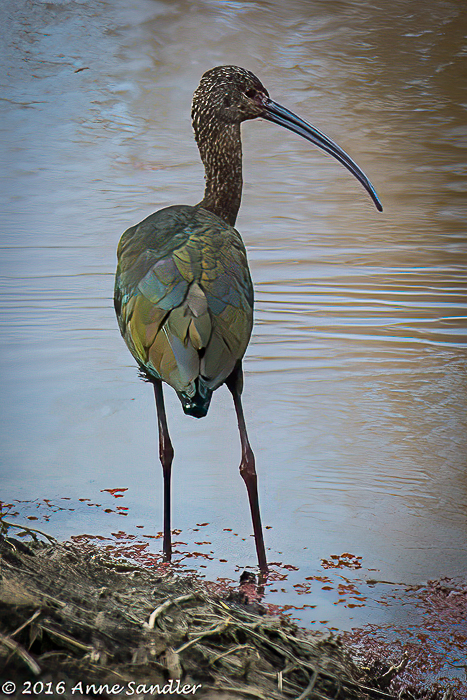
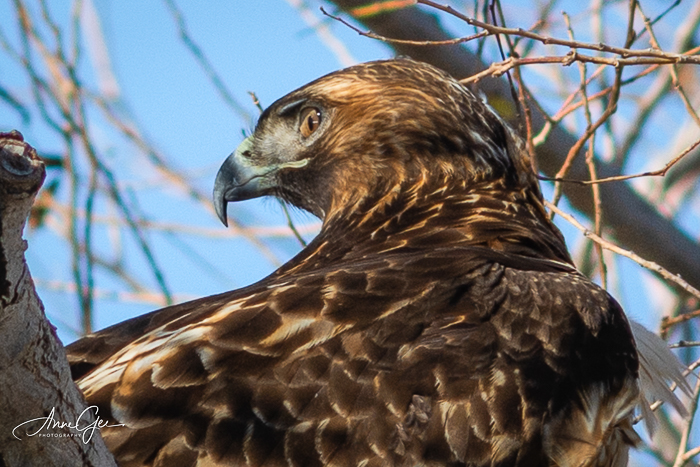
My disclaimer: I’m really not a wildlife photographer because I don’t have a lens with extraordinary reach, and I’m not fast to react. But, isn’t there always a “but,” I do enjoy going out to our local wildlife areas a couple times a year. Usually, I get lucky and come home with a few good pictures.
You never know what you’re going to see when you visit these wildlife areas. And, it’s hit or miss. I enjoy these outings and their challenges anyway.
So enjoy these pictures which are mostly from the Sacramento National Wildlife Refuge.
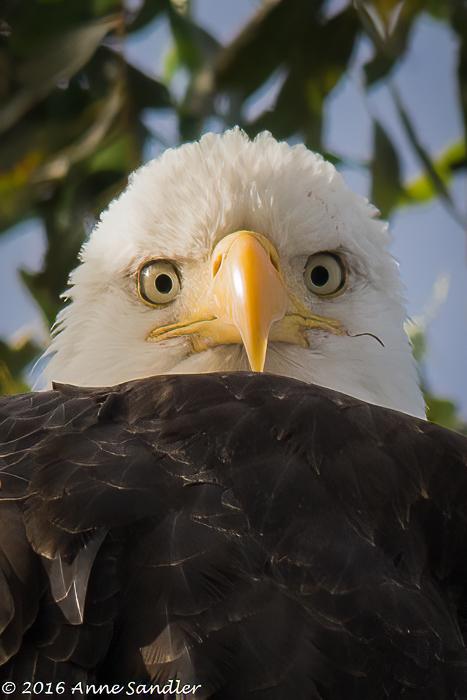
There is a funny story behind the eagle image: To photograph this eagle, I had to climb through Laura’s sunroof (waist high). Now you know why the eagle is looking a me with a surprised stare!
Thanks Tina for prompting this wonderful journey back in time. When you respond, please remember to link to Tina’s post and use the Lens-Artist tag in the reader. And thank you Egidio for another educational challenge. Now I’m seeing rectangles everywhere!
While the Lens-Artists team takes some time off during July, we have amazing guest hosts to lead our challenge:
July 13: Leanne ofLeanne Coleexplores TOURIST ATTRACTIONS
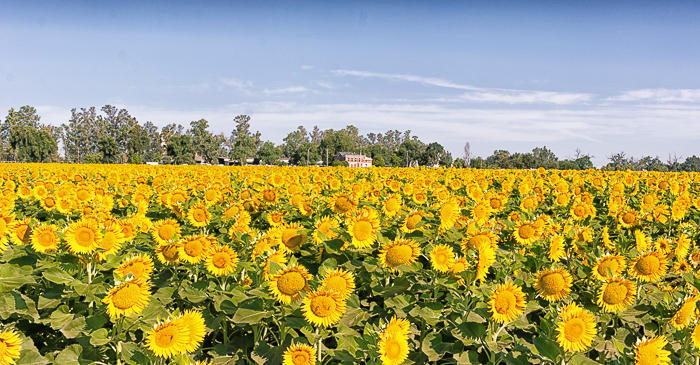
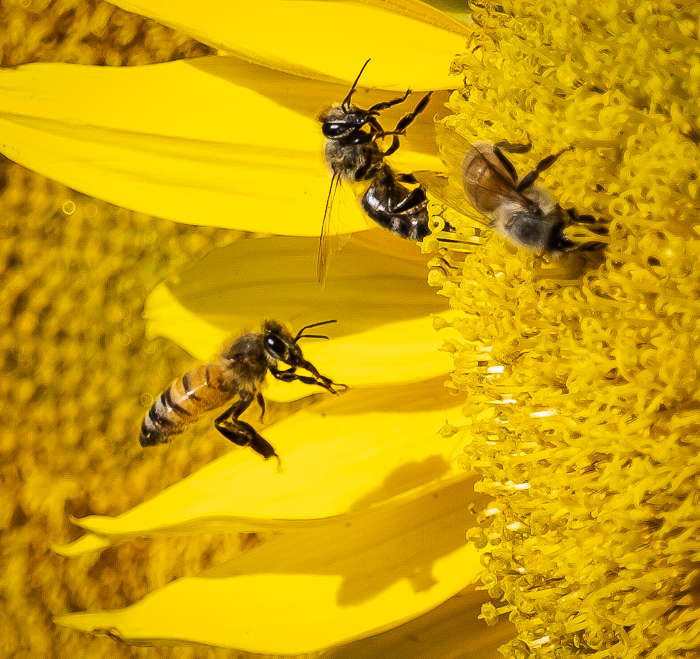
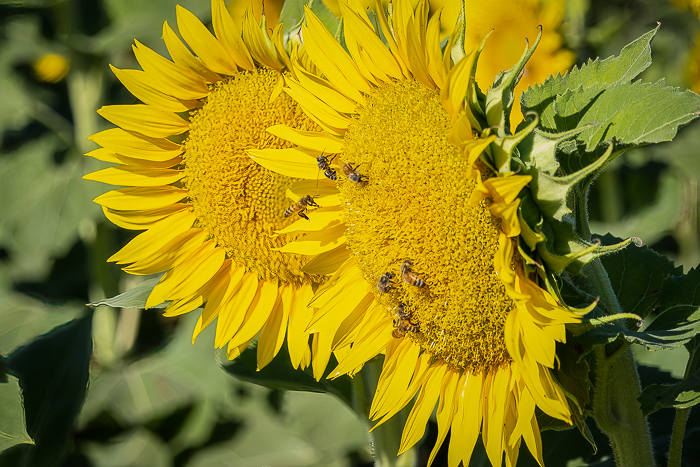
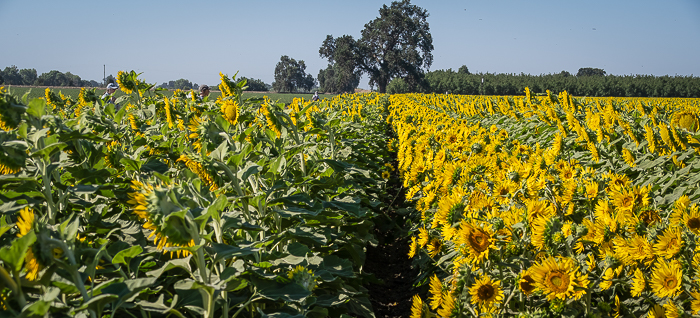
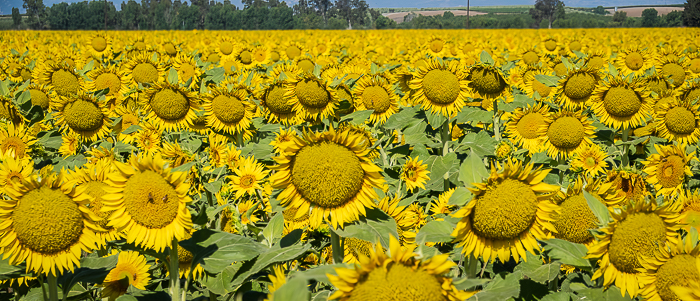
Sunflowers always make me smile. It seems like they are smiling as they follow the sun through the day. We recently went on a Yolo Arts & Ag Project outing to 3M Ranches to view their sunflower field. They had a warning to alert us of the bees, asking us not to interrupt their mission of pollinating the countryside.
Thanks to the bee boxes along the field, there were plenty of industrious bees working hard. I’m glad they were concentrating on their work because I’m allergic to them. I give them plenty of space. Watching them is amazing. They have one job and that’s all they do.
It was difficult to find a flower without a bee on it, but I managed. You’ll have to look into the full field pictures to find a sunflower with no bees. Unfortunately there was one casualty. I don’t know what happened to that one flower since the field looked young.
This ranch also had old equipment that we were allowed to photograph. In my next non-LAPC post I’ll show you the beauty of rust.
Once again I’m finding I’m following a compositional rule without knowing it! Hopefully, that’s a good sign 😎. This week Egidio of Through Brazilian Eyes, challenges us to show how we use rectangles in our photographs and how they help our composition.
I’ve chosen to look through my 2018 archives to discover rectangles in my images and how they enhanced my composition. I found some and I’ve also found that one rectangle can lead to more–another rabbit hole! Not my challenge this time.
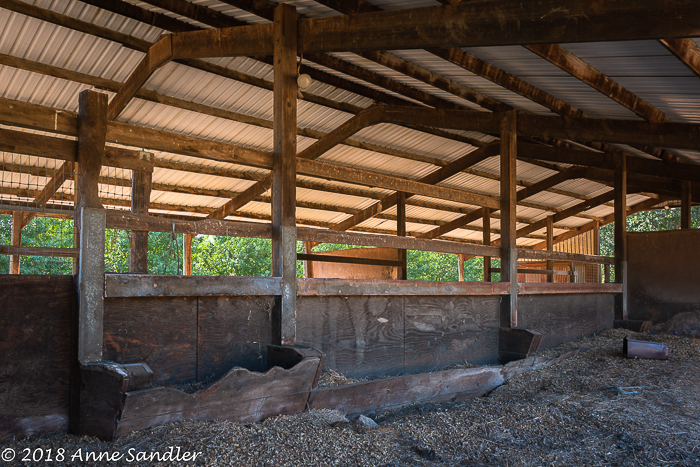
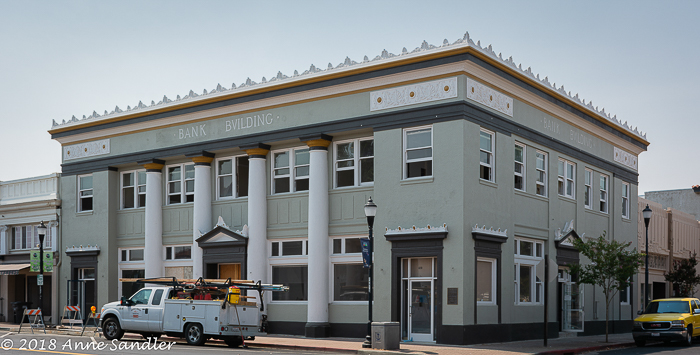
A stand out for me is architecture. I love photographing buildings because of the leading lines. Little did I know that would mean rectangles. The empty barn is built from rectangles more or less in formation. The modern building is showing rectangles in its windows and concrete supports going across the glass structures that are, indeed, rectangles within a larger rectangle. The old bank building is a rectangle structure with rectangle windows and doors. It even has a rectangular truck parked in front!
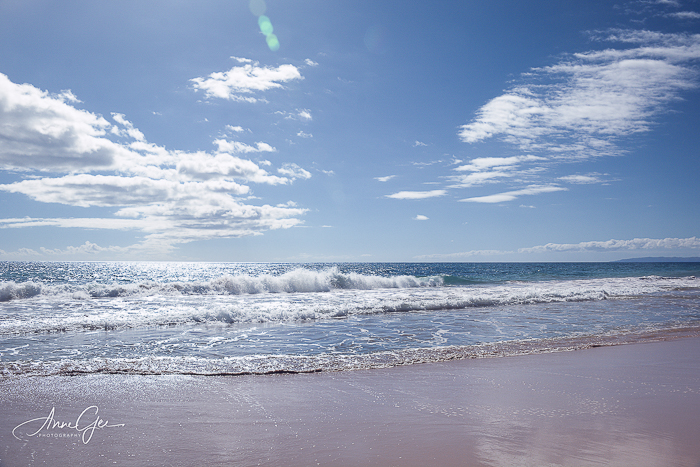
Now let’s go to nature. Landscapes are best for seeing rectangles. The horizon line separates land from sky, creating two rectangles. Sometimes shore and water create the rectangles and a reflection makes it a definite unit. Eye catching sunsets, especially over water, help create two symmetrical rectangles.
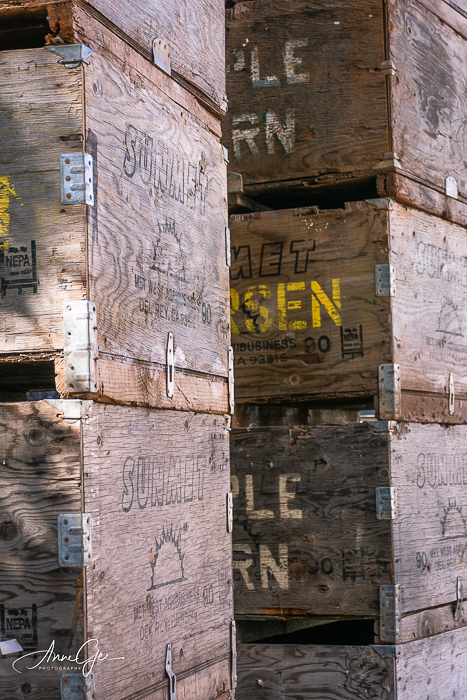
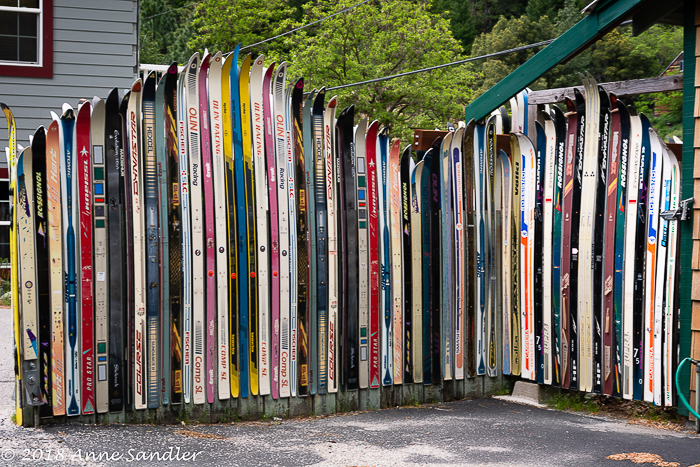
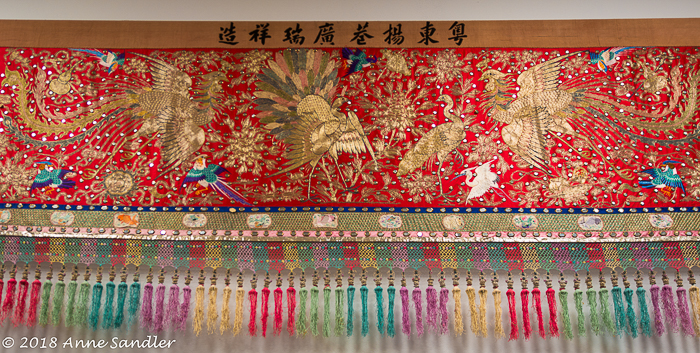
Now for my last three images. Square boxes stacked upon each other become rectangular towers. A fence made from individual rectangular skis become an attractive rectangular unit. Fabric sewn together can yield many rectangles.
I had fun finding rectangles and it wasn’t as difficult as I thought it would be. How about you? When you create your post, please remember to use the Lens-Artists tag and link to Egidio’s post. He does request that you also put your link in the comments section of his post.
I also enjoyed seeing how backgrounds affected your compositions as asked by Ritva last week. Tina is up next with an exciting challenge, so be sure to look for her post.
As those who follow her know, Lens-Artists team member Donna of Wind Kisses is taking a break from blogging for personal reasons. She will be very much missed but, hopefully be with us again before too long. We wish Donna and her family only the best, as our thoughts are with all of them.
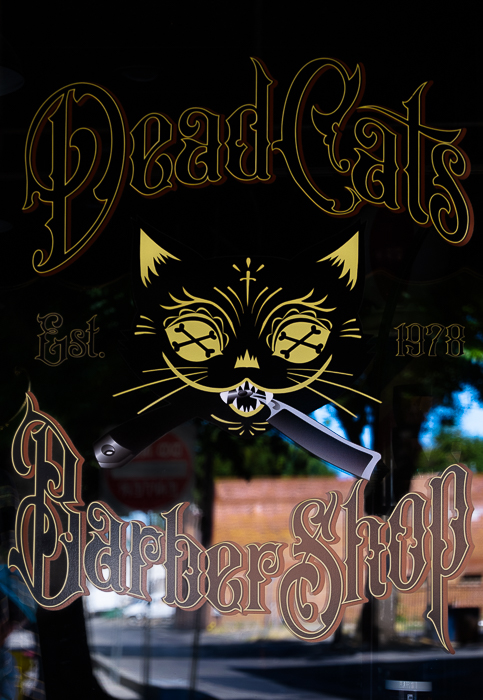
The answer to that question is everything! In a photography competition, your title tells the judge what story your picture is telling. So, I didn’t know what to expect what I would see in Dead Cat Alley, Woodland, California. Needless to say I was curious. I had been to Woodland several times and never saw this Alley, but there was a write up about it. So intrigued by the name I just had to visit. My friend Diane came with me. Although she’s not a photographer, she was great at spotting the cats.
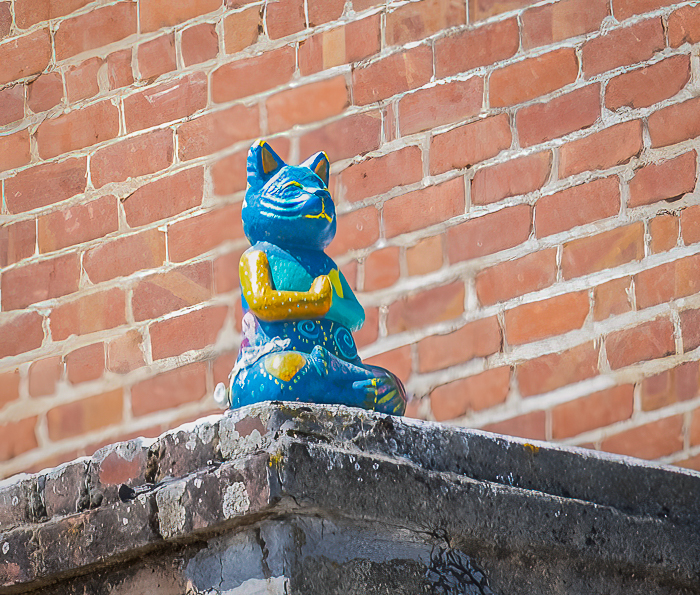
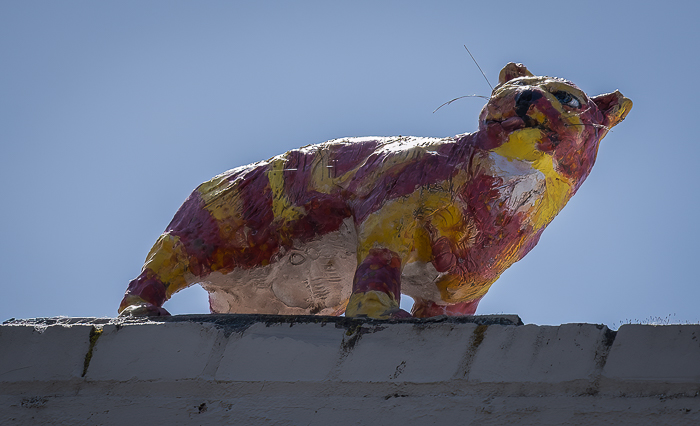
The alley is three blocks long and is difficult to find. There are ceramic, iron, and painted cats. The write up says to look high and low, and it was right. A lot were on roofs, some on gates and some on fences. A lot of the ceramic cats are getting old and could use some rejuvenation.
But it was fun. We parked and walked the three long blocks back and forth. With eagle eyes pierced for finding the cats. Here’s what we found:
Check out the above link to find out more about this historic alley.










































 Slow Shutter Speed