Lens Artists Challenge #277: Empty Spaces

I like that we always learn through LAPC challenges. This week, Patti has taught me the difference between negative and empty space. She challenges us to post images where the empty space draws the viewer’s eyes to the subject, conveys a mood, or creates a more dramatic scene. I’m not sure my images are moody or dramatic, but they bring me joy and serenity.

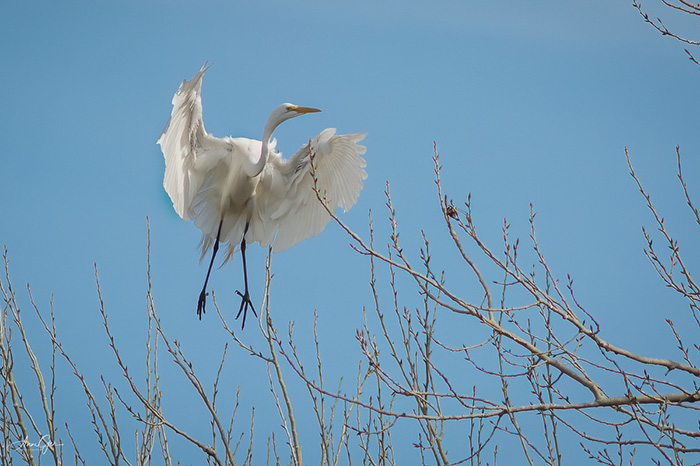
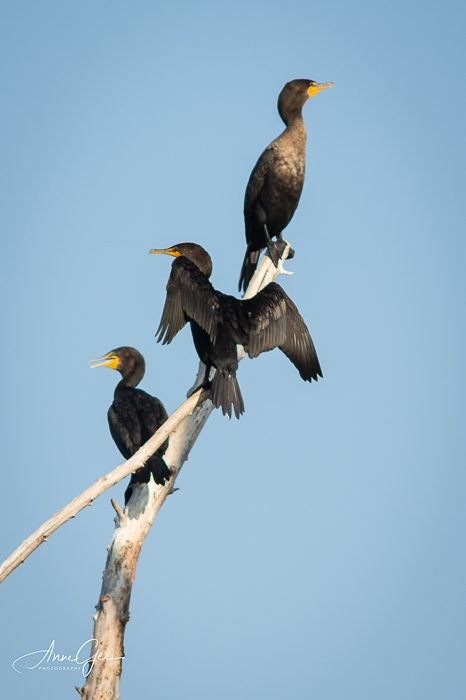
First, let’s look at how plain blue sky creates an empty space that accentuates the birds I captured. I do tend to crop in, almost too much, but the idea is still there.

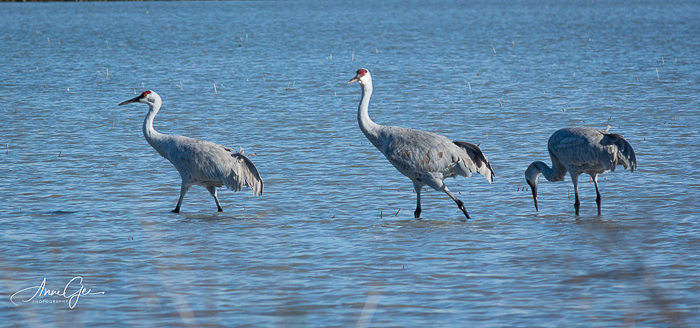
The same goes for water. Sandhill Cranes are usually mid-way in fields and difficult to photograph with my maxed out 300 mm reach. But these were in nice blue water. Did I get lucky? The blue empty space helped create enough of a contrast, helping to sharpen the cranes.
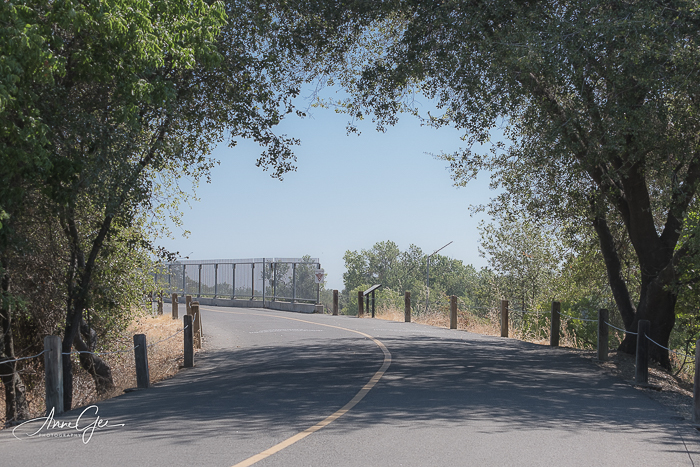
I like landscapes. As a compositional tool, I try to find something that will lead the viewer through the image. The grass area, pulls you into the trees, creating a pathway through the image.

Man can copy nature by building roads or pathways that take you across rivers on bridges. Cement provides the empty space that draws us in.
Back to nature, this family is enjoying some empty space at the river’s edge provided by this sandy beach.

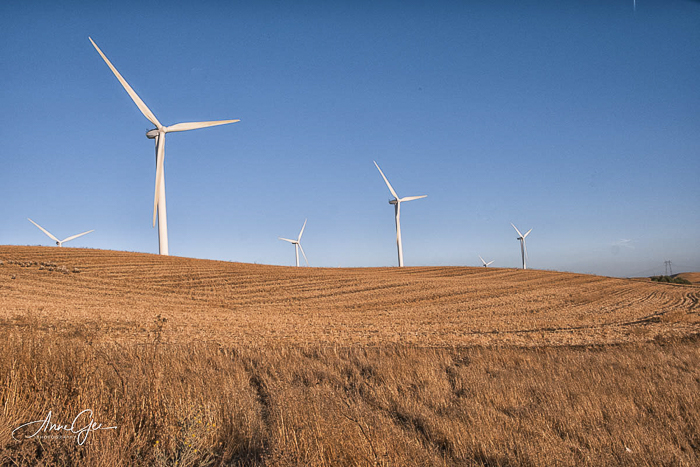
A field and blue-sky accent these wind turbines. It also helps that the field has crop lines that lead your eyes into the picture.
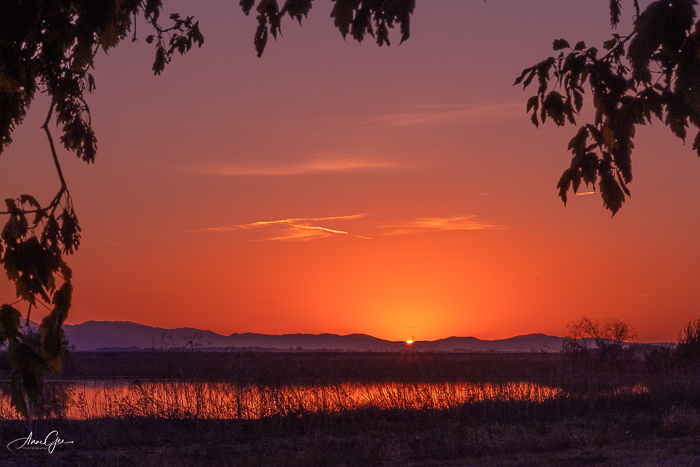
My last picture is a sunset that is dominated by a sky leading us down to the setting sun. We then follow through to the reflection in the water.
Thank you, Patti, for teaching us a very useful compositional technique. When you respond to this challenge, please remember to link to Patti’s original post and use the Len’s-Artists tag in the reader. I enjoyed seeing all your ups and downs as you responded to guest host James’ post. He taught us another great tool. Next week, it’s Amy will be leading the challenge with “Unique.”

If you would like to participate weekly in our Lens-Artists Challenge, click here for more info. 

Happy Thanksgiving: Some changes at the zoo!

Happy pre-Thanksgiving to all who celebrate! There’s a new animal at the Sacramento Zoo: meet the White Rhinoceros. That’s his keeper behind the fence. She just kept feeding him. I wonder how much he eats in a day! He’s a big guy!

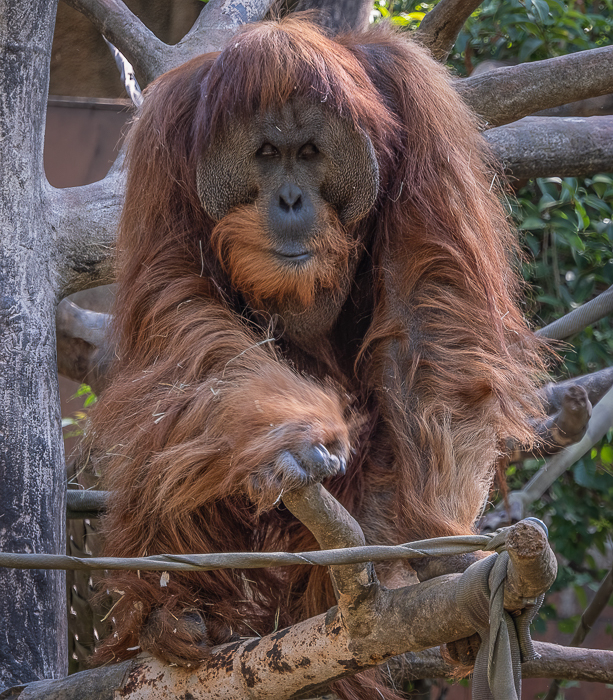
An orangutan was enjoying a snack of romaine lettuce.

The alligator was patiently waiting.

This meercat was the lookout guard at the top of the small mountain.

This raven (I think) caught its meal.

One of the cheetahs posed for me.

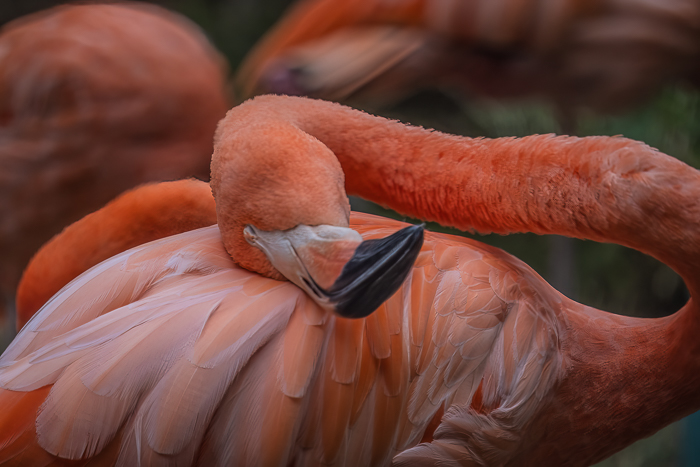
The flamingos are back. They are being housed in the former enclosure of the chimpanzees after they were sent to different zoos that had more space for them in a jungle like enclosure. The flamingos are still kept in a glass enclosure because of the avian flu.

What was this zebra trying to tell me?

These are the changes at the zoo. They are planning a move to Elk Grove in a much better location with more space for more animals. It will take about 4 to 5 years. So stay tuned.

Lens Artists Challenge #276: Looking Up; Looking Down

This week James of Jazzibee wants us to look up and down; but in order to do that, I have to look back! Yes, look back in my archives. I chose to look back at 2019. This is what I found.

I try to pay attention to my surroundings when I’m out on a photo outing, but I tend to miss tiny details. So I try to look down for flowers, butterflies and other insects. Looking down I found:

A butterfly and a big black bee. I haven’t seen one since.

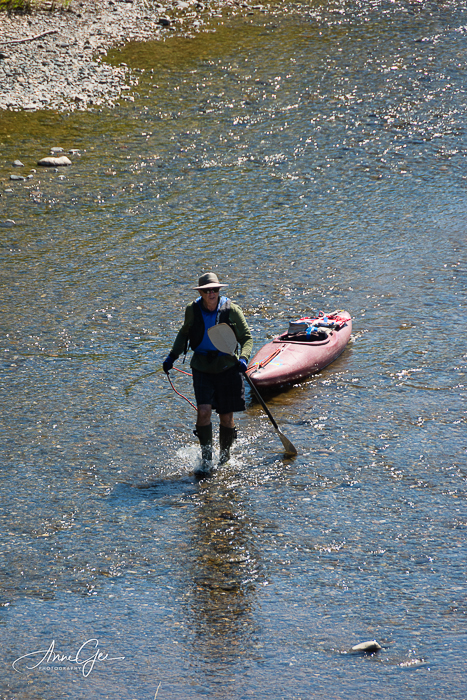
From a bridge I saw two people rowing in the river and one person finished for the day.

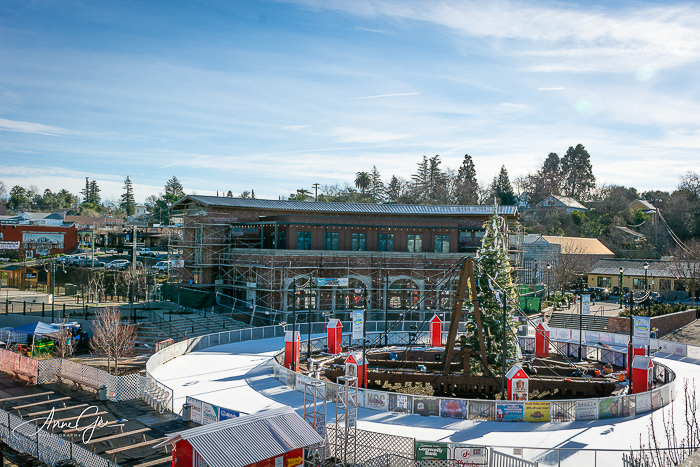
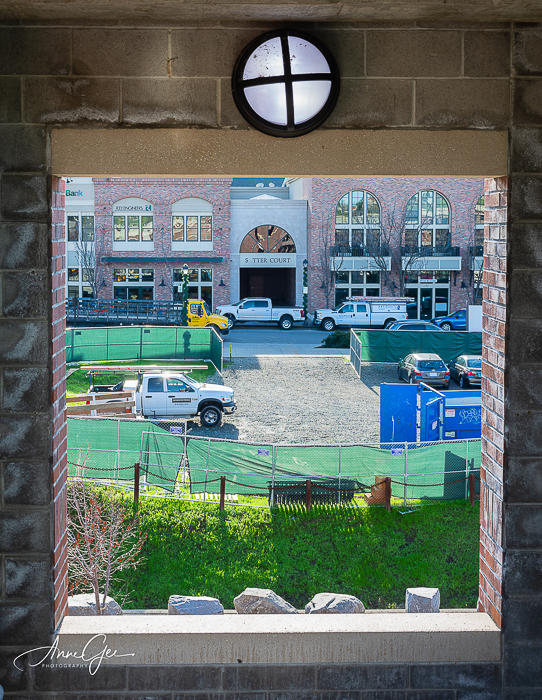
From a parking lot in Old Folsom, I was looking down on the ice rink. And from a window in the same lot I could look down on the street.

Here are three more: a lotus leaf in a pond, a rusty pail, and a daffodil.

I tend to pay more attention to the scenery that surrounds me, and I look up.

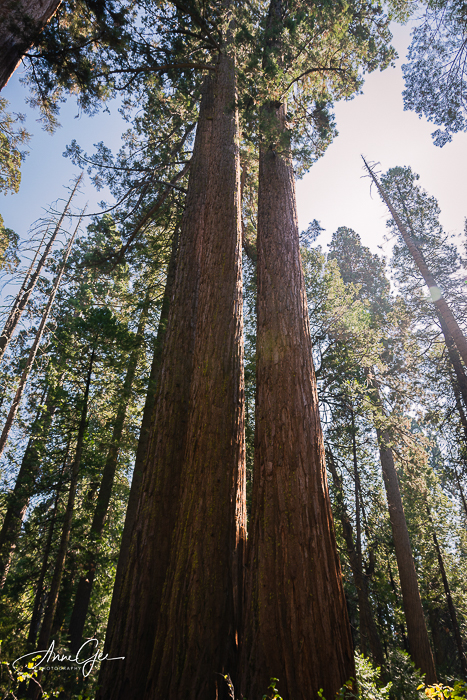
Calaveras Big Trees State Park. Giant Sequoias.

Apple Hill in the Fall.

Culinary Institute of America Napa Valley. Lobby and one of the buildings.

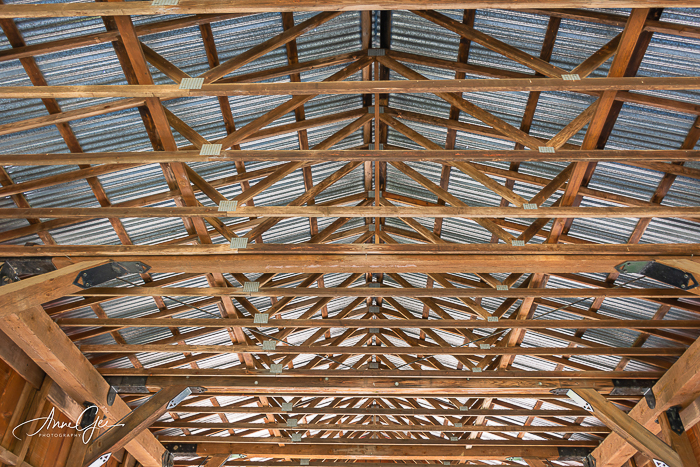
I’ll close with images of a ceiling of a covered bridge, a bird on a branch, and a staircase.

Thank you, James, for urging all of us to be aware of our surroundings when we are on a photo outing. I enjoyed my trip back into 2019.

And I thank you for all your wonderful responses to last week’s challenge. I certainly saw varied frame filling. It was a lot of fun. When you respond to James’s challenge, be sure to link back to his post and put Lens-Artists in the Reader. Next week Patti will be challenging us, so be sure to look for her blog post.

Lens Artists Challenge #275: Filling the Frame

Photography rules are guidelines and are sometimes meant to be broken. Also, photography is art, and art is subjective. Why am I saying this? Come down the rabbit hole with me!

In the last two weeks, we’ve learned about symmetry and asymmetry—two basic forms of composition. Now we’re going to delve into another: filling the frame.

When you want your subject to stand out, fill the frame! When you fill the frame with your subject, you eliminate various background distractions. The viewer’s eyes have nowhere to wander. Their attention is where you want it.

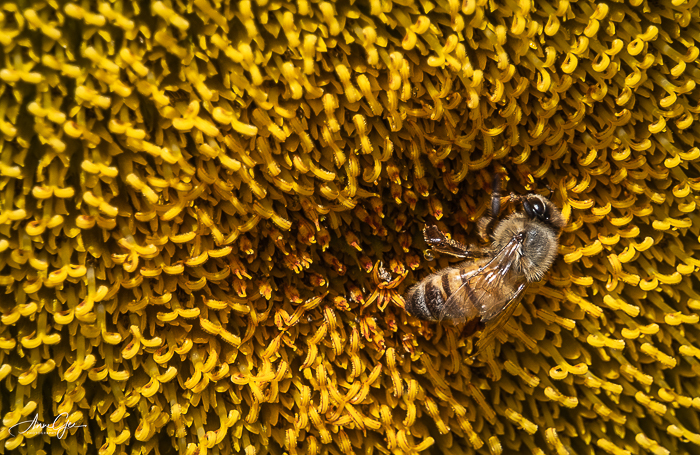
The frame refers to the rectangular scene you see through your camera. When you use this technique, you simply fill your photo’s frame with more of your subject, reducing the amount of background or negative space shown. And it can be filled-in-camera or in post processing. I tend to fill in-camera, sometimes not leaving any room for creative cropping in post. Now, I try to leave a bit more around my subject, so I have more to work with. I did a close crop in post on the sunflower, below, wanting to show the bee in action. By doing this, my sunflower became the background and the bee the subject. Sometimes we just change our minds once we view the image on our monitors.

The basic rule for filling the frame is to get close to your subject. This can be achieved by walking up to your subject or using a zoom lens. I’ve done this type of photography with a macro and zoom lens. You can fill the frame totally or leave a bit of negative space to help your subject stand out. Yes, we’re sliding down that rabbit hole now. A bit of nothing helps put the focus on your subject. Remember, photography is subjective, and everyone has an opinion. Some photographers say “no” to negative space and a soft background. But, without the small amount of negative space, how could I have had this flamingo stand out? Having a bokeh background helps this flower stand out and shows its environment.

Okay, that rabbit hole is getting slippery now. What about filling the frame to tell a story? This can be street photography, event photography, or iconic subjects. Below are two pictures. The first is of an entertainer, Tom Rigney, at the Sacramento Music Festival. The second is of the Point Reyes an old boat that has become a photographers’ attraction. Viewers would not interpret their full stories without seeing their environment. But their stories fill the frame and there’s nothing that distracts from them.

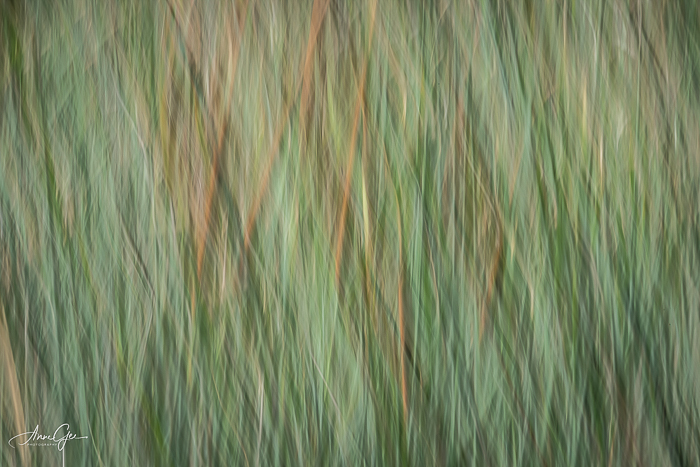
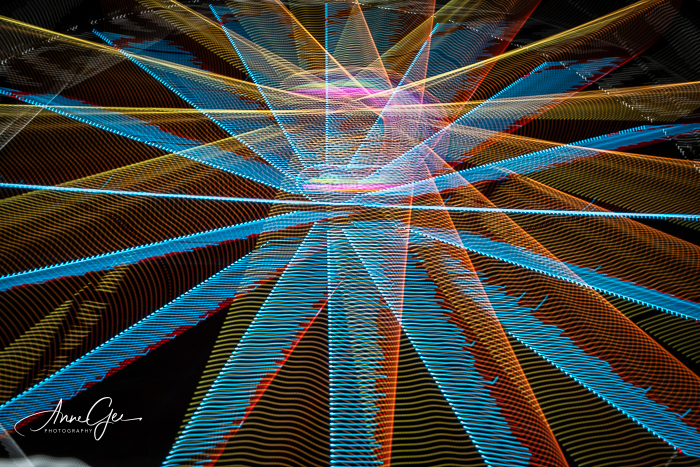
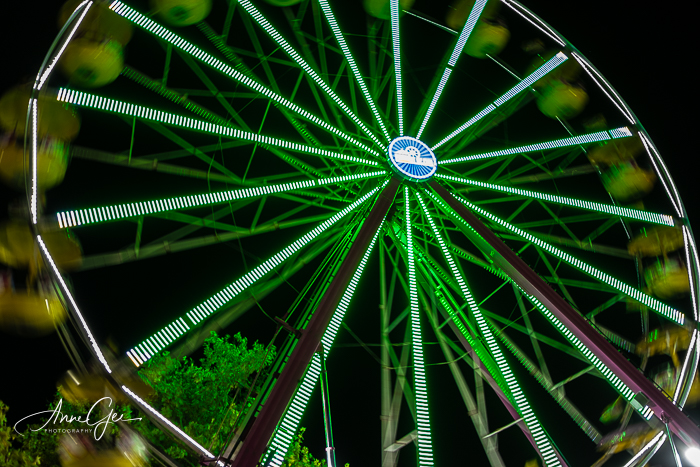
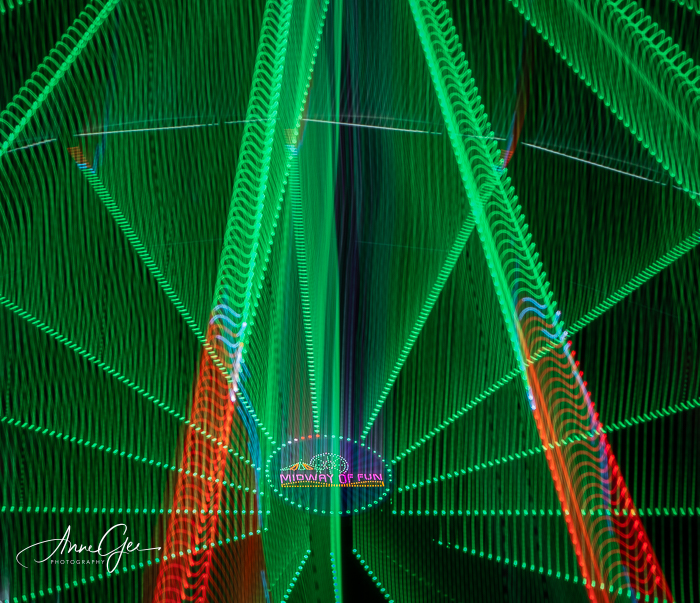
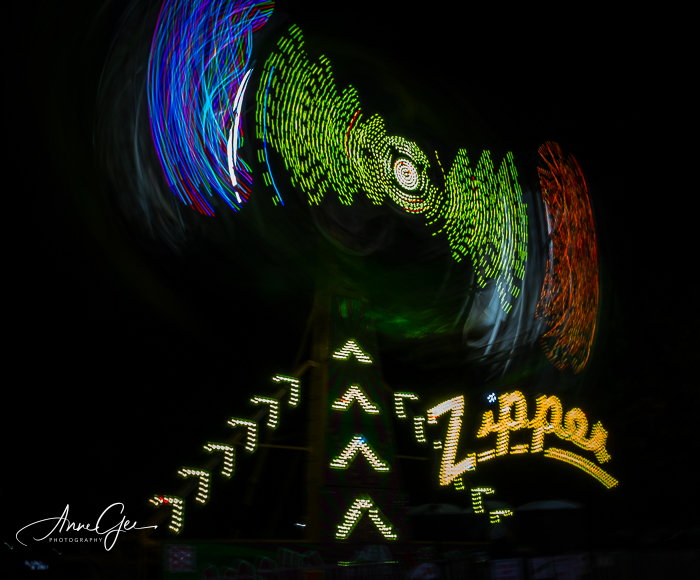
Do you like getting creative? Let’s fill the frame with an abstract! One is of cattails and the other a Ferris wheel. Both were taken with intentional camera movement (ICM).

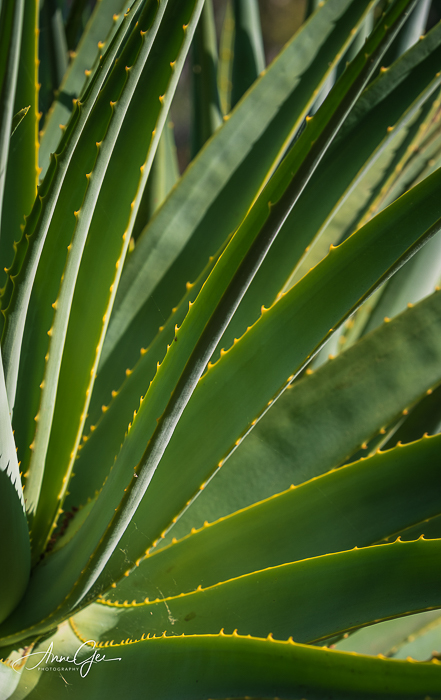
Spilling off the frame. Most of my images in this post extend beyond the frame, meaning their stories continue beyond the confines of the image boundaries.  The lotus and cactus are continued in the viewer’s imagination.

We’ve reached the bottom of my rabbit hole. Let’s climb back out so you can find your images that fill the frame. Remembering that photography is subjective, I’m looking forward to seeing your imaginative and creative responses. Anything goes! When you respond remember to link to this post and use the Lens-Artists tag.

Thank you, Donna, for getting us in the mood with her asymmetry challenge last week. We’ve been having a lot of fun, haven’t we! Next week James of Jazzibee will guest host and present our next challenge. Be sure to look for his post.

If you would like to participate weekly in our Lens-Artists Challenge, click here for more info. 

Up Close at the California Automobile Museum

The California Automobile Museum in Sacramento is a photographers challenge. They have beautiful autos, but they are behind ropes which makes it difficult to photograph. Whenever I go there, I tend to pick out a part of the car to photograph. We haven’t been there in years and the cars in the museum have changed. There’s always something new to see. This time my friend Ray and I checked it out.

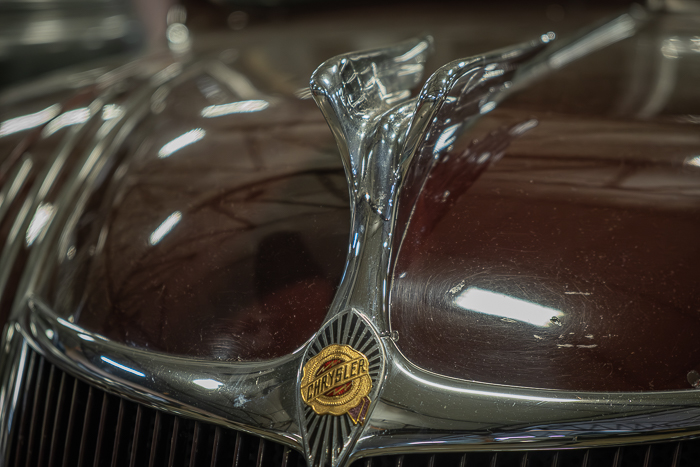
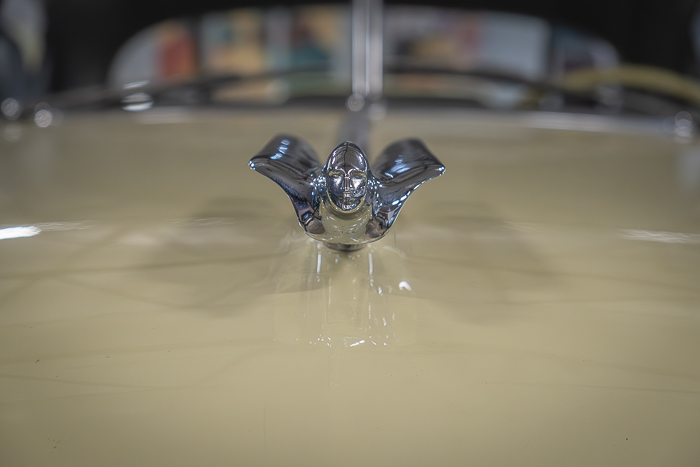
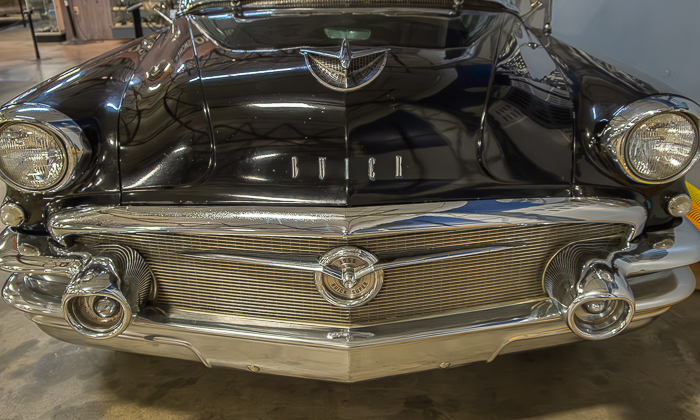
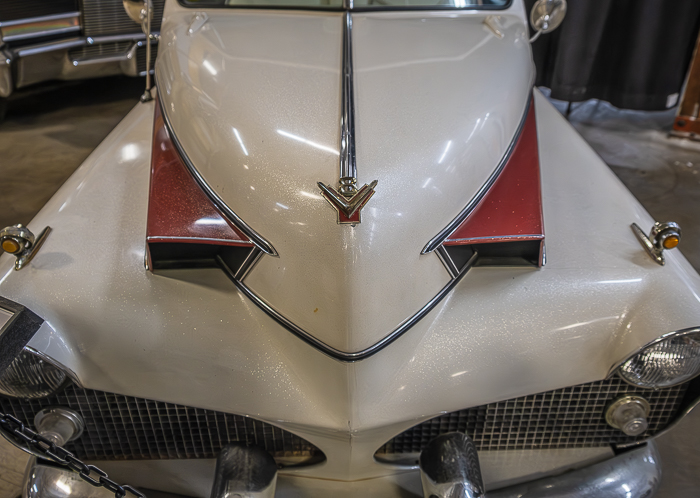
I was concentrating at photographing the hood ornaments. We don’t have them any more!

I like the pieces of the old, old, old cars; (Okay I don’t know the years, probably 1920 on.) much older than me. I liked where they put the headlights, steering wheels and foot pedals.

They also had a few old race cars.

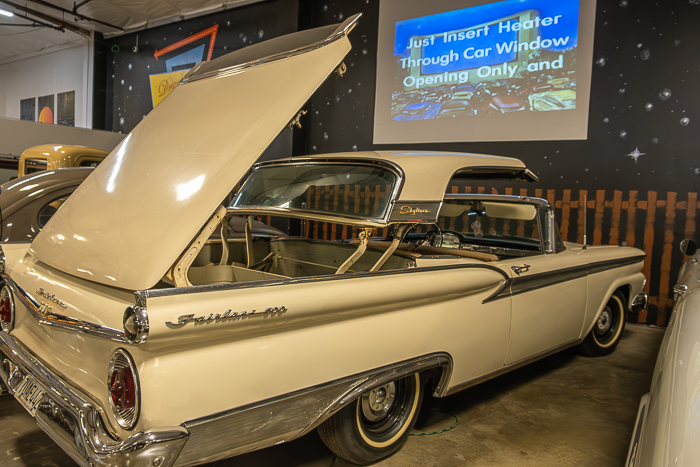
These two are from the 1950s. I remember the Chevy but not the Ford convertible. Do you?

It’s amazing how car design has changed. Take time to go down memory lane at an auto museum near you.

Lens Artists Challenge #274: Asymmetry

It’s amazing how we can learn about the way we photograph as we take on our weekly challenges. Last week Sofia had us think about how we use symmetry in our photos, and this week Donna has us digging through our files for asymmetrical images. What a learning experience. I realize that while I truly don’t think about it when I compose a picture, I lean towards taking asymmetrical images.

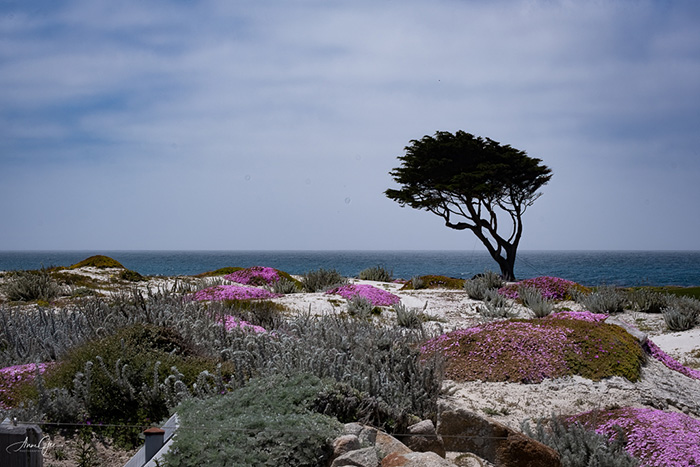
I guess I just like things not so obviously balanced unless I see symmetry demanding to be photographed. For example, when I compose a nature image, it’s usually asymmetrical but somehow balanced. I really don’t compose it thinking about whether it’s symmetrical or asymmetrical.

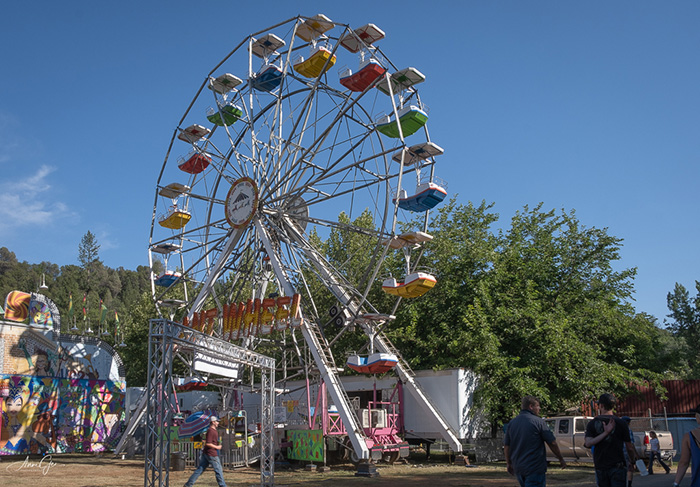
With event photography, it’s the same. Now I’m wondering why! I guess carnivals are always asymmetrical.

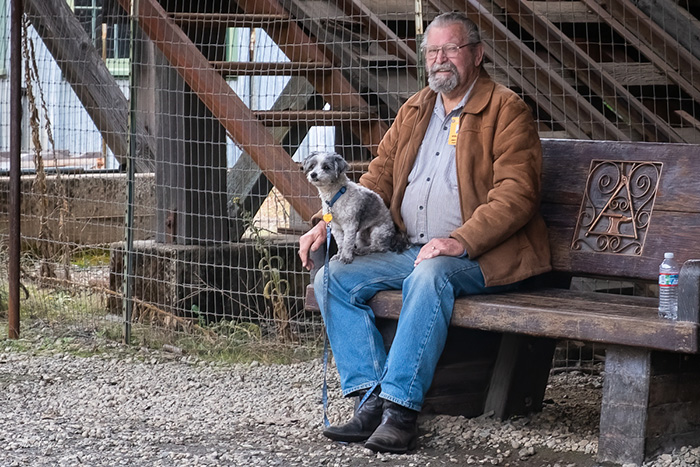
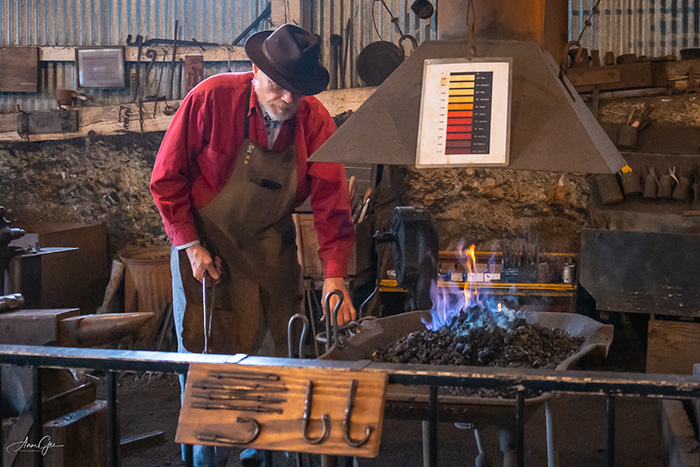
I tend to do the same with environmental portraits. These pictures were taken at the Empire Mine State Historical Park. I offset the man and his dog and the blacksmith. I even offset the close up of the blacksmith.

And did you notice I also posted an odd number of pictures for each segment? What does that say about me? All kidding aside, I truly don’t think too much about how I compose a photo. I just work the camera and lens until I get what I like.

Thank you, Donna, for showing us the other side of symmetry. As you can see from this post, I’ve learned a lot about my photography techniques. And to Sofia for starting us off with symmetry. I enjoyed seeing all your symmetrical images, and they were very creative.

I’ll be leading the challenge next week, so look for my post.

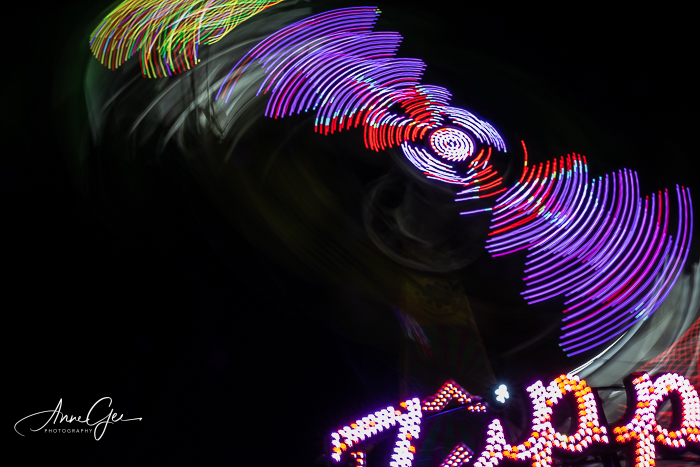
Playing with lens and camera movement!

I enjoy doing things differently, especially when it comes to my camera and lens. Last week a small carnival occupied some of the Sunrise Mall parking lot in Citrus Heights. Perfect! I had to go and two photo buddies met me there.

When I say small, I mean not too many rides that are great for slow shutter speed photography. That coupled with my injuries from the August auto accident (They tell me it will be a long time recovery for my neck and shoulders.), helped me decide to leave my tripod in the car. You’ll see that in some cases I needed it.

Here are the pictures–handheld.

Some of these may not be perfect, but I had an hour’s worth of fun. Next year the tripod!